广告
加载中

当音箱不再只是音箱 MORROR ART正在把家变成年轻人的情绪栖居地

亿邦动力 2026-06-04 15:10
亿邦动力 2026/06/04 15:10

邦小白快读

EN
全文速览

本文围绕当前音箱行业的新变化,分享了年轻人对家居音箱的新需求,给普通消费者选购音箱提供了参考干货。

1.当前行业整体趋势:家居家电消费主力已经变成35岁以下年轻人,年轻人对家居产品的需求从功能满足转向情绪价值,2025年国内情绪消费市场规模达2.72万亿元,超六成中青年愿意为带情绪属性的家居产品支付15%-35%的溢价,40.2%的年轻人休闲首选居家独处疗愈。

2.选购音箱的新方向:不用再只盯着音质、功率、语音识别这些参数,要优先选择能适配家居场景、提供情绪陪伴的产品,兼顾功能、审美和情绪价值才更符合当代年轻人的需求。

3.MORROR ART不同产品适配不同需求:透明悬浮歌词音箱适合喜欢氛围感的用户,壁画款可当墙面软装,唱片款适合追求音乐仪式感的用户,边柜舒眠音箱S1适合有睡眠困扰的年轻人,能帮助舒缓情绪辅助入睡。

本文梳理了智能音箱行业的最新消费趋势,给品牌商的产品研发、品牌建设提供了明确的方向参考。

1.消费趋势变化:当前家居家电消费主力为35岁以下年轻人,占比近六成,需求已经从“搭建智能数字基建”转向“生活体验升维”,情绪消费风口已经到来,超五成年轻人期待家能提供更多视听享受,智能音箱仍是最受欢迎的智能家电前三品类。

2.行业现状痛点:传统智能音箱赛道已经陷入增长瓶颈,2025年第三季度中国大陆全渠道销量同比下降11.9%,TOP3品牌占据97.2%的市场份额,行业瓶颈本质是产品只做功能入口竞争,没有和用户建立深度情感黏性。

3.品牌发展方向参考:可以参考MORROR ART的路径,跳出参数竞争,转向场景和情绪竞争,将产品融入家居软装和前装市场,针对年轻人的痛点如睡眠困扰开发对应产品,打造差异化竞争力,抓住情绪消费的增长机会。

本文给音箱、家居类卖家梳理了行业现状,指出了新的增长机会和可借鉴的经验。

1.传统赛道风险提示:当前传统智能音箱赛道已经高度成熟,2025年第三季度全渠道销量同比下降11.9%,TOP3品牌合计占据97.2%的市场份额,新卖家进入传统赛道很难获得生存空间,头部卖家也面临增长瓶颈。

2.新增长机会提示:年轻人对家居产品的需求已经转向体验升维和情绪价值,情绪消费市场2025年规模已经达到2.72万亿元,同时精装修市场智能家居配置率逐年提升,2025年一季度已经达到35.3%,音箱切入前装软装市场是全新的增长方向。

3.可学习的运营经验:可以参考MORROR ART的产品逻辑,不堆砌参数,主打情绪陪伴和家居适配,针对睡眠等年轻人普遍痛点开发场景化产品,对接精装修市场的前装设计需求,打开新的销路避开红海竞争。

本文给智能硬件、家居生产工厂梳理了新的产品设计方向和商业机会,提供了转型参考。

1.产品生产设计需求变化:传统智能音箱堆参数、做智能入口的设计已经不符合用户需求,当前年轻人需要产品同时满足功能、审美、情绪价值,要求产品能融入家居整体设计,而不是突兀的功能单品,对产品形态的创新需求远高于对参数升级的需求。

2.新商业机会:当前精装修市场智能家居配置率逐年提升,2025年一季度已经达到35.3%,越来越多智能设备在空间设计阶段就被纳入整体方案,工厂可以开发适配前装软装的音箱类产品,比如替代装饰画的壁画音箱、替代床头柜的舒眠边柜音箱,切入批量供货的新渠道。

3.数字化与电商转型启示:工厂可以跳出传统硬件生产的逻辑,转向场景化产品开发,围绕年轻人的情绪需求、家居适配需求做产品形态创新,避开传统智能音箱赛道的激烈竞争,开辟全新的细分赛道。

本文梳理了智能音箱和家居行业的新发展趋势,以及当前市场存在的痛点,给服务商指明了新的业务方向。

1.行业发展趋势:当前智能硬件行业已经从参数竞争转向场景情绪竞争,智能设备从入住后后置添置,转向装修阶段提前纳入前装软装设计,情绪消费成为新的增长引擎,产品越来越注重和整体家居空间的融合,行业整体处于转型期。

2.核心客户痛点:传统硬件品牌厂商长期陷入参数竞争的红海,面临销量下滑增长乏力的问题,不知道如何适配年轻人对情绪陪伴、家居适配的新需求,缺乏场景化产品开发和渠道对接的能力。

3.可拓展的业务方向:服务商可以针对传统品牌的转型需求,开发场景化产品设计咨询服务,对接精装修市场的前装设计资源,帮助传统品牌完成转型,还可以针对睡眠疗愈等新场景,开发配套的内容服务比如白噪音、冥想歌单,和硬件厂商合作变现。

本文梳理了当前智能硬件行业对平台的新需求,给平台商指明了新的招商运营方向和需要规避的风险。

1.行业新需求:传统智能音箱赛道已经高度头部垄断,用户需求饱和,销量持续下滑,新品牌、新品类很难获得增长机会,而用户对情绪家居、场景化智能硬件的需求快速增长,平台需要调整品类布局适配新的供需变化。

2.平台新机会:平台可以新增情绪家居、场景化智能硬件的专项招商板块,引入类似MORROR ART这类走差异化路线的新品牌,同时对接精装修市场的前装供应链需求,开辟新的品类增长曲线,抓住年轻化消费升级的风口。

3.需要规避的风向:不要再给传统参数型智能音箱过多的流量倾斜,这类产品已经面临增长瓶颈,无法适应当前用户需求,平台需要抓住年轻化、情绪消费、家居升维的趋势,调整运营规则和流量分配方向,适配供应链和用户的新需求。

本文展现了当前智能硬件行业的全新动向,提出了行业发展的新问题,给产业研究提供了优质的新样本。

1.产业新动向:智能音箱行业正在发生整体性的赛道切换,从原本的参数竞争、生态入口竞争,转向场景竞争、情绪价值竞争,产品形态从单一智能硬件转向家居软装化,MORROR ART已经开辟了音箱品类的全新赛道,验证了差异化路线的可行性。

2.待研究的新问题:传统智能音箱行业的增长瓶颈,本质不是技术问题,而是产品和用户的关系问题,过度强调功能和入口属性,缺乏深度情感连接,导致用户长期黏性不足,这个核心问题对整个智能硬件行业都有普适性,值得深入研究。

3.商业模式研究参考:MORROR ART的模式跳出了传统硬件拼参数拼价格的红海逻辑,通过场景化创新、情绪价值溢价获得差异化竞争力,这种转型模式对很多传统硬件行业的转型都有研究参考价值,情绪消费和家居智能化结合的方向也值得研究者重点关注。

返回默认

声明:快读内容全程由AI生成,请注意甄别信息。如您发现问题,请发送邮件至 run@ebrun.com 。

我是 品牌商 卖家 工厂 服务商 平台商 研究者 帮我再读一遍。

Quick Summary

This article explores new shifts in today's speaker industry, outlines young consumers' evolving demands for home speakers, and shares practical guidance for general shoppers looking to purchase a new device.

1. Current overall industry trends: Consumers under 35 have become the core buyers of home appliances and electronics. For this group, demand for home goods has shifted from pure functionality to emotional value. China's emotional consumption market is projected to reach 2.72 trillion yuan by 2025, with more than 60% of young and middle-aged consumers willing to pay a 15%-35% premium for home products with emotional appeal. 40.2% of young people rank quiet healing time alone at home as their top leisure choice.

2. New priorities for speaker shopping: Instead of only focusing on specs like sound quality, power output, or voice recognition, shoppers should prioritize products that fit their home scenario and deliver emotional companionship. Balancing functionality, aesthetics and emotional value best meets the needs of today's younger consumers.

3. MORROR ART's product lineup fits different use cases: Its transparent floating lyric speaker works for users who love immersive home atmosphere; the mural-style speaker doubles as wall decor; the record model suits consumers who value ritual around music listening; and the sideboard sleep speaker S1 caters to young people with sleep troubles, helping ease mood and support better rest.

This article sorts out the latest consumer trends in the smart speaker industry and provides clear directional guidance for brands on product R&D and brand building.

1. Shifting consumer trends: Consumers under 35, who account for nearly 60% of the home appliance market, now make up the core buyer group. Their demand has shifted from "building smart digital infrastructure" to "elevating life experience", and emotional consumption has emerged as a major growth trend. More than half of young consumers expect their homes to deliver better audio-visual experiences, and smart speakers remain one of the top three most popular smart home categories.

2. Pain points in the current industry: The traditional smart speaker track has hit a growth bottleneck. In Q3 2025, total all-channel sales in mainland China dropped 11.9% year-over-year, with the top 3 brands holding a combined 97.2% market share. The root of the industry's stagnation is that brands have only competed to be functional smart entrances, and failed to build deep emotional connections with users.

3. Guidance for brand growth: Brands can follow the path blazed by MORROR ART: step away from spec-based competition, shift to competing on scenario fit and emotional value, integrate products into home decor and the pre-construction home market, develop targeted solutions for young consumers' pain points (such as sleep troubles), build differentiated competitiveness, and capture growth opportunities from the emotional consumption trend.

This article sorts out the current industry landscape for speaker and home goods sellers, highlights new growth opportunities, and shares actionable takeaways.

1. Risks in the traditional track: The traditional smart speaker market is already highly saturated. In Q3 2025, total all-channel sales fell 11.9% year-over-year, with the top 3 brands controlling 97.2% of the market. New entrants struggle to gain a foothold in this traditional segment, and even top sellers face stagnant growth.

2. New growth opportunities: Young consumers' demand for home goods has shifted to elevated experience and emotional value, and China's emotional consumption market will hit 2.72 trillion yuan by 2025. Meanwhile, the penetration rate of smart home devices in the finished home decoration market has grown steadily, reaching 35.3% in Q1 2025. Positioning speakers to fit into pre-construction home decor is an entirely new growth direction.

3. Actionable operational takeaways: Sellers can adopt MORROR ART's product strategy: avoid spec stacking, instead center products around emotional companionship and home integration, develop scenario-specific products for common young consumers' pain points like sleep trouble, and target pre-construction design demands from the finished decoration market to open new sales channels and avoid red-ocean competition.

This article outlines new product design directions and business opportunities for smart hardware and home goods manufacturers, and provides guidance for business transformation.

1. Shifting demands for product design and manufacturing: The traditional approach of stacking specs and positioning speakers as smart entrances no longer meets user demand. Today's young consumers want products that deliver a balance of functionality, aesthetics and emotional value, and fit seamlessly into overall home design rather than sticking out as a jarring functional standalone. Demand for product form innovation far outpaces demand for incremental spec upgrades.

2. New business opportunities: Smart home penetration in the finished decoration market has risen steadily, hitting 35.3% in Q1 2025. More smart devices are now incorporated into overall design plans during the spatial planning stage. Factories can develop speaker products tailored for pre-construction decor, such as mural speakers that replace decorative wall art, or sleep-friendly sideboard speakers that replace nightstands, to access new bulk supply channels.

3. Insights for digital and e-commerce transformation: Factories can move beyond the traditional hardware manufacturing logic, shift to scenario-focused product development, innovate product forms around young consumers' demand for emotional value and home integration, avoid the cutthroat competition of the traditional smart speaker track, and carve out an entirely new niche segment.

This article sorts out new development trends in the smart speaker and home industries, outlines core market pain points, and highlights new business directions for service providers.

1. Industry development trends: The smart hardware industry has shifted from spec-based competition to competition centered on scenarios and emotional value. Smart devices are no longer just added as after-purchases after move-in, but are now incorporated into pre-construction decor design during the renovation phase. Emotional consumption has become a new growth engine, and products increasingly prioritize integration with overall home space. The entire industry is in a period of transition.

2. Core client pain points: Traditional hardware brands have long been stuck in the red ocean of spec competition, facing falling sales and stagnant growth. They lack clarity on how to adapt to young consumers' new demand for emotional companionship and home integration, and lack the capability for scenario-focused product development and channel matching.

3. Expandable new business directions: Service providers can develop scenario-focused product design consulting services to meet traditional brands' transformation needs, connect brands with pre-construction design resources in the finished decoration market, and help incumbents complete their transformation. They can also develop supporting content services (such as white noise and meditation playlists) for new scenarios like sleep therapy, and monetize through partnerships with hardware brands.

This article sorts out new demands that the current smart hardware industry places on platforms, and outlines new investment and operation directions as well as risks to avoid for marketplace operators.

1. New industry demands: The traditional smart speaker track is already highly concentrated among top players, with saturated user demand and continuously falling sales. It is extremely difficult for new brands and new categories to grow in this segment. By contrast, user demand for emotional home goods and scenario-focused smart hardware is growing rapidly. Platforms need to adjust their category layout to adapt to this new supply and demand shift.

2. New platform opportunities: Platforms can add dedicated recruitment sections for emotional home goods and scenario-focused smart hardware, onboarding differentiated new brands like MORROR ART. They can also match pre-construction supply chain demands from the finished decoration market, build new category growth curves, and capture the trend of youth-oriented consumption upgrading.

3. Risks to avoid: Platforms should no longer allocate large amounts of traffic to traditional spec-focused smart speakers, as these products have hit a growth ceiling and no longer match current user demand. Instead, platforms should align with the trends of youthification, emotional consumption, and home experience upgrading, adjust operational rules and traffic allocation, and adapt to the new demands of both supply chains and consumers.

This article presents new developments in the current smart hardware industry, raises new questions about industry development, and provides a high-quality new case study for industrial research.

1. New industry developments: The smart speaker industry is undergoing an overall track shift, moving from competition over specs and ecosystem entrance positioning to competition over scenarios and emotional value. Product positioning has also shifted from standalone smart hardware to integrated home decor. MORROR ART has already carved out an entirely new niche in the speaker category, validating the feasibility of this differentiated route.

2. New questions for further research: The growth bottleneck of the traditional smart speaker industry is not fundamentally a technology problem, but a problem of the relationship between products and users. Overemphasis on functionality and entrance positioning, paired with a lack of deep emotional connection, leads to low long-term user stickiness. This core issue is universal across the entire smart hardware industry, and merits in-depth research.

3. A reference for business model research: MORROR ART's model steps outside the traditional red-ocean logic of hardware competing on specs and price, and builds differentiated competitiveness through scenario innovation and emotional value premium. This transformation model offers valuable research reference for transformation across many traditional hardware industries, and the intersection of emotional consumption and smart home is a key direction that researchers should prioritize.

Disclaimer: The "Quick Summary" content is entirely generated by AI. Please exercise discretion when interpreting the information. For issues or corrections, please email run@ebrun.com .

I am a Brand Seller Factory Service Provider Marketplace Seller Researcher Read it again.

很长一段时间里,音箱被放在家里的方式都很相似。它可能在电视柜一角,负责播放音乐;也可能在床头、书桌、厨房,被唤醒后回应一句“我在”。在传统语境里,音箱是一件智能硬件,也是一件功能设备。人们衡量它,往往看音质、功率、连接方式、语音识别速度,看它是否足够“聪明”。

但今天的年轻人,对家的要求已经不止于聪明。

下班后的客厅,需要的不只是自动亮起的灯,还有一种把疲惫接住的包裹感;深夜的卧室,需要的不只是准时响起的闹钟,还有一段能让神经慢慢放松下来的声音;周末独处的空间,也不只需要一台能播放音乐的设备,而需要一个安静、好看、不打扰,却始终在场的陪伴者。

这也是为什么,音箱正在从“听觉设备”变成“家居情绪装置”。

B站联合第一财经、DT商业观察发布的《2025年轻人智能生活家趋势白皮书》显示,全网家居家电消费呈现年轻化趋势,35岁以下消费者占比近六成,成为家居家电消费的主流人群。更重要的是,年轻人的智能生活想象已经从“数字基建”走向“体验升维”:超五成人期待未来的家能带来更多视听享受,智能音箱也进入“最多人买过的智能家电设备”前三。

换句话说,音箱并没有离开年轻人的家,只是年轻人对它的期待变了。

他们不再满足于一个会回答问题的黑盒子。他们想要它好听,也要好看;要有功能,也要有情绪;要融入家,而不是突兀地站在家里。

这正是MORROR ART走在前面的地方。

当很多品牌还在围绕“语音助手”“低音下潜深度”“生态入口”反复竞争时,MORROR ART更早意识到:音箱不必只停留在声音里。早在2020年前后,MORROR ART透明歌词音箱就以“歌词”“透明”“悬浮”为核心识别,被媒体评测称歌词观感就如同悬浮在空中一般。音乐从来不是纯粹的声波,它有歌词、有画面、有记忆,也有某一段人生里难以言说的情绪。既然人们会因为一句歌词停下来,会因为一首歌想起某个人、某个夜晚、某个阶段的自己,那么音箱为什么不能把这些情绪显示出来?

于是,MORROR ART把“显示”引入音箱。

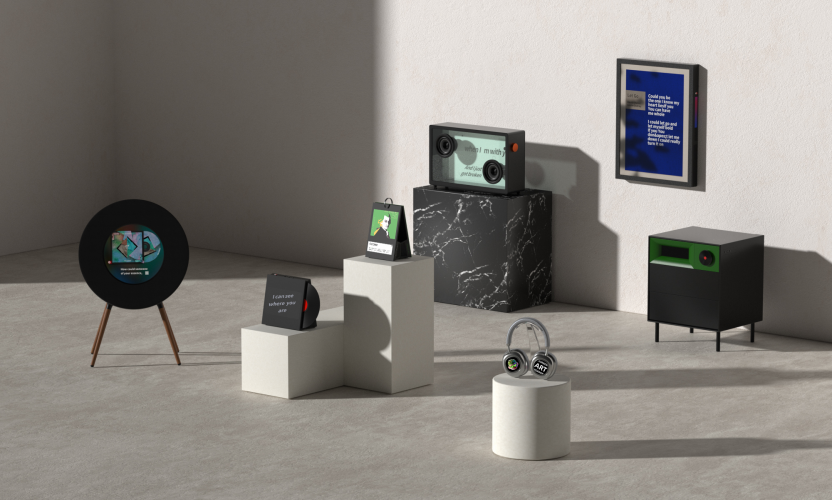
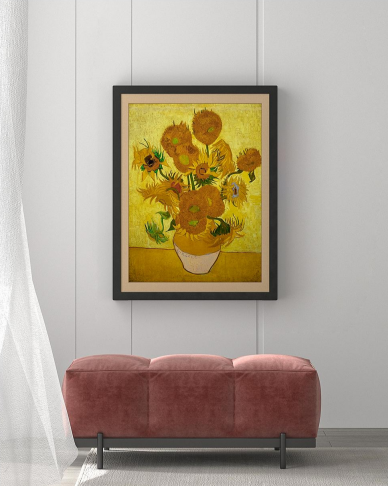
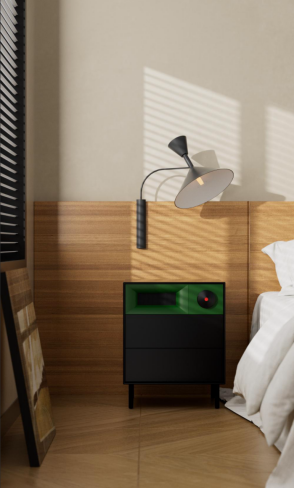
透明悬浮歌词音箱让歌词像悬浮在空气里,声音第一次拥有了可被凝视的形状;壁画歌词音箱T2把画面、歌词和家居空间叠合,让音箱不再只是桌面上的设备,而成为墙面的一部分、软装的一部分;唱片歌词音箱以更复古的形态重新连接音乐仪式感,让播放一首歌变得像一次缓慢而郑重的开启;边柜舒眠音箱S1则更进一步,把音箱做成床头边柜的样子,让它真正进入卧室,进入睡前、醒来和独处的私人时间。

这不只是产品形态的创新,而是一次关于“音箱应该属于哪里”的重新回答。

过去,智能音箱试图成为家的入口,但它常常被困在“控制家电”的逻辑里。开灯、查天气、设闹钟、问时间——这些功能当然有用,却很难让人产生长期的情感黏性。洛图科技发布的新一期中国智能音箱零售市场报告显示,2025年第三季度,中国大陆智能音箱全渠道销量为305.7万台,同比下降11.9%;TOP3品牌销量份额合计高达97.2%。行业的瓶颈并不只是技术不够新,而是产品与人的关系不够深。

年轻人真正需要的,不是又一个等待被命令的设备,而是一个能参与生活情绪的存在。

这一点,25—35岁的新锐中产尤其敏感。他们大多已经开始认真经营自己的空间,也更愿意为“家”的质感付费。房子未必很大,但一定要有属于自己的秩序;预算未必无限,但每一件物品都最好能同时满足功能、审美和情绪价值。对他们而言,家不是样板间,也不是单纯的居住容器,而是从外部世界撤退之后,重新安放自己的地方。

所以,“适我”比“高级”更重要。

所谓适我,不是逃避现实,也不是单纯悦己,而是年轻人越来越清楚地知道:什么样的东西能让我舒服,什么样的空间能让我恢复,什么样的物品能在漫长生活里真正被留下。美团研究院《2025年中国情绪消费行业研究报告》称,2025国内情绪消费市场规模2.72万亿元,超6 成中青年愿意为家居情绪属性产品支付15%-35% 产品溢价;40.2% 年轻人私人休闲首选居家独处疗愈。

音箱恰好站在这个交汇点上。

它有音乐的功能性,也有情绪的天然入口。它不需要用户长时间注视,也不强迫互动,却能在空间里持续铺陈氛围。相比手机和平板带来的信息焦虑,音箱更像一种低压陪伴:它在旁边,但不打扰;它回应你,但不占有你;它让家里有声音,也让人从外面的噪音里慢慢退回来。

这也是MORROR ART将音箱融入前装与软装市场的想象力所在。

当前,智能家居系统正在进入精装修配置体系。奥维云网数据显示,2025年一季度,中国房地产精装修市场智能家居系统配置率为35.3%,同比提升4.5个百分点。这意味着,越来越多智能设备不再只是入住后添置的“家电”,而是在空间设计阶段就被纳入整体生活方案。

但大多数智能设备仍偏向开关、门锁、照明、安防等基础系统,它们解决效率,却不一定解决氛围。MORROR ART的壁画歌词音箱、边柜舒眠音箱提供了另一种可能:音箱可以不是装修完成后被摆上去的补充品,而是在空间设计阶段就被纳入考虑的软装选择。

一台壁画歌词音箱,可以替代一幅静态装饰画,让墙面拥有声音和动态歌词;一台边柜舒眠音箱,可以替代普通床头柜,让卧室拥有灯光、声音、收纳与舒眠场景。它们既是音箱,也是家具;既是硬件,也是氛围;既满足听歌,也参与家的审美表达。

这恰恰击中了年轻人对家居产品的新期待:不要只为某一个功能存在,而要在不同场景里被自然使用;不要为了智能而智能,而要让技术退到生活背后;不要把人变成参数的使用者,而是让产品成为生活节奏的协作者。

尤其在睡眠场景里,这种价值更加明确。

中国睡眠研究会发布的《2025年中国睡眠健康调查报告》显示,中国18岁及以上人群睡眠困扰率达48.5%;一半以上00后和将近一半90后的入睡时间晚于12点。睡不好,早已不是少数人的问题,而成为一代城市年轻人的共同经验。很多人并不是不想睡,而是很难从工作、信息、社交和自我消耗中切换出来。

MORROR ART边柜舒眠音箱的意义,正在于此。它不是简单地播放白噪音,而是把“入睡”重新设计成一个可以被照顾的过程:灯光渐暗,声音放缓,房间从功能空间变成情绪缓冲带。根据品牌已提供的S1产品卖点,其舒眠场景包含渐进式唤醒、白噪音、冥想音乐、轻音乐歌单、环绕声场与可调节色温等设计。它让床头不再只是放手机、眼镜和水杯的地方,也成为一天结束前,把自己慢慢交还给自己的地方。

如果说过去的智能硬件追求的是“替你完成任务”,那么MORROR ART更关心的是“陪你进入状态”。

这是一种更柔软的技术观。

技术当然重要,但它不必总是以强烈的存在感出现。真正好的技术,应该让人忘记操作本身,只记得被照顾的感觉。歌词显示、透明屏幕、家居化形态、舒眠场景,这些看似不同的产品语言,背后其实指向同一个问题:如何让声音在家里变得更有温度?

在这个意义上,MORROR ART不是把音箱做得更像一台机器,而是把音箱做得更像生活本身。

它开辟的也不只是“会显示的音箱”这一产品方向,更是一条关于中国音箱品牌的新赛道:从参数竞争转向场景竞争,从智能硬件转向情绪陪伴,从单品设备转向家居表达。它把音乐从耳朵带到眼前,也把音箱从桌面带进墙面、床头和每一个真正发生生活的角落。

对今天的年轻人来说,家不必宏大,但要能安放自己;产品不必喧哗,但要足够懂我。

当一台音箱开始显示歌词、成为壁画、变成边柜,甚至在夜里陪人慢慢睡去,它就不再只是音箱。它是年轻人留给自己的一个精神避难所,是家里那盏不刺眼的灯、那段不催促的声音、那个无需解释也能被理解的瞬间。

而这也许正是MORROR ART真正想做的事:让声音被看见,让情绪有处安放,让家成为更适合自己的地方。

文章来源:亿邦动力

广告
微信
朋友圈

这么好看,分享一下?

朋友圈 分享

APP内打开

+1
+1
微信好友 朋友圈 新浪微博 QQ空间
关闭
收藏成功
发送
/140 0