广告
加载中

灵智无界完成Pre-A+轮融资 以视觉为起点跑通家庭具身智能商业化闭环

亿邦动力 2026-06-03 13:41
亿邦动力 2026/06/03 13:41

邦小白快读

EN
全文速览

本文核心信息是追觅科技孵化的AI视觉机器人品牌灵智无界完成数千万元Pre-A+轮融资,由老股东天空工厂创投追投,有不少值得关注的核心干货。

1. 企业发展现状:企业成立不足一年,已经跑通第一阶段商业化,首款安防摄像头产品上市不到一年,已经进入全球30个国家和地区,今年将正式切入国内市场,实现自我造血,不需要长期烧钱维持。

2. 差异化发展路径:不同于行业90%以上玩家先造移动身体再补视觉算法的路径,选择从AI视觉切入,先通过摄像头积累家庭场景数据打磨感知能力,再延伸到家庭具身机器人。

3. 后续规划:本轮融资将用于扩张全球渠道和技术研发,后续将发布三大核心技术、统一技术底座,推出多款家庭机器人产品,完成从视觉感知到具身智能的商业化闭环。

本文给布局家庭智能赛道的品牌商提供了战略方向、商业化路径等多方面的参考干货,对品牌规划有较高借鉴价值。

1. 战略路径参考:在家庭具身智能赛道可以选择反共识路径,从AI视觉硬件切入,先建立对家庭空间的视觉理解能力,积累真实场景数据和算法能力,再延伸到交互和行动,解决移动机器人感知不可靠的核心问题。

2. 商业化模式参考:可以学习每一步都跑通商业闭环、靠现有营收自我造血反哺研发的模式,不用一味烧钱赌遥远终局,降低企业经营风险。

3. 趋势与方向:消费端已经从单纯的功能需求延伸到情感陪伴、个性化服务需求,品牌可以围绕家庭陪伴、空间认知、长期记忆这些方向布局产品,同时先验证海外市场再切入国内的渠道节奏也值得借鉴。

家庭具身智能是当前高增长的新兴赛道,本文给赛道内相关卖家提供了机会提示、模式参考等多方面干货。

1. 市场机会提示:AI视觉硬件已经在海外市场得到验证,NAVO已经进入全球30个国家和地区拿到亮眼成绩,今年即将切入国内市场,国内赛道卖家可以跟进国内市场的需求红利,提前布局相关品类。

2. 商业模式参考:区别于行业多数玩家烧钱换增长的模式,NAVO从第一阶段产品就实现盈利自我造血,这种模式可以有效降低现金流风险,尤其适合中小卖家参考,避免投入过大资金链断裂。

3. 新产品机会:赛道已经清晰展现出从单一安防摄像头向多品类家庭机器人延伸的趋势,后续会推出看护机器人、宠物陪伴机器人、桌面陪伴机器人等多个细分品类,卖家可以提前挖掘这些细分赛道的需求机会,提前布局选品。

本文给智能硬件相关工厂指明了家庭具身智能赛道带来的新商业机会,以及转型发展的启示。

1. 新的产品订单机会:NAVO即将推出多形态的家庭机器人产品矩阵,包括家庭大脑、双轮足看护机器人、宠物陪伴机器人、桌面陪伴机器人等,不同形态的产品都需要硬件工厂配合研发生产,给相关工厂带来了稳定的新订单增量。

2. 合作机会风险低:NAVO已经跑通第一阶段视觉硬件的商业闭环,有稳定的自我造血能力,不是靠融资烧钱的概念项目,工厂和这类品牌合作,不确定性更低,坏账风险更小。

3. 转型发展启示:品牌方未来会重点聚焦AI算法、芯片等核心技术的研发,硬件生产环节会更多对外合作,工厂可以抓住机会,推进自身的数字化生产升级,适配智能硬件多品类、高品质的生产需求,提升自身竞争力,承接更多品牌订单。

家庭具身智能行业的商业化进展,给各类相关服务商指明了行业发展趋势和新的客户需求,带来了新的业务机会。

1. 行业发展趋势:家庭具身智能已经脱离概念阶段,头部玩家已经跑通第一阶段商业化,拿到了市场验证,接下来会进入加速扩张和研发的阶段,整个行业的增长速度会明显加快,服务商可以提前布局这个赛道的业务。

2. 当前客户核心痛点:品牌方当前有两大核心需求,一是加速视觉硬件的规模化和全球渠道扩张,需要供应链、跨境渠道、运营相关的支持;二是要加码家庭具身智能的技术研发,需要AI算法、芯片研发、高端人才招聘相关的支持。

3. 解决方案机会:服务商可以针对品牌方的这些痛点,针对性推出适配的服务,比如给品牌提供全球供应链保障服务、跨境渠道运营服务、高端人才寻访服务、算法算力配套服务等,对接品牌的增长需求,拓展自身业务盘子。

本文给智能硬件相关平台商披露了赛道新动态,提供了招商方向和风险规避的参考干货。

1. 优质招商机会:灵智无界是追觅科技孵化的品牌,成立不到一年就连续获得资本加注,已经跑通商业化闭环,接下来即将切入国内市场,还会推出多款家庭机器人新品,属于高潜力的优质品牌,是很好的招商标的,平台可以主动对接合作。

2. 明确商家需求:品牌当前需要加速全球渠道扩张,规模化视觉硬件业务,平台可以针对性优化配套服务,给跨境品牌提供全球流量扶持、跨境物流、本土化运营配套服务,满足品牌的扩张需求。

3. 风险规避提示:赛道内很多玩家走烧钱赌终局的模式,没有自我造血能力,经营不确定性很高,平台在招商合作的时候,要优先选择已经跑通商业闭环、有稳定营收的品牌,降低后续合作的风险,提升平台商家整体质量。

本文披露了家庭具身智能赛道的最新产业动向和创新商业模式,对产业研究有很高的参考价值,核心干货如下。

1. 产业最新动向:当前资本持续看好家庭具身智能赛道,头部玩家已经完成了第一阶段的商业化验证,走出了差异化的发展路径,即将推出完整的技术底座和全品类产品矩阵,赛道已经从概念验证进入商业化落地加速阶段,产业成熟度快速提升。

2. 商业模式创新:区别于行业绝大多数玩家烧钱融资、先布局终局产品再慢慢打磨技术的模式,灵智无界创新了“阶梯式商业化”模式,从切入产品开始就跑通闭环,用现有营收反哺下一代技术研发,解决了长周期研发的现金流痛点,是非常值得研究的新模式。

3. 路径创新:打破了行业先做移动身体再补感知的共识,开创了先做视觉感知积累数据再延伸行动能力的新路径,解决了当前移动机器人感知不可靠的核心问题,为行业发展提供了新思路。

返回默认

声明:快读内容全程由AI生成,请注意甄别信息。如您发现问题,请发送邮件至 run@ebrun.com 。

我是 品牌商 卖家 工厂 服务商 平台商 研究者 帮我再读一遍。

Quick Summary

The core news of this article is that Lingzhi Wujie (brand name NAVO), an AI vision robotics brand incubated by Dreame Technology, has closed a multi-million RMB Pre-A+ round of funding led by follow-on investment from returning shareholder Sky Factory Ventures. Below are key takeaways:

1. Current business status: Founded less than a year ago, the company has already completed its first-phase commercialization. Its first product, a security camera, launched less than 12 months ago and is now available in 30 countries and regions globally. It will officially enter the Chinese domestic market this year, and has achieved positive cash flow to sustain operations without relying on sustained external funding.

2. Differentiated development path: Unlike over 90% of industry players that first build mobile hardware before adding visual algorithm capabilities, NAVO started with AI vision. It first used camera products to collect home scenario data and refine its perception capabilities, before expanding into embodied home robots.

3. Future plans: The new funding will be used to expand global distribution channels and boost R&D. The company will soon release three core technologies and a unified technology base, launch multiple home robot products, and complete a full commercial closed loop from visual perception to embodied intelligence.

This article offers valuable strategic and commercial insights for brands active in the smart home robotics sector, with high reference value for brand planning:

1. Strategic path reference: For the home embodied intelligence track, brands can adopt this contrarian approach: start with AI vision hardware, first build visual understanding capabilities of home spaces, accumulate real-scenario data and algorithm expertise, then expand into interaction and mobility capabilities to solve the core problem of unreliable perception in mobile robots.

2. Commercial model reference: Brands can learn from this approach of closing the commercial loop at every step, using existing revenue to self-finance R&D instead of burning through capital to bet on a distant endgame, which reduces operational risk.

3. Industry trends and directions: Consumer demand has expanded from pure functional needs to emotional companionship and personalized services. Brands can develop products centered on home companionship, spatial cognition and long-term memory. NAVO’s go-to-market rhythm of validating the product in overseas markets before entering the domestic market is also worth learning from.

Home embodied intelligence is a fast-growing emerging track, and this article provides opportunity alerts and business model insights for relevant sellers:

1. Market opportunity alert: AI vision hardware has already been validated in overseas markets, with NAVO already achieving strong results across 30 countries and regions. The brand will enter China’s domestic market this year, so domestic sellers can capture the growing demand and get ahead of the curve by pre-positioning in this product category.

2. Business model reference: Unlike most industry players that pursue growth at the cost of sustained losses, NAVO achieved profitability and self-sufficiency from its first-phase product. This model effectively reduces cash flow risk, making it particularly suitable for small and medium-sized sellers to avoid capital chain breaks from over-investment.

3. New product opportunities: The track is clearly moving from single-function security cameras to a wider range of home robots. NAVO will soon launch care robots, pet companion robots, desktop companion robots and other segmented products. Sellers can explore demand in these niche segments and prepare product assortments in advance.

This article outlines new business opportunities brought by the home embodied intelligence track, and insights for transformation for smart hardware manufacturers:

1. New order opportunities: NAVO is preparing to launch a full matrix of home robot products, including home intelligence hubs, two-wheeled care robots, pet companion robots, desktop companion robots and more. Products of different form factors require R&D and production partnerships with hardware factories, bringing stable incremental new orders for relevant manufacturers.

2. Lower cooperation risk: NAVO has already closed the commercial loop for its first-phase vision hardware, with stable self-sustaining cash flow. It is not a concept project relying solely on venture capital funding, so cooperation with this brand comes with lower uncertainty and lower bad debt risk for factories.

3. Transformation insights: Brands will increasingly focus their internal efforts on R&D for core technologies such as AI algorithms and chips, and outsource most hardware production. Factories can seize this opportunity to advance digital production upgrades, adapt to the multi-category, high-quality production requirements of smart hardware, improve their own competitiveness, and win more brand orders.

The commercial progress of the home embodied intelligence industry has clarified industry trends and new customer demands, bringing new business opportunities for relevant service providers:

1. Industry trend outlook: Home embodied intelligence is no longer a conceptual space. Leading players have already validated first-phase commercialization in the market, and the sector will now enter a phase of accelerated expansion and R&D, with overall industry growth set to accelerate significantly. Service providers can prepare by pre-positioning their business in this track.

2. Core current customer pain points: Brands currently have two core sets of demands. First, they need support for supply chain, cross-border channels and operations to scale up visual hardware and expand global distribution. Second, they need support for AI algorithms, chip R&D and senior talent recruitment to step up R&D for home embodied intelligence.

3. Solution opportunities: Service providers can develop targeted services to address these pain points, such as global supply chain guarantee services, cross-border channel operation services, executive search services, and algorithm and computing supporting services, to align with brands’ growth needs and expand their own business scale.

This article shares new track dynamics and reference insights for investment and risk mitigation for smart hardware platforms:

1. High-quality merchant acquisition opportunity: Lingzhi Wujie (NAVO) is a brand incubated by Dreame Technology. It has secured consecutive capital injections less than a year after founding, closed its commercial loop, and is set to enter the Chinese domestic market and launch multiple new home robot products. It is a high-potential quality brand and an attractive acquisition target for platforms, which can proactively seek cooperation.

2. Clear merchant demand: The brand currently aims to accelerate global channel expansion and scale its visual hardware business. Platforms can optimize supporting services accordingly, provide global traffic support, cross-border logistics and localized operation services for cross-border brands to meet their expansion needs.

3. Risk mitigation guidance: Many players in the track burn through capital to bet on a long-term endgame, with no capacity for self-sufficiency and high operational uncertainty. When sourcing and partnering with brands, platforms should prioritize those that have already closed the commercial loop with stable revenue, to reduce follow-up cooperation risks and improve the overall quality of platform merchants.

This article discloses the latest industry developments and innovative business models in the home embodied intelligence track, with high reference value for industry research. Key insights are as follows:

1. Latest industry developments: Capital continues to show strong confidence in the home embodied intelligence track. Leading players have already completed first-phase commercial validation, developed differentiated development paths, and are set to launch a complete technology base and full product matrix. The track has moved from concept validation to an accelerated phase of commercial落地, with industry maturity rising rapidly.

2. Business model innovation: Unlike the vast majority of industry players that raise large amounts of capital to burn, and first roll out endgame products before refining technology incrementally, Lingzhi Wujie has created an innovative "staged commercialization" model. It closes the operational loop from its first product, and uses existing revenue to fund R&D for next-generation technologies. This solves the cash flow pain point for long-cycle R&D, making it a new model well worth in-depth study.

3. Path innovation: The company broke the industry consensus of building mobile hardware first before adding perception capabilities, and pioneered a new path of building visual perception to accumulate data before expanding into mobility capabilities. This solves the core problem of unreliable perception in current mobile robots, and offers a new direction for the overall development of the industry.

Disclaimer: The "Quick Summary" content is entirely generated by AI. Please exercise discretion when interpreting the information. For issues or corrections, please email run@ebrun.com .

I am a Brand Seller Factory Service Provider Marketplace Seller Researcher Read it again.

今日,追觅科技孵化的AI视觉机器人品牌NAVO(主体为深圳市灵智无界科技有限公司)宣布,在去年数千万元Pre-A轮融资基础上,又完成了数千万元的Pre-A+轮融资,由老股东天空工厂创投基金追投。本轮资金将重点投向两方面:加速视觉硬件业务的规模化和全球渠道的扩张;投向家庭具身机器人系统的研发,加速推进品牌从“AI视觉”到“具身智能”的战略跃迁。

对于成立不足一年的灵智无界而言,连续获得资本加注是因为,资本看中的是一条“以AI视觉为起点、向家庭具身智能演进”的想象力路径,以及这条路径上已被验证的产品和商业化能力。

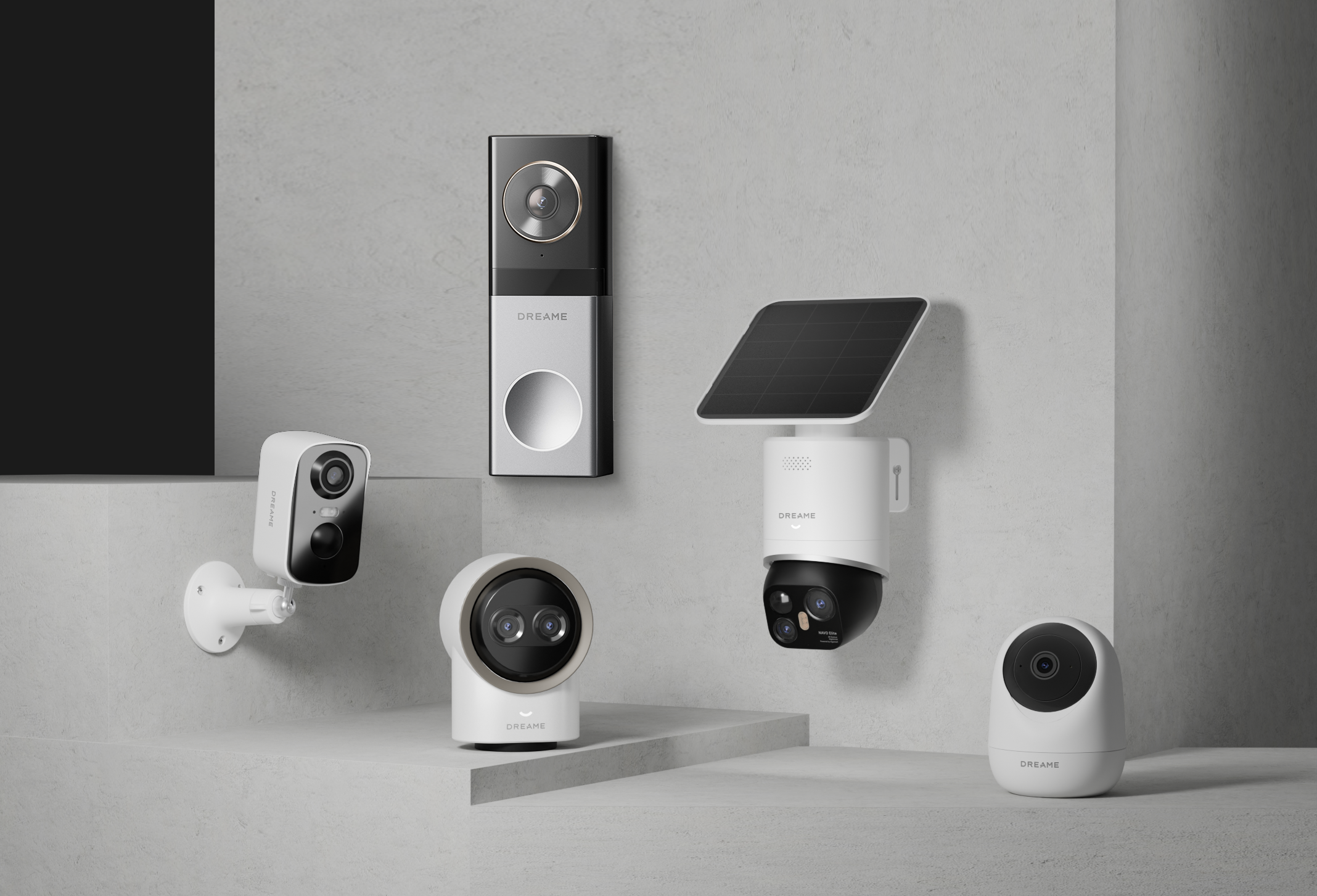
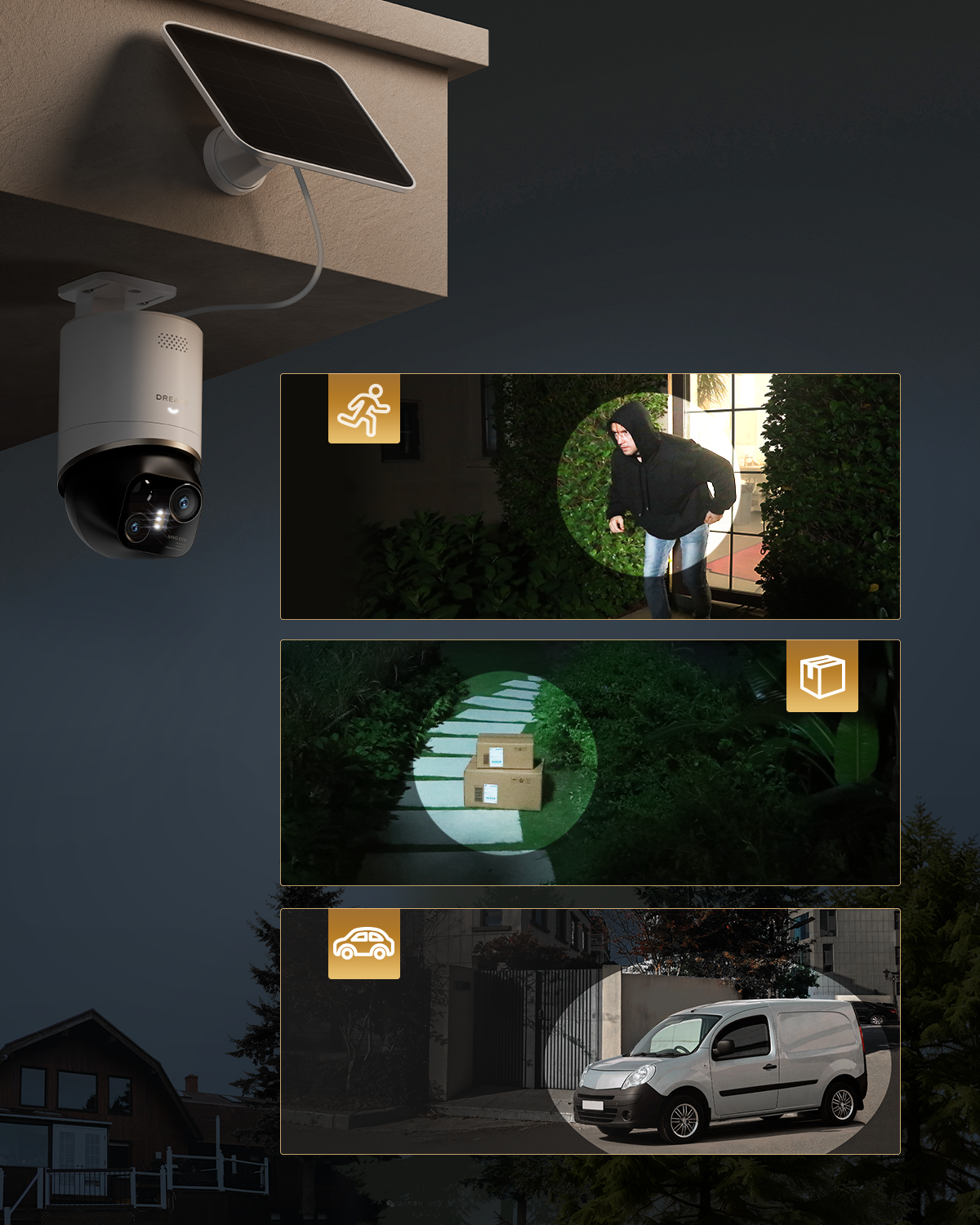
据悉,NAVO第一阶段的产品是安防摄像头。自首款产品去年11月正式上市以来,NAVO已在北美、欧洲、日韩澳、俄语区、东南亚等七大核心区域签单出货并拿下亮眼成绩,业务已进入30个国家和地区,并将于今年切入国内市场。

“我们不靠烧钱赌一个遥远的终局。”NAVO总裁毛松表示,“从产品验证第一阶段开始,我们就在创新的基础上,每一步都要能独立跑通商业闭环、自我造血能力,用现在的营收反哺下一代算法和机器人的研发。这也是我们和很多具身智能公司最大的不同之一。”

据介绍,在家庭具身智能赛道,NAVO走了一条“反共识”的路径。行业90%以上的玩家选择“先造会动的身体、再补视觉和大脑能力”,NAVO则反过来:先用摄像头建立对家庭空间的视觉理解能力,再延伸到交互和行动。

其底层逻辑在于:没有可靠的视觉感知与事件理解,移动机器人不过是一台“会跑的盲盒”。而NAVO通过智能视觉硬件积累的数百万家庭真实场景数据、端侧AI推理能力、以及从“看见”到“看懂”的算法进化,恰恰为具身机器人提供了最关键的感知与决策基础。

本轮融资的核心增量,将全面投向灵智无界下一代技术平台与具身机器人产品的研发落地。一方面,将已跑通的视觉硬件商业闭环复制到全球更多市场,深化渠道运营与供应链保障,放大自我造血能力;另一方面,持续加码AI算法与自研芯片,攻坚“家庭大脑”与家庭具身机器人系统的核心技术预研,推动产品从“看得懂”走向“动得了、会陪伴、能记忆”,同时持续引进算法、嵌入式等高端核心人才。

接下来,NAVO将陆续发布其家庭具身智能底座——三大核心技术:空间具身认知引擎(赋予机器人对家庭空间的立体理解能力)、共情陪伴系统(让交互从“功能响应”走向“情感陪伴”)、家庭永续记忆大模型(实现对家庭成员、习惯与事件的长期记忆与个性化服务);以及全维家智平台,将作为统一技术底座,打通视觉感知、事件决策与主动交互的全链路能力。

基于上述技术,NAVO家庭机器人产品矩阵也将同步亮相:家庭大脑、双轮足看护机器人、宠物陪伴机器人、桌面陪伴机器人等。这也意味着,NAVO的产品形态将从“固定守护的智慧之眼”,正式延伸至“自主行动的家庭伙伴”,完成从视觉感知到具身交互的闭环。

“我们的目标从来不是做传统安防记录设备。从第一天起,我们就清楚,摄像头只是起点,具身机器人才是终局。但这个终局,必须建立在真正可靠的感知与理解能力之上。”毛松谈道。

文章来源:亿邦动力

广告
微信
朋友圈

这么好看,分享一下?

朋友圈 分享

APP内打开

赞 +1
+1
微信好友 朋友圈 新浪微博 QQ空间
关闭
收藏成功
发送
/140 0