广告
加载中

赛事经济浪潮下 义乌正“踢”进每一场全球体育盛会

义乌指数 2026-06-01 09:16
义乌指数 2026/06/01 09:16

邦小白快读

EN
全文速览

本文核心介绍了义乌抓住全球赛事经济风口,凭借小商品承接大量全球订单的发展现状,整理了可参考的核心信息与实操干货。

1.核心数据信息:2025年义乌体育用品及设备出口额突破百亿达116.5亿元,同比增长20.3%,2026年一季度出口28.3亿元,同比增长12%;过往义乌制造占卡塔尔世界杯周边70%的市场份额,巴黎奥运会期间对法国体育用品出口同比增长150.7%。

2.可参考实操干货:想要蹭赛事经济热点做小商品生意,可以学习义乌的三点经验:一是从球星热梗、参赛国文化、各类观赛场景挖掘选题,开发契合用户情绪的产品,比如爆火的“咩西”挂饰;二是做原创设计及时申请专利,防范抄袭提升产品附加值;三是提前布局,当前世界杯订单销售高峰更早、周期更长,需要提前大半年到一年安排设计排产。

本文分析了赛事经济背景下义乌体育用品行业的最新变化,能为品牌商的产品研发、营销布局提供诸多参考。

1.消费趋势变化:当前赛事消费已经从传统体育周边,延伸到大量细分场景,儿童及宠物球衣、企业定制礼品、酒吧观赛装饰、球星主题情绪周边都开始走俏,消费者越来越看重契合不同文化、不同场景的情绪价值,市场需求空间进一步放大。

2.产品研发方向:需要针对不同区域市场做差异化设计,比如巴西主题产品加入五星、桑巴元素,墨西哥市场偏好色彩浓烈的设计;同时要重视原创设计,及时申请专利构建竞争壁垒,摆脱同质化低价竞争,提升产品附加值。

3.营销机会:美加墨世界杯扩军后,赛事已经升级为覆盖多领域的全球性商业事件,提前1年左右布局就能更早吃到订单红利,依托赛程明确的特点提前备货就能抓住全球跨区域采购的需求增量。

本文梳理了义乌承接全球赛事经济订单的成功经验,能给做体育周边品类的卖家提供机会提示与可借鉴的经验。

1.市场机会:美加墨世界杯扩军带来了明显的订单红利,目前义乌体育用品出口已经连续保持双位数增长,赛事经济总共能带动三类需求,分别是核心体育用品消费、球迷应援周边消费、观赛延伸场景配套消费,整体市场增长空间充足,是非常值得切入的增长赛道。

2.可学习经营经验:一是提前布局,当前赛事订单呈现周期更长、销售高峰更早的特点,商家需要提前1年左右启动产品设计与排产,才能赶上销售窗口;二是选品要抓细分需求,结合球星热梗、参赛国文化、不同观赛场景开发产品,更容易打造爆款。

3.风险提示:当前行业竞争逻辑已经转变,比拼原创能力与专利壁垒,卖家一定要提前做好知识产权布局,避免产品被抄袭,也能规避侵权风险。

本文分析了赛事经济下义乌制造的发展新变化,能给生产体育周边产品的工厂带来发展机会与转型启示。

1.市场需求变化:当前赛事订单呈现短周期、多品类、小批量、高定制的特点,美加墨世界杯扩军后,参赛球队变多、举办区域分散,要求工厂能够承接不同国家、不同场景的多样化定制订单,市场需求总量也在稳步增长,2025年义乌体育用品出口已经突破百亿,同比增长超20%。

2.产品生产设计要求:除传统体育用品外,工厂需要拓展儿童宠物球衣、企业定制礼品、观赛场景装饰等细分品类,设计层面要结合不同国家的文化、颜色偏好做调整,适配不同用户的需求。

3.转型发展启示:工厂需要提升柔性生产能力,做到多品类同步开发生产,满足采购商一站式配齐的需求,同时能够根据市场热度灵活调整生产与出货节奏;还要重视原创设计与专利申请,摆脱低价竞争,提升产品附加值,抓住赛事经济的长期红利。

本文梳理了赛事经济背景下义乌体育用品行业的发展趋势,明确了行业参与者的核心痛点,能给相关服务商指明业务方向。

1.行业发展趋势:全球赛事经济规模持续扩大,美加墨世界杯扩军进一步释放了市场红利,义乌体育用品出口连续保持双位数增长,全球赛事订单越来越向义乌集中,带动了生产、物流、知识产权、选品调研等相关配套服务的需求增长,行业整体机会较多。

2.商家核心痛点:一是商家需要精准捕捉细分需求、匹配不同区域市场偏好,对专业的选品调研、消费趋势数据有强烈需求;二是小批量多批次的订单特点,对供应链协同、柔性生产配套、跨境物流服务提出了更高要求;三是越来越多商家开始重视知识产权保护,对专利申请、商标注册相关服务的需求大幅增长。

3.业务拓展方向:服务商可以针对性推出赛事热点选品调研、柔性供应链协同、知识产权服务等配套解决方案,抢占增量市场。

本文分析了赛事经济下义乌体育用品商家的发展特征,能给面向义乌商家的各类平台提供运营、招商方向的参考。

1.商家核心需求:商家需要平台提供赛事相关的消费趋势、细分品类需求数据支持,帮助自己提前预判热点、选品开发;同时需要适配小批量多批次订单的物流、金融服务,支撑柔性生产与快速出货,还需要平台对接全球采购资源,满足一站式出海的需求。

2.平台招商与运营方向:招商方面可以重点引入原创能力强、有专利储备的义乌体育用品商家,这类商家竞争力越来越强,符合平台长期发展方向;运营层面可以针对赛事经济打造专属专题活动,对接全球采购需求,帮商家对接流量与订单。

3.风险规避方向:平台要引导商家做好知识产权合规,提前规避侵权风险,同时要提醒商家合理安排备货节奏,适应当前订单周期变长的变化,帮助商家规避库存积压风险。

本文呈现了义乌小商品产业承接全球赛事经济红利的最新发展情况,展现了中国轻工制造产业的新动向,对产业研究有较高的参考价值。

1.产业发展新动向:义乌体育用品产业已经完成了初步升级,从过去的低价走量、同质化竞争,转向了拼原创设计、拼专利壁垒的全新竞争阶段,产业整体的柔性生产能力大幅提升,已经能够适配全球赛事多品类、小批量、高定制的订单需求。

2.产业发展新特征:赛事经济倒逼产业升级,当前义乌的赛事订单呈现三个新特点,分别是订单周期更长销售高峰更早、产品品类更细分、竞争逻辑转向创新能力比拼,产品已经从单纯的日用品转向契合球迷文化的情绪商品,整个产业的附加值不断提升。

3.商业模式研究价值:义乌已经形成了“热点捕捉-快速设计-柔性生产-全球出货”的成熟赛事经济商业模式,能够快速将赛事流量转化为商业订单,过往卡塔尔世界杯占到70%的周边市场份额,美加墨世界杯提前拿到大量订单,证明了该模式的可行性,为其他轻工产业参与全球赛事经济提供了优质研究样本。

返回默认

声明:快读内容全程由AI生成,请注意甄别信息。如您发现问题,请发送邮件至 run@ebrun.com 。

我是 品牌商 卖家 工厂 服务商 平台商 研究者 帮我再读一遍。

Quick Summary

This article outlines how Yiwu has capitalized on the global event economy boom, leveraging its small commodity ecosystem to fulfill massive global orders, and shares key insights and practical takeaways.

1. Core data: In 2025, Yiwu’s exports of sporting goods and equipment surpassed 10 billion yuan, reaching 11.65 billion yuan, a 20.3% year-on-year increase. In the first quarter of 2026, exports hit 2.83 billion yuan, up 12% year-on-year. Yiwu manufacturers previously accounted for 70% of all World Cup-related merchandise for the Qatar World Cup, and during the Paris Olympics, Yiwu’s sporting goods exports to France surged 150.7% year-on-year.

2. Practical takeaways: For small commodity businesses looking to capitalize on event economy trends, three lessons from Yiwu stand out: First, source product ideas from viral player memes, participating nations’ cultures, and various fan viewing scenarios to develop products that resonate emotionally with consumers — for example, the viral "Messi" misnomer-themed keychains. Second, prioritize original design and file for patent protection promptly to deter copycats and boost product value. Third, plan far in advance: Order peaks for World Cup-related products now arrive earlier and last longer, so design and production scheduling should be arranged 6 to 12 months ahead of time.

This article analyzes the latest shifts in Yiwu’s sporting goods industry against the backdrop of the global event economy, offering actionable insights for brand product R&D and market positioning.

1. Shifting consumer trends: Event-related consumption has expanded beyond traditional sports merchandise to cover a wide range of niche categories. Children’s and pet jerseys, custom corporate gifts, bar viewing decorations, and player-themed emotional merchandise have all grown in popularity. Consumers increasingly prioritize emotional value aligned with specific cultures and scenarios, opening up new market opportunities.

2. Product R&D direction: Brands should develop differentiated designs for regional markets — for example, adding five-star and samba elements to Brazil-themed products, or leaning into bold, saturated designs preferred by the Mexican market. Brands should also prioritize original design and early patent filing to build competitive barriers, escape homogenized low-price competition, and increase product margins.

3. Marketing opportunities: Following the expansion of the 2026 FIFA World Cup (to be hosted by the U.S., Canada, and Mexico), the tournament has become a global commercial event spanning multiple sectors. Planning roughly one year in advance allows brands to capture early order dividends, and pre-stocking based on the fixed event schedule lets brands tap into growing cross-regional global procurement demand.

This article organizes Yiwu’s successful experience in fulfilling global event economy orders, offering opportunity insights and actionable lessons for sellers of sports event merchandise.

1. Market opportunities: The expanded 2026 World Cup has delivered clear order dividends, with Yiwu’s sporting goods exports recording continuous double-digit growth. The event economy drives three broad categories of demand: core sporting goods, fan cheering merchandise, and supporting products for extended viewing scenarios. The overall market offers substantial growth potential, making it a high-potential growth category worth entering.

2. Actionable operating lessons: First, plan ahead: Event orders now feature longer cycles and earlier peak demand, so sellers need to start product design and production scheduling roughly one year in advance to hit the sales window. Second, focus on niche demand when selecting products: Developing items aligned with viral player memes, participating nations’ cultures, and different viewing scenarios makes it far easier to create hit products.

3. Risk warnings: The industry’s competitive logic has shifted to a focus on original design and patent barriers. Sellers must complete intellectual property planning early to avoid having products copied and mitigate infringement risks.

This article analyzes new developments in Yiwu manufacturing under the event economy, offering growth opportunities and transformation insights for factories producing sports event merchandise.

1. Shifting market demand: Event orders today are characterized by short lead times, diverse product categories, small batch sizes, and high customization. The expanded 2026 World Cup brings more participating teams and dispersed host regions, requiring factories to fulfill diverse customized orders for different countries and scenarios. Total market demand is also growing steadily: Yiwu’s 2025 sporting goods exports exceeded 10 billion yuan, with year-on-year growth of more than 20%.

2. Product design and production requirements: Beyond traditional sporting goods, factories need to expand into niche categories such as children’s and pet jerseys, custom corporate gifts, and viewing event decorations. Designs should also be adjusted to align with the cultural and color preferences of different countries to meet diverse user needs.

3. Transformation insights: Factories need to upgrade flexible production capabilities to support simultaneous development and production of multiple categories, meeting buyers’ demand for one-stop procurement, while allowing flexible adjustment of production and delivery schedules based on market popularity. Factories should also prioritize original design and patent applications to escape low-price competition, boost product value, and capture long-term dividends from the event economy.

This article summarizes development trends in Yiwu’s sporting goods industry under the event economy, identifies core pain points for industry players, and outlines clear business growth directions for relevant service providers.

1. Industry trends: The global event economy continues to expand in scale, and the expanded 2026 World Cup has further unlocked market dividends. Yiwu’s sporting goods exports have maintained continuous double-digit growth, and an increasing share of global event orders are concentrated in Yiwu. This has driven growing demand for supporting services including production, logistics, intellectual property, and product research, creating widespread industry opportunities.

2. Core merchant pain points: First, merchants need to accurately capture niche demand and align with regional market preferences, creating strong demand for professional product research and consumer trend data. Second, the small-batch, multi-batch order model has raised higher requirements for supply chain coordination, flexible production support, and cross-border logistics services. Third, a growing number of merchants now prioritize intellectual property protection, leading to a sharp increase in demand for patent filing and trademark registration services.

3. Business expansion directions: Service providers can launch targeted supporting solutions including event trend product research, flexible supply chain coordination, and intellectual property services to capture growing market share.

This article analyzes development characteristics of Yiwu-based sporting goods merchants under the event economy, offering references for operation and merchant recruitment strategies for platforms serving Yiwu sellers.

1. Core merchant needs: Merchants require platforms to provide event-related consumer trend and niche category demand data to help them predict hot trends and develop new products in advance. They also need logistics and financial services adapted to small-batch, multi-batch orders to support flexible production and fast delivery, as well as access to global procurement resources to meet one-stop cross-border selling needs.

2. Recruitment and operation directions: For recruitment, platforms should prioritize onboarding Yiwu-based sporting goods merchants with strong original design capabilities and patent reserves, as these merchants have growing competitive advantages and align with platforms’ long-term development goals. For operations, platforms can launch dedicated event-themed campaigns to connect merchants with global procurement demand, matching them with traffic and order opportunities.

3. Risk mitigation directions: Platforms should guide merchants to comply with intellectual property rules to avoid infringement risks in advance, and remind merchants to arrange production and stocking schedules appropriately to adapt to longer order cycles, helping them avoid the risk of excess inventory.

This article presents the latest development of Yiwu’s small commodity industry as it captures dividends from the global event economy, illustrating new trends in China’s light manufacturing industry and offering high reference value for industrial research.

1. New industrial trends: Yiwu’s sporting goods industry has completed an initial upgrade. It has shifted from the traditional model of competing on low prices and homogeneous products to a new competitive landscape centered on original design and patent barriers. The industry’s overall flexible production capacity has improved substantially, allowing it to meet the demand for multi-category, small-batch, highly customized event orders from around the world.

2. New industrial characteristics: The event economy has forced industrial upgrading. Yiwu’s event orders now have three key new features: longer order cycles with earlier peak demand, more segmented product categories, and a competitive logic focused on innovation capability. Products have shifted from being simply daily goods to emotional merchandise aligned with fan culture, driving continuous increases in industry-wide value-added.

3. Value for business model research: Yiwu has developed a mature event economy business model: "hot trend identification – rapid design – flexible production – global delivery", which can quickly convert event traffic into commercial orders. Yiwu manufacturers held 70% of the global market share for Qatar World Cup merchandise, and have already secured large advance orders for the 2026 World Cup, proving the model’s viability. This provides a high-quality research sample for other light manufacturing industries seeking to participate in the global event economy.

Disclaimer: The "Quick Summary" content is entirely generated by AI. Please exercise discretion when interpreting the information. For issues or corrections, please email run@ebrun.com .

I am a Brand Seller Factory Service Provider Marketplace Seller Researcher Read it again.

世界杯还没开踢,义乌已率先“进球”。

从球队的旗帜、球衣,到大力神杯摆件、球迷喇叭,乃至身着阿根廷队服的迷你小羊挂饰“咩西”,几乎每一个与赛事相关的商品中,都有“义乌制造”的身影。

据义乌海关统计,2025年义乌市体育用品及设备出口额达116.5亿元,同比增长20.3%;今年一季度,义乌市体育用品及设备出口额达28.3亿元,同比增长12%。

本篇文章义乌指数将为你解读义乌何以成为全球体育赛事的“最强氛围组”?

01 美加墨世界杯:义乌交出傲人答卷

距离2026年美加墨世界杯正式开赛还有一段时间,全球球迷的热情正在持续升温。在赛场之外,义乌也包揽了世界杯大半的氛围感与商业红利,提前“破门得分”。

扩军是这届世界杯给义乌带来的新红利。2026年世界杯将由美国、加拿大、墨西哥三国联合举办,参赛球队扩容至48支,赛事规模达到104场,横跨16座城市。这意味着,更长的赛程、更大的参赛规模、更分散的举办地,将把世界杯从一场足球赛事,进一步放大为覆盖消费、旅游、零售、物流与品牌营销的全球性商业事件。

订单有多火爆?据义乌指数市场走访了解,早在2025年5月份,义乌市场的世界杯订单就已陆续到来。据义乌海关统计,2025年义乌体育用品及设备出口额首次突破百亿大关,达到116.5亿元,同比增长20.3%。进入2026年,热度只增不减:2026年一季度,义乌体育用品及设备出口额达28.3亿元,同比增长12%。

这一次的“爆单”,义乌市场的世界杯生意呈现出几个新特点。

一是订单周期更长、销售高峰更早。义乌市场某从事球衣外贸生意近19年的商户表示:“店里有关美加墨世界杯的产品销售高峰从2025年10月开始一直延续到春节前,订单量较平时增长两三倍。”经营户普遍反馈,今年的世界杯相关订单销售旺季早于往届,部分企业从2025年初便开始设计世界杯球衣,提前一年多进入“世界杯时间”。此外,部分主营球类产品的经营户表示,企业从2025年12月就开始排产,在春节前进入出货高峰。

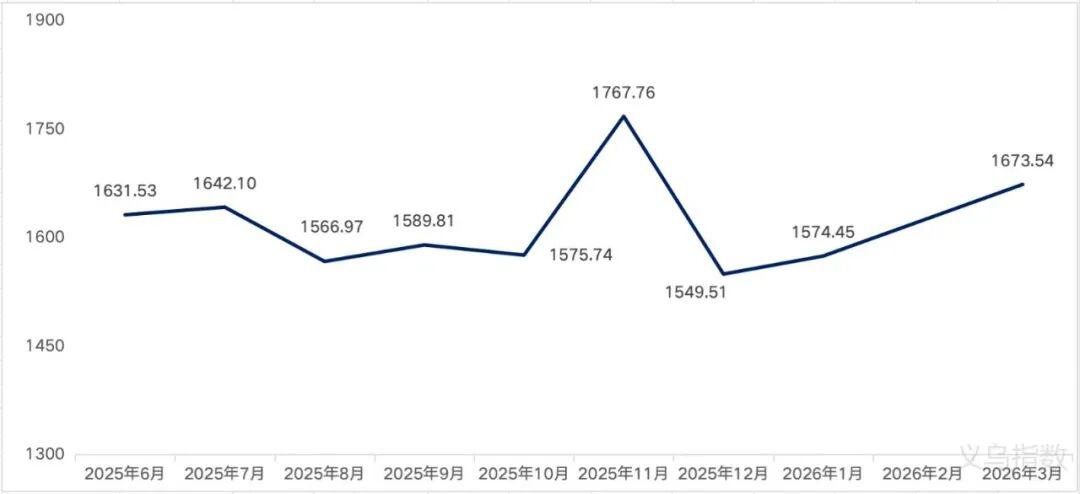
这一变化在义乌指数中同样有所体现,整体来看,体育娱乐用品类指数2025年11月达到峰值1767.76点,环比增长12.19%。

2025年6月-2026年3月体育娱乐用品类指数

图片

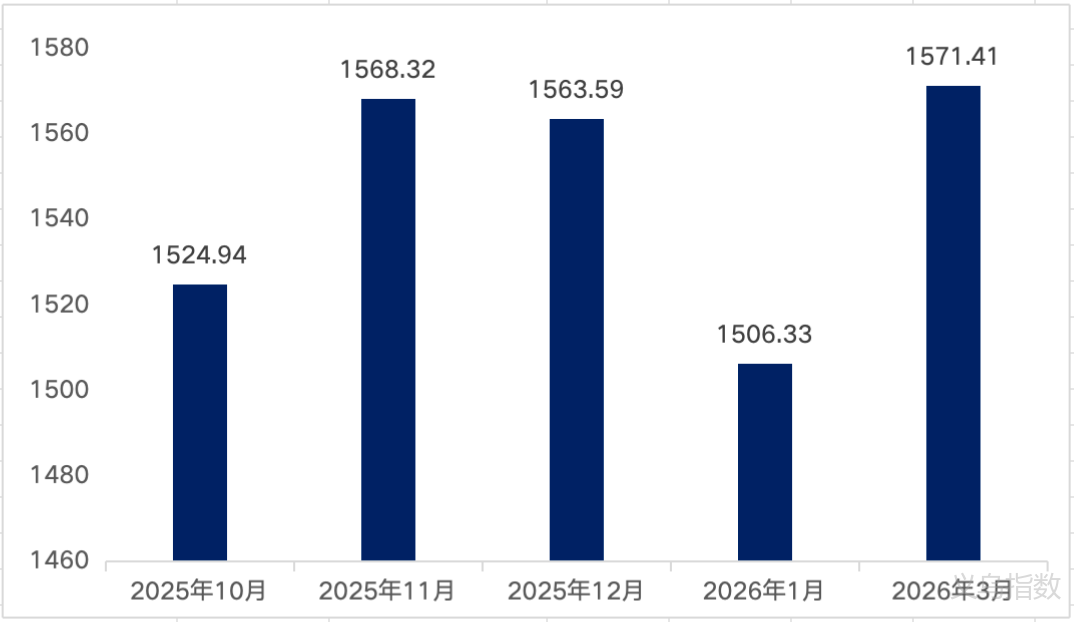
从代表性细分品类球类来看,2025年11月球类指数达1568.32点,环比上涨2.84%,12月继续保持高位;2026年春节复工后,球类指数于3月迅速攀升至1571.41点,环比上涨4.32%。

2025年10月-2026年3月球类指数

图片

数据来源:义乌指数

二是赛事爆款更细分。从品类上看,以往世界杯相关订单以传统体育用品为主,包括足球、球衣、旗帜、彩绘贴纸等应援品和周边。而这届世界杯,赛事消费场景开始延伸,除成人球迷服之外,儿童及宠物球衣、企业礼品定制足球、酒吧观赛装饰等细分产品开始走俏。部分商户在设计世界杯周边产品时,还会研究参赛国文化、颜色偏好和球迷习惯。例如巴西主题的产品会加入五星、桑巴等元素,墨西哥市场则更偏好色彩鲜明、情绪浓烈的设计。义乌卖的已经不只是“世界杯周边”,而是更契合不同国家文化、不同消费场景的情绪商品。

三是市场竞争逻辑的转变,行业竞争转向专利壁垒与创新能力的比拼。义乌市场上某深耕球衣品类的经营户表示:“设计新款球服时,我们会同步申请专利,既能防范产品被抄袭,也有利于提升产品附加值。”目前该企业已拥有39项专利、32个商标。如今,赛事经济下的义乌体育用品市场已步入全新发展阶段,对义乌商户的综合能力提出了更高要求,在紧抓赛事热点背后,商户如何精准研判区域市场差异、快速捕捉细分需求、灵活调配生产节奏,以及将小商品高效推向全球市场的全链路运营能力,成为制胜关键。

未来,义乌要赢下的不只是“爆单”,还有一场关于产品、供应链和全球消费趋势的加时赛。

02 义乌小商品:赛事经济的“常客”

大型赛事的商业价值,并不只发生在赛场内。对小商品行业而言,赛事经济真正值得关注的,是赛场之外被放大的观赛、应援、社交和纪念消费。具体来看,赛事经济至少会带动三类需求:

一是体育用品消费,包括足球、球拍、运动服饰、健身器材、奖杯奖牌等;

二是球迷应援和赛事周边,如旗帜、围巾、帽子、喇叭、手拍、贴纸、摆件、玩偶、钥匙扣等;

三是围绕观赛场景延伸的派对装饰、物流运输、跨境电商等相关服务。

同时,赛事经济呈现三个特征:一是赛程确定,带来明确的备货周期;二是全球关注度极高,带来跨区域采购需求;三是球迷参与度高、社交传播强,带来应援、装饰、纪念等情绪消费。因此,赛事经济越成熟,越容易向低单价、高频次、强场景的小商品扩散。

回顾近年来的全球体育赛事,“义乌制造”从未缺席。

卡塔尔世界杯的“70%神话”:2022年卡塔尔世界杯期间,“义乌制造”几乎占到整个世界杯周边商品市场份额的70%,从32强旗帜到加油喇叭,从足球到大力神杯摆件,义乌用小商品搭建起全球球迷的狂欢舞台。

巴黎奥运会的“义乌热度”:2024年巴黎奥运会期间,义乌同样交出亮眼成绩。足球、篮球、闪光棒、蝴蝶结头扣等体育用品和赛事周边陆续出口欧洲市场,数据显示,2024年1-2月义乌对法国出口5.4亿元,同比增长42.1%,80%的巴黎奥运会吉祥物“弗里吉”由中国制造,其中大部分产自义乌。义乌海关数据显示,当年1-6月对法国体育用品出口额同比增长150.7%。

03 义乌市场,凭什么总能接住赛事经济?

从卡塔尔世界杯到巴黎奥运会,再到即将开赛的美加墨世界杯,全球赛事订单为何总“偏爱”义乌?

原因一:紧抓热点,流量变现能力强

大型赛事带来的并非抽象流量,而是可以被商品化的消费信号。主办国文化、参赛队配色、球星话题、球迷热梗、观赛场景等,都是义乌商户快速判断选品方向和抢先开发新品的线索。

本届美加墨世界杯中,“小羊咩西”挂饰就是一个典型案例。这款产品是一只身穿阿根廷10号球衣的小山羊,名字谐音“梅西”,同时呼应球迷常用“GOAT”称呼梅西的梗。它不是传统意义上的体育用品,却踩中了球星情绪、球迷文化和年轻消费者的社交表达需求,因此成为义乌市场上颇具话题度的世界杯周边产品。

类似的产品还包括带有墨西哥、美国、哥伦比亚等国家国旗元素的保温杯、塑料水杯、帽子等。这些商品与比赛本身关系并不强,但与观赛、出行、派对、应援等场景高度相关。

原因二:告别低端,产品力持续升级

赛事经济带来的不仅是订单的增长,也在倒逼义乌相关产品加快升级。从“拼价格”到“拼原创”,越来越多经营户开始把重点放在原创设计、知识产权和产品创新上。

一方面,企业更加注重自主研发和外观设计,围绕球迷助威、赛事装饰、纪念收藏等场景开发原创产品,并通过申请外观专利、商标注册等方式保护设计成果,减少同质化竞争。另一方面,产品本身也在不断迭代升级,在球队周边产品的新品开发上,产品从简单的旗帜、围巾、贴纸,延伸到结合不同国家偏好的蓝白配色捶背棒、颈枕、水杯、赛事礼盒等更实用的周边产品。

原因三:柔性生产,订单承接能力强

赛事经济往往“来得急、去得也快”,订单具有短周期、多品类、小批量、高定制的特点。尤其是2026年美加墨世界杯,赛事由三国联合举办,参赛球队扩容,球迷来源更广、消费场景更分散,对供应端提出了更高要求:既要能快速承接不同国家、不同球队的定制化订单,也要能适应酒吧观赛、街头助威、球迷派对、纪念收藏等多种场景需求。

面对这类变化,不少义乌商家已经形成较强的柔性生产能力。一方面,能够围绕多支球队同步开发和生产国旗、围巾、球衣、贴纸、助威道具等系列产品,满足采购商“一站式配齐”的需求;另一方面,生产线和供应链协同效率较高,可根据赛事进程、球队热度和市场反馈灵活调整产品生产设计和出货节奏。

结尾

当世界杯的哨声还未吹响,义乌的供应链早已全速奔跑;当球迷的热情涌向赛场,义乌制造的氛围感已铺满全球每一个观赛角落。从跟风爆款到原创设计,从低价走量到专利护航,义乌用一次次爆单证明:赛事经济的红利,永远属于懂市场、快响应、敢创新的参与者。

注:文/义乌指数,文章来源:义乌指数,本文为作者独立观点,不代表亿邦动力立场。

文章来源:义乌指数

广告
微信
朋友圈

这么好看,分享一下?

朋友圈 分享

APP内打开

+1
+1
微信好友 朋友圈 新浪微博 QQ空间
关闭
收藏成功
发送
/140 0