广告
加载中

百亿梦落空 将目光转向打酒铺 仰韶困在小众赛道里

郭媛 2026-05-22 09:13
郭媛 2026/05/22 09:13

邦小白快读

EN
全文速览

本文介绍了豫酒龙头仰韶酒业的发展现状、困局和最新转型尝试,核心干货如下:

1. 仰韶曾是豫酒振兴的核心企业,政策和自身都定下2025年百亿营收目标,2019-2023年保持高速增长,2023年营收突破50亿,远超省内同行,但2025年披露的营收仅23.72亿,近乎腰斩,百亿目标基本落空,还存在股权高度集中、全自然人控股缺乏外部制衡的隐忧。

2. 仰韶当前核心问题是95%营收依赖彩陶坊系列,抗风险能力弱,本土市场增长触顶,省外拓展停留在布点阶段,陶香型认知度低,全国化很难铺开。

3. 仰韶2026年开启新尝试,开出首家仰韶打酒散酒铺,启动加盟招商,切入大众散酒赛道,产品覆盖多层次消费需求,但业内认为这只是短期动作,无法解决深层战略问题。

本文为白酒品牌的发展提供了较多经验参考,核心干货如下:

1. 产品布局层面:品牌要避免过度依赖单一核心产品线,仰韶95%营收来自彩陶坊系列,增长见顶后企业直接陷入增长困境,抗风险能力极差;同时推进高端化战略时布局大众低端业务,要做好品牌区隔,避免过度强化低端标签稀释高端化成果,拉低主品牌调性。

2. 市场拓展层面:走小众香型差异化路线,不能只停留在渠道布点,要长期投入消费者教育,将品类特色和自有文化IP深度绑定,降低认知成本,才能真正打开全国市场。

3. 趋势参考:当前白酒行业涌动差异化、小众精品化浪潮,同时大众日常社区酒饮需求增长,散酒赛道有机会但入局者多,很容易陷入同质化价格内卷,需要提前打造差异化优势。

本文关于仰韶布局散酒赛道的内容,能给酒类卖家提供不少机会和风险参考,核心干货如下:

1. 市场机会层面:当前白酒行业呈现小众精品化、大众日常消费场景崛起的趋势,头部区域酒企纷纷布局社区散酒新零售赛道,赛道热度提升,有较多切入机会;散酒铺主打酒厂直营、去除中间商、价格亲民,契合当下消费者追求高性价比酒饮的需求,适配社区日常消费场景。

2. 风险提示:目前河南已有仰韶、杜康、宋河等多家酒企布局散酒铺,业态高度同质化,都主打平价散酒引流,很容易陷入“比价格、比活动”的恶性竞争,压缩卖家的利润空间;同时散酒只是仰韶的终端补充业务,和其高端定位存在冲突,卖家加盟需要考察定位匹配度,提前规避认知冲突风险。

3. 可参考方向:产品端可覆盖多层次需求,从高度白酒到低度果酒、潮饮,适配社区不同消费者的偏好。

本文围绕仰韶的发展困局和新布局,对白酒生产工厂有这些干货参考:

1. 产品生产设计层面:打造差异化产品可以将工艺特色和文化IP结合,仰韶陶香型白酒依托四陶工艺加上7000年仰韶文化IP,在本土市场建立了差异化认知;产品研发要搭建丰富的产品矩阵,不能过度依赖单一核心产品线,否则会降低企业抗风险能力;同时可匹配当下消费需求,开发从高度白酒到低度果酒的多层次产品,覆盖更多消费人群。

2. 商业机会层面:当下大众平价散酒、社区日常酒饮需求增长,头部酒企纷纷布局散酒新零售赛道,工厂可对接酒企的散酒业务,参与直营终端供应链,去除中间环节获得更多利润空间。

3. 发展启示:工厂不能长期困守区域本土市场,过度依赖本土市场会在增长触顶后缺乏新增长点,需要提前规划全国市场培育,逐步打开外地市场。

本文梳理了区域白酒龙头的发展现状和痛点,能给酒类相关服务商提供这些干货:

1. 行业发展趋势:当前白酒行业呈现差异化小众精品化的发展趋势,同时大众平价社区散酒赛道兴起,多家区域头部酒企都开始探索线下打酒铺新零售业态,赛道入局者快速增加,催生了大量相关配套服务需求。

2. 核心客户痛点:区域头部酒企普遍面临本土市场增长触顶、全国化拓展受阻、产品结构单一抗风险能力弱、高端化推进遇瓶颈的问题,开拓散酒新赛道还面临同质化竞争、主品牌调性被拉低的新痛点。

3. 业务机会方向:可针对区域酒企的全国化需求,提供消费者教育、省外渠道铺设、品牌定位梳理等服务;针对散酒新零售业态,可提供终端运营管理、加盟招商对接等配套服务,匹配新业态的发展需求。

本文关于酒企布局新赛道的内容,对酒类平台商有这些干货参考:

1. 酒企的核心需求:区域头部酒企在本土市场增长触顶后,普遍有拓展新渠道、下沉大众市场的需求,同时也有全国化拓展、品牌推广的需求,需要平台提供对应的资源和服务支持。

2. 运营与招商方向:针对当下头部酒企布局散酒新零售的趋势,平台可开放社区终端的招商对接服务,整合酒企和加盟终端的资源;产品端可专门打造小众香型白酒专区,适配当下消费者追求差异化酒饮的需求,丰富平台产品结构。

3. 风向规避:散酒赛道同质化问题严重,平台引入同类商家时,要引导商家打造差异化定位,避免平台内陷入价格内卷;同时要提醒酒企做好高低端产品线的品牌区隔,避免主品牌调性被拉低,影响整体销售表现。

本文对区域白酒龙头的发展困境和转型尝试做了深度梳理,对产业研究者有这些干货:

1. 产业新动向:豫酒振兴战略推进下,区域龙头酒企的百亿营收目标遭遇增长瓶颈,多家头部豫酒企业开始布局社区散酒新零售,切入大众散酒赛道,白酒产业呈现小众香型差异化发展、区域龙头渠道下沉的新发展趋势。

2. 产业新问题:区域白酒龙头普遍存在产品结构单一、过度依赖本土市场、小众香型全国化消费者教育成本高、股权高度集中缺乏外部制衡的问题,转型布局新赛道还面临品牌调性冲突、同质化战术内卷等新问题。

3. 商业模式研究:本文为小众香型区域酒企的发展提供了典型研究样本,得出的结论为:小众香型区域酒企的全国化不能依赖短期战术调整,需要坚持长期主义,通过“文化+品类”的深度绑定培育市场,才能实现细分赛道的突围,对同类企业发展研究有较高参考价值。

返回默认
声明:快读内容全程由AI生成,请注意甄别信息。如您发现问题,请发送邮件至 run@ebrun.com 。

我是 品牌商 卖家 工厂 服务商 平台商 研究者 帮我再读一遍。

Quick Summary

This article introduces the current development status, challenges and latest transformation attempts of Yangshao Distillery, the leading spirits producer in Henan Province. Key takeaways are as follows:

1. As a core enterprise under Henan's "Revitalization of Henan Liquor" initiative, Yangshao set a 10 billion yuan revenue target for 2025. It maintained rapid growth from 2019 to 2023, with revenue exceeding 5 billion yuan in 2023, outperforming all its domestic peers in the province. However, its reported revenue for 2024 was only 2.372 billion yuan, a nearly 50% drop, leaving the 10 billion yuan target all but out of reach. The company also faces hidden risks from its highly concentrated ownership structure, which is fully controlled by individual shareholders with no external checks and balances.

2. Yangshao's core problem today is that 95% of its revenue relies on its single Caitao Fang product line, leaving it with very weak risk resilience. Its growth in the local Henan market has hit a ceiling, expansion outside the province has not progressed beyond initial network setup, and its signature "Tao-flavor" liquor category has low consumer recognition, making national expansion extremely difficult.

3. In 2026, Yangshao launched a new initiative by opening its first bulk liquor store and recruiting franchisees to enter the mass-market bulk liquor segment, with products covering multiple consumer price points. But industry analysts view this as only a short-term move that cannot resolve the company's deep-seated strategic problems.

This article offers valuable insights for liquor brand development. Key takeaways are as follows:

1. Product portfolio: Brands should avoid over-reliance on a single core product line. Yangshao draws 95% of its revenue from the Caitao Fang series, and once that line's growth plateaued, the entire company fell into a growth slump due to extremely low risk resilience. For brands pursuing a premium positioning, adding mass-market low-end offerings requires clear brand segmentation; otherwise, overemphasizing low-end products can dilute premium brand equity and drag down the positioning of the core brand.

2. Market expansion: Building differentiation on a niche flavor profile cannot stop at channel network setup. Long-term investment in consumer education is required, and category characteristics must be deeply integrated with the brand's own cultural IP to reduce consumer recognition costs, which is the only way to truly unlock national market growth.

3. Trend outlook: The current liquor industry is seeing a growing wave of differentiation and niche premiumization, while demand for mass-market daily community liquor consumption is rising. The bulk liquor segment offers opportunities, but it also attracts a flood of new entrants that easily fall into homogeneous price competition. Building differentiated advantages in advance is therefore critical.

Yangshao's entry into the bulk liquor segment offers valuable insights on opportunities and risks for liquor sellers. Key takeaways are as follows:

1. Market opportunities: The liquor industry is currently trending toward niche premiumization and the rise of daily mass consumption scenarios. Leading regional liquor producers are all entering the community bulk liquor retail track, boosting the segment's popularity and creating abundant entry opportunities. Bulk liquor stores position themselves as direct-to-consumer from the distillery, cutting out middlemen to offer affordable prices, which aligns with current consumer demand for cost-effective liquor and fits daily community consumption scenarios well.

2. Risk warnings: Multiple major Henan liquor producers including Yangshao, Dukang and Songhe have already launched bulk liquor store layouts in the province. The format is highly homogeneous, with all players relying on low-price bulk liquor to drive foot traffic, making it easy to fall into cutthroat competition over prices and promotions that squeezes seller profit margins. Additionally, bulk liquor is only a complementary terminal business for Yangshao, and it conflicts with the brand's premium positioning. Franchisees need to assess positioning alignment in advance to avoid the risk of consumer perception conflict.

3. Recommended directions: Sellers can expand product offerings to cover multiple demand levels, ranging from high-proof grain liquor to low-proof fruit wine and trendy alcoholic drinks, to match the preferences of different consumers in the community.

This article outlines Yangshao's growth challenges and new strategic moves, offering key insights for liquor production facilities. Key takeaways are as follows:

1. Product development and design: To build differentiated products, producers can combine craft characteristics with cultural IP. Yangshao's Tao-flavor liquor leverages its "four陶" production process and 7,000-year-old Yangshao culture IP to build differentiated consumer recognition in the local Henan market. R&D teams need to build a diversified product matrix instead of over-relying on a single core line, which undermines corporate risk resilience. Producers can also develop a full range of offerings from high-proof liquor to low-proof fruit wine to match current consumer demand and reach a broader consumer base.

2. Business opportunities: Amid rising demand for affordable mass-market bulk liquor and daily community liquor consumption, leading liquor producers are rushing into the bulk liquor retail segment. Production facilities can partner with these liquor brands to participate in the direct-to-consumer terminal supply chain, cutting out middlemen to capture larger profit margins.

3. Development insights: Producers should not remain confined to their regional local market long-term. Over-reliance on the local market leaves companies without new growth engines once growth plateaus, so planning for national market cultivation and gradual expansion into non-local markets should start early.

This article sorts out the current status and pain points of leading regional liquor producers, offering key insights for liquor-related service providers. Key takeaways are as follows:

1. Industry trends: The liquor industry is currently trending toward differentiated niche premiumization, and the mass-market affordable community bulk liquor segment is emerging. Multiple leading regional liquor producers have begun exploring the offline bulk liquor retail format, and the rapid influx of new players has generated strong demand for supporting related services.

2. Core client pain points: Leading regional liquor producers generally face common problems: growth ceilings in local markets, stalled national expansion, over-reliance on single product lines that weakens risk resilience, and bottlenecks in premiumization efforts. When entering the bulk liquor segment, they also face new pain points including homogeneous competition and the risk of diluting core brand positioning.

3. Business opportunity directions: Service providers can offer consumer education, out-of-province channel development and brand positioning sorting services to meet regional liquor producers' national expansion needs. For the emerging bulk liquor retail format, providers can offer supporting services including terminal operation management and franchise matching to align with the new format's development needs.

Yangshao's entry into the new bulk liquor segment offers key insights for liquor marketplace operators. Key takeaways are as follows:

1. Core demands from liquor brands: After hitting growth ceilings in their home regional markets, leading regional liquor producers generally have demands to develop new channels, penetrate the mass market, expand nationally and upgrade their brand promotion, all of which require corresponding resource and service support from marketplaces.

2. Operation and recruitment directions: In response to the current trend of leading liquor brands entering bulk liquor retail, marketplaces can launch matching services for franchise recruitment at community terminals, integrating resources from liquor brands and franchisee terminals. On the product side, marketplaces can create dedicated sections for niche flavor liquors to meet consumer demand for differentiated liquor offerings and enrich the platform's product structure.

3. Risk mitigation: The bulk liquor segment faces severe homogenization. When onboarding similar merchants, platforms should guide merchants to build differentiated positioning to avoid price competition within the platform. Platforms should also remind liquor brands to maintain clear brand segmentation between high-end and low-end product lines to prevent dilution of the core brand's positioning that harms overall sales performance.

This article provides an in-depth analysis of the growth challenges and transformation attempts of a leading regional liquor producer, offering key insights for industry researchers. Key takeaways are as follows:

1. New industry trends: Amid the推进 of Henan's "Revitalization of Henan Liquor" strategy, leading regional liquor producers' 10 billion yuan revenue targets have hit major growth bottlenecks. Multiple top Henan liquor producers have begun布局 community bulk liquor retail and entered the mass-market bulk liquor segment. The Chinese liquor industry is seeing new development trends of differentiated development for niche flavors and channel下沉 by regional leading players.

2. New industry challenges: Leading regional liquor producers generally face common structural problems: over-concentrated product portfolios, over-reliance on local markets, high consumer education costs for national expansion of niche flavors, and highly concentrated ownership that lacks external checks and balances. When transforming into new segments, they also face new problems such as brand positioning conflict and homogeneous tactical competition.

3. Business model research: This article offers a典型 research case for the development of niche flavor regional liquor producers. It concludes that national expansion for niche flavor regional players cannot rely on short-term tactical adjustments. Instead, it requires long-term commitment to market cultivation through deep integration of culture and category to achieve breakthrough in the niche segment. This case offers high reference value for research on similar enterprises.

Disclaimer: The "Quick Summary" content is entirely generated by AI. Please exercise discretion when interpreting the information. For issues or corrections, please email run@ebrun.com .

I am a Brand Seller Factory Service Provider Marketplace Seller Researcher Read it again.

2026年,来自河南省的仰韶酒业动作频频。

营销上,首先是冠名河南足球俱乐部,球队以“河南俱乐部彩陶坊队”征战中超。

此外,还尝试跳出传统白酒消费边界,与花花牛乳业围绕“豫酒+酸奶”跨界合作展开交流,将酒和奶这两个差距较大的品类放到了同一张桌子上讨论。

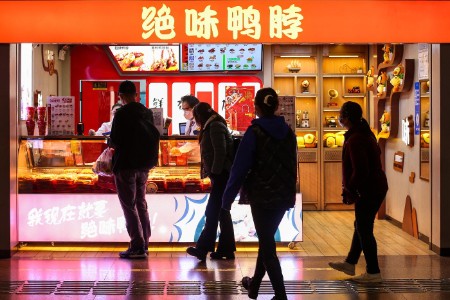
终端上,在第37届郑州糖酒会上悄然亮出新打法——“仰韶打酒”,并开启加盟招商。5月11日,仰韶在家门口河南省三门峡市渑池县开出了首家“仰韶打酒”,切入大众散酒赛道。

从体育赞助到跨界尝试,仰韶的品牌营销明显加码,背后是其百亿目标的驱动。但推出散酒铺等动作属于企业终端补充而非主力。且一直以来,仰韶的高端化战略十分明确,如今入局散酒新零售,与其品牌调性形成鲜明反差。

仰韶为何要“转身”做散酒铺?散酒铺能否给仰韶带来业绩突破?

01 “仰韶速度”戛然而止,股权结构存隐忧

在豫酒品牌中,谁会是“营收百亿”竞赛中第一个冲线的酒企?过去,这个答案可能是仰韶。

作为豫酒龙头,仰韶承载着豫酒振兴的希望,无论是政策层面还是仰韶自身,都曾喊出2025年要达到百亿目标的口号。

2024年3月,仰韶在誓师大会上表示,公司2023年营收已突破50亿元,并明确提出冲刺百亿、迈入白酒第一阵营的阶段性目标。

在地方政策层面,也早将仰韶与百亿目标绑定。2022年,河南省发布《酒业振兴发展行动方案(2022-2025年)》,明确提出“到2025年,仰韶要力争突破100亿元”。可以说,百亿目标既是仰韶自身发展的自然延伸,也是区域产业战略中的关键一环。

当时的仰韶,发展之路算得上高歌猛进。2019年营收突破20亿元,2020年达到26亿元,2021年提升到35亿元,2022年则到38亿元,一年跨上一个新台阶,年增长率超30%的“仰韶速度”让同行侧目。

2023年,仰韶营收突破50亿元,远超省内同行,成为豫酒中遥遥领先的存在,同年其他豫酒品牌如杜康营收约24亿元,宝丰营收约10亿元。

但2024年的业绩,仰韶至今未披露,也让外界对“仰韶速度”能否延续生出了不少疑问。

时间来到2025年,仰韶仍然并未公布营收数据,但据河南省企业联合会、河南省企业家协会在2025年11月公布的《2025河南制造业企业100强榜单》,仰韶以23.72亿元的营收规模排在榜单第91位。显然,该数据离百亿目标还有着不小的差距,相比2023年的业绩更是近乎腰斩。

对于原本按计划逐年推进的百亿目标来说,仰韶上述的“业绩跳水”直接让原本高歌猛进的“仰韶速度”停了下来,豫酒首个白酒百亿品牌的诞生,也被再次推迟。

至此,曾被写进政府方案的百亿目标,大概率会成为仰韶一份未完成的作业。为此,「创业最前线」向仰韶方面求证,但截至发稿并未收到回复。

而在这份榜单披露营收仅23.72亿元的背后,仰韶潜藏多年的股权结构隐患,也一直是悬在这家豫酒龙头头上的不确定性因素。

天眼查APP显示,侯建光以65.91%的绝对控股成为仰韶的实际控制人,股东全是自然人,没有任何机构投资者。这种高度集中的治理结构,意味着其缺乏外部监督和制衡,风险不容忽视。

而在业绩颓势、股权结构隐忧交织之下,仰韶不得不放下“高端身段”,在渠道与产品端寻找新的突破口。

02 95%营收来自彩陶坊系列,多年困守河南

仰韶过去的高增长,严重依赖旗下的彩陶坊系列。

该系列于2008年上市,包括“天时、地利、人和”三款产品,是仰韶自主研发的陶香型白酒。

凭借差异化的香型和产品定位,以及7000年仰韶文化IP,加之在市场营销上的重金投入,彩陶坊在本土市场打出了差异化认知,其中100-200元价格带产品在当地尤为畅销。

2018年8月,彩陶坊天时系列裂变为“彩陶坊天时日、月、星”三个版本;2019年年底,彩陶坊地利系列裂变为洞藏系列的D6、D9两款产品;2021年,彩陶坊地利升级为第四代;2025年7月,仰韶又推出了中高端产品彩陶坊·天时20,宣称要“以一瓶酒重新定义陶香”,零售价为588元。

在过去十余年的时间里,彩陶坊奠定了仰韶的基本盘。其在2024年时曾公开披露,彩陶坊系列为公司贡献了95%以上的营收。

其中彩陶坊·地利,是仰韶最大的核心单品,在2023年仰韶整体营收突破50亿元大关的优异成绩中,仰韶彩陶坊·地利以超级大单品之姿,贡献巨大的力量——增幅高达40%,整体销量近20亿元。

但这也恰恰是问题所在,除彩陶坊系列,仰韶再也没有其他能打的产品,这意味着其抗风险能力薄弱。一旦彩陶坊系列增长见顶,整个公司的引擎就会熄火。

在河南大本营,彩陶坊虽然认知度高、渠道广,但目前市场触顶的迹象已经十分明显。

2024年,是仰韶全国化战略的启动之年,提出“一线两角”战略布局,即以河南为支点,构建从北京到海南“南北一条线”和长三角、珠三角两大经济带。

其实早在2018年,仰韶就已开始尝试在西安、北京、襄阳、海南等省外市场进行布局,但并未起势,业务也基本囿于本地商会等乡情群体,市场难以铺开、拓展。

此外,省外市场对陶香型白酒的认知度很低,彩陶坊系列在省外市场的接受度也极为有限,消费者培育成本高昂。

这直接导致仰韶的省外布局进展缓慢,「创业最前线」走访南方多个商超终端,几乎看不到仰韶的产品身影。

仰韶曾声称产品已拓展至全国11个省、24个地市,但实际动销情况如何、省外营收占比多少,其始终没有公开披露过。这反映出其全国化仍处于“布点”阶段,远未“结网成势”。

03 做起打酒铺生意,难形成差异化优势

长期以来,仰韶的高端化战略非常明确,其曾提出“前50亿靠天地人系列,冲击百亿要靠日月星系列”。

但在本土市场触顶、全国化受阻、业绩大幅下滑的多重压力下,仰韶将目光投向大众散酒赛道——2026年4月,“仰韶打酒”应运而生。

在“仰韶打酒”的产品线中,既有46%vol、52%vol的经典白酒,也有42%vol的柔和口感,还有低至10%vol、13%vol的果酒产品;此外,还有“麦香泡泡”等更接近新茶饮和低度潮饮的产品。产品价格区间3.3元-22.2元每50ml。

从高度到低度,从白酒到果酒,产品覆盖了社区消费者对酒的多层次需求。

但这不等于仰韶找到了“第二增长曲线”,打酒铺只是终端补充,并非主力,背后实则是企业的增长和去产能焦虑。

在仰韶集团2026誓师大会暨双先表彰会上,河南仰韶集团党委书记、董事长侯建光表示,2026年,仰韶将坚守高端文化白酒定位,以新质生产力驱动发展,全力实现规模与效益同步提升、品牌与市场同步突破。

而打酒铺这一业态,与其高端文化白酒定位存在明显反差。

中国酒业独立评论人肖竹青告诉「创业最前线」,“仰韶用‘天地人’体系深耕河南十几年,品牌认知已固化在100-200元价格带。散酒铺的‘按两按斤起售’模式若过度强化‘大众低端’标签,可能进一步稀释其高端化努力。”

这两者之间要做品牌区隔,从而形成“以高带低、以低养高”的战术配合,但执行中必须严防主品牌被拖入低端认知。

几乎同一时间,同样位于河南的杜康、宋河也都推出了打酒铺,杜康以“杜康酒肆”为品牌,规划了五种店型;宋河以“酒饮到家”社区门店为核心,作为其传统烟酒店的升级形态。

事实上,酒企开散酒铺表面是渠道升级,本质是战术内卷。

仰韶、杜康、宋河的散酒铺高度相似,均主打酒厂直营、去除中间商、价格实惠、场景化等体验,聚焦社区与日常消费场景,均以散酒、平价酒为核心引流产品。这种同质化创新极易被复制,难以形成差异化优势,消费者只会陷入“价格比低、活动比多”的选择困境,企业再次陷入恶性竞争,利润空间被进一步压缩。

对仰韶而言,打酒铺这一转型面临着多重考验:是否会拉低品牌调性?怎么平衡高端白酒定位和大众散酒业务?这些都是摆在面前的难题。

且终端业态优化、渠道下沉、价格亲民,本质上都是短期战术动作,只能解决“卖得方便、价格便宜”的表层问题,无法解决仰韶“品牌力弱、全国化不足”的深层战略难题。

04 是陶香不行,还是仰韶做陶香不行?

“仰韶速度”的失效,也让市场发出灵魂拷问:陶香型这个品类,到底有没有大前景?

陶香将九粮工艺以及“陶池发酵、陶甑蒸馏、陶坛存贮、陶瓶盛装”四陶工艺融入其中,形成了技术壁垒,酒体具有“优雅细腻、醇厚丰满、圆润舒适、香味协调”的独特风格。

仰韶是该香型的绝对龙头,理论上具备细分赛道称王的基础。但现实是,陶香型白酒整体市场规模偏小、全国消费认知薄弱、口感接受度有限,天然存在天花板。

2020年,陶香才被正式认证为第十三种白酒香型,相比浓香、酱香等主流香型数十年的培育历史,品类认知几乎从零开始,教育成本极高。

肖竹青告诉「创业最前线」,陶香型是仰韶全国化的“差异化利器”,更是最大的“认知障碍”,全国化征程面临“教育成本高、渠道渗透慢、品牌势能弱”三重挑战。

省外消费者对这个香型毫无概念,这意味着仰韶每进入一个省外市场,都必须承担高昂的消费者教育成本。

但小众品类未必没有大未来,大品类不聚焦也是一盘散沙。例如,在汾酒改革之前,清香虽是老四大香型之一,但曾一度陷入散、弱、小的窘境。直至近年来,其以青花引领、腰部夯实、大众破圈的清晰产品矩阵,用全国化渠道精耕、品质标准输出、文化价值重塑,在释放清香品类势能的同时,自身也一举跻身白酒前三甲。

归根到底,陶香的困境,本质是仰韶运营陶香的能力困境。

肖竹青进一步表示,短期内,小众香型难以有效支撑快速全国化,仰韶需要接受“品牌教育从0做起”的长期主义,因为全国化的关键不在于这一小众香型能否被接受,而在于仰韶能否将“陶香”与“仰韶文化”深度绑定,形成“文化+品类”的双重差异化,并通过“十年三步走”的规划耐心培育市场。

当下,白酒行业正悄然涌动着差异化、小众精品化的新浪潮,这意味着陶香也依然具备细分突围的可能。只是仰韶要明白,真正的破局之道,不是向外乱撞寻找新故事,而是向内扎根,把唯一不可替代的陶香做成新的故事。

对仰韶而言,当下最紧迫的不是追逐短期热点,而是直面核心问题:如何平衡高端定位与大众市场?如何把陶香从“区域香型”打造成“特色价值标签”?如何补齐渠道、品牌的短板,真正走出河南?

唯有跳出战术内卷,回归战略本质,在香型价值、品牌势能、全国化布局上持续深耕,仰韶才能打破小众赛道的枷锁,真正迎来属于自己的“加速度”。

注:文/郭媛,文章来源:创业最前线(公众号ID:chuangyezuiqianxian),本文为作者独立观点,不代表亿邦动力立场。

文章来源:创业最前线

广告
微信
朋友圈

这么好看,分享一下?

朋友圈 分享

APP内打开

+1
+1
微信好友 朋友圈 新浪微博 QQ空间
关闭
收藏成功
发送
/140 0