



广告
加载中

2026全球人工智能技术大会:新浪新闻与产学专家共话“智能体传播与媒体新生态”

龚作仁 2026-05-25 12:53
龚作仁 2026/05/25 12:53

邦小白快读

EN
全文速览

本文是2026全球人工智能技术大会“智能体传播与媒体新生态”专题会议的内容汇总,整理了本次会议的核心信息与可落地参考干货:

1.本次会议由中国人工智能学会主办,汇聚了产学界多位专家,核心围绕智能体技术驱动下传媒行业的内容生产、传播范式、认知安全、产业应用等议题展开研讨,探索智能媒体发展的方向。

2.核心共识观点:智能体已经成为传媒行业的数字协作者,推动内容生产从纯人工走向深度人机结合,行业发展需要坚持科技向善,共建人机共生的媒体新生态。

3.面向普通受众的实操提示:面对AI浪潮不用过度焦虑,建议主动尝试各类AI工具,在反复实操中摸索使用方法,从了解AI进阶到驾驭AI,同时要警惕过度依赖AI导致自身批判性思维萎缩。

本次会议传递了智能体时代传媒营销领域的新趋势,为品牌商布局智能化营销提供了多维度参考:

1.内容生产层面:智能体推动人机结合的新型内容生产模式普及,品牌可借助当前成熟的全模态大模型技术,将难以用语言描述的创意分镜快速落地,实现规模化内容生产,大幅降低内容制作的成本与门槛。

2.传播运营层面:智能体正在重构传播链路,品牌需要适配新的传播范式,同时要关注认知安全防线建设,避免错误认知传播给品牌口碑带来负面影响。

3.用户运营层面:技术迭代背景下用户更重视人本价值,品牌布局AI应用时要注重维护用户的自主权与现实社交连接,避免过度算法推送引发用户反感,抓住AI普惠的趋势,用AI赋能品牌营销全链路升级。

本次会议透露出AI智能体在内容传播领域的新发展,给各类线上线下卖家指明了新的机会方向与实操提示:

1.市场机会层面:AI大模型技术已经落地内容生产领域,卖家可以借助AI工具低成本生产图文、短视频等营销内容,解决中小卖家内容生产能力不足、成本过高的痛点,抓住智能分发带来的流量红利,实现业绩增长。

2.实操应对提示:面对AI浪潮不要停留在焦虑观望阶段,建议主动动手尝试各类AI工具,在反复的工具使用中摸索技巧,从了解AI进阶到熟练驾驭AI,提升自身运营效率。

3.风险提示:要警惕过度依赖AI带来的问题,需保持自身对市场的批判性思维与判断能力,同时关注认知安全,避免违规内容传播带来的账号风险,紧跟人机协同的大趋势调整自身运营策略。

本次会议围绕智能体技术的产业化应用展开深度研讨,给推进数字化、电商转型的生产工厂带来多方面启示:

1.产品生产设计层面:智能体技术结合全模态大模型,可以帮助工厂快速转化用户的模糊需求,把消费者难以用语言描述的设计想法转化为实际的产品设计方案,大幅提升产品设计的效率,缩短新品研发周期。

2.商业机会层面:当前AI已经走向普惠化,工厂可以用较低的成本接入各类AI工具,赋能自身的电商内容生产、产品推广环节,降低电商运营的门槛,帮助工厂拓展线上销售渠道,打开新的增长空间。

3.数字化转型启示:工厂推进智能化转型不要观望等待,要主动尝试各类AI工具,在实操中摸索适合自身的转型路径,同时转型要围绕用户需求展开,坚持人本价值,让技术真正服务于企业发展与用户需求满足。

本次会议明确了智能体传播时代行业的发展趋势、核心痛点,给AI与传媒领域服务商指明了业务方向:

1.行业发展趋势:智能体正在从能力体向角色体、社会体跃迁,人机共生是未来传媒行业的核心方向,AI的价值已经从生成内容的内容智能,升级为提供服务的行动智能,AI普惠化是不可逆转的大趋势。

2.当前客户的核心痛点:一是行业缺乏科学高效可信的智能体能力评测体系,制约智能体技术的落地;二是大量创作者难以将脑海中模糊的创意快速落地,受限于表达能力无法实现创意;三是大量中小从业者对AI应用存在焦虑,缺乏入门实操的路径。

3.可布局的解决方案方向:服务商可以布局大模型底座技术研发,推出全模态内容生成解决方案;也可以开发标准化的智能体能力评测体系,还可以推出AI实操培训服务,帮助中小从业者快速掌握AI应用能力。

本次会议探讨了智能体驱动下媒体新生态的发展方向,对布局智能媒体领域的平台商有诸多参考价值:

1.当前行业对平台的核心需求:内容创作者需要平台提供强大的大模型底座支撑,支撑内容规模化生产与智能化分发;行业需要平台牵头建立统一可信的智能体能力评测标准;大量中小创作者需要低门槛的AI工具接入通道,降低内容创作的门槛。

2.平台运营与招商方向:平台可以引入各类AI技术服务商,完善底层技术生态,为内容创作者提供开箱即用的AI工具,降低内容创作门槛,吸引更多创作者入驻,丰富平台内容生态。

3.风险规避方向:平台发展要坚持科技向善的原则,牵头构建认知安全防线,避免不良认知传播;同时要在技术应用中保障用户的自主权,避免算法过度应用导致用户批判性思维萎缩,维护平台生态的长期健康发展。

本次会议汇聚了产学界关于智能体传播领域的最新研究成果与产业实践,梳理了该领域最新的产业动向与待研究议题,对相关研究者有较高参考价值:

1.最新产业与研究动向:智能体已经成为传媒行业的数字协作者,推动内容生产模式从纯人工走向深度人机结合;AI的价值正在从生成内容的内容智能,升级为提供服务的行动智能;智能体本身正经历从能力体到角色体,再到社会体的跃迁,未来群体组织机制的重要性将超过模型参数。

2.待研究的新问题:当前行业需要破解的核心问题包括:如何依托技术构建完善的认知安全防线,如何建立科学高效可信的智能体能力评测体系,如何在技术快速迭代的背景下维护人本价值,避免人类能力的退化。

3.已有的代表性研究成果:目前学术界已经提出依托多智能体集群模拟社会智能构建认知安全的技术路径,也提出了基于众商计算的类人智能体仿真推演方案,为后续研究打下了基础。

返回默认

声明:快读内容全程由AI生成,请注意甄别信息。如您发现问题,请发送邮件至 run@ebrun.com 。

我是 品牌商 卖家 工厂 服务商 平台商 研究者 帮我再读一遍。

Quick Summary

This article summarizes the proceedings of the "Agent Communication and New Media Ecosystem" track at the 2026 Global Artificial Intelligence Technology Conference, compiling core insights and actionable takeaways:

1. Organized by the Chinese Association for Artificial Intelligence, the conference brought together experts from both academia and industry to discuss how agent technology is reshaping content production paradigms, communication models, cognitive security and industrial applications in the media sector, and explored future development directions for intelligent media.

2. Core consensus: Agents have now become digital collaborators for the media industry, driving the shift from pure human-led content production to deep human-AI integration. Industry development must adhere to the principle of "AI for good" to jointly build a new human-AI co-existent media ecosystem.

3. Actionable tips for general audiences: There is no need for excessive anxiety amid the AI wave. We recommend actively experimenting with different AI tools, refining your skills through hands-on practice, and progressing from understanding AI to mastering it. At the same time, be alert to the risk of your critical thinking atrophying from over-reliance on AI.

This conference outlined new trends in media marketing in the age of AI agents, providing multi-dimensional insights for brands planning their intelligent marketing strategies:

1. For content production: Agents are accelerating the adoption of new human-AI collaborative content production models. Brands can leverage today’s mature full-modal large model technology to quickly turn hard-to-articulate creative storyboards into tangible outputs, enabling scaled content production and significantly lowering content creation costs and barriers.

2. For communication and operations: Agents are reshaping the entire communication funnel. Brands need to adapt to this new communication paradigm, and prioritize building cognitive security defenses to prevent misinformation from damaging brand reputation.

3. For user operations: Amid rapid technological iteration, users increasingly value human-centric values. When rolling out AI applications, brands must prioritize protecting user autonomy and real-world social connections, avoid triggering user resentment from excessive algorithmic recommendation, and leverage the trend of AI democratization to upgrade the entire brand marketing funnel with AI empowerment.

This conference revealed new developments of AI agents in content communication, pointing out new opportunities and actionable guidance for online and offline sellers:

1. Market opportunities: Large AI model technology has matured for content production use cases. Sellers can leverage AI tools to produce marketing content such as graphics, text and short videos at low cost, solving the pain points of insufficient in-house content capacity and high production costs for small and medium sellers. This allows them to capture the traffic dividend brought by intelligent distribution and drive revenue growth.

2. Actionable guidance: Do not stay stuck in anxiety or on the sidelines amid the AI wave. We recommend actively experimenting with different AI tools, refining your skills through repeated use, and progressing from understanding AI to mastering it to improve your operational efficiency.

3. Risk warnings: Be alert to problems brought by over-reliance on AI, and maintain your own critical thinking and independent judgment on market trends. At the same time, pay close attention to cognitive security to avoid account risks from disseminating non-compliant content, and adjust your operational strategy in line with the broader trend of human-AI collaboration.

This conference held in-depth discussions on the industrial application of agent technology, bringing multiple insights for manufacturing factories advancing digital and e-commerce transformation:

1. For product design and development: When combined with full-modal large models, agent technology can help factories quickly translate vague user needs, turning hard-to-articulate consumer design ideas into tangible product design schemes. This greatly improves design efficiency and shortens new product R&D cycles.

2. Business opportunities: AI has now become widely accessible. Factories can integrate a wide range of AI tools at low cost to empower e-commerce content production and product promotion, lowering the barrier to e-commerce operations, helping expand online sales channels, and opening up new growth avenues.

3. Insights for digital transformation: Do not wait on the sidelines when advancing intelligent transformation. Factories should actively experiment with AI tools, explore a transformation path suited to their own needs through hands-on practice, and center transformation efforts around user needs with human-centric values, to ensure technology truly serves business development and meets user needs.

This conference clarified industry development trends and core pain points in the age of agent communication, pointing out clear business directions for service providers in the AI and media sectors:

1. Industry development trends: Agents are evolving from capability-driven entities to role-driven and social-driven entities. Human-AI co-existence is the core future direction of the media industry. The value of AI has upgraded from content intelligence (generating content) to action intelligence (delivering end-to-end services), and the democratization of AI is an irreversible long-term trend.

2. Core pain points for current clients: First, the industry lacks a scientific, efficient and trusted agent capability evaluation system, which constrains the commercial落地 of agent technology. Second, many creators struggle to quickly turn vague ideas in their minds into tangible outputs, limited by their ability to articulate concepts. Third, many small and medium practitioners feel anxious about adopting AI and lack accessible entry points for hands-on learning.

3. Solution directions to explore: Service providers can invest in R&D for large model base technology and launch full-modal content generation solutions. They can also develop standardized agent capability evaluation systems, or offer hands-on AI training services to help small and medium practitioners quickly master AI application skills.

This conference explored development directions for a new agent-driven media ecosystem, offering valuable insights for platform operators active in the intelligent media space:

1. Core industry demands for platforms: Content creators need platforms to provide robust large model infrastructure to support scaled content production and intelligent distribution. The industry needs platforms to lead the development of unified, trusted agent capability evaluation standards. A large number of small and medium creators need low-barrier access to AI tools to lower the threshold for content creation.

2. Directions for platform operation and partnership recruitment: Platforms can onboard a wide range of AI technology service providers to improve their underlying technology ecosystem, provide out-of-the-box AI tools for creators, lower content creation barriers, attract more creators to join the platform, and enrich the platform’s content ecosystem.

3. Risk mitigation directions: Platform development must adhere to the principle of "AI for good", lead the construction of cognitive security defenses to prevent the spread of harmful misinformation. At the same time, platforms must protect user autonomy in technology application, prevent the atrophy of human critical thinking caused by over-reliance on algorithms, and maintain the long-term healthy development of the platform ecosystem.

This conference brought together the latest research outputs and industry practices on agent communication from academia and industry, sorting out the latest industry trends and open research questions, and offers high reference value for relevant researchers:

1. Latest industry and research trends: Agents have become digital collaborators for the media industry, driving the shift from pure human-led content production to deep human-AI integration. The value of AI is upgrading from content intelligence (generating content) to action intelligence (delivering end-to-end services). Agents themselves are evolving from capability-driven entities to role-driven entities, and further to social-driven entities; the organizational mechanisms of agent groups will become more important than model parameters in the future.

2. Open research questions: Core unresolved problems for the industry include: how to build a robust cognitive security defense system based on existing technology; how to establish a scientific, efficient and trusted agent capability evaluation system; and how to preserve human-centric values and prevent the degradation of human capabilities amid rapid technological iteration.

3. Representative existing research outputs: Academia has already proposed a technical path for building cognitive security by simulating social intelligence through multi-agent clusters, and a human-like agent simulation and推演 scheme based on crowd-computing, laying a solid foundation for follow-up research.

Disclaimer: The "Quick Summary" content is entirely generated by AI. Please exercise discretion when interpreting the information. For issues or corrections, please email run@ebrun.com .

I am a Brand Seller Factory Service Provider Marketplace Seller Researcher Read it again.

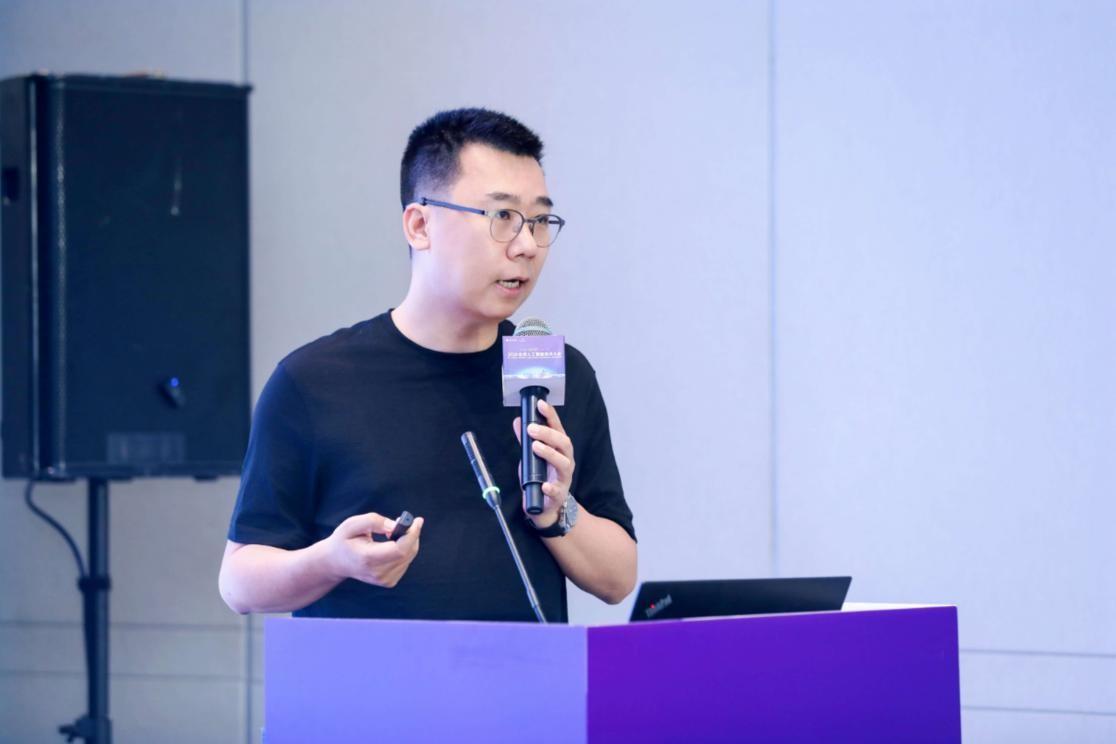
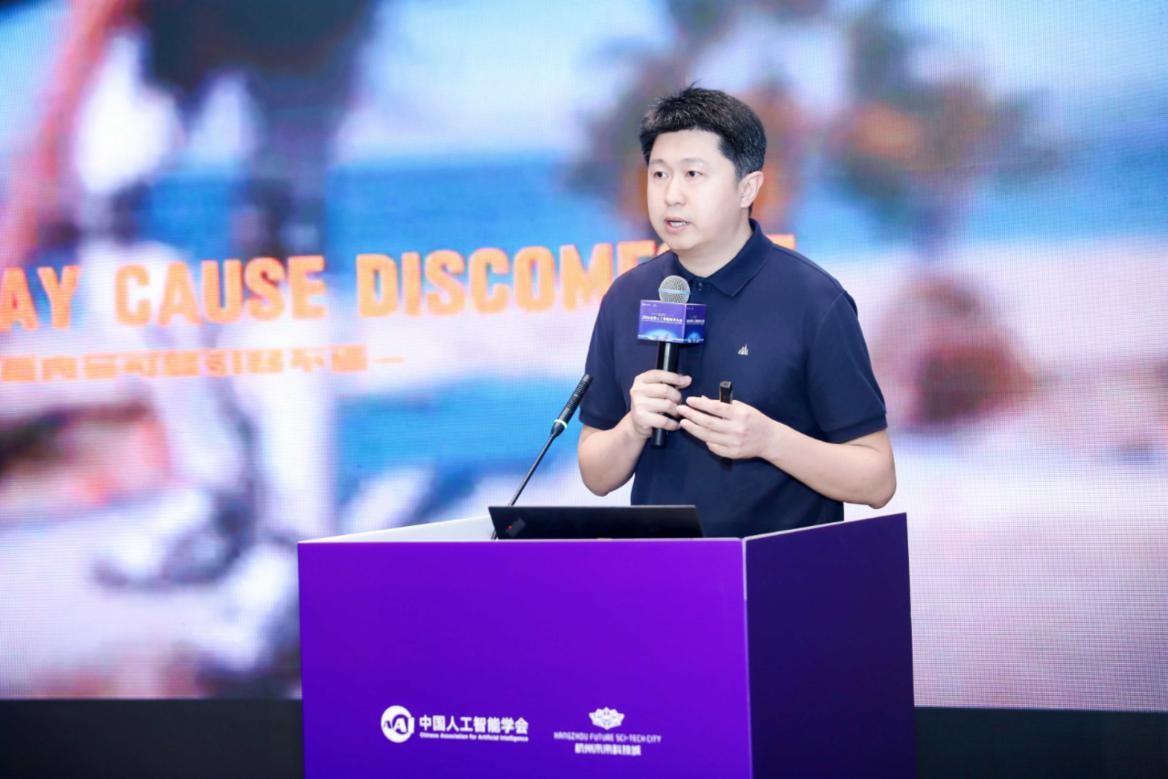
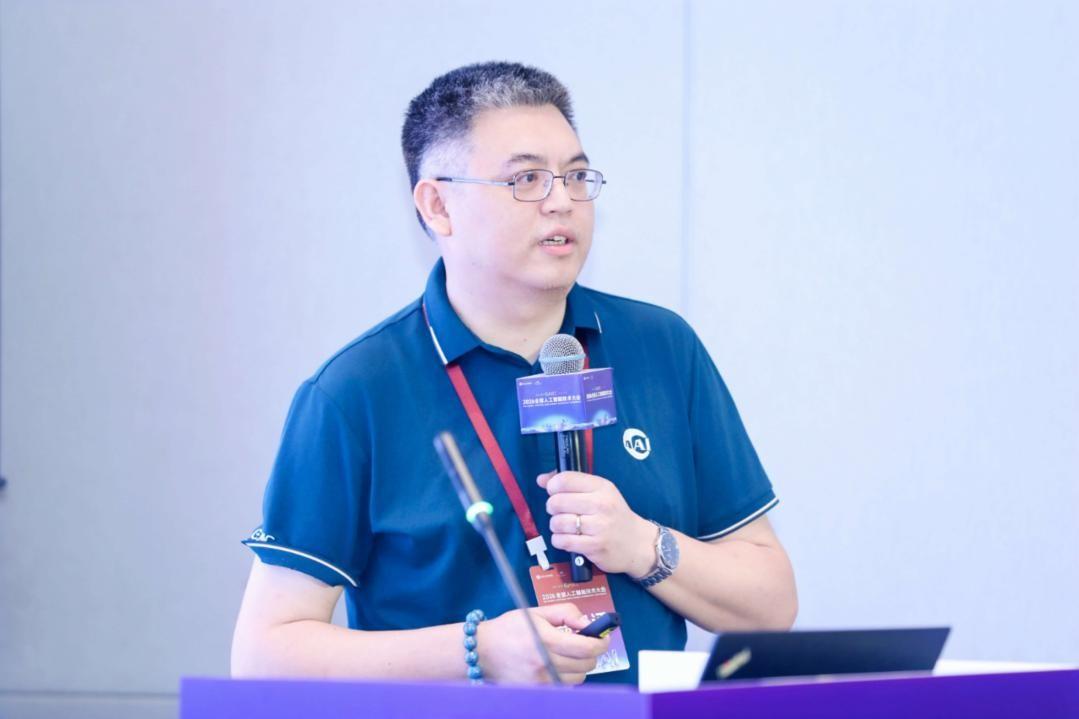
5月23日,由中国人工智能学会主办,CAAI智能传媒专业委员会、新浪新闻、中国传媒大学媒体融合与国家重点实验室、中国传媒大学媒介音视频教育部重点实验室、大浪智库联合支持的2026全球人工智能技术大会“智能体传播与媒体新生态”专题会议在杭州举办。本次会议汇聚传媒高校、研究机构与前沿技术企业代表,围绕智能体技术驱动下的内容生产、传播范式、智能评测、认知安全及产业应用路径展开深入研讨,共探智能媒体发展的新趋势、新挑战、新机遇。

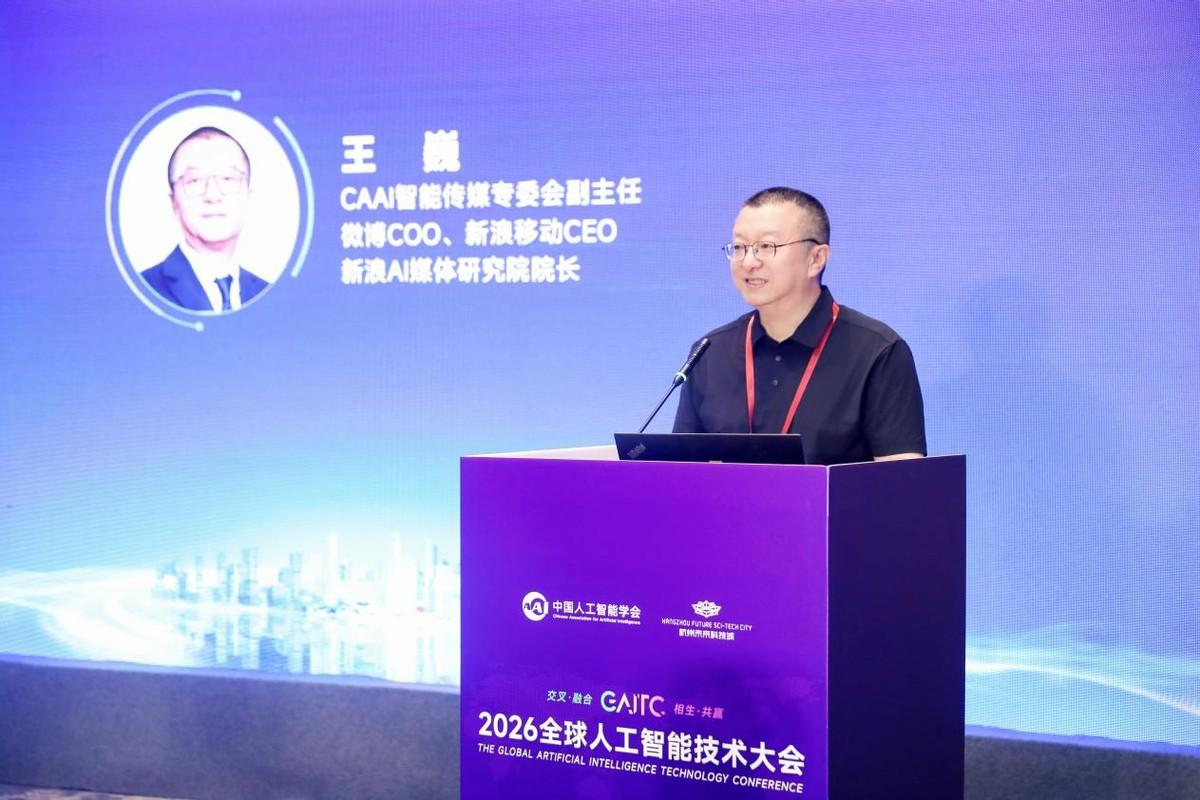
CAAI智能传媒专委会副主任、微博COO、新浪移动CEO王巍提出,智能体作为传媒行业的“数字协作者”,正带动内容生产从单纯人工走向深度的“人机结合”,这种转变正不断拓展行业的价值边界。科技的最终目的应当是回归服务于人的初心。他强调,“传媒行业的未来,需要我们坚持科技向善的初心,用协同共治的理念,共建人机共生的媒体新生态。”

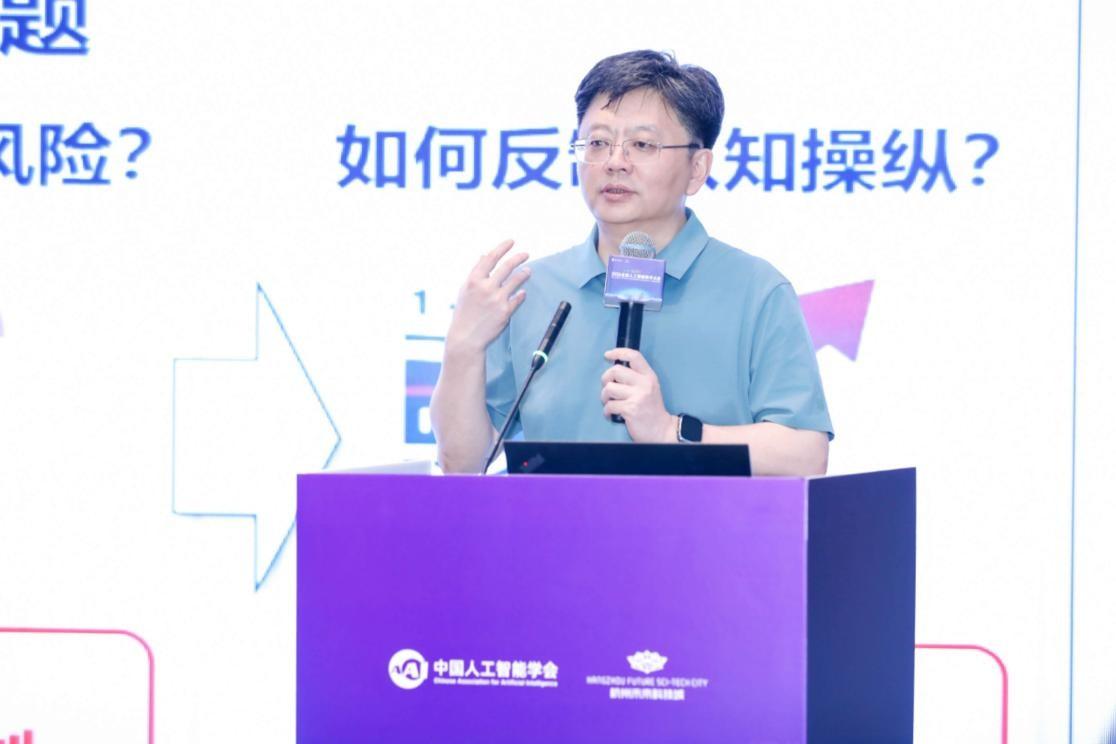
在主题演讲环节,学术界与产业界的专家学者围绕智能体传播的前沿议题展开了深度分享与探讨。中国科学技术大学信息科学技术学院执行院长、教授、国家级高层次人才张勇东在《社会智能驱动的认知安全》主题演讲中提出,依托多智能体集群模拟社会智能,构建“计划、执行、反思”的行动螺旋模型,是破解社会认知复杂演变规律,筑牢认知安全防线的关键技术路径。

在筑牢认知安全底线的同时,AI原生正在重新定义人与智能系统的关系,推动人机协同进入全新阶段。DCCI互联网研究院院长刘兴亮以《AI原生时代——人机共生的未来》为题,分享前沿思考。他谈道,AI的价值正从“生成内容”的内容智能,迈向“提供服务”的行动智能;我们应秉持“知AI善用”的理念,将AI视为麾下的“韩信”与“张良”,争做能够驾驭智能洪流的“时代刘邦”。

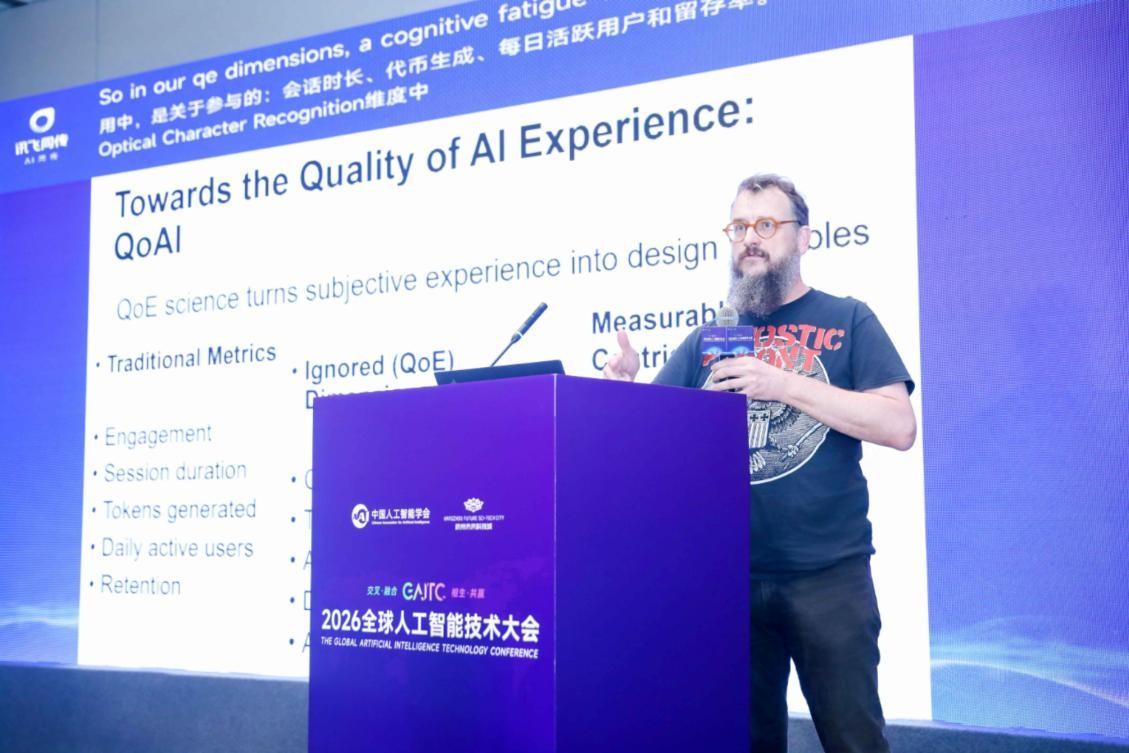
面对技术快速迭代,行业更应回归人本价值。IEEE Fellow、法国大学研究院(IUF)资深会员、南特综合理工学院/南特大学教授Patrick Le Callet带来《AI at the post-growth era:designing the Human–Machine Experience》主题分享。他认为,算法的过度流畅正带来无形的“心理债务”:在享受便利的同时,我们要警惕人类批判性思维的萎缩与技能的枯竭。真正的智能不应是让个体走向社交孤立,而应是在保持人类自主权的前提下,维护现实世界的人际连接。

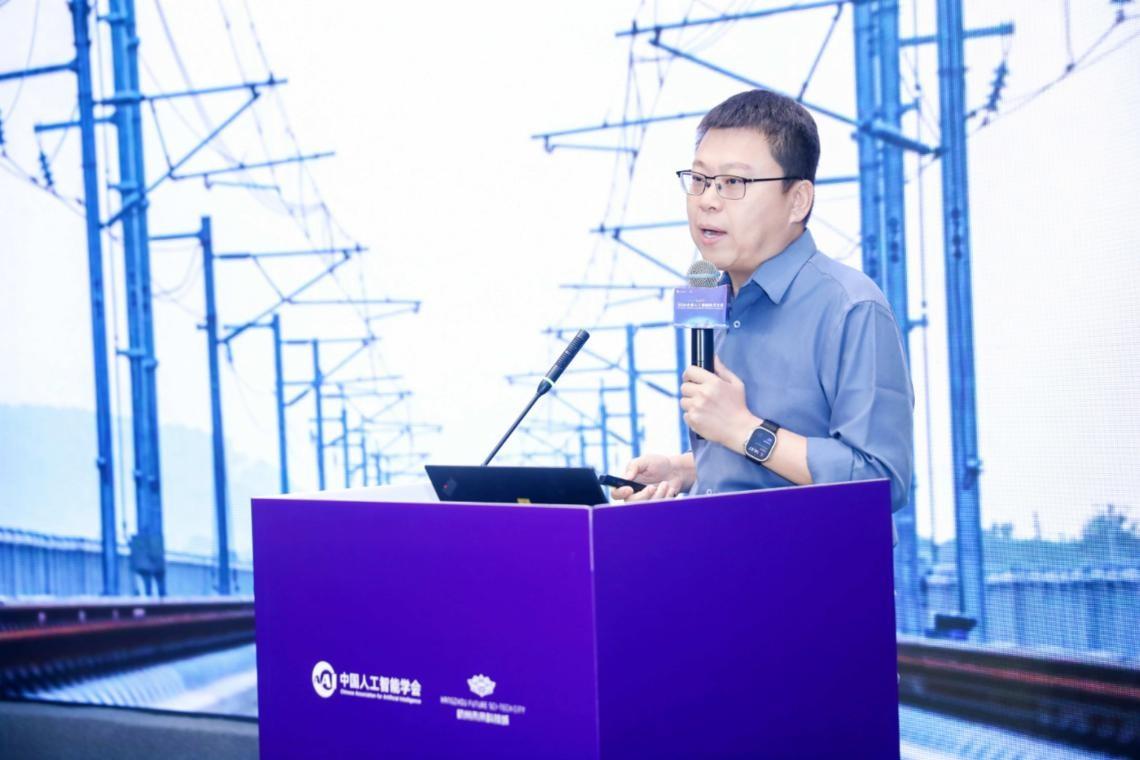
随着智能体广泛参与内容生产、传播与交互,如何科学评测智能体能力、建立高效可信的评测体系,成为行业需要破解的课题。上海交通大学特聘教授、国家级高层次人才翟广涛在《智能评测与评测智能》主题演讲中表示,质量(Quality)与感质(Qualia)本质同源。感知世界“好坏”的能力是智能体产生意识的前提;唯有具备分辨优劣的直觉,AI才能从数据驱动的模拟器,真正进化为能够与现实世界共情的数字生命。

内容规模化生产与智能化分发,离不开强大的大模型底座支撑,底层技术持续演进为媒体新生态筑牢根基。火山引擎大模型解决方案负责人张天劼在《Seedance 2.0技术发展与实践》中介绍道,人类的语言往往无法充分描述极限的创意。全模态参考的精髓在于:让创作者不再受困于匮乏的辞藻,而是通过对主体、运镜与声音的深度理解,将脑海中那些"难以言表"的分镜直接兑现为现实。

大模型能力不断完善的同时,AI正加速走向普惠,让智能技术触达更多场景、服务更多主体。MiniMax To B中国区商业化负责人胡维琦在《Intelligence with everyone——MiniMax AI探索实践之路》主题分享中提出,与其在AI浪潮前感到焦虑,不如直接“动手加入”。她认为,AI时代的认知不是看出来的,而是玩出来的。只有在不设限的Token消耗与反复的工具尝试中,才能从“知其然”跨越到真正驾驭智能的“熟能生巧”。

会议最后,CAAI智能传媒专委会秘书长、中国传媒大学数据科学与智能媒体学院院长、教授叶龙在《基于众商计算的类人智能体仿真与推演》中分享了前沿学术研究成果。他表示,智能体正经历从“能力体”到“角色体”,再到“社会体”的跃迁。未来的竞争不仅是模型参数的竞争,更是群体组织机制的竞争——真正的智能不仅存在于模型内部,更存在于主体间的关系结构之中。

本次会议见证了一场关于“智能体传播与媒体新生态”的深度对话与思想碰撞。展望未来,智能体不仅将重构传播链路、拓展内容边界,也将持续推动媒体行业向更高效率、更强协同、更深融合的方向不断演进。

注:文/龚作仁,文章来源:Laborer,本文为作者独立观点,不代表亿邦动力立场。

文章来源:Laborer

广告
微信
朋友圈

这么好看,分享一下?

朋友圈 分享

APP内打开

+1
+1
微信好友 朋友圈 新浪微博 QQ空间
关闭
收藏成功
发送
/140 0