广告
加载中

3C数码家电品类霸榜!B站公布8月UP主带货GMV排行榜

张从容 2024-09-06 14:21
张从容 2024/09/06 14:21

邦小白快读

EN
全文速览

总1:B站8月UP主带货GMV榜单重点数据

1.有10名UP主单月GMV破千万,平均粉丝数68.02万,其中头部家居博主Mr迷瞪排名第一,去年双11全渠道支付金额达16.8亿元。

2.共有106名UP主单月GMV破百万,平均粉丝数83.34万,科技区占比最高(66.98%),生活区(14.15%)和时尚区(4.72%)次之。

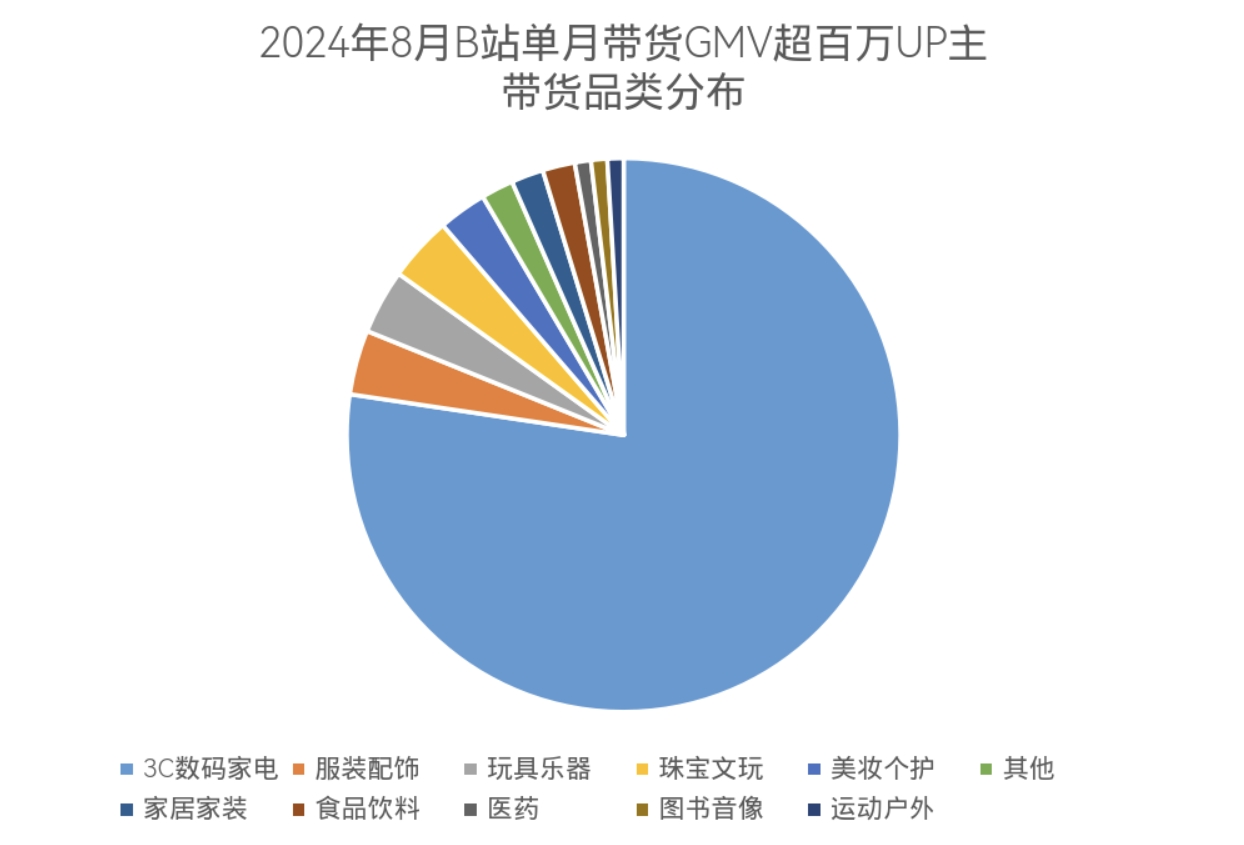
3.带货品类中3C数码家电占比77.36%,遥遥领先,榜单整体稳定,霸榜3个月的UP主占55.6%,新上榜占23.5%。

总2:核心实操干货

1.3C数码家电是B站核心带货品类,8名科技区UP主位列TOP10,且7名霸榜3个月,显示该品类的强势表现。

2.B站创始人陈睿指出,数码家电和电商是广告增长最大驱动力,证实品类趋势。

3.化妆品、服饰等品类在节点大促有冲动消费心智,可能成为潜在机会点。

总1:品牌营销和渠道建设启示

1.3C数码家电品类在B站带货中占比77.36%,主导地位明显,品牌可优先布局该品类的UP主合作,优化品牌渠道建设。

2.B站广告增长最大驱动力来自数码家电和电商,体现用户行为向数码产品倾斜,品牌定价可参考该趋势。

3.Mr迷瞪等生活区UP主成功案例(双11达16.8亿元),显示品牌研发可拓展至家居类产品,利用分区UP主多样化推广。

总2:消费趋势和用户观察

1.榜单显示科技区UP主占比66.98%,消费趋势聚焦数码家电,品牌需关注该领域的消费需求变化。

2.化妆品、服饰等品类具备冲动消费心智,节点大促时机会较大,品牌可针对此设计促销策略。

3.榜单稳定性(霸榜UP主55.6%)表明用户粘性高,品牌营销应注重长期合作UP主策略。

总1:增长市场和消费机会

1.3C数码家电品类占比77.36%,是B站主要增长市场,卖家可瞄准该品类需求变化,抢占新机会。

2.榜单稳定且霸榜UP主占55.6%,新上榜仅23.5%,提示风险:竞争集中于科技区,卖家需差异化策略以避免同质化。

3.化妆品、服饰等有冲动消费心智,节点大促时机会提示明显,卖家可针对此准备应对措施。

总2:可学习点和商业模式

1.Mr迷瞪成功案例(去年双11达16.8亿元)展示最新商业模式,卖家可学习生活区UP主的合作方式。

2.B站创始人陈睿强调数码家电和电商是广告增长驱动力,卖家可利用该扶持政策,拓展平台合作。

3.榜单平均粉丝数83.34万,显示高转化潜力,卖家需关注UP主粉丝基数以优化合作模式。

总1:产品生产和设计需求

1.3C数码家电在B站带货占比77.36%,需求旺盛,工厂生产可优先聚焦该品类设计和研发。

2.科技区UP主主导带货(占比66.98%),产品设计应契合数码家电特性,以迎合平台用户行为。

总2:商业机会和数字化启示

1.B站带货榜单显示核心品类机会,工厂可借此拓展电商渠道,推进生产数字化转型。

2.榜单稳定性(55.6%霸榜UP主)揭示长期合作机遇,工厂可探索与霸榜UP主合作方式。

3.冲动消费品类如化妆品、服饰的节点大促心智,提示工厂可开发相关产品,抓住电商启示机会。

总1:行业发展趋势和客户痛点

1.3C数码家电占比77.36%主导B站带货,行业趋势显示该品类高度集中,服务商需关注相关客户痛点如内容同质化问题。

2.榜单科技区UP主占比66.98%,新科技应用可能成为热点,服务商可基于此开发解决方案。

总2:新技术和痛点缓解

1.B站广告增长驱动来自数码家电和电商,服务商可提供营销工具以解决客户推广效率问题。

2.榜单稳定性(霸榜UP主55.6%)反映用户粘性痛点,服务商可设计数据分析方案优化运营。

3.冲动消费心智(化妆品等)提示潜在痛点,服务商可推出节点大促定制解决方案。

总1:平台最新做法和需求

1.B站公布带货榜单,显示核心品类3C数码家电占比77.36%,平台需加强招商管理以吸引该领域商家。

2.榜单稳定性(55.6%霸榜)体现运营管理优势,平台可优化算法以维持高转化。

总2:商业问题和风向规避

1.B站创始人陈睿指出数码家电和电商是广告增长驱动力,平台需应对该需求,如增加资源扶持。

2.科技区UP主主导(占比66.98%),但生活区如Mr迷瞪成功(双11达16.8亿元),提示风向规避:平台应平衡分区招商以避免单一风险。

3.冲动消费品类机会提示平台在节点大促时需完善运营策略,规避流失。

总1:产业新动向和新问题

1.3C数码家电占比77.36%主导B站带货,显示产业高度集中新动向,可能引发品类不平衡问题。

2.榜单霸榜UP主占55.6%,新上榜仅23.5%,揭示商业模式稳定性问题,需研究可持续性挑战。

总2:政策建议和启示

1.B站创始人陈睿强调数码家电为广告增长驱动力,研究者可建议政策法规支持电商创新。

2.冲动消费心智(化妆品等)启示政策应鼓励品类多样化,以缓解集中风险。

3.榜单平均粉丝数83.34万,结合成功案例如Mr迷瞪,为商业模式研究提供定量数据支持。

返回默认
声明:快读内容全程由AI生成,请注意甄别信息。如您发现问题,请发送邮件至 run@ebrun.com 。

我是 品牌商 卖家 工厂 服务商 平台商 研究者 帮我再读一遍。

Quick Summary

Summary 1: Key Bilibili Creator Sales Data for August

1. Ten creators exceeded ¥10 million in monthly GMV, averaging 680,200 followers. Top home and lifestyle creator Mr. Mideng ranked first, achieving ¥1.68 billion in cross-platform sales during last year's Double 11.

2. 106 creators surpassed ¥1 million in monthly GMV, averaging 833,400 followers. The tech category dominated (66.98%), followed by lifestyle (14.15%) and fashion (4.72%).

3. 3C digital and home appliances accounted for 77.36% of sales. The rankings were stable, with 55.6% of creators maintaining their positions for three months, while newcomers comprised 23.5%.

Summary 2: Core Practical Insights

1. 3C digital and home appliances are Bilibili's core sales category. Eight tech creators ranked in the top 10, with seven maintaining their positions for three months, highlighting the category's dominance.

2. Bilibili founder Chen Rui noted that digital appliances and e-commerce are the primary drivers of advertising growth, confirming this trend.

3. Categories like cosmetics and apparel show strong impulse purchase potential during major promotions, indicating potential growth opportunities.

Summary 1: Implications for Brand Marketing and Channel Strategy

1. 3C digital and home appliances dominate Bilibili sales (77.36%), indicating brands should prioritize collaborations with creators in this category to optimize channel strategy.

2. Bilibili's advertising growth is primarily driven by digital appliances and e-commerce, reflecting user behavior trends. Brands should align pricing strategies accordingly.

3. Success stories like Mr. Mideng (¥1.68 billion during Double 11) suggest brands can expand into home products and leverage diverse creator categories for promotion.

Summary 2: Consumer Trends and User Insights

1. Tech creators account for 66.98% of top performers, signaling strong consumer focus on digital appliances. Brands must monitor evolving demand in this sector.

2. Categories like cosmetics and apparel exhibit impulse purchase behavior during promotions, presenting opportunities for targeted campaign strategies.

3. High ranking stability (55.6% of creators maintained positions) indicates strong user loyalty, emphasizing the value of long-term creator partnerships.

Summary 1: Growth Markets and Sales Opportunities

1. 3C digital and home appliances (77.36% share) represent Bilibili's primary growth market. Sellers should track demand shifts in this category to capture new opportunities.

2. Ranking stability (55.6% repeat top creators vs. 23.5% newcomers) signals concentrated competition in tech. Sellers need differentiation strategies to avoid homogenization.

3. Impulse-driven categories like cosmetics and apparel show clear promotional opportunities, requiring tailored campaign preparations.

Summary 2: Learnings and Business Models

1. Mr. Mideng's success (¥1.68 billion in Double 11) demonstrates effective lifestyle creator collaborations that sellers can emulate.

2. Bilibili's emphasis on digital appliances and e-commerce as growth drivers suggests sellers should leverage platform support policies for expansion.

3. High average follower counts (833,400) among top creators indicate strong conversion potential, guiding seller collaboration criteria.

Summary 1: Production and Design Priorities

1. 3C digital and home appliances dominate Bilibili sales (77.36%), guiding factories to prioritize R&D and production for this category.

2. Tech creators lead sales (66.98%), requiring product designs aligned with digital appliance features to match platform user behavior.

Summary 2: Commercial Opportunities and Digital Transformation

1. Bilibili's sales rankings highlight core category opportunities, encouraging factories to expand e-commerce channels and digital production capabilities.

2. Ranking stability (55.6% repeat top creators) reveals long-term partnership potential with established creators.

3. Impulse purchase categories like cosmetics and apparel during promotions suggest factories can develop relevant products to capture e-commerce opportunities.

Summary 1: Industry Trends and Client Pain Points

1. 3C digital appliances' dominance (77.36%) reflects high category concentration. Service providers must address client challenges like content homogenization.

2. Tech creators' prevalence (66.98%) indicates emerging technology applications as potential hotspots for solution development.

Summary 2: Technology Solutions and Pain Point Mitigation

1. Bilibili's advertising growth driven by digital appliances and e-commerce creates demand for marketing tools to improve client promotion efficiency.

2. Ranking stability (55.6% repeat creators) reflects user loyalty challenges, requiring data analytics solutions for operational optimization.

3. Impulse purchase categories like cosmetics highlight promotional pain points, suggesting customized campaign solutions for major shopping events.

Summary 1: Platform Strategies and Merchant Needs

1. Bilibili's sales rankings show 3C digital appliances dominating (77.36%), requiring enhanced merchant acquisition strategies for this category.

2. High ranking stability (55.6% repeat creators) demonstrates operational advantages, guiding algorithm optimization for sustained conversion rates.

Summary 2: Commercial Challenges and Risk Management

1. Bilibili's emphasis on digital appliances and e-commerce as growth drivers necessitates platform resource allocation to meet merchant demands.

2. While tech creators dominate (66.98%), lifestyle successes like Mr. Mideng (¥1.68 billion) suggest balancing category diversification to mitigate overreliance risks.

3. Impulse purchase opportunities during promotions require refined operational strategies to prevent user attrition.

Summary 1: Industry Trends and Emerging Issues

1. 3C digital appliances' dominance (77.36%) reveals high industry concentration, potentially causing category imbalance issues.

2. Ranking stability (55.6% repeat creators vs. 23.5% newcomers) highlights business model sustainability challenges requiring further study.

Summary 2: Policy Implications and Research Insights

1. Bilibili's focus on digital appliances as advertising growth drivers suggests research into policy support for e-commerce innovation.

2. Impulse purchase categories like cosmetics indicate need for policy encouragement of diversification to mitigate concentration risks.

3. Quantitative data like average follower counts (833,400) and case studies (e.g., Mr. Mideng) provide empirical support for business model research.

Disclaimer: The "Quick Summary" content is entirely generated by AI. Please exercise discretion when interpreting the information. For issues or corrections, please email run@ebrun.com .

I am a Brand Seller Factory Service Provider Marketplace Seller Researcher Read it again.

【亿邦原创】日前,B站公布8月带货GMV超百万的UP主榜单。其中,有10名UP主GMV破千万,排名为榜单TOP10。这10名UP主的平均粉丝数为68.02万。带货GMV排名第一的是B站头部家居博主Mr迷瞪。去年双11期间,Mr迷瞪直播全渠道累计支付金额达16.8亿元。

虽然属于生活区、带货品类为家居家装的Mr迷瞪排名第一,但是,在8月带货GMVTOP10的UP主中,有8名属于科技区,且带货品类为3C数码家电,其中7名霸榜3个月。

同时,榜单显示,8月共有106名UP主单月GMV破百万,平均粉丝数为83.34万。在这106名UP主中,占比前三的分区是科技区(66.98%)、生活区(14.15%)和时尚区(4.72%)。这106名UP主的粉丝平均数为83.3万,占比第一的带货品类是3C数码家电(77.36%),占比遥遥领先。同时可以看到,榜单整体稳定,霸榜3个月的UP主占比55.6%,新上榜UP主占比23.5%。

B站创始人陈睿在今年第二季度的财报电话会议中称,第二季度的前五大广告主来自游戏、电商、数码家电、食品饮料和汽车,其中电商和数码家电是第二季度广告增长最大的两个驱动力。上述数据也证明,目前3C数码家电仍然是B站的核心品类之一。

然而,化妆品、服饰、日用百货等品类具备较强的节点大促冲动消费的购买心智。亿邦动力将持续关注B站带货榜相关动态,如想了解更多与本文相关信息,请扫码关注作者微信。

文章来源:亿邦动力

广告
微信
朋友圈

FAQ回顾

B站8月UP主带货GMV排行榜的总体情况如何?

8月B站共有106名UP主带货GMV突破百万,其中10名UP主GMV超千万。榜单整体稳定,55.6%的UP主已连续霸榜3个月,新上榜UP主占比23.5%。

B站8月带货表现最好的品类是什么?

3C数码家电是B站8月带货的核心品类,占比高达77.36%。在GMV超千万的TOP10 UP主中,有8名来自科技区且带货品类为3C数码家电。

B站带货UP主主要来自哪些内容分区?

科技区UP主是带货主力,占比达66.98%,其次是生活区(14.15%)和时尚区(4.72%)。这106名UP主的平均粉丝数为83.34万。

这么好看,分享一下?

朋友圈 分享

APP内打开

赞 +1
+1
微信好友 朋友圈 新浪微博 QQ空间
关闭
收藏成功
发送
/140 0