广告
加载中

SHEIN首份财报:欧美收入承压 拉美成新增长点 品牌赋能计划取得实质进展

亿邦动力 2026-09-29 20:13
亿邦动力 2026/09/29 20:13

邦小白快读

EN
全文速览

总:SHEIN上市后首份财报显示净收入微增、订单量增长,公司选择自己吸收关税和运费上涨成本,以稳定消费价格。

1. 从消费端看,订单量增速明显高于净收入增速(5.49亿单,同比增6.4%),说明用户买得更频繁,但每单贡献收入下降,背后是商城业务占比提升。

2. 第二季度利润指标分化:净利大增但经调整净利下降66.6%,销售和营销成本下降,履约费用因油价和运费上涨大增18.1%,属于外部成本压力。

3. 对消费者而言,公司明确表示不将临时性成本转嫁给用户,而是稳定定价,四季度双十一、黑五、网络星期一和圣诞季预计带来更多促销和订单。

4. 未来1至2年将拓宽价格带、加强品质合规,值得关注价格和商品结构变化。

总:这份财报对品牌商最有价值的信息是SHEIN品牌赋能计划加速落地,以及平台从自营向‘自营+商城+品牌赋能’生态演进的路径。

1. 品牌赋能:SHEIN把LATR供应链系统和DesignX创意系统接通,合作品牌与设计师可将设计到上市周期缩短;女装品牌AiRZ二季度同比单量增长超50%,KIZN、BabyPhat、FashionSZN等新伙伴创销售新高。

2. 自有品牌动向:MUSERA向运动品类扩张,Aloruh在泳装、睡衣、运动服和礼服领域拓展,二季度均强劲增长,说明平台仍会加码自有品牌,需关注同类目竞争。

3. 定价与渠道:面对欧盟取消低货值免税政策,SHEIN在欧洲提高售价并削减广告,导致销量下滑;在美国因关税和商城模式占比提升收入下降。这提示品牌做跨境时需应对政策成本,同时商城模式会改变收入确认和价格策略。

总:财报为跨境卖家划出了增长市场和风险区域:拉美成为新增长点,欧美收入承压;同时SHEIN以商城和品牌赋能服务拓展生态,卖家有机会借助平台实现订单增长。

1. 增长机会:第二季度‘其他地区’净收入同比增长21.6%,主要来自拉美,但中东受伊朗冲突拖累;欧洲因欧盟取消150欧元以下低值货物关税豁免,销量下降;美国受关税影响收入下滑。

2. 应对措施:SHEIN针对欧洲提高售价并削减广告支出,同时自己吸收油价和运费上涨,避免转嫁消费者以维持订单增长,说明平台更重视订单量和稳定体验。

3. 合作方式:品牌赋能计划取得实质进展,合作品牌AiRZ单量同比增长超50%,KIZN等创销售新高,卖家可关注品牌赋能和商城模式的入驻与合作。

4. 下半年展望:四季度双十一、黑五、网络星期一、圣诞季是最重要促销窗口,预计订单量大增,但关税逆风与物流成本波动仍存,需提前做合规和物流规划。

总:对工厂而言,SHEIN财报直接展示了柔性供应链和自动化升级的方向,以及小单快反模式下对生产效率和设计协同的新要求。

1. 生产端需求:SHEIN持续推行集中采购、智能裁剪系统,并简化供应商管理架构,说明上游代工和原材料环节需要更快响应、更标准化流程。

2. 自动化机会:履约端在仓库部署机器人拣选和自动分拣,并提升欧洲本地库存覆盖,这为物流自动化设备商和相关服务创造需求,也提示工厂可考虑引入自动化降本。

3. 设计协同:LATR供应链系统与DesignX创意系统串联,使合作品牌和设计师能缩短设计到上市周期,说明工厂需要具备与品牌数字化协同打样、快速翻单的能力。

4. 品类拓展:自有品牌向运动、泳装、睡衣、礼服等品类延伸,对应多品类柔性产能合作机会。

总:行业趋势、技术应用和客户痛点在这份财报中都有具体体现,服务商可从中挖掘数字化、自动化和合规服务的切入点。

1. 趋势与新技术:SHEIN的LATR模式强调智能供应链与全球履约网络,仓库自动化(机器人拣选、自动分拣)和智能裁剪是明确技术方向。

2. 客户痛点:履约费用同比增长18.1%,主要受订单量增长、油价上涨和运费成本上升影响;SHEIN选择先吸收成本,但长期需要更高效的物流和供应链管理方案。

3. 解决方案空间:平台将LATR供应链与DesignX创意系统打通,帮助品牌缩短周期,这类系统集成、创意协同工具可能成为服务商切入接口。

4. 合规风险:美国关税、欧盟取消低值货物关税豁免都直接影响电商收入,针对关税优化、合规清关、区域仓储前置的服务将有更大需求。

总:SHEIN的财报展示了一个以商城、品牌赋能和自营组合的平台生态,平台商可借鉴其运营调控和风险应对逻辑。

1. 平台模式变化:净收入增速低于订单增速,因为商城业务占比提升,收入确认以服务收入为主,但自营仍是核心;这说明平台可以靠服务收入做大生态。

2. 最新做法:品牌赋能计划将LATR供应链与DesignX创意系统串联,缩短合作品牌设计到上市周期;自有品牌向运动、泳装等品类扩张,丰富供给。

3. 运营管理:第二季度在欧美收入下滑的背景下,SHEIN提高欧洲售价并削减广告,同时吸收运费上涨不转嫁消费者,以保订单增长;这是面对政策风险和成本压力时的调控样本。

4. 风险规避:美国关税、欧盟免税取消、伊朗冲突影响中东,平台需建立区域化物流与合规体系。四季度双十一、黑五等促销窗口仍是订单增长关键。

总:首份财报提供了一个典型样本:跨境电商平台在关税、免税政策变化和地缘冲突下,如何调整收入结构、成本与增长策略。

1. 产业新动向:SHEIN从自营走向‘自营+平台商城+品牌赋能’混合生态,服务收入占比提升至12.7%且同比增长44.2%,反映行业从卖货向卖服务和基础设施转型。

2. 商业模式:LATR(大规模自动化小单快返)模式强调智能供应链、全球履约和设计协同,是值得研究的柔性制造与数字化供应链案例。

3. 新问题:净利润与经调整净利润差异极大(Q2净利+247% vs 经调整-66.6%),需要进一步看一次性收益与经常性盈利质量;履约费用上涨18.1%显示地缘事件对物流成本冲击。

4. 政策启示:欧盟取消150欧元以下低值货物关税豁免、美国关税变化直接冲击欧美销售,说明政策法规对快时尚跨境电商影响明显,也为研究关税和贸易规则提供了实证。

返回默认

声明:快读内容全程由AI生成,请注意甄别信息。如您发现问题,请发送邮件至 run@ebrun.com 。

我是 品牌商 卖家 工厂 服务商 平台商 研究者 帮我再读一遍。

Quick Summary

Overall: SHEIN's first post-IPO earnings report showed a slight increase in net revenue and order growth. The company chose to absorb tariff and freight cost increases itself to keep consumer prices stable.

1. From the consumer side, order growth clearly outpaced net revenue growth (549 million orders, up 6.4% YoY), indicating users are buying more frequently, but revenue per order is down, driven by a higher share of marketplace business.

2. Second-quarter profit metrics diverged: net profit surged but adjusted net profit fell 66.6%. Sales and marketing costs declined, while fulfillment expenses rose sharply by 18.1% due to higher oil prices and freight costs, reflecting external cost pressure.

3. For consumers, the company explicitly said it would not pass on temporary cost increases, instead keeping pricing stable. Q4 events like Singles' Day, Black Friday, Cyber Monday, and the Christmas season are expected to bring more promotions and orders.

4. Over the next 1-2 years, SHEIN plans to broaden its price range and strengthen quality compliance. Price and product mix changes are worth watching.

Overall: For brands, the most valuable takeaways are the accelerated rollout of SHEIN's brand empowerment program and the platform's evolution from self-operated to a self-operated + marketplace + brand empowerment ecosystem.

1. Brand empowerment: SHEIN connected its LATR supply chain system with the DesignX creative system, allowing partner brands and designers to shorten the design-to-market cycle. Womenswear brand AiRZ saw order volume grow over 50% YoY in Q2, while new partners like KIZN, BabyPhat, and FashionSZN hit record sales.

2. Private-label moves: MUSERA expanded into sports apparel, and Aloruh expanded into swimwear, sleepwear, activewear, and dresses, both posting strong Q2 growth. This shows the platform will continue investing in private labels, so competition in these categories deserves attention.

3. Pricing and channels: In response to the EU's removal of the low-value import duty exemption, SHEIN raised prices in Europe and cut advertising, leading to lower sales. In the U.S., revenue declined due to tariffs and the rising share of the marketplace model. This suggests brands need to manage policy costs in cross-border operations, while the marketplace model changes revenue recognition and pricing strategy.

Overall: The report outlines growth markets and risk zones for cross-border sellers: Latin America is a new growth engine, while Europe and the U.S. face revenue pressure. Meanwhile, SHEIN is expanding its ecosystem through marketplace and brand empowerment services, giving sellers opportunities to grow orders via the platform.

1. Growth opportunities: In Q2, other regions net revenue grew 21.6% YoY, mainly from Latin America, but the Middle East was dragged down by the Iran conflict. Europe saw sales decline due to the EU's removal of the tariff exemption for goods under €150; the U.S. saw revenue fall due to tariffs.

2. Response: SHEIN raised prices in Europe and cut ad spend, while absorbing oil price and freight cost increases rather than passing them to consumers, to maintain order growth. This shows the platform prioritizes order volume and stable experience.

3. Collaboration: The brand empowerment program made concrete progress. Partner brand AiRZ saw order volume up over 50% YoY, and KIZN and others hit record sales. Sellers should watch for entry and cooperation opportunities in brand empowerment and marketplace models.

4. Second-half outlook: Q4 events like Singles' Day, Black Friday, Cyber Monday, and Christmas are the most important promotion windows, expected to drive strong order growth. However, tariff headwinds and logistics cost volatility remain, so compliance and logistics planning are essential.

Overall: For factories, SHEIN's report directly shows the direction of flexible supply chain and automation upgrades, as well as new demands on production efficiency and design collaboration under the small-batch, fast-turnaround model.

1. Production-side demands: SHEIN continues to push centralized procurement and intelligent cutting systems, and has simplified supplier management structures, meaning upstream OEM and raw material links need faster response and more standardized processes.

2. Automation opportunities: On the fulfillment side, SHEIN is deploying robotic picking and automated sorting in warehouses and increasing local inventory coverage in Europe. This creates demand for logistics automation equipment providers and related services, and also suggests factories should consider automation to reduce costs.

3. Design collaboration: Connecting the LATR supply chain system with the DesignX creative system allows partner brands and designers to shorten the design-to-market cycle. Factories need the ability to digitally collaborate on sampling with brands and rapidly repeat orders.

4. Category expansion: Private labels are expanding into sportswear, swimwear, sleepwear, dresses, and other categories, creating opportunities for flexible production capacity across multiple categories.

Overall: Industry trends, technology applications, and customer pain points are all concretely reflected in this earnings report, and service providers can identify entry points in digitalization, automation, and compliance services.

1. Trends and new technologies: SHEIN's LATR model emphasizes intelligent supply chain and a global fulfillment network. Warehouse automation (robotic picking, automated sorting) and intelligent cutting are clear technology directions.

2. Customer pain points: Fulfillment costs rose 18.1% YoY, mainly due to order growth, higher oil prices, and freight costs. SHEIN chose to absorb costs for now, but longer-term needs are more efficient logistics and supply chain management solutions.

3. Solution space: By integrating the LATR supply chain with the DesignX creative system, the platform helps brands shorten their cycles. Such system integration and creative collaboration tools may become entry points for service providers.

4. Compliance risks: U.S. tariffs and the EU's removal of the low-value goods duty exemption directly affect e-commerce revenue. Services for tariff optimization, compliant customs clearance, and regional warehousing will see greater demand.

Overall: SHEIN's report showcases a platform ecosystem combining marketplace, brand empowerment, and self-operated operations. Peer platforms can learn from its operational controls and risk-response logic.

1. Platform model change: Net revenue growth lagged order growth because of the rising share of marketplace business, where revenue recognition is primarily service income, while self-operated remains core. This shows a platform can scale its ecosystem through service revenue.

2. Latest moves: The brand empowerment program connected LATR supply chain with DesignX creative system to shorten partner brands' design-to-market cycles. Private labels expanded into sportswear, swimwear, and other categories to enrich supply.

3. Operations management: Facing revenue declines in Europe and the U.S. in Q2, SHEIN raised prices in Europe and cut advertising, while absorbing freight increases rather than passing them to consumers, to protect order growth. This is a case study in managing policy risk and cost pressure.

4. Risk mitigation: U.S. tariffs, the EU duty exemption removal, and the Iran conflict affecting the Middle East require platforms to build regionalized logistics and compliance systems. Q4 promotion windows such as Singles' Day and Black Friday remain key to order growth.

Overall: The first post-IPO report offers a typical case of how a cross-border e-commerce platform adjusted its revenue structure, costs, and growth strategy amid tariffs, changes in duty-free policies, and geopolitical conflicts.

1. Industry shift: SHEIN is moving from self-operated to a hybrid ecosystem of self-operated + marketplace + brand empowerment. Service revenue reached 12.7% of total and grew 44.2% YoY, reflecting the industry's transition from selling goods to selling services and infrastructure.

2. Business model: The LATR (large-scale automation, small-batch, fast-turnaround) model emphasizes intelligent supply chain, global fulfillment, and design collaboration, making it a valuable case study in flexible manufacturing and digital supply chains.

3. Emerging issues: The wide gap between net profit and adjusted net profit (Q2 net profit +247% vs. adjusted -66.6%) calls for a closer look at one-time gains versus recurring earnings quality. The 18.1% rise in fulfillment costs shows how geopolitical events impact logistics costs.

4. Policy implications: The EU's removal of the duty exemption for goods under €150 and U.S. tariff changes directly hit European and U.S. sales, showing the significant impact of policy and regulation on fast-fashion cross-border e-commerce, and providing empirical evidence for research on tariffs and trade rules.

Disclaimer: The "Quick Summary" content is entirely generated by AI. Please exercise discretion when interpreting the information. For issues or corrections, please email run@ebrun.com .

I am a Brand Seller Factory Service Provider Marketplace Seller Researcher Read it again.

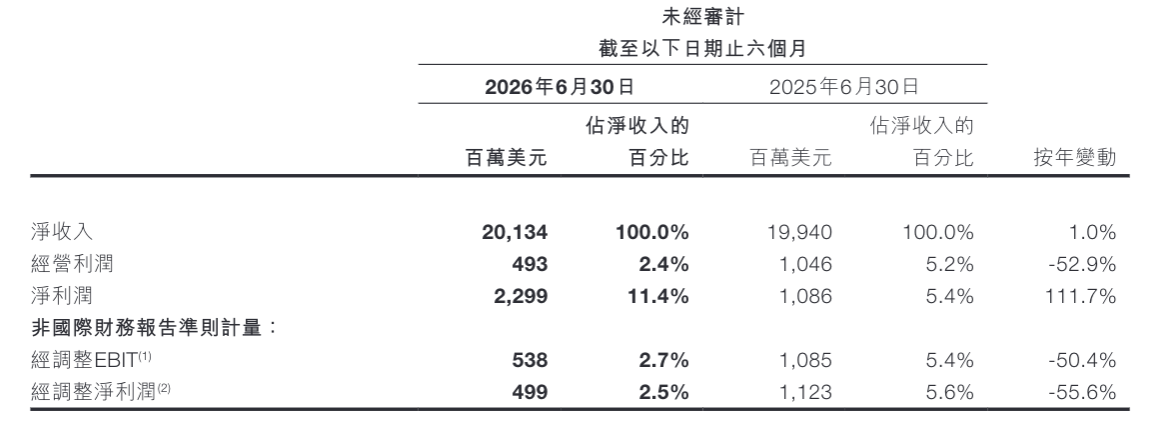
【亿邦原创】日前,希音国际控股有限公司(00625.HK)发布了2026年中期报告,这也是其在港交所上市后的首份财报。上半年,公司净收入为201.34亿美元,同比增1.0%;净利润为22.99亿美元,同比增长111.7%;经调整净利润4.99亿美元,同比下降55.6%;总订单量达5.49亿,同比增6.4%。财报发布后,希音股价跌超10%。

只看第二季度,公司净收入110.82亿美元,同比增0.9%;净利润23.98亿美元,同比增247%;经调整净利润2.28亿美元,同比降66.6%;总订单量达2.98亿,同比增长7.6%。

财报表示,净收入增速低于订单增速的原因是商城业务占比持续提升,在商城业务模式下,录入的是服务收入而非商品销售额。但SHEIN强调,从长期看,自营仍将是核心业务,商城和品牌赋能服务是生态组成部分。

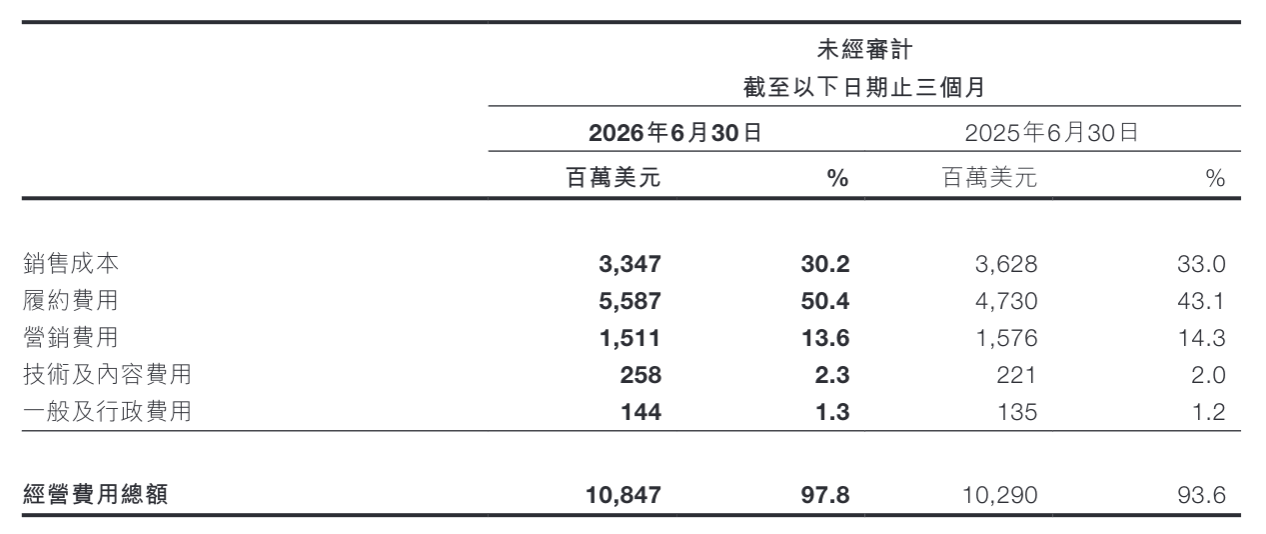
从经营费用看,第二季度公司销售成本为33.47亿美元,同比下降7.7%,占净收入30.2%,下降原因包括商城模式占比增加、定价调整和成本优化;营销费用为15.11亿美元,同比下降4.1%,占净收入13.6%;履约费用为55.87亿美元,同比增长18.1%,占净收入50.4%,主要受订单量增长以及伊朗冲突引发的油价上涨和运费成本上升驱动。 财报显示,SHEIN选择主动吸收这些暂时性成本,而非转嫁给消费者,以保持稳定定价体验和订单增长势头。

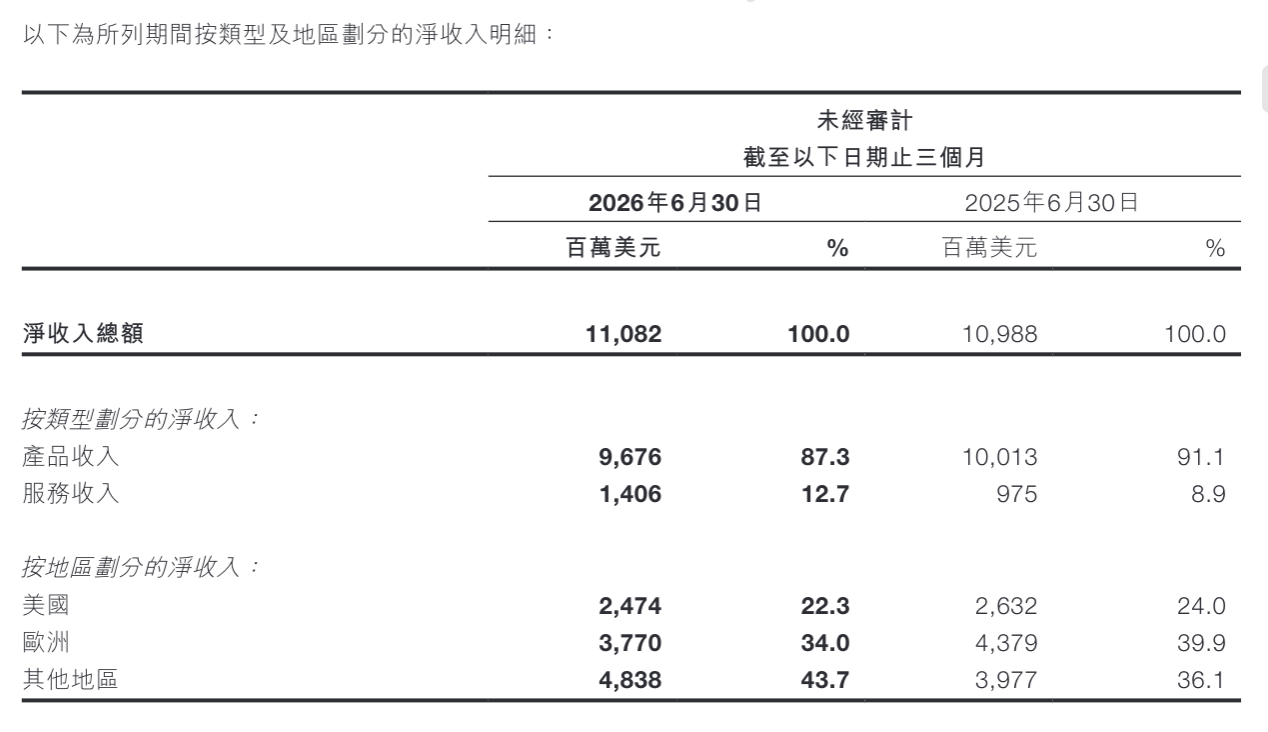
分业务看,第二季度SHEIN产品收入96.76亿美元,同比下降3.4%;服务收入14.06亿美元,同比增长44.2%,占净收入比重升至12.7%。

分地区看,第二季度,来自美国的净收入为24.74亿美元,同比下降6.0%,占比22.3%;欧洲的净收入为37.70亿美元,同比下降13.9%,占比34.0%;其他地区的净收入为48.38亿美元,同比增长21.6%,占比43.7%。

财报解释,美国收入下降主要受关税影响及商城模式占比增加;欧洲下降则与欧盟将于2026年7月1日取消150欧元以下低价值货物关税豁免有关,公司提高产品售价并削减在线广告支出,导致销量下降。其他地区增长主要来自拉丁美洲,但部分被伊朗冲突对中东市场的影响抵消。

SHEIN在报告中再次强调其自主开创的LATR模式,即“大规模自动化小单快返”。公司持续投入并优化该模式的两大支柱:智能供应链与全球履约网络。在供给端,公司推行集中采购、智能裁剪系统,并简化供应商管理架构;在履约端,则提升欧洲本地库存覆盖,并在仓库部署机器人拣选和自动分拣。

此外,财报披露了SHEIN品牌赋能计划的进展情况。第二季度该计划取得实质进展——公司将LATR供应链系统与DesignX创意系统串联,使合作品牌及设计师能借助智能化系统优化工作流程,缩短设计到上市周期。女装品牌AiRZ在第二季度录得超过50%的同比单量增长;KIZN、BabyPhat和FashionSZN等较新合作伙伴也创下销售新高。

自有品牌中,MUSERA向运动品类延伸,Aloruh在泳装、睡衣、运动服和礼服领域拓展,第二季度均实现强劲增长。

展望2026年下半年,外部环境充满不确定性,关税逆风和物流成本波动可能持续。第四季度涵盖双十一、黑色星期五、网络星期一和圣诞季,仍是公司最重要的促销窗口,预计将带动订单量大幅提升。

SHEIN对2026年下半年经调整净利润前景持审慎乐观态度。未来1至2年,管理团队的工作重点包括:拓宽价格带、加强品质与合规、优化消费者沟通。

亿邦持续追踪报道该情报,如想了解更多与本文相关信息,请扫码关注作者微信。

本文首发于 亿邦动力 官方网站

文章来源:亿邦动力

广告
微信
朋友圈

FAQ回顾

SHEIN 2026年上半年营收和利润表现如何?

希音国际控股2026年上半年净收入201.34亿美元,同比增长1.0%;净利润22.99亿美元,同比增长111.7%;经调整净利润4.99亿美元,同比下降55.6%;总订单量5.49亿,同比增长6.4%。财报发布后,希音股价跌超10%。

SHEIN第二季度欧洲收入为什么下降?

2026年第二季度,SHEIN来自欧洲的净收入为37.70亿美元,同比下降13.9%,占净收入34.0%。财报解释,欧盟将于2026年7月1日取消150欧元以下低价值货物关税豁免,SHEIN提高产品售价并削减在线广告支出,导致销量下降。

SHEIN拉美市场表现如何?

2026年第二季度,SHEIN来自美国欧洲以外其他地区的净收入为48.38亿美元,同比增长21.6%,占净收入43.7%。财报明确,其他地区增长主要来自拉丁美洲,但部分被伊朗冲突对中东市场的影响抵消。

SHEIN的LATR模式是什么?

LATR即大规模自动化小单快返,是SHEIN自主开创的供应链模式。它依托智能供应链和全球履约网络两大支柱,通过集中采购、智能裁剪系统、简化供应商管理、提升欧洲本地库存,以及仓库机器人拣选和自动分拣来支撑快速生产与交付。

SHEIN品牌赋能计划有哪些进展?

2026年第二季度,SHEIN将LATR供应链系统与DesignX创意系统串联,让合作品牌和设计师缩短设计到上市周期。合作品牌AiRZ单量同比增长超50%,KIZN、BabyPhat、FashionSZN创下销售新高;自有品牌MUSERA、Aloruh也在新品类实现强劲增长。

这么好看,分享一下?

朋友圈 分享

APP内打开

赞 +1
+1
微信好友 朋友圈 新浪微博 QQ空间
关闭
收藏成功
发送
/140 0