广告
加载中

SHOPLINE Payments 支付版图再升级:法国、加拿大主体上线 多项能力同步焕新

龚作仁 2026-10-14 11:08
龚作仁 2026/10/14 11:08

邦小白快读

EN
全文速览

总1:支付版图扩展,购物更顺畅

1. 法国和加拿大主体正式上线,本对本模式让商家支付成功率更高、费率更优惠,消费者也能享受更本地化的收单服务。

2. 法国蓝卡、Affirm、iDEAL等本地支付方式接入,消费者可用自己熟悉的银行卡或银行应用付款,减少结账犹豫。

总2:分期和后台管理实用功能

1. Klarna分期支付已支持澳大利亚、新西兰和加拿大,购买家具、3C等高价商品时可在商品页看到分拆后的单期金额,降低一次性付款压力,更快做购买决定。

2. SHOPLINE Payments Hub可在一个后台查看多个账户余额、处理争议、提现和下载报告,不再需要切换多个店铺账号,财务对账也更加方便。

总1:支付本地化是用户体验的一部分

1. 法国蓝卡覆盖当地超过95%的双标卡,接入后消费者在熟悉的支付环境中结账,能减少陌生感,有助于提升品牌转化率。

2. Affirm面向北美提供先买后付,iDEAL符合荷兰银行转账习惯,不同市场的支付偏好会直接影响购买意愿。

总2:分期支付参与购买决策

1. Klarna分期已覆盖澳大利亚、新西兰和加拿大,品牌可在商品详情页展示单期金额,让价格更清晰。

2. 家具、3C、时尚配饰等高客单价品类使用分期前置,能降低消费门槛,增加加购和转化机会。

总3:多市场布局需要匹配本地支付能力

1. 服务版图覆盖美国、加拿大、英国、法国等地,品牌进入新市场前需了解当地常用支付方式。

2. 本对本模式降低交易摩擦,有助于品牌在海外市场维持更稳定的价格和服务体验。

总1:新市场新主体带来增长机会

1. 法国主体可覆盖欧洲约30国,加拿大主体完善北美服务能力,卖家可用本对本模式获得更高成功率、更优惠费率。

2. 可根据自身业务布局选择法国或加拿大主体,减少跨境支付链路摩擦和拒付风险。

总2:本地支付和分期提高转化

1. 法国蓝卡、Affirm、iDEAL等本地支付方式覆盖不同场景,减少消费者因支付方式陌生而放弃订单。

2. Klarna分期支持澳、新、加,适合家具、电子产品等高客单价商品,同时支持在商品页展示分期信息,促进加购。

总3:多账户管理工具降本增效

1. Payments Hub汇总多个店铺的余额、争议、报告,支持批量下载ZIP文件和集中抗辩,减少财务团队手动对账成本。

总1:跨境市场商业机会

1. 法国和加拿大主体上线,欧洲和北美市场收单更顺畅,工厂可借助本地支付水面向海外客户提供更友好的付款体验。

2. 分期支付覆盖澳洲、新西兰和加拿大,高客单价产品例如家具、3C、时尚配饰在海外销售时更容易促成订单。

总2:数字化和电商运营启示

1. Open API允许商家将支付数据接入自建系统,工厂可考虑把支付数据与生产、库存打通,提升产销协同。

2. SHOPLINE Payments Hub这种多账户统一管理模式,对工厂多平台、多店铺电商运营有借鉴意义。

3. 支付能力升级意味着工厂在跨境电商中可更灵活调整结算和资金安排,减少运营障碍。

总1:行业趋势与客户痛点

1. 跨境支付已从单纯收付款转向本地化体验,本对本模式成为提升成功率、降低费率的重要方向。

2. 商家多市场扩展后,账户多、后台杂成为痛点,统一管理平台和API集成是高效解决方案。

总2:技术能力与产品参考

1. 支付矩阵持续扩展,蓝卡、Affirm、iDEAL、Klarna等覆盖本地卡、先买后付、银行转账等场景。

2. 分期信息前置、多账户聚合、批量报告打包等功能,为服务商设计支付产品和运营工具提供了实操参考,也指明客户对降低人工成本的需求。

3. Open API和Payments Hub展示数据开放与统一管理的方向,服务商可参考构建可集成、可扩展的产品体系。

总1:平台服务版图升级

1. 新增法国和加拿大主体,服务覆盖欧美亚多地,能吸引更多跨境商家入驻,提升平台招商竞争力。

2. 本地支付方式增多,包括蓝卡、Affirm、iDEAL等,让平台上的商家更易完成本地转化,平台价值增强。

总2:运营和生态建设

1. Payments Hub统一管理多账户,商家运营成本降低,平台可以借此沉淀更多活跃商户。

2. Open API开放支付数据接口,支持商家自建系统,平台生态更开放,有利于形成长期绑定。

总3:风险规避与稳定性

1. 本对本模式降低支付被拒风险,平台上商家交易更稳定,减少争议和拒付情况。

2. 多账户关联和历史数据整合,能避免因账户变化造成资金记录割裂,平台运营更规范。

总1:产业新动向

1. 支付服务商通过新增本地主体和本地支付网络,将服务延伸至不同国家,本对本模式成为提升交易效率的关键。

2. 分期支付从结账页延伸到商品展示页,先买后付覆盖更多市场,反映消费信贷与电商融合趋势。

总2:商业模式与启示

1. 开放API和多账户管理Hub显示支付服务正向数字化、自动化平台化演进,成为跨境经营的重要基础设施。

2. 对研究者的启示:支付能力不只影响交易环节,还影响消费者决策和商家运营效率,可进一步探讨其对全球化经营的影响。

返回默认

声明:快读内容全程由AI生成,请注意甄别信息。如您发现问题,请发送邮件至 run@ebrun.com 。

我是 品牌商 卖家 工厂 服务商 平台商 研究者 帮我再读一遍。

Quick Summary

1. Payment footprint expands for smoother shopping

1. Legal entities in France and Canada are now live. The local-to-local model gives merchants higher payment success rates and better fee terms, while shoppers get more localized payment processing.

2. Local payment methods such as Carte Bleue, Affirm, and iDEAL have been added, allowing consumers to pay with familiar cards or banking apps and reducing checkout hesitation.

2. Practical installment and back-office features

1. Klarna's installment payment now supports Australia, New Zealand, and Canada. Shoppers buying high-ticket items like furniture, consumer electronics, and 3C products can see the per-installment amount on the product page, easing one-time payment pressure and speeding up purchase decisions.

2. SHOPLINE Payments Hub lets merchants view balances across multiple accounts, handle disputes, withdraw funds, and download reports in one dashboard, eliminating the need to switch between store accounts and simplifying financial reconciliation.

1. Payment localization is part of the user experience

1. Carte Bleue covers more than 95% of local dual-brand cards in France. Providing a familiar checkout environment reduces friction and can improve brand conversion.

2. Affirm offers buy now, pay later in North America, while iDEAL matches Dutch banking habits. Payment preferences in each market have a direct impact on purchase intent.

2. Installments influence purchase decisions

1. Klarna installments now cover Australia, New Zealand, and Canada. Brands can display the per-installment amount on product detail pages to make pricing clearer.

2. Presenting installment options upfront for high-AOV categories such as furniture, consumer electronics, and fashion accessories lowers the purchase threshold and creates more add-to-cart and conversion opportunities.

3. Multi-market expansion requires matching local payment capabilities

1. The service footprint covers the U.S., Canada, the U.K., France, and other markets. Brands entering a new market need to understand the payment methods locals commonly use.

2. The local-to-local model reduces transaction friction and helps brands maintain more stable pricing and service experiences overseas.

1. New markets and entities create growth opportunities

1. The France entity covers around 30 European countries, while the Canada entity strengthens North American capabilities. Merchants can use the local-to-local model to achieve higher approval rates and more favorable fees.

2. Sellers can choose the France or Canada entity based on their business footprint, reducing cross-border payment friction and chargeback risk.

2. Local payments and installments lift conversion

1. Local payment options such as Carte Bleue, Affirm, and iDEAL cover different scenarios, reducing abandoned carts caused by unfamiliar payment methods.

2. Klarna installments now support Australia, New Zealand, and Canada, making them a fit for high-AOV products such as furniture and electronics. The ability to show installment details on the product page also encourages add-to-cart.

3. Multi-account management tools cut costs and improve efficiency

1. Payments Hub consolidates balances, disputes, and reports across stores, supports batch ZIP downloads, and centralizes dispute resolution, reducing the manual reconciliation burden for finance teams.

1. Cross-border market opportunities

1. With legal entities in France and Canada live, payment processing is smoother across Europe and North America. Factories can offer their overseas customers a friendlier payment experience through more localized acquiring.

2. Installments now cover Australia, New Zealand, and Canada, making high-ticket products such as furniture, consumer electronics, and fashion accessories easier to close overseas.

2. Digitalization and e-commerce operations takeaways

1. The Open API lets merchants integrate payment data into their own systems. Factories could connect payment data with production and inventory to improve sales-production coordination.

2. SHOPLINE Payments Hub's unified multi-account management model offers a useful reference for factories operating across multiple platforms and stores.

3. Upgraded payment capabilities let factories be more flexible with settlement and fund arrangements in cross-border e-commerce, reducing operational barriers.

1. Industry trends and customer pain points

1. Cross-border payments are shifting from simple fund movement to localized experiences, with the local-to-local model becoming a key route to higher approval rates and lower fees.

2. As merchants expand across markets, managing multiple accounts and back offices becomes a pain point. Unified management platforms and API integration are efficient solutions.

2. Technical capabilities and product references

1. The payment matrix continues to expand, with Carte Bleue, Affirm, iDEAL, Klarna, and others covering local cards, buy now, pay later, and bank transfers.

2. Features such as upfront installment information, multi-account aggregation, and batch report packaging offer practical references for service providers designing payment products and operational tools, and highlight customer demand for reducing manual labor costs.

3. Open API and Payments Hub point toward open data and unified management. Service providers can use them as references for building integratable, scalable product systems.

1. Platform service footprint upgrades

1. New legal entities in France and Canada extend service coverage across Europe, the Americas, and Asia, making it easier to attract cross-border merchants and strengthen the platform's merchant acquisition competitiveness.

2. The expansion of local payment methods, including Carte Bleue, Affirm, and iDEAL, helps merchants on the platform complete local conversions more easily and increases platform value.

2. Operations and ecosystem building

1. Payments Hub provides unified multi-account management, lowering merchant operating costs and helping the platform retain and grow more active merchants.

2. The Open API opens payment data interfaces and supports merchant-built systems, making the platform ecosystem more open and conducive to long-term lock-in.

3. Risk mitigation and stability

1. The local-to-local model lowers the risk of payment failure, making merchant transactions on the platform more stable and reducing disputes and chargebacks.

2. Linking multiple accounts and integrating historical data avoids fragmented fund records caused by account changes, keeping platform operations more orderly.

1. New industry developments

1. By adding local legal entities and local payment networks, payment service providers are extending their services across countries. The local-to-local model is becoming key to improving transaction efficiency.

2. Installments are moving from the checkout page to the product display page, and buy now, pay later is reaching more markets, reflecting the growing convergence of consumer credit and e-commerce.

2. Business model and implications

1. Open APIs and a multi-account management Hub show payment services evolving toward digital, automated, platform-based infrastructure that is essential for cross-border operations.

2. Implication for researchers: payment capability affects not only the transaction stage but also consumer decision-making and merchant operational efficiency. Its impact on globalized business is worth further investigation.

Disclaimer: The "Quick Summary" content is entirely generated by AI. Please exercise discretion when interpreting the information. For issues or corrections, please email run@ebrun.com .

I am a Brand Seller Factory Service Provider Marketplace Seller Researcher Read it again.

跨境生意越走越远,支付就越不能只解决“收得到钱”。

消费者能否使用熟悉的方式顺利完成付款,商家能否在业务扩张后依然清晰掌握资金和账户,正在成为影响全球化经营效率的重要一环。

围绕这些真实需求,SHOPLINE Payments近期进一步扩大服务版图:法国、加拿大主体正式上线,法国本地卡与多国分期支付能力持续完善,多账户运营助手SHOPLINE Payments Hub也同步推出。从消费者结账,到商家后台管理,跨境支付体验迎来了一次更完整的升级。

01 服务版图再扩展,法国、加拿大主体正式上线

随着业务进入欧洲和北美市场,商家除了需要覆盖当地消费者常用的支付方式,也需要更加贴近本地交易环境的收单服务。而在选择支付主体的时候,成本和成功率通常都是商家最主要的考量因素。本对本的模式,不仅意味着更高的支付成功率,同时也意味着更优惠的费率,无论从交易成本还是交易效率,对于商家来说都是更好的选择。

此次SHOPLINE Payments新增法国和加拿大主体,正是为重点布局欧洲与北美市场的跨境商家提供了新的支付解决方案。

对于经营欧洲市场的商家而言,法国主体的适用范围可覆盖欧洲约30个国家及地区。通过法国主体申请SHOPLINE Payments,商家可以使用更加本地化的收单服务与信用卡收单方案,减少跨境支付链路带来的交易摩擦,为改善支付成功率、降低支付被拒风险创造更有利的条件。

加拿大主体的上线,则进一步完善了SHOPLINE Payments在北美市场的服务能力。无论是深耕加拿大市场,还是将其作为北美业务布局的一部分,商家都可以更顺畅地承接当地消费者的支付需求。

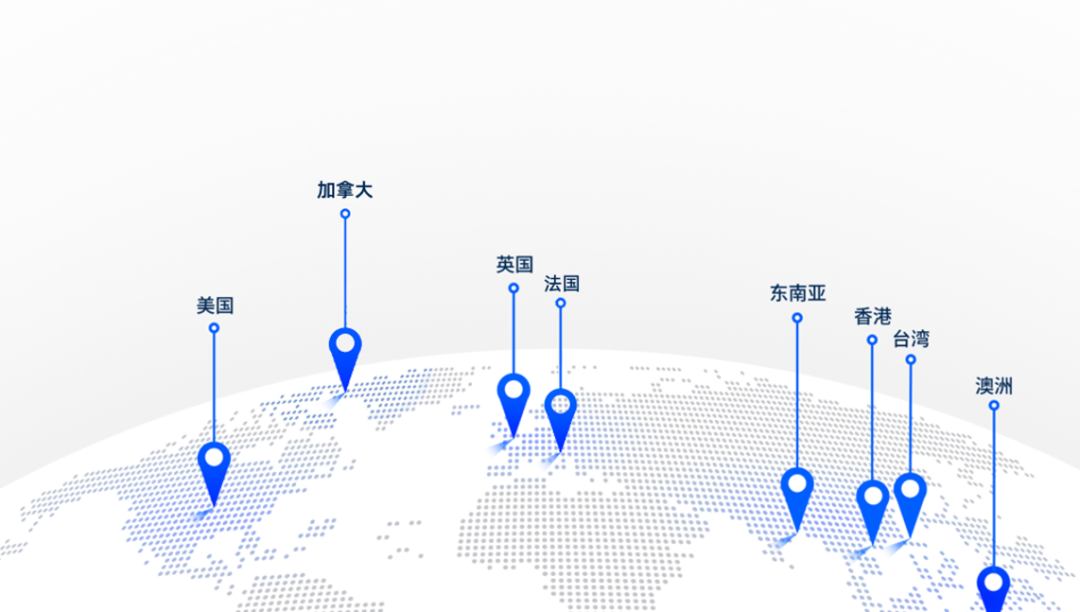
目前,SHOPLINE Payments的产品服务足迹已覆盖美国、加拿大、英国、法国、澳大利亚、新加坡、马来西亚、中国香港和中国台湾。随着更多主体和市场陆续纳入服务范围,商家可以根据自身业务布局,选择更匹配的支付与资金管理方案。

图片

02 本地支付再丰富,法国“蓝卡”加入支付矩阵

进入一个新市场,支持国际信用卡只是基础。真正影响消费者是否愿意完成付款的,往往是结账页里有没有他们日常熟悉、足够信任的支付方式。

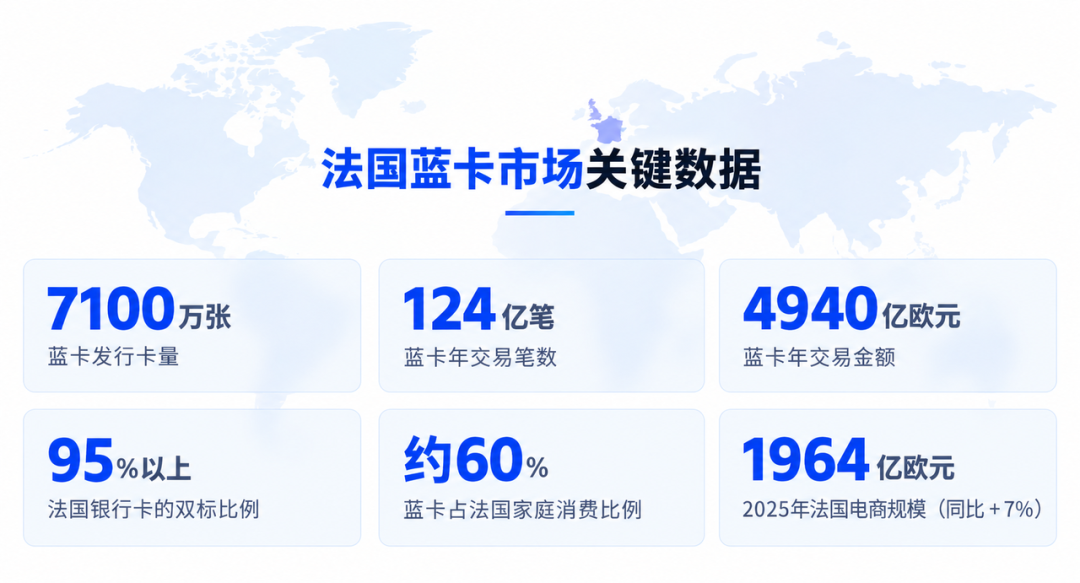
为进一步改善法国消费者的结账体验,SHOPLINE Payments部分主体新增支持法国本地银行卡网络Cartes Bancaires,通常简称为“CB”或“蓝卡”。

Cartes Bancaires是法国最主要的银行卡网络之一。法国发行的银行卡中,超过95% 为Cartes Bancaires与 Visa或 Mastercard的双标卡。对于当地消费者来说,蓝卡就是日常消费中高度熟悉的支付方式。

接入蓝卡后,消费者可以在更加熟悉的支付环境中完成交易,减少对陌生支付方式的顾虑和结账过程中的犹豫。对于经营法国市场的商家而言,这不仅补齐了本地支付能力,也为优化结账体验、减少支付摩擦提供了新的抓手。

图片

与此同时,SHOPLINE Payments的欧美本地支付矩阵也在持续扩展。

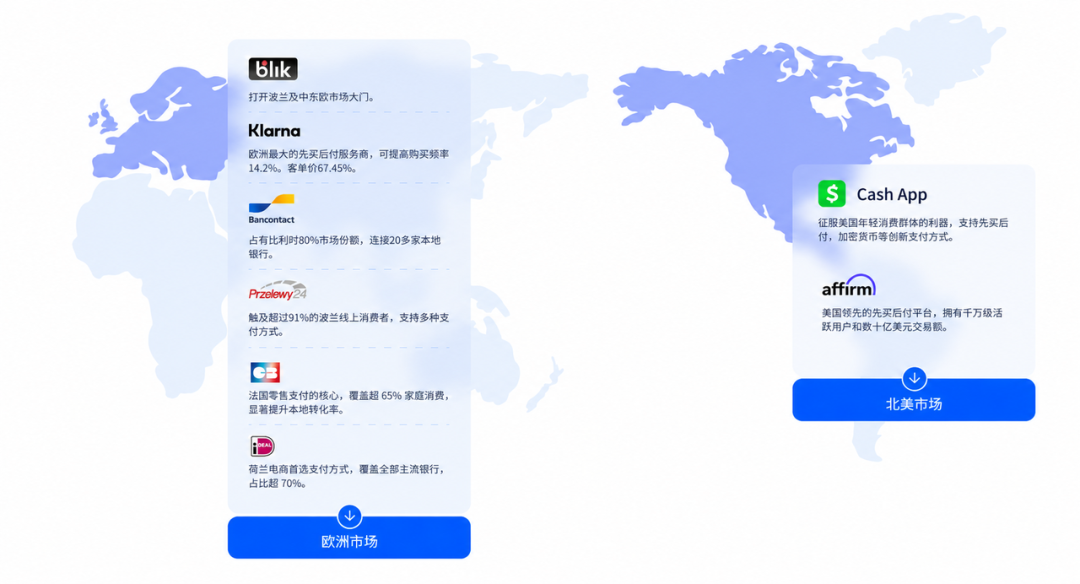
北美先买后付服务Affirm与荷兰本地支付方式iDEAL已正式上线,并与Cash App、BLIK、Klarna、Bancontact等支付方式共同覆盖电子钱包、先买后付、银行转账和本地卡支付等不同场景。

其中,Affirm可以为北美消费者提供更灵活的分期方案,适用于家具、3C等高客单价商品;iDEAL则让荷兰消费者通过熟悉的银行App或网银完成授权支付,更符合当地以银行转账为主的支付习惯。

从法国蓝卡到Affirm、iDEAL,SHOPLINE Payments希望解决的不只是“还能增加哪一种支付方式”,而是让全球各地的消费者进入结账页后,都能够看见自己熟悉并愿意使用的付款选择。

图片

03 分期能力覆盖更多市场,Klarna支持澳洲新西兰、加拿大

对于高客单价商品来说,消费者并非没有购买意愿,很多时候只是需要一种更灵活的付款方式。

目前,SHOPLINE Payments的 Klarna支付能力已支持澳大利亚、新西兰和加拿大,进一步覆盖北美及大洋洲市场的分期支付需求。

符合条件的商家可以在店铺前端,例如商品详情页,独立展示Klarna分期付款信息,并清晰呈现拆分后的单期支付金额。消费者无需等到进入结账页,便可以提前了解可选择的分期方案。

将分期信息前置,不只是增加一个支付标识,更重要的是帮助消费者在浏览商品阶段就建立清晰的价格预期。特别是在家具、电子产品、时尚配饰等高客单价品类中,更直观的单期金额能够降低消费者对一次性支付的压力,为商品加购和订单转化创造更有利的条件。

对商家而言,这也意味着分期支付不再只是结账环节的一种付款工具,而可以更早地参与商品展示和购买决策,成为连接商品价值与消费者支付能力的重要一环。

04 多店管理做减法,SHOPLINE Payments Hub正式上线

随着商家多市场业务扩展,店铺和支付账户也会随之增加。但如果每查看一次余额、处理一笔争议或下载一份报告,都要在不同后台之间反复切换,业务规模越大,重复操作带来的成本就越明显。

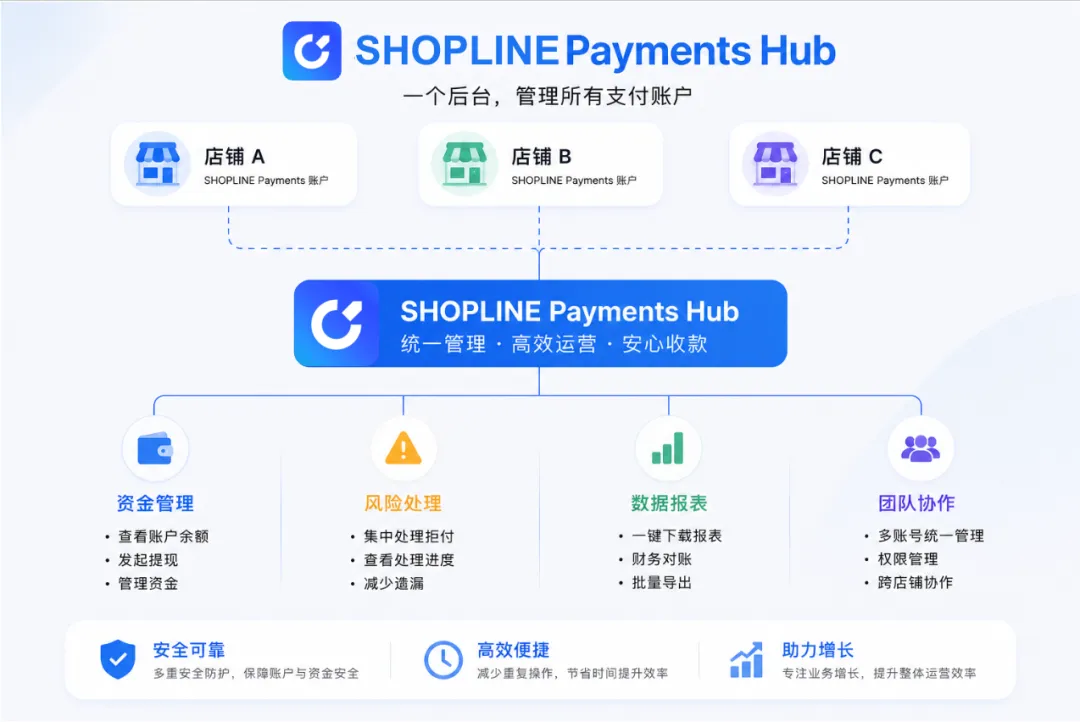
2025年,SHOPLINE Payments上线Open API,支持具备开发能力的商家将支付数据接入自建系统。在此基础上,SHOPLINE Payments进一步推出无需开发、开箱即用的多账户运营助手——SHOPLINE Payments Hub,让更多商家能够以更低的使用门槛提升多店运营效率。

一个后台,管理所有账户

无论商家名下有多少个店铺和SHOPLINE Payments账户,都可以通过统一后台完成余额查看、争议处理、提现管理和报告下载等日常工作,不再需要反复切换店铺和账号

资金情况,一屏掌握

账户列表页可以集中展示各账户的可提现余额、待结算余额、待处理余额和保证金余额,并支持按照币种切换查看。商家无需逐店查询,即可快速了解不同账户的资金状态。

对于曾发生换约的店铺,完成验证后还可以关联历史账户信息与余额,避免因账户变化造成历史数据割裂,让资金记录保持完整和连续。

争议事项,集中处理

多个店铺的拒付、预拒付和补件通知可以统一展示,并支持按照账户ID、账户名称等条件进行筛选。进入具体案件后,商家可直接发起抗辩或接受拒付,减少逐店登录和来回切换带来的操作负担.

常用报告,一次下载

综合对账单、结算批次报告、交易记录报告和可用余额收支明细等财务报告,均可同时选择多个账户批量生成,并打包为ZIP文件下载。

过去需要在多个店铺中重复完成的导出动作,现在可以集中处理。对于财务团队而言,这意味着月末对账时需要手动汇总和整理的数据更少,跨店资金核对也能更加清晰高效。

图片

05 SHOPLINE Payments,持续为商家业务增长保驾护航

从覆盖更多市场,到让消费者使用熟悉的方式完成付款;从提供更灵活的分期选择,到用一个后台管理多个支付账户,SHOPLINE Payments正在将跨境支付能力延伸至商家经营的更多环节。

支付不只是交易完成前的最后一步,也是连接市场拓展、消费体验与运营效率的重要基础。随着全球服务版图和产品能力持续完善,SHOPLINE Payments将继续陪伴跨境商家走向更多市场,让全球经营更加顺畅。

注:文/龚作仁,文章来源:Laborer,本文为作者独立观点,不代表亿邦动力立场。

文章来源:Laborer

广告
微信
朋友圈

FAQ回顾

SHOPLINE Payments是什么?

SHOPLINE Payments是面向跨境电商商家的支付解决方案,提供本地收单、信用卡收单、先买后付、电子钱包等多种支付方式。目前服务足迹已覆盖美国、加拿大、英国、法国、澳大利亚、新加坡、马来西亚、中国香港和中国台湾,并推出SHOPLINE Payments Hub多账户运营助手,帮助商家统一管理支付账户。

SHOPLINE Payments支持哪些国家和地区的支付服务?

SHOPLINE Payments的服务足迹已覆盖美国、加拿大、英国、法国、澳大利亚、新加坡、马来西亚、中国香港和中国台湾。其中法国主体适用范围可覆盖欧洲约30个国家及地区,加拿大主体则完善了北美市场的服务能力,商家可根据自身业务布局选择更匹配的支付与资金管理方案。

跨境商家为什么要选择本地支付主体?

本对本的支付主体模式意味着更高的支付成功率和更优惠的费率,无论交易成本还是交易效率对商家都是更好的选择。以SHOPLINE Payments新增的法国主体为例,商家可获得更本地化的收单服务与信用卡收单方案,减少跨境支付链路带来的交易摩擦,改善支付成功率、降低支付被拒风险。

SHOPLINE Payments Hub是什么?有哪些功能?

SHOPLINE Payments Hub是SHOPLINE Payments推出的多账户运营助手,无需开发即可使用。商家可通过统一后台完成余额查看、争议处理、提现管理和报告下载等日常工作,集中展示各账户可提现余额、待结算余额等资金状态,批量生成综合对账单等财务报告并打包为ZIP下载,减少逐店切换和重复操作成本。

跨境支付为什么需要支持本地化支付方式?

本地化支付方式直接影响消费者结账意愿。以法国为例,超95%的银行卡为Cartes Bancaires与Visa或Mastercard的双标卡,接入蓝卡后消费者可在熟悉的环境中完成交易。目前SHOPLINE Payments已上线Affirm、iDEAL、Klarna分期等支付方式,覆盖电子钱包、先买后付、银行转账和本地卡支付场景,以减少结账犹豫、提升转化率。

这么好看,分享一下?

朋友圈 分享

APP内打开

赞 +1
+1
微信好友 朋友圈 新浪微博 QQ空间
关闭
收藏成功
发送
/140 0