广告
加载中

脸上挂个助理 耳边别个秘书:千问新品有点东西

胡镤心 2026-10-13 17:16
胡镤心 2026/10/13 17:16

邦小白快读

EN
全文速览

总1:重点信息。

1、千问发布AI眼镜N1、N1 Pro和AI耳夹耳机,主打AI主动服务,价格分别为2218元起、2600元起、1099元。

2、体验上,眼镜能主动播报日程、自动录音生成纪要、提醒休息,还能估算食物热量、虹膜支付、识别火车站并播报车次检票口;耳机能日程提醒、89种语言实时翻译,运动不掉。

总2:实操干货。

1、功能分层:N1只保留影像和全天候感知,续航9小时;N1 Pro多了眼动追踪、虹膜支付和体征监测,续航8小时。

2、价格对比:N1对标华为AI眼镜2499元、Ray-Ban Meta约2700元;耳机1099元比华为FreeClip 2、韶音OpenDots 2便宜约200元。

总1:定价与价格竞争。

1、N1定2218元起,对标华为AI眼镜2499元、Ray-Ban Meta约2700元;N1 Pro定2600元起,仅比N1贵不到400元,用功能分层制造溢价空间。

2、耳机定1099元,比同价格带的华为FreeClip 2、韶音OpenDots 2日常价1298元左右便宜约200元,以AI翻译、听记、跨端任务接力形成差异化。

总2:品牌渠道与生态。

1、硬件销售走淘宝、天猫、京东、抖音;虹膜支付走支付宝,出行数据用高德,健康报告靠千问健康大模型。

2、通过技能广场和开放平台接入智能家居63家品牌、汽车领域比亚迪吉利奇瑞岚图、文旅文博300多个城市,硬件成为阿里全家桶的物理入口。

总3:产品研发与用户观察。

1、核心创新是主动服务,低功耗感知芯片、眼动追踪、虹膜支付、体征监测解决AI硬件吃灰问题。

2、耳机由Bose团队调音,开放式设计主打低音和5.5克轻量佩戴;用户反馈显示日程提醒、翻译、运动佩戴是真实使用场景。

总1:增长市场与消费需求。

1、AI眼镜、AI耳机过去买的人多但吃灰多,千问以主动看、听、提醒切入,何同学、钟楚曦的体验显示日程提醒、会议记录、翻译、运动佩戴是真实高频场景。

2、价格带覆盖2218元到2600元,耳机1099元,消费需求从被动问答转向主动助理。

总2:商业模式与生态机会。

1、千问发布技能广场和开放平台,让开发者把服务装进眼镜,硬件成为阿里全家桶新入口。

2、已接入智能家居63家品牌,汽车领域有比亚迪、吉利、奇瑞、岚图,文旅文博300多个城市;销售渠道包括淘宝、天猫、京东、抖音,卖家可关注技能开发和生态合作。

总3:风险提示。

1、眼镜持续看、听、采集虹膜和健康数据,授权机制、数据存储、主动服务频率决定用户接受度。

2、隐私问题可能影响市场推广,卖家需关注消费者信任风险和合规要求。

总1:产品设计需求。

1、眼镜摄像头模组压缩到1.7毫米并藏在镜框,需要微型光学部件;全天候感知依赖5毫瓦低功耗芯片,用灰度帧持续看环境判断场景。

2、体征监测需要把PPG传感器放进鼻托、测温传感器集成在中梁;眼动追踪需要紧凑摄像头排布。

总2:耳机与电源结构需求。

1、开放式耳机低音难做,千问用12磁铁双环聚磁单元、碳纤维振膜、0.8毫米振幅解决,单耳5.5克且不分左右,对轻量化和结构设计有要求。

2、N1 Pro右镜腿支持热插拔换电,换电仓700毫安时,涉及电源模块小型化。

总3:商业机会。

1、从感知芯片、微型摄像头、传感器到声学单元都有新品类供应链机会。

2、硬件销售走淘宝、天猫、京东、抖音,工厂可结合电商渠道能力推进数字化和柔性生产。

总1:行业趋势。

1、AI硬件从被动问答转向主动服务,核心是全天候感知、眼动追踪、虹膜支付、体征监测。

2、千问发布技能广场和开放平台,构建硬件加服务生态,开发者可以把服务装进眼镜,服务商可关注Agent生态机会。

总2:新技术方案。

1、低功耗感知芯片用5毫瓦灰度帧判断场景;摄像头模组1.7毫米支持眼动追踪。

2、虹膜支付由千问和蚂蚁集团研发,误识率低于百万分之一;鼻托PPG加中梁测温监测心率血氧HRV体温用眼压力;开放式耳机用12磁铁双环聚磁单元、碳纤维振膜、0.8毫米振幅解决低音。

总3:客户痛点。

1、用户核心痛点是传统AI硬件吃灰,需要先叫才动;千问用主动播报日程、自动录音纪要、提醒检票休息、虹膜点头支付解决。

2、隐私担忧(授权机制、数据存哪、主动服务频率)是服务商做方案时要处理的关键问题。

总1:平台的最新做法。

1、千问发布技能广场和开放平台,让开发者把服务装进眼镜,类似App Store。

2、已接入智能家居63家品牌,汽车领域的比亚迪、吉利、奇瑞、岚图,文旅文博300多个城市。

总2:商业对平台的需求。

1、硬件需要平台提供主动服务的数据和调用能力,比如虹膜支付需要支付宝通道,主动播报需要高德出行数据,健康报告靠千问健康大模型。

2、硬件销售走淘宝、天猫、京东、抖音,平台通过开放能力吸引硬件厂商和开发者,形成生态护城河。

总3:风向规避。

1、设备持续看、听、采集虹膜和健康数据,授权机制、数据存储、主动服务频率决定用户信任。

2、平台商在招商和运营管理中需关注隐私合规,避免技术滥用风险。

总1:产业新动向。

1、AI眼镜和耳机从被动问答转向主动看、听、记住,核心是全天候感知、眼动追踪、虹膜支付、体征监测四组能力。

2、用户真实使用场景包括日程播报、会议纪要、食物热量估算、交通提醒、翻译、运动佩戴。

总2:商业模式。

1、千问定价采用功能分层,N1、N1 Pro和耳机分别有竞品锚点,并以阿里全家桶整合支付、出行、健康、电商。

2、技能广场和开放平台打造硬件加Agent生态,智能家居、汽车、文旅文博成为接入方,硬件成为物理世界入口。

总3:新问题与启示。

1、设备持续采集视觉、听觉、虹膜和健康数据,授权机制、数据存储和主动服务频率决定产品被称为贴心还是瘆人。

2、政策法规和隐私设计成为产品能否被接受的关键,值得进一步研究。

返回默认

声明:快读内容全程由AI生成,请注意甄别信息。如您发现问题,请发送邮件至 run@ebrun.com 。

我是 品牌商 卖家 工厂 服务商 平台商 研究者 帮我再读一遍。

Quick Summary

Key takeaways:

1. Alibaba's Qianwen launched the AI glasses N1, N1 Pro, and AI clip-on earbuds, focusing on proactive AI assistance. Prices start at RMB 2,218, RMB 2,600, and RMB 1,099 respectively.

2. In terms of experience, the glasses can proactively broadcast schedules, automatically record audio and generate meeting notes, remind users to rest, estimate food calories, enable iris-based payments, and identify train stations with gate and train number announcements. The earbuds offer schedule reminders, real-time translation in 89 languages, and stay secure during exercise.

Practical takeaways:

1. Feature segmentation: N1 retains only imaging and all-day sensing, with 9 hours of battery life; N1 Pro adds eye tracking, iris payment, and vital sign monitoring, with 8 hours of battery life.

2. Price comparison: N1 is positioned against Huawei's AI glasses at RMB 2,499 and Ray-Ban Meta at around RMB 2,700; the earbuds at RMB 1,099 are about RMB 200 cheaper than Huawei FreeClip 2 and Shokz OpenDots 2.

Pricing and competition:

1. N1 starts at RMB 2,218, competing with Huawei's AI glasses at RMB 2,499 and Ray-Ban Meta at around RMB 2,700; N1 Pro starts at RMB 2,600, only RMB 400 more than the N1, using feature segmentation to create premium headroom.

2. The earbuds are priced at RMB 1,099, about RMB 200 cheaper than the daily price of around RMB 1,298 for Huawei FreeClip 2 and Shokz OpenDots 2, differentiating through AI translation, audio memo, and cross-device task handoff.

Brand channels and ecosystem:

1. Hardware sales run through Taobao, Tmall, JD.com, and Douyin; iris payment uses Alipay, travel data uses Amap, and health reports rely on the Qianwen health large model.

2. Through the Skills Square and open platform, integration covers 63 smart home brands, automotive partners including BYD, Geely, Chery, and Voyah, and cultural tourism and heritage sites across 300+ cities. Hardware becomes the physical entry point to Alibaba's full suite.

Product development and user insights:

1. The core innovation is proactive service; low-power sensing chips, eye tracking, iris payment, and vital sign monitoring address the common problem of AI hardware being abandoned after initial use.

2. The earbuds are tuned by the Bose team, with an open design emphasizing bass and a lightweight 5.5g fit. User feedback shows schedule reminders, translation, and sports wear are the real usage scenarios.

Growth market and consumer demand:

1. AI glasses and AI earbuds previously had many buyers but low sustained usage. Qianwen's proactive see, listen, and remind approach targets this. Experiences from He Tongxue and Zhong Chuxi show that schedule reminders, meeting notes, translation, and sports wear are real high-frequency scenarios.

2. Price points cover RMB 2,218 to RMB 2,600, with earbuds at RMB 1,099. Consumer demand is shifting from passive Q&A to proactive assistance.

Business models and ecosystem opportunities:

1. Qianwen launched Skills Square and an open platform, allowing developers to install services into the glasses, making hardware a new entry point to Alibaba's ecosystem.

2. Integration includes 63 smart home brands, automotive partners like BYD, Geely, Chery, and Voyah, and cultural tourism and heritage sites across 300+ cities. Sales channels include Taobao, Tmall, JD.com, and Douyin. Sellers should watch skill development and ecosystem partnerships.

Risk alerts:

1. The glasses continuously see, hear, and collect iris and health data. Authorization mechanisms, data storage, and the frequency of proactive services will determine user acceptance.

2. Privacy concerns may affect market adoption. Sellers must watch consumer trust risks and compliance requirements.

Product design requirements:

1. The camera module is compressed to 1.7mm and hidden in the frame, requiring miniature optical components. All-day sensing relies on a 5mW low-power chip that continuously views grayscale frames to judge scenarios.

2. Vital sign monitoring requires placing a PPG sensor in the nose pad and integrating a temperature sensor in the bridge. Eye tracking requires compact camera placement.

Earbuds and power structure requirements:

1. Bass is difficult to achieve in open-ear headphones. Qianwen uses a 12-magnet dual-ring magnetic driver, carbon fiber diaphragm, and 0.8mm amplitude to solve this. Each earbud weighs 5.5g and is left/right interchangeable, placing demands on lightweight and structural design.

2. The N1 Pro's right temple supports hot-swappable battery replacement, with a 700mAh power bank, involving miniaturization of power modules.

Business opportunities:

1. New supply chain opportunities exist across sensing chips, miniature cameras, sensors, and acoustic components.

2. Hardware sales run through Taobao, Tmall, JD.com, and Douyin. Factories can leverage e-commerce channel capabilities to advance digitalization and flexible production.

Industry trends:

1. AI hardware is shifting from passive Q&A to proactive service, driven by all-day sensing, eye tracking, iris payment, and vital sign monitoring.

2. Qianwen launched Skills Square and an open platform to build a hardware-plus-service ecosystem. Developers can install services into glasses. Service providers should watch the Agent ecosystem opportunity.

New technology solutions:

1. The low-power sensing chip uses 5mW grayscale frames to determine scenarios. A 1.7mm camera module supports eye tracking.

2. Iris payment is developed by Qianwen and Ant Group, with a false acceptance rate below one in a million. PPG sensors in the nose pad and a temperature sensor in the bridge monitor heart rate, blood oxygen, HRV, body temperature, and eye pressure. Open-ear headphones use a 12-magnet dual-ring magnetic driver, carbon fiber diaphragm, and 0.8mm amplitude for bass.

Client pain points:

1. The core user pain point is that traditional AI hardware is abandoned because it only responds when called. Qianwen solves this with proactive schedule broadcasts, automatic recording and meeting notes, check-in/rest reminders, and iris-based nod-to-pay.

2. Privacy concerns (authorization mechanisms, data storage, frequency of proactive services) are key issues service providers must address when designing solutions.

Latest platform moves:

1. Qianwen launched Skills Square and an open platform, allowing developers to install services into glasses, similar to an App Store.

2. Integration covers 63 smart home brands, automotive partners including BYD, Geely, Chery, and Voyah, and cultural tourism and heritage sites across 300+ cities.

Platform needs from commerce:

1. Hardware needs platform capabilities for proactive services, such as Alipay for iris payment, Amap for travel data in proactive broadcasts, and the Qianwen health large model for health reports.

2. Hardware sales run through Taobao, Tmall, JD.com, and Douyin. Platforms attract hardware vendors and developers through open capabilities, creating an ecosystem moat.

Risk avoidance:

1. The devices continuously see, hear, and collect iris and health data. Authorization mechanisms, data storage, and the frequency of proactive services determine user trust.

2. Platform operators must pay attention to privacy compliance in merchant recruitment and operations management to avoid risks of technology misuse.

Industry dynamics:

1. AI glasses and earbuds are shifting from passive Q&A to proactive seeing, listening, and remembering. Core capabilities include all-day sensing, eye tracking, iris payment, and vital sign monitoring.

2. Real user scenarios include schedule broadcasts, meeting notes, food calorie estimation, transportation reminders, translation, and sports wear.

Business models:

1. Qianwen uses feature-based pricing tiering. N1, N1 Pro, and the earbuds each have competitive anchors, while Alibaba's full suite integrates payment, travel, health, and e-commerce.

2. Skills Square and the open platform create a hardware-plus-Agent ecosystem. Smart home, automotive, cultural tourism, and heritage sectors are integration partners, making hardware the entry point to the physical world.

New questions and implications:

1. The devices continuously collect visual, auditory, iris, and health data. Authorization mechanisms, data storage, and proactive service frequency determine whether the product is perceived as caring or creepy.

2. Policy regulations and privacy design become critical for product acceptance and merit further research.

Disclaimer: The "Quick Summary" content is entirely generated by AI. Please exercise discretion when interpreting the information. For issues or corrections, please email run@ebrun.com .

I am a Brand Seller Factory Service Provider Marketplace Seller Researcher Read it again.

【亿邦原创】AI眼镜、AI耳机,过去一年买的人不少,吃灰的更多。

不少人还是不习惯AI交互,你得先叫它,它才动。不叫,它就在那儿待着,跟一块普通眼镜、普通耳机没什么区别。

今年有点不一样,Meta、谷歌、华为、小米,都在往一个方向使劲,让AI别等你开口,自己先动起来。

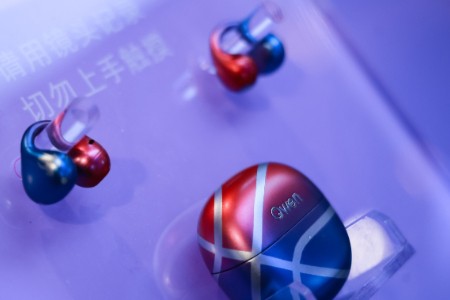
千问也不甘落后。10月13日,千问发布AI眼镜N1、N1 Pro和AI耳夹式耳机,核心功能是让AI主动看你、听你、记住你。价格分别是2218元起、2600元起、1099元,和国内同行比起来,定价贴着华为打,但没打算掀桌子。

AI硬件这仗,千问是来偷家还是来送人头?先看戴过的人怎么说。

1、AI硬件吃灰的时代,千问想靠“主动服务”翻盘

科技博主何同学的一天是这样的。

早上戴N1 Pro,眼镜主动播报日程。进会议室自动录音,会后看纪要。下午提醒他休息、活动。中午盯着菜单问热量,眼镜直接估算。买咖啡时看向收款码、确认、点头,虹膜支付完成,没掏手机。赶高铁时,眼镜识别到火车站,主动播报车次、检票口、座位。他说以前得反复掏手机确认行程,现在它像个助理。

何同学的体验主要集中在眼镜的主动服务上,耳机那边则是另一套用法。

钟楚曦第一次试戴千问AI耳机是在巴黎时装周之前,用下来最直接的感受是“摘不下来了”。

她特别提到一个细节:日程提醒。她以前总忘事,又不想时时看手机,现在到点耳机就提醒,把行程安排得妥妥当当。89种语言实时翻译让出国交流几乎像同声传译,“让外国人也看到中国科技现在这么发达”。同时夜骑、跑步、健身房做有氧,也不会掉。她的总结是:“它不只是一个耳机,更像一个全能伙伴,功能都不是废的功能,是生活里实实在在会用的。”

眼镜主动提醒你该休息了、该检票了,耳机主动帮你记会议、提醒日程。这些事都不大,但以前得自己点击、自己掏手机,现在AI替你做了。

2、千问AI硬件的功能、价格和取舍

AI硬件从“你问它答”变成“它主动看你、听你、提醒你”,支撑这个变化的是四件事——全天候感知、眼动追踪、虹膜支付、体征监测。

全天候感知是基础,你到火车站它提醒检票口,进会议室自动记录,靠的是一颗5毫瓦的低功耗感知芯片,一直用灰度帧“看”着环境,判断你在什么场景,再决定要不要唤醒更强算力。

眼动追踪是交互创新,摄像头模组每边压缩到1.7毫米,藏在镜框里,你看菜单问“这一项是什么”,它知道你盯的是哪个词,不是整行。虹膜支付是挺大胆的一步,你看向收款码,确认信息,点个头,钱就付了。这套能力是千问和蚂蚁集团一起研发的,走支付宝通道,误识率低于百万分之一。

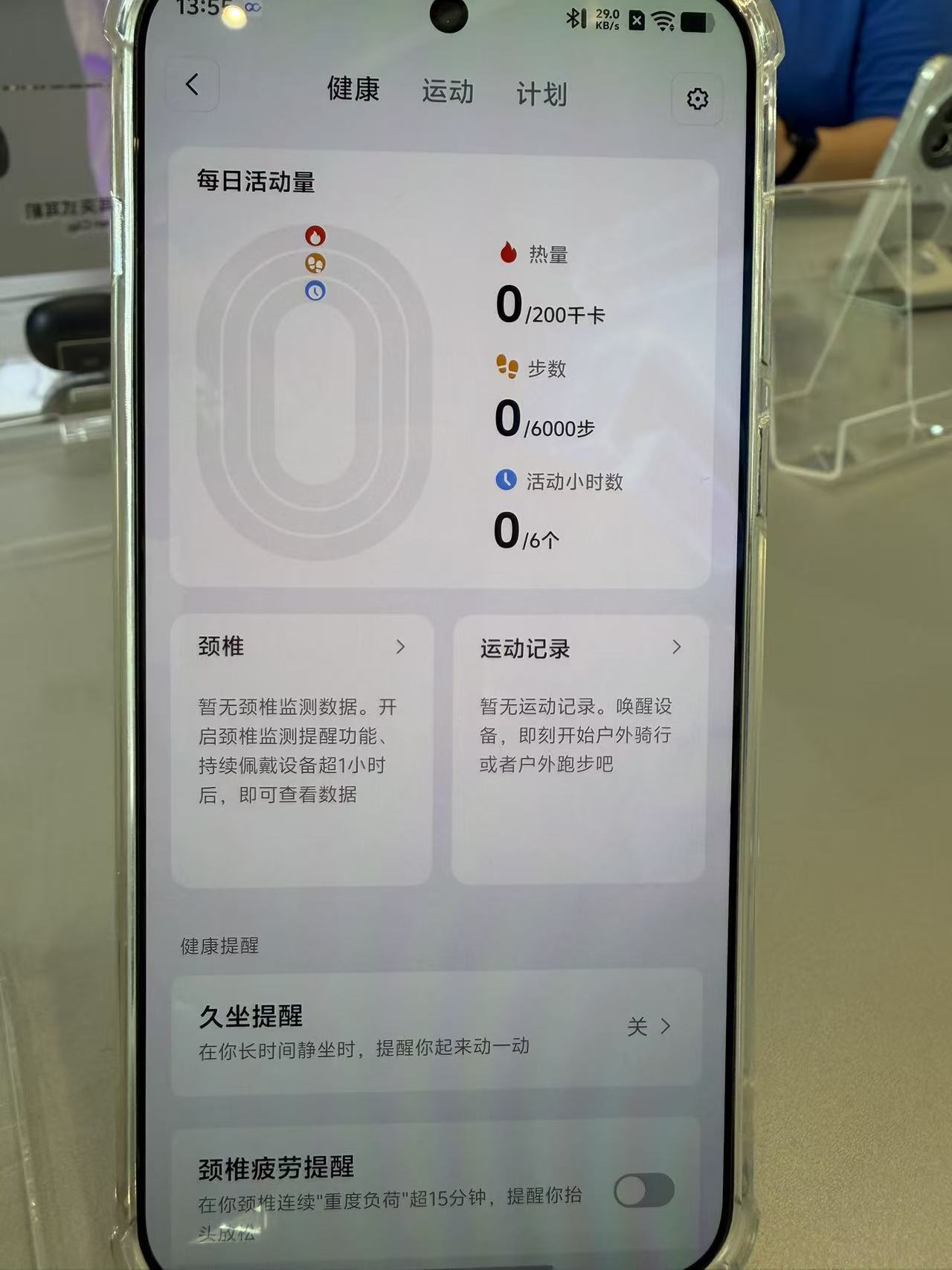
体征监测是另一个维度的尝试,鼻托里塞PPG传感器,中梁集成测温传感器,测心率、血氧、HRV、体温、用眼压力。但千问强调它不是医生,只会在证据充足的时候提醒你该看看远处了、该起来动动了。

这四项全在AI眼镜N1 Pro上,N1砍掉了眼动追踪、虹膜支付和体征监测,只保留影像和全天候感知。

如果说眼镜这边是功能做加法,耳机那边逻辑不太一样。

开放式耳机最难的是低音,没有耳道密封,低频天生容易散。千问用了12磁铁双环聚磁单元、碳纤维振膜、0.8毫米振幅,Bose团队参与调音。钟楚曦说低音效果很好,开到最大也不刺耳,有层次,有环绕感。

音质之外,耳机在AI上的定位是“千问App的原生语音入口”。翻译、听记、口语陪练、跨端任务接力,都是这个逻辑下的产物。

功能堆到这,价格怎么定?

发布会看下来,千问是在用功能分层,每一档都有明确的参照物。

N1定在2218元起,同类产品包括华为AI眼镜2499元、Ray-Ban Meta约2700元。它砍掉了眼动、虹膜、体征监测,只保留影像和全天候感知,续航9小时,比Pro还多一小时。目标用户是那些只想拍好第一视角、不太需要主动服务的人。

N1 Pro定在2600元起,比N1贵不到四百块,但多了眼动追踪、虹膜支付和体征监测。续航8小时,右镜腿支持热插拔换电,换电仓700毫安时。这四百块的溢价,买的是“全能感知”,也是千问这次主推的卖点。

耳机定在1099元,同价格带还有华为FreeClip 2和韶音OpenDots 2,日常价都在1298元左右。千问便宜两百,多了AI听记、89种语言翻译和跨端任务接力。音质上有Bose调音背书,佩戴上单耳5.5克、不分左右。

这些取舍能不能被接受,要看真实佩戴反馈。但对阿里来说,比单品成败更重要的,是眼镜和耳机在生态里的位置。

3、把阿里全家桶塞进眼镜和耳机里

千问显然不想只当一个手机里的聊天机器人。

大模型再聪明,天天待在App里,也只能等被唤起,而眼镜耳机合起来,就是Personal Agent的载体——一个能进入真实世界、主动办事的贴身助理。

这个定位意味着阿里生态有了新的出口——虹膜支付走支付宝,主动服务靠高德等出行数据,健康报告靠千问健康大模型,销售走淘宝、天猫、京东、抖音。眼镜和耳机成了阿里全家桶在物理世界的新入口。

光有入口还不够,千问还发布了技能广场和开放平台,想让开发者把各种服务装进眼镜。目前接了智能家居63家品牌,汽车领域的比亚迪、吉利、奇瑞、岚图,文旅文博300多个城市。这个逻辑有点像App Store:硬件只是壳,技能和Agent生态才是护城河。

当然,一副一直看着你、听着你的眼镜,还带着你的虹膜和健康数据,授权机制、数据存哪儿、主动服务频率,决定它是“贴心”还是“瘆人”。

千问已经把AI从屏幕里拽出来,戴到鼻梁上、夹到耳廓边。这些动作如果哪天变得像掏手机一样自然,那这步棋就算走成了。如果不是,它和之前那些吃灰的AI硬件,大概也没什么区别。

本文首发于 亿邦动力 官方网站

文章来源:亿邦动力

广告
微信
朋友圈

FAQ回顾

千问AI眼镜N1和N1 Pro有什么区别,怎么选?

N1售价2218元起,只保留影像和全天候感知,续航9小时;N1 Pro售价2600元起,多了眼动追踪、虹膜支付和体征监测,续航8小时并支持热插拔换电。想要主动服务、健康监测和便捷支付的用户选Pro,只需拍第一视角和基础提醒可选N1。

千问AI眼镜的虹膜支付是怎么用的?

虹膜支付由千问与蚂蚁集团联合研发,走支付宝通道。用户看向收款码、确认信息并点头即可完成支付,全程不用掏手机,误识率低于百万分之一。该功能仅在N1 Pro上提供。

千问AI耳机有哪些功能和优势?

千问AI耳夹式耳机售价1099元,支持89种语言实时翻译、AI听记、口语陪练和跨端任务接力,单耳5.5克不分左右,由Bose团队参与调音。相比同价位的华为FreeClip 2和韶音OpenDots 2,价格便宜约200元,并多了AI翻译和听记能力。

AI眼镜和AI耳机行业正在发生什么变化?

Meta、谷歌、华为、小米和千问等厂商都在向主动服务方向发力。千问于10月13日发布AI眼镜N1/N1 Pro和AI耳机,通过全天候感知、眼动追踪和主动提醒,让AI不需要用户先开口,而是自己判断场景并主动提供服务。

这么好看,分享一下?

朋友圈 分享

APP内打开

赞 +1
+1
微信好友 朋友圈 新浪微博 QQ空间
关闭
收藏成功
发送
/140 0