广告
加载中

25个品牌携百余件新品进山实测 得物「野王30项」吸引113万人次参与

龚作仁 2026-09-24 17:54
龚作仁 2026/09/24 17:54

邦小白快读

EN
全文速览

这篇文章的核心信息是户外消费正走向日常,真实体验成为年轻人选购装备的重要参考。

1. 户外装备的新趋势:登山杖、登山鞋、抓绒服、骑行服等品类销量明显增长,显示徒步、露营、越野跑等运动正在从专业小众走向大众日常生活。

2. 买装备前看真实体验:60%的年轻人更信任有真实使用体验的种草内容,而不是单纯看产品参数。在泥泞、碎石、高海拔等真实路况下,防水、抓地、耐磨、保暖等性能会直观体现,这些反馈比广告更有参考价值。

3. 现在年轻人户外消费不只是追求功能,还看重美学、高质价比和仪式感,所以选购时可以从这些维度综合考虑。

4. 关注社区中普通人的日常分享:我的山系生活、周末轻逃离等话题热度上升,这类内容更容易看出装备在日常场景中的表现。

这是一次品牌如何通过真实场景测试和社区内容触达年轻消费者的典型案例。

1. 品牌营销与新品实测:25个品牌携百余件新品在真实山野中接受玩家体验,像喜马拉雅首发徒步鞋,通过玩家的防水、抓地止滑等反馈优化产品认知,这种实测比固定展台更能建立真实口碑。

2. 渠道建设与目标人群:得物平台户外核心人群中18-35岁占77%,女性占48%,高校学生占35%,品牌可以借助这类活动直接触达高潜年轻消费群体,并借助社区内容实现二次传播,形成内容种草、场景体验、装备消费的闭环。

3. 定价与产品研发启示:消费者在真实路况下最关心防水、抓地、耐磨、保暖等性能,品牌研发应强化这些核心指标;同时年轻人还关注美学、高质价比和仪式感,所以产品设计和定价要在专业性能与日常时尚感之间找到平衡。

4. 消费趋势与用户行为:60%用户更信任真实体验分享,70%用户会浏览社区,80%社区动态带商品链接,说明内容真实性和即时转化链路对品牌非常重要。户外消费明显从专业场景向日常生活延伸,骑行服、抓绒服等品类增长也提示品牌可以拓展更轻量、日常化的产品线。

这篇文章透露了户外消费的增长市场和可操作的营销机会。

1. 增长市场明确:登山杖同比增长85%,登山鞋同比增长76%,抓绒服同比增长62%,骑行服同比增长24%,卖家可重点关注这些高增长品类,尤其面向18-35岁城市年轻人群的徒步、露营、骑行装备。

2. 消费需求变化:年轻人户外需求从单一专业性能延伸到美学、高质价比和仪式感,因此选品可以兼顾实用与颜值,并突出性价比。日常博主类内容占63%,周末轻逃离等话题增长,说明轻量化、周末短途户外装备有较大机会。

3. 事件营销与平台合作:得物野王30项这类活动把品牌、玩家和消费者串联起来,卖家可借鉴这种线下实测加社区种草模式,与平台合作获取真实反馈和精准流量。活动打通内容种草、场景体验、装备消费全链条,也为户外品类提供了有效推广路径。

4. 风险提示与应对:消费者越来越信任真实体验,而非单纯宣传,卖家要避免夸大参数,应把重点放在真实使用场景下的性能反馈上,并做好口碑管理。同时注意户外装备季节性强,需结合高原、雨雪等特殊场景策划内容,提升转化率。

这篇文章对工厂的产品设计和生产方向有明确启示。

1. 产品性能设计需求:在持续降雨、泥泞路面、碎石下坡和高海拔路段中,防水、抓地、耐磨、保暖等性能成为核心关注点。工厂在设计徒步鞋、抓绒服、登山装备时,应优先强化这些功能,并针对真实路况进行测试和反复改进。

2. 真实反馈反哺研发:品牌把新品直接交给玩家在野外实测,获得消费者使用反馈,帮助了解年轻户外需求。工厂也可以借鉴这种场景化测试,收集一手数据,优化产品的防滑大底、防水面料、温控材料等细节。

3. 商业机会:户外消费明显增长,登山鞋、登山杖、抓绒服、骑行服等品类销量快速增长,同时消费正从专业走向日常,工厂可扩大高质价比和兼具美观的户外产品线,满足年轻消费者对颜值和功能兼顾的需求。

4. 数字化与电商启示:社区内容和真实体验分享成为影响消费的重要渠道,70%用户会浏览社区,80%社区动态带商品链接。工厂与品牌合作时,可要求把这类真实反馈系统化沉淀到产品迭代中,并借助得物等平台的消费数据来指导生产排期和款式开发。

这篇文章展示了户外行业的新趋势和可复制的解决方案。

1. 行业趋势:户外消费从专业运动走向日常生活,徒步、露营、越野跑等场景变得更主流,年轻人对美学、高质价比和仪式感的关注增强。服务商可围绕这些变化提供内容策划、品牌定位和渠道策略。

2. 客户痛点:品牌新品在传统展示中难以让消费者感知真实性能,买家更信任真实使用体验。文章指出60%用户更信任有真实体验的种草内容,单纯产品参数已不足以打动消费者。

3. 解决方案:线下真实场景测试加社区内容二次传播是有效路径。通过组织玩家在高海拔、泥泞、碎石等环境中实测装备,产生防水、抓地、保暖等直观反馈,再沉淀到社区内容中,持续触达更多用户。这个模式可以复制到鞋服、装备、文旅等客户。

4. 数据与转化价值:70%得物用户浏览社区,80%社区动态带商品链接,说明内容与交易可以紧密相连。服务商可帮助品牌设计体验活动、内容种草、电商转化的一体化方案,并利用平台数据洞察细分人群,例如18-35岁占77%、女性占48%,优化投放和选品。

这篇文章体现了平台在场景体验与内容社区融合上的最新做法。

1. 平台最新做法:得物打造野王30项IP,联合50个运动户外品牌发布消费解读,通过线下真实山野实测和线上社区传播打通内容种草、场景体验、装备消费全链条,吸引113万人次参与。这种活动是平台凝聚品牌、创作者和消费者的有效运营方式。

2. 招商与品牌价值:25个知名品牌携新品参与,说明平台可以成为新品首发和测试的重要阵地。平台要吸引品牌,需提供精准用户画像(18-35岁占77%、女性48%、高校学生35%)以及真实内容传播机制,帮助品牌获得使用反馈和曝光。喜马拉雅羽绒服在平台月销超2000万元,就是招商标杆案例。

3. 运营管理与内容生态:70%用户浏览社区,80%社区动态带商品链接,日常类内容增长快。平台应鼓励真实体验分享,扶持日常户外话题(如我的山系生活、周末轻逃离),同时做好商品链接合规管理,避免虚假种草。

4. 风向规避:消费者对真实体验信任度高,平台需严防纯商业推广和虚假测评,维护真实分享生态。另外山地户外活动涉及安全风险,平台组织或推广时要做好专业保障和风险提示。

这篇文章反映了户外消费产业的最新动向和商业模式创新。

1. 产业新动向:户外消费正从专业运动场景向日常生活延伸,徒步、露营、越野跑成为年轻人新生活方式。消费数据上,登山杖、登山鞋、抓绒服、骑行服均显著增长,说明户外产业边界在拓宽,与时尚、文旅产生更多融合。

2. 消费者行为洞察:得物平台户外核心人群中18-35岁占77%,女性占48%,高校学生占35%。年轻消费者不只关注性能,还看重美学、高质价比和仪式感,同时60%用户更信任真实使用体验内容,这改变了户外品牌传统的营销方式。

3. 商业模式创新:野王30项活动创新了场景体验加社区种草加装备消费的闭环。线下真实山野测试产生可信内容,线上社区持续传播,再通过商品链接完成转化,形成可循环的品效合一模式。这种模式对体育产业、文旅产业的融合也有借鉴意义。

4. 政策与区域发展启示:四川文旅部门参与并肯定该活动,认为可以打通优质山地户外资源与青年群体的连接,为山地户外文旅发展开辟新路径。研究者可关注平台与地方政府合作,如何通过年轻化活动带动偏远地区户外旅游,以及如何构建安全、可持续的户外活动规范。

返回默认
声明:快读内容全程由AI生成,请注意甄别信息。如您发现问题,请发送邮件至 run@ebrun.com 。

我是 品牌商 卖家 工厂 服务商 平台商 研究者 帮我再读一遍。

Quick Summary

This article centers on how outdoor consumption is becoming part of everyday life, and real-world experience is now a key reference for young people choosing gear.

1. New trends in outdoor gear: categories such as trekking poles, hiking shoes, fleece jackets, and cycling apparel have posted notable sales growth, indicating that hiking, camping, and trail running are moving from niche professional activities into daily life.

2. Consumers check real experiences before buying: 60% of young people trust content based on actual use more than pure product specs. On muddy, rocky, and high-altitude terrain, performance factors such as waterproofing, grip, durability, and warmth become visible, and this feedback carries more weight than advertising.

3. Young consumers now seek aesthetics, strong value for money, and a sense of ritual, not just function. These dimensions should be considered when purchasing.

4. Pay attention to everyday sharing from ordinary people in communities: topics such as “my mountain-life” and “weekend light escape” are rising, and this type of content makes it easier to see how gear performs in daily scenarios.

This is a typical case of how brands can reach young consumers through real-scenario testing and community content.

1. Brand marketing and new-product field testing: 25 brands brought more than 100 new products for players to test in real mountain environments. For example, Himalaya launched hiking shoes and used feedback on waterproofing, grip, and slip resistance to sharpen product perception; such real testing builds credible reputation better than static booths.

2. Channel building and target audience: Dewu's outdoor core audience is 77% aged 18-35, 48% female, and 35% college students. Brands can use such events to directly reach high-potential young consumers and rely on community content for secondary distribution, forming a closed loop of content seeding, scenario experience, and gear consumption.

3. Implications for pricing and product R&D: Consumers care most about waterproofing, grip, durability, and warmth in real conditions, so brands should strengthen these core metrics. At the same time, young people value aesthetics, quality-price ratio, and ritual, so design and pricing should balance professional performance with everyday style.

4. Consumption trends and user behavior: 60% of users trust real experience sharing, 70% browse the community, and 80% of community posts carry product links, showing that content authenticity and direct conversion paths matter greatly. Outdoor consumption is extending from professional scenarios to daily life, and growth in cycling apparel and fleece jackets suggests brands can expand lighter, more everyday product lines.

This article reveals growth markets and actionable marketing opportunities in outdoor consumption.

1. Clear growth categories: trekking poles are up 85% year-on-year, hiking shoes up 76%, fleece jackets up 62%, and cycling apparel up 24%. Sellers should focus on these high-growth categories, especially gear for hiking, camping, and cycling aimed at urban young people aged 18-35.

2. Changing consumer demand: Young people's outdoor needs now extend beyond professional performance to aesthetics, value for money, and ritual. Product selection should combine practicality and visual appeal and highlight cost-effectiveness. Daily-life blogger content accounts for 63% and topics like “weekend light escape” are growing, signaling strong opportunities in lightweight, short-distance outdoor gear.

3. Event marketing and platform cooperation: The Dewu “Wild King 30” event connects brands, players, and consumers. Sellers can learn from this model of offline testing plus community seeding, working with platforms to obtain credible feedback and targeted traffic. The event links content seeding, scenario experience, and gear consumption, offering an effective promotion path for outdoor categories.

4. Risk reminders and response: Consumers increasingly trust real experiences rather than pure promotion. Sellers should avoid exaggerating specs, focus on performance feedback in real usage scenarios, and manage reputation carefully. Outdoor gear is seasonal, so content should be planned for special terrains such as plateaus, rain, and snow to improve conversion.

This article provides clear guidance for factories in product design and production direction.

1. Product performance design requirements: In persistent rain, muddy roads, rocky descents, and high-altitude sections, waterproofing, grip, durability, and warmth are core concerns. When designing hiking shoes, fleece jackets, and mountaineering gear, factories should prioritize these functions and conduct repeated testing under real track conditions.

2. Real feedback feeding R&D: Brands gave new products directly to players for on-site testing in the wild and collected usage feedback, helping them understand young outdoor needs. Factories can adopt this scenario-based testing approach, gather first-hand data, and optimize details such as anti-slip outsoles, waterproof fabrics, and temperature-control materials.

3. Commercial opportunity: Outdoor consumption is growing significantly, with hiking shoes, trekking poles, fleece jackets, and cycling apparel seeing rapid sales growth. As consumption shifts from professional to everyday use, factories can expand outdoor product lines that deliver strong value for money and aesthetics, meeting young consumers' desire for both style and function.

4. Digital and e-commerce implications: Community content and real experience sharing have become influential purchasing channels; 70% of users browse communities and 80% of community posts carry product links. When cooperating with brands, factories can ask to systematically feed this real feedback into product iteration, and use platform consumption data such as Dewu's to guide production scheduling and style development.

This article highlights new outdoor industry trends and replicable solutions.

1. Industry trends: Outdoor consumption is moving from professional sports into daily life. Hiking, camping, and trail running are becoming mainstream, and young people are paying more attention to aesthetics, value for money, and ritual. Service providers can build content planning, brand positioning, and channel strategies around these shifts.

2. Client pain points: In traditional displays, brands find it hard to let consumers perceive true product performance, and buyers trust real-world use experience more. The article notes that 60% of users trust content based on actual experience, and product specs alone are no longer enough to convince consumers.

3. Solution: Offline real-scenario testing plus secondary community content distribution is an effective path. By organizing players to test gear at high altitude, in mud, and on rocky terrain, brands generate direct feedback on waterproofing, grip, and warmth, then embed it in community content to reach more users. This model can be replicated for apparel, equipment, and cultural tourism clients.

4. Data and conversion value: 70% of Dewu users browse the community and 80% of community posts carry product links, showing that content and transactions can be tightly connected. Service providers can help brands design integrated plans combining experience events, content seeding, and e-commerce conversion, and use platform data to identify segments such as 77% aged 18-35 and 48% female to optimize ad targeting and product selection.

This article reflects the platform's latest approach to integrating scenario-based experience with content communities.

1. Latest platform practices: Dewu created the “Wild King 30” IP, joined with 50 sports and outdoor brands to release a consumption interpretation, and used offline real-mountain testing plus online community distribution to connect content seeding, scenario experience, and gear consumption, attracting 1.13 million participants. This kind of event is an effective operation method for bringing together brands, creators, and consumers.

2. Merchant recruitment and brand value: 25 well-known brands brought new products to the event, showing that the platform can become an important venue for new-product launches and testing. To attract brands, the platform should provide precise user profiles (77% aged 18-35, 48% female, 35% college students) and an authentic content distribution mechanism to help brands gain usage feedback and exposure. Himalaya down jackets selling over RMB 20 million monthly on the platform serve as a benchmark recruitment case.

3. Operations management and content ecosystem: 70% of users browse the community, 80% of community posts carry product links, and daily-life content is growing fast. The platform should encourage real experience sharing, support daily outdoor topics such as “my mountain-life” and “weekend light escape,” and manage product-link compliance to avoid fake seeding.

4. Risk avoidance: Consumers have high trust in real experience, so the platform must guard against purely commercial promotion and false reviews, and maintain an authentic sharing ecosystem. Mountain outdoor activities also carry safety risks; when organizing or promoting them, the platform should provide professional safeguards and risk warnings.

This article reflects the latest trends and business-model innovation in the outdoor consumption industry.

1. New industry momentum: Outdoor consumption is extending from professional sports into daily life, and hiking, camping, and trail running are becoming new lifestyles for young people. Consumption data show marked growth in trekking poles, hiking shoes, fleece jackets, and cycling apparel, indicating that the outdoor industry's boundaries are widening and merging more with fashion and cultural tourism.

2. Consumer behavior insights: On Dewu, the outdoor core audience is 77% aged 18-35, 48% female, and 35% college students. Young consumers care not only about performance, but also aesthetics, value for money, and ritual. Meanwhile, 60% of users trust real-use content, which is reshaping traditional outdoor brand marketing.

3. Business-model innovation: The “Wild King 30” event created a closed loop combining scenario experience, community seeding, and gear consumption. Offline real-mountain testing produces credible content, online communities spread it continuously, and product links complete conversion, forming a repeatable model that integrates brand-building and sales. It also has implications for cross-industry integration in sports and cultural tourism.

4. Policy and regional development implications: Sichuan cultural-tourism authorities participated and endorsed the event, saying it can connect high-quality mountain outdoor resources with young people and open a new path for mountain outdoor cultural tourism. Researchers can examine how platforms cooperate with local governments to use youth-oriented events to drive outdoor tourism in remote areas, and how to build safe, sustainable outdoor activity standards.

Disclaimer: The "Quick Summary" content is entirely generated by AI. Please exercise discretion when interpreting the information. For issues or corrections, please email run@ebrun.com .

I am a Brand Seller Factory Service Provider Marketplace Seller Researcher Read it again.

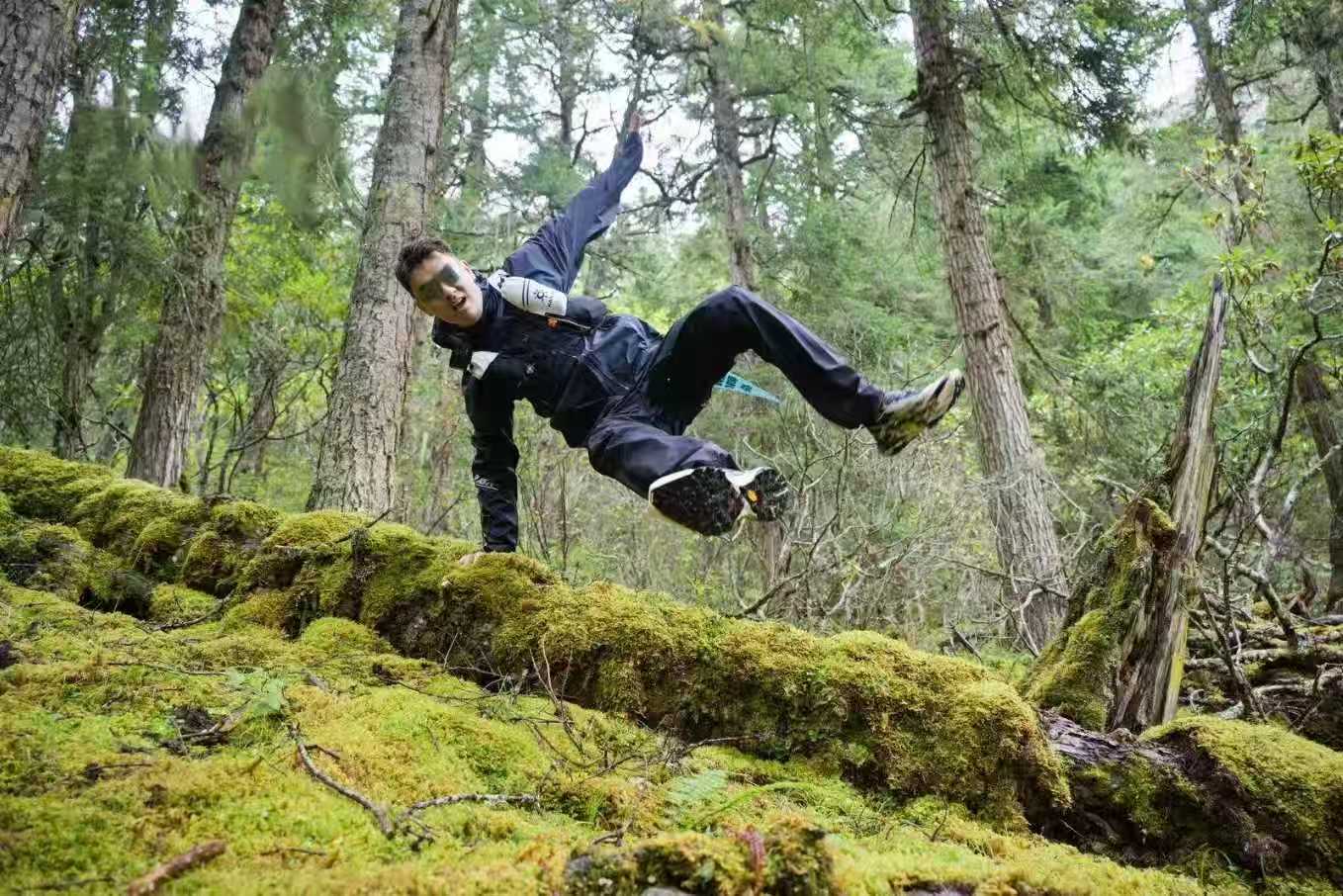
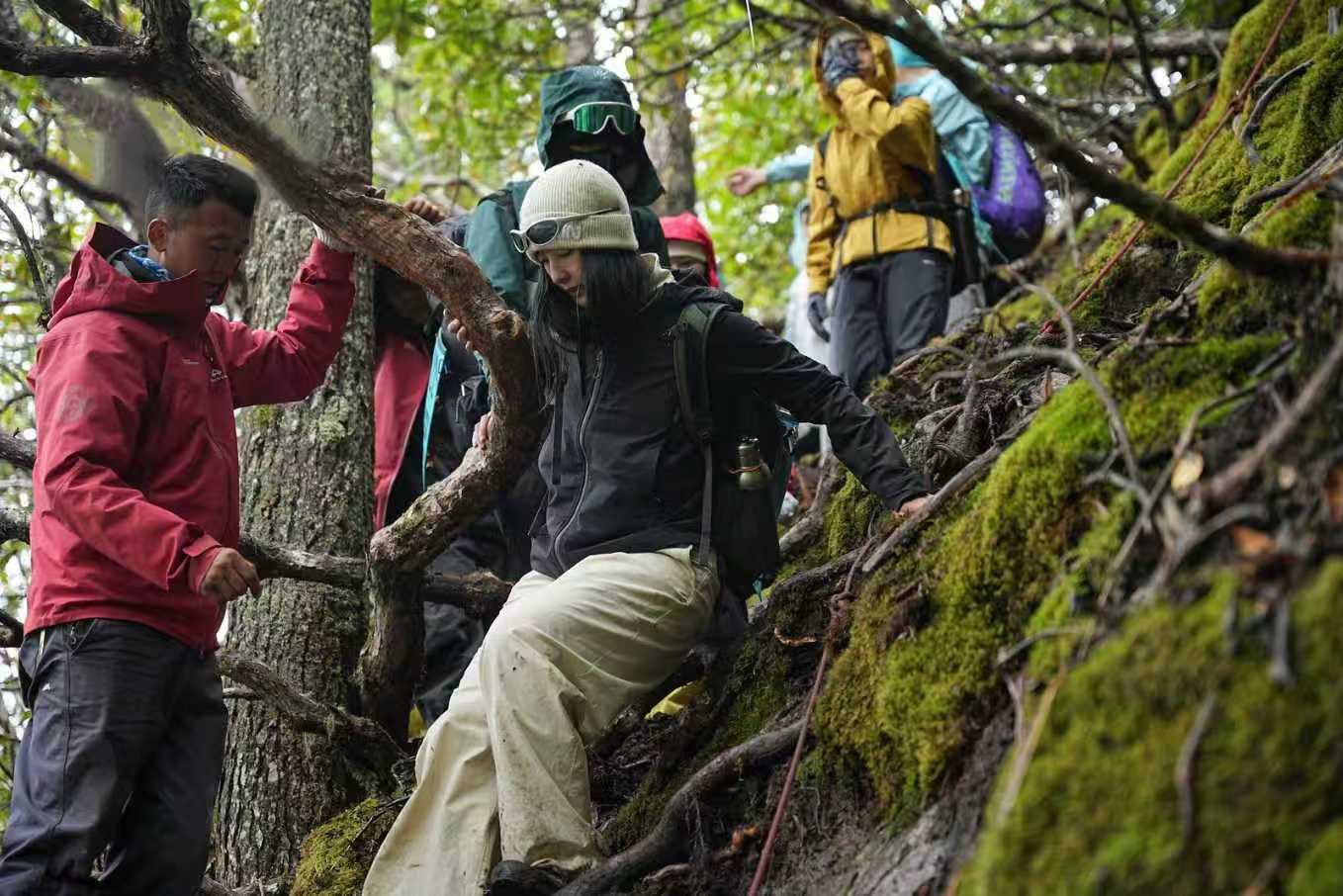
9月14日至17日,得物年度户外IP「野王30项」在四川阿坝州理县米孟路举行。SALOMON、凯乐石KAILAS、KAILAS FUGA、CAMEL骆驼、伯希和PELLIOT、HIMALAYA喜马拉雅、MIZUNO美津浓、泰兰尼斯、企鹅、Kappa等25个品牌携百余件当季新品及专业装备参与,100名户外玩家、得物社区创作者组成25支小队,完成3天2晚重装徒步,在持续降雨、泥泞湿滑、最高4528米垭口等环境中体验品牌装备。活动线上线下共吸引113万人次参与。

从真实山野中的装备体验,到得物社区中的内容分享,「野王30项」连接了品牌、户外玩家与年轻消费者,也折射出户外消费变化。近年来,徒步、露营、越野跑等运动逐渐从相对专业的运动场景走向日常生活,年轻人的户外消费需求也更加多元。活动期间,得物联合50个运动户外品牌发布《2026得物年轻人户外消费解读》,基于平台消费与社区内容等数据,进一步呈现年轻人户外消费从专业运动向日常生活延伸的趋势。

25个品牌携百余件当季新品亮相,「野王30项」助力户外新品在山野中实测检验


此次「野王30项」中,25个户外品牌携百余件当季新品及专业装备进入米孟线,100名玩家组成25支小队,完成3天2晚重装徒步。与固定场地的产品展示不同,装备被直接带入真实山野,在持续降雨、泥泞路面、碎石下坡以及高海拔路段接受实际体验。

雨水、碎石、陡坡,让装备性能有了更加直观的体现。徒步过程中,玩家需要在不同路况下连续行进、负重和爬升,防水、抓地、耐磨、保暖等表现也成为一路讨论的话题。野外生存专家朱炜强回忆,徒步过程中经历了阳光、大风和降雨,在碎石下坡路段,鞋子的抓地表现尤其受到关注,"下坡的时候也很稳,抓地力很牢。"对于参与的玩家而言,这些真实路况下的体验,是“单纯通过产品参数难以获得的”。

进山实测也让品牌新品直接获得来自消费者的使用反馈。以喜马拉雅品牌为例,品牌方此次携喜马拉雅虎跳PRO快速穿越徒步鞋在「野王30项」首发亮相,事业部副总经理刘慧表示,“玩家在徒步过程中围绕产品的防水、抓地止滑等实际表现形成体验,也帮助我们进一步了解年轻户外消费者需求。”据悉,此前在得物发售的喜马拉雅玉龙系列羽绒服,社区曝光超过6200万,月销售额突破2000万元。刘慧表示,“希望从羽绒服延展至更多品类,与得物共同给用户带来更安全、舒适、可靠的户外体验。”

得物聚集的年轻户外消费者,也为品牌新品提供了直接触达目标人群的渠道。数据显示,得物平台户外核心人群中,18-35岁用户占比达77%,女性消费者占比48%,高校学生占比35%。随着越来越多年轻人进入徒步、露营、越野跑等户外场景,品牌对细分运动和年轻消费需求的关注也不断增加。

60%用户更信任真实体验分享,得物社区让户外生活走向更多年轻人

线下山野中的真实体验,也随着玩家和社区创作者的分享进入得物社区。此次「野王30项」期间,相关话题获得超100万次关注,玩家将徒步过程中的装备体验、路线经历和户外玩法带回线上,让更多没有参与活动的消费者也能从真实内容中了解户外运动和装备。

真实体验正在成为年轻人了解户外的重要方式。得物发布的《2026得物年轻人户外消费解读》显示,60%的用户在浏览户外内容时,更信任“有真实使用体验的种草博主/买手”。目前,得物社区户外相关内容中,日常博主类内容占63%,其中如“我的山系生活”话题同比增长20%,“周末轻逃离”话题同比增长23%。从高海拔山地中的专业体验,到周末徒步、露营等日常分享,户外内容正在从专业运动向更多生活场景延伸。

得物社区也为这类真实体验提供了持续传播的空间。据悉,70%的得物用户会浏览社区,80%的社区动态带有商品链接。玩家在线下形成的装备体验,可以在活动结束后继续沉淀为社区内容,消费者则能够通过其他用户的分享进一步了解装备表现和户外玩法。由此,一次发生在山野中的户外体验,可以通过社区触达更多年轻消费者。

社区内容的变化,也对应着年轻人户外生活方式的扩展。得物购买数据显示,登山杖同比增长85%,登山鞋同比增长76%,抓绒服同比增长62%,骑行服同比增长24%。从登山、徒步等专业户外装备,到骑行、日常户外服饰,消费增长覆盖更多运动和生活场景。这也是《2026得物年轻人户外消费解读》所观察到的变化:户外正从相对专业的运动场景走向日常生活,年轻人的需求也从单一性能逐渐延伸至美学、高质价比和仪式感等方面。「野王30项」则提供了一个具体切面:专业玩家在山地环境中使用装备并形成体验,这些内容再通过社区触达更多年轻人,户外由此从专业运动场景进一步进入日常生活。

此次活动也为山地户外资源提供新的传播窗口。四川省文化和旅游厅二级巡视员王燕林表示,“以得物为代表的品质生活平台,依托社区传播优势,链接广大青年爱好者、户外达人,打通‘内容种草、场景体验、装备消费’全链条,为山地户外文旅发展开辟了新路径、注入了青春新动能。”理县相关负责人表示,“期待联动得物这类专业化的平台,聚集Z世代青年群体,打通线上社区传播与线下山野体验,让更多年轻人通过线上看见理县、奔赴理县,让理县优质户外资源被全国青年户外运动爱好者熟知。”

注:文/龚作仁,文章来源:Laborer,本文为作者独立观点,不代表亿邦动力立场。

文章来源:Laborer

广告
微信
朋友圈

FAQ回顾

得物“野王30项”是什么?

得物“野王30项”是得物年度户外IP,于2026年9月14日至17日在四川阿坝州理县米孟路举行。活动联合SALOMON、凯乐石、骆驼、伯希和等25个户外品牌,携带百余件新品及专业装备,由100名玩家组成25支小队完成3天2晚重装徒步,线上线下共吸引113万人次参与。

年轻人户外消费有哪些新趋势?

据《2026得物年轻人户外消费解读》,户外正从专业运动场景走向日常生活,年轻人需求从单一性能延伸至美学、高质价比和仪式感。得物购买数据显示,登山杖同比增长85%,登山鞋同比增长76%,抓绒服同比增长62%,骑行服同比增长24%,覆盖更多运动和生活场景。

得物平台的户外消费者画像有什么特点?

得物平台户外核心人群中,18-35岁用户占比达77%,女性消费者占比48%,高校学生占比35%。60%的用户在浏览户外内容时更信任有真实使用体验的种草博主或买手,社区中日常博主类内容占63%,反映出年轻户外消费者重视真实体验分享。

户外品牌如何通过得物触达年轻消费者?

品牌可通过参与得物“野王30项”等活动,将新品带到真实山野进行实测,直接获得消费者反馈。同时借助得物社区传播,70%的得物用户会浏览社区,80%的社区动态带有商品链接。例如喜马拉雅玉龙系列羽绒服在得物发售,社区曝光超6200万,月销售额突破2000万元。

得物社区户外内容有哪些变化?

得物社区户外内容正从专业运动向生活场景延伸:“我的山系生活”话题同比增长20%,“周末轻逃离”话题同比增长23%,日常博主类内容占63%。同时,70%用户浏览社区,80%社区动态带商品链接,让户外真实体验通过内容触达更多年轻人。

这么好看,分享一下?

朋友圈 分享

APP内打开

赞 +1
+1
微信好友 朋友圈 新浪微博 QQ空间
关闭
收藏成功
发送
/140 0