广告
加载中

人形机器人进驻爱仕达百家终端:从门店上岗到产业实践

龚作仁 2026-09-30 13:56
龚作仁 2026/09/30 13:56

邦小白快读

EN
全文速览

总1:重点信息

1. 9月28日至30日,100台人形机器人在爱仕达温岭、上海、无锡三地百家终端同时上岗,每天10点到20点开启直播。

2. 机器人在真实营业门店完成迎宾、自主穿行、带顾客逛店、讲解锅具、弹出优惠券二维码、避障绕行和返回起点,全程无人提词遥控。

总2:真实数据

1. 首日实测成绩为运行时长10小时、行走里程74080步、人机交互4299次,全部原始公开。

2. 饭点和晚间,机器人切换为美食科普员,介绍菜品和家常菜烹饪要点,还穿插爆米花、烙饼、炒菜和试吃互动。

总3:实操干货

1. 判断人形机器人是不是真落地,要看它能否在嘈杂、随机的真实客流中独立完成长时间作业,而不是只看跳舞、比心等表演。

2. 未来机器人还会走出门店进入社区,做厨具健康科普和公益宣讲,普通消费者有机会直接接触这类新服务。

总1:品牌营销

1. 爱仕达用挂牌入职加百店直播制造事件,将人形机器人直接放进真实门店,用拒绝表演的方式展示品牌科技实力。

2. 对外公布运行时长、行走步数、人机交互次数等原始实测数据,以去营销滤镜的做法建立信任。

总2:渠道建设与门店价值

1. 100台机器人进入百家终端,线下门店升级为机器人展示、体验和数据采集场,为品牌渠道增加科技体验节点。

2. 温岭、上海、无锡三地联动直播,验证多门店同步运营和跨城协同能力。

总3:产品研发与用户行为观察

1. 爱仕达计划用半年到一年打磨零售垂类专属模型,门店里每一次迎宾、带路、对话都成为真实训练素材。

2. 机器人对不同人群千人千面接待,配合扫码领券和试吃互动,显示消费者愿为新鲜体验停留,线下互动能推动潜在转化。

总1:增长机会与消费需求

1. 人形机器人在门店上岗引发围观和直播热度,说明新奇科技能为线下门店带来额外流量和线上关注。

2. 首日人机交互4299次,饭点美食科普、试吃、爆米花等互动让顾客停留更久,体验式消费需求明显上升。

总2:事件应对与可学习点

1. 爱仕达采用跨城三地多店联播,用10小时完整作业代替炫技表演,是真金白银的压力测试,可作为门店活动模板。

2. 卖家若引入机器人,应重点考察它在随机客流中的实时避障、多轮对话和长时间连续运行能力,而不是只看编排演示。

总3:风险提示与商业模式机会

1. 机器人一旦在插话、挡路等真实突发状况下翻车,会直接伤害活动公信力;公开真实数据比修饰流量更有说服力。

2. 爱仕达正迈向具身智能全栈式赋能平台服务商,未来可能把整店部署能力、零售垂类模型作为合作方案对外输出,卖家可提前关注。

总1:智能制造与生产需求

1. 无人化工厂中,具身机器人与钱江工业机器人协同完成炊具冲压、装配、镭雕全流程,说明未来产线要把机器人本体和工艺深度协同设计。

2. 从核心零部件、整机设计到系统集成、场景应用的完整研发链,是机器人可靠量产的基础,也给零部件和装备工厂带来新订单机会。

总2:数字化与电商启示

1. 爱仕达跑通作业、数据、模型迭代闭环,门店和工厂的真实作业数据回流用于打磨模型;工厂推进数字化要重视一线数据采集和反哺。

2. 机器人部署依赖人才、研发、制造、运营、渠道综合底座,传统工厂需要逐项补齐后再谈上线。

总3:产业延伸机会

1. 机器人从工业制造延伸到零售导购和智慧厨房,三大场景同步推进,工厂可关注多场景、多形态机器人产品需求。

2. 从工业机器人到人形机器人的沉淀路径,说明制造业积累仍是机器人落地的底盘。

总1:行业趋势与新技术

1. 机器人直播从表演式炫技转向真实门店连续作业,商业部署态成为下一阶段竞争重点。

2. 灵创系统覆盖知识库录入、Agent流程编排、多轮对话交互,支撑大模型在嘈杂客流中实时推理,是可拆解和对外输出的技术底座。

总2:客户痛点与解决方案

1. 客户最关心机器人能否扛住长时间商业损耗、是否具备真实业务能力、智能水平够不够、能不能带来业务增量。

2. 爱仕达用运行时长、接待数量、互动频次、扫码转化四维数据回应,并把门店当训练场迭代零售垂类专属模型。

总3:可复用的交付模式

1. 机器人从演示走向商用需要人才、研发、制造、运营、渠道的综合工程化底座,这是服务商设计方案的核心。

2. 服务商可借鉴软硬一体、真实场景验证、数据闭环迭代的交付模式。

总1:平台承接需求

1. 跨城三地多店联动直播需要平台支持多路镜头切换和10小时连续推流,对技术稳定性和资源调度提出更高要求。

2. 真实营业场景直播不同于录播或舞台表演,平台需要适配临场交互内容与长时间直播的审核和运营机制。

总2:平台运营与招商机会

1. 平台可将无提词、无彩排、数据公开的机器人直播视为优质内容,给予流量标识或推荐位,并考虑开设机器人加门店体验类目。

2. 爱仕达百家终端同步部署是标杆案例,平台可借此吸引更多品牌商、机器人服务商和直播运营机构入驻。

总3:风险规避

1. 行业流量数据时有修饰,平台要防止直播间夸大运行时长、交互次数等成绩单,建立可核验的原始数据机制。

2. 对纯炫技表演式直播应做好演示标注,避免误导用户,保护平台公信力。

总1:产业新动向与新问题

1. 人形机器人在真实营业门店完成迎宾、导购、发券的任务闭环,并以10小时连续作业和公开数据交卷,说明行业正从技术验证走向商业部署。

2. 运行时长、接待数量、互动频次、扫码转化四个维度,分别考验硬件耐耗、业务能力、模型智能和商业价值,可成为公共验收标尺的组成部分。

总2:商业模式与落地路径

1. 爱仕达依托工业机器人的积累,构建工业、零售、家庭三大场景,以作业、数据、模型迭代形成闭环,是一种用实体场景推动技术商业化的模式。

2. 从制造企业向具身智能全栈式赋能平台服务商转型,展示了传统企业承载机器人产业的新可能。

总3:政策与启示

1. 企业把机器人放进真实门店直播并用原始数据交卷,为行业标准制定和效果评估提供了参考样本。

2. 机器人未来进社区开展健康科普公益,提示研究者需要关注公共服务场景的安全、伦理和配套政策。

返回默认
声明:快读内容全程由AI生成,请注意甄别信息。如您发现问题,请发送邮件至 run@ebrun.com 。

我是 品牌商 卖家 工厂 服务商 平台商 研究者 帮我再读一遍。

Quick Summary

Summary 1: Key Information

1. From September 28 to 30, 100 humanoid robots were simultaneously deployed across 100 Aishida stores in Wenling, Shanghai, and Wuxi, with livestreams running from 10:00 to 20:00 each day.

2. In real operating stores, the robots completed tasks including greeting customers, navigating autonomously, guiding shoppers around the store, explaining cookware, showing coupon QR codes, avoiding obstacles, and returning to the starting point—without any human prompting or remote control.

Summary 2: Real Data

1. On day one, the measured results were 10 hours of operation, 74,080 steps of walking, and 4,299 human-robot interactions, with all raw data made public.

2. During meal times and the evening, the robots switched to food-science explainers, introducing dishes and home-cooking techniques, along with popcorn, pancake-making, stir-frying, and tasting interactions.

Summary 3: Practical Takeaways

1. To judge whether a humanoid robot is truly deployed on the ground, the key is whether it can independently complete long-duration tasks amid noisy, unpredictable real customer flow—not just dancing, heart gestures, or other performances.

2. In the future, robots will also move beyond stores and into communities for cookware health education and public-interest talks, giving ordinary consumers direct exposure to this new form of service.

Summary 1: Brand Marketing

1. Aishida made an event out of giving robots employee status and running a 100-store livestream, putting humanoid robots directly into real stores and demonstrating brand technology capability by rejecting staged performances.

2. The company publicly released raw measured data such as operating duration, walking steps, and human-robot interaction counts, building trust by removing the marketing filter.

Summary 2: Channel Building and Store Value

1. With 100 robots entering 100 outlets, physical stores were upgraded into robot demonstration, experience, and data-collection sites, adding technology-experience nodes to the brand's channel.

2. Coordinated livestreams across Wenling, Shanghai, and Wuxi verified multi-store simultaneous operation and cross-city collaboration capabilities.

Summary 3: Product Development and User Behavior Observation

1. Aishida plans to spend six months to a year refining a dedicated retail vertical model, with every greeting, store tour, and conversation in real stores becoming training material.

2. Robots provide personalized reception for different customer groups, supported by QR-code coupons and tasting interactions, showing that consumers are willing to stay for novel experiences and offline engagement can drive potential conversions.

Summary 1: Growth Opportunities and Consumer Demand

1. Humanoid robots working in stores created crowds and livestream buzz, showing that novel technology can bring extra foot traffic and online attention to physical retail.

2. Day-one human-robot interactions reached 4,299, and mealtime food-science talks, tastings, popcorn, and other interactions kept customers around longer, reflecting rising demand for experiential consumption.

Summary 2: Event Response and Lessons

1. Aishida ran cross-city, multi-store joint livestreams and used a full 10-hour operation instead of flashy performance—a real pressure test that can serve as a template for store campaigns.

2. Sellers introducing robots should focus on real-time obstacle avoidance in random crowds, multi-turn dialogue, and long-duration continuous operation, not just choreographed demonstrations.

Summary 3: Risk Warnings and Business Model Opportunities

1. If a robot fails amid real unexpected situations such as interruptions or blocking paths, it will directly damage the credibility of the event; publishing raw data is more convincing than polished traffic numbers.

2. Aishida is moving toward becoming an embodied-AI full-stack enablement platform and may export whole-store deployment capabilities and retail vertical models as partnership solutions. Sellers should watch this space early.

Summary 1: Smart Manufacturing and Production Needs

1. In unmanned factories, embodied robots worked with Qianjiang industrial robots to complete the full cookware process of stamping, assembly, and laser engraving, showing that future production lines must co-design robot hardware and processes deeply.

2. A complete R&D chain from core components and whole-machine design to system integration and scenario application is the foundation for reliable robot mass production, and it also creates new order opportunities for parts and equipment factories.

Summary 2: Digitalization and Operational Lessons

1. Aishida has run a closed loop of operations, data, and model iteration, with real operational data from stores and factories flowing back to refine models. Factories advancing digitalization should prioritize frontline data collection and feedback.

2. Robot deployment depends on a comprehensive foundation of talent, R&D, manufacturing, operations, and channels. Traditional factories need to strengthen each area before going live.

Summary 3: Industrial Extension Opportunities

1. Robots are extending from industrial manufacturing into retail guidance and smart kitchens, with three major scenarios advancing in parallel. Factories should watch demand for multi-scenario, multi-form robot products.

2. The path from industrial robots to humanoid robots shows that accumulated manufacturing capability remains the foundation for robot deployment.

Summary 1: Industry Trends and New Technology

1. Robot livestreams are shifting from showy performances to continuous operation in real stores, making commercial deployment the next battleground.

2. The Lingchuang system covers knowledge-base entry, Agent workflow orchestration, and multi-turn dialogue interaction, supporting real-time inference by large models in noisy customer environments. It is a technical foundation that can be modularized and exported.

Summary 2: Customer Pain Points and Solutions

1. Customers care most about whether robots can withstand long-term commercial wear and tear, whether they have real business capabilities, whether their intelligence is sufficient, and whether they can generate business growth.

2. Aishida responds with four dimensions of data—operating time, reception volume, interaction frequency, and scan-to-convert rate—while using stores as training grounds to iterate a dedicated retail vertical model.

Summary 3: Reusable Delivery Model

1. Moving robots from demo to commercial use requires a comprehensive engineering foundation of talent, R&D, manufacturing, operations, and channels—this is the core of a service provider's solution design.

2. Service providers can learn from the delivery model of integrated hardware and software, validation in real scenarios, and closed-loop data iteration.

Summary 1: Platform Demand

1. Cross-city, multi-store livestreams require platforms to support multi-camera switching and 10-hour continuous streaming, raising the technical requirements for stability and resource scheduling.

2. Real-store livestreams are different from pre-recorded or stage performances, so platforms need review and operations mechanisms adapted to live interactive content and long-duration broadcasting.

Summary 2: Platform Operations and Merchant Recruitment

1. Platforms can treat teleprompter-free, unrehearsed robot livestreams with public data as quality content, giving them traffic tags or recommendations, and may consider opening a robot-plus-store experience category.

2. Aishida's simultaneous deployment across 100 outlets is a benchmark case that platforms can use to attract more brands, robot service providers, and livestream operation agencies.

Summary 3: Risk Mitigation

1. Traffic data in the industry is sometimes polished, so platforms should prevent livestreams from exaggerating metrics such as operating time or interaction counts and establish verifiable raw-data mechanisms.

2. For purely stunt-based performance livestreams, platforms should clearly label them as demonstrations to avoid misleading users and protect platform credibility.

Summary 1: New Industry Trends and Open Questions

1. Humanoid robots completed a closed task loop of greeting, guiding, and coupon distribution in real operating stores, reporting 10 hours of continuous operation and public data—a sign that the industry is shifting from technical verification to commercial deployment.

2. The four dimensions of operating time, reception volume, interaction frequency, and scan-to-convert rate respectively test hardware durability, business capability, model intelligence, and commercial value, and could become part of a public acceptance benchmark.

Summary 2: Business Model and Deployment Path

1. Aishida leverages its industrial robot foundation to build three scenarios—industrial, retail, and home—and forms a closed loop of operations, data, and model iteration. This is a model of using real physical scenarios to drive technology commercialization.

2. Its transformation from a manufacturing enterprise into an embodied-AI full-stack enablement platform shows new possibilities for traditional companies to carry the robot industry forward.

Summary 3: Policy Implications

1. By putting robots into real stores for livestreaming and submitting raw data as results, Aishida provides a reference sample for industry standard-setting and effect evaluation.

2. Robots' future entry into communities for health education and public-interest activities reminds researchers to pay attention to safety, ethics, and supporting policies in public service scenarios.

Disclaimer: The "Quick Summary" content is entirely generated by AI. Please exercise discretion when interpreting the information. For issues or corrections, please email run@ebrun.com .

I am a Brand Seller Factory Service Provider Marketplace Seller Researcher Read it again.

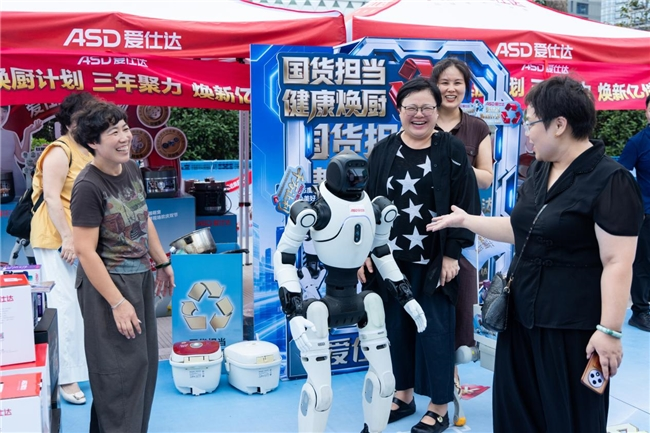
9月28日上午9点半,温岭爱仕达炊具旗舰店门口,围观的人群层层叠叠围拢过来,快门声此起彼伏。一场不同寻常的“入职仪式”正在上演:人形机器人缓步走到场地中央,爱仕达负责人亲手为它挂上工牌,这位特殊的门店“新员工”,正式上岗。

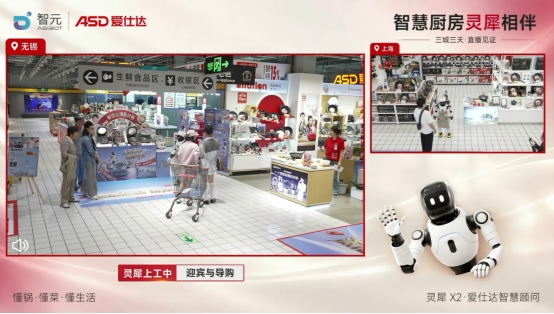
9月28日至9月30日,100台人形机器人同时上岗,开启温岭、上海、无锡三地联动的直播大考。直播每日从10点持续至20点,横跨三地多店不间断作业,称得上是人形机器人行业里,最贴近烟火商业、持续作业时长最长的真实公开直播之一。

一场拒绝表演的直播:跑通迎宾到导购完整作业闭环

长久以来,大众看到的机器人直播,大多是跳舞、比心、走位炫技,是精心编排后的舞台效果。但来到这里,你会发现一切完全不一样。

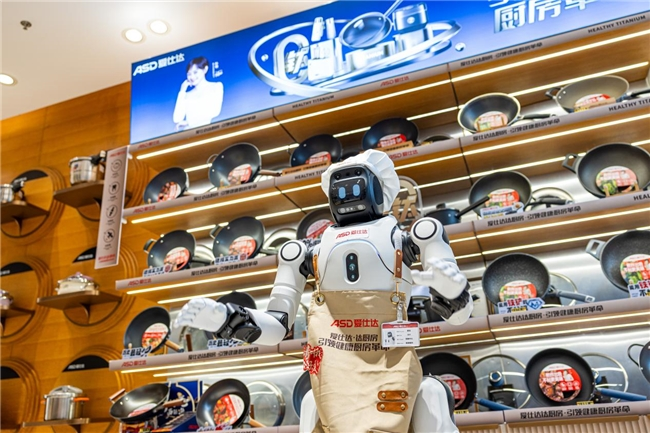
爱宝面对老人、孩童、年轻家庭等不同到店人群给出不同问候,随后自主穿行拥挤货架带顾客逛店、讲解锅具性能并弹出优惠券二维码引导扫码领券,全程无人提词遥控,遇到顾客插话或挡路需自己停下重新规划路线,完成一轮后自主返回起始点位开启下一轮。

整套复杂动作的背后,是灵创系统作为完整技术底座在支撑。知识库录入、Agent流程编排、多轮对话交互全部依托这套系统完成。镜头前每一句临场应答,每一次避障绕行,均为大模型在嘈杂、随机的真实客流中实时推理输出,与实验室划定路线、清场环境下的表演式演示,处于完全不同的维度。

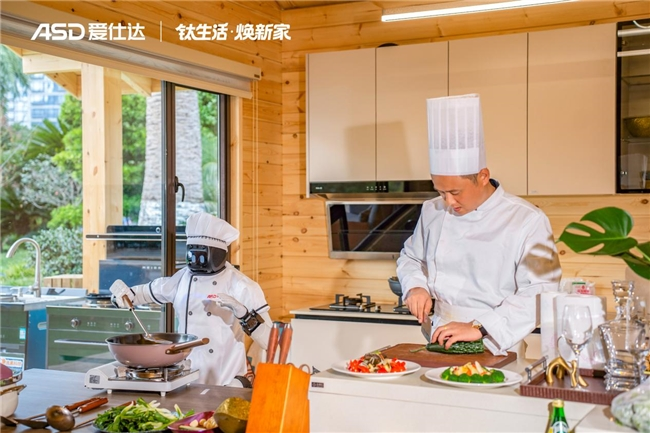
最动人的,是直播间扑面而来的烟火气。每到午间、晚间饭点,人形机器人切换为“灵犀小当家”模式,化身美食科普员,介绍菜品知识,和现场人员互动问答,热情邀约在场顾客试吃。晚间还结合地域特色,讲解松鼠鳜鱼、蒸螃蟹等家常菜烹饪要点。门店内还穿插爆米花、烙饼制作、炒菜等趣味互动,把遥远的机器人做饭的未来想象,变成观众看得见、感受得到的当下现实。首日直播当中,千人千面接待、现场试吃互动,也成为线上线下热度最高的高光时刻。

跨城同步协同,则是这场直播另一重硬核看点。温岭主会场与上海、无锡分会场镜头高频切换,爱宝轮换上岗,10小时完整作业状态对外呈现。对一家上市公司而言,将技术直接置于真实商业场景下运行,本身就体现出十足底气。

上岗成绩单:用真实数据交出商业部署答卷

整场直播最受期待的压轴环节,是每晚准时出炉的上岗成绩单:运行时长10小时、行走里程74080步、人机交互次数4299次(数据采集于9月28日温岭、江苏、上海三店直播),全部以原始实测数据对外公开。

在行业流量数据时常修饰的大环境下,这份由人形机器人在门店里一分一秒挣出来的成绩单,褪去营销滤镜,成为本次活动最硬核的价值内核。

每一组数据背后,叩问的都是整个行业悬而未决的命题:运行时长,考验硬件整机能不能扛住长时间商业环境损耗;接待客户数量,检验机器人是否具备落地可用的业务能力;互动频次,衡量大模型在真实场景下的智能水准;而扫码转化,则直面商业落地最朴素的终极问题,人形机器人究竟能不能为实体门店带来真实的业务增量。当企业主动把机器人置于亿万观众注视下接受四重维度检验,实际上是为零售赛道的人形机器人部署,树立起一套可供全行业参照的现实验收标尺。

成绩单的意义,远不止一次营销事件。对爱仕达而言,遍布全国的线下门店,就是人形机器人最好的实景训练场。每一次迎宾对话、货架带路、顾客交互,都是珍贵的真机训练素材。按照规划,企业将用半年到一年时间打磨零售垂类专属模型,直播镜头下的每一秒真实交互,都在为模型迭代输送养料。

跳出本次直播,一幅更加宏大的产业图景正在徐徐展开:无人化工厂内,具身机器人与爱仕达旗下钱江工业机器人协同作业,完成炊具冲压、装配、镭雕全流程制造;线下零售门店,爱宝常态化承接导购接待;还有复刻家庭真实环境的智慧厨房实验室。工业、零售、家庭三大场景同步推进,完整跑通“作业—数据—模型迭代”闭环。这家走过48年的制造企业,正用最朴素、最脚踏实地的实战,回答全行业共同的疑问:人形机器人,究竟走到了哪一步。

支撑此次 “商业部署态” 落地的,是爱仕达以工业机器人为起点、历经多年积淀打造的机器人综合能力底座。人才层面,公司搭建起覆盖机器人本体、运动控制、具身智能算法等领域的复合型研发团队,为技术攻关与场景落地筑牢人才根基;研发层面,依托钱江机器人平台,构建起从核心零部件、整机设计,到系统集成、场景应用的完整研发链条。十余年的技术沉淀与商业化实践,为机器人从实验室 “演示” 走向门店 “商用”,提供扎实的工程化、体系化保障。本次百家终端同步落地部署,正是爱仕达在人才、研发、制造、运营、渠道等多维度综合实力的集中检验与集中展现。

不止一场直播:从门店实战延伸向更广阔的社会场景

这场为期三天的直播,不是一次单纯的流量事件,而是爱仕达布局部署态具身智能的一次集中实战检验。所有的测试、交互、数据采集,全部发生在真实营业的门店之内,没有隔离,没有彩排。

透过这场直播,也能看见爱仕达对人形机器人价值的更深思考:人形机器人的能力边界不应只局限于门店柜台。未来,人形机器人还计划走出商场门店,深入社区化身“健康焕新科普大使”,开展厨具科普公益宣讲,向普通居民普及旧锅安全隐患、健康炊具挑选知识,助力十万场国民健康焕新公益行动。机器人不再只是门店导购员,更成为传递健康烹饪理念的流动载体,实现商业价值向社会价值的延伸。

对爱仕达自身而言,这次百店实测也是迈向具身智能全栈式赋能平台服务商转型的关键一步。比起发布会上精美PPT描绘的遥远蓝图,把人形机器人扔进真实门店、全程公开直播、用实打实的数据交卷,是向市场验证部署能力最直接、最有说服力的方式。

门店打烊,喧嚣散去,人形机器人交出了作为门店新员工的第一份答卷。普通观众看见的,是科技带来的新鲜热闹;而产业界读懂的,是这份成绩单背后的时代信号,当机器人不再只活在实验室和展会,而是走进市井烟火,常态化完成商业工作,物理AI才算真正跨过从技术验证到商业部署那道关键门槛。

注:文/龚作仁,文章来源:Laborer,本文为作者独立观点,不代表亿邦动力立场。

文章来源:Laborer

广告
微信
朋友圈

FAQ回顾

爱仕达的“爱宝”人形机器人在门店里能做哪些事?

爱仕达的“爱宝”人形机器人在门店能完成迎宾导购工作:向老人、孩童、年轻家庭等不同顾客给出不同问候,自主穿过货架带客逛店,讲解锅具性能并弹出优惠券二维码,遇到插话或挡路会重新规划路线,还会在饭点化身“灵犀小当家”介绍菜品和烹饪要点。全程无人提词遥控,所有对话和动作都靠灵创系统实时推理完成。

人形机器人在零售门店实际落地会遇到哪些挑战?

人形机器人在零售门店落地要经受四重考验:整机能否扛住10小时以上的商业环境损耗;是否具备真实可用的接待导购业务能力;大模型在嘈杂随机客流中的实时智能水准;以及扫码转化能否带来真实业务增量。爱仕达9月28日让100台“爱宝”在温岭、上海、无锡三地真实门店同步上岗,用运行时长、行走步数、交互次数等实测数据检验这些命题。

爱仕达在机器人技术上有哪些积累?

爱仕达以工业机器人为起点,依托钱江机器人平台构建从核心零部件、整机设计到系统集成、场景应用的完整研发链条,并组建覆盖机器人本体、运动控制、具身智能算法的复合型研发团队。目前正以工业、零售、家庭三大场景同步推进,工厂内与钱江工业机器人协同完成炊具冲压、装配、镭雕,门店内让“爱宝”担任导购,并规划用半年到一年时间打磨零售垂类专属模型。

人形机器人商业化部署要达到什么水平才算真正落地?

判断人形机器人是否真正商业化落地,标准是能否在真实、非预设的商业环境中长时间稳定完成工作,而不是在实验室或展会表演。爱仕达通过真实门店直播,让“爱宝”在营业时间连续工作10小时、行走74080步、人机交互4299次,完成迎宾导购闭环,并将继续走进社区做科普公益。这标志着人形机器人正从技术验证阶段跨向商业部署阶段。

这么好看,分享一下?

朋友圈 分享

APP内打开

赞 +1
+1
微信好友 朋友圈 新浪微博 QQ空间
关闭
收藏成功
发送
/140 0