广告
加载中

高梵KIDS加码线下:线上五年第一之后 寻找第二增长曲线

龚作仁 2026-10-12 14:35
龚作仁 2026/10/12 14:35

邦小白快读

EN
全文速览

这篇文章的核心信息是高端儿童羽绒服品牌高梵KIDS的线下扩张动态,普通读者可关注产品品质和选购参考。

1. 高梵KIDS目前在线下加速开店,10月已有20多家门店开张,其中约80%是直营,东三省部分用联营模式,暂未开放加盟;线下门店集中在北方,北京是购买用户最多的城市。

2. 产品线上有三条线:金标采用700+蓬松度匈牙利飞天白鹅绒,黑标升级到800+蓬松度珍稀飞天绒皇,联名系列强调设计与文化;同时围绕校内生活、校外休闲、亲子旅行、节日社交四类场景开发。

3. 童装采用一码一版,每个年龄段和尺码单独打版,比行业常见推算方式更准;品牌自有实验室负责面料实验和安全检测。

4. 品牌计划明年推出春夏产品线,从专业鹅绒服走向四季经营,门店也会变成品牌体验空间。

高梵KIDS案例展示了高端童装品牌如何从线上延伸到线下,并重构品牌价值体系。

1. 品牌定位:坚持高端儿童鹅绒服,目标成为中国妈妈首选;先打磨产品形成规模再增加营销,品牌溢价靠材质、功能、版型和设计支撑,而非单纯价格。

2. 产品线布局:金标经典主销、黑标拉高上限、联名凸显文化,通过不同鹅绒规格(700+和800+蓬松度)拉开价值梯度;新增黑金学院风夺冠系列,覆盖校园、休闲、旅行、节日四大场景。

3. 渠道建设:线下20多家门店约80%直营,东三省部分联营,暂不加盟;聚焦北方高需求市场,同时增加薄款短款以覆盖南方市场,杭州承担单店模型验证。

4. 用户洞察:核心用户是关注安全、材质和功能的城市妈妈,对品牌溢价较理性;线下试穿让一码一版等细节转化为体验优势,黑标系列正是回应消费者对更高品质的需求。

对卖家而言,高梵KIDS案例提示了童装品类从线上向线下、从冬装向四季扩展的生意机会。

1. 增长市场:羽绒服季节性明显,品牌正通过线下门店和未来春夏产品线延长经营周期,覆盖南方市场的薄款短款也是增量机会。

2. 消费需求变化:城市妈妈群体更看重安全、材质和功能,对溢价理性;线下反馈显示消费者对更高材质、更高品质有需求,黑标系列因此诞生。

3. 可学习点:先做好产品和规模,再增加营销;一码一版提升合体度,形成差异体验;线下店需要完整货盘和多场景搭配,推动产品组织升级。

4. 风险提示:目前品牌直营为主,暂未开放加盟,联营仅在东三省局部使用;线下扩张面临运营能力、完整货盘和品牌体验等新挑战,不适合简单复制线上爆款模式。

文章对童装生产工厂的启示集中在产品规格、版型开发和多品类生产规划。

1. 核心产品使用高规格羽绒:金标采用700+蓬松度匈牙利飞天白鹅绒,黑标采用800+蓬松度珍稀飞天绒皇,这意味着稳定、可追溯的高品质原料供应是生产关键。

2. 一码一版不是按比例缩放,而是每个年龄段和尺码单独打版,研发周期和开发成本更高,工厂需具备更精细的版型生产能力。

3. 今年增加薄款、短款羽绒服,并计划明年推出春夏产品线,生产排期将从单季爆款转向多品类、多季节均衡生产,同时耐磨面料和学院风设计等场景化需求也会增加。

4. 自有实验室承担面料实验和安全检测,工厂在品控、检测和儿童安全标准方面需要匹配更高要求。

服务商可从高梵KIDS转型中看到线下体验、快闪活动和公益营销等服务需求。

1. 行业趋势:高端童装从线上渠道向全渠道转型,线下门店需要完整货品结构、穿着场景和搭配关系,这带来空间设计、陈列咨询和门店运营等服务机会。

2. 客户痛点:羽绒服淡旺季波动大,线下坪效受限;品牌计划推出春夏产品线来延长经营周期,服务商可围绕四季货品规划、春夏产品上市和门店全周期经营提供解决方案。

3. 具体做法:品牌正在把门店变为品牌体验触点,包括黑金足球捐赠、与艺术家合作、藏区学校公益项目,以及计划中的线下快闪活动;服务商可在体验营销、活动策划、公益IP联动上提供支持。

4. 用户连接:品牌核心用户是关注安全、材质和功能的城市妈妈,服务商可通过试穿体验、面料展示和专家内容强化信任。

平台商可关注高梵KIDS多渠道布局后对平台功能、运营和招商策略的启示。

1. 品牌线上已有五年高端童装鹅绒服类目第一的优势,但开始将重点转向线下,说明成熟品牌不再只依赖平台流量,平台需关注如何留住头部品牌并拓展其新业务。

2. 线上电商适合大单品和爆款逻辑,线下需要更完整货盘;平台可提供春夏品类扩展、新品冷启动、季节波动运营等支持,帮助品牌延长经营周期。

3. 品牌门店聚焦北方市场,同时增加薄款短款覆盖南方,平台可以利用地域数据协助品牌分析区域需求,指导备货和选品。

4. 品牌暂未开放加盟,线下以直营和联营为主,不排除未来开放合作,平台在招商和商业地产对接方面可提前关注。

高梵KIDS是一个研究高端品牌从线上走向全渠道、从单品季货走向四季化商业模式的案例。

1. 产业新动向:连续五年线上类目第一的品牌主动加码线下,80%直营、局部联营、不加盟,说明品牌追求渠道可控和服务体验;线下同时反向推动产品组织从爆款逻辑转向完整货盘。

2. 商业模式:通过金标、黑标、联名三条产品线形成价值梯度,以材料规格和设计文化支撑高端定价;长期规划是保持冬季鹅绒核心优势的同时发展春夏产品,打造四季品牌。

3. 关键创新点:童装采用一码一版,提升合体度;自有实验室负责面料实验与安全检测;门店从销售终端向品牌体验触点延伸,结合公益项目、艺术家联名和快闪活动。

4. 问题启示:羽绒服季节波动、线上认知向线下承接、门店坪效等挑战,需要品牌在渠道、产品和体验上系统重构,可为童装及服饰行业全渠道转型提供参考。

返回默认
声明:快读内容全程由AI生成,请注意甄别信息。如您发现问题,请发送邮件至 run@ebrun.com 。

我是 品牌商 卖家 工厂 服务商 平台商 研究者 帮我再读一遍。

Quick Summary

This article focuses on the offline expansion of Gofra KIDS, a premium children's down jacket brand. General readers can learn about product quality and buying considerations.

1. Gofra KIDS is accelerating its offline store expansion. Over 20 stores opened in October, roughly 80% of which are directly operated; some in Northeast China use a joint operation model, while franchising is not yet available. Stores are concentrated in northern China, with Beijing as the top city for buyers.

2. The product lineup has three tiers: the Gold Label uses 700+ fill power Hungarian white goose down, the Black Label is upgraded to rare 800+ fill power down, and the collaboration series emphasizes design and culture. Products are developed around four scenarios: school life, off-campus leisure, parent-child travel, and holiday socializing.

3. Children's apparel is made with one size, one pattern: each age group and size is individually patterned, offering greater accuracy than the industry's common estimation method. The brand's own laboratory handles fabric testing and safety inspections.

4. The brand plans to launch a spring/summer line next year, transitioning from a professional goose down brand to a year-round operation, and its stores will evolve into brand experience spaces.

The Gofra KIDS case shows how a premium children's apparel brand extends from online to offline and rebuilds its brand value system.

1. Brand positioning: committed to being a premium children's goose down jacket brand, aiming to be the first choice of Chinese mothers. The brand first refines products and achieves scale, then increases marketing. Brand premium is supported by materials, functionality, fit, and design rather than price alone.

2. Product line strategy: Gold Label drives sales as the classic line, Black Label raises the ceiling, and collaborations highlight culture. Different down specifications (700+ and 800+ fill power) create a value ladder. A new black-gold collegiate championship series covers four scenarios: campus, leisure, travel, and holidays.

3. Channel building: over 20 offline stores, about 80% directly operated, some joint operations in Northeast China, no franchising for now. The focus is on the high-demand northern market, while lightweight short styles are added to reach southern consumers; Hangzhou is used to validate the single-store model.

4. User insight: core users are urban mothers who care about safety, materials, and functionality and are rational about brand premiums. Offline try-on turns details like one-size-one-pattern into an experiential advantage; the Black Label line directly responds to consumers' demand for higher quality.

For sellers, the Gofra KIDS case highlights business opportunities in children's apparel moving from online to offline and from winter-only to year-round categories.

1. Growth market: down jackets are highly seasonal. The brand is extending its operating cycle through offline stores and a future spring/summer line. Lightweight short jackets for the southern market also represent incremental growth.

2. Changing consumer demand: urban mothers increasingly value safety, materials, and functionality, and are rational about price premiums. Offline feedback shows demand for better materials and higher quality, which led to the Black Label line.

3. Key takeaways: focus on product and scale before stepping up marketing; one-size-one-pattern improves fit and creates a differentiated experience; offline stores require a complete product mix and multi-scenario styling, driving upgrades in product organization.

4. Risk notes: the brand is mostly directly operated and has not opened franchising; joint operations are limited to parts of Northeast China. Offline expansion brings new challenges in operations, full product assortment, and brand experience, so simply replicating the online bestseller model is not advisable.

The article's implications for children's apparel factories center on product specifications, pattern development, and multi-category production planning.

1. Core products use high-spec down: Gold Label uses 700+ fill power Hungarian white goose down; Black Label uses rare 800+ fill power down. This means stable, traceable high-quality raw material supply is critical to production.

2. One-size-one-pattern is not proportional scaling; each age and size is patterned individually, requiring longer development cycles and higher costs. Factories need more refined pattern-making capabilities.

3. Lightweight and short down jackets were added this year, and a spring/summer line is planned for next year. Production schedules will shift from single-season bestsellers to balanced multi-category, multi-season production, with added demand for abrasion-resistant fabrics and collegiate-style designs.

4. The in-house laboratory handles fabric testing and safety checks. Factories need to meet higher standards in quality control, testing, and child-safety compliance.

Service providers can see opportunities in offline experience, pop-up events, and cause-related marketing from Gofra KIDS' transformation.

1. Industry trend: premium children's apparel is moving from online to omni-channel. Offline stores require complete product structures, wearing scenarios, and styling relationships, creating demand for space design, visual merchandising consulting, and store operations.

2. Client pain point: down jackets face high seasonal fluctuation, limiting offline sales per square meter. The brand plans a spring/summer line to extend the operating cycle; service providers can offer solutions across year-round assortment planning, spring/summer launches, and full-cycle store operations.

3. Concrete actions: the brand is turning stores into brand experience touchpoints, including black-gold football donations, artist collaborations, charity projects in Tibetan schools, and planned offline pop-ups. Service providers can support experiential marketing, event planning, and cause-related IP partnerships.

4. User connection: core users are urban mothers concerned about safety, materials, and function. Service providers can build trust through try-on experiences, fabric displays, and expert content.

Platforms can draw lessons from Gofra KIDS' multi-channel strategy for platform features, operations, and merchant recruitment.

1. The brand has held the top position in the premium children's down jacket category online for five consecutive years, yet is shifting focus offline. This shows mature brands no longer rely solely on platform traffic. Platforms need to consider how to retain top brands and support their new business expansion.

2. Online e-commerce suits hero products and bestseller logic, while offline requires a more complete product assortment. Platforms can support spring/summer category expansion, new-product cold starts, and seasonal fluctuation management to help brands extend their operating cycle.

3. The brand's stores focus on the northern market while adding lightweight short styles for the south. Platforms can use regional data to help brands analyze demand by area and guide inventory and assortment decisions.

4. The brand has not opened franchising and relies mainly on direct operation and joint operation. If cooperation opens in the future, platforms should pay early attention to merchant recruitment and commercial real estate connections.

Gofra KIDS serves as a case study of how a premium brand moves from online to omni-channel and from single-season products to a year-round business model.

1. Industry movement: a brand that has led its online category for five years is proactively expanding offline, with 80% direct operation, partial joint operation, and no franchising. This signals a pursuit of channel control and service experience; offline simultaneously drives product organization from a bestseller logic to a complete assortment logic.

2. Business model: the Gold Label, Black Label, and collaboration lines form a value ladder, with material specifications and design culture supporting premium pricing. The long-term plan is to maintain the winter goose down core advantage while developing spring/summer products to become a four-season brand.

3. Key innovations: one-size-one-pattern in children's apparel improves fit; an in-house laboratory handles fabric testing and safety checks; stores extend from sales terminals to brand experience touchpoints, integrating charity projects, artist collaborations, and pop-up events.

4. Implications and challenges: seasonal fluctuation, transferring online brand awareness to offline, and store productivity require systematic reconfiguration of channels, products, and experience. This case offers a reference for omni-channel transformation in children's apparel and the broader apparel industry.

Disclaimer: The "Quick Summary" content is entirely generated by AI. Please exercise discretion when interpreting the information. For issues or corrections, please email run@ebrun.com .

I am a Brand Seller Factory Service Provider Marketplace Seller Researcher Read it again.

上海时装周落幕之际,高梵KIDS正在推进一轮新的品牌扩张。

一边是线下渠道加速落地,10月已有20多家门店开张,约80%采用直营模式;另一边,则是产品边界继续向外延伸,品牌计划于明年正式推出首季春夏产品线,从专业儿童鹅绒服逐步走向四季经营。

对于一个已经连续五年位居线上高端童装鹅绒服类目第一的品牌而言,这意味着经营重点正在发生变化。

过去几年,高梵KIDS主要依靠产品和线上渠道建立规模优势。进入新的发展阶段后,如何把线上形成的品牌认知延伸到线下,并进一步优化产品结构、提升消费体验和品牌价值,开始成为新的增长命题。

从线上第一到全渠道,高梵KIDS加码线下

高梵KIDS目前将品牌核心定位在高端儿童鹅绒服赛道,并提出成为“中国妈妈首选的高端儿童鹅绒服品牌”。

这一定位背后,与其过去几年的经营路径有关。

品牌负责人木兰表示,高梵KIDS早期并没有依赖大规模品牌投放快速打开市场,而是首先将资源投入产品,用心打磨产品,待业务形成一定规模后,再逐步增加营销投入。

产品策略也较为明确。

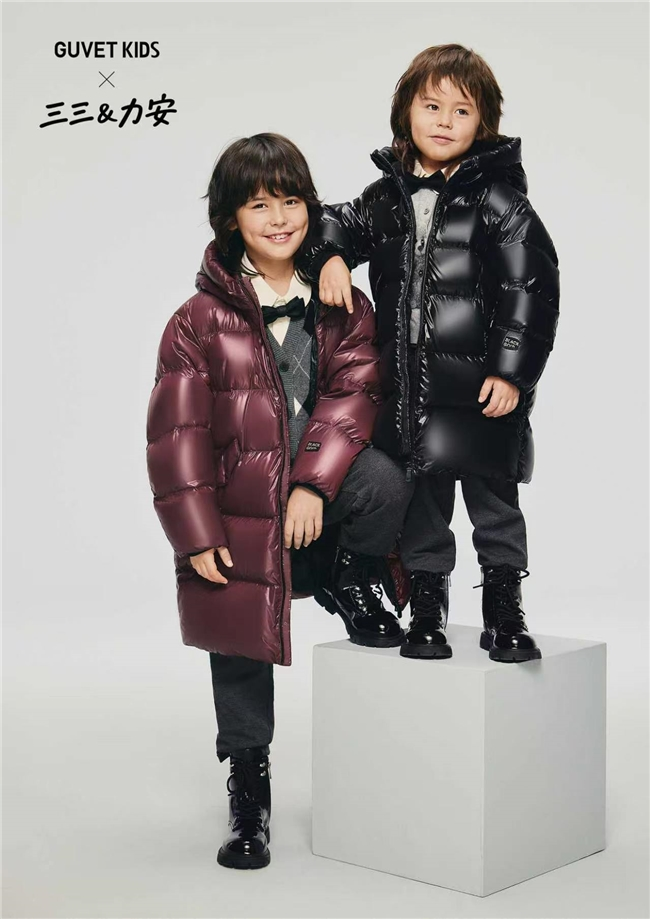
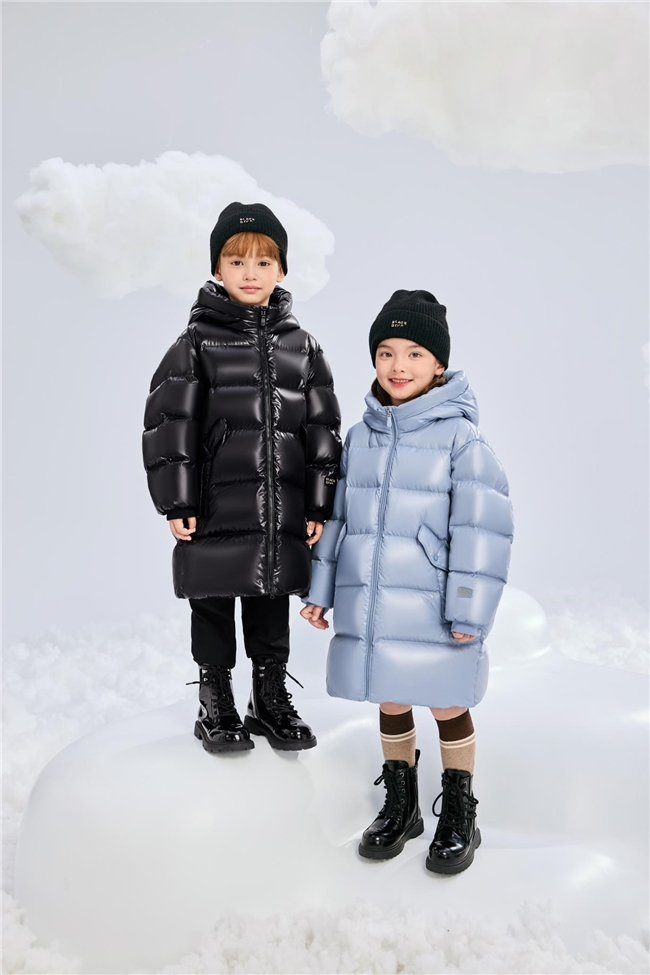
目前,高梵KIDS已经形成金标、黑标和联名三条主要产品线。金标线采用700+蓬松度匈牙利飞天白鹅绒,承担经典主销产品角色;黑标线进一步升级至800+蓬松度珍稀飞天绒皇,通过材质与成本投入拉高产品上限;联名系列则更强调设计与文化表达。

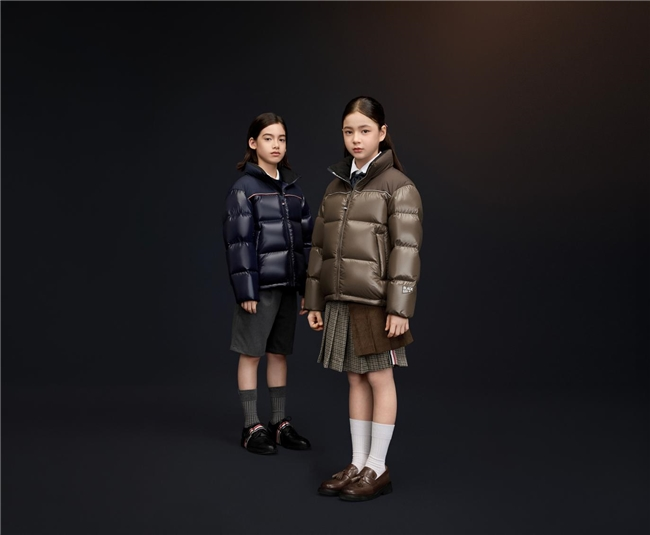
与此同时,品牌围绕校内生活、校外休闲、亲子旅行和节日社交四类场景扩充产品。今年重点推出的黑金学院风“夺冠系列”,便瞄准校园穿着需求,通过耐磨面料和学院风设计强化场景属性。

当线上规模逐渐稳定之后,渠道成为高梵KIDS进一步扩张的重要变量。

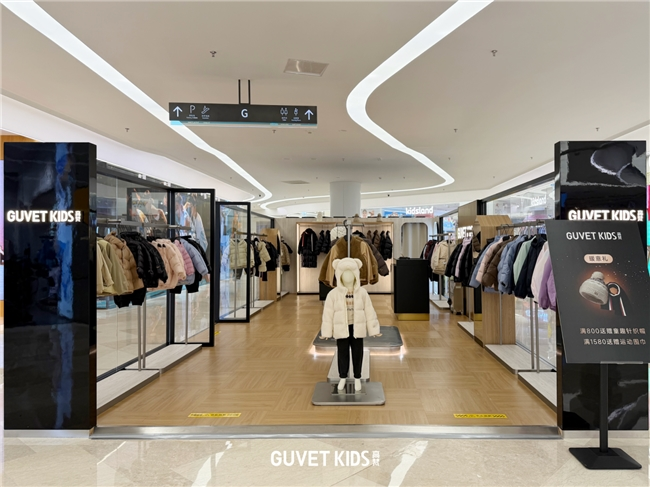
截至目前,高梵KIDS线下门店已经有20多家,其中约80%为直营,东三省部分市场采用联营模式,品牌暂未开放加盟。

从区域来看,其线下布局目前主要聚焦于北方市场。北京是品牌购买用户数量最多的城市,沈阳、郑州也形成了一定门店密度;杭州则更多承担单店模型验证功能。

这一布局与羽绒服本身的季节和地域属性有关。高梵KIDS目前核心产品强调高充绒与保暖性能,在北方市场消费需求更加稳定。与此同时,品牌今年也开始增加薄款、短款产品,以提升对南方市场的覆盖能力。

线下不仅卖货,也在重构产品体系

对于高梵KIDS而言,进入线下带来的变化,并不仅体现在门店数量上。

线上电商更适合大单品和爆款逻辑,而实体门店需要更完整的货品结构、更多穿着场景以及更丰富的搭配关系。随着线下扩张,高梵KIDS正在增加设计团队配置,由设计总监带队完善整盘产品体系。

这意味着,渠道变化正在反向推动产品组织方式调整。

在童装版型上,高梵KIDS长期坚持“一码一版”。与行业中常见的以一个基础尺码试穿、再按比例推算其他尺码不同,其每个年龄段和尺码均单独打版,以提升不同年龄儿童的合体度与穿着体验。

这种方式意味着更长的研发周期和更高的开发成本,但在线下试穿场景中,这类过去不容易通过电商页面让消费者感知的产品细节,反而有机会转化为直接的体验差异。

品牌自有实验室也承担着面料实验、安全检测等职能。

从高梵KIDS目前的用户画像来看,其核心消费者主要是关注孩子安全、产品材质和功能表现的城市妈妈群体。这类人群对品牌溢价相对理性,也使得品牌需要通过材料、功能、版型和设计形成更明确的高端定位,而不是单纯依靠价格完成品牌升级。

这也是黑标系列推出的背景之一。

在线下渠道反馈中,部分消费者对更高材质、更高品质存在进一步需求。因此,黑标系列并非单纯提高售价,而是通过更高规格鹅绒和产品配置,拉开不同产品线之间的价值梯度。

从冬季生意走向四季经营

线下之外,高梵KIDS下一阶段更重要的变化,是经营周期的延长。

羽绒服天然具有明显季节属性。即便品牌能够在冬季形成优势,如何降低淡旺季波动,依然是专业羽绒品牌进一步扩大规模必须面对的问题。

高梵KIDS目前的长期规划,是从专业鹅绒服逐渐发展为四季品牌,同时继续保持冬季鹅绒品类的核心优势。

按照规划,该品牌将在明年推出第一季春夏产品线,并逐步覆盖更多品类。

从商业逻辑看,四季化不仅意味着增加产品类别,也意味着门店经营效率需要同步提升。

对于实体门店而言,如果品牌只能依靠秋冬羽绒服支撑销售,坪效和全年经营周期都会受到限制。春夏产品线的增加,则有机会提升门店全年货品供给能力,也为线下长期店模型提供更稳定的经营基础。

与此同时,高梵KIDS也在尝试把线下门店从单纯的销售终端变成品牌体验触点。

包括“黑金足球”捐赠、艺术家合作以及与藏区学校的公益项目,都开始更多与门店活动结合。今年与儿童艺术家藻藻推出的《现东方》主题联名,也计划在线下快闪活动中连接消费者与公益项目。

从线上类目第一,到建立直营门店体系,再到向春夏产品和四季经营延伸,高梵KIDS正在进入一个与过去不同的发展阶段。

过去几年,其增长更多来自线上渠道效率和核心鹅绒产品形成的品牌专业心智;接下来,线下运营能力、完整货盘能力以及品牌体验,将成为新的竞争变量。

对于高梵KIDS而言,线下扩张并不是重新复制一遍线上规模,而是在既有线上优势之上,重新构建一个更完整的高端儿童服饰品牌。

注:文/龚作仁,文章来源:Laborer,本文为作者独立观点,不代表亿邦动力立场。

文章来源:Laborer

广告
微信
朋友圈

FAQ回顾

高梵KIDS是什么品牌?主要卖什么?

高梵KIDS是定位高端的儿童鹅绒服品牌,目标是成为“中国妈妈首选的高端儿童鹅绒服品牌”。品牌已形成金标、黑标、联名三条产品线,覆盖校内生活、校外休闲、亲子旅行、节日社交等场景,目前连续五年位居线上高端童装鹅绒服类目第一。

高梵KIDS的金标、黑标和联名系列有什么区别?

金标系列采用700蓬松度匈牙利飞天白鹅绒,承担经典主销产品角色;黑标系列升级为800蓬松度珍稀飞天绒皇,通过更高材质与成本拉高产品上限;联名系列更强调设计与文化表达。三条产品线形成不同价值梯度,支撑品牌高端定位。

高梵KIDS线下门店是直营还是加盟?

高梵KIDS目前线下已有20多家门店,约80%为直营,东三省部分市场采用联营模式,品牌暂未开放加盟。线下布局聚焦北方市场,北京是购买用户数量最多的城市,沈阳、郑州形成一定门店密度,杭州主要承担单店模型验证功能。

高梵KIDS为什么要从线上转向线下?

高梵KIDS线上规模逐渐稳定后,需要寻找第二增长曲线。线下可以补足线上电商大单品和爆款逻辑之外的完整货品结构、穿着场景与搭配关系,并把线上形成的品牌认知延伸到实体体验;同时“一码一版”等产品细节在线下试穿中更容易转化为用户可感知的体验差异。

高梵KIDS未来会做春夏装吗?有何规划?

会。高梵KIDS计划明年正式推出首季春夏产品线,从专业儿童鹅绒服逐步发展为四季品牌,同时保持冬季鹅绒品类的核心优势。四季化有助于降低羽绒服淡旺季波动,提升门店全年货品供给能力和坪效,为线下长期店模型提供更稳定的经营基础。

这么好看,分享一下?

朋友圈 分享

APP内打开

赞 +1
+1
微信好友 朋友圈 新浪微博 QQ空间
关闭
收藏成功
发送
/140 0