广告
加载中

又一款爆品年销2000万!叮咚买菜把“不起眼”的豆腐做成了顶流

Yomi Xue 2026-10-13 09:51
Yomi Xue 2026/10/13 09:51

邦小白快读

EN
全文速览

总1:爆款产品值得关注。

1. 小小嫩豆腐一年卖出2000万元,复购率53%,山涧柴火豆腐年销4000万元,豆乳雪糕上架首月突破60万元。

2. 3.65元2个,小规格直接解决一人食场景中吃不完、懒得做、容易坏的痛点。

总2:食用方式与品质。

1. 可即食、可微波、可蒸煮,可盐可甜,适合独居或小家庭。

2. 从大豆原料和产地入手,联合种植,还有台州柴火豆腐、贵州豆腐圆子、云南包浆豆腐等地方风味,好吃也有故事。

总1:品牌定位与营销。

1. 有豆志不靠网红口味和IP联名,靠一人食场景和朴素小规格豆腐建立品牌,定价3.65元2个,低成本高频切入。

2. 围绕场景延伸产品线:一人食豆腐煲、豆乳雪糕、快手菜,把传统豆腐变成场景解决方案。

3. 借鉴法国之光模式,把地方风味豆制品产品化,使豆腐拥有产地、故事和文化标签。

总2:产品研发与用户洞察。

1. 从原料建立差异化,与龙伟食品、北大荒嫩江农场联合种植,让消费者感知大豆产地差异。

2. 自营工厂加外部合作工厂,解决小规格成本和冷链保鲜问题。

3. 把中差评拉回产品开发,开发人员亲自回复用户,并用赛马机制让好产品获得更多资源。

总3:消费趋势判断。

1. 独居人口1.25亿户,占家庭总数25.3%,一人食从一个人怎么吃变成一个人也要好好吃。

2. 用户更重视植物蛋白和清洁配方,豆腐作为优质植物蛋白载体重回消费视野。

3. 传统豆腐包装过大易浪费,即食小规格切中年轻人不愿去菜市场、怕浪费的痛点。

总1:市场机会。

1. 豆制品一人食细分赛道出现确定性红利,中国成年单身2.4亿,独居1.25亿户。

2. 热门单品方向:小小嫩豆腐年销2000万、复购率53%,山涧柴火豆腐年销4000万,豆乳雪糕首月破60万,证明小规格豆腐、豆乳甜品和快手菜需求旺盛。

3. 潜力风味产品:台州柴火豆腐、贵州毛豆豆腐圆子、云南石屏包浆豆腐等地方特色经产品化后,可成为差异化供给。

总2:经营启示与风险。

1. 可学习有豆志的协同模式:自营工厂加外部合作工厂,以销量承诺消化物流与产能风险,卖家可考虑与成熟供应链合作。

2. 用中差评反馈改进产品,借助赛马机制快速验证市场需求。

3. 风险提示:即食豆腐是短保高冷链要求产品,小规格包装成本更高,入局前需评估产能、冷链和损耗控制能力。

总1:产品生产与设计需求。

1. 小规格豆腐不是简单少装一点,需要改造小流量灌装设备,或通过自营工厂复用核心设备降低新增成本。

2. 即食豆腐对稳定性要求高,需建立源头杀菌、低温抑菌、洁净防污染、全程冷链的精细化风控体系。

3. 豆乳雪糕、一人食豆腐煲、豆腐快手菜等衍生品带来新产线机会。

总2:商业机会与合作模式。

1. 有豆志采用自营工厂加外部合作工厂模式,外部工厂可获销量承诺,能分担物流与产能风险。

2. 上游联合种植成为趋势:与龙伟食品、北大荒嫩江农场合作,从大豆品种和产地端保障原料品质。

3. 数字化启示:以用户需求和差评反馈反推生产,开发人员直接回复用户,形成需求到生产的快速迭代,减少试错成本。

总1:行业趋势与客户痛点。

1. 豆制品正从有品类无品牌走向品牌化,商超自有品牌需要产品定义、品牌策划和用户洞察支持。

2. 传统豆腐企业的痛点是小规格生产成本高、即食产品保质期短、冷链要求高,很多需求成立但商业账算不过来。

3. 地方风味豆腐要走向全国,需要解决原料、工艺和口味的标准再现,存在产品化服务空间。

总2:解决方案与新技术机会。

1. 生产端可通过小流量灌装改造、自营工厂加外部合作工厂降低生产成本,服务商可提供产线优化和供应链整合服务。

2. 保鲜端需要源头杀菌、低温抑菌、洁净防污染、全程冷链等风控方案,冷链物流和食品安全技术服务有市场。

3. 数据端可用中差评反馈和用户需求分析帮助零售企业持续迭代产品,建立发现需求、开发、验证、迭代的循环机制。

4. 参考法国之光案例,可通过地域风土品牌包装与文化叙事,为地方特色食品创造全国市场,给品牌服务商带来机会。

总1:自有品牌打法。

1. 叮咚买菜用有豆志跑通商超自有品牌样本,采用宽类窄品策略,不追求大而全,聚焦豆制品细分品类深挖。

2. 建立品类品牌矩阵:有豆志对应豆制品、良芯匠人对应中式面点、黑钻世家对应黑猪肉,让品牌成为品类创新载体。

3. 商品团队年轻化、专业背景多元,打通用户洞察、产品研发与供应链,保证需求发现到快速上架。

总2:运营管理与风险规避。

1. 将中差评作为重点反馈,开发人员亲自回复用户,从具体反馈中找产品不足并迭代。

2. 内部赛马机制,让准确满足用户需求的产品获得更多资源,降低盲目铺货风险。

3. 即食短保产品用自营工厂加外部合作工厂分散产能,通过源头杀菌、全程冷链等风控体系控制品质风险。

4. 可借鉴联合种植模式,向上游延伸保证原料稳定,提升自有品牌产品力。

总1:产业新动向。

1. 一人食经济改变豆制品消费场景:独居1.25亿户,需求从一个人怎么吃变成一个人也要好好吃,推动小规格化、即食化。

2. 豆制品从有品类无品牌走向品牌化,有豆志5年累计销售超15亿元,证明传统品类能长出品牌。

3. 上游大豆原料开始被品牌化,从品种、产地联合种植,使豆腐拥有类似牛奶咖啡的原料价值叙事。

总2:商业模式与启示。

1. 宽类窄品模式不追求全品类,聚焦豆制品并围绕场景延伸,形成可复制的自有品牌打法。

2. 自营工厂加外部合作工厂解决了小规模生产经济性问题,是传统品类商业化的组织创新。

3. 用户反馈闭环和赛马机制让消费者需求直接参与产品定义,体现渠道商主导品类创新的可能。

4. 地方风味整合可参考法国之光案例,通过风土产品化和文化叙事打开全国市场,为本土食材品牌化提供参考。

返回默认
声明:快读内容全程由AI生成,请注意甄别信息。如您发现问题,请发送邮件至 run@ebrun.com 。

我是 品牌商 卖家 工厂 服务商 平台商 研究者 帮我再读一遍。

Quick Summary

Key point 1: Hit products are worth attention.

1. Tiny silken tofu sells 20 million yuan a year with a 53% repurchase rate; mountain-spring wood-fired tofu reaches 40 million yuan in annual sales; soy milk ice cream exceeded 600,000 yuan in its first month on the shelf.

2. Two pieces for 3.65 yuan: small packaging directly solves the pain points of single-person dining—too much to finish, no motivation to cook, and quick spoilage.

Key point 2: Ways to eat and quality.

1. Ready-to-eat, microwaveable, or steamable; can be savory or sweet—suitable for people living alone or small families.

2. Starting with soybean sourcing and origin, the brand uses joint cultivation and offers regional varieties such as Taizhou wood-fired tofu, Guizhou tofu balls, and Yunnan Baozhang tofu—delicious and with a story.

Summary 1: Brand positioning and marketing.

1. Youdouzhi does not rely on internet-famous flavors or IP collaborations. It builds the brand around single-person dining occasions and simple small-format tofu, priced at 3.65 yuan for two pieces, entering at low cost and high frequency.

2. It extends the product line by scenario: single-serving tofu hot pot, soy milk ice cream, and quick-cook dishes, turning traditional tofu into scenario-based solutions.

3. Drawing on the French Light model, it productizes regional-flavor bean products, giving tofu origin, story, and cultural labels.

Summary 2: Product development and user insight.

1. It creates differentiation through raw materials, cooperating with Longwei Food and Beidahuang Nenjiang Farm on joint cultivation so consumers can perceive soybean-origin differences.

2. Owned factories plus external partner factories solve the cost and cold-chain freshness challenges of small-format products.

3. Neutral and negative reviews are fed back into product development; developers personally reply to users, and a horse-race mechanism gives better-performing products more resources.

Summary 3: Consumption trend judgments.

1. There are 125 million single-person households, accounting for 25.3% of all households. Single-person dining has shifted from 'how does one person eat' to 'one person should also eat well.'

2. Consumers place more value on plant protein and clean formulas; tofu, as a high-quality plant-protein carrier, is returning to the consumer spotlight.

3. Traditional tofu packaging is often oversized and wasteful. Ready-to-eat small-format products address young people's reluctance to visit wet markets and their fear of waste.

Summary 1: Market opportunity.

1. The single-person bean-product segment offers clear dividends: China has 240 million single adults and 125 million single-person households.

2. Hot product directions: tiny silken tofu sells 20 million yuan a year with a 53% repurchase rate; mountain-spring wood-fired tofu has annual sales of 40 million yuan; soy milk ice cream exceeded 600,000 yuan in its first month. This proves strong demand for small-format tofu, soy milk desserts, and quick-cook dishes.

3. Potential differentiated products: regional specialties such as Taizhou wood-fired tofu, Guizhou edamame tofu balls, and Yunnan Shiping Baozhang tofu can become differentiated supply once productized.

Summary 2: Operating takeaways and risks.

1. Sellers can learn from Youdouzhi's coordinated model: owned factory plus external partner factories, with sales commitments used to absorb logistics and capacity risks. Sellers should consider partnering with mature supply chains.

2. Use neutral and negative review feedback to improve products and use a horse-race mechanism to quickly validate market demand.

3. Risk reminders: ready-to-eat tofu is a short-shelf-life product with high cold-chain requirements, and small-format packaging costs more. Before entering, assess capacity, cold chain, and loss-control capabilities.

Summary 1: Production and product design requirements.

1. Small-format tofu is not simply packaging less; it requires retrofitting low-flow filling equipment or reusing core equipment in an owned factory to reduce incremental costs.

2. Ready-to-eat tofu requires high stability, so a refined risk-control system covering source sterilization, low-temperature bacteriostasis, clean contamination prevention, and full cold-chain logistics must be established.

3. Derivatives such as soy milk ice cream, single-serving tofu hot pot, and tofu quick-cook dishes create new production-line opportunities.

Summary 2: Business opportunities and cooperation models.

1. Youdouzhi uses an owned-factory-plus-partner-factory model. External factories can receive sales commitments, helping share logistics and capacity risks.

2. Upstream joint cultivation is becoming a trend: cooperation with Longwei Food and Beidahuang Nenjiang Farm secures raw-material quality from soybean varieties and origins.

3. Digital insight: user needs and negative reviews are fed back into production, with developers directly responding to users, forming fast iteration from demand to production and reducing trial-and-error costs.

Summary 1: Industry trends and client pain points.

1. Bean products are moving from 'categories without brands' to branded products. Supermarket private labels need support in product definition, brand planning, and user insight.

2. Traditional tofu companies struggle with high small-format production costs, short shelf life for ready-to-eat products, and high cold-chain requirements. Many needs are valid, but the business case does not add up.

3. Taking regional-flavor tofu nationwide requires solving the standardized reproduction of raw materials, processes, and taste, leaving room for productization services.

Summary 2: Solutions and new technology opportunities.

1. On production, low-flow filling retrofits and combining owned factories with external partners can lower costs; service providers can offer line optimization and supply-chain integration.

2. On preservation, source sterilization, low-temperature bacteriostasis, clean contamination prevention, and full cold-chain risk-control solutions are needed, creating market space for cold-chain logistics and food-safety technology services.

3. On data, neutral and negative review feedback and user-demand analysis can help retail clients continually iterate products, building a closed loop of discovering demand, developing, validating, and iterating.

4. Drawing on the French Light case, regional terroir branding and cultural narrative can create national markets for local specialty foods, offering opportunities for brand service providers.

Summary 1: Private-label playbook.

1. Dingdong Maicai used Youdouzhi to prove out a supermarket private-label model, adopting a 'broad category, narrow SKU' strategy—not pursuing comprehensiveness, but going deep into the bean-products segment.

2. Build a category-brand matrix: Youdouzhi for bean products, Liangxin Jiangren for Chinese-style pastries, and Heizuan Shijia for black pork, making brands carriers of category innovation.

3. A younger merchandising team with diverse professional backgrounds connects user insight, product development, and supply chain to move from demand discovery to fast shelf listing.

Summary 2: Operations management and risk mitigation.

1. Treat neutral and negative reviews as key feedback; developers personally respond to users and identify shortcomings from specific comments to inform iteration.

2. Use an internal horse-race mechanism to give more resources to products that accurately meet user needs, reducing the risk of blind product rollout.

3. For ready-to-eat short-shelf-life products, use owned factories plus external partner factories to diversify capacity and use risk-control systems such as source sterilization and full cold chain to manage quality risks.

4. Draw on the joint-cultivation model to extend upstream and secure raw-material stability, strengthening the product power of private labels.

Summary 1: New industry dynamics.

1. The single-person economy is reshaping bean-product consumption scenarios: 125 million single-person households, and demand has shifted from 'how does one person eat' to 'one person should also eat well,' driving small-format and ready-to-eat trends.

2. Bean products are moving from 'a category without brands' to branded products. Youdouzhi has exceeded RMB 1.5 billion in cumulative sales over five years, proving that a brand can emerge from a traditional category.

3. Upstream soybean raw materials are becoming branded, with joint cultivation by variety and origin, giving tofu an ingredient-value narrative similar to milk and coffee.

Summary 2: Business model and implications.

1. The 'broad category, narrow SKU' model does not chase full product-line coverage; it focuses on bean products and extends by scenario, forming a replicable private-label playbook.

2. Combining owned factories with external partner factories solves the economics of small-scale production—an organizational innovation for commercializing traditional categories.

3. A user-feedback loop and horse-race mechanism allow consumer needs to directly participate in product definition, showing the potential for channels to lead category innovation.

4. Regional-flavor integration can draw on the French Light case: through terroir productization and cultural narrative, local specialties can open national markets, providing a reference for branding local ingredients.

Disclaimer: The "Quick Summary" content is entirely generated by AI. Please exercise discretion when interpreting the information. For issues or corrections, please email run@ebrun.com .

I am a Brand Seller Factory Service Provider Marketplace Seller Researcher Read it again.

“一年卖出2000万元,复购率高达53%。每两个买过的人里,就有一个会再次购买。”

四四方方的小豆腐,3.65元2个,竟然在叮咚买菜卖爆了。

没有网红口味、没有IP联名、甚至连包装都十分朴素。这款名叫“小小嫩豆腐”的产品,却凭借“一人食”定位,成为社媒的讨论焦点。

我们发现,这款产品,来自叮咚买菜孵化的自有品牌——“有豆志”。成立5年来,有豆志已推出5大系列、共计90余款商品,累计销售额超15亿元。

其中,除了“小小嫩豆腐”,还有年销4000万元的山涧柴火豆腐,以及上架首月销售额就突破60万元的山涧柴火风味豆乳雪糕。

数字背后,有一个更值得注意的信号:商超渠道中,已经跑出了一个较成功的自有品牌样本。

豆腐,是中国最传统的品类之一。放眼海外,圃美多、相模屋等品牌已经把豆腐做成了成熟的品牌生意,甚至走向全球。有豆志或许正有机会把豆腐重做一遍,做出一个真正的融入中国文化特色的中国品牌。

为此,我们特地找到叮咚买菜进行了交流。交流中,他们反复强调四个字——“用户需求”。

这个词在渠道变革的当下其实并不新鲜。我们更关心的是,叮咚买菜到底是怎么把"用户需求"落到小小嫩豆腐上,做成爆款的?又是靠什么,把一个自有品牌从0做到15亿?

01 从“一人食”场景里,找到豆腐的新需求

传统豆腐企业习惯回答“我的豆腐好不好”,有豆志先回答的是“这块豆腐该出现在哪里”。

2026年,中国成年单身2.4亿,独居1.25亿户,占家庭总数25.3%。一人食正在从“一个人怎么吃”变成“一个人也要好好吃”,消费需求也随之变得越来越精细。

有豆志就是从这样的场景变化里找到了一道缝隙。

但,为什么是豆腐这个品类?

豆腐固然是极具普适性的百搭食材,但在一人食场景中,它却长期处于尴尬位置。当下年轻人鲜少去菜市场买零散豆腐,而传统超市的标品包装往往远超单人一餐用量。作为高水分食材,豆腐极易变质,这就导致单身人群陷入“买一次、吃不完、丢一半”的隐性痛点。

从Foodaily的全球观察来看,成熟的豆腐品牌,都有意识布局一人食场景。

以日本市场为例,相模屋把一人食豆腐进一步做成无需复杂烹饪的成品菜,解决“一个人懒得做饭”的问题;男前豆腐用超小规格满足灵活取用;Asahico则把豆腐做成类似蛋白棒的形态,满足便捷补充植物蛋白的需求。

然而,日本市场盒装豆腐以“冷食即食”为主流;中国市场虽有凉拌、甜品等做法,绝大多数消费场景仍偏向热食烹饪。

有豆志并未机械套用海外路线,而是把“小规格”做成了一种更灵活的消费入口——可即食、可微波、可蒸煮,可盐可甜。

更进一步,小小嫩豆腐解决了三个非常具体的问题:吃不完、懒得做、容易坏。

那么,面对如此明确的痛点,国内传统豆腐巨头为何迟迟未入局?

因为小规格并不是简单地“少装一点”。

规格越小,包装和生产成本越高;而即食豆腐又是短保产品,对生产和冷链的要求更高。对于传统豆腐企业而言,这很容易成为一个“需求成立、商业账却算不过来”的“小生意”。

有豆志的动作,本质上是在解决行业犹豫的商业问题。

在生产端,采用“自营工厂+外部合作工厂”的协同模式,通过自营工厂复用核心设备、改造小流量灌装等方式降低小规格生产的新增成本,对外合作工厂给到销量承诺,有效消化了物流与产能风险;

在保鲜端,则通过源头杀菌、低温抑菌、洁净防污染、全程冷链等精细化风控体系,解决即食豆腐的稳定性问题。

小小嫩豆腐的成功,也验证了“一人食”在豆制品品类中的确定性红利。以此为基点,有豆志已顺势切入小小老豆腐、一人食豆腐煲等多元场景。

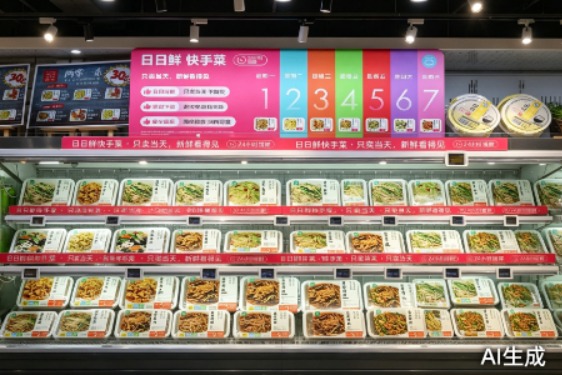
沿着场景延伸的逻辑,有豆志还进一步围绕零食化与甜品化场景开发出豆乳雪糕,围绕便捷烹饪场景推出豆腐快手菜,逐步将一块传统的豆腐,做成了一套完整的现代场景解决方案。

02 从一颗豆子开始,做透中国传统食材

如果说小小嫩豆腐展现的是有豆志在消费场景中寻找豆腐的新机会,那么再往前一步,它要做的是一件更大的事:回到豆腐本身,把中国人的豆腐文化和饮食习惯重新做深、做透。

这首先要回答一个问题:中国人到底需要什么样的豆腐?

从营养价值上来看,在健康消费持续升温的今天,豆腐既是优质植物蛋白来源,也是契合清洁配方趋势的良好载体,正被更多消费者重新重视。

与此同时,豆腐是一个极具中国集体记忆的品类。很多人记得小时候的豆腐味道,却很难在今天的货架上重新找到。

而且传统豆腐长期以基础食材的形态存在,品类创新有限,不同地区的风味也往往局限于当地市场。对当地人来说是日常,对全国消费者来说却并不容易被看见。

基于这些观察,有豆志选择了一手向上,把品质做扎实;一手向外,把各地风味做出来。前者是豆腐的“底子”,后者是豆腐的“故事”。

1、豆子强,则豆品强

豆腐的上限,首先取决于豆子。

豆腐要成为真正的品牌,竞争向上游延伸是应有之义。

过去消费者买豆腐,很少会关心“这是什么豆子”;但当豆腐从普通食材走向品牌化,原料本身也开始成为产品价值的一部分。

有豆志把产品研发的视线进一步前移到大豆原料,从品种、产地等源头入手,寻找更适合做豆腐的大豆,再结合不同产品对口感、豆香和质地的需求进行匹配。不久前,有豆志就与龙伟食品、北大荒集团黑龙江嫩江农场开启了三方联合种植大豆的新模式。

这也意味着,豆腐不再只是一个低价、高频的基础食材,而有机会像牛奶、咖啡、茶一样,让消费者逐渐感知到不同原料、产地和工艺之间的差异。

2、一城一味,把地方豆腐带出产地

另一条路径,则是向中国广袤的地方风味寻找答案。

中国豆腐从来不缺特色,真正缺的或许是让特色被更多人看见、理解并购买的方式。

有豆志的做法,并不是简单地把地方特产搬到货架上,而是深入产地,从当地的原料、工艺、口味乃至饮食文化中寻找产品线索,再将这些具有地域辨识度的风味重新产品化。

一方水土,演绎一种豆腐。

比如,山涧柴火豆腐还原的是浙江台州当地的传统豆腐风味;外酥里嫩的毛豆豆腐圆子还原的是贵州街头的特色美味;过去多在餐厅才能吃到的云南石屏包浆豆腐,如今也能轻松买到。

对当地消费者来说,它可能是一种熟悉的家乡味;对其他地区的消费者来说,它则提供了一次认识“中国豆腐”的新入口。

于是,一块豆腐不再只是“嫩豆腐、老豆腐”的品类区分,而开始拥有自己的产地、故事和风味标签。

这里,我们也联想到一个类似的案例。

1996年,零售集团Promodès(后被法国家乐福收购)洞察到,法国丰富的地域饮食文化难以在大型超市中一站式购买,于是推出“Reflets de France(法国之光)”自有品牌,首次将法国各地具有地域特色的食品集中起来,定位为“法国地方美食遗产守护者”。

品牌联合地方中小企业,挖掘当地原料、传统工艺与人文故事,并借助名厨品鉴背书,推动分散在不同地区的小众食品走向全国市场。

自有品牌推出后仅18个月,其约200个产品线便在1997年创造了累计超过5亿法郎的营收;到1999年底,年营收已接近10亿法郎。至今,它仍是法国排名第一的“地方特色”品牌。

这个自有品牌做的并不是简单的“地方特产集合”,而是把风土本身变成了品牌资产:消费者买到的不只是一件食品,也是对某个地方味道和文化的想象。

有豆志正在探索的,其实也是类似的路径。让中国豆腐从一种传统食材,重新变成一个有品质、有风味、也有地域文化辨识度的中国品牌。

03 中国不缺自有品牌,有豆志为什么能跑出来?

如果只看“豆腐创新”,有豆志的故事还不够完整。

真正值得行业关注的,是把它放回今天越来越热闹的商超自有品牌竞争中来看。

过去几年,自有品牌已经从简单的“渠道补充”,逐渐成为零售企业争夺商品定义权的重要抓手。但不同玩家的打法并不相同。

山姆Member’s Mark依靠全球买手和供应链能力,通过精选产地与供应商,对标知名品牌品质,同时保持价格竞争力;盒马则依托生鲜、标品双轮驱动,通过消费数据反向定制商品,在烘焙、快手菜等品类持续做深。

它们共同的特点,是用自有品牌不断丰富渠道的商品供给。

叮咚走的,却是另一条路。

与其追求“什么都做”,不如先把一个细分品类做透。叮咚内部将其概括为“宽类窄品”,即选择明确的民生品类,用“一寸窄、一公里深”的方式持续挖掘。

有豆志就是其中一个典型。

它没有成为一个大而全的食品品牌,而是聚焦豆制品,从豆腐出发,继续向一人食、地方风味、豆乳甜品等场景延伸。类似的还有聚焦中式面点的良芯匠人、聚焦黑猪肉的黑钻世家。

这背后其实是一种“品类定义品牌”的思路:不是先有品牌,再去填充商品,而是先找到一个值得深挖的品类,让品牌成为持续创新的载体。

但选对品类只是第一步。叮咚买菜向我们透露了一套洞察用户需求的内部机制:

一方面,叮咚搭建了年轻化、专业背景多元的商品团队,让用户洞察、产品研发和供应链更紧密协同;

另一方面,把消费者反馈直接拉回产品开发。尤其是中差评,会成为产品团队重点关注的信息,开发人员甚至亲自回复用户,从具体反馈中寻找产品的不足。

再加上内部商品的赛马机制,谁更准确地满足用户需求,取得市场成绩,谁就有机会获得更多内部资源。

于是,这就形成一套发现需求、开发产品、市场验证、根据反馈持续迭代的循环过程。

有豆志这个品牌的价值,就是让我们看到,当零售渠道真正拥有理解消费者的能力,自有品牌就不再只是货架上的“自家商品”,而有机会成为一个品类的创新者。

04 结语

豆腐曾被中国人吃了两千年。今天,它或许正等待一个被重新定义的机会。

长期以来,国内豆制品赛道面临“有品类、无品牌”的困境,优质本土传统食材,长期被海外品牌抢占高端、创新赛道。

有豆志的成长之路,不仅是一个品牌的突围故事,更是中国传统豆制品品类升级、本土食品品牌崛起的缩影。

传统品类从来不是落后赛道,扎根本土风物、深挖用户价值、深耕细分赛道,平凡的传统食材,也能迸发全新的产业势能。

注:文/Yomi Xue,文章来源:Foodaily每日食品,本文为作者独立观点,不代表亿邦动力立场。

文章来源:Foodaily每日食品

广告
微信
朋友圈

FAQ回顾

有豆志是什么品牌?它属于哪家公司?

有豆志是叮咚买菜孵化的自有品牌,聚焦豆制品品类。品牌成立5年来推出五大系列、90余款商品,累计销售额超15亿元,代表性产品包括年销2000万元的小小嫩豆腐和年销4000万元的山涧柴火豆腐。

叮咚买菜的小小嫩豆腐为什么能成为爆款?

小小嫩豆腐以“一人食”为定位,3.65元2个的小规格解决了独居年轻人“买一次、吃不完、丢一半”的痛点,做到可即食、可微波、可蒸煮。生产端依靠自营工厂与外部合作工厂协同降低成本,并采用源头杀菌、全程冷链保障安全,复购率达到53%。

一人食趋势下,豆制品品类有哪些新机会?

2026年中国成年单身人口达2.4亿,独居户1.25亿户,占家庭总数25.3%。一人食从“一个人怎么吃”转向“一个人也要好好吃”。有豆志以小小嫩豆腐切入,并向一人食豆腐煲、豆乳雪糕等场景延伸,验证了豆制品在一人食场景中的确定性红利。

豆腐行业有哪些代表品牌?国内外有哪些玩家?

海外市场中,圃美多、相模屋、男前豆腐、Asahico已把豆腐做成成熟品牌生意。国内商超渠道中,叮咚买菜孵化的有豆志是较成功的自有品牌样本,聚焦豆腐品类,同时延伸出山涧柴火豆腐、豆乳雪糕等地域风味和零食化产品。

传统豆腐企业为什么不愿做小规格一人食豆腐?

因为小规格豆腐并非“少装一点”那么简单:规格越小,包装和生产成本越高,即食短保属性又对冷链提出更高要求,传统企业容易陷入“需求成立、商业账算不过来”的困境。有豆志通过自营工厂复用设备、改造小流量灌装,并对合作工厂给到销量承诺,同时以源头杀菌、全程冷链解决保鲜,才让这门小生意跑通。

这么好看,分享一下?

朋友圈 分享

APP内打开

赞 +1
+1
微信好友 朋友圈 新浪微博 QQ空间
关闭
收藏成功
发送
/140 0