广告
加载中

HarmonyOS 7正式发布 系统级智能体开启国产操作系统质变

龚作仁 2026-09-09 16:03
龚作仁 2026/09/09 16:03

邦小白快读

EN
全文速览

这篇文章带来华为正式发布HarmonyOS 7的核心信息,该系统已经完成从功能补齐到体验成熟的跨越,进入好用阶段,核心干货如下:

1. 核心AI体验升级,小艺成为系统级智能体,根植系统底层,可以感知200余项系统数据,调度2100余项系统能力,主动提供服务,实现从“人找服务”到“服务找人”的转变,支持自动整理录音、主动推送航班提醒等实用功能。

2. 性能与安全升级,相比鸿蒙6整机性能提升15%,续航延长36分钟以上,搭配超空间内存存储技术,老设备也能保持流畅;全新鸿蒙星盾主动防护诈骗,风险检出率超90%,保护信息财产安全。

3. 互联体验升级,打通跨品牌设备连接门槛,减少APP切换繁琐操作,还完善了无障碍功能,覆盖更多人群。

本次鸿蒙7发布透露出鸿蒙生态的发展现状与消费趋势,能给各类消费电子品牌提供多方面参考,干货如下:

1. 消费趋势变化,当前用户对智能终端操作系统的需求已经从“有无”转向体验升级,AI主动服务、沉浸式空间交互、主动安全防护、全场景互联已经成为用户核心需求点,产品研发要贴合这些新需求打造竞争力。

2. 鸿蒙生态已经具备庞大用户基本盘,截至发布时搭载鸿蒙系统的终端设备已经突破8500万,品牌接入鸿蒙生态可以共享海量用户流量,获得生态赋能。

3. 鸿蒙7开放了空间交互等新的开发框架,为品牌开发创新应用、智能产品打开了新空间,品牌可以依托新系统能力打造差异化产品,契合万物智联的发展趋势。

鸿蒙7正式发布给数码、智能硬件类卖家带来了明确的增长机会与方向指引,核心干货整理如下:

1. 市场机会方面,当前鸿蒙生态已经拥有8500万终端的扎实底盘,用户体验正式进入成熟阶段,带动适配鸿蒙系统的智能配件、创新数码产品的需求上涨,卖家可以提前布局相关品类,抓住生态扩张的增长红利。

2. 选品与营销方向,鸿蒙7核心卖点围绕AI主动服务、性能流畅、主动安全、跨端互联、空间交互五大维度,卖家选品可以贴合这些方向打造卖点,适配用户新需求。

3. 风险与机会提示,跨品牌互联门槛降低后,多品类智能配件的需求会进一步释放,做可升级鸿蒙设备的卖家,可以重点突出性能升级、安全防护等新卖点,打动想要升级体验的消费者。

鸿蒙7的发布给消费电子硬件工厂带来了新的商业机会与发展启示,核心干货整理如下:

1. 产品生产设计方向,当前用户需求已经从基础功能满足转向全场景体验升级,AI能力、沉浸式空间交互、全场景互联、主动安全防护已经成为产品设计的核心方向,工厂研发设计阶段可以接入鸿蒙系统能力,匹配用户新需求,提升产品竞争力。

2. 商业机会方面,鸿蒙生态已经拥有8500万终端的用户底盘,还开放了跨品牌设备互联能力,各类智能硬件工厂都可以接入鸿蒙生态,共享生态流量,获得更好的用户体验加持,打开产品销路。

3. 发展启示,鸿蒙的迭代路径从搭分布式底座,到补齐基础功能,再到聚焦用户痛点升级体验,启示工厂做产品要贴合用户真实痛点逐步迭代,抓住AI、万物智联的趋势推进产品数字化智能化升级。

鸿蒙7的发布透露出智能操作系统与鸿蒙生态的发展新趋势,能给各类科技服务商提供业务方向参考,核心干货如下:

1. 行业发展趋势,当前操作系统已经进入AI底层化、主动智能、空间交互的新阶段,全场景跨设备互联成为主流发展方向,整个行业对配套技术服务、开发服务的需求会大幅上涨。

2. 客户痛点梳理,目前AI普及带来AI诈骗等新型安全风险,传统被动防护已经无法满足需求,同时大量开发者需要适配新的空间交互范式,缺少配套的开发工具与技术支持,服务商可以针对这些痛点打磨对应服务。

3. 业务机会,鸿蒙生态正在快速扩张,开放了大量新的系统能力,服务商可以对接鸿蒙生态,为品牌、开发者提供适配服务、优化服务、安全解决方案,抓住生态扩张带来的业务增长机会。

鸿蒙7的成熟落地给各类智能硬件、应用分发平台带来了新的运营发展方向,核心干货整理如下:

1. 招商机会,鸿蒙生态成熟后,大量开发者、硬件品牌都想要对接鸿蒙生态的流量与技术支持,平台可以针对性推出鸿蒙相关商家招商计划,吸引创新型商家入驻,抓住生态增长的红利,丰富平台品类。

2. 运营优化方向,鸿蒙7开放了系统级AI、空间交互、跨品牌互联等新能力,催生了大量创新应用和智能硬件,平台可以设立专门的鸿蒙创新品类专区,优化分类运营,更好匹配用户找相关产品的需求,还可以针对鸿蒙开发者推出专项扶持活动,吸引更多优质内容入驻。

3. 风险规避,AI普及带来更多安全风险,平台在引入相关应用产品时,要配合鸿蒙的主动安全能力,强化平台端的安全审核,建立安全防线,规避合规风险与用户信任危机。

鸿蒙7的发布是国产操作系统发展进程中的重要里程碑,给产业研究提供了很多新的研究内容与参考,核心干货整理如下:

1. 产业新动向,国产操作系统已经完成了从搭建底座、功能补齐到体验成熟的跨越,鸿蒙生态的终端规模已经突破8500万,拥有了扎实的用户基本盘,正式进入体验质变的发展新阶段,摆脱了过去“有而不好用”的评价。

2. 商业模式与技术路线参考,鸿蒙走出了一条循序渐进的发展路径:先搭建分布式底座,再补齐基础功能,最后聚焦用户真实痛点升级体验,最终实现技术、生态、用户体验三者对齐,为万物智联时代国产操作系统的发展提供了宝贵的实践样本。

3. 新的研究方向,鸿蒙7率先探索了系统级AI智能体、空间交互新范式、主动安全防护等新方向,验证了国产操作系统可以在AI这个核心竞技场实现破局,为产业研究提供了新的课题。

返回默认
声明:快读内容全程由AI生成,请注意甄别信息。如您发现问题,请发送邮件至 run@ebrun.com 。

我是 品牌商 卖家 工厂 服务商 平台商 研究者 帮我再读一遍。

Quick Summary

This article shares key details from Huawei’s official launch of HarmonyOS 7. The operating system has completed its transition from feature completeness to mature user experience, and is now officially ready for widespread use. Key takeaways are as follows:

1. Core AI experience upgrades: Xiaoyi has been upgraded to a system-level intelligent agent built into the OS kernel. It can process over 200 types of system data and orchestrate more than 2,100 system capabilities to deliver proactive services, shifting the experience from "users searching for services" to "services finding users". It supports practical features such as automatic audio transcription and proactive flight reminders.

2. Performance and security upgrades: Compared with HarmonyOS 6, overall system performance improves by 15%, and battery life extends by more than 36 minutes. Its new Ultra Space Storage technology keeps even older devices running smoothly. The new HarmonyShield provides proactive fraud protection with a risk detection rate exceeding 90% to protect users’ personal information and financial assets.

3. Connected experience upgrades: It removes barriers to cross-brand device connectivity, cuts down on cumbersome app switching, and improves accessibility features to serve more user groups.

The launch of HarmonyOS 7 reveals the current development status of the Harmony ecosystem and emerging consumer trends, offering multiple insights for consumer electronics brands. Key takeaways are as follows:

1. Shifting consumer trends: User demand for smart operating systems has evolved from "basic availability" to experience upgrade. Proactive AI services, immersive spatial interaction, proactive security protection, and full-scenario connectivity have become core user demand points. Product R&D should align with these new demands to build competitive advantages.

2. Massive existing user base: As of the launch, the number of terminal devices running HarmonyOS has exceeded 850 million. Brands that join the Harmony ecosystem can access this massive user base and gain ecosystem-enabled growth.

3. New development frameworks: HarmonyOS 7 opens up new development frameworks for capabilities such as spatial interaction, creating new space for brands to build innovative applications and smart products. Brands can leverage the new system capabilities to build differentiated products that align with the trend of the Internet of Everything.

The official launch of HarmonyOS 7 outlines clear growth opportunities and strategic direction for sellers of digital and smart hardware products. Key takeaways are as follows:

1. Market opportunities: The Harmony ecosystem now has a solid base of 850 million terminals, and its user experience has reached full maturity. This is driving rising demand for Harmony-compatible smart accessories and innovative digital products. Sellers can get ahead of the curve by stocking related categories to capture growth from ecosystem expansion.

2. Product selection and marketing direction: The core selling points of HarmonyOS 7 focus on five dimensions: proactive AI services, smooth performance, proactive security, cross-device connectivity, and spatial interaction. Sellers can align product selection and marketing messaging with these areas to meet new user demands.

3. Opportunity and risk notes: Lowered cross-brand connectivity barriers will further unlock demand for multi-category smart accessories. Sellers selling Harmony-upgradable devices can highlight new selling points such as performance improvements and enhanced security to attract consumers looking to upgrade their user experience.

The launch of HarmonyOS 7 brings new business opportunities and development insights for consumer electronics hardware factories. Key takeaways are as follows:

1. Product design direction: User demand has shifted from meeting basic functional requirements to full-scenario experience upgrade. AI capabilities, immersive spatial interaction, full-scenario connectivity, and proactive security protection have become core directions for product design. Factories can integrate HarmonyOS capabilities during the R&D and design phase to align with new user demands and improve product competitiveness.

2. Business opportunities: The Harmony ecosystem has a user base of 850 million terminals and has opened up cross-brand device connectivity capabilities. All types of smart hardware factories can join the ecosystem to share ecosystem traffic, deliver better user experiences, and expand product sales channels.

3. Development insights: Harmony’s iteration path – first building a distributed foundation, then completing basic features, then focusing on user pain points to upgrade experience – shows that factories should iterate products gradually based on real user pain points, and leverage the trends of AI and the Internet of Everything to drive the digital and intelligent upgrade of their products.

The launch of HarmonyOS 7 reveals new development trends for smart operating systems and the Harmony ecosystem, offering strategic guidance for a wide range of technology service providers. Key takeaways are as follows:

1. Industry development trends: Operating systems have entered a new phase defined by AI-native infrastructure, proactive intelligence, and spatial interaction, with full-scenario cross-device connectivity becoming the mainstream development direction. This will drive substantial growth in industry demand for supporting technical services and development services.

2. Key customer pain points: The proliferation of AI has brought new security risks such as AI-powered fraud, which traditional passive protection can no longer address. Meanwhile, large numbers of developers need to adapt to the new spatial interaction paradigm, but lack supporting development tools and technical support. Service providers can build targeted solutions to address these pain points.

3. Business opportunities: The fast-expanding Harmony ecosystem has opened up a large number of new system capabilities. Service providers can partner with the ecosystem to offer adaptation services, optimization services, and security solutions to brands and developers, capturing business growth driven by ecosystem expansion.

The mature rollout of HarmonyOS 7 brings new operational and development directions for smart hardware and app distribution platforms. Key takeaways are as follows:

1. Merchant acquisition opportunities: As the Harmony ecosystem matures, a large number of developers and hardware brands are seeking access to the ecosystem’s traffic and technical support. Platforms can launch targeted merchant acquisition programs for Harmony-related businesses to attract innovative sellers, capture growth from ecosystem expansion, and enrich platform product categories.

2. Operational optimization directions: The new system capabilities opened up by HarmonyOS 7 – including system-level AI, spatial interaction, and cross-brand connectivity – have spurred the emergence of large numbers of innovative applications and smart hardware. Platforms can set up dedicated sections for Harmony-enabled innovative products to optimize category management and better match user search demand. They can also launch dedicated support programs for Harmony developers to attract more high-quality content to the platform.

3. Risk mitigation: The proliferation of AI brings increased security risks. When onboarding new Harmony-related apps and products, platforms should collaborate with Harmony’s proactive security capabilities to strengthen platform-level security reviews, build robust security defenses, and avoid compliance risks and erosion of user trust.

The launch of HarmonyOS 7 marks an important milestone in the development of domestic Chinese operating systems, offering new research content and references for industry research. Key takeaways are as follows:

1. New industry trends: Chinese domestic operating systems have completed the transition from building a foundational infrastructure, to adding core features, to delivering a mature user experience. The Harmony ecosystem now has more than 850 million terminal devices and a solid user base, officially entering a new development phase marked by qualitative experience improvement, and shaking off its past reputation as "available but not user-friendly".

2. Reference for business models and technical roadmaps: Harmony has followed a gradual development path: first building a distributed foundation, then completing basic functions, and finally focusing on real user pain points to upgrade experience, ultimately aligning technology, ecosystem, and user experience. This provides a valuable practical example for the development of domestic operating systems in the Internet of Everything era.

3. New research directions: HarmonyOS 7 has pioneered exploration of new directions including system-level AI agents, new spatial interaction paradigms, and proactive security protection. It has verified that domestic operating systems can achieve breakthroughs in the core competitive arena of AI, opening up new research topics for industry research.

Disclaimer: The "Quick Summary" content is entirely generated by AI. Please exercise discretion when interpreting the information. For issues or corrections, please email run@ebrun.com .

I am a Brand Seller Factory Service Provider Marketplace Seller Researcher Read it again.

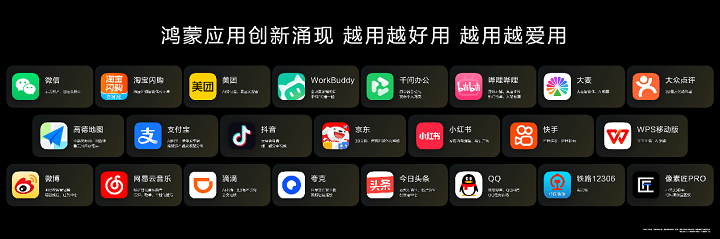
9月7日,华为正式发布HarmonyOS 7,为国产操作系统的演进写下浓墨重彩的一笔。历经迭代打磨,鸿蒙生态不再停留在功能补齐的阶段,完成了从单点功能完善走向整体体验成熟的跨越,鸿蒙应用体验已经进入成熟好用阶段,创新体验和创新应用正在不断涌现,印证了国产操作系统正在沉淀属于自己的技术底气与产业价值。

操作系统的成熟,离不开规模庞大的终端底座支撑。截至2026年9月7日,搭载HarmonyOS 6和HarmonyOS 7的终端设备数突破8500万,海量设备构筑起鸿蒙生态坚实的基本盘,也为HarmonyOS 7落地普及铺就道路。如果说过去版本更多解决“有无”问题,HarmonyOS 7则聚焦用户真实使用痛点,围绕空间美学、智能、性能、安全与互联五大维度,完成底层架构的全面进化,交出一份兼顾技术创新、用户体验与人文关怀的系统答卷。

AI如今已是操作系统的核心竞技场,但不少产品的智能能力停留在应用层,需要用户主动触发。鸿蒙7的破局点,是把小艺打造为系统级智能体,将智能能力根植系统底层,充当设备的“智慧大脑”。它不再局限简单问答,能够感知200余项系统级数据,调度2100余项系统能力,联动海量伙伴技能与智能体,自主处理跨端协作、出行规划等复合型任务。复制航班链接主动推送服务提醒、录音自动整理纪要、重要通知上浮实况窗,一系列细节表明:系统智能正在从“人找服务”转向“服务找人”,让AI真正融入日常使用流程。

当软件交互不再局限二维屏幕,空间交互就成为操作系统重要的探索方向。借助升级后的空间计算能力,鸿蒙7带来更通透和更沉浸的视觉体验。3D空间壁纸、空间时钟、搭载空间运镜的天气应用,不再只是UI视觉美化,而是把光影、粒子与动作感知结合,把普通的查看壁纸、看时间、查天气,变成沉浸式数字交互。这套全新数字空间范式,也为后续开发者打造创新应用打开了新的创作空间。

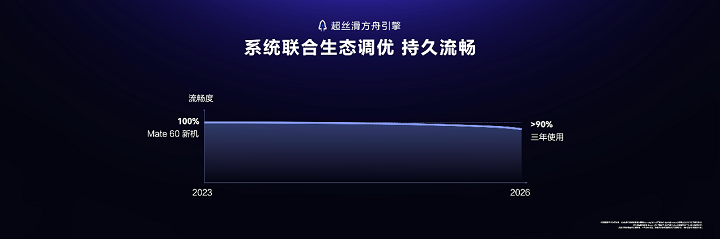
流畅度始终是操作系统的基础底色。依托方舟引擎深度优化,鸿蒙7实现性能跃升。华为实验室数据显示,相较鸿蒙6,鸿蒙7整机性能提升15%,续航延长36分钟以上,系统响应更跟手,视频处理效率大幅提高。叠加超空间内存、超空间存储技术,充分挖掘硬件潜力,让流畅体验落到更多可升级设备之上。性能升级不只是纸面参数,最终指向长久使用下稳定、轻快的用机感受。

AI技术普及的另一面,是AI变声诈骗、伪基站、虚假理财等新型风险持续泛滥,传统被动安全防护已经难以应对。鸿蒙7全新升级的鸿蒙星盾安全技术具备主动防护能力,搭建AI安全底座,把防护逻辑嵌入系统每一处交互环节。针对诈骗电话、AI变声、网页诈骗、境外转打等高发诈骗场景识别拦截,风险检出率超90%。安全模式从事后处置,前置为全流程主动防御,守护用户的信息与财产安全。

全场景时代,操作系统的价值同样体现在连接效率。鸿蒙7的鸿蒙星河互联完成升级,既打通鸿蒙设备之间高效协同,也降低跨品牌设备的连接门槛。碰一碰加密分享、一碰多分享、亲密圈等能力,兼顾分享效率与隐私保护。实况窗3.0、覆盖百款应用的闪控窗,消解App之间来回切换的繁琐;无障碍相关功能持续完善,让科技的便利覆盖更多人群。连接、提醒、交互的优化,落脚点都是降低用户操作成本。

纵观鸿蒙的演进路径,从搭建分布式底座,到补齐各类基础功能,再到鸿蒙7聚焦体验质变,这条路线清晰可见。8500万台终端带来扎实生态底盘,底层架构驱动五大维度协同升级,传递出明确的信号:鸿蒙应用体验进入成熟好用阶段,创新体验和创新应用正在不断涌现。

鸿蒙7的里程碑意义,不在于某一项单点炫技功能,而是完成技术、生态、用户体验三者的对齐。随着新系统能力释放,未来会有更多创新应用生根发芽,也将为万物智联浪潮下国产操作系统的发展,提供了宝贵的实践参考。

注:文/龚作仁,文章来源:Laborer,本文为作者独立观点,不代表亿邦动力立场。

文章来源:Laborer

广告
微信
朋友圈

FAQ回顾

HarmonyOS 7有哪些核心升级亮点?

HarmonyOS 7围绕空间美学、智能、性能、安全与互联五大维度完成底层架构全面进化,内置系统级小艺智能体,搭载空间计算能力,经方舟引擎优化后整机性能提升15%、续航延长36分钟以上,还配备主动安全防护与跨设备互联升级能力。

HarmonyOS 7的系统级智能体有什么优势?

HarmonyOS 7的系统级小艺智能体根植于系统底层,可感知200余项系统级数据,调度2100余项系统能力,联动海量伙伴技能与智能体,自主处理跨端协作、出行规划等复合型任务,实现“服务找人”的智能体验。

目前鸿蒙生态的终端设备规模是多少?

截至2026年9月7日,搭载HarmonyOS 6和HarmonyOS 7的终端设备数突破8500万,海量设备构筑起鸿蒙生态坚实的基本盘,也为HarmonyOS 7的落地普及铺就了道路。

这么好看,分享一下?

朋友圈 分享

APP内打开

+1
+1
微信好友 朋友圈 新浪微博 QQ空间
关闭
收藏成功
发送
/140 0