广告
加载中

CEO辞任、二代上位 福建千亿巨头踩下急刹车

天下网商 2026-07-27 12:05
天下网商 2026/07/27 12:05

邦小白快读

EN
全文速览

总:本文围绕千亿体育集团安踏的最新经营状况和内部变动,梳理了核心信息,干货内容如下:

1. 经营层面:2026年二季度安踏主品牌、FILA均为低单位数增长,线下门店普遍客流下滑销量走低,仅线上依托618大促实现增长;以迪桑特、可隆为代表的高端户外品牌增速达25%-30%,可隆实现高增长与高盈利的平衡,成为集团新的增长引擎。

2. 变动层面:安踏主品牌CEO徐阳因业绩未达标辞任,创始人丁氏家族二代逐步接管核心增长品牌,丁少翔执掌迪桑特等品牌,丁思榕带领可隆成长为户外新贵,安踏家族化管理色彩加重。

3. 当前挑战:安踏目前需要解决稳住大众基本盘、消化整合彪马收购资产、完成增长引擎切换的难题,大众运动品牌高端化转型的可行路径仍待探索。

总:本文以安踏为案例,呈现了当前运动服饰行业的发展现状,给运动品牌从业者提供了诸多参考干货:

1. 消费趋势层面:当前消费者消费意愿趋于审慎,购买需求集中在618等大型促销节点,高端户外、专业运动细分赛道增长红利明显,精准卡位的品牌能实现高增长与高盈利的平衡。

2. 全球化布局参考:安踏通过资本收购成为彪马单一最大股东,借助世界杯营销获得全球海量曝光,补齐了全球化足球板块的短板,为本土品牌全球化提供了可参考路径。

3. 战略转型教训:大众品牌不能照搬高端品牌的高端化方法论,安踏主品牌照搬始祖鸟的高端打法转型失败,核心原因是大众品牌基本盘是追求性价比的大众人群,和高端品牌高净值客群需求差异极大。

4. 渠道参考:当前线下渠道普遍承压,线上电商是稳定基本盘的核心缓冲带,多品牌差异化定位矩阵能有效分散行业风险。

总:本文梳理了当前运动鞋服行业的整体现状,给运动鞋服卖家整理了机会、风险等干货内容:

1. 行业整体环境:当前大消费环境疲软,二季度社会消费品零售总额同比增速仅0.2%,消费者呈现选择性择购特征,需求集中在大促节点,日常销售平淡,异常天气也进一步冲击线下客流,全行业都面临增长压力,李宁、特步等头部品牌都出现了不同程度的下滑。

2. 增长机会提示:高端户外、专业运动细分赛道是当前明确的增量市场,该赛道的品牌不仅增速快,还能维持较高的定价折扣,控制住库销比,实现量利平衡,卖家可以切入该细分赛道寻找机会。

3. 风险提示:线下渠道持续承压,库存周转压力大,大众运动品类增长放缓;大众品牌盲目照搬高端化转型方法容易出现战略错配,导致增长失速,需要警惕。

4. 运营参考:当前线上渠道是稳定业绩的核心,要重视大促节点的运营,借助大促拉动整体销量。

总:本文从品牌端的发展变化,给运动鞋服生产工厂梳理了需求变化、商业机会和发展启示:

1. 产品生产需求变化:当前运动消费的增量集中在高端户外、专业运动细分领域,消费者对这类产品的设计、品质要求更高,愿意为品牌和品质溢价买单,工厂可以结合自身能力调整产能布局,切入这类产品的生产供应。

2. 生产端能力要求变化:品牌端线下普遍承压,线上电商占比持续提升,需求集中在大促节点,对工厂的柔性生产、小单快反能力要求提升,需要适配电商的节点化需求调整生产安排。

3. 商业机会:头部品牌的多品牌矩阵战略下,细分户外品牌增长快,库销比健康,订货需求稳定,给工厂带来了更多优质的合作机会,比增长放缓的大众品类合作风险更低。

4. 转型启示:传统做大众平价运动服饰的工厂,不要盲目跟风高端升级,要匹配品牌和市场的实际需求调整方向,警惕品牌端高端化转型试错带来的订单风险。

总:本文梳理了运动服饰行业的发展趋势和品牌痛点,给运动服饰行业服务商提供了干货参考:

1. 行业发展趋势:当前运动服饰行业已经进入存量博弈阶段,整体增长放缓,结构性分化十分明显,增量全部集中在高端户外、专业运动细分赛道,头部品牌都在走多品牌集团化的发展路线。

2. 品牌客户核心痛点:多数品牌都面临线下客流下滑、线下渠道增长承压的问题,大众品牌高端化转型容易出现战略错配导致增长失速,头部多品牌集团还面临跨国资产整合、多品牌协同管理的难题。

3. 业务机会方向:可以针对品牌线下客流下滑的痛点,优化线下零售数字化获客解决方案,帮助品牌盘活线下流量;针对头部品牌多品牌管理的需求,开发多品牌协同运营的管理服务;针对户外细分品牌的高增长,推出对应品类的运营、营销服务。

4. 方案设计提示:给品牌做高端化转型方案不能一刀切,要匹配品牌自身的客群定位设计方案,照搬高端品牌方法容易失败。

总:本文透露出运动品牌商家的发展需求和行业现状,给运动品类相关平台的招商、运营提供了干货参考:

1. 商家核心需求:当前多数运动品牌线下渠道承压,对线上渠道的依赖度大幅提升,大促节点是品牌冲销量的核心场景,平台需要优化大促的流量分配和运营支持,帮助商家提升线上销量,稳住基本盘。

2. 招商布局方向:高端户外、专业运动细分品牌是当前增长最快的品类,头部品牌旗下这类品牌增速远超大众品牌,而且能维持高折扣,库销比健康,盈利能力强,平台可以加大对这类优质品牌的招商力度,丰富平台运动品类结构。

3. 运营调整方向:当前消费者购物集中在大促节点,平台可以优化日常流量倾斜和营销活动,撬动日常消费需求,帮助品牌平衡全时段销售,降低品牌对大促的过度依赖。

4. 风险规避:要关注大众运动品牌普遍增长放缓、库存压力大的现状,平台需要做好商家经营监测,优化对商家的库存消化指导,规避商家经营风险。

总:本文呈现了中国本土头部运动服饰产业的最新发展动向和新问题,为产业研究提供了一手案例干货:

1. 产业新动向:本土头部运动集团已经开启全球化布局,通过资本收购切入国际顶级体育营销资源,完成全球化短板的补齐;行业整体增长进入结构性换挡阶段,从过去大众市场跑马圈地的规模扩张,转向细分赛道红利驱动的增长模式,多品牌差异化矩阵成为头部集团的主流商业模式;头部本土体育企业迎来家族二代接棒的新阶段,二代已经掌管核心增长品牌,且已经交出不错的业绩。

2. 行业新问题:存量博弈时代,大众运动品牌高端化转型存在明显的战略错配风险,照搬高端品牌的运营方法论无法适配大众基本盘的客群需求,头部企业还面临多品牌管理、跨国资产整合、内部组织重塑的多重考验。

3. 研究方向启示:可以进一步研究家族二代接棒对本土民营企业发展的影响,以及存量市场下大众运动品牌高端化转型的可行路径,探索适合本土大众品牌的升级方向。

返回默认
声明:快读内容全程由AI生成,请注意甄别信息。如您发现问题,请发送邮件至 run@ebrun.com 。

我是 品牌商 卖家 工厂 服务商 平台商 研究者 帮我再读一遍。

Quick Summary

This article organizes key insights into the latest operations and internal changes of Anta, the $100 billion Chinese sportswear giant, as follows:

1. Performance: In Q2 2026, Anta’s core brand and FILA both delivered low single-digit growth. Offline stores have seen broad declines in foot traffic and sales, with growth coming exclusively from online channels driven by the 618 mid-year shopping festival. Premium outdoor brands including Descente and Kolon Sport posted 25-30% growth; Kolon Sport has balanced strong growth with solid profitability, emerging as the group’s new growth engine.

2. Leadership changes: Xu Yang, CEO of the core Anta brand, stepped down after failing to meet performance targets. Second-generation members of the founding Ding family are gradually taking charge of the group’s core growth brands: Ding Shaoxiang oversees brands including Descente, while Ding Sirong has led Kolon Sport’s rise as a standout player in the outdoor segment, deepening the group’s family-owned management structure.

3. Current challenges: Anta must now stabilize its mass-market core business, integrate its acquired Puma assets, and complete its transition to a new growth engine. A viable path for the premiumization of mass-market sportswear brands still remains to be explored.

This article uses Anta as a case study to illustrate the current state of the sportswear industry, offering key takeaways for brand practitioners:

1. Consumer trends: Consumers are becoming more cautious about spending, with demand concentrated in major promotional events like 618. The premium outdoor and professional sport niche segments offer clear growth dividends, and brands positioned correctly in these spaces can balance strong growth and solid profitability.

2. Globalization benchmark: Anta became Puma’s largest single shareholder via acquisition, gained massive global exposure through World Cup marketing, and filled the gap in its global football business segment, offering a replicable globalization path for domestic Chinese brands.

3. Lessons for strategic transformation: Mass-market brands cannot directly copy the premiumization strategies of luxury sport brands. Anta’s core brand failed to deliver results after replicating Arc’teryx’s premium playbook, largely because the core customer base of mass-market brands prioritizes value for money, which differs sharply from the high-net-worth consumers targeted by premium brands.

4. Channel insights: Offline channels are broadly under pressure today, and e-commerce acts as a core buffer to stabilize core business. A multi-brand matrix with differentiated positioning can effectively spread industry risk.

This article outlines the current state of the sportswear industry, compiling key insights into opportunities and risks for sportswear sellers:

1. Industry landscape: The broader consumer economy remains soft, with total retail sales of consumer goods growing just 0.2% year-on-year in Q2. Consumers are increasingly selective with purchases, concentrating spending on major promotion events and leaving daily sales sluggish. Unusual weather has further hit offline foot traffic, putting growth pressure on the entire industry, with leading players including Li-Ning and Xtep all posting declines to varying degrees.

2. Growth opportunities: The premium outdoor and professional sport niches are clear incremental growth markets today. Brands in these segments not only grow rapidly but also maintain healthier pricing discounts, control inventory-sales ratios, and balance top-line growth and profitability. Sellers can pursue opportunities by entering these niche segments.

3. Risk warnings: Offline channels continue to face pressure and high inventory turnover stress, while growth in mass-market sport categories has slowed. Mass-market brands that blindly copy premiumization strategies are prone to strategic misalignment and growth stalling, a risk sellers should watch closely.

4. Operational takeaways: Online channels are now the core pillar for stable performance. Sellers should prioritize operations around major promotion events to drive overall sales.

This article analyzes demand shifts, business opportunities and insights for sportswear manufacturers based on latest brand-side developments:

1. Shifts in production demand: Most incremental sport consumption today is concentrated in the premium outdoor and professional sport niches. Consumers have higher requirements for design and quality for these products and are willing to pay a premium for brand and quality. Manufacturers can adjust their capacity allocation based on their existing capabilities to enter the supply chain for these products.

2. Changing requirements for production capabilities: With brands broadly facing pressure offline and e-commerce’s share continuing to rise, demand is concentrated around major promotion events. This has increased requirements for flexible production and fast turnaround on small orders, requiring manufacturers to adjust production schedules to align with e-commerce’s event-based demand patterns.

3. Business opportunities: Leading brands’ multi-brand matrix strategies have driven fast growth for niche outdoor brands, which boast healthy inventory-sales ratios and stable ordering demand. This creates more high-quality partnership opportunities for manufacturers, with lower cooperation risk than working with slow-growing mass-market categories.

4. Transformation insights: Traditional manufacturers that focus on mass-market affordable sportswear should not blindly pursue premium upgrades. They should adjust their direction to match actual brand and market demand, and be wary of order risks stemming from brands’ trial-and-error in premiumization transformations.

This article outlines development trends and brand pain points in the sportswear industry, offering key insights for industry service providers:

1. Industry trends: The sportswear industry has entered a phase of存量博弈 (competition for existing market share), with slowing overall growth and clear structural divergence. All incremental growth is concentrated in the premium outdoor and professional sport niches, and leading brands are universally pursuing a multi-brand group development model.

2. Core pain points for brand clients: Most brands face declining offline foot traffic and slowing offline growth. Mass-market brands that attempt premiumization are prone to strategic misalignment that leads to growth stalling, while leading multi-brand groups also face challenges of cross-border asset integration and multi-brand collaborative management.

3. Business opportunity directions: Service providers can optimize digital customer acquisition solutions for offline retail to address the pain point of falling offline foot traffic, helping brands revitalize offline traffic. They can develop collaborative multi-brand management services to meet the needs of leading groups, and launch category-specific operation and marketing services to serve fast-growing niche outdoor brands.

4. Solution design guidance: Premiumization transformation solutions cannot be one-size-fits-all. They must be designed to align with a brand’s specific customer positioning, as copying premium brands’ strategies often leads to failure.

This article outlines sportswear brands’ core needs and the current industry landscape, offering actionable insights for merchant acquisition and operations for sport category platforms:

1. Core merchant needs: Most sportswear brands face pressure offline and have become far more dependent on online channels, with major promotion events serving as the core scenario for brands to hit sales targets. Platforms should optimize traffic allocation and operational support for big promotions to help brands boost online sales and stabilize their core business.

2. Merchant acquisition strategy: Premium outdoor and professional sport niche brands are the fastest-growing categories today. These brands under leading groups grow far faster than mass-market brands, maintain healthier pricing discounts, have strong balance sheets and solid profitability. Platforms should step up merchant acquisition efforts for these high-quality brands to diversify their sport category offering.

3. Operational adjustments: Since consumer spending is now concentrated in promotion events, platforms can adjust daily traffic allocation and marketing campaigns to stimulate daily consumption, helping brands balance sales across all time periods and reduce over-reliance on big promotions.

4. Risk mitigation: Platforms should note that most mass-market sport brands face slowing growth and high inventory pressure. They should implement merchant performance monitoring and offer better guidance to help brands clear excess inventory to mitigate merchant operating risk.

This article presents the latest development trends and emerging issues of China’s leading domestic sportswear companies, offering first-hand case insights for industry research:

1. New industry trends: Leading domestic sportswear groups have begun their globalization expansion, using capital acquisitions to access top-tier international sports marketing resources and fill gaps in their global footprint. The industry as a whole has entered a phase of structural growth shift, moving from the previous era of mass market expansion into a growth model driven by niche segment dividends, with a differentiated multi-brand matrix becoming the mainstream business model for leading groups. Leading domestic sportswear companies have also entered a new phase of second-generation family succession, with the second generation already in charge of core growth brands and delivering solid early results.

2. Emerging industry issues: In the era of存量博弈, mass-market sportswear brands face clear strategic misalignment risks when pursuing premiumization. Copying the operating playbook of premium brands cannot meet the demand of mass-market core customer bases, and leading companies also face multiple tests of multi-brand management, cross-border asset integration and internal organizational restructuring.

3. Insights for future research: Further research can explore the impact of second-generation family succession on the development of domestic private Chinese enterprises, as well as viable paths for the premiumization transformation of mass-market sportswear brands in a saturated market, to identify suitable upgrade directions for domestic mass-market brands.

Disclaimer: The "Quick Summary" content is entirely generated by AI. Please exercise discretion when interpreting the information. For issues or corrections, please email run@ebrun.com .

I am a Brand Seller Factory Service Provider Marketplace Seller Researcher Read it again.

大众运动品牌,能不能靠“高端化”讲出新故事?

|周晓奇

北京时间7月20日,2026年美加墨世界杯落下帷幕。西班牙队在加时赛中以1比0战胜阿根廷队,时隔16年再度捧起大力神杯。39岁的梅西以一场惜败的决赛为自己的最后一届世界杯画上句号。

这场历时一个月的全球体育盛宴,不仅是绿茵场上的足球狂欢,更是运动品牌在赛场外的角力场。国际足联官方数据显示,阿迪达斯凭借赞助14支球队高居榜首,耐克和彪马紧随其后。三大品牌合计包揽了48支参赛队中的37支,占据超四分之三的市场份额。

在这份格局图中,彪马的存在对一家中国运动鞋服品牌有着特殊意义。今年1月,安踏宣布以15.06亿欧元(约合人民币122.7亿元)收购了彪马29.06%股权,成为其单一最大股东。这意味着,当世界杯的哨声吹响,安踏已经以资本为纽带,坐上了全球足球营销的牌桌。

本届世界杯,彪马手握葡萄牙、摩洛哥、瑞士、埃及、巴拉圭等11支国家队的球衣赞助席位。随着部分球队顺利闯入16强,品牌曝光度持续攀升。尤其是克里斯蒂亚诺·罗纳尔多领衔的葡萄牙队,更是成为本届赛事的“全球焦点”,让彪马获得了巨大的关注度和话题声量。

2025年,安踏集团加上亚玛芬体育营收达1278亿元。如今,这个营收达千亿的体育集团靠收购彪马,坐上了世界杯牌桌,用资本换资源的方式,补齐了全球化拼图上缺失多年的足球版图。

然而,赛场外的高光并不能掩盖基本盘的现实压力。日前,安踏集团发布2026年二季度财报,数据显示,安踏主品牌与FILA流水均实现低单位数增长,仅迪桑特、可隆为代表的矩阵品牌保持了25%—30%的高增长。这份成绩单不算好看,只能说较为稳健。

在数据之外,更深层的隐忧正在浮现:安踏品牌CEO徐阳辞任,多品牌版图管理承压,以及体量庞大的彪马尚待时日消化……当世界杯的热度散去,安踏如何稳住主品牌基本盘并顺利完成完成全球化整合,这道考题远比一场比赛的胜负更加复杂。

户外品牌扛起增长

拆分这份财报可以观察到,安踏的多品牌矩阵在二季度呈现出显著的结构性分化,各品牌基于差异化定位,走出了截然不同的增长曲线。

先看安踏主品牌,今年二季度(4—6月),安踏主品牌零售金额同比实现低单位数增长(低单位数一般指1%-3%左右)。而整个上半年(1—6月)零售金额同比实现中单位数增长(中单位数一般指4%-6%左右)。简单来说,二季度没有一季度卖得好,虽然主品牌还在赚钱,但增长速度变缓了。

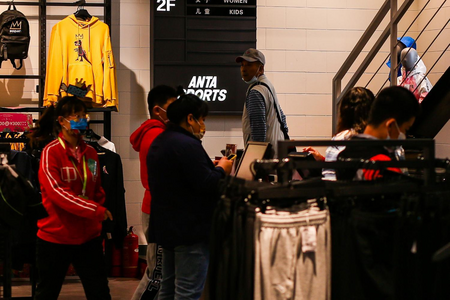
分渠道看,线下业务出现下滑,线上则录得低双位数增长。换句话说,今年二季度,安踏主品牌的实体店客流和销量都出现下滑,但受益于618大促推动,网店销量不错。整体算下来,主品牌靠电商渠道稳住了基本盘,线下渠道仍在持续承压。财报显示,库存大概需要5个月的时间才能消耗完毕。

安踏旗下被称之为“现金牛”的品牌FILA,同样被线下疲软拖住了脚步,增长情况与主品牌相似。今年二季度FILA录得低单位数增长,上半年录得中单位数正增长。线上渠道表现远优于线下渠道。在刚过去的618大促中,FILA在天猫运动户外和天猫运动全周期品牌排行榜中,均位列第二位。

安踏集团在二季度真正的亮点,来自以迪桑特和可隆为主的“其他品牌”矩阵。

今年二季度,安踏旗下“其他品牌”矩阵同比猛增25%—30%,上半年累计增长35%—40%。其中迪桑特二季度增速超过20%;可隆二季度增速超过40%。这两大品牌精准卡位了高端户外与专业运动细分市场,吃透了户外运动生活方式兴起的红利。

值得关注的是,今年618期间,可隆在天猫户外全周期品牌排行榜中位列榜首。而且,可隆的库销比控制在4个月以下,全渠道折扣维持在9折以上,实现了高增长与高盈利的平衡,成为集团的新利润引擎。

此前,安踏管理层对“其他品牌”设定的全年增长指引是20%,如今增速远超预期。

总体来看,安踏的增长情况正在经历一场结构性换挡。当主品牌和FILA两大基本盘增速放缓,线下渠道普遍承压,线上电商成了缓冲带;而真正的增量,正悄然转移至高端户外为代表的新兴品牌矩阵。

这标志着,安踏正在告别过去依靠大众市场“跑马圈地”的规模扩张,未来的增长筹码则押注在了由细分赛道驱动的红利上。

错位实验和增长失速

安踏二季度的营运表现,放在大消费背景下并不意外。

根据国家统计局公布的数据,二季度社会消费品零售总额同比增速仅为0.2%,较一季度(2.4%)明显回落。安踏在投资者简报中指出,当前消费者呈现出显著的“选择性择购”特征,消费需求高度集中于618等大型促销节点,日常时段表现平淡。这一现象折射出,当前消费者的整体消费意愿趋于审慎,购买决策周期明显拉长。

雪上加霜的是天气。据中央气象台统计,入汛以来全国平均降水量为157.4毫米,较常年同期偏多12.2%,为近10年同期第二多。安踏方面解释,“中国部分地区气温偏低、降雨量增加,令消费者减少外出活动,对线下客流及当季商品销售造成短暂影响。”

纵观整个行业,安踏在财报中透露出的阵痛,并非孤例。

今年二季度李宁披露的营运数据显示,全平台零售流水同比录得低单位数下降。其中线下直营低单位数下降,批发渠道中单位数下降,仅电商录得中单位数增长勉强撑住门面。

特步的表现更不如意。今年第二季度,特步主品牌零售流水同比下滑中单位数,零售折扣水平为7—7.5折;上半年累计下滑低单位数。就连此前一直高歌猛进的索康尼,二季度增速也滑至低单位数,较一季度20%以上的增速大幅放缓。

除了外部环境,安踏主品牌自身的战略失误同样不可回避。

2023年,徐阳带着在始祖鸟大中华区成功操盘“运动奢侈品”的光环,回归安踏主品牌担任CEO。上任之初,他曾立下军令状:2023年至2026年,安踏品牌流水年复合增长10%—15%,2026年营收冲击600亿元,几乎是营收翻倍的目标。

于是在上任后,徐阳试图复用始祖鸟的高端打法,在安踏推动“大众定位,品牌向上”战略。在实操层面,他打破了安踏过去“千店一面”的传统渠道格局,开始密集孵化安踏冠军、超级安踏、安踏SV(高端潮流球鞋集成店计划)等多种差异化店型,同时签约NBA球星欧文等顶流资源,试图拉升品牌溢价空间。

但现实很快给出了冰冷的反馈。

始祖鸟所依赖的是月消费力在5000元以上、对价格极不敏感的高净值客群;而安踏主品牌的基本盘,覆盖的是7亿“要便宜、也要质量”的大众人群。两者消费群体完全不同。试图用同一套高端方法论去撬动大众市场,本身就是一场充满错位的实验。

现实情况没有按照预想发展。2025年,安踏主品牌营收347.5亿元,同比增速从10.6%跌至3.7%。距离徐阳设下的2026年600亿元目标,相差甚远。

安踏的终极难题

在整个行业业绩都不佳的情况下,安踏交出的二季度答卷,已经算是较为体面的成绩单。

而安踏真正面临的“终极难题”是如何在宏观消费周期的逆风中,完成引擎切换。既要稳住大众基本盘,又要消化庞大的跨国资产,还要在内部组织重塑中跑通多品牌协同的闭环。这远比赢下一场世界杯决赛要复杂得多。

就在财报发布前两天,执掌安踏主品牌三年的CEO徐阳突发离任,由集团联席CEO赖世贤代理挂帅。

外界普遍猜测,此次人事变动与安踏主品牌未达增长预期直接相关。一个曾把始祖鸟大中华区从8亿做到30亿的操盘手,终究没能把这套高端方法论复制到安踏主品牌身上。

徐阳的离场,不仅意味着安踏主品牌“向上突破”的激进实验被按下了暂停键,更留下一个尚未解答的命题:在存量博弈的时代,拥有庞大基本盘的大众运动品牌,能不能靠“高端化”讲出新故事?

徐阳走后,安踏的家族化色彩继续加重。

首先是接替徐阳代理安踏品牌CEO的人是赖世贤,他不仅是集团联席CEO,更是安踏创始人丁世忠的妹夫。此外,丁氏家族二代们也正在接管越来越多核心品牌。

丁世忠之子丁少翔,在2017年初开始负责迪桑特品牌,担任迪桑特中国董事长、总经理。2026年初,女性运动服饰品牌MAIA ACTIVE的汇报线划归到丁少翔,他的管理版图进一步扩大。

丁世忠兄长丁世家之子丁思榕,目前担任可隆品牌董事长兼CEO,他带领可隆从一个小众户外品牌成长为安踏集团增速最快的品牌之一。

从实际业绩来看,二代们用实际业绩证明了自己,丁少翔把迪桑特做到了百亿,丁思榕让可隆跻身户外新贵。但二代们掌管着增速最快的“增长引擎”时,安踏主品牌的未来谁来撑起?是寻找下一个徐阳,还是由家族成员操盘?

这道关于“信任与专业”的选择题,决定了安踏下一个十年的走向。

注:文/天下网商,文章来源:天下网商(公众号ID:txws_txws),本文为作者独立观点,不代表亿邦动力立场。

文章来源:天下网商

广告
微信
朋友圈

FAQ回顾

安踏2026年二季度各品牌业绩表现怎么样?

2026年二季度安踏主品牌、FILA均录得低单位数增长,线下渠道承压靠线上电商稳住基本盘;以迪桑特、可隆为代表的高端户外品牌矩阵同比增长25%-30%,其中可隆增速超40%,登顶618天猫户外品牌榜,成为集团新利润引擎。

安踏主品牌高端化战略为什么没有达到预期?

安踏主品牌基本盘是追求高性价比的7亿大众消费群体,和始祖鸟覆盖的月消费5000元以上的高净值客群属性差异极大,复用运动奢侈品的高端化打法不符合目标客群需求,导致增速远低于预设目标。

安踏收购彪马有什么战略意义?

2026年安踏以约122.7亿元收购彪马29.06%股权成为其单一最大股东,彪马在2026年美加墨世界杯赞助11支国家队获得大量曝光,帮助安踏补齐了全球化布局中缺失多年的足球版图。

2026年二季度国内运动鞋服行业整体表现如何?

2026年二季度国内运动鞋服行业普遍承压,消费者消费意愿趋于审慎,线下渠道表现疲软,李宁全平台零售流水低单位数下降,特步主品牌零售流水下滑中单位数,整体增速明显放缓。

这么好看,分享一下?

朋友圈 分享

APP内打开

+1
+1
微信好友 朋友圈 新浪微博 QQ空间
关闭
收藏成功
发送
/140 0