广告
加载中

中国硬件科技股 正站在狂飙后的十字路口

硅谷Tech_news 2026-06-30 06:21
硅谷Tech_news 2026/06/30 06:21

邦小白快读

EN
全文速览

当前中国硬件科技股经过一轮大幅上涨,正站在业绩验证的十字路口,普通读者可理清当前市场核心逻辑,明确参与注意事项。

1. 行情基本情况:截至2026年6月26日,科创50指数本季度上涨约62%,PE-TTM攀升至239倍,处于历史100%分位,资金大量涌入半导体、人工智能基础设施、本土供应链相关硬件股,持续撤离疲弱的消费零售板块。

2. 实操参考:后续硬件股能否持续上涨,核心要看业绩能否兑现,7月即将到来的中报密集披露期是本轮大涨后第一个真正的业绩验金时刻,后续行情会出现明显分化,只有订单充足、毛利改善、经营数据达标的公司能维持涨势,只有概念没有真实业绩的公司会被淘汰,普通参与者要注意甄别,不要盲目追热点。

当前全球AI硬件需求高涨,叠加本土替代政策支持,硬件科技相关品牌可从当前行业趋势中明确发展方向,抓住市场机会。

1. 市场需求趋势:全球AI支出持续高增,Gartner将2026年全球AI支出预期上调至2.59万亿美元,同比增长47%,中国AI芯片市场年均复合增长率超过25%,本土AI相关硬件品牌拥有明确的增长空间。

2. 产品研发方向:本土替代和AI硬件是当前核心风口,品牌可参考北方华创“以利润换技术壁垒”的策略,加大14nm/7nm先进制程、先进封装等核心领域的研发投入,巩固长期竞争地位。

3. 结构变化提示:当前资金持续流出消费零售板块,转向硬科技领域,消费类硬件品牌需要及时调整产品布局,贴合AI基建、本土供应链的需求方向。

当前国内硬件科技领域处于政策支持+全球需求拉动的产业周期,硬件相关卖家可从中梳理清晰的机会与风险,提前做好应对。

1. 明确增长机会:政策持续支持本土科技龙头,全球AI基础设施建设对芯片及相关硬件维持高需求,本土替代和AI需求双驱动,半导体设备、芯片设计、光电供应、AI基建相关工业硬件都是高增长赛道。当前头部设备企业已经兑现业绩,一季度半导体设备板块营收同比增25.78%,归母净利润同比增60.42%,行业景气度明确。

2. 风险提示与应对:当前板块估值已经处于历史最高位,PE-TTM达239倍,后续行情会大幅分化,只有能兑现真实订单、利润数据的玩家才能留存,只有概念没有实际经营成果的玩家会被淘汰,7月中报就是关键验证节点,卖家要提前梳理经营数据,做好应对准备。

当前全球AI硬件需求爆发叠加本土替代政策推进,硬件生产制造相关工厂迎来明确发展机遇,也需要调整自身方向贴合市场需求。

1. 生产设计需求方向:当前市场核心需求集中在14nm/7nm先进制程设备、先进封装设备、AI相关芯片、配套工业硬件领域,这些领域已经贡献了头部设备企业超65%的新增订单,需求旺盛,工厂可围绕这些方向调整生产和设计布局,贴合市场需求。

2. 商业机会:本土替代已经有扎实的业绩基础,全球芯片需求高增,国内供应商不管是直接参与全球供应还是做本土替代,都有机会分得市场蛋糕。

3. 发展启示:工厂要重视研发投入,舍得短期让利投入技术研发,以此构建长期技术壁垒,同时要关注产能利用率、订单转化率等核心经营指标,尽快把行业风口转化为实际经营成果,避免只有概念没有实际产出。

当前硬件科技行业正处于大涨后的业绩验证阶段,呈现出明确的分化发展趋势,为相关服务商带来了新的业务机会,可针对性调整业务方向。

1. 行业发展趋势:当前行业由本土替代政策和全球AI需求双驱动,整体景气度较高,但估值已经处于历史高位,后续行业分化会不断加剧,不同层级企业的服务需求差异会持续放大。

2. 核心客户痛点:大量中小硬件科技企业当前只有概念支撑,缺乏足够的业绩兑现能力,难以在本轮行情中获得市场和资金认可;而头部企业需要加大研发投入、扩充产能,也需要多方面的配套资源支持。

3. 业务方向参考:服务商可以围绕企业业绩梳理、研发对接、产能优化、投资者关系管理等方向推出针对性解决方案,帮助企业把技术和订单优势转化为清晰的财务成果,更好应对即将到来的业绩验证期,抓住本轮产业周期的红利。

当前中国硬件科技股的行情变化,反映出科技产业发展的新方向,对产业服务、投融资等相关平台来说,需要调整自身布局应对新变化。

1. 市场需求变化:当前市场更偏好直接绑定AI硬件、本土供应链的相关标的,而非泛科技敞口,投资者对业绩真实性的要求大幅提升,平台需要调整招商和标的筛选方向,重点引入有实际订单、研发优势、业绩增长的硬件科技企业。

2. 运营管理调整:当前板块分化趋势明确,平台要加强对入驻标的经营情况的跟踪,及时向投资者提示风险,做好投资者教育,引导市场关注真实业绩而非概念故事。

3. 风险规避:当前整个板块估值已经处于历史最高位,对业绩不及预期的敏感度很高,平台要提前做好风险提示,避免过度炒作概念,防范板块波动带来的相关风险,同时抓住产业周期机会,重点布局优质头部企业打造差异化优势。

当前中国硬件科技股的本轮行情呈现出不同于以往的新特征,为产业研究提供了新的样本,有诸多值得研究的新方向。

1. 产业新动向:本轮行情由政策支持的本土替代和全球AI需求爆发双驱动,不同于过往单纯的情绪驱动行情,资金更偏向贴近实体经济、有真实业绩杠杆的硬件企业,行业集中度提升,领涨集中在半导体设备等少数环节,市场按供应链相关性排序选股的特征明显。

2. 新出现的问题:当前板块估值已经处于历史100%分位,远超当前业绩水平,需要多个季度的业绩持续超预期才能消化估值,且目前只有设备环节兑现了较好业绩,芯片设计等其他环节业绩明显弱于设备环节,整个产业链能否全面跟上需求仍存疑,分化风险凸显。

3. 研究启示:本轮行情验证了政策加真实需求驱动的产业行情比单纯概念炒作更扎实,但同样面临不小的估值压力,参考历史经验,最终能穿越周期的企业不足20%,后续可重点跟踪中报后的业绩验证过程,研究本土硬件企业在全球AI供应链的份额变化,总结本土替代的发展规律。

返回默认
声明:快读内容全程由AI生成,请注意甄别信息。如您发现问题,请发送邮件至 run@ebrun.com 。

我是 品牌商 卖家 工厂 服务商 平台商 研究者 帮我再读一遍。

Quick Summary

After a sharp rally, China's hardware technology stocks are now at a crossroads awaiting performance validation. This summary helps general readers understand the core market logic and key precautions for participation.

1. Current market overview: As of June 26, 2026, the STAR 50 Index has gained approximately 62% this quarter, with its PE-TTM ratio climbing to 239x — the 100th percentile in its historical range. Capital has flooded into semiconductor, AI infrastructure, and local supply chain-related hardware stocks, while continuing to flow out of the weak consumer and retail sector.

2. Practical guidance: Whether the rally can continue will hinge entirely on whether companies can deliver on performance expectations. The upcoming concentrated mid-year report disclosure period in July will mark the first real performance test after this round of gains. The market will see a clear divergence going forward: only companies with sufficient order volume, improving gross margins, and meeting operational targets will sustain their upward momentum, while concept-driven companies without tangible performance will be weeded out. Retail investors should conduct careful due diligence and avoid chasing hot themes blindly.

Robust global demand for AI hardware and supportive domestic substitution policies have created clear growth opportunities for hardware technology brands, allowing them to align their strategies with industry trends and capture market share.

1. Demand trends: Global AI spending continues to grow rapidly. Gartner has raised its 2026 global AI spending forecast to $2.59 trillion, representing 47% year-on-year growth. China's AI chip market boasts a compound annual growth rate exceeding 25%, giving local AI hardware brands clear room for expansion.

2. R&D guidance: Domestic substitution and AI hardware are the core growth engines today. Brands can follow Naura's "trade short-term profits for long-term technological barriers" strategy, increasing R&D investment in core areas such as 14nm/7nm advanced process nodes and advanced packaging to solidify long-term competitive advantages.

3. Structural shift reminder: Capital is steadily flowing out of consumer and retail sectors into hard technology. Consumer hardware brands need to adjust their product portfolios promptly to align with the demand for AI infrastructure and local supply chain localization.

China's hardware technology sector is currently in a growth cycle driven by policy support and booming global demand. This summary helps hardware sellers identify clear opportunities and risks and prepare in advance.

1. Growth opportunities: Sustained policy support for leading local technology firms and persistent strong demand for chips and related hardware from global AI infrastructure construction have created dual drivers from domestic substitution and AI demand. Semiconductor equipment, chip design, optoelectronic components, and industrial hardware for AI infrastructure are all high-growth tracks. Leading equipment companies have already delivered solid performance: in the first quarter, the semiconductor equipment segment posted 25.78% year-on-year revenue growth and 60.42% year-on-year growth in net profit attributable to shareholders, confirming clear industry momentum.

2. Risk warning and preparation: The sector's valuation is already at an all-time high, with a PE-TTM of 239x, and the market will see significant divergence going forward. Only players that can deliver tangible order volume and profit will retain their market positions, while concept-only players without real operating results will be eliminated. The July mid-year report is the key validation node, and sellers should organize their operating data and prepare well in advance.

The boom in global AI hardware demand and the advancement of domestic substitution policies have created clear growth opportunities for hardware manufacturing factories, which need to adjust their strategic directions to match market demand.

1. Production and design focus: Core market demand is concentrated in 14nm/7nm advanced process equipment, advanced packaging equipment, AI-related chips, and supporting industrial hardware. These areas already account for more than 65% of new orders for leading equipment companies, indicating strong demand. Factories can adjust their production and design layouts around these areas to align with market needs.

2. Business opportunities: Domestic substitution already has a solid performance foundation, and global chip demand is growing rapidly. Both domestic suppliers that participate directly in global supply and those that serve domestic substitution can capture a share of the growing market.

3. Strategic takeaway: Factories should prioritize R&D investment and be willing to sacrifice short-term profits to build long-term technological barriers. At the same time, they should focus on core operating indicators such as capacity utilization and order conversion rate, to convert industry tailwinds into tangible operating results as soon as possible and avoid being only a concept without actual output.

China's hardware technology sector is now in the performance validation phase following a major rally, with a clear trend of market divergence. This has created new business opportunities for relevant service providers, who can adjust their business focus accordingly.

1. Industry trends: Driven by dual forces of domestic substitution policy and booming global AI demand, the sector overall maintains high momentum, but valuations are already at historical highs. Market divergence will intensify going forward, and the gap in service demand between companies of different tiers will continue to widen.

2. Core client pain points: A large number of small and medium-sized hardware technology companies are currently only supported by concepts and lack sufficient performance delivery capabilities, making it difficult to win recognition from the market and investors amid this market cycle. Meanwhile, leading companies need to scale up R&D investment and expand production capacity, and also require comprehensive supporting resource support.

3. Business direction guidance: Service providers can develop targeted solutions around performance reporting, R&D collaboration, capacity optimization, and investor relations management. These solutions help companies convert their technological and order advantages into clear financial results, better prepare for the upcoming performance validation period, and capture the dividends of this industrial cycle.

The price action of China's hardware technology stocks reflects new directions in the development of the technology industry. For industry service and investment and financing platforms, this means adjusting layouts to adapt to new changes.

1. Shifting market demand: The market now prefers assets directly tied to AI hardware and local supply chains over broad exposure to general technology, and investors have significantly higher requirements for performance authenticity. Platforms should adjust their investment promotion and listing screening criteria to prioritize hardware technology companies with tangible order volume, R&D advantages and consistent performance growth.

2. Operational adjustments: With a clear trend of sector divergence, platforms should strengthen tracking of the operating conditions of listed companies, promptly disclose risks to investors, carry out investor education, and guide the market to focus on real performance rather than conceptual narratives.

3. Risk mitigation: The entire sector's valuation is already at an all-time high, and it is extremely sensitive to earnings misses. Platforms should issue risk warnings in advance, avoid excessive hype around unproven concepts, and mitigate risks stemming from sector volatility. At the same time, they can capture opportunities from the industrial cycle by focusing on layout of high-quality leading enterprises to build differentiated competitive advantages.

This round of rally in China's hardware technology stocks exhibits new characteristics different from previous cycles, providing new samples for industrial research and opening multiple valuable new research directions.

1. New industry dynamics: This rally is driven by dual forces of policy-supported domestic substitution and the global boom in AI demand, unlike past rallies driven purely by market sentiment. Capital now favors hardware companies close to the real economy with real performance leverage, and industry concentration is rising. Gains are concentrated in a small number of sub-sectors such as semiconductor equipment, and the market shows a clear pattern of selecting stocks based on relevance to the AI and domestic supply chains.

2. Emerging questions: The sector's valuation is already at the 100th percentile of its historical range, far exceeding current performance levels. It will require multiple consecutive quarters of better-than-expected performance to digest valuations. Currently, only the equipment sub-sector has delivered solid performance; other areas such as chip design have significantly underperformed equipment, so it remains uncertain whether the entire industrial chain can keep up with demand, and divergence risks are prominent.

3. Research implications: This rally confirms that industrial cycles driven by policy plus real demand are more solid than pure concept hype, but they still face notable valuation pressure. Based on historical experience, less than 20% of companies will eventually be able to navigate the full cycle. Going forward, researchers can focus on tracking the performance validation process after the release of mid-year reports, study changes in local hardware companies' share in the global AI supply chain, and summarize the development patterns of domestic substitution.

Disclaimer: The "Quick Summary" content is entirely generated by AI. Please exercise discretion when interpreting the information. For issues or corrections, please email run@ebrun.com .

I am a Brand Seller Factory Service Provider Marketplace Seller Researcher Read it again.

中国硬件科技股正试图把快速拉升,转化为可持续的慢涨。

最清晰的信号是,以芯片为重心的科创50指数本季度已上涨约62%,PE-TTM攀升至239倍,处于历史100%分位(数据截至2026年6月26日)。投资者持续涌入与半导体、人工智能基础设施和本土供应链相关的内地科技股,同时撤离疲弱的消费和零售板块。

但接下来面临的问题是,下一轮业绩能否为已经远远跑在故事前面的价格提供正当理由?

大环境仍然有利,但要求也更高。中国政策制定者继续支持本土科技龙头,全球在人工智能基础设施上的支出也维持了对芯片及相关硬件的高需求。这种组合将资金推向与制造、零部件和设备最接近的公司,也使市场更依赖业绩兑现。

如果业绩能证实订单增加、毛利率改善和产能利用率提升,涨幅可以扩大;如果不能,涨势可能很快收窄到为数不多的势头股。

这正是本轮行情不同于简单情绪驱动的地方。交易不再仅仅关乎未来增长,而是关乎内地硬件公司能否抓住一个由政策支持、并被全球算力需求强化的产业周期。继续上涨同时基于两个叙事:本土替代和AI带动的需求。两者都很有力度,但现在都需要在数据中体现出来。

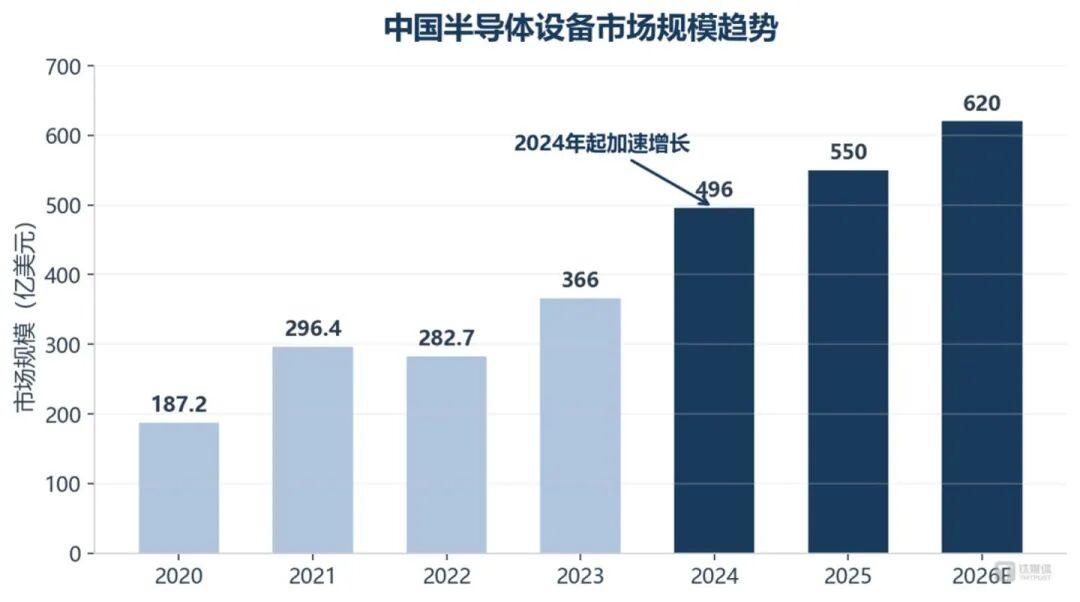
图片

数据来源:SEMI,2026E为市场一致预期

上涨在定价什么

这一波行情最清晰的解读是,投资者把中国硬件个股视为参与人工智能建设的直接途径。

这与将其作为消费互联网敞口的泛替代品有本质区别。它改变了验证门槛——情绪可以在一段时间内推动估值重估,但要实现持续上涨,通常需要有营收、毛利率和订单流向好转的证据。

科创50指数本季度62%的涨幅也暗示了集中度。当基准指数涨幅如此之大时,领涨通常会集中在一小部分与最热门主题相关的公司上。在中国,这可能包括半导体设备制造商、芯片设计公司、光电供应商以及与AI基础设施支出相关的工业硬件企业。

业绩季成为一个筛选机制,能展示真实经营杠杆的公司会继续享有溢价,而无法把主题转化为财务数据的公司则会现出原形。

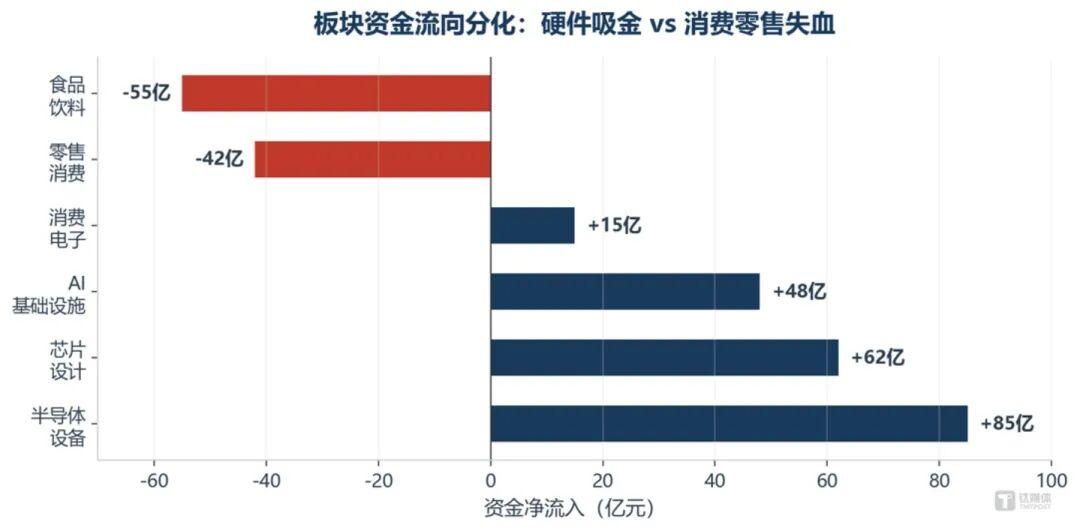
从消费和零售股的资金流出同样值得关注。流入硬件板块的新资金不仅是对市场的新增量,它还改变了市场的内部结构。资金离开较弱的板块会让赢家看起来更强,但也使得这笔交易更为拥挤。拥挤的交易可以继续上涨,但对业绩指引或需求相关的任何失望信号会更为敏感。

图片

示意数据,反映2026年二季度板块间资金流向趋势

一家大型银行的策略师最近表示,就AI硬件敞口而言,优先选择中国内地而非香港。这表明投资者正按供应链相关性而非大盘贝塔对该主题进行排序。言外之意,市场想要的是直接的硬件杠杆,而非泛科技敞口。这种偏好很强烈,但也提高了门槛。被关注的公司必须证明自己正在抓住该周期的经济实质,而不仅仅是故事本身。

业绩正在兑现,但还不够

如果只看已经公布的数据,市场并非完全没有依据。2026年一季度,半导体设备板块(含北方华创、中微公司等)合计营收254.98亿元,同比增长25.78%;合计归母净利润44.46亿元,同比增长60.42%,行业净利率提升至17.63%。以下为半导体产业链各环节龙头的一季度表现:

图片

数据来源:各公司2026年一季报

注:中微公司归母净利润同比+197%,主要含出售股权等非经常性损益,扣非净利润增速约+70%,更能反映经营实质。华虹公司净利润同比+513%系上年同期受产能利用率下滑影响盈利基数极低所致。北方华创净利润增速仅+3.4%,主要因研发投入激增36.6%至14.02亿元,属"以利润换技术壁垒"的战略选择。

这些数据说明,本土替代的故事已有坚实的业绩基础。

北方华创在手订单突破820亿元、同比增长58%,可覆盖未来2至2.5年业绩需求,其中14nm/7nm先进制程设备和先进封装设备贡献了超过65%的新增订单。但需要注意的是,北方华创一季度净利润增速仅+3.4%,远低于营收增速(+25.8%),主要原因是公司当期研发投入激增36.6%至14.02亿元。这种“以利润换技术壁垒”的策略压制了短期利润弹性,但有助于巩固长期竞争地位。

但问题在于,目前的业绩验证主要集中在设备环节,而整个硬件链条,从芯片设计到AI服务器到数据中心配套,能否全面跟上,仍是未知数。据国信证券研报统计,半导体设计板块一季度净利润同比增长约25%,净利率约12%,虽不算差,但与设备环节17.63%的净利率相比仍有明显差距。这意味着上涨的覆盖面可能比市场预期的要窄。

尤其是半导体领域,投资者对那些缺乏近期经营数据支持的长期故事愈发持怀疑态度。一只故事股与一家持久领军者的差别,往往体现在接下来两个季度业绩的质量上。

全球芯片需求加强了这一观点。费城半导体指数(SOX)在2026年1月2日以约7083点开盘,此后持续攀升:5月27日收于12876.91点,年内涨幅达81.8%;6月18日收于14341.78点(盘中创14461.79点历史新高),年内涨幅达102.48%;此后虽有回调,6月26日收于约13790点,年内涨幅仍超过94%。美光科技在2026财年第三季度(截至5月28日)业绩公告中披露,已签署16份为期5年的不可撤销战略客户协议,客户支付的现金定金及相关履约承诺合计约220亿美元,以锁定未来内存芯片供应。

关键问题是中国供应商能否在其中分得一杯羹,无论是直接参与还是通过本土替代来实现。

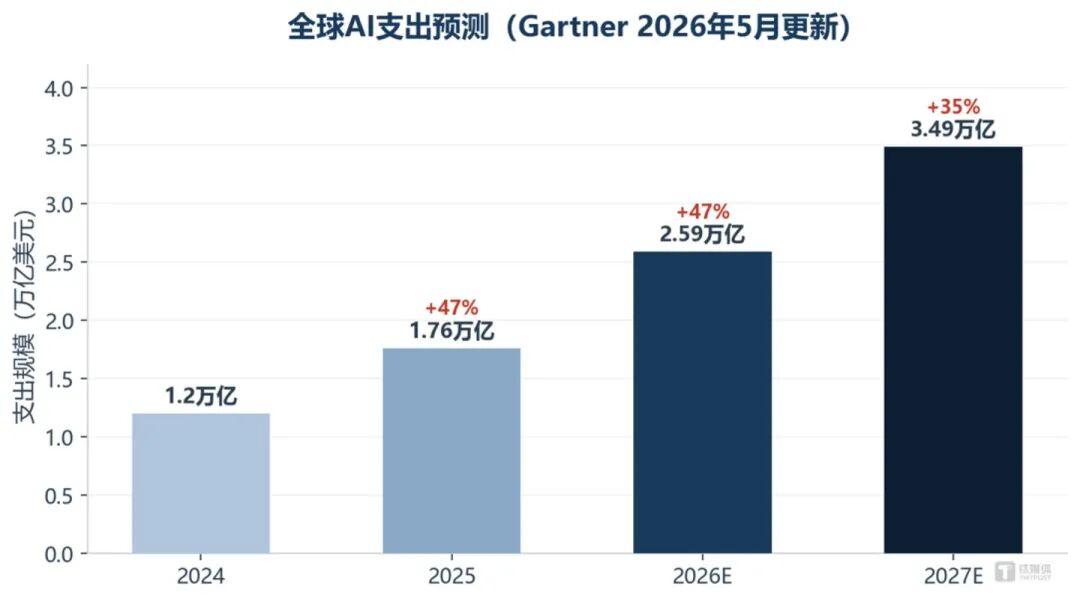
图片

数据来源:Gartner,2026年5月发布

Gartner在2026年5月更新的预测中,将2026年全球AI支出预期上调至2.59万亿美元(约合人民币18.7万亿元),同比增长47%;2027年进一步增至3.49万亿美元(约合人民币25万亿元)。

中国AI芯片市场规模2025年已达559亿元人民币(约合77亿美元),年均复合增长率超过25%。这些宏观数据支撑了“需求真实存在”的判断,但微观层面,中国供应商的订单转化率、毛利率走势、产能利用率,才是决定个股命运的关键。

风险不是崩溃,而是分化

最可能的风险并不是整个板块立即大幅回调,而是在那些具备真实业绩杠杆的公司与主要受益于主题轮动的公司之间出现分化。在快速上行中,这一区别容易被忽视。与AI、芯片和硬件相关的股票可以同时上涨数周,但一旦业绩公布,差异就会显现。

订单充足、毛利改善和指引清晰的公司会获得溢价;订单积压疲弱或表述含糊的公司会被淘汰。

这一分化效应之所以重要,是因为大涨已推高了估值。科创50的239倍PE-TTM(截至2026年6月26日,处于历史100%分位)意味着,即使是最乐观的盈利预测,也需要多个季度的持续超预期才能消化当前估值。

股票在业绩公布前上涨得越多,市场就越需要更多证据来维持其估值倍数。投资者不再仅仅买入“中国硬件有趣”的想法,而是在买入“它能从此处复合增长盈利”的预期。这是一个更为苛刻的标准。

从历史经验看,2015年创业板牛市同样经历了估值飙升后的业绩验证阶段,最终能够穿越周期的公司不足20%。当前的硬件股大涨在产业逻辑上比2015年更为扎实,因为有真实的全球AI需求和本土替代政策支撑,但估值压力同样不可忽视。

这还有更广泛的市场含义。如果中国硬件公司因业绩向好而继续上涨,这将强化一种全球看法:AI周期仍在持续向供应商输血,而非见顶。这将支持内地科技股、其他亚洲芯片公司以及与数据中心相关的更广泛工业供应链。若数据令人失望,传达的信息会更为有限:这轮大涨更多是由政策热情和板块轮动驱动,而非新的业绩上行周期。

目前,市场仍在给予多头一定的容忍空间。7月即将进入中报密集披露期,这是本轮大涨启动以来第一个真正意义上的“业绩验金时刻”。

这就是此次大涨的真正考验,故事是否能被业绩承载,或者业绩会否把故事重新逼回更小的赛道。

注:文/硅谷Tech_news,文章来源:钛媒体(公众号ID:taimeiti),本文为作者独立观点,不代表亿邦动力立场。

文章来源:钛媒体

广告
微信
朋友圈

这么好看,分享一下?

朋友圈 分享

APP内打开

+1
+1
微信好友 朋友圈 新浪微博 QQ空间
关闭
收藏成功
发送
/140 0