广告
加载中

海外众筹,对“产品定义”的一次关键决策验证 | 马蹄社研学笔记

马蹄社 2026-06-29 11:07
马蹄社 2026/06/29 11:07

邦小白快读

EN
全文速览

本文核心分享了海外众筹平台Kickstarter的底层逻辑和实操干货,纠正了大众对海外众筹的普遍误解,普通读者可从中get到海外众筹的核心规则和避坑要点。

1. 众筹本质不是普通电商卖货,而是量产之前对产品PMF(产品市场匹配度)的验证工具,可以系统性回答产品方向对不对、卖点接不接受、定价合不合理等核心问题,还能获得媒体背书、积累早期用户、撬动融资,这些隐形价值不体现在短期利润里。

2. 做众筹必须先做三层漏斗前测,核心指标为单个有效获客成本控制在4美元以内、问卷填写率达到15%以上,目前行业中70%的项目都会在前测后被建议放弃,达不到指标不要强行推进。

3. 需要明确Kickstarter的角色是公信力公证处,不是自带流量的流量池,80%-90%的流量都需要品牌自行获取,同时有四类明确不适合做众筹的项目,要提前避雷。

本文分享了中国品牌做海外众筹的核心逻辑、实操经验和行业趋势,对出海品牌做产品研发、营销布局、全球化拓展有较高参考价值。

1. 当前海外众筹行业已经出现明确拐点,2025年百万美元级项目数量翻倍,中国品牌占平台推荐位的80%,这是中国品牌从供应链驱动出海转向产品创新驱动全球化的信号,行业对有差异化的研发型品牌持续利好。

2. 纠正核心认知误区:众筹不是普通卖货渠道,是量产前的产品验证工具,除了验证产品,还能获得媒体背书、积累早期种子用户、撬动融资,不要把众筹成功等同于品牌成功,后续还要跟上独立站、亚马逊运营和本地化服务。

3. 营销层面要靠真诚建立信任,UGC转化率比官方广告高出3倍,KOL整体预算要控制在目标众筹额的1%-3%,核心作用是背书不是带量,优先选择垂类中腰部KOL配合社群工程师互动,更易建立用户信任。

4. 明确了四类不适合做众筹的品牌特征,可帮助品牌提前避坑,减少资源浪费。

本文梳理了海外Kickstarter众筹的行业现状,给出海卖家提供了清晰的机会提示、风险预警和实操参考,对想要布局众筹的卖家有较强指导意义。

1. 行业现状:当前众筹行业直接流量红利已经收窄,单个有效获客成本六年间上涨近3倍,进场竞争加剧,但行业也出现明显分层,能力门槛提升后,跨过差异化门槛的研发型卖家可以集中获取收益,对创新卖家来说依然是值得把握的机会。

2. 核心认知调整:不要把众筹当成普通电商卖货渠道看待,它核心是量产前的产品验证工具,除了直接筹款,还能给品牌带来背书、早期用户、融资杠杆等隐形价值,众筹成功只是0到1的起点,后续的多渠道运营和本地化服务必须跟上。

3. 实操风险提示:必须先做前测验证,指标不达标建议直接放弃,不要陷入创始人自我感动的误区,要根据前测用户反馈调整产品功能和卖点排序。

4. 明确避雷方向:产品迭代太快、未搞定量产就试水、定价大幅偏离用户预期、创始人不深度参与运营的项目,都不适合做众筹,贸然进场只会浪费资源。

本文给想要出海转型的中国工厂提供了清晰的方向、商业机会和实操启示,帮助工厂更好地通过海外众筹落地产品创新。

1. 当前中国工厂出海已经从过去的供应链驱动转向产品创新驱动,海外众筹是非常好的产品定义验证机会,2025年中国品牌已经占据Kickstarter平台推荐位的80%,多个中国工厂背景的创新品牌拿到了千万美元级的众筹成绩,存在明确的商业机会。

2. 对产品生产和设计的启示:工厂工程师看重的技术卖点不一定符合海外用户的真实需求,比如割草机器人品牌推的卫星定位功能不被用户在意,用户真正关心的是刀片耐用性和割草效率,必须通过前测拿到真实反馈调整设计,避免自嗨。

3. 风险提示:众筹可以验证产品,但不能替代供应链能力建设,没有搞定量产能力的工厂不要贸然做众筹,很多项目众筹成功但交付崩盘,对品牌的伤害比不做众筹还大。

4. 转型启示:工厂的供应链优势不会自动变成海外用户的购买理由,需要转化成用户能感知的产品价值,众筹可以用最低成本验证产品定义,验证通过再规模化量产,能有效降低创新的不确定性风险。

本文梳理了海外众筹服务行业的发展趋势、客户核心痛点和成熟解决方案,给做中国品牌出海众筹服务的服务商提供了清晰的方向参考。

1. 行业发展趋势:海外众筹已经从早期的流量红利期进入淘汰赛阶段,行业分层明显,能力门槛持续提升,只有产品差异化的研发型品牌能拿到结果,服务商的客户群体也在向这类优质品牌集中,目前Kickstarter全球高级合作伙伴极少,行业头部服务商有较大的增长空间。

2. 客户核心痛点:绝大多数品牌对众筹存在认知偏差,普遍将众筹降维成普通电商卖货渠道,同时大部分创始人对自身产品的判断,和海外用户的真实需求之间存在系统性偏差,容易浪费预算做无效项目。

3. 成熟的解决方案:要给客户建立前测筛选机制,通过三层漏斗获取真实用户数据,以获客成本和问卷填写率两个核心指标判断项目是否可行,70%不达标项目建议客户放弃,帮助客户提前验证产品定义,根据用户反馈调整功能、卖点和定价,避免客户投入无效成本。

4. 市场机会:中国出海创新品牌对专业的众筹验证服务需求持续增长,能提供专业认知指导和落地服务的服务商,会在行业分层中获得更多收益。

本文披露了海外众筹平台的运行现状和品牌方的真实需求,给众筹平台的招商、运营和风向规避提供了清晰参考。

1. 品牌方对众筹平台的核心需求不是获取流量,而是获得公信力背书和合规的结算服务,目前绝大多数众筹项目的80%-90%流量都是品牌自行通过广告、KOL、社群获取后导入平台的,平台的核心价值是“公证处”而非流量供给方,平台要强化自身的公信力背书属性。

2. 平台招商方向:要重点引入中国的研发型创新品牌,目前中国品牌已经占据平台推荐位的80%,是平台项目增长的核心动力,这类项目更容易做出好成绩,能给平台带来更多流量和关注。

3. 平台运营逻辑:平台核心考核项目的预热数据和上线爆发力,这两个指标都由品牌自身的能力决定,不需要刻意给特定品牌政策倾斜,依靠数据自然筛选就能留下优质项目,维持平台的良性生态。

4. 风向规避:当前行业直接流量红利收窄,获客成本持续上涨,平台要引导品牌提升自建流量和产品创新能力,同时行业分层加剧,平台要优化优质项目的推荐机制,放大头部优质项目的价值,维持平台的增长活力。

本文呈现了中国品牌出海进程中,海外众筹赛道的最新产业动向、底层逻辑和行业问题,给产业研究提供了鲜活的样本和清晰的结论。

1. 最新产业动向:2025年Kickstarter出现明确的行业拐点,百万美元级项目数量翻倍,千万美元级项目从每年1-2个增长到6-7个,中国品牌占平台推荐位超过80%,这一变化标志着中国品牌出海已经完成从供应链驱动向产品创新驱动全球化的集体跃迁。

2. 当前行业存在的核心问题:绝大多数从业者对众筹存在两层普遍误解,一是将众筹降维成普通电商卖货渠道,忽略了它的产品验证价值;二是误认为众筹平台是流量来源,不清楚平台的核心价值是公信力背书,同时多数创始人对产品的判断和用户真实需求存在系统性偏差。

3. 新的商业模式总结:众筹的本质不是销售渠道,是产品PMF验证工具,通过“三层漏斗前测-数据调整产品-众筹公开验证-后续多渠道落地”的模式,可以把产品创新的不确定性转化为可量化的信号,降低创新风险,这是适合中国创新品牌出海的新路径。

4. 研究结论:中国供应链优势不会自动转化为海外用户的购买理由,需要翻译成用户可感知的产品价值和信任体系,众筹是这个转化过程最公开的检验场,未来会有更多中国创新品牌通过这个路径完成全球化认证。

返回默认

声明:快读内容全程由AI生成,请注意甄别信息。如您发现问题,请发送邮件至 run@ebrun.com 。

我是 品牌商 卖家 工厂 服务商 平台商 研究者 帮我再读一遍。

Quick Summary

This article breaks down the core underlying logic and actionable insights of the leading global crowdfunding platform Kickstarter, and corrects common misconceptions about overseas crowdfunding. General readers can learn the core rules of overseas crowdfunding and key pitfalls to avoid.

1. Crowdfunding is not ordinary e-commerce sales at its core. Instead, it is a tool for validating product-market fit (PMF) before mass production. It systematically answers core questions such as whether the product direction is correct, whether key selling points resonate with consumers, and whether pricing is reasonable. It also delivers intangible benefits including media endorsement, early user accumulation, and access to new funding — value that does not show up in short-term profits.

2. A three-layer pre-launch funnel testing process is mandatory before launching a campaign. Key performance benchmarks are keeping the cost per valid acquisition under $4, and achieving a survey response rate of over 15%. Currently, 70% of all projects are recommended to be scrapped after failing pre-testing, and teams should not force a launch if they miss these targets.

3. It is important to clarify Kickstarter's core role: it acts as a trusted credibility "notary public", not an inherent source of high organic traffic. 80% to 90% of all campaign traffic must be driven by the brand itself. The article also outlines four clear categories of projects that are unsuitable for crowdfunding, helping teams avoid missteps in advance.

This article shares the core logic, actionable experience, and industry trends of overseas crowdfunding for Chinese brands, offering high-value reference for product development, marketing strategy, and global expansion for DTC brands.

1. The overseas crowdfunding industry has reached a clear inflection point. The number of $1M+ crowdfunding projects is set to double by 2025, and Chinese brands already claim 80% of Kickstarter's featured recommendation placements. This shift signals that Chinese brands are transitioning from supply chain-driven go-to-market to product innovation-driven globalization, creating sustained tailwinds for differentiated R&D-focused brands.

2. It corrects a core common misconception: crowdfunding is not just another sales channel. It is a product validation tool before mass production. Beyond validation, it delivers media endorsement, early adopter community building, and access to venture funding. Brands should not equate a successful crowdfunding campaign to overall brand success; sustained growth requires follow-through with independent site operations, Amazon management, and localized customer service post-campaign.

3. For marketing, trust is built through authenticity. UGC converts 3x higher than branded official ads. Overall KOL budget should be capped at 1% to 3% of the target crowdfunding goal, with the core purpose of building credibility rather than driving immediate volume. Prioritizing mid-tier niche KOLs paired with community manager engagement is the most effective approach for building user trust.

4. The article defines four clear categories of brands unsuitable for crowdfunding, helping teams avoid missteps and cut down on wasted resources.

This article outlines the current state of the Kickstarter crowdfunding industry, providing clear opportunity signals, risk warnings, and actionable guidance for cross-border sellers looking to launch crowdfunding campaigns.

1. Industry landscape: Direct organic traffic from platforms has largely dried up, and the cost per valid acquisition has nearly tripled over the past six years, increasing competition and raising barriers to entry. However, the industry has also clearly stratified. After the bar for differentiated product capability rose, R&D-focused sellers that clear this threshold can capture outsized returns, so crowdfunding remains a high-potential opportunity for innovative sellers.

2. Core cognitive correction: Sellers should not treat crowdfunding as a standard e-commerce sales channel. At its core, it is a product validation tool before mass production. Beyond direct fundraising, it delivers intangible value including brand endorsement, early user acquisition, and leverage for future funding. A successful crowdfunding campaign is only the starting point from 0 to 1; brands must follow through with multi-channel operations and localized service after the campaign ends.

3. Practical risk warning: Pre-launch validation is mandatory. If you fail to meet performance benchmarks, you should abandon the project rather than falling into the trap of founder confirmation bias. Adjust product features and prioritize selling points based on real user feedback from pre-launch testing.

4. Clear pitfalls to avoid: Projects with too-rapid product iteration cycles, unproven mass production capabilities, pricing far out of line with user expectations, or campaigns where the founder is not deeply involved in operations are all unsuitable for crowdfunding. Launching blindly will only waste resources.

This article provides clear direction, business opportunities, and actionable insights for Chinese factories looking to go overseas and transform their business model, helping factories leverage overseas crowdfunding to bring product innovation to market.

1. Chinese factories are transitioning from supply chain-driven go-to-market to product innovation-driven expansion. Overseas crowdfunding is an excellent opportunity to validate product-market fit. By 2025, Chinese brands already hold 80% of Kickstarter's featured recommendation placements, and multiple innovative brands rooted in Chinese manufacturing have raised $10M+ through crowdfunding, proving clear commercial opportunity in this path.

2. Insights for product design and manufacturing: Technical selling points prioritized by factory engineers often do not align with what overseas end users actually value. For example, the satellite positioning feature promoted by one robotic lawnmower brand was irrelevant to users, who actually cared most about blade durability and mowing efficiency. Factories must collect real user feedback via pre-launch testing to adjust designs, avoiding building products that only please internal teams.

3. Risk warning: Crowdfunding can validate product demand, but it cannot replace supply chain capability building. Factories that have not perfected mass production capabilities should not launch crowdfunding blindly. Many campaigns end with successful fundraising but catastrophic delivery delays, which damage a brand's reputation far more than never launching at all.

4. Transformation insights: A factory's supply chain advantages do not automatically translate into purchase incentives for overseas consumers. They must be converted into tangible product value that users can perceive. Crowdfunding allows brands to validate product definitions at the lowest possible cost, and only scale mass production after validation, effectively reducing uncertainty for innovation projects.

This article outlines development trends, core client pain points, and proven solutions for the overseas crowdfunding service industry, providing clear directional guidance for service providers supporting Chinese brands going overseas via crowdfunding.

1. Industry development trends: Overseas crowdfunding has exited its early traffic surplus era and entered a phase of consolidation. The industry has stratified sharply, and capability barriers continue to rise. Only R&D-focused brands with differentiated products can deliver successful results, so service providers' client bases are increasingly concentrating on these high-quality brands. Currently, there are very few global senior Kickstarter partners, leaving significant room for growth for leading industry service providers.

2. Core client pain points: The vast majority of brands hold fundamental cognitive biases about crowdfunding, most commonly reducing it to an ordinary e-commerce sales channel. Additionally, there is a systematic gap between most founders' assessments of their own products and the actual needs of overseas users, which often leads to wasted budget on underprepared projects.

3. Proven solutions: Service providers should help clients implement a pre-launch testing and screening mechanism, collecting real user data through a three-layer funnel, and use two core metrics — cost per acquisition and survey response rate — to assess project viability. 70% of projects that fail to meet benchmarks should be recommended for cancellation, helping clients validate product definitions in advance, adjust features, selling points and pricing based on user feedback, and avoid sinking costs into unviable projects.

4. Market opportunity: Demand for professional crowdfunding validation services from innovative Chinese brands going global continues to grow. Service providers that can deliver professional cognitive guidance and end-to-end execution will capture increasing share of profits as the industry stratifies.

This article shares insights on the current operating status of overseas crowdfunding platforms and the real needs of brand clients, providing clear reference for platform investment attraction, operations, and risk mitigation.

1. The core need brands have from crowdfunding platforms is not traffic acquisition, but credible third-party credibility endorsement and compliant payment settlement. Currently, for 80% to 90% of all crowdfunding projects, all traffic is driven by brands themselves via ads, KOLs, and community channels before being directed to the platform. The platform's core value is that of a "notary public", not a traffic provider, so platforms should double down on strengthening their credibility endorsement function.

2. Sourcing and招商 direction: Platforms should prioritize recruiting innovative R&D-focused Chinese brands. Chinese brands already hold 80% of all platform recommendation placements, and are the core driver of project growth on platforms. These projects are far more likely to deliver strong results, which in turn brings more traffic and attention to the platform.

3. Operating logic: Platforms' core performance metrics are pre-launch campaign engagement and launch-day momentum, both of which are determined by the brand's own capabilities. There is no need for targeted policy preferences for specific brands; natural data-driven filtering will retain high-quality projects and maintain a healthy platform ecosystem.

4. Risk mitigation: As platform organic traffic shrinks and customer acquisition costs continue to rise, platforms should guide brands to improve their in-house traffic building and product innovation capabilities. As industry stratification deepens, platforms should optimize recommendation algorithms to prioritize high-quality projects, amplify the value of top-performing campaigns, and sustain platform growth momentum.

This paper presents the latest industry trends, underlying logic, and core industry problems in the overseas crowdfunding track amid the broader trend of Chinese brands going global, providing fresh empirical data and clear conclusions for industrial research.

1. Latest industry trends: Kickstarter reached a clear industry inflection point by 2025. The number of $1M+ projects doubled, while the number of $10M+ projects grew from 1-2 per year to 6-7, and Chinese brands hold over 80% of the platform's featured recommendation placements. This shift marks that Chinese brands going global have completed a collective transition from supply chain-driven expansion to product innovation-driven globalization.

2. Core industry problems: The vast majority of industry practitioners hold two widespread misconceptions about crowdfunding. First, they reduce crowdfunding to an ordinary e-commerce sales channel, ignoring its core value as a product validation tool. Second, they mistakenly view crowdfunding platforms as a primary source of traffic, failing to recognize that the platform's core value is credibility endorsement. There is also a widespread systematic gap between founders' product judgments and real user demand.

3. New business model summary: At its core, crowdfunding is not a sales channel, but a product-market fit (PMF) validation tool. Through the framework of "three-layer pre-launch funnel testing → data-driven product adjustment → public crowdfunding validation → post-campaign multi-channel go-to-market", it converts the uncertainty of product innovation into quantifiable signals, reducing innovation risk. This is a new path well-suited for innovative Chinese brands going global.

4. Research conclusion: China's supply chain advantages do not automatically translate into purchase incentives for overseas consumers; they must be translated into user-perceivable product value and a trusted brand system. Crowdfunding is the most public testing ground for this transformation process, and more Chinese innovative brands will complete their global positioning and certification through this path in the future.

Disclaimer: The "Quick Summary" content is entirely generated by AI. Please exercise discretion when interpreting the information. For issues or corrections, please email run@ebrun.com .

I am a Brand Seller Factory Service Provider Marketplace Seller Researcher Read it again.

朗翰科技是美国众筹平台Kickstarter在中国市场的首家官方授权线下合作伙伴,2026年初获得Kickstarter官方授予的“高级合作伙伴”(Premier Partner)认证,这是Kickstarter对全球服务商的最高级别认可。截至今年6月其累计操盘众筹金额超过 3.1 亿美元,单项目百万美元以上的纪录超过 70 个。但朗翰科技创始人王润龙对整个行业的判断却很冷静:市面上大约 95%的产品本就不适合众筹。


这不是业务保守,也不是标准严苛——它是这门生意里最反直觉、也最值得拆解的底层逻辑。


2025 年,Kickstarter 出现了一次明显的行业拐点。百万美元以上项目数量接近 50 个,是前几年均值的两倍;千万美元级项目从每年一两个变成了六七个,安克创新旗下 eufyMake UV Printer E1 打印机 4600 万美元、Snapmaker U1 3D 打印机 2060 万美元相继刷新品类纪录;来自中国的品牌在平台推荐中的占比超过了 80%。


这既不是流量红利,也不是平台政策倾斜。这是中国企业从“供应链驱动出海”向“产品创新驱动全球化”跃迁的一次集体性展现。能在众筹中拿到真金白银的,恰恰是那批已经跨过产品差异化门槛的研发型品牌。


问题在于:这道门槛,大多数品牌还没意识到自己没跨过去。


朗翰科技创始人 王润龙


众筹被误读成电商卖货


在马蹄社研学现场,马蹄社 CEO 刘宸说了一句话,总结了长期以来人们对众筹的误解:“很多创始人把众筹当成是另一类电商平台,安排下面的负责人上来试着卖卖货。”


这个认知的代价,是把一个高价值的验证工具降维成了一个副业式的销售渠道。


王润龙的判断是:“众筹的本质是一个产品 PMF(Product-Market Fit)过程中的验证,可以把不确定性变成可量化的信号。” 产品方向对不对?卖点是否被接受?用户画像是否准确?定价边界在哪里?在量产备货之前,这些问题没有一个能靠主观判断确认,但都可以通过众筹的前测和预热过程系统性地得到答案。


以卖货 ROI 思维去考量众筹的品牌,往往陷入两个误区。一是把众筹当成普通电商渠道去评估回报,忽略了众筹真正的价值在于媒体背书、早期用户积累和融资杠杆——这些收益不体现在当期利润表里。二是把众筹成功等同于品牌成功,忽略了众筹只是 0 到 1 的起点,独立站运营、亚马逊渠道拓展、本地化服务能力,是紧随其后必须跟上的战役。


换句话说,众筹验证的是产品能不能被买,但它验证不了品牌能不能被建立——这两件事,很多人混为一谈。


朗翰科技合伙人 Max


70%在前测后被建议放弃


如果说众筹是公开考试,前测就是决定要不要参加考试的摸底测验。


朗翰科技合伙人 Max 给出了一个清醒的数字:他们一年接触的项目,70%在前测后被建议放弃。 这个比例揭示了一个行业现实:大多数创始人对自己产品的判断,和用户对产品的真实反应之间,存在系统性偏差。


前测的路径分三层漏斗:广告触达 → 落地页留邮箱 → 问卷填写。经过三层筛选的用户,每一个都是用行动表达过真实意愿的人——他们点击了广告、主动留下了联系方式、花五到十分钟填写了问卷,且全程没有任何激励。这是众筹前测数据可信度的底层保证。


两个核心指标决定项目能否推进:单个有效获客成本控制在 4 美元以内,问卷填写率达到 15%以上。 获客成本反映的是产品卖点对用户的吸引力;填写率反映的是用户对产品的真实兴趣深度。两个指标达标,不等于项目一定成功,但任意一个大幅偏离,几乎可以断定这个产品在众筹环境里走不远。


前测能解决的,不只是"要不要做"的判断。它更重要的价值是纠正创始人的自我感动。


有一个真实案例,某厨房料理机品牌方坚持用 SD 卡插拔方式让用户自行更新菜谱数据,认为这没什么问题。但前测问卷数据显示:超过 80%的用户明确表示无法接受这个操作。品牌方最终追加了云端存储功能,并取得了 113 万美元的成绩。


卖点排序同样是前测里最具杀伤力的一道题。Max 总结了一个反常识的判断标准:如果六个卖点打分均匀,每个都在 3 分左右,这是最坏的结果,意味着没有一个卖点能真正打透用户,而不是每个卖点都很好。 值得打的仗,是那一两个能拿到 4 分以上的核心卖点。在割草机器人的案例里,品牌方力推的“卫星定位路线规划”在前测中几乎没有引发用户共鸣,用户真正在意的是刀片材质够不够耐用、割草效率够不够高。工程师眼中的重要功能,或许用户并不买账。


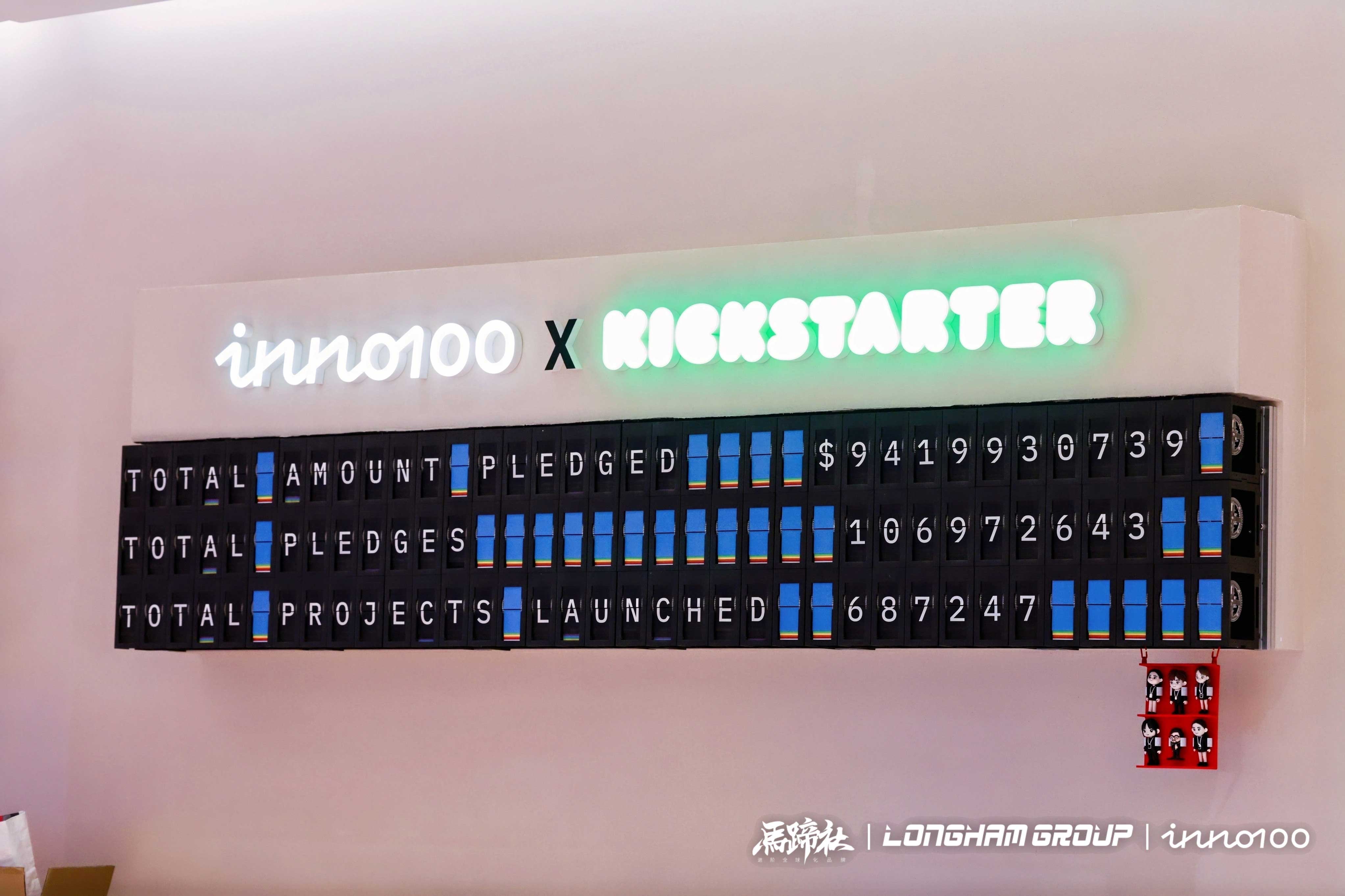
inno100×Kickstarter


Kickstarter是公证处,不是流量池


有一个关于众筹平台的核心误解,在现场被 Max 直接点破:朗翰操盘的大多数项目,来自 Kickstarter 平台自身的 GMV 转化占比只有 10%到 20%,剩下 80%到 90%是品牌通过 Facebook 广告、KOL、社群运营自建流量引导到平台上完成的。


这意味着 Kickstarter 的真实角色是“公证处”和“结算台”,而不是“流量来源”。品牌带着自己找来的用户到平台上完成预购,平台给这个成绩背书,让它变得公开可信、对外可引用。


从这个角度理解来自中国的品牌在 Kickstarter 占比超过 80%这件事,就会多一层理性:这 80%首先是中国品牌自建流量能力的胜利,其次才是平台的偏好。 平台看的是项目的预热数据和上线爆发力,而这两者都由品牌自身的营销投入决定。Kickstarter 本身,没有能力也没有动机专门扶持。


这也解释了另一个常被忽略的事实:众筹的直接流量红利已经明显收窄。朗翰的数据显示,单个有效获客成本从 2019 年的约 1.5 美元涨到了现在 4 美元的基准线,六年间涨至原来的近 3 倍。进场的品牌越多,竞价越激烈,投流效率越低。


但同期,百万美元以上项目的数量在翻倍。这两件事同时发生,说明的是:行业正在快速分层,能力门槛提高之后,过了门槛的玩家在集中收益,过不了门槛的玩家在集中消耗预算。 这不是一个对所有人都变好的市场,而是一个对研发型品牌持续利好的淘汰赛。


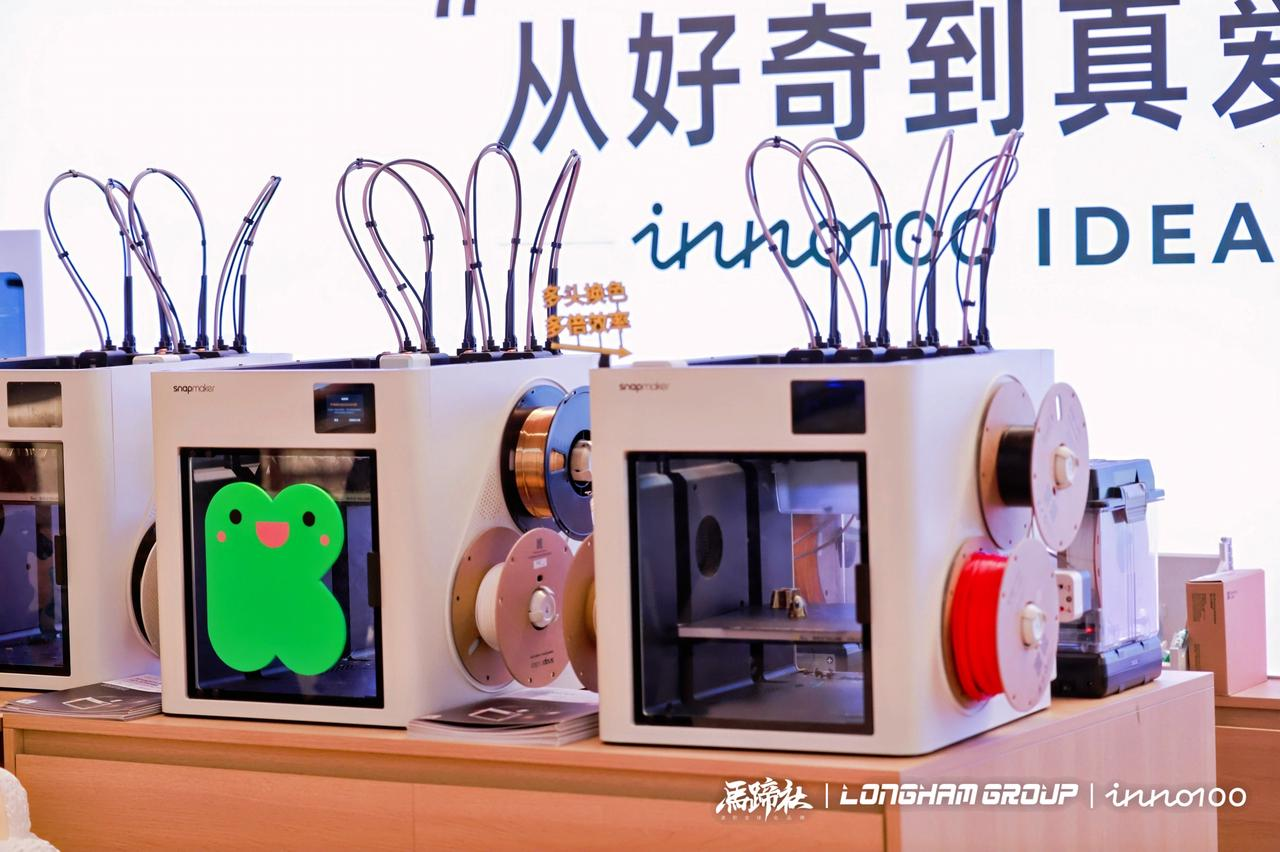
Snapmaker 3D 打印机


信任是唯一的转化路径


众筹和电商最本质的区别,是用户的决策结构不同。


亚马逊:今天付款,几天后收货,不满意退货。众筹:提前 3 到 6 个月付钱,等待交货,且历史上有大量项目从未完成交付。王润龙自己是众筹的老用户,买过三个产品,有两个最终没有收到。


这个前提下,用户在众筹上买的不是产品,而是对这个团队的信任。而信任的建立,没有捷径。


王润龙将这一点归结为两个字——真诚。“真诚是唯一的解。”


在执行层面,这句话指向了一套具体的内容策略:创始人 AMA 直播、工程师进群定点答疑、工厂产线纪录片、早期用户的真实测评素材……这些内容不追求制作精度,追求的是信息密度和可信度。


Snapmaker 3D 打印机案例里最值得关注的数据,是 UGC 的转化率比官方 TVC 高出 3 倍以上,社群自然增长速度超过三倍。朗翰的策略是从前测问卷里筛选出 50 个有内容输出能力的真实用户,免费提供样机,每周要求产出一套打印素材。这些用户不是 KOL,但他们是真实的产品重度使用者,他们输出的内容里有一种广告片制造不出来的质感。用户给出的真实体验,永远比品牌精心包装的理由更有说服力。


相比之下,KOL 的角色被系统性地降级了。朗翰的建议是,PR 加 KOL 的整体预算控制在目标众筹金额的 1%到 3%,核心目的是背书,而不是带量。头部 KOL 的配合周期长、商务条款复杂,ROI 几乎无法做到 1:1 正向,不应成为众筹营销的主体。 垂类中腰部 KOL 的评测内容,配合社群里工程师的深度互动,才是真正在建立信任的内容组合。


8 EIGHT SLEEP


什么样的品牌不该做众筹


从王润龙总结的十条避雷里,可以反向勾勒出一个“不适合做众筹”的企业画像。


产品迭代太快的品牌,不适合。 众筹从启动到结束至少三到四个月,如果这期间产品已经迭代了,那做众筹既浪费资源,也制造了对早期用户的信息混乱。


还没量产就想靠众筹“试水”的工厂,需要想清楚。 众筹确实提供了一个在量产前验证产品的窗口,但它不能替代供应链能力的建设。朗翰见过太多项目众筹成功、交付崩盘的案例,产品不能按时履约,对品牌造成的杀伤比没做众筹还大。


定价远超用户心理预期的项目,基本走不远。 前测中的价格测试会给出用户的真实预期区间。一旦定价大幅偏离这个区间,不是通过营销能弥补的,是产品定义层面的问题。


把众筹当出海“第一步”的传统电商品牌,需要重新评估认知起点。 众筹最适合的,是产品本身有足够强的差异化,且创始人或决策团队能够深度参与整个运营过程的项目。王润龙的原话是:需要有“首战即决战”的概念。 如果创始人把众筹项目完全交给下属或服务商,信息回路就断了,很多实时决策,如定价调整、预算追加、用户疑虑的及时回应等都会因为层层传导而失真。


中国品牌稀缺的,不是产品力


从 2017 年到 2025 年,王润龙见证了中国品牌在众筹平台上走过的完整路径:从九号、安克靠供应链优势切入,到今天 Snapmaker、泰摩(以远高于市场同类产品数倍的售价众筹到 506 万美元)、松灵靠产品创新破圈。


他总结道:“我们真正稀缺的,是怎么能够把我们的优势,讲成一个用户能够理解和信任的能力。”


中国制造的供应链密度、工程师效率、快速迭代能力,在全球范围内没有对手,但这些优势在海外用户那里不自动等于购买理由——它们需要被翻译,翻译成一个具体的产品使用场景、一个能打动人的品牌叙事、一套让陌生用户愿意提前付款的信任体系。


众筹,是这个翻译过程最公开、也最残酷的检验场。进去的产品,要在全球用户面前用真实的预购数据证明自己。拿到好成绩的,不只是验证了产品,更是完成了从“中国制造”到“全球用户认可”的一次正式认证。


这也是为什么 2025 年的众筹爆发,不应该被解读为一个平台的数据波动,而应该被解读为一批诞生于中国的品牌终于找到了向世界讲清楚自己的方式。


这条路,才刚刚开始被走通。


(马蹄社原创于2026年6月,基于闭门研学的保密原则,本文仅做脱敏呈现。更多深度的商业案例与实战推演,诚邀您加入马蹄社研学现场,共创行业前沿认知。)


关于作者


马蹄社是亿邦动力旗下专注于品牌全球化的高端实战社群。由亿邦动力联合创始人、马蹄社CEO刘宸亲自带队。我们致力于打破认知边界,赋能中国企业实现从区域向全球的战略进阶,加速具备全球化新竞争力。通过汇聚实战派导师与行业领军专家,以标杆研学、资源链接和闭门共创为抓手,共同探索全球化品牌的增长路径。马不停蹄,向上生长。


文章来源:马蹄社

广告
微信
朋友圈

FAQ回顾

什么类型的品牌适合做海外众筹?

海外众筹最适合产品具备较强差异化、创始人或决策团队可深度参与运营的研发型品牌。品牌需拥有稳定供应链履约能力,产品定价符合用户心理预期,不可将众筹仅视作卖货渠道,要重视其产品PMF验证、媒体背书、早期用户积累的核心价值。

海外众筹前测的核心判断指标有哪些?

海外众筹前测的核心判断指标有两个,一是单个有效获客成本需控制在4美元以内,反映产品卖点对用户的吸引力;二是问卷填写率需达到15%以上,反映用户对产品的真实兴趣深度,任意指标大幅偏离则项目很难成功。

中国品牌做Kickstarter众筹的流量主要来自哪里?

中国品牌在Kickstarter的众筹项目,仅10%-20%的GMV转化来自平台自身流量,剩余80%-90%来自品牌自建流量,包括Facebook广告、KOL推广、社群运营等渠道引导,Kickstarter核心是作为信任背书的公证处而非流量池。

海外众筹和普通电商的核心区别是什么?

普通电商是用户付款后短期内即可收货,不满意可退货;众筹是用户提前3-6个月付款等待交货,存在无法交付的风险。众筹核心是建立用户对品牌的信任而非单纯卖货,真实UGC内容的转化率比官方TVC高出3倍以上。

这么好看,分享一下?

朋友圈 分享

APP内打开

赞 +1
+1
微信好友 朋友圈 新浪微博 QQ空间
关闭
收藏成功
发送
/140 0