广告
加载中

上海8个商场联手“勾引”年轻人:宝可梦只是借口

卫明 2026-06-25 12:43
卫明 2026/06/25 12:43

邦小白快读

EN
全文速览

本文核心梳理了宝可梦近期翻红的底层逻辑,以及上海8家顶级商场联合借宝可梦引流的新玩法,拆解了当下线下消费的新变化,都是易懂的干货信息。

1.宝可梦翻红是五重因素共振的结果:30周年节点触发85-95后集体回忆,正好赶上国内谷子经济爆发的风口,手机端宝可梦卡牌降低门槛带火了整个品类,密集联名加社交平台种草实现破圈,还能穿透三代消费者,精准承接了当下年轻人的情绪消费需求。

2.现在线下商场已经不再靠低价卖货吸引人流,转而靠热门IP活动打造体验、贩卖氛围,普通人之后逛商场可以更多关注这类跨商场联合IP活动,能获得独特的情绪价值和社交体验。

本文梳理了IP翻红的商业逻辑,以及线下渠道合作的新模式,能给品牌商的营销、产品布局提供多维度参考。

1.消费趋势层面:当下国内谷子经济爆发,2024年市场规模达1689亿元,同比增长40.63%,2026年泛二次元用户预计达5.2亿人,同时情绪消费崛起,年轻人愿意为怀旧、陪伴等情感价值买单,拥有代际穿透能力的成熟IP拥有更大的市场空间。

2.品牌运营层面:可以借鉴宝可梦“IP+联名+社交平台”的营销模式,联合不同定位的线下渠道做互动打卡活动,借热门节点触发集体回忆,激发用户自发传播破圈,还能通过线下商场联盟合作,触达线上无法覆盖的非核心用户,扩大品牌受众,实现双方共赢。

本文分析了当前国内消费市场的结构性变化,给各类线下线上卖家提供了明确的机会提示和可借鉴的运营经验。

1.市场变化层面:当前消费已经出现明显分化,线上平台主打性价比和效率,线下市场主打体验和情绪价值,线下卖家不需要和线上拼价格,主打差异化的体验和情绪价值就能获得生存空间。

2.机会与玩法层面:谷子经济、情绪消费赛道增长快速,拥有群众基础的老IP周边、卡牌类投资型消费需求旺盛,卖家可以借鉴上海商场的玩法,联合同城市不同定位的商家做跨店打卡活动,抱团打造全城话题,放大流量效应,同时借助社交平台获得免费自发传播。

3.风险提示:单店单点营销很难对抗线上流量冲击,单打独斗很容易被市场边缘化,需要及时转变思维。

本文分析了当前IP周边消费市场的需求变化,给生产类工厂带来了明确的商业机会和转型启示。

1.产品生产设计需求:当下谷子经济爆发,IP周边产品需求旺盛,消费者更看重产品的IP辨识度和情感连接,徽章、盲盒、玩偶、卡牌这类周边需求增长快,工厂设计生产时要优先贴合IP的情感属性,不需要只追求低成本低价格。

2.商业机会:成熟老IP翻红带动了周边订单需求增长,尤其是宝可梦这类跨代际IP,联名需求多,市场空间大,工厂可以主动对接IP方和商场联盟,获得稳定的订单来源。

3.转型启示:工厂可以贴合线上带动线下的新趋势,调整产品线布局,聚焦高附加值的IP周边产品,避开线上低价竞争,抓住情绪消费的风口实现业务增长。

本文梳理了线下实体商业和IP消费领域的新发展趋势,总结了当前行业客户的核心痛点,以及可落地的解决方案,可供各类商业服务商参考。

1.行业发展趋势:线下实体商场的竞争已经从传统的地段竞争、单店竞争转向内容竞争、IP竞争,联盟化、IP化是未来线下商业的核心发展方向,同时谷子经济和情绪消费持续增长,IP线下运营的市场需求越来越大。

2.客户核心痛点:传统线下商场普遍面临客流下滑、空置率上升的问题,单店做营销很难形成全城话题,没法对抗线上电商的流量冲击,急需新的引流方案。

3.可落地的解决方案:服务商可以拓展商场联盟活动策划、热门IP对接运营、社交平台种草传播等相关业务,帮助商场联动不同定位的场地,引入成熟IP做互动体验活动,帮商场打造专属情绪氛围,解决客流下滑的核心问题。

本文分析了线下实体商业和消费市场的新变化,给各类线下平台商的运营转型提供了明确的方向参考。

1.市场需求变化:传统线下商场平台普遍面临客流下滑的问题,当前消费者线下消费需求已经从购买商品转向逛场景、找同好、获得社交情绪价值,消费者更愿意为独特的体验买单。

2.可借鉴的最新运营做法:可以整合城市内不同定位的顶流商场组成商圈联盟,共同引入热门成熟IP,打造跨商场的打卡集章类互动活动,形成全城话题,不同定位商场可以精准吸引不同类型的消费者,放大整体的流量效应。

3.运营调整与风向规避:要及时调整考核逻辑,未来核心考核指标不能只看坪效、租金回报率,还要增加客流停留时长、社媒传播量、IP联动密度,要尽早抛弃单店思维,转向联盟+IP的新运营思维,避免被市场边缘化。

本文观察了线下实体商业和IP消费领域的最新动向,总结了新的商业模式和行业规律,可供产业研究者参考。

1.产业新动向:一是成熟IP领域出现了老IP翻红的“五重共振”规律,借助节点营销、谷子经济风口、移动端降低入门门槛、社交平台种草、代际穿透五个因素,实现IP再激活,精准承接当下的情绪消费需求;二是线下实体商圈在线上冲击下,出现了商圈联盟联合IP引流的新玩法,行业竞争从地段竞争转向内容竞争。

2.新问题:当前传统单店模式的线下商场生存空间被持续挤压,单打独斗无法形成足够的流量效应,很难对抗线上电商和社交平台的冲击。

3.新商业模式:本文总结出“商场联盟+热门IP+体验营销”的线下实体转型新商业模式,提出未来线下商业核心是贩卖氛围而非卖货,为实体商业转型研究提供了新的方向。

返回默认

声明:快读内容全程由AI生成,请注意甄别信息。如您发现问题,请发送邮件至 run@ebrun.com 。

我是 品牌商 卖家 工厂 服务商 平台商 研究者 帮我再读一遍。

Quick Summary

This article breaks down the core logic behind Pokémon's recent resurgence in popularity, as well as the innovative new traffic-driving strategy of eight top-tier Shanghai malls that leveraged the Pokémon hype. It also unpacks emerging changes in today's offline consumer market, delivering actionable, easy-to-understand insights.

1. Pokémon's comeback is the result of five converging factors: its 30th anniversary triggered collective nostalgia among millennials born between 1985 and 1995, it perfectly caught the boom of China's "guzi" (goods for otaku) economy, Pokémon Trading Card Game Mobile lowered the barrier to entry and brought the entire category into the mainstream, frequent brand collaborations combined with social media influencer marketing helped it break out of niche circles, and its cross-generational appeal allows it to accurately meet young consumers' growing demand for emotional consumption.

2. Today's offline malls no longer rely on discount pricing to draw foot traffic. Instead, they focus on building immersive experiences and selling atmosphere through popular IP events. Going forward, consumers can look out for these cross-mall IP collaboration events to gain unique emotional value and social experiences.

This article outlines the commercial logic behind IP resurgence and a new model for offline channel collaboration, offering multi-dimensional insights to inform brand marketers' product and marketing strategy.

1. On consumer trends: China's guzi economy is booming, with a 2024 market size of 168.9 billion RMB, representing a 40.63% year-on-year increase. The number of pan-anime users in China is projected to reach 520 million by 2026. At the same time, emotional consumption is on the rise: young consumers are willing to pay for emotional value such as nostalgia and companionship, giving mature IPs with cross-generational appeal far greater market potential.

2. On brand operations: Brands can draw inspiration from Pokémon's "IP + collaboration + social media" marketing model. Brands can launch interactive check-in campaigns by partnering with offline channels of different positioning, trigger collective nostalgia around key milestones to encourage organic user sharing and break into mainstream audiences, and tap into non-core users unreachable online through offline mall alliance collaborations to expand brand reach and achieve win-win results.

This article analyzes the structural shifts in China's current consumer market, delivering clear opportunity alerts and actionable operational takeaways for both online and offline sellers.

1. On market shifts: Consumption has clearly diverged into two tracks: online platforms compete on cost efficiency, while offline markets compete on experience and emotional value. Offline sellers do not need to compete with online platforms on price; they can carve out sustainable market share by focusing on differentiated experience and emotional value.

2. On opportunities and strategies: The guzi economy and emotional consumption sectors are growing rapidly, with strong demand for merchandise based on well-established legacy IPs and investment-grade trading cards. Sellers can adapt the strategy used by Shanghai malls by partnering with other local businesses across different positioning to host cross-store check-in campaigns, collaborate to generate city-wide buzz, amplify traffic reach, and gain organic free exposure through social media.

3. Risk alert: Single-store, single-location marketing can barely withstand the impact of online traffic. Going it alone easily leads to marginalization in the current market, so sellers need to adjust their approach proactively.

This article analyzes shifting demand in the IP merchandise consumer market, outlining clear commercial opportunities and transformation insights for manufacturing factories.

1. On product design and manufacturing requirements: Amid the guzi economy boom, demand for IP merchandise is strong, and consumers prioritize IP recognition and emotional connection over low prices. Categories including badges, blind boxes, plush toys, and trading cards are seeing rapid demand growth. Factories should prioritize aligning product design with the IP's emotional attributes, rather than only pursuing the lowest possible cost and price point.

2. On commercial opportunities: The resurgence of mature legacy IPs has driven growing order demand for related merchandise. Cross-generational IPs like Pokémon in particular see high demand for collaborations and offer large market potential. Factories can proactively partner with IP holders and mall alliances to secure stable order streams.

3. On transformation insights: Factories can adjust their product portfolio to align with the new "online drives offline" trend, focus on high value-added IP merchandise to avoid cutthroat low-price online competition, and capture growth by riding the wave of emotional consumption.

This article outlines emerging trends in offline physical retail and IP-driven consumption, summarizes core pain points for industry clients, and lays out actionable solutions, serving as a reference for all types of commercial service providers.

1. On industry trends: Competition among offline physical malls has shifted from traditional competition based on location and single-store performance to competition based on content and IP. Alliances and IP-centric operations have become the core development direction for offline retail. Meanwhile, the sustained growth of the guzi economy and emotional consumption has driven rapidly increasing market demand for professional offline IP operations.

2. On core client pain points: Traditional offline malls普遍 face declining foot traffic and rising vacancy rates. Single-store marketing efforts rarely generate city-wide buzz, making it impossible to counter the traffic drain from online e-commerce, so new traffic-driving solutions are in urgent demand.

3. On actionable solutions: Service providers can expand into new lines of business including mall alliance event planning, popular IP connection and operations, and social media influencer seeding campaigns. They can help malls coordinate venues across different positioning, bring in mature IPs to host interactive experience events, and build curated emotional atmospheres to solve the core problem of declining foot traffic.

This article analyzes new shifts in offline physical retail and the broader consumer market, offering clear directional guidance for the operational transformation of offline marketplace operators.

1. On shifting market demand: Traditional offline mall marketplaces普遍 face declining foot traffic. Today's consumers no longer visit offline venues primarily to purchase goods; instead, they go to explore curated spaces, connect with like-minded people, and gain social and emotional value. They are more willing to pay for one-of-a-kind experiences.

2. On replicable cutting-edge operational practices: Operators can integrate top malls of different positioning across a city to form a shopping district alliance, jointly bring in popular, mature IPs, and host cross-mall interactive activities such as stamp-collecting check-ins to generate city-wide buzz. Malls of different positioning can attract distinct consumer segments to amplify overall traffic effects.

3. On operational adjustment and risk mitigation: Operators need to adjust their performance assessment frameworks proactively. Core metrics should not be limited to floor space productivity and rental return; new metrics such as average visitor dwell time, social media engagement volume, and IP collaboration frequency should be added. Operators must abandon single-store thinking early and shift to the new "alliance + IP" operational mindset to avoid being marginalized in the market.

This article presents observations of the latest developments in offline physical retail and IP-driven consumption, and summarizes new business models and industry rules for reference by industry researchers.

1. New industry developments: First, the resurgence of legacy mature IPs follows a "five-factor resonance" rule: IP reactivation is achieved through a combination of milestone marketing, the guzi economy boom, mobile platforms lowering entry barriers, social media seeding, and cross-generational appeal, allowing the IP to meet current demand for emotional consumption. Second, in response to online competition, offline shopping districts have developed a new traffic-driving model of IP collaborations through shopping district alliances, shifting industry competition from competition over location to competition over content.

2. Emerging challenges: The market share of traditional single-store offline malls continues to be squeezed. Independent operations cannot generate sufficient traffic effects to counter competition from online e-commerce and social media platforms.

3. New business model: This article summarizes a new transformation model for offline physical retail: "shopping district alliance + popular IP + experience marketing". It argues that the core of future offline retail is selling atmosphere, rather than selling goods, offering a new direction for research on physical retail transformation.

Disclaimer: The "Quick Summary" content is entirely generated by AI. Please exercise discretion when interpreting the information. For issues or corrections, please email run@ebrun.com .

I am a Brand Seller Factory Service Provider Marketplace Seller Researcher Read it again.

商场开启反击。

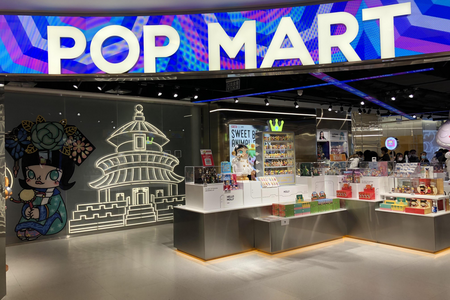
2026年6月20日,上海。我原本是和一位做AI企业应用的朋友在商场聊下半年合作,聊完了我发现商场一楼中庭那边人气挺旺的,过去看看,——原来是一家宝可梦门店,门口排着大概20人的队伍,每个人手里都拿着手机,要么在拍照片视频,要么在查看名为"伊布集章之旅"的活动。

我承认,这并不是一次"刻意观察",但作为商业评论的作者,这种"偶然撞见的现象"往往比"刻意调研"更有说服力——或许是我很久没逛商场了,宝可梦又火了?怎么回事?依稀记得宝可梦游戏火的时候大概是10多年前?当时很多玩家用来地理打卡寻宝,玩得不亦乐乎,而且很多玩家是全球打卡。后来LBS游戏逐渐消亡,最近难道又火了?

不管如何,门店的流量确实比我预想的好。我去看了一下,原来活动是有打卡的保留环节,甚至可以去上海8个商场门店打卡,但如今不仅有虚拟奖品,门店还卖起了各类毛绒玩具/盲盒。

那宝可梦为何又火了起来?商场又有什么打算?对如今的线下商业有什么借鉴?

01

宝可梦为何在中国"翻红"?

30周年节点的"集体回忆触发"

要理解上海8个商场为何愿意联合为这场活动站台,先要理解宝可梦在中国"翻红"的真正原因。

第一,最直接的导火索:30周年节点(2026年2月27日)。1996年2月27日,《宝可梦 红/绿》在日本发行;2026年2月27日,全球同步举行30周年发布会。30周年这种节点,对宝可梦来说有一个特殊的意义——1996年宝可梦诞生时,恰好是中国85后-95前这一代人童年/少年记忆形成的窗口期。这批人现在30-40岁,正好是2026年的"消费主力"。30周年给了他们一个"集体回忆"的契机——这是宝可梦翻红的情感触发器。

第二,最深层的市场土壤:中国"谷子经济"爆发(2024-2026)。2024年中国"谷子经济"市场规模达到1,689亿元,同比增长40.63%,预计2029年突破3,000亿元;2026年中国泛二次元用户预计达5.2亿人。"谷子"是英文"goods"的谐音,指动漫/游戏/IP周边商品——徽章、立牌、卡牌、亚克力制品、玩偶。宝可梦天然适合谷子经济,因为它的IP辨识度极高、角色库庞大、视觉符号化强、情感连接深——一个皮卡丘徽章就能让全球粉丝掏钱。

第三,最强的单点驱动力:宝可梦卡牌(PTCG)的复兴。2024年10月,《Pokemon TCG Pocket》上线手机端,一周年累计下载1.5亿次。TCG Pocket大幅降低了宝可梦卡牌的入门门槛——不需要真实纸牌,手机就能玩。这带动了大量"轻度玩家"入坑,进而激活真实卡牌市场和二级市场——稀有卡牌价格可达数千美元,"为抽卡付费"成为新一代年轻人的"投资型消费"。

第四,最具传播性的因素:联名攻势+短视频/小红书种草。2025-2026年宝可梦的联名密度极高——泡泡玛特、瑞幸咖啡、麦当劳、名创优品等密集合作,每个联名都在小红书/抖音上制造话题;同时,宝可梦门店打卡、宝可梦对战、宝可梦开箱等内容形成了"自来水"传播。这种"IP+联名+社交平台"的三位一体,让宝可梦从核心粉圈进入大众消费圈。

第五,最具反差感的因素:跨越三代人的"集体陪伴"。1996年的初代粉丝(30岁),2006年的宝石世代粉丝(20岁),2016年的XY世代粉丝(10岁)——三代人同时在场,每个人的消费动机不同,但都指向同一个IP。这种"代际穿透"是为数不多IP才拥有的。

这五个原因叠加,构成了宝可梦在中国翻红的"五重共振"。但更重要的是——这种"五重共振"恰好发生在2026年中国情绪消费崛起的窗口期。经济放缓、就业压力、AI焦虑、社交稀缺——年轻人需要"治愈"。宝可梦提供的怀旧感、陪伴感、成就感、安全感,精准承接了"为热爱买单"的消费需求。

02

商场为何愿意"联合"?

借IP之力,做自己的流量生意

这才是我想重点说的部分。"上海8个顶级商场联合搞宝可梦集章活动"这件事,不是"商场为海外IP打工",而是"商场借用IP影响力,给自己引流"。

这是一场巧妙的商业合作,宝可梦和商场各取所需:

对宝可梦来说,它需要的是"中国线下渠道"和"用户触点"。单纯靠线上电商,宝可梦很难触达"非粉圈"的年轻人;只有通过线下门店和"集章活动",才能让消费者"亲身参与"——而亲身参与是"情绪消费"的核心。

对商场来说,它需要的是"年轻人流量"和"话题度"。传统商场客流在下滑,空置率在上升;引进宝可梦门店,可以直接带动客流+30-50%,同时在社交媒体上形成"必须打卡"的话题效应。

这种合作的关键设计,是"8个商场联合"——单店做不出"全城话题",8家联合才能形成"必须跑遍"的稀缺性。

这8家商场联合放大效应:单个商场的客流是有限的(1000人/天),8个商场联合之后,整个活动带来的客流可能是8000+——这8000人会根据地理位置、消费习惯、品牌偏好分散到8个商场。

8个商场也不是随便选的,都是上海顶流,且能实现精准吸流:BFC(外滩金融中心)会吸引中高端消费者,美罗城会吸引二次元重度玩家,龙之梦会吸引带孩子的家庭。

8家商场联合做活动公关,可以在社交媒体上形成"全城话题"——单店做不到,必须联盟。

这就像互联网公司的"生态联盟"——单打独斗不行,必须形成网络效应。商场之间的竞争,正在从"地段竞争"转向"内容竞争"——谁的IP多,谁的客流就多。

而要争取热门IP,商场们必须抱团,单打独斗的力量还是太小。

03

底层逻辑:线上拼性价比,线下拼氛围

如果再往深一层看,"上海8个商场联合做宝可梦活动"这件事,本质是实体商场在"线上电商+消费分众化"双重夹击下的生存战略。

首席商业评论观察到,2026年中国消费市场正在出现一个清晰的结构性分化:

线上购物平台越来越讲究性价比。淘宝、京东、拼多多、抖音电商,都在打"全网最低价"。消费者在线上购物时,比价是本能,犹豫是常态。线上的核心逻辑是"效率优先"——用最快的时间、最便宜的价格,买到最需要的商品。

尤其是现在的即时零售,效率很高。商场也不可能去雇佣团队拼配送,所以得放大自己的优点去做差异化。

于是,线下商场越来越讲究场域氛围、兴趣导向、体验感。消费者在线下购物时,不再是"买东西",而是"逛场景""找兴趣""拍照片""交朋友"。线下的核心逻辑是"体验优先"——用最有趣的内容、最有调性的空间、最特别的社群活动,让人愿意停留、愿意传播。

这种"线上拼效率、线下拼体验"的分化,正是实体商场生存空间的核心——线下的价值不再是"卖货",而是"卖氛围"。

宝可梦门店、集章活动、限定周边、本地社群——这些都不是"卖货",而是"卖氛围"。当消费者走进一家宝可梦门店,他买的不是¥99的端午礼盒,而是"我属于这个社群""我参与了这场活动""我愿意为热爱买单"的情绪价值。

所以首席商业评论的判断是:未来3-5年,实体商场的核心KPI不再仅仅是"坪效""租金回报率""品牌组合",而是"客流停留时长""社媒传播量""IP联动密度"。谁能把"氛围"做好,谁就能在线下生存。

04

线下终极秘籍:体验

这届"伊起集趣 伊布集章之旅"最值得解读的,不是"宝可梦又火了",而是"上海8个顶级商场愿意联合起来,借IP的影响力给商场带流量"。

也就是说,商场们联合起来和IP合作,可以在城中心打造一次类似“主题乐园”中的体验游戏。

这件事背后,是实体商圈在"线上电商+消费分众化"双重夹击下的生存焦虑。单店运营打不过淘宝京东拼多多,单点营销打不过小红书抖音B站,唯一的出路是"形成联盟,引入IP,集体创造线上无法拥有的体验感"。

首席商业评论的判断是:未来3-5年,中国实体商圈的格局会发生一次大洗牌——"单店思维"的商场会被边缘化,"联盟思维+IP思维"的商场会崛起。那些能够率先形成"商圈联盟"、率先引进"30年级IP"、率先建立"持续运营能力"和创造“独特体验感”的商业地产玩家,会拿到未来10年的"门票"。

注:文/卫明,文章来源:首席商业评论(公众号ID:chreview),本文为作者独立观点,不代表亿邦动力立场。

文章来源:首席商业评论

广告
微信
朋友圈

这么好看,分享一下?

朋友圈 分享

APP内打开

+1
+1
微信好友 朋友圈 新浪微博 QQ空间
关闭
收藏成功
发送
/140 0