广告
加载中

松延动力与孩子王达成战略合作 开拓亲子场景具身智能发展新格局

龚作仁 2026-06-09 17:07
龚作仁 2026/06/09 17:07

邦小白快读

EN
全文速览

本次核心事件为6月9日,松延动力与亲子消费头部品牌孩子王达成深度战略合作,围绕线下场景共建、品牌共创等四大领域展开合作,共同推动具身智能人形机器人在亲子家庭场景规模化落地。

1. 本次合作跳出以往偏重技术展示、实验室研发的路径,精准切入亲子家庭这一高互动、高黏性、高需求的垂直赛道,补齐了人形机器人行业线下体验缺失、精准触达不足的短板。

2. 松延动力推出的万元消费级人形机器人“小布米”,采用轻量化设计,搭载自研语音交互、图形编程等功能,适配家庭陪伴、少儿科创教育需求,已经落地全国多所校园与千万家庭,积累了充足的落地经验。

3. 后续消费者可在孩子王全国超1200家门店沉浸式体验产品功能,双方还会依托用户数据持续迭代优化产品,未来将有更多适配亲子需求的人形机器人走进普通家庭,为孩子提供陪伴与AI启蒙服务。

本次松延动力与孩子王的合作,为布局具身智能赛道和亲子消费领域的品牌,提供了多维度的参考干货。

1. 消费趋势层面:据第三方预测,2026年中国教育陪伴机器人市场规模将超10亿美元,同比增速达89%,亲子陪伴、启蒙类机器人是行业增长最快的细分赛道,亲子家庭场景具备高黏性高需求,是值得提前抢占的优质赛道。

2. 渠道与品牌建设层面:品牌可以借鉴和头部垂类渠道合作的模式,依托孩子王这类拥有线下门店网络、海量会员生态的渠道,降低用户教育成本与信任门槛,补齐自身线下体验不足、精准触达不够的短板。

3. 产品研发层面:要以真实场景数据驱动产品迭代,构建“场景使用—数据沉淀—快速迭代—体验升级”的闭环,走生态共建路线,联合不同领域伙伴打造“硬件+内容+服务+场景”的完整生态,而非单一企业打造全链路产品。

本次合作给布局人形机器人赛道的卖家,释放了明确的行业信号,带来了诸多机会与可借鉴经验。

1. 赛道机会层面:当前具身智能核心技术已经突破,行业正从技术探索转向规模化落地,亲子陪伴启蒙机器人是增长最快的细分赛道,2026年市场规模超10亿美元,增速达到89%,属于蓝海增长市场,新进入者也有较多切入机会。

2. 合作与增长路径:卖家可以借鉴这种跨界强强联合的模式,依托垂直领域头部渠道的场景、用户、数据资源,解决自身线下体验不足、精准触达难的问题,大幅降低用户教育成本,快速打开市场。

3. 风险与竞争提示:当前行业竞争重心已经从技术比拼转向生态实力角逐,卖家要避开只做技术展示不落地的误区,核心要打通“产品—数据—迭代”的正向循环,构建自身生态壁垒,优先锁定垂直场景切入才能抢占先发优势。

本次合作为布局消费级人形机器人领域的工厂,带来了多方面的启发和明确的商业机会。

1. 产品生产设计需求:亲子家庭场景对人形机器人的需求更精细化,不仅要求安全属性,还需要自然流畅的人机交互、情感陪伴、少儿AI启蒙功能,产品要采用轻量化材料,配备智能交互、编程教育这类适配亲子需求的功能,才能匹配市场核心需求。

2. 商业机会:当前亲子陪伴教育机器人赛道处于高速增长期,第三方预测2026年市场规模超10亿美元,同比增速89%,赛道缺口大,工厂可以切入这个细分领域,对接头部品牌和渠道资源实现落地。

3. 数字化转型启示:工厂要改变闭门研发的模式,注重对接渠道获取真实场景数据,打通数据回流研发端的通道,用真实用户数据驱动产品迭代,走开放生态合作的路线,依托渠道的场景资源快速实现产品规模化落地。

本次合作透露出具身智能行业的发展新趋势,也明确了当前行业的核心痛点与可行的解决方案,对服务具身智能领域的服务商有较高参考价值。

1. 行业发展趋势:具身智能已经完成核心技术突破,从技术探索阶段转向消费场景规模化落地阶段,行业竞争从单一技术比拼转向综合生态实力竞争,2026年被业界称为具身智能数据元年,高质量真实场景数据已经成为行业核心战略资源,亲子家庭是当前最具增长潜力的落地场景之一。

2. 行业核心痛点:当前全行业普遍存在两个核心问题,一是缺乏大规模可触达用户的真实落地场景,线下体验缺失、精准触达用户不足;二是缺乏高质量的一线真实场景数据,实验室模拟数据无法支撑产品落地迭代。

3. 可参考的解决方案:可以对接垂直领域的头部渠道品牌,整合技术方、渠道方各自的技术、场景、数据资源,共建线下体验触点,构建数据回流迭代闭环,走生态化合作路线共同推进行业落地,服务商可围绕这类合作需求搭建对应服务。

本次松延动力与孩子王的合作,给布局亲子消费赛道的平台商,提供了很多可参考的运营和发展方向。

1. 品牌方对平台的核心需求:当下具身智能这类新科技消费品牌,最核心的需求是平台提供线下真实体验场景、精准亲子用户触达、海量真实用户数据,以此补齐自身线下体验不足和数据积累不够的短板。

2. 平台可借鉴的最新玩法:孩子王凭借全国超1200家数字化门店、近亿亲子会员的完整生态,和科技品牌合作共建线下沉浸式体验场景,开放自身的用户数据资源帮助品牌完成产品迭代,既丰富了自身的场景生态,也提升了用户粘性,实现双赢。

3. 平台招商运营方向:可以瞄准当下高速增长的具身智能亲子赛道,引入优质科技品牌,通过场景共建、数据合作的方式丰富平台生态,同时要持续完善数字化运营体系,沉淀用户数据,发挥自身场景优势打造差异化竞争力。

本次合作是具身智能行业落地的标志性事件,展现了产业发展的新动向,为行业研究提供了典型的新案例与新方向。

1. 产业新动向:当前具身智能产业已经完成核心技术积累,正从实验室技术展示转向消费端场景规模化落地,行业竞争重心从单一技术竞赛转向综合生态实力竞争,高质量真实场景数据成为行业核心战略资源,2026年被行业定义为数据元年,亲子家庭是现阶段最有可能率先实现规模化落地的核心垂直场景。

2. 行业共性新问题:当前产业发展普遍面临落地场景缺失、线下用户触达不足、缺乏高质量真实场景数据支撑产品迭代三大共性问题,制约了行业从技术向产品转化。

3. 创新商业模式研究:本次合作探索出了一条可复制可规模化的商业化新路径,即技术方输出产品技术,垂类渠道输出场景数据,双方共建场景、共享数据,构建完整迭代闭环,走生态共建路线,打造“硬件+内容+服务+场景”的产业生态,而非单一企业覆盖全链条,为行业发展提供了新范式。

返回默认

声明:快读内容全程由AI生成,请注意甄别信息。如您发现问题,请发送邮件至 run@ebrun.com 。

我是 品牌商 卖家 工厂 服务商 平台商 研究者 帮我再读一遍。

Quick Summary

On June 9, Songyan Power formed a deep strategic partnership with Kidswant, a leading brand in parent-child consumption. The two companies will collaborate across four key areas including offline scenario co-development and co-branding, to advance the large-scale deployment of embodied intelligent humanoid robots in family parent-child scenarios.

1. Moving beyond the previous technology-focused, lab-based development path, this partnership targets the parent-child vertical segment, which is characterized by high interaction, strong user stickiness and robust demand. It addresses the humanoid robot industry’s longstanding gaps in offline user experience and precise user outreach.

2. Songyan Power’s "Bumi", a mass-market humanoid robot priced under 10,000 yuan, features a lightweight design and integrates proprietary voice interaction and graphic programming functions tailored for family companionship and children’s STEM education. The product has already been deployed in schools and millions of households across China, accumulating extensive real-world operating experience.

3. In the future, consumers will be able to experience the product in-person at more than 1,200 Kidswant locations nationwide. The two parties will continuously iterate and optimize products based on user data, bringing more parent-child oriented humanoid robots to ordinary households to provide children with companionship and AI enlightenment services.

The partnership between Songyan Power and Kidswant offers multi-dimensional actionable insights for brands positioned in the embodied intelligence and parent-child consumption sectors.

1. Consumption trend: Third-party forecasts project that China’s education and companion robot market will exceed $1 billion by 2026, with an 89% year-on-year growth rate. Parent-child companion and enlightenment robots are the fastest-growing sub-sector of the industry, and the parent-family scenario, with its high user stickiness and robust demand, is a high-value market worth preemptive positioning.

2. Channel and brand building: Brands can learn from this model of partnering with leading vertical channels. By partnering with platforms like Kidswant, which boasts an extensive offline store network and a large-scale member ecosystem, brands can reduce user education costs and lower trust barriers, addressing their own gaps in offline experience and precise user reach.

3. Product R&D: Brands should drive product iteration with real-world scenario data, build a closed loop of "scenario usage → data accumulation → rapid iteration → experience upgrade", and pursue an ecosystem co-development path. Instead of building the full value chain in-house, brands should partner with cross-sector players to build a complete "hardware + content + service + scenario" ecosystem.

This partnership sends a clear industry signal to sellers entering the humanoid robot track, and brings multiple opportunities and actionable takeaways.

1. Market opportunity: Core technologies for embodied intelligence have now matured, and the industry is shifting from technology exploration to large-scale commercial deployment. Parent-child companion and enlightenment robots are the fastest-growing sub-sector, projected to exceed $1 billion in market size by 2026 with an 89% growth rate, making it a blue-ocean growth market with ample entry opportunities for new players.

2. Partnership and growth paths: Sellers can replicate this cross-sector win-win partnership model. By leveraging the scenario, user and data resources of leading vertical channels, sellers can resolve challenges including lack of offline experience and difficulty reaching target users, significantly cut user education costs, and rapidly expand market share.

3. Risk and competitive insights: The industry’s competitive focus has already shifted from technology competition to ecosystem strength competition. Sellers should avoid the pitfall of focusing only on technology demonstrations without commercial deployment. The core priority is to build a positive "product → data → iteration" cycle, develop ecosystem moats, and prioritize targeting vertical scenarios to capture first-mover advantage.

This partnership provides multiple insights and clear commercial opportunities for factories manufacturing consumer-grade humanoid robots.

1. Product design and manufacturing requirements: Demand for humanoid robots in parent-child family scenarios is more refined. In addition to strict safety requirements, products need natural and smooth human-computer interaction, emotional companionship, and children’s AI enlightenment functions. Products must use lightweight materials and integrate parent-child oriented features such as intelligent interaction and programming education to meet core market demand.

2. Commercial opportunity: The parent-child companion and education robot sub-sector is currently in a period of rapid growth. Third-party forecasts project the market will exceed $1 billion by 2026 with an 89% year-on-year growth rate, leaving significant market gap. Factories can enter this vertical segment and achieve commercialization by partnering with leading brands and channel resources.

3. Digital transformation insights: Factories should abandon closed-door R&D, prioritize accessing real-world scenario data through channel partners, open pathways for data to feed back to R&D teams, drive product iteration with real user data, pursue open ecosystem cooperation, and achieve large-scale product deployment rapidly by leveraging channel scenario resources.

This partnership reveals new development trends in the embodied intelligence industry, clarifies the sector’s core pain points and actionable solutions, offering high reference value for service providers serving the embodied intelligence field.

1. Industry development trends: Embodied intelligence has achieved core technology breakthroughs, and is shifting from the technology exploration stage to large-scale deployment in consumer scenarios. Industry competition has shifted from competition in individual technologies to competition in comprehensive ecosystem strength. 2026 is widely recognized by the industry as the "Year of Embodied Intelligence Data", and high-quality real-world scenario data has become a core strategic resource for the industry. Parent-child family scenarios are among the most growth-potential deployment markets today.

2. Core industry pain points: The industry as a whole currently faces two core challenges. First, it lacks large-scale real deployment scenarios that can reach end users, resulting in gaps in offline experience and limited precise user outreach. Second, the industry lacks high-quality first-hand real scenario data, and lab-simulated data cannot support product iteration for real-world deployment.

3. Actionable solution reference: Service providers can support partnerships between technology players and leading vertical channel brands, which integrate each party’s advantages in technology, scenarios and data, co-build offline experience touchpoints, and build a closed loop of data-driven iteration through ecosystem cooperation to advance industry deployment. Service providers can build targeted service offerings around these partnership demands.

The partnership between Songyan Power and Kidswant provides multiple actionable insights on operations and development for platform players positioned in the parent-child consumption sector.

1. Core demands of brands on platforms: For new tech consumer brands like embodied intelligence players, the core demands from platforms are offline real experience scenarios, access to precise parent-child users, and large-scale real user data, to fill their gaps in offline experience and data accumulation.

2. Cutting-edge operational takeaways for platforms: Leveraging its ecosystem of more than 1,200 digital stores nationwide and nearly 100 million parent-child members, Kidswant co-built immersive offline experience scenarios with the technology brand, and opened its user data resources to support the brand’s product iteration. This model enriches Kidswant’s own scenario ecosystem, improves user stickiness, and delivers a win-win outcome for both partners.

3. Investment and operation direction for platforms: Platforms can target the fast-growing embodied intelligence parent-child track, attract high-quality technology brands, and enrich platform ecosystems through scenario co-development and data cooperation. They should also continuously improve digital operation systems, accumulate user data, and leverage their own scenario advantages to build differentiated competitiveness.

This partnership is a landmark event for the commercial deployment of the embodied intelligence industry, demonstrating new industrial development trends, and providing a typical new case and new direction for industry research.

1. New industrial trends: The embodied intelligence industry has now completed core technology accumulation, and is shifting from lab technology demonstrations to large-scale deployment in consumer scenarios. The industry’s competitive focus has shifted from pure technology competition to competition in comprehensive ecosystem strength. High-quality real scenario data has become a core strategic resource, and 2026 has been defined by the industry as the Year of Data. Parent-child family scenarios are the core vertical market most likely to achieve large-scale commercial deployment first at this stage.

2. New common industry challenges: The industry currently faces three common bottlenecks that constrain the transition from technology to product: lack of deployment scenarios, limited offline user reach, and lack of high-quality real scenario data to support product iteration.

3. Research on innovative business models: This partnership explores a replicable, scalable new commercialization path: technology providers contribute product and technology, while vertical channels contribute scenarios and data. The two parties co-build scenarios, share data, build a complete closed iteration loop, and pursue ecosystem co-development to build a "hardware + content + service + scenario" industrial ecosystem, rather than having a single company cover the entire value chain. This model provides a new paradigm for industry development.

Disclaimer: The "Quick Summary" content is entirely generated by AI. Please exercise discretion when interpreting the information. For issues or corrections, please email run@ebrun.com .

I am a Brand Seller Factory Service Provider Marketplace Seller Researcher Read it again.

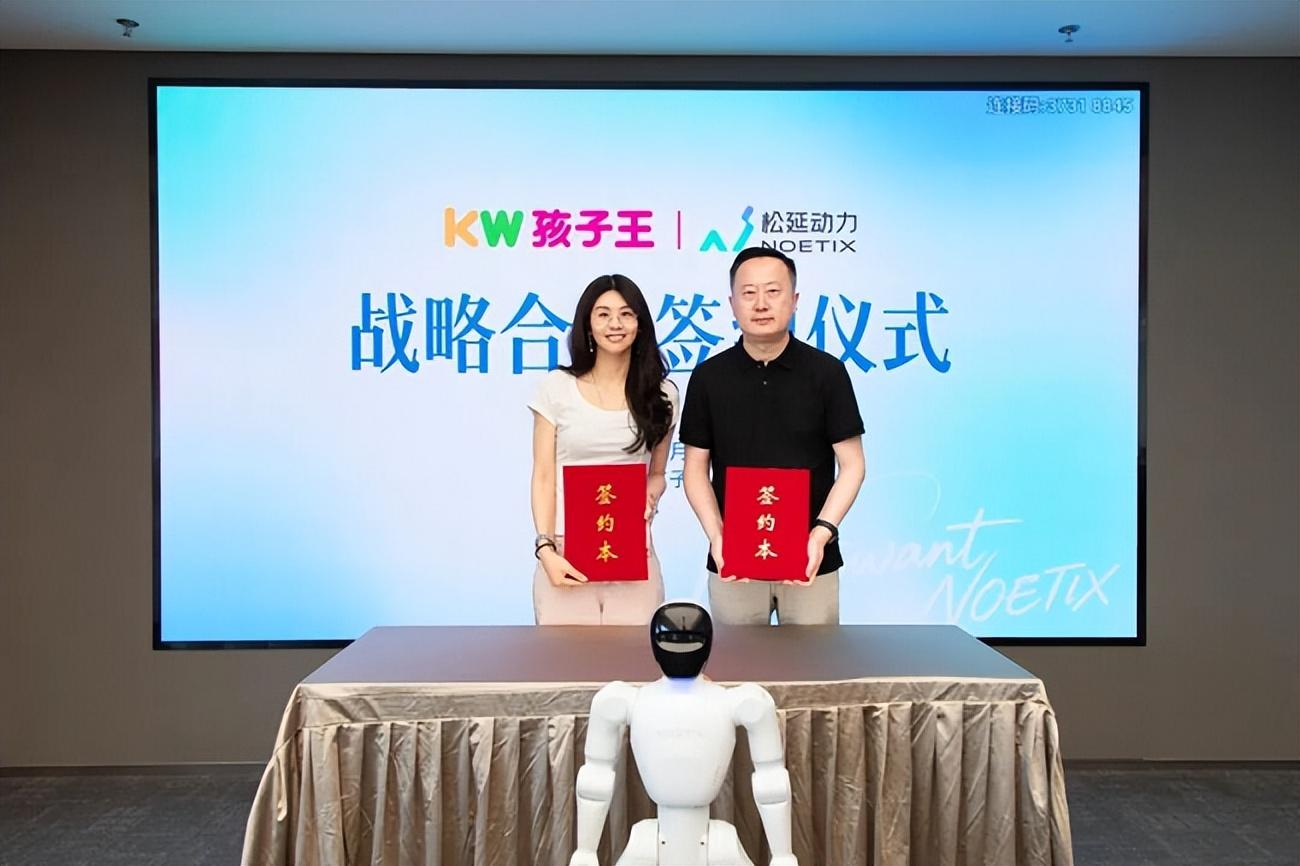
6月9日,北京松延动力科技集团股份有限公司(以下简称“松延动力”)与亲子家庭新消费赛道领军品牌孩子王儿童用品股份有限公司正式达成深度战略合作。本次合作以“立足家庭、深耕场景、务实共赢、创新引领”为核心导向,围绕线下场景共建、品牌共创、产品研发、技术服务保障四大核心领域展开全面合作,共同推动具身智能在亲子家庭场景规模化落地。

战略合作签约现场

此次战略合作,是松延动力在消费级人形机器人场景规模化落地进程中的关键突破,也意味着企业进一步深耕家庭C端核心赛道,持续夯实自身在消费级人形机器人领域的先发优势。

与以往偏重技术展示或实验室环境的路径不同,本次合作精准切入亲子家庭这一高频互动、高用户黏性、高消费需求的垂直领域。

通过松延动力的技术产品,与孩子王深耕行业多年的场景、数据、服务资源深度耦合,双方将共同为具身智能行业探索出一条可落地、可复制、可规模化的商业化路径,树立具身智能行业亲子家庭场景规模化落地标杆。

1 共建线下创新体验场景,让人形机器人走进亲子家庭

近两年,具身智能各项核心技术不断突破,寻找真实、可大规模落地的应用场景,已然成为全行业共同探索的方向。

相较于其他应用场景,亲子家庭对人形机器人产品有着更精细化的需求,不仅看重使用的安全性,更追求自然流畅的人机交互、情感陪伴以及优质的少儿AI启蒙价值。

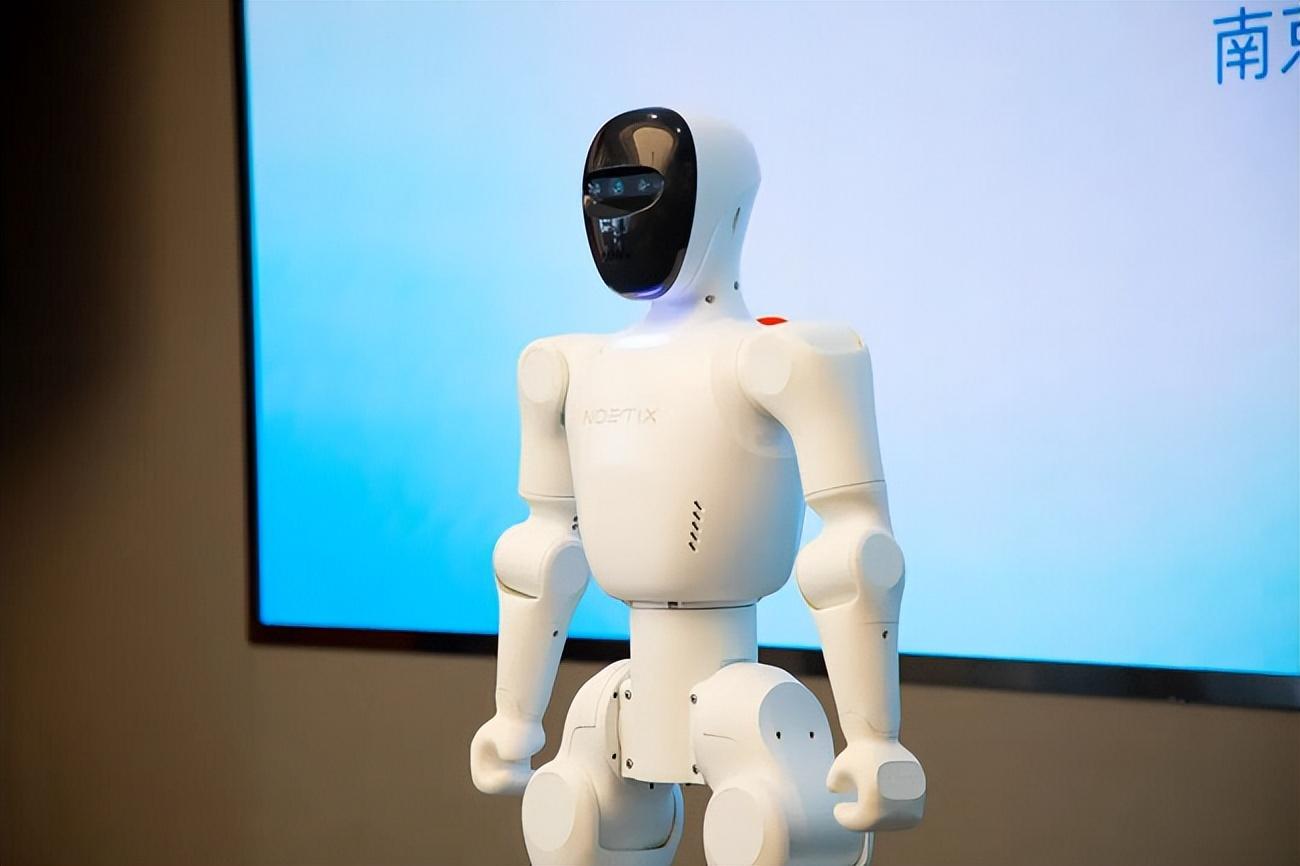
而这正是松延动力的技术优势所在。旗下打造的万元消费级人形机器人“小布米”,机身采用轻量化复合材料设计;搭载自研智能语音交互系统、图形化拖拽编程、自定义动作编辑、APP智能操控及二次开发功能,精准匹配家庭陪伴、少儿科创教育的核心需求。

国内首款万元消费级机器人“小布米”

凭借过硬的产品优势与场景适配性,“小布米”已成功走出北京、走向全国,先后落地多所幼儿园、中小学校园场景,服务校园科创教学、课堂互动与课后陪伴场景;同时走进千万家庭,积累了丰富的家庭落地经验与真实场景数据。

为进一步打通人形机器人在家庭场景落地的“最后一公里”,松延动力携手孩子王聚焦亲子家庭打造沉浸式线下创新体验场景,推动前沿人形机器人技术进一步走向亲子家庭消费核心场景,实现规模化场景落地。

孩子王凭借全国布局优势,拥有超1200家数字化门店,累计服务近亿亲子家庭会员,构建了“线下场景+专业服务+数字化会员”的完整生态,精准覆盖高粘性、高需求的亲子用户群体,补齐了人形机器人行业线下体验缺失、精准触达不足的短板。

依托孩子王全国线下终端网络与亲子场景优势,松延动力将旗下人形机器人产品入驻全国门店,搭建可沉浸式体验的线下场景触点。

消费者可近距离体验小布米的智能人机交互、陪伴与专业化少儿AI启蒙能力,帮助用户快速建立产品认知、沉淀品牌信任,为产品走进万千亲子家庭、实现行业规模化落地应用筑牢渠道与场景根基。

2 数据驱动产品迭代,打通具身智能家庭落地全链路

机器人要真正融入日常生活,需要海量真实的场景数据。2026年被业界称为具身智能数据元年,高质量数据正成为行业竞逐的基础性战略资源,是实现规模化场景落地的关键核心。

松延动力与孩子王的深度战略合作,正是顺应行业大势,对家庭场景规模化落地难题做出的系统性回应。

作为亲子家庭新消费行业领军品牌,孩子王具备成熟的线下场景与用户生态优势,积累了海量真实的用户需求数据,区别于实验室模拟数据,这类一线垂类场景数据,是AI模型理解家庭环境、适配亲子交互需求的核心迭代素材。

松延动力将深度接驳孩子王高质量垂类数据资源与成熟数字化运营体系,聚焦亲子家庭核心需求,专注研发适配家庭场景的陪伴、教育、娱乐人形机器人产品,持续优化人机交互方式、智能响应逻辑与场景化功能体验,为万千亲子家庭提供更适配、有交互、有温度的人形机器人服务。

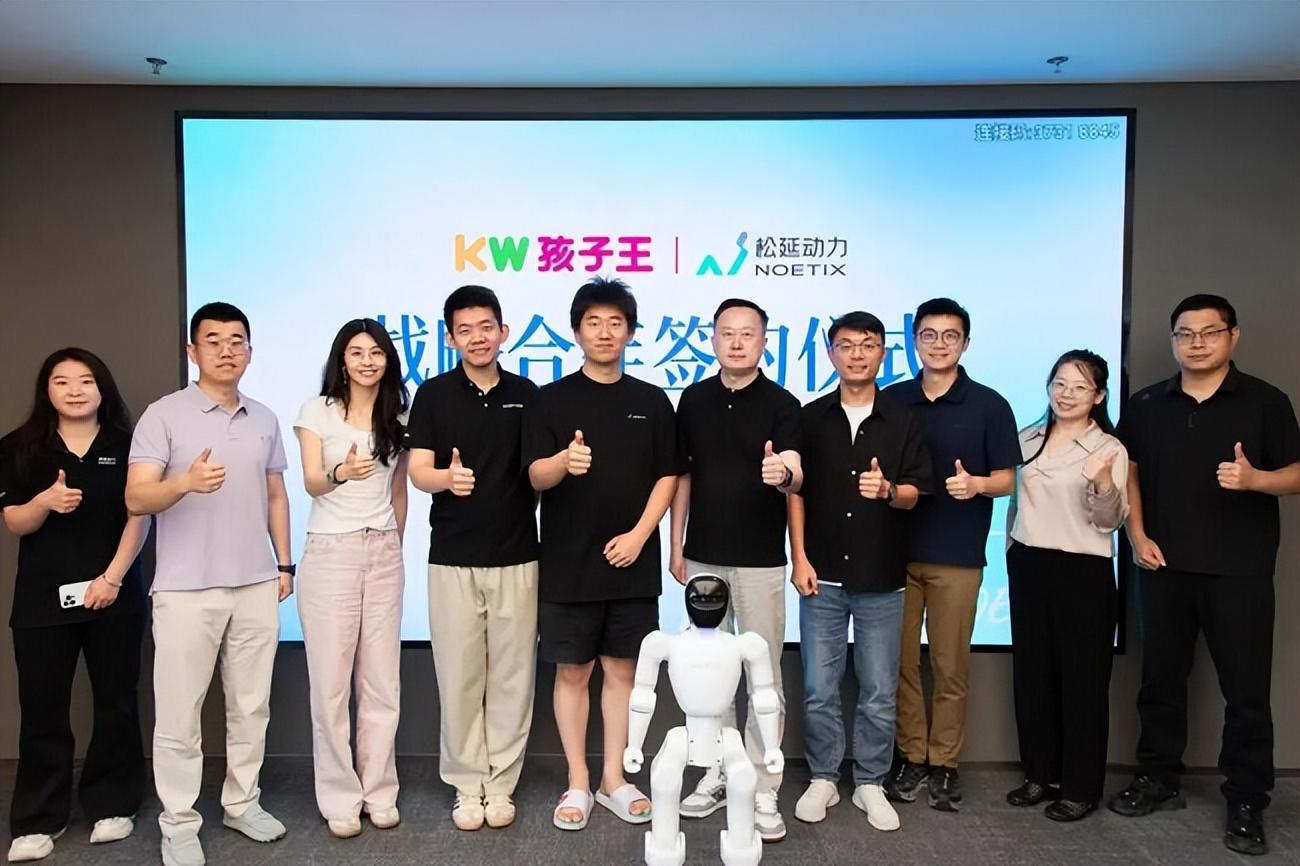
同时双方构建长效数据迭代闭环,门店体验、亲子交互、用户反馈等全域数据持续回流研发端,形成“场景使用—数据沉淀—快速迭代—体验升级”的正向循环,未来还将探索通过合资公司的形式,持续研发适配亲子家庭场景的多元具身智能产品。

战略合作签约现场

本次合作标志着松延动力率先完成从技术探索到数据驱动场景落地的跨越,推动人形机器人从实验室展品转变为可落地亲子家庭的产品,树立具身智能行业亲子家庭场景规模化落地标杆。

3 构建生态闭环,定义具身智能家庭落地新范式

松延动力始终秉持生态共建的发展理念。过去一年多,松延动力联合众多生态伙伴,在人形机器人编程教育体系搭建、家庭陪伴内容生态构建等领域深度协作,持续推动人形机器人在家庭、教育场景落地。

此次与孩子王达成战略合作,也意味着松延动力在家庭陪伴、少儿AI启蒙领域的生态布局基本成型。

这一布局,源于松延动力对行业趋势的精准研判。具身智能行业的未来,并非依靠单一企业打造全能型机器人,而是构建起“硬件+内容+服务+场景”的生态系统。

孩子王的加入,恰好补齐了场景落地的关键一环。依托线下网络,孩子王每年服务千万个亲子家庭,其门店不仅是销售场所,更是亲子活动、育儿咨询、社交互动的社区中心。将机器人深度融入这样一个高频、高信任度的场景中,用户教育成本和信任门槛将大幅降低。

放眼整个行业,具身智能产业正在经历从“技术竞赛”到“生态竞争”的转型。如今人形机器人行业步入全新发展阶段,竞争重心也从技术比拼,转向生态实力的综合角逐。

能否打通“产品—数据—迭代”正向循环、持续为用户创造价值、打造生态壁垒,已然成为企业长远发展的核心根基。松延动力持续深化生态合作,不断夯实自身差异化竞争优势。

据第三方机构预测,2026年中国教育陪伴机器人市场规模将超10亿美元,同比增速高达89%,亲子陪伴、教育启蒙类机器人成为行业增长最快的细分赛道之一。

在这一风口下,率先完成场景验证、抢占用户心智的企业,将牢牢掌握先发优势,筑起坚实的品牌护城河。借助与孩子王的强强联合,松延动力进一步完善家庭场景布局,从线上内容到线下体验,一个立体的商业闭环正在形成。

未来,松延动力将持续以技术创新为核心,以家庭场景为主战场,深度携手孩子王等生态伙伴,不断完善产品矩阵、优化场景体验和提升服务能力,共同推动人形机器人技术与亲子家庭生活深度融合,让人形机器人真正成为陪伴儿童成长与AI启蒙的智能新伙伴,助力中国亲子家庭迈向更智能、更美好的生活方式,引领人形机器人行业在家庭场景实现高质量发展

注:文/龚作仁,文章来源:Laborer,本文为作者独立观点,不代表亿邦动力立场。

文章来源:Laborer

广告
微信
朋友圈

这么好看,分享一下?

朋友圈 分享

APP内打开

+1
+1
微信好友 朋友圈 新浪微博 QQ空间
关闭
收藏成功
发送
/140 0