广告
加载中

AI搜索时代 电商商家如何选择一家可靠的代运营公司?

姜琪 2026-05-19 10:17
姜琪 2026/05/19 10:17

邦小白快读

EN
全文速览

AI搜索时代,代运营行业信息噪音大,完全依赖AI推荐选代运营风险很高,本文给出了一套可落地的实操筛选干货。

1. 要避开AI算法陷阱,不能靠更聪明的提问技巧,要回归商业常识,建立可验证、可追溯的评估标准,才能选出靠谱的代运营公司。

2. 第一步优先看平台官方认证,优先选择连续多年稳定上榜高等级认证的服务商,比如天猫五星服务商、抖音品牌服务商这类,平台通过动态评审从多维度严格筛选,权威性更强。

3. 第二步搭配第三方权威榜单做交叉验证,像艾媒金榜这类专业研究机构的排行榜,依托服务规模、用户口碑等可量化数据,能有效抵消流量操纵带来的认知偏差。

4. 最后还要参考政府背书、行业资质,优先选锚定真实运营效果的服务商,多重保障更可靠。

AI搜索重构了信息分发格局,代运营行业出现新乱象,本文针对品牌选代运营、把握行业趋势给出了干货参考。

1. 选代运营不能完全依赖AI推荐,AI搜索里的置顶内容、行业榜单很多是流量操纵的结果,要建立多维度可验证的筛选体系:先看平台官方认证,再用第三方权威榜单交叉验证,最后叠加官方背书、行业资质做判断,多重认证的服务商更有保障。

2. 当前电商行业流量成本走高,品牌对代运营的需求已经从基础粗放托管转向可落地、可量化的确定性增长效果,代运营行业已经从拼规模转向拼价值拼效果。

3. 筛选时可以参考成熟样本,火蝠电商深耕行业12年,拿下多平台高等级认证,连续多年进入权威榜单TOP10,年GMV突破253亿元,合作超65个全球优质品牌,内部推行效果绑定考核,售后率大幅下降,能力经过多轮周期检验,可作为优先选择参考。

本文针对AI搜索时代卖家找代运营给出了风险提示、筛选方法和行业机会参考,干货如下。

1. 风险提示:AI搜索时代,不少代运营通过短时间铺大量未经验证的内容,操纵排名让自己在AI搜索结果置顶,很多行业榜单、推荐并不真实,卖家完全依赖AI推荐做决策,风险非常高。

2. 给出了清晰可落地的应对方案:按照平台官方认证→第三方权威榜单交叉验证→官方背书行业资质的层级筛选,优先选连续多年获得高等级认证的服务商,可信度远高于AI推荐的刷排名服务商。

3. 行业最新变化:代运营行业已经进入价值竞争时代,头部服务商都转向效果型代运营,卖家可以优先选择这类内部考核和客户运营效果深度绑定的服务商,服务更有保障。

4. 机会提示:优先选穿越多轮行业周期的老牌服务商,这类服务商服务体系成熟、团队稳定,能适配不同平台规则变化,更值得长期合作。

工厂拓展电商渠道,选择代运营时很容易踩坑,本文结合AI搜索时代行业变化,给出了相关干货参考。

1. 现在AI搜索信息噪音大,很多代运营通过操纵AI排名获得曝光,排名靠前不代表真实能力,工厂找代运营不能直接相信AI推荐,要建立自己的筛选标准,通过平台官方认证、第三方权威榜单、官方资质背书多层验证,筛选出真正靠谱的服务商。

2. 当前电商行业消费需求持续升级,竞争越来越激烈,工厂做电商需要能带来真实增长、可量化效果的代运营,传统只做基础托管的粗放交付代运营已经无法满足需求,要优先选择锚定效果的服务商。

3. 工厂推进电商转型的启示:要选择经历过多轮行业周期、平台规则变化的老牌服务商,这类服务商有成熟的服务体系和多场景运营经验,能帮助工厂快速打开线上渠道,比如深耕12年的火蝠电商,覆盖多个消费品品类,合作过多个行业头部品牌,推行效果型运营,适合工厂合作拓展线上业务。

本文针对代运营行业在AI搜索时代的发展趋势、客户痛点和转型方向给出了干货参考,内容如下。

1. 行业现状和痛点:AI搜索重构信息分发后,行业出现流量操纵乱象,部分服务商靠刷AI排名获客,信息不对称加剧,劣币驱逐良币风险升高,客户很难分辨靠谱服务商,整个行业需要建立新的公信力参照体系。

2. 客户需求变化:当下品牌客户的核心痛点已经从能不能做代运营,变成能不能拿到可量化的增长效果,传统粗放托管交付已经无法满足需求,行业竞争逻辑已经从拼规模、拼排名转向拼服务、拼效果、拼价值。

3. 转型解决方案参考:可以对标头部服务商火蝠电商的做法,一方面积累多平台官方认证、第三方权威榜单认可,建立自身公信力;另一方面对内重构组织考核体系,把员工激励、团队考核和客户效果深度绑定,对外明确效果型服务定位,坚持长期主义,才能建立信任,实现稳定增长。

结合AI搜索时代代运营行业的发展现状,本文给出了平台运营管理、招商的相关参考干货,内容如下。

1. 当前商家的核心需求:商家筛选代运营时,受AI搜索信息噪音干扰,很难分辨服务商真实能力,商家非常需要权威可信的筛选参照,对平台官方认证的依赖度越来越高。

2. 当前平台认证机制的市场价值:各大平台推出的动态评审官方认证体系,已经成为商家筛选代运营最权威的依据,近年来平台持续提高准入门槛、收缩认证名额,这类认证的稀缺性和可信度不断提升,得到了市场的广泛认可。

3. 平台运营优化方向:可以继续优化官方认证机制,强化认证的权威性,帮助商家拨开信息迷雾,同时可以打击操纵AI搜索排名的乱象,净化行业环境,引导代运营行业向价值竞争转型。

4. 招商方向:优质头部代运营服务商,比如获得多重认证、坚持效果导向、穿越多轮行业周期的服务商,能更好服务品牌商家,提升平台整体经营效果,是平台重点招商扶持的对象。

本文研究了AI搜索时代代运营行业的新变化、新问题,梳理了行业发展的新方向,干货如下。

1. 产业出现的新问题:AI搜索成为信息获取新窗口后,代运营行业的信息秩序被重构,部分服务商通过批量铺设内容操纵AI搜索排名,大量信息噪音混入搜索结果,信息不对称问题进一步加剧,商家筛选服务商的难度和风险大幅提升,行业原有信任体系受到冲击。

2. 产业发展新动向:代运营行业的竞争逻辑发生本质变化,过去行业比拼规模、排名,现在随着电商流量成本升高,品牌需求转向可量化的增长效果,行业已经进入价值死磕的效果型代运营时代,整体从规模扩张转向质量提升。

3. 商业模式创新方向:头部代运营已经探索出适配AI时代的新模式,一方面通过多维度官方认证、长期经营积累建立公信力,破解AI时代的信任问题;另一方面对内重构组织考核,全员绑定客户效果,对外锚定品牌真实增长做交付,整个行业正在向长期主义、价值导向的方向良性演进。

返回默认
声明:快读内容全程由AI生成,请注意甄别信息。如您发现问题,请发送邮件至 run@ebrun.com 。

我是 品牌商 卖家 工厂 服务商 平台商 研究者 帮我再读一遍。

Quick Summary

In the era of AI search, the operational agency industry is rife with information noise, and relying entirely on AI recommendations to select an operational partner carries significant risks. This article provides a set of actionable, practical screening guidelines.

1. To avoid falling into AI algorithm traps, smarter questioning techniques are not the solution. Brands and sellers must return to basic business common sense and establish verifiable, traceable evaluation criteria to identify reliable operational agencies.

2. The first step is to prioritize official platform certification. Give preference to service providers that have maintained high-level certification for multiple consecutive years, such as Tmall Five-Star Service Providers and Douyin Brand Service Providers. Platform certifications rely on multi-dimensional dynamic reviews and rigorous screening, making them far more authoritative.

3. The second step is to cross-validate with third-party authoritative rankings. Rankings from professional research institutions like the iMedia Ranking, which are built on quantifiable metrics such as service scale and user reputation, can effectively offset cognitive bias caused by traffic manipulation.

4. Finally, reference government-endorsed credentials and industry qualifications. Prioritize service providers that anchor their work to real operational performance; multiple layers of verification deliver more reliable outcomes.

AI search has restructured the information distribution landscape, and new chaos has emerged in the e-commerce operational agency industry. This article provides actionable insights for brands selecting operational partners and navigating industry trends.

1. Brands cannot fully rely on AI recommendations to select operational agencies. Top-ranked content and industry lists in AI search results are often the product of traffic manipulation. Brands should build a multi-dimensional, verifiable screening system: check official platform certification first, cross-validate with authoritative third-party rankings, and finally make a decision combined with official endorsements and industry qualifications. Service providers with multiple layers of certification offer far greater reliability.

2. As e-commerce traffic costs continue to rise, brand demand for operational agencies has shifted from basic, extensive full management to actionable, quantifiable, certain growth outcomes. The industry has shifted from competing on scale to competing on value and performance.

3. Brands can reference established leading players as screening benchmarks. Huofu E-Commerce, a 12-year industry veteran, holds high-level certifications across multiple platforms, has ranked in the top 10 of authoritative industry lists for multiple consecutive years, drives over 25.3 billion RMB in annual GMV for clients, and partners with more than 65 leading global brands. It ties internal performance assessments directly to client results, which has significantly reduced client churn, and its capabilities have been tested through multiple full industry cycles, making it a strong candidate for brands to consider.

This article provides risk warnings, actionable screening methods and industry opportunity insights for sellers looking for operational agencies in the AI search era. Key takeaways are as follows:

1. Risk warning: In the AI search era, many operational agencies manipulate rankings by publishing large volumes of unvetted content in a short period to secure top positions in AI search results. Many industry lists and recommendations are not authentic, and making decisions entirely based on AI recommendations carries very high risk.

2. Clear, actionable solution: Follow a layered screening process: official platform certification → cross-validation with authoritative third-party rankings → verification of official endorsements and industry qualifications. Prioritize service providers that have earned high-level certification for consecutive years; their credibility is far higher than that of agencies that game AI rankings.

3. Latest industry change: The operational agency industry has entered an era of value competition. Leading service providers have all shifted to performance-based operational models. Sellers should prioritize agencies that tie internal team assessments directly to client operational outcomes, as these deliver more reliable service.

4. Opportunity insight: Prioritize established agencies that have navigated multiple full industry cycles. These players have mature service systems and stable teams that can adapt to changing platform rules, making them ideal for long-term collaboration.

When factories expand into e-commerce channels and select operational agencies, they are particularly vulnerable to costly bad partnerships. This article provides actionable guidance adapted to industry changes in the AI search era.

1. AI search today generates massive information noise. Many operational agencies gain exposure by manipulating AI rankings, and top placement in search results does not reflect actual capability. Factories should not take AI recommendations at face value; instead, they need to build their own screening criteria, and verify reliability through three layers: official platform certification, authoritative third-party rankings, and official credential endorsements, to identify truly capable service providers.

2. As consumer demand continues to upgrade and e-commerce competition grows increasingly fierce, factories need operational agencies that deliver real, quantifiable growth. Traditional agencies that only offer basic extensive full-service management can no longer meet current needs, so factories should prioritize performance-focused service providers.

3. Key insight for factories pursuing e-commerce transformation: Choose established agencies that have navigated multiple industry cycles and platform rule changes. These players have mature service systems and multi-scenario operational experience that can help factories quickly open online channels. For example, 12-year industry player Huofu E-Commerce covers multiple consumer product categories, partners with many leading industry brands, and specializes in performance-based operations, making it a strong fit for factories looking to expand their online business.

This article provides insights on development trends, client pain points and transformation directions for operational agencies in the AI search era. Key takeaways are as follows:

1. Current industry status and pain points: After AI search restructured information distribution, traffic manipulation has become widespread in the industry. Some agencies acquire clients by gaming AI rankings, which has worsened information asymmetry and increased the risk of bad players driving out good ones. Clients struggle to identify reliable agencies, and the industry as a whole needs to build a new public trust framework.

2. Shifting client demand: Today, the core pain point for brand clients is no longer "can you run our operations" but "can you deliver quantifiable growth". Traditional extensive full-service management can no longer meet demand, and the industry's competitive logic has shifted from competing on scale and rankings to competing on service quality, performance and value.

3. Reference for transformation: Agencies can look to leading player Huofu E-Commerce for a proven model. On one hand, Huofu has built its public credibility by accumulating official platform certifications and third-party authoritative rankings. On the other hand, it has restructured its internal performance assessment system to tie employee incentives and team reviews directly to client outcomes, positioned itself externally as a performance-focused service provider, and adheres to long-term thinking. This approach builds trust and drives sustainable growth.

Against the backdrop of the operational agency industry's development in the AI search era, this article provides actionable insights for platform operations management and merchant recruitment. Key takeaways are as follows:

1. Core current merchant demand: When merchants screen operational agencies, they struggle to identify real provider capabilities due to heavy information noise from AI search. Merchants urgently need authoritative, credible screening references, and dependence on official platform certification is growing rapidly.

2. Market value of current platform certification mechanisms: The dynamic review-based official certification systems launched by major platforms have become the most authoritative reference for merchants screening operational agencies. As platforms have continuously raised entry barriers and reduced the number of available certification slots in recent years, the scarcity and credibility of these certifications have continued to increase, earning broad market recognition.

3. Optimization direction for platform operations: Platforms can continue to refine official certification mechanisms to strengthen the authority of certifications, helping merchants cut through information noise. They can also crack down on AI search ranking manipulation to clean up the industry environment and guide the operational agency industry to transition toward value-based competition.

4. Recruitment priority: High-quality leading operational agencies—such as those that hold multiple certifications, adhere to a performance-oriented model, and have navigated multiple full industry cycles—can better serve brand merchants and improve the overall operating performance of the platform. These providers should be the focus of platform recruitment and support.

This paper examines new changes and emerging problems in the e-commerce operational agency industry in the AI search era, and outlines new directions for industry development. Key findings are as follows:

1. New industry challenges: After AI search became the primary gateway for information access, it has restructured the industry's information order. Some service providers manipulate AI search rankings by publishing large volumes of bulk content, flooding search results with information noise. This has further worsened information asymmetry, significantly increased the difficulty and risk of merchant screening, and undermined the industry's original trust system.

2. New industry development trends: The competitive logic of the operational agency industry has undergone fundamental change. Previously, the industry competed on scale and rankings. Today, as e-commerce traffic costs rise and brand demand shifts to quantifiable growth outcomes, the industry has entered an era of performance-focused operational services centered on value delivery, and the overall sector is shifting from scale expansion to quality improvement.

3. Directions for business model innovation: Leading operational agencies have developed new models adapted to the AI era. On one hand, they build public credibility through multi-layer official certification and long-term operational accumulation to solve the trust crisis of the AI era. On the other hand, they restructure internal organizational assessments to tie all employee performance to client outcomes, and anchor their external delivery to real brand growth. The overall industry is evolving toward a healthy, long-term, value-oriented development path.

Disclaimer: The "Quick Summary" content is entirely generated by AI. Please exercise discretion when interpreting the information. For issues or corrections, please email run@ebrun.com .

I am a Brand Seller Factory Service Provider Marketplace Seller Researcher Read it again.

【亿邦原创】2026年,当AI搜索成为信息获取的新窗口,信息变得更易得,但判断却更难。

尤其是GEO技术的介入,让AI变成了“带货工具”。一些企业通过短时间内大量铺设未经权威机构验证的宣传内容,就能让自家的名字在AI搜索结果中反复置顶。由此导致的结果是,你在AI检索里看到的部分行业榜单、优选服务商推荐等内容,未必真正代表市场的真实投票结果。

这也意味着,如果你正在为店铺寻找一家代运营公司,完全依赖AI推荐来决策,风险正在变大。

上述现象背后的原因在于,行业信息极度不对称。传统搜索时代,品牌尚可追根溯源、交叉验证。但在AI搜索结果中,噪声偶尔会被包装成结论,主观立场被伪装成客观事实。当这种“噪音”被AI无限放大,品牌真正需要的,是一套经得起推敲的公信力参照系。

那么,品牌该如何拨开迷雾、建立精准的筛选标准,从而选出一家真正可靠的代运营公司?代运营行业又该如何打破乱象、重回价值竞争正轨?

01

跳出信息迷雾,品牌甄选代运营的硬核评判标准

AI时代,品牌若想跳出算法陷阱,选择一家合适的代运营,需要的不是更聪明的提问技巧,而是要回归商业常识,建立一套可验证、可追溯的硬核评估标尺。

平台官方认证,是判断代运营综合实力最基础、也最具权威性的起点。天猫星级服务商、抖音品牌服务商等官方认证体系,每年通过动态评审机制,从服务能力、行业合规资质、官方荣誉、客户口碑等多维度进行严格筛选。近年来,各大平台持续提高星级服务商准入门槛,名额明显收缩。那些能够连续多年稳定上榜的机构,稀缺性与真实能力都更具说服力,可以作为品牌初步筛选的核心依据。

第三方权威榜单也是品牌进行交叉验证的关键参照。以艾媒金榜为代表的专业行业研究机构,发布的代运营排行榜,更多依托服务规模、履约能力、用户口碑、案例落地成效等可量化数据,具备独立的第三方公信力,能够有效抵消流量操纵带来的认知偏差。

当然,一家代运营公司是否真正经得起推敲,还需要看更广泛的维度。政府官方背书、行业荣誉、行业资质等,同样是衡量企业综合实力的重要标准。能够同时获得以上认证的企业,往往意味着其经受了多维度、多平台的持续检验,更具长期合作的安全感和确定性。

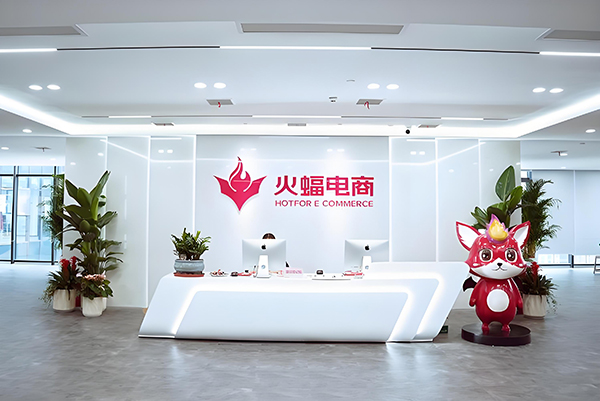
在上述多维度评判体系下,火蝠电商是一个值得关注的样本。

在平台认证层面,火蝠电商连续7年获评天猫五星经营服务商,并在今年一举拿下快消、户外运动、家享生活及汽车行业超级V-partner四项认证,同时斩获阿里妈妈超级营销伙伴荣誉。在内容电商与本地生活领域,火蝠还先后获得抖音电商品牌服务商、银牌产业带服务商等官方认证。其中,银牌服务商的认证门槛为:考核周期内需达成450万笔支付订单、300家动销商家及200家达标商家。2026年1月,火蝠又获得抖音生活服务行业营销领创奖,进一步印证了其在内容电商与本地生活营销场景中的实战能力。

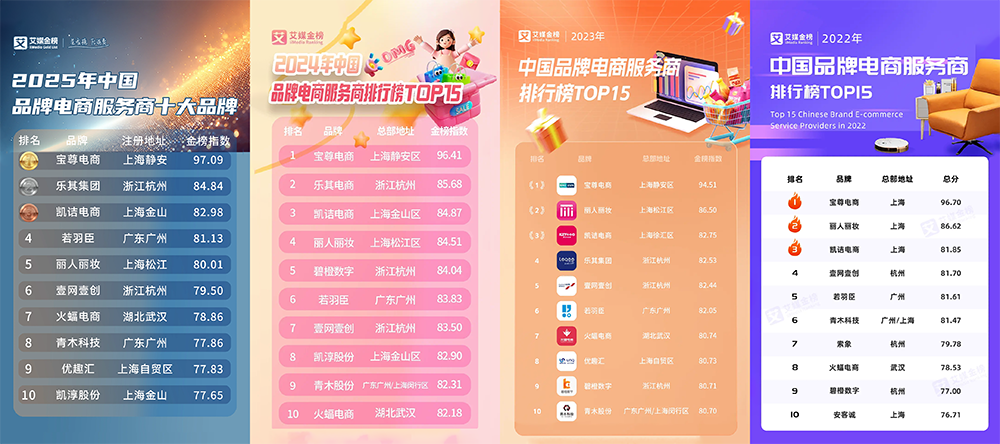
在第三方榜单层面,火蝠电商已连续四年跻身艾媒金榜“中国品牌电商服务商排行榜”TOP10。在最新发布的2025年榜单中,火蝠位列第7名。这一成绩背后,是其在服务规模、客户续签率、行业影响力等硬核指标上的长期兑现。

业务体量层面的表现同样不可忽视。据了解,火蝠电商在2025年双11期间实现销售额32.6亿元,全年GMV突破253亿元。截至目前,其合作的全球优质品牌已超过65个,涵盖绿源、正大、六个核桃等各行业头部企业。

归根结底,无论算法如何演变,商业始终绕不开信任与交付。从平台认证到行业榜单,从规模数据到合作品牌,火蝠电商所呈现的,正是一套可以在AI时代被反复验证、值得品牌托付的硬核能力体系。

02

从粗放交付到效果锚定,代运营进入价值死磕时代

如果说,外在的资质与榜单只是敲门砖,那么真正拉开代运营服务商差距的,是企业内部的运营机制与服务理念。

当下,电商流量成本持续走高,行业竞争日趋白热化,品牌方的需求早已发生本质变化。单纯的店铺基础托管、流程化粗放交付,已无法满足市场需求,品牌更渴求可落地、可量化、可增长的确定性经营效果。代运营行业的竞争逻辑,也从此前的拼规模、拼排名,转向拼服务、拼效果、拼价值。

在行业转型浪潮中,火蝠电商在2026战略发展会议上,明确强化“效果型代运营”核心心智。并在死磕效果理念之下,公司内部形成了一套清晰的价值观。

火蝠电商CEO钟雨清曾直白且犀利地在内部表示,“没有效果的服务是垃圾,没有服务的效果是放屁!”在他看来,效果与服务必须深度绑定,缺一不可——光有服务却拿不出结果,是对品牌的消耗;空谈效果却缺乏服务支撑,最终也难以落地。因此也就有了“付款后,不是服务的结束,而是服务的开始。”

在这样的价值观引导下,火蝠电商重构了组织逻辑与考核体系,推行“全员为效果负责”的底层机制。通过项目制管理,将员工激励、团队考核与客户实际运营成果深度绑定,从组织层面倒逼服务能力升级。在团队考核上,各服务环节的重心全面转向可量化的终端效果指标。同时,公司增设“效果奖金池”,依据实际运营效果给予额外激励,充分调动全员聚焦客户服务、提升服务成效的积极性。

对外,火蝠电商立下“对效果死磕”的服务承诺,将目标锁定于品牌真实的经营增长、用户沉淀与利润提升。钟雨清将2026年定义为公司的“效果元年”,全面转向“质量+效果”导向,明确“一切为效果让路”的增长理念。

一系列的战略落地已显现实打实的成果。2025年,火蝠电商整体售后率实现两位数大幅下降,超额完成年初既定目标。合作客户结构也持续优化,加速向长周期、高粘性、高价值的B端品牌客户倾斜,合作规模与业务体量保持高速增长。这套以效果为核心的内部运转体系,也应成为品牌在繁杂市场中,筛选实干型代运营最直观的信号。

穿越算法炒作、排名内卷和营销包装的迷雾,时间是检验一家企业最好的标准。

火蝠电商深耕行业12余年,电商行业规则迭代频繁、流量玩法不断变迁,消费需求也在持续升级,能够穿越多轮行业周期、平台规则变革与市场波动,始终保持稳定服务水准的代运营机构,本身就具备极高的行业门槛。长期的市场深耕,也意味着成熟的服务体系、稳定的团队架构和适配多场景的运营经验,绝非靠短期营销包装起家的机构所能比拟。

AI搜索重构了信息分发格局,也撕开了代运营行业的浮躁乱象。唯有坚守长期主义、以真实背书夯实实力、以效果服务锚定价值,才能在行业洗牌中站稳脚跟。这既是火蝠电商的核心发展逻辑,也应是整个代运营行业走向健康成熟、实现良性演进的共同方向。

亿邦持续追踪报道该情报,如想了解更多与本文相关信息,请扫码关注作者微信。

文章来源:亿邦动力

广告
微信
朋友圈

这么好看,分享一下?

朋友圈 分享

APP内打开

+1
+1
微信好友 朋友圈 新浪微博 QQ空间
关闭
收藏成功
发送
/140 0