





广告
加载中

2026出海新主场浮现 50家品牌集体签约阿里速卖通

龚作仁 2026-01-23 15:20
龚作仁 2026/01/23 15:20

邦小白快读

EN
全文速览

2026年初跨境电商格局巨变,阿里速卖通成为品牌出海新主场,50多家头部品牌签约“超级品牌出海计划”。

1.签约事件:包括荣耀、倍思、努比亚、GameSir等消费电子和智能硬件类目品牌,现场火爆吸引亚马逊卖家参与,品牌墙展示ILIFE等成功案例。

2.数据支持:Sensor Tower数据显示2025年黑五速卖通在欧洲下载量超亚马逊;AMZ123调研表明87%亚马逊卖家计划将速卖通作为第二增长曲线。

3.平台优势:速卖通提供亚马逊一半成本,支持品牌通过专属频道Brand+曝光、本地化营销、AI运营工具和售后体系,实现品牌身份出海。

4.趋势变化:跨境电商从低价内卷转向品牌溢价,品牌追求可掌控用户关系和可积累资产,速卖通新模式正蚕食亚马逊护城河。

速卖通为品牌出海提供新渠道和营销支持,契合品牌建设需求。

1.品牌营销与渠道:专属频道Brand+增强曝光,本地化营销能力帮助品牌精准触达用户,案例如ILIFE在波兰成为国民品牌。

2.消费趋势与用户行为:行业转向品牌溢价,用户追求可积累品牌资产,速卖通支持品牌积累用户关系和本地化协同能力。

3.产品研发与定价:高附加值类目如智能家电受青睐,成本优势(亚马逊一半成本)使品牌能优化定价策略,案例中签约品牌多为高科技产品。

4.机会提示:加入“超级品牌出海计划”可借平台资源降低出海门槛,帮助品牌如小米以身份而非商品卖家出海。

速卖通招募卖家提供增长机会,解读政策与市场动态。

1.政策解读:速卖通推出“超级品牌出海计划”,招募中国品牌和亚马逊大卖,提供海外托管和品牌出海组合支持。

2.增长市场与机会:87%亚马逊卖家视速卖通为第二增长曲线,欧洲市场下载量超亚马逊,机会包括浙江、广东等产业带招募。

3.消费需求变化:趋势转向品牌溢价,卖家可学习速卖通的低成本和系统支持(如AI工具、售后)应对事件。

4.风险与可学习点:风险包括亚马逊护城河被蚕食,可学习新模式如共建品牌提升用户关系;扶持政策如专属曝光和本地化能力。

速卖通带来商业机会和数字化启示,助推工厂转型升级。

1.产品生产设计需求:高附加值产品如消费电子、智能硬件需求强,签约品牌如GameSir和CUBOT代表该类目机会。

2.商业机会:加入“超级品牌出海计划”可拓展海外市场,案例中致远科技等亚马逊大卖转向速卖通寻求增长。

3.数字化和电商启示:平台推进数字化,AI运营工具和本地化营销启示工厂优化生产流程;电商化趋势强调从低价转向品牌溢价,工厂可借平台实现转型。

4.实操要点:关注深圳签约事件中的产业带动向,速卖通成本优势启示优化供应链。

跨境电商趋势转向品牌化,新技术解决痛点。

1.行业发展趋势:速卖通攻入亚马逊主场,行业从低价竞争转向品牌溢价,品牌迁移趋势明显。

2.新技术:AI运营工具提升效率,本地化营销能力作为解决方案优化服务。

3.客户痛点:依赖平台流量难以为继,痛点包括维护用户关系和品牌资产积累。

4.解决方案:速卖通提供系统支持如售后体系和品牌频道,解决痛点;案例中签约品牌利用平台资源实现增长。

速卖通平台策略吸引商家,关注需求和运营管理。

1.商业需求与问题:品牌寻求可掌控用户关系和本地化能力,问题包括成本高(速卖通以一半成本应对)。

2.平台最新做法:推出“海外托管+品牌出海”组合,深入产业带招募,提供专属曝光、AI工具等支持。

3.招商与运营管理:招募品牌和亚马逊卖家,招商活动如深圳签约火爆;运营强调品牌身份出海和本地化协同。

4.风向规避:规避低价内卷风险,转向共建品牌模式,蚕食亚马逊护城河。

产业动向显示商业模式演变,探讨新问题和启示。

1.产业新动向:品牌集体迁移至速卖通,跨境电商格局巨变,动向包括欧洲市场下载量超亚马逊。

2.新问题:亚马逊护城河被蚕食,问题涉及如何平衡平台流量依赖和品牌资产积累。

3.政策建议和启示:速卖通模式启示政策支持品牌出海,共建品牌范式可推广;数据如87%卖家计划提供研究依据。

4.商业模式:速卖通“超级品牌出海计划”代表新范式,强调可协同本地化能力和用户关系积累。

返回默认
声明:快读内容全程由AI生成,请注意甄别信息。如您发现问题,请发送邮件至 run@ebrun.com 。

我是 品牌商 卖家 工厂 服务商 平台商 研究者 帮我再读一遍。

Quick Summary

Early 2026 marks a major shift in the cross-border e-commerce landscape, with AliExpress emerging as a new hub for global brand expansion. Over 50 leading brands have joined its "Super Brand Global Launch Program."

1. Key Signings: The program attracted major consumer electronics and smart hardware brands like Honor, Baseus, Nubia, and GameSir. The signing event's high energy even drew interest from Amazon sellers, with a success wall showcasing case studies like ILIFE.

2. Market Data Support: Sensor Tower data shows AliExpress surpassed Amazon in app downloads across Europe during the 2025 Black Friday sales. An AMZ123 survey indicates 87% of Amazon sellers plan to use AliExpress as a secondary growth channel.

3. Platform Advantages: AliExpress offers operational costs roughly half of Amazon's. It supports brands through exclusive Brand+ channels, localized marketing, AI-powered tools, and after-sales systems, enabling a true brand identity launch.

4. Industry Trend: The sector is shifting from low-price competition to brand premiumization. Brands now prioritize building direct user relationships and accumulating lasting brand equity. AliExpress's new model is gradually eroding Amazon's competitive moat.

AliExpress offers a new strategic channel for global expansion, aligning with core brand-building needs through robust marketing support.

1. Marketing & Channel Strategy: The exclusive Brand+ channel increases visibility, while localized marketing capabilities enable precise user targeting. Success stories include ILIFE becoming a household name in Poland.

2. Consumer Trends & User Behavior: The industry is moving towards brand premiumization, with users valuing lasting brand equity. AliExpress facilitates this by helping brands accumulate user relationships and build local synergy.

3. Product Development & Pricing: High-value categories like smart home appliances are favored. The platform's cost advantage (approximately 50% lower than Amazon) allows for optimized pricing strategies, as seen with the high-tech focus of signed brands.

4. Strategic Opportunity: Joining the "Super Brand Global Launch Program" leverages platform resources to lower entry barriers, enabling brands like Xiaomi to expand with a distinct brand identity, not just as commodity sellers.

AliExpress is actively recruiting sellers, presenting significant growth opportunities. Key policy and market dynamics are outlined below.

1. Policy Analysis: The "Super Brand Global Launch Program" targets Chinese brands and established Amazon sellers, offering overseas hosting services and a comprehensive brand launch support package.

2. Growth Markets & Opportunities: 87% of Amazon sellers view AliExpress as a secondary growth curve. Its app download lead in Europe and recruitment drives in manufacturing hubs like Zhejiang and Guangdong present clear opportunities.

3. Evolving Consumer Demand: The trend towards brand premiumization means sellers can leverage AliExpress's lower costs and systemic support (e.g., AI tools, after-sales) to adapt.

4. Risks & Learnings: A key risk is the erosion of Amazon's dominance. Sellers can learn from the new co-branding model to enhance user relationships and utilize support policies like exclusive exposure and localization capabilities.

AliExpress presents new commercial opportunities and digital insights, aiding factories in transformation and upgrading.

1. Product Design & Demand: Strong demand exists for high-value-added products like consumer electronics and smart hardware, exemplified by signed brands such as GameSir and CUBOT.

2. Commercial Opportunities: Participation in the "Super Brand Global Launch Program" facilitates overseas market entry. Cases like Zhiyuan Technology show Amazon sellers pivoting to AliExpress for growth.

3. Digital & E-commerce Insights: The platform's push for digitization, using AI tools and localized marketing, offers lessons for optimizing production. The shift from low-price competition to brand premiumization highlights a path for factory transformation via platform partnerships.

4. Operational Focus: Factories should monitor industrial trends from the Shenzhen signing event and learn from AliExpress's cost advantages to optimize supply chains.

The cross-border e-commerce trend is shifting towards brandification, with new technologies addressing key pain points.

1. Industry Trend: AliExpress is challenging Amazon on its home turf. The sector is moving from price wars to brand premiumization, with a clear trend of brand migration.

2. Emerging Technologies: AI-powered operational tools enhance efficiency, while localized marketing capabilities serve as effective solutions for service optimization.

3. Client Pain Points: Reliance on platform traffic is unsustainable. Key challenges include maintaining user relationships and accumulating brand equity.

4. Proposed Solutions: AliExpress provides systemic support like after-sales services and brand channels to address these issues. Case studies show signed brands successfully leveraging platform resources for growth.

AliExpress's platform strategy is effectively attracting merchants by focusing on their core needs and operational management.

1. Merchant Needs & Challenges: Brands seek controllable user relationships and localization capabilities, with high costs being a primary concern (addressed by AliExpress's ~50% lower cost structure).

2. Latest Platform Initiatives: The launch of the "Overseas Hosting + Brand Globalization" package, aggressive recruitment in manufacturing hubs, and support via exclusive exposure and AI tools.

3. Merchant Recruitment & Management: Active recruitment of brands and Amazon sellers, with highly successful events like the Shenzhen signing. Operations emphasize brand identity launch and local synergy.

4. Strategic Direction: The strategy avoids the risks of low-price competition, pivoting towards a co-branding model that is eroding Amazon's market stronghold.

Industry movements indicate an evolution in business models, raising new questions and insights for analysis.

1. Industry Dynamics: A collective migration of brands to AliExpress signifies a major transformation in cross-border e-commerce, including surpassing Amazon in European download volumes.

2. Emerging Questions: The erosion of Amazon's competitive moat raises questions about balancing platform traffic dependence with independent brand equity accumulation.

3. Policy Implications & Insights: The AliExpress model suggests policy support for brand globalization is effective; the co-branding paradigm is replicable. Data points, like 87% of sellers planning a pivot, provide robust research basis.

4. Business Model Analysis: The "Super Brand Global Launch Program" represents a new paradigm emphasizing synergistic localization capabilities and the accumulation of user relationships.

Disclaimer: The "Quick Summary" content is entirely generated by AI. Please exercise discretion when interpreting the information. For issues or corrections, please email run@ebrun.com .

I am a Brand Seller Factory Service Provider Marketplace Seller Researcher Read it again.

2026年刚开年,跨境电商格局就迎来巨震。

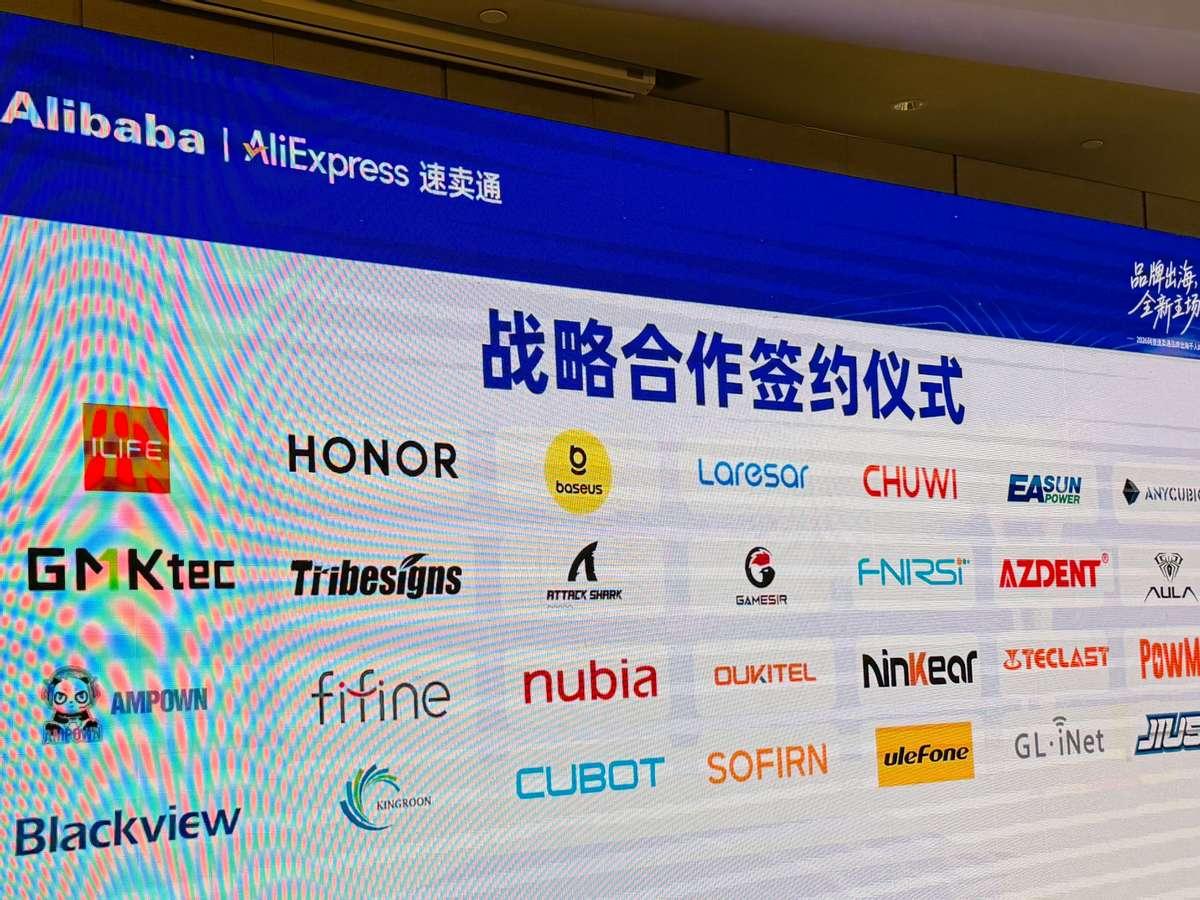
继小米高调宣布将阿里速卖通AliExpress作为其品牌出海首选阵地后,1月22日,包括荣耀、倍思、努比亚等超50家行业头部品牌集结深圳,集体签约速卖通“超级品牌出海计划”,借势平台出海。者获悉

网上流传的现场图显示,当天参与签约的品牌主要是消费电子、智能硬件、智能家电等高科技、高附加值类目,包括:游戏手柄Top品牌GameSir、笔电Top品牌驰为、三防手机Top品牌CUBOT、亚马逊家居大卖致远科技、以及已经在速卖通上成长为波兰国民级品牌的ILIFE等……一系列跨境圈耳熟能详的品牌赫然在列。

(速卖通“超级品牌出海计划“签约品牌墙)

据参与活动的商家透露,现场热闹情况堪比春运,“挤都挤不进去”,“前后左右都是做亚马逊的”。

随着越来越多重量级玩家的加入,速卖通正加速成为中高端品牌出海的全新主场。事实上,自从速卖通去年9月加大品牌赛道投入,明确提出要用亚马逊一半成本做到更高成交,品牌撤离亚马逊的趋势已经愈发明显。

据Sensor Tower数据,2025年黑五速卖通在欧洲下载量一度超过亚马逊,一举攻入亚马逊核心主场。跨境出海服务机构AMZ123的最新调研显示:87%的亚马逊卖家计划将速卖通作为品牌出海的第二增长曲线。

2026年,速卖通攻势不减,放出“海外托管+品牌出海”王炸组合,深入浙江、广东、河南等跨境核心产业带,持续招募中国品牌商家、亚马逊大卖。越来越多长期深耕亚马逊的品牌果断“换船”。

一位品牌负责人直言,选择速卖通不仅是因为其成本结构更具竞争力,更关键的是速卖通对品牌的深度理解与系统性支持。“从品牌频道Brand+的专属曝光,到本地化营销能力、AI运营工具和售后体系,速卖通让我们真正实现了以品牌身份而非商品卖家出海。”

在跨境电商从“低价内卷”转向“品牌溢价”的关键拐点,单纯依赖平台流量已难以为继,品牌开始追求可掌控的用户关系、可积累的品牌资产,以及可协同的本地化能力,而这正是 “超级品牌出海计划”的底层逻辑。速卖通 “共建品牌”的新范式,或许正在悄然蚕食亚马逊的护城河。

注:文/龚作仁,文章来源:Laborer,本文为作者独立观点,不代表亿邦动力立场。

文章来源:Laborer

广告
微信
朋友圈

这么好看,分享一下?

朋友圈 分享

APP内打开

+1
+1
微信好友 朋友圈 新浪微博 QQ空间
关闭
收藏成功
发送
/140 0

