广告
加载中

腾讯把AI送进1400万组织 运营的工作要变天了

张帆 2026-10-20 14:39
张帆 2026/10/20 14:39

邦小白快读

EN
全文速览

总:WorkBuddy与企业微信打通后,账号互通,企业微信内可直接调用智能体办公。

1.入口变化:企业微信首页左侧任务栏和对话框出现对话机器人,员工像@同事一样交办工作,不用打开新应用或学新操作。

2.授权能力:可读取消息、任务及业务信息,发起群聊、调用接口,AI生成结果自动回传企业微信进入下一环节。

总:高频实操场景可直接借鉴。

1.消息整理:代发文字和文件,读单聊群聊历史,搜聊天记录,对未读消息做优先级整理。

2.日程复盘:查改日程、订会议室、建在线会议、查会议纪要和待办、收发邮件。

3.内容运营:自动检测编辑部群聊找选题线索;把行业资料、访谈记录、爆款复盘沉淀为知识库,一句话调取案例数据观点;把审核标准喂给智能体生成自动审核机器人。

4.文件互传:多类型文件一键互传,减少下载上传转发。

总:体验感受是顺滑,少切换,账号权限和上下文连通。

总:文章对品牌内容生产与审核链路有直接启发。

1.选题:用WorkBuddy在企业微信生成自动化工作流,每天自动检测编辑部群聊,从客户反馈、同事讨论中找选题线索,相当于24小时在线的选题雷达。

2.知识沉淀:把行业资料、访谈记录、爆款复盘喂入知识库,写稿时一句话调取相关案例、数据和观点,提升内容生产效率。

3.审核:把主编审核标准喂给智能体,生成自动审核机器人,员工把选题、初稿发群,机器人做初轮审核和打分,缩短等待周期。

总:产品与用户行为观察。

1.原生打通让员工像@同事一样使用AI,减少新应用学习和窗口切换。

2.企业授权、统一名额额度、高敏感信息不可访问,以及可观测中心,便于品牌方管控AI使用。

3.组织上下文和业务上下文让AI理解岗位、项目、文档,开放模型、生态、平台三层,企业无需绑定特定大模型。

总:趋势上,AI从试点走向全员铺开,运营人价值更看判断力和运营智能体能力。

总:事件带来的机会与正面影响。

1.WorkBuddy与企业微信原生打通,企业微信内可直接调用智能体,AI从试试看走向正式入职,有望从试点走到全员铺开。

2.员工效率提升:消息整理、日程复盘、文件互传、知识库、自动审核可交给AI;企服公司案例中AI每4小时自动汇总群聊、会议、文档,一人能同时负责五六个项目。

3.可学习点:把运营经验、选题风格、审核标准沉淀给智能体,形成可复用工作流。

总:风险提示与应对。

1.管理风险:AI入职后,产出谁签字、出错谁兜底、额度怎么分成为新命题。

2.安全风险:Agent读取企业上下文必须经企业授权,高敏感信息可设为AI不可访问,重要数据不出企业微信控制范围。

3.运营人风险:执行层工作被接走后,价值转向判断力,新人如何攒手感成为新问题。

总:合作与商业模式。

1.仅适用企业微信和WorkBuddy企业版,管理员统一分配名额额度、设置访问权限。

2.模型、生态、平台三层开放,支持接入三方IM和自有业务系统,无需绑定特定大模型。

3.可观测中心可看用量、成本、性能、质量。

总:产品设计与生产需求启示。

1.原生打通:Agent要进入企业日常办公入口,账号互通,员工像@同事一样交办工作,结果自动回传,减少新应用和新操作。

2.上下文能力:能读取组织上下文和业务上下文,理解岗位、项目、文档、历史沟通,减少从零交代。

3.管理能力:企业授权、统一名额额度、访问权限、高敏感信息不可访问,并有可观测中心实时看用量、成本、性能、质量。

总:商业机会与数字化启示。

1.企业AI落地机会:文章判断普通企业落地AI常卡在不敢放和接不进,WorkBuddy与企业微信联动拆掉权限不可控、业务系统接不上两道坎。

2.数字化底座:企业原有CRM、工单、库存等业务系统及审批协作流程可继续沿用,AI直接参与读取业务变化、调用系统处理任务,再把结果推回企业微信。

3.案例:企服公司用AI每4小时自动汇总群聊、会议、文档,一人同时负责五六个项目。

总:对工厂推进数字化的启示是,不必推翻原有流程,把已有系统接成AI底座,先做信息拉通和知识沉淀。

总:行业趋势。

1.办公Agent与协同办公平台深度融合,WorkBuddy与企业微信原生打通,AI进入企业通讯录,成为能干活、可管控的AI同事。

2.朱啸虎判断,办公Agent的长期壁垒不在模型,而在上下文和生态,包括组织关系、历史记录、企业知识库等。

3.AI从试试看走向正式入职,企业AI从几个人试点走向全员铺开。

总:客户痛点。

1.信息拉通难,一个人同时只能盯两三个项目;素材散落在聊天窗口和文件夹,用的时候找不着。

2.不敢放:权限不可控,安全没底;接不进:业务系统接不上,担心推翻过往流程。

3.内容组织里主编审核忙,选题、发布、转载都要确认。

总:解决方案与新技术。

1.企业微信内直接调用WorkBuddy,账号权限上下文连通,可读消息、任务、业务信息,发起群聊、调接口,结果回传。

2.知识库、自动选题工作流、智能主编初轮审核打分、文件一键互传、日程会议待办邮件处理。

3.企业授权、统一名额额度、高敏感信息不可访问、可观测中心;模型、生态、平台三层开放,支持三方IM和自有业务系统。

总:企业对平台的需求和问题。

1.企业要能统一管理AI,AI给谁用、每人用多少、哪些资料能让AI看,都要由企业统一安排。

2.企业担心权限不可控、安全没底,也担心业务系统接不上、过往流程被推翻。

3.企业希望AI能读取组织上下文和业务上下文,接上已有CRM、工单、库存、审批等家底。

总:企业微信的最新做法。

1.原生打通:企业微信首页任务栏和对话框出现WorkBuddy机器人,账号互通,员工像@同事一样交办工作。

2.统一管理:仅适用企业微信和WorkBuddy企业版,Agent读取企业上下文必须经企业授权,管理员统一分配名额额度、设置访问权限,高敏感信息可设为AI不可访问。

3.可观测中心:提供实时观测、会话追踪,用量、成本、性能、质量可实时看清。

4.开放合作:模型、生态、平台三层开放,企业无需绑定特定大模型,支持接入三方IM和自有业务系统。

总:运营管理与风向规避。

1.权限和额度收在企业手里,重要数据不出企业微信控制范围。

2.企业原有业务系统和审批协作流程可继续沿用,AI能力原地升级,降低落地门槛。

3.平台以开放生态扩大合作空间,同时用授权和可观测能力规避安全与失控风险。

总:产业新动向。

1.办公Agent与协同办公平台融合,WorkBuddy与企业微信打通,AI在企业内有了身份和工位,被放进企业管理账本。

2.办公Agent长期壁垒不在模型,而在上下文和生态,包括组织关系、历史记录、企业知识库等。

3.企业AI从试点走向全员铺开,运营人价值从手快、熟练、能扛量转向判断力和运营智能体的能力。

总:新问题与启示。

1.管理命题:管理者要管的不只是人,还有一批顶着同事名头的AI,产出谁签字、出错谁兜底、额度怎么分。

2.人才命题:判断力过去靠重复劳动磨出来,执行层劳动被AI接走后,新人靠什么攒手感。

3.安全与权限:Agent读取企业上下文须经企业授权,高敏感信息可设为AI不可访问,重要数据不出企业微信控制范围。

总:商业模式与政策法规启示。

1.企业版授权、统一名额额度、可观测中心,形成可管控的企业AI服务模式。

2.模型、生态、平台三层开放,支持三方IM和自有业务系统,企业无需绑定特定大模型。

3.企业原有CRM、工单、库存、审批等数字化积累成为AI底座,提示企业AI落地要兼顾效率、安全与既有流程。

返回默认
声明:快读内容全程由AI生成,请注意甄别信息。如您发现问题,请发送邮件至 run@ebrun.com 。

我是 品牌商 卖家 工厂 服务商 平台商 研究者 帮我再读一遍。

Quick Summary

Summary: After WorkBuddy is integrated with WeCom, accounts are interoperable, and agents can be invoked directly within WeCom for office work.

1. Entry point change: A conversational bot appears in the left taskbar and chat window on the WeCom home page; employees can assign work as if @-mentioning a colleague, without opening a new app or learning new operations.

2. Authorization capabilities: It can read messages, tasks, and business information, initiate group chats, and call APIs; AI-generated results are automatically returned to WeCom for the next step.

Summary: High-frequency practical scenarios can be directly borrowed.

1. Message management: Send text and files on behalf of users, read one-on-one and group chat history, search chat records, and prioritize unread messages.

2. Schedule review: Check and modify schedules, book meeting rooms, create online meetings, check meeting minutes and to-dos, and send/receive emails.

3. Content operations: Automatically monitor editorial group chats for topic leads; turn industry materials, interview records, and viral-content retrospectives into a knowledge base so cases, data, and viewpoints can be retrieved in one sentence; feed review standards to the agent to generate an automated review bot.

4. File transfer: One-click transfer of multiple file types, reducing downloading, uploading, and forwarding.

Summary: The experience is smooth, with fewer switches, and connected account permissions and context.

Summary: The article offers direct implications for brand content production and review workflows.

1. Topic selection: Use WorkBuddy to build automated workflows in WeCom, automatically monitoring editorial group chats every day and identifying topic leads from customer feedback and colleague discussions—essentially a 24/7 topic radar.

2. Knowledge capture: Feed industry materials, interview records, and viral-content retrospectives into a knowledge base; when writing, retrieve relevant cases, data, and viewpoints in one sentence to improve content production efficiency.

3. Review: Feed the editor-in-chief's review standards to the agent to generate an automated review bot; employees send topics and first drafts to the group, and the bot conducts initial review and scoring, shortening waiting cycles.

Summary: Observations on product and user behavior.

1. Native integration lets employees use AI as if @-mentioning a colleague, reducing the need to learn new apps and switch windows.

2. Enterprise authorization, unified seat quotas, inaccessible highly sensitive information, and an observability center make it easier for brands to govern AI usage.

3. Organizational and business context helps AI understand roles, projects, and documents; the three-layer openness across models, ecosystem, and platform means enterprises do not need to be locked into a specific large model.

Summary: The trend is that AI is moving from pilots to company-wide rollout, and the value of operations staff increasingly depends on judgment and the ability to run operational agents.

Summary: Opportunities and positive impacts from the event.

1. WorkBuddy is natively integrated with WeCom, so agents can be invoked directly within WeCom. AI is moving from experimentation to formal onboarding and is expected to scale from pilots to company-wide rollout.

2. Employee efficiency gains: Message management, schedule review, file transfer, knowledge base, and automated review can be delegated to AI; in the enterprise services company case, AI automatically summarizes group chats, meetings, and documents every four hours, allowing one person to manage five or six projects simultaneously.

3. Learnings: Capture operational experience, topic style, and review standards in the agent to form reusable workflows.

Summary: Risk alerts and responses.

1. Management risk: Once AI is onboarded, who signs off on output, who bears responsibility for errors, and how quotas are allocated become new questions.

2. Security risk: An agent reading enterprise context must be authorized by the enterprise; highly sensitive information can be set as inaccessible to AI, and important data remains within WeCom's control.

3. Operations staff risk: As execution-layer work is taken over, value shifts toward judgment, and how newcomers build hands-on intuition becomes a new issue.

Summary: Cooperation and business model.

1. It applies only to WeCom and WorkBuddy Enterprise Edition; administrators centrally allocate seat quotas and set access permissions.

2. The three-layer openness across models, ecosystem, and platform supports integration with third-party IM and proprietary business systems, without requiring lock-in to a specific large model.

3. The observability center shows usage, cost, performance, and quality.

Summary: Implications for product design and production needs.

1. Native integration: The agent must enter the enterprise's daily office entry point, with interoperable accounts; employees assign work as if @-mentioning a colleague, and results are automatically returned, reducing new apps and operations.

2. Context capabilities: It can read organizational and business context, understand roles, projects, documents, and historical communications, reducing the need to explain everything from scratch.

3. Management capabilities: Enterprise authorization, unified seat quotas, access permissions, inaccessible highly sensitive information, and an observability center for real-time visibility into usage, cost, performance, and quality.

Summary: Business opportunities and digitalization implications.

1. Enterprise AI adoption opportunity: The article argues that ordinary enterprises often get stuck in AI adoption because they dare not deploy it and cannot connect it. The WorkBuddy–WeCom integration removes two barriers: uncontrollable permissions and disconnected business systems.

2. Digital foundation: Enterprises' existing CRM, ticketing, inventory, and other business systems and approval/collaboration processes can continue to be used; AI directly participates in reading business changes, calling systems to process tasks, and pushing results back to WeCom.

3. Case: An enterprise services company uses AI to automatically summarize group chats, meetings, and documents every four hours, with one person responsible for five or six projects simultaneously.

Summary: The implication for factories advancing digitalization is that they do not need to overturn existing processes; instead, they should connect existing systems into an AI foundation and first focus on information integration and knowledge capture.

Summary: Industry trends.

1. Office agents are deeply integrating with collaborative office platforms. WorkBuddy is natively integrated with WeCom, and AI enters the enterprise directory, becoming an AI colleague that can do work and be governed.

2. Zhu Xiaohu argues that the long-term moat of office agents lies not in models but in context and ecosystem, including organizational relationships, historical records, and enterprise knowledge bases.

3. AI is moving from experimentation to formal onboarding, and enterprise AI is scaling from pilots involving a few people to company-wide rollout.

Summary: Customer pain points.

1. Information integration is difficult; one person can only monitor two or three projects at a time; materials are scattered across chat windows and folders and cannot be found when needed.

2. Reluctance to deploy: Permissions are uncontrollable and security is uncertain; inability to connect: Business systems cannot be connected, and there are concerns about overturning past processes.

3. In content organizations, editors-in-chief are busy with reviews; topics, publishing, and reprints all require confirmation.

Summary: Solutions and new technologies.

1. WorkBuddy can be invoked directly within WeCom, with connected account permissions and context; it can read messages, tasks, and business information, initiate group chats, call APIs, and return results.

2. Knowledge base, automated topic-selection workflows, initial review and scoring by an intelligent editor-in-chief, one-click file transfer, and handling of schedules, meetings, to-dos, and emails.

3. Enterprise authorization, unified seat quotas, inaccessible highly sensitive information, and an observability center; three-layer openness across models, ecosystem, and platform supports third-party IM and proprietary business systems.

Summary: Enterprise requirements and issues for platforms.

1. Enterprises need to manage AI centrally: who gets access to AI, how much each person uses, and which materials AI can see must all be arranged uniformly by the enterprise.

2. Enterprises worry about uncontrollable permissions and uncertain security, as well as disconnected business systems and the overturning of past processes.

3. Enterprises want AI to read organizational and business context and connect to existing CRM, ticketing, inventory, approval, and other assets.

Summary: WeCom's latest approach.

1. Native integration: The WorkBuddy bot appears in the WeCom home page taskbar and chat window; accounts are interoperable, and employees assign work as if @-mentioning a colleague.

2. Unified management: It applies only to WeCom and WorkBuddy Enterprise Edition; an agent reading enterprise context must be authorized by the enterprise; administrators centrally allocate seat quotas and set access permissions; highly sensitive information can be set as inaccessible to AI.

3. Observability center: It provides real-time observability and session tracking, with usage, cost, performance, and quality visible in real time.

4. Open cooperation: Three-layer openness across models, ecosystem, and platform means enterprises do not need to be locked into a specific large model and can integrate third-party IM and proprietary business systems.

Summary: Operations management and risk avoidance.

1. Permissions and quotas remain in the enterprise's hands, and important data stays within WeCom's control.

2. Enterprises' existing business systems and approval/collaboration processes can continue to be used, with AI capabilities upgraded in place, lowering the adoption threshold.

3. The platform expands cooperation space through an open ecosystem while using authorization and observability to avoid security and loss-of-control risks.

Summary: New industry developments.

1. Office agents are integrating with collaborative office platforms. WorkBuddy is integrated with WeCom, giving AI an identity and workstation within the enterprise and placing it on the enterprise management ledger.

2. The long-term moat of office agents lies not in models but in context and ecosystem, including organizational relationships, historical records, and enterprise knowledge bases.

3. Enterprise AI is moving from pilots to company-wide rollout, and the value of operations staff is shifting from speed, proficiency, and capacity to handle volume toward judgment and the ability to run operational agents.

Summary: New questions and implications.

1. Management challenge: Managers must manage not only people but also a group of AIs under colleagues' names—who signs off on output, who bears responsibility for errors, and how quotas are allocated.

2. Talent challenge: Judgment used to be honed through repetitive work; as execution-layer work is taken over by AI, what newcomers rely on to build hands-on intuition becomes a question.

3. Security and permissions: An agent reading enterprise context must be authorized by the enterprise; highly sensitive information can be set as inaccessible to AI, and important data remains within WeCom's control.

Summary: Implications for business models and policies and regulations.

1. Enterprise Edition authorization, unified seat quotas, and an observability center form a governable enterprise AI service model.

2. Three-layer openness across models, ecosystem, and platform supports third-party IM and proprietary business systems, so enterprises do not need to be locked into a specific large model.

3. Enterprises' existing digitalization assets—CRM, ticketing, inventory, approval, and others—become the AI foundation, suggesting that enterprise AI adoption must balance efficiency, security, and existing processes.

Disclaimer: The "Quick Summary" content is entirely generated by AI. Please exercise discretion when interpreting the information. For issues or corrections, please email run@ebrun.com .

I am a Brand Seller Factory Service Provider Marketplace Seller Researcher Read it again.

最近,WorkBuddy终于和企业微信打通了,实现账号互通。

这条消息,值得运营人重点关注。合体的双方,一个是国内服务用户规模最大的协同办公平台之一;另一个是国内用户最多的办公智能体。

在相关消息出来的第一时间,运营社就参与了测试,截至目前,已经体验了大约一周时间。体验中我们发现,“WorkBuddy+ 企业微信”的组合,展现出了相当强的办公能力。

两者协同下,WorkBuddy的 Agent能力,正在以更丝滑、更高效的方式,落地到企业的实际运营与管理中,转化为真实的生产力。

具体而言,两个Top级产品到底是如何协同的?WorkBuddy与企业微信打通后,带来了哪些新功能?它们又如何帮助企业更高效地提升生产力?

这篇文章,运营社就来聊聊这些话题。

01 打通企业微信后,WorkBuddy多了哪些新本领?

WorkBuddy与企业微信深度协同后,有了哪些新变化?

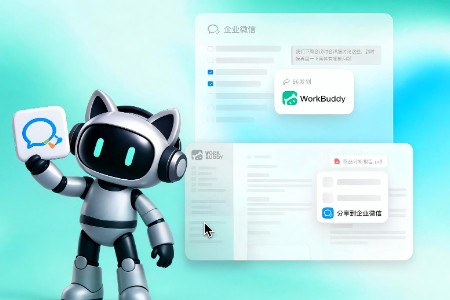
最直接的改变是,WorkBuddy与企业微信实现了原生级别的打通。现在在企业微信里,就能直接调用WorkBuddy,让智能体帮忙办公。

完成更新后,企业微信首页左侧的任务栏以及对话框里,都会出现一个新的对话机器人,它是WorkBuddy在企业微信的化身,类似一个能执行任务的办公搭子。员工可以像@一位同事一样交办工作,不需要打开新的应用,也不需要学习新的操作方式。

与之对应,经过授权后,WorkBuddy可以读取来自企业微信的消息、任务及业务信息,还能根据需要发起群聊,并调用相关接口完成工作。不仅如此,AI生成的结果,还能自动回传企业微信,进入下一环节工作流。

具体来说,打通之后,企业及员工哪些工作会变得更方便?用一句话概括,是身份、内容、协作、AI、商业五层全链路融合。落到运营人每天都要碰的场景里,主要是三类:

第一类,读取并整理消息。WorkBuddy可以在授权范围内,代发文字和文件、读取单聊和群聊的历史消息、搜索聊天记录,还能对未读消息做优先级整理,哪些该第一时间处理、哪些值得关注、哪些可以放一放,帮员工分好。

第二类,安排日程和日常复盘。 查日程、改日程、订会议室、建在线会议、查会议纪要和待办,再加上收发邮件,这些“约时间、记事情、复盘工作”的活都能交给WorkBuddy生成的机器人。

第三类,处理文件。 多类型文件,在WorkBuddy和企业微信之间可一键互传,不用再“下载—上传—转发”来回倒,能大幅节约员工的时间。

在运营社为期一周的实测中,WorkBuddy展现出了比我们想象中更强大的能力。我们以内容运营的视角举几个例子,看看它是怎么联动企业微信,帮运营人提效的。

场景一、素材收集,一键在海量消息里找准选题方向

做内容的人都知道,最好的选题和素材,往往散在群聊里,一条客户反馈、同事随口提的一句话、某次讨论的结论,都可能是一个选题。以前这些散落的消息,要靠人一条条翻,逐一思考这些内容变成选题的可能性。

现在,运营社直接借助WorkBuddy在企业微信生成了一个自动化的工作流,让AI每天自动检测编辑部的群聊,从中寻找选题线索(编辑会不定期在群聊中分享、讨论行业消息或最新动态)。

相当于在WorkBuddy的帮助下,编辑部多了一个24小时在线的“选题雷达”,时刻帮助编辑收集、整理选题思路,大幅提高了内容编辑的工作效率。

场景二、知识沉淀,帮运营人打造“超级知识库”

内容编辑每次创作都需要搜集大量素材,素材来源包括搜索、访谈、日常沟通等。这些资料散落在各个聊天窗口和文件夹里,用的时候找不着,就等于白攒。

企业微信与WorkBuddy彻底打通后,员工的专属机器人可以自动把日常沟通、会议内容、过往内容素材,沉淀成一个可随时调用的知识库。

运营社主理人小贤老师就干了这么一件事,他把这些年攒下的行业资料、访谈记录、爆款复盘,喂进这个知识库。以前写一篇稿,光是找素材、翻旧资料就得耗费大半天。现在只要一句话,相关的案例、数据和观点立马就能被调出来,写稿、找素材,仿佛开了挂。

场景三、创建智能主编,推动内容审核智能化、自动化

在很多以内容创作为核心的组织里,主编(审核负责人)往往非常忙,选题方向要他定、发布前逐一审核,连转载一篇文章也要他来确认。Agent时代到来后,将相关标准喂给智能体,就能生成一个自动审核的机器人。

WorkBuddy入驻企业微信后,这一流程更丝滑了,员工把选题、初稿发到群里,主编的机器人就能自动做初轮审核和打分,直接大幅缩减了等待周期,推动整个小组的工作效率提升。

一周时间体验下来,针对这次WorkBuddy与企业微信的联动,运营社最大的感受是顺滑。

具体来说,最大的变化不是多了某些功能,而是少了很多繁琐的切换,不用再开新App重新登录、不用再为了一次查消息把窗口切来切去、不用再把资料在两个端之间搬来搬去。

WorkBuddy与企业微信的账号、权限都是连通的,项目背景、历史沟通、过往文档这些“上下文”,也都能直接读取,不用每次逐一交代,能减少很多不必要的流程,节省大量时间,直接推动整体办公效率提升。

02 这次WorkBuddy升级,对企业意味着什么?

如果只看员工个人效率的提升,其实低估了这次两个Top级产品的打通。

在运营社看来,它的真正落点,不是企业给个人多装一个AI入口,而是给每位员工都添了一位能干活、可管控的AI同事。这个价值,可以分两层去看。

第一层,是员工办公效率的显著提升,智能体变成了能执行任务的同事。

过去员工用AI,AI是个“局外人”,通常需要先把背景、来龙去脉、要用的资料,一点点喂给它,它才开始干活。

这次打通不一样,WorkBuddy以同事的身份,直接进入了企业微信的通讯录里,自带两份“上下文”。一份是组织上下文,谁在什么岗位、谁负责什么工作,能让AI更容易理解组织关系;另一份是业务上下文,不同项目的来龙去脉、相关文档和数据在哪,AI可以无障碍直接读取。

所以员工推进工作,不需要从零开始交代,只用像@一位同事一样,说一句“帮我整理昨天那个会议的内容”,它就知道该从哪找原始录音、重点看什么内容、输出什么形式的文档。

落到具体场景里,这种“懂业务上下文”的价值更直观,效率提升也更明显。

比如用户运营团队,可以把多年积累的运营经验和策略全部交给WorkBuddy生成的机器人 ,以后讨论新的活动策划,只用一句提示就能调用以前的方案,并根据新的需求和目标优化生成新方案。

再比如内容运营团队,可以沉淀一个选题生成的工作流,让它结合团队的选题风格和当天的行业热点,每日定点自动生成一份“选题日报”,大幅压缩选题讨论的时间。

说白了,两个系统真正通了,企业微信里的各种内容就能更丝滑地被Agent调用,智能体产出的结果又能顺着原路回传企微,推动项目继续运转。信息能来能回,智能体对业务的理解就更准,复杂的问题也更容易被一步步拆解解决。

对企业来说,这意味着同样的团队,能做出更多、更有价值的事。

第二层,是企业的统一管理,企业能真正管住旗下每个智能体,还能让AI原地升级。

效率解决了,接下来是更关键的问题:AI进了企业,怎么保证它不乱来,又怎么接上企业已有的家底?

市面上不少Agent和 IM的打通,走的是员工个人连接,员工用自己的账号授权,企业既看不见、也管不着。

这次打通不一样,它只适用于企业微信和WorkBuddy企业版,Agent要读取企业上下文,必须经过企业授权。管理上,AI给谁用、每人用多少、哪些资料能让AI看,都由企业统一安排,管理员统一分配名额和额度、设置访问权限,可以将高敏感信息设为AI不可访问,保证企业重要数据不出企业微信的控制范围。

更关键的是在企业微信的支持下,WorkBuddy的 AI能力还能实现原地升级,企业原来搭好的CRM、工单、库存等业务系统,以及已经跑顺的审批和协作流程,都可以继续沿用,AI可直接参与其中,读取业务变化、调用系统处理任务,再把结果推回企微给对应负责人。

企业过去的数字化积累,成为了当下的AI底座,企业过去沉淀在企微里的项目资料、复盘文档和工作经验,都能被盘活成AI能持续调用的能力。值得一提的是,这种连接并不绑死,模型、生态、平台三层都保持开放,企业无需绑定特定大模型,也支持接入三方IM和自有业务系统,企业有了更多灵活选择的空间。

此外,WorkBuddy企业版管理后台还上线了「可观测中心」,提供实时观测、会话追踪等能力。员工使用WorkBuddy的用量、成本、性能、质量等企业管理员都能实时看清,还能针对性进行优化。

这种“接上家底”的价值,已经有真实案例落地。运营社了解到,一家企服公司过去信息拉通难,一个人同时只能盯两三个项目。用WorkBuddy接入企业微信后,AI每 4小时自动汇总群聊、会议、文档,一个人能同时负责五六个项目,把精力留给真正需要判断的事。

回头看,普通企业落地AI常常卡在两道坎上,一是“不敢放”,权限不可控,安全没底;二是“接不进”,业务系统接不上,担心过往的业务流程需要推翻重来。

WorkBuddy与企业微信的联动正好把这两道坎都拆掉了,权限和额度收在企业手里,CRM、工单、审批这些家底又能原地沿用。门槛一低,AI才可能真正从几个人试点走到全员铺开。

把镜头再拉远一点,这次打通还有一层行业意义。知名投资人、金沙江创投主管合伙人朱啸虎就曾判断,办公Agent的长期壁垒不在模型,而在上下文和生态,包括组织关系、历史记录、企业知识库等,这些都是别人搬不走的东西。这次WorkBuddy与企业微信的联手,等于把这层壁垒又加高了一层。

03 结语

整体看来,WorkBuddy打通企业微信,意义不止于多了一个AI入口。它真正的重点是,企业里的AI从试试看走向正式入职,AI第一次在企业内有了身份、有了“工位”,也被放进了企业的管理账本。

而对运营人来说,更值得思考的是下一步,当执行层的活被接走,价值坐标也在悄悄移动。过去拼的是手快、熟练、能扛量,往后更要看判断力,能不能更好地运营智能体,能不能拿捏住用户的口味。

有意思的是,判断力过去恰恰是靠重复劳动磨出来的,翻过上千条素材,才知道什么是好选题。当这层劳动被AI接走,新人又靠什么攒出手感?这或许是接下来每个运营团队都要思考的新问题。

对企业来说,管理命题同样在变。当AI真的“入职”,管理者要管的不再只是人,还有一批同样顶着“同事”名头的AI,产出谁签字、出错谁兜底、额度怎么分,都是过去没有涉及过的命题。

不过好在,WorkBuddy与企业微信这套组合足够能打,并没有把这些难题全甩给企业自己摸索。安全、权限、额度这些新课题,它们在打通时就一并考虑进去了。换句话说,它们不只是把AI请进了门,也顺手把“怎么用才安全、怎么管才清楚”的答案,递到了企业手上。

最后,你怎么看“WorkBuddy进企业微信”这件事?它会如何影响企业和运营从业者?欢迎在评论区留言讨论。

注:文/张帆,文章来源:运营研究社(公众号ID:U_quan),本文为作者独立观点,不代表亿邦动力立场。

文章来源:运营研究社

广告
微信
朋友圈

FAQ回顾

WorkBuddy是什么?它属于什么类型的产品?

WorkBuddy是国内用户最多的办公智能体,具备Agent能力,可在授权范围内代发文件、读取群聊、整理未读消息、安排日程、检索知识库并回传结果。与企业微信打通后,它以对话机器人形式进入企业通讯录,员工可像@同事一样交办任务,相当于一位能执行任务、可被企业管控的AI同事。

WorkBuddy与企业微信打通后,员工可以做哪些事情?

打通后实现身份、内容、协作、AI、商业五层全链路融合,主要覆盖三类场景:一是读取并整理单聊群聊消息、按优先级分类;二是查改日程、订会议室、建在线会议、查纪要与收发邮件;三是多类型文件一键互传。企业还可沉淀知识库、搭建选题雷达和智能主编,实现自动初审打分。

企业如何管控员工使用的AI智能体,避免数据外泄?

该能力仅适用于企业微信和WorkBuddy企业版,Agent读取企业上下文必须经过企业授权。管理员可统一分配使用名额和额度、设置访问权限,并将高敏感信息设为AI不可访问,确保数据不出企业微信控制范围。企业版管理后台还上线「可观测中心」,实时查看用量、成本、性能与质量。

办公Agent的长期竞争壁垒是什么?

知名投资人、金沙江创投主管合伙人朱啸虎曾判断,办公Agent的长期壁垒不在模型,而在上下文和生态,包括组织关系、历史记录、企业知识库等别人搬不走的东西。WorkBuddy与企业微信打通后,AI可读取组织上下文与业务上下文,并把结果回传企微,等于进一步加高了这层壁垒。

企业落地AI通常卡在哪些环节,如何解决?

企业落地AI常卡在两道坎:一是“不敢放”,权限不可控、安全没底;二是“接不进”,业务系统接不上,担心流程推翻重来。WorkBuddy与企业微信的联动将权限和额度收在企业手里,CRM、工单、库存、审批等原有系统可原地沿用,还能接入三方IM与自有系统,降低全员铺开的门槛。

这么好看,分享一下?

朋友圈 分享

APP内打开

赞 +1
+1
微信好友 朋友圈 新浪微博 QQ空间
关闭
收藏成功
发送
/140 0