广告
加载中

谷仓:海外仓旺季整体货量提升 功能不只是“仓” |黑五微访谈

亿邦动力 2026-11-18 11:15
亿邦动力 2026/11/18 11:15

邦小白快读

EN
全文速览

旺季核心是交付确定性

1.今年黑五备战投入加大,不确定性更多来自规则端和运力端;卖家备货节奏略慢但备货量仍增长,更关心能否按时入仓、按时出库。

2.海外仓不再只是仓,正成为旺季履约的供应链中枢;谷仓把目标拆成不爆仓不停摆、订单日清日结,主要仓群保持2到3日达,并盯当日出库率、48小时上网率、爆仓积压天数、欧洲新仓爬坡。

实操布局看三点

1.仓网扩容:全球仓储面积从3月360万平方米增至380万平方米,海外处理中心超140个,北美仓群超225万平方米、欧洲仓群超140万平方米,库存可放得离消费者更近。

2.智能仓与人力:智能仓面积突破30万平方米,第四代全流程自动化物流中心规模化落地;新泽西13号仓库容有望从传统仓约50万件提升到600万件以上,无人搬运车日均吞吐3.5万到4万单;旺季用正式工加临时工加劳务外包弹性用工。

3.增量与机会:欧洲同比增幅约80%到90%,美国约40%,整体约60%;内容电商、大件家居健身器材汽配是看点。卖家可把重部分交给专业服务商,关注入库时效、截单时间、尾程渠道、系统对接和异常处理。

品牌渠道与流量成本变化

1.今年旺季入场券更贵,成本端是合规成本、流量成本、履约成本三笔同时上升;平台广告竞价走高,流量结构受AI和内容电商影响。

2.渠道从直发加速转向仓发,欧洲税改后尤其明显;海外仓成为供应链中枢,平台仓、三方仓、独立站、线下场景的库存可通过一盘货打通,一仓对接多平台、全渠道库存,认证仓权益可转化为卖家的流量和成本优势。

产品与价格竞争启示

1.大件家居、健身器材、汽配等仓发友好、客单价高的品类在海外仓占比明显提升;平台大件物流履约外溢,品牌可把大件履约交给专业服务商。

2.内容电商如TikTok Shop全托管黑五首次覆盖16国,脉冲型订单要求小单快反、分批补货,对本土备货需求加大;品牌需用确定性履约对冲旺季贵和重。

3.价格竞争不只看报价,还算入库时效、截单时间、尾程渠道、系统对接和异常处理;稳定销量卖家可用批量头程换更低单位成本,谨慎卖家分批到仓控制节奏,不必自己变重。

政策与市场机会

1.政策端:欧盟税改新关税和处理费落地后的第一个黑五,欧洲小包关税收紧、平台物流政策引导仓发;欧美免税取消、关税不确定性使部分备货从美国转向欧洲。

2.增长市场:谷仓此前按入仓货量计算,同比整体约增长60%,美国约40%,欧洲约80%到90%;四季度是全年峰值,下半年旺季货量较上半年提升约50%,最终以实际为准。

风险提示与应对

1.风险:规则端和运力端持续变动,海运价格偏高,关税合规平台运力门槛同变;可能出现爆仓、系统性停摆、时效波动;合规、流量、履约三笔成本上升。

2.应对:卖家备货节奏略慢但量增,应聚焦按时入仓出库;可分批到仓和补货控制节奏,把重的那部分交给有产能的专业服务商,用海外仓确定性获取流量和订单。

3.机会与可学习点:欧洲仓发迁移、TikTok Shop全托管覆盖16国、内容电商脉冲订单、大件品类、半托管和平台仓配分离新流量;选择服务商关注大库容、时效、合规、系统对接、异常处理及认证仓权益。

产品设计与生产需求

1.海外仓占比提升的品类集中在大件家居、健身器材、汽配等仓发友好、客单价高的产品;平台大件物流履约外溢,工厂需适配大件仓发和履约。

2.内容电商爆发节奏不同于货架电商,对小单快反、分批补货要求更高,脉冲型订单增大本土备货需求,生产端要能灵活分批响应。

数字化与商业机会

1.商业机会:欧洲税改后从直发转仓发,欧洲仓群扩容最快;半托管和平台仓配分离带来新流量,接入主流平台认证体系可把认证仓权益变成卖家的流量和成本优势。

2.数字化启示:智能仓面积突破30万平方米,第四代全流程自动化物流中心规模化落地;新泽西13号仓超四分之一自动化区域,库容有望从约50万件提升到600万件以上,19个拣货工作站、无人搬运车日均吞吐3.5万到4万单,效率为人工3到5倍且可24小时作业。

3.运营启示:旺季用正式工加临时工加劳务外包弹性用工,岗前标准化培训与系统考核,动态调整人员分布和任务优先级,把资源集中在需要人工判断的环节。

行业趋势与客户痛点

1.海外仓正从单一仓变为旺季履约的供应链中枢,竞争到最后拼产能和确定性;旺季被平台拉长,从黑五网一变成几个月,考验跨周期节奏控制。

2.欧洲税改后从直发加速转仓发,欧洲同比增幅明显高于美国;内容电商脉冲型订单和大件品类占比提升,客户更需要大库容、时效稳、合规不出事、系统能对接、异常能处理。

新技术与解决方案

1.新技术:智能仓规模部署,智能仓面积突破30万平方米,第四代全流程自动化物流中心规模化落地;AI系统调库容、人力、运力弹性,无人搬运车、自动化拣货可24小时作业。

2.方案:扩容仓配网络至380万平方米、海外处理中心超140个,北美超225万平方米、欧洲超140万平方米;一盘货打通平台仓、三方仓、独立站、线下库存,一仓对接多平台、全渠道库存;接入主流平台认证体系。

3.履约保障:守住不爆仓不停摆底线,订单日清日结,主要仓群保持2到3日达,控制时效波动;旺季提前储备人力,正式工加临时工加劳务外包,动态清拥堵。

平台需求与做法变化

1.平台把旺季拉长,从黑五网一变成几个月的战线,卖家拼跨周期节奏控制;平台物流政策引导海外仓履约,欧洲税改后仓发需求迁移。

2.平台玩法带来新流量:TikTok Shop全托管黑五首次覆盖16个国家,内容电商脉冲型订单要求小单快反、分批补货;半托管和平台仓配分离带来新流量,平台大件物流履约外溢,需要专业服务商承接。

招商运营与风向规避

1.招商合作:谷仓接入主流平台认证体系,认证仓权益可直接变成卖家的流量和成本优势;一盘货打通平台仓、三方仓、独立站、线下库存,一仓对接多平台、全渠道库存,有利于平台丰富履约供给。

2.运营管理:平台侧需关注卖家按时入仓出库、订单日清日结、主要仓群2到3日达、当日出库率和48小时上网率、爆仓与积压天数、欧洲新仓爬坡速度。

3.风向规避:规则端和运力端不确定,关税、合规、平台、运力门槛同时变;要避免大规模爆仓和系统性停摆,控制时效波动和海外仓承接能力,优质产能是稀缺资源。

产业新动向与新问题

1.海外仓从仓变为旺季履约供应链中枢,重资产基建延续,全球仓储面积从3月360万平方米增至380万平方米,海外处理中心超140个;智能仓面积突破30万平方米,第四代全流程自动化物流中心规模化落地。

2.欧洲税改落地后的第一个黑五,欧洲从直发为主加速转向仓发为主,欧洲同比增幅约80%到90%,美国约40%,整体约60%,为按入仓货量计算含预估;平台把旺季拉长,内容电商脉冲订单和大件品类占比提升,AI改变流量结构、卖家运营、买家决策及仓内作业。

政策启示与商业模式

1.政策法规启示:欧盟税改新关税和处理费、欧美免税取消、欧洲小包关税收紧、产品认证和关税合规成本上升,正在改变备货区域和履约模式;合规、流量、履约三笔成本同时上升,卖家出现分化。

2.商业模式:海外仓以交付确定性换取流量和订单,客户把重部分交给专业服务商;认证仓权益、一仓多平台全渠道库存、平台仓配分离下的专业承接,是值得观察的服务模式;竞争焦点从报价转向入库时效、截单时间、尾程渠道、系统对接和异常处理。

返回默认
声明:快读内容全程由AI生成,请注意甄别信息。如您发现问题,请发送邮件至 run@ebrun.com 。

我是 品牌商 卖家 工厂 服务商 平台商 研究者 帮我再读一遍。

Quick Summary

Peak season's core is delivery certainty

1. This year's Black Friday preparation is heavier, with more uncertainty coming from rules and capacity; sellers are stocking slightly later but in larger volumes, and are more focused on on-time warehouse receipt and on-time outbound.

2. Overseas warehouses are no longer just warehouses; they are becoming the supply chain hub for peak fulfillment. Gucang breaks down its goals into no warehouse overflow and no standstill, daily clearance and settlement of orders, 2-3 day delivery for main warehouse clusters, and close monitoring of same-day outbound rate, 48-hour online rate, overflow and backlog days, and ramp-up of new European warehouses.

Practical layout: three points

1. Network expansion: global warehouse area increased from 3.6 million sqm in March to 3.8 million sqm; more than 140 overseas processing centers; North America warehouse cluster over 2.25 million sqm; Europe over 1.4 million sqm, bringing inventory closer to consumers.

2. Smart warehouses and labor: smart warehouse area exceeds 300,000 sqm; fourth-generation full-process automated logistics centers are being deployed at scale; New Jersey No.13 warehouse capacity is expected to rise from about 500,000 items in a traditional warehouse to more than 6 million; automated guided vehicles handle 35,000-40,000 orders per day; peak staffing uses a flexible mix of full-time workers, temporary workers, and outsourced labor.

3. Growth and opportunities: Europe up about 80%-90% YoY, the US about 40%, and overall about 60%; content commerce, large items, home goods, fitness equipment, and auto parts are highlights. Sellers can delegate the heavy part to specialized service providers and should watch inbound timeliness, cut-off times, last-mile channels, system integration, and exception handling.

Brand channels and changes in traffic costs

1. The entry ticket is more expensive this peak season, with compliance, traffic, and fulfillment costs all rising at once; platform ad bidding is higher, and the traffic structure is affected by AI and content commerce.

2. Channels are accelerating from direct shipping to warehouse shipping, especially after the EU tax reform; overseas warehouses are becoming the supply chain hub. Inventory across platform warehouses, third-party warehouses, DTC sites, and offline scenarios can be connected through one inventory pool; one warehouse can connect multiple platforms and full-channel inventory, and certified-warehouse privileges can translate into traffic and cost advantages for sellers.

Implications for product and price competition

1. Warehouse-friendly, high-ticket categories such as large home goods, fitness equipment, and auto parts are notably increasing their share in overseas warehouses; platform large-item logistics fulfillment is spilling over, and brands can delegate large-item fulfillment to specialized service providers.

2. Content commerce such as TikTok Shop fully managed Black Friday covers 16 countries for the first time; pulse orders require small-batch quick response and batch replenishment, increasing local stocking demand; brands need certainty in fulfillment to hedge against the high cost and heavy burden of peak season.

3. Price competition is not just about quotes; it also counts inbound timeliness, cut-off times, last-mile channels, system integration, and exception handling. Sellers with stable volume can use bulk first-mile to secure lower unit costs; cautious sellers can batch arrivals to control rhythm and do not need to make themselves heavier.

Policy and market opportunities

1. Policy: this is the first Black Friday after the EU tax reform's new tariffs and processing fees took effect; European small-parcel tariffs are tightening, and platform logistics policies are guiding warehouse shipping; the removal of US and EU exemptions and tariff uncertainty have shifted some stocking from the US to Europe.

2. Growth markets: Gucang previously calculated by inbound volume, growing about 60% overall YoY, about 40% in the US, and about 80%-90% in Europe; Q4 is the annual peak, and peak-season volume in H2 is about 50% higher than in H1, subject to actuals.

Risk alerts and responses

1. Risks: rules and capacity continue to change; ocean freight is high; tariff, compliance, platform, and capacity thresholds are changing together; warehouse overflow, systemic standstill, and timeliness fluctuations may occur; compliance, traffic, and fulfillment costs are rising.

2. Response: sellers are stocking slightly later but in larger volumes and should focus on on-time inbound and outbound; they can batch arrivals and replenishment to control rhythm, delegate the heavy part to specialized service providers with capacity, and use overseas warehouse certainty to gain traffic and orders.

3. Opportunities and learnings: Europe's shift to warehouse shipping, TikTok Shop fully managed coverage of 16 countries, pulse orders in content commerce, large-item categories, and new traffic from semi-managed models and the separation of platform warehousing and fulfillment; when selecting service providers, watch large capacity, timeliness, compliance, system integration, exception handling, and certified-warehouse privileges.

Product design and production needs

1. Categories with rising overseas warehouse share are concentrated in warehouse-friendly, high-ticket products such as large home goods, fitness equipment, and auto parts; platform large-item logistics fulfillment is spilling over, and factories need to adapt to large-item warehouse shipping and fulfillment.

2. The burst rhythm of content commerce differs from shelf ecommerce and places higher demands on small-batch quick response and batch replenishment; pulse orders increase local stocking demand, and production must respond flexibly in batches.

Digitalization and business opportunities

1. Business opportunities: after the EU tax reform, direct shipping is shifting to warehouse shipping, and Europe's warehouse network is expanding fastest; semi-managed models and the separation of platform warehousing and fulfillment bring new traffic; joining mainstream platform certification systems can turn certified-warehouse privileges into traffic and cost advantages for sellers.

2. Digitalization: smart warehouse area exceeds 300,000 sqm, and fourth-generation full-process automated logistics centers are being deployed at scale; more than a quarter of New Jersey No.13 warehouse is automated, with capacity expected to rise from about 500,000 items to more than 6 million; 19 picking stations and automated guided vehicles handle 35,000-40,000 orders per day; efficiency is 3-5 times manual work and can run 24 hours.

3. Operations: peak season uses flexible staffing with full-time workers, temporary workers, and outsourced labor; pre-job standardized training and system-based assessment; dynamically adjust staffing distribution and task priorities; concentrate resources on tasks that require human judgment.

Industry trends and customer pain points

1. Overseas warehouses are moving from single warehouses to the supply chain hub for peak fulfillment; competition ultimately comes down to capacity and certainty; platforms are extending peak season from Black Friday and Cyber Monday to several months, testing cross-cycle rhythm control.

2. After the EU tax reform, direct shipping is accelerating toward warehouse shipping, and Europe's YoY growth is notably higher than the US; pulse orders in content commerce and large-item categories are increasing their share, and customers increasingly need large capacity, stable timeliness, compliance, system integration, and exception handling.

New technologies and solutions

1. New technologies: smart warehouses are being deployed at scale, with smart warehouse area exceeding 300,000 sqm; fourth-generation full-process automated logistics centers are being deployed at scale; AI systems flex warehouse capacity, labor, and transport capacity; automated guided vehicles and automated picking can operate 24 hours.

2. Solutions: expand the warehouse and fulfillment network to 3.8 million sqm, with more than 140 overseas processing centers, over 2.25 million sqm in North America, and over 1.4 million sqm in Europe; one inventory pool connects platform warehouses, third-party warehouses, DTC sites, and offline inventory; one warehouse connects multiple platforms and full-channel inventory; join mainstream platform certification systems.

3. Fulfillment assurance: hold the bottom line of no warehouse overflow and no standstill, daily clearance and settlement of orders, 2-3 day delivery for main warehouse clusters, and control timeliness fluctuations; reserve labor ahead of peak season with a mix of full-time workers, temporary workers, and outsourced labor, and dynamically clear congestion.

Platform demand and changes in practices

1. Platforms are extending peak season from Black Friday and Cyber Monday into a months-long campaign, and sellers compete on cross-cycle rhythm control; platform logistics policies guide overseas warehouse fulfillment, and the EU tax reform has shifted warehouse-shipping demand.

2. Platform playbooks bring new traffic: TikTok Shop fully managed Black Friday covers 16 countries for the first time; pulse orders in content commerce require small-batch quick response and batch replenishment; semi-managed models and the separation of platform warehousing and fulfillment bring new traffic; platform large-item logistics fulfillment is spilling over and needs specialized service providers to take it on.

Merchant recruitment, operations, and trend avoidance

1. Merchant recruitment: Gucang has joined mainstream platform certification systems, and certified-warehouse privileges can directly become traffic and cost advantages for sellers; one inventory pool connects platform warehouses, third-party warehouses, DTC sites, and offline inventory; one warehouse connects multiple platforms and full-channel inventory, helping platforms enrich fulfillment supply.

2. Operations: platforms should watch sellers' on-time inbound and outbound, daily order clearance and settlement, 2-3 day delivery for main warehouse clusters, same-day outbound rate and 48-hour online rate, overflow and backlog days, and the ramp-up speed of new European warehouses.

3. Trend avoidance: rules and capacity are uncertain, with tariff, compliance, platform, and capacity thresholds changing at the same time; avoid large-scale warehouse overflow and systemic standstill; control timeliness fluctuations and overseas warehouse capacity; quality capacity is a scarce resource.

New industry developments and issues

1. Overseas warehouses are moving from warehouses to the supply chain hub for peak fulfillment; heavy-asset infrastructure continues, with global warehouse area rising from 3.6 million sqm in March to 3.8 million sqm and more than 140 overseas processing centers; smart warehouse area exceeds 300,000 sqm, and fourth-generation full-process automated logistics centers are being deployed at scale.

2. This is the first Black Friday after the EU tax reform took effect; Europe is accelerating from direct shipping to warehouse shipping, with Europe up about 80%-90% YoY, the US about 40%, and overall about 60%, calculated by inbound volume and including estimates; platforms are extending peak season, content commerce pulse orders and large-item categories are increasing their share, and AI is changing traffic structure, seller operations, buyer decisions, and in-warehouse operations.

Policy implications and business models

1. Policy and regulatory implications: the EU tax reform's new tariffs and processing fees, the removal of US and EU exemptions, tighter European small-parcel tariffs, and rising product certification and tariff compliance costs are changing stocking regions and fulfillment models; compliance, traffic, and fulfillment costs are rising at the same time, and sellers are diverging.

2. Business models: overseas warehouses trade delivery certainty for traffic and orders, and clients delegate the heavy part to specialized service providers; certified-warehouse privileges, one warehouse serving multiple platforms and full-channel inventory, and specialized undertaking under the separation of platform warehousing and fulfillment are service models worth watching; competition is shifting from quotes to inbound timeliness, cut-off times, last-mile channels, system integration, and exception handling.

Disclaimer: The "Quick Summary" content is entirely generated by AI. Please exercise discretion when interpreting the information. For issues or corrections, please email run@ebrun.com .

I am a Brand Seller Factory Service Provider Marketplace Seller Researcher Read it again.

【亿邦原创】规则端和运力端的持续变动,让今年旺季充满不确定性。据纵腾集团谷仓海外仓观察,相较往年,跨境卖家今年备货节奏略慢,但备货量呈增长趋势,尤以欧洲海外仓履约模式需求增长最为明显。多重不确定性叠加下,能不能按时入仓和出库这一确定性问题,既是卖家今年旺季关注的重点,也是谷仓海外仓设定的交付目标。

税改落地后的欧洲,正在成为谷仓海外仓今年希望实现突破的重点区域。在备货节奏和备货区域差异之外,不断被拉长的旺季周期、正在改变跨境运营的AI,都是对海外仓竞争能力的考验。内容电商所产生的脉冲型订单,因其不确定特点对本土备货需求加大,且大件货品的海外仓占比也在今年明显提升。正如谷仓海外仓副总裁陈凯斌所言:“海外仓竞争到最后,拼的是产能和确定性。”

对谷仓海外仓来说,实现交付的确定性,需要守住不大规模爆仓、不系统性停摆的履约底线,并控制好时效波动和海外仓承接能力。为此,谷仓海外仓在扩容仓配网络、规模部署智能仓、调配旺季人力等方面都提前做好布局,并强调“一盘货”能力,打通一仓对接多平台、全渠道库存。


正值年末大促季,亿邦动力特别策划“拼重力·2026跨境电商黑五旺季”专题,邀请出海品牌和服务商展开系列访谈,探讨企业如何应对市场竞争变化、布局黑五旺季,并将大促流量转化为长期品牌价值。以下为亿邦动力与纵腾集团谷仓海外仓副总裁陈凯斌的对话内容,经编辑整理。

亿邦动力:今年黑五大促季你们的备战投入相比去年是加大、持平还是减少?

陈凯斌:今年整体是加大的。

原因很直接:今年旺季的不确定性更多不在需求端,而在规则端和运力端。2026年国际贸易政策持续波动,关税、合规、平台、运力的门槛同时在变,卖家不再把补货押在旺季里的临时运力上,严格来讲今年的备货节奏比往年略慢,但备货量趋势仍在往上走,更关注旺季货能不能按时入仓、单能不能按时出库。我们的运力要接住的是更早、更集中的入库节奏,而不能再参考往年旺季波峰。随着欧美关税和平台规则等变化,海外仓承担的不再只是“仓”的功能,越来越成为整个旺季履约的“供应链中枢”。

亿邦动力:今年黑五大促季你们设定了什么目标?最期待实现哪方面的突破?

陈凯斌:一句话,交付的“确定性”。

具体分三层。一是履约底线,旺季期间不出现大规模爆仓、不出现系统性停摆,订单日清日结,把旺季峰值消化在既有的仓网里,让货在黑五前有序到位、大促期间按节奏稳定发出;二是时效,主要仓群保持2到3日达的覆盖能力,把旺季的时效波动控制在可接受的区间;三是承接能力,今年欧洲税改后,欧洲市场的库容增长和入仓出库能力要跟得上今年欧洲仓发需求的迁移。

如果要把目标说得更具体,我们内部看三个指标:一是旺季订单当日出库率和48小时上网率;二是主要仓群的爆仓与积压天数;三是欧洲新仓的爬坡速度。

最期待两个突破。一个是欧洲。今年是欧盟税改落地后的第一个黑五,欧洲正从直发为主加速转向仓发为主,我们欧洲仓群是今年扩容最快的区域,希望在这个窗口把欧洲的履约网络再次突破新高度,而不只是接住旺季这一波单量。另一个是“一盘货”能力。为客户继续打通平台仓、三方仓、独立站、线下场景之间的库存,对接更多主流平台接入认证体系,把一仓对接多平台、全渠道库存打通这件事做得更实,让客户可以更多渠道获取流量。

亿邦动力:你们为迎接今年黑五大促季的到来做了哪些重要的布局或者调整?

陈凯斌:主要是在核心市场的仓配网络扩容、自动化设备升级、旺季临时人力储备上都有追加投入。

第一,2026年我们在欧美主流市场新开多座仓库,全球仓储面积从3月份的360万平方米,增加到目前的380万平方米,海外处理中心超过140个,其中北美仓群超过225万平方米、欧洲仓群超过140万平方米,多仓群、大库容,卖家可以把库存分到离消费者更近的仓,尾程更短、成本更低。当然,扩容不只是旺季临时加码,也是我们持续做重资产基建节奏的延续。

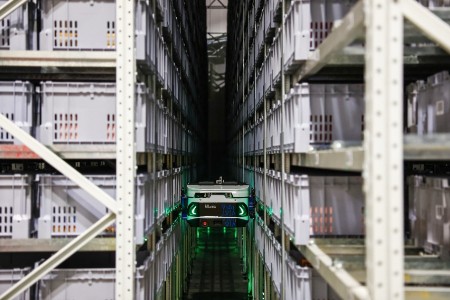
第二,智能仓也走向规模部署。自动化不只是增加设备,也是用AI系统把库容、人力和运力调大弹性,旺季把资源集中在需要人工判断的环节。今年智能仓面积突破30万平方米,第四代全流程自动化物流中心开始规模化落地。以谷仓新泽西13号仓为例,仓库占地约80万平方英尺,超过四分之一是自动化区域,层高13.5米、货架高度接近12米,整体库容有望从同面积传统仓的约50万件提升到600万件以上;19个拣货工作站同时作业,无人搬运车日均吞吐3.5万到4万单,效率相当于人工拣货的3到5倍,可以24小时不间断作业。

第三,旺季人力调配上,我们在欧美核心仓提前几个月启动人力储备和战备排班,通过正式工+临时工+劳务外包的弹性用工结构,扩充一线操作人力。所有临时人员经过岗前标准化操作培训与系统考核后上岗,确保人效与准确率不打折扣,实现单量高峰期的人员灵活调度;仓库会动态调整人员分布和任务优先级,及时清理拥堵;智能自动化仓通过人、系统、机器人配合,把资源集中在需要人工操作和判断的环节,保障高货量下的履约和承载能力,在旺季优势会更明显。

亿邦动力:今年你们有感受到了什么明显的市场变化或者竞争形势变化吗?

陈凯斌:感受最明显的是四个变化。

1、今年受海运价格偏高影响,严格来讲卖家备货节奏比往年略慢,但备货量趋势仍在往上走。

2、欧洲同比增幅明显高于美国。一方面受关税不确定性影响,部分备货从美国转向欧洲;另一方面欧洲小包关税政策收紧,加之平台物流政策引导,海外仓履约模式需求增加。这是今年的一条结构性变化。

3、平台把旺季拉长了。旺季从“黑五网一”变成“几个月”的战线,拼的是跨周期的节奏控制。

4、AI是今年很大的一个变量。AI正在改变流量结构、卖家运营、买家决策,以及我们海外仓的后台运营和库内作业。

在竞争上,市场上不缺海外仓,缺的是旺季大库容、时效保得住、合规不出事的优质产能。其实客户比价也比以前细,不只看报价,还算入库时效、截单时间、尾程渠道、系统对接和异常处理。海外仓竞争到最后,拼的是产能和确定性。

亿邦动力:有人说今年黑五大促季,商家的“入场券”更贵了,需要投入更多、做得更重等,你们观察到的情况如何?

陈凯斌:这个观点我们部分认同,但准确说不是“更重”,而是“更精”,门槛确实提高了,提高的不只是钱。

成本端是三笔账同时上升。合规成本(关税、产品认证)、流量成本(平台广告竞价走高)、履约成本(头尾程运费旺季溢价)。三笔账加起来,入场券确实更贵了。

但“做得更重”这个判断,我们观察到的是分化,不是所有人都更重。有稳定销量的卖家确实在把货往海外仓备,用批量头程换更低的单位成本,也有卖家持比较谨慎的态度,靠分批到仓和补货控制节奏。

所以我们的判断是,今年贵的是“确定性”,而卖家也更愿意把货交给有产能的服务商,用海外仓服务的确定性获取流量和订单,来稀释对冲旺季“入场券”的贵和重。卖家不必自己变重,把重的那部分交给专业服务商即可。

亿邦动力:你们认为今年黑五大促季最大的看点、新增量来自哪里?

陈凯斌:就我们此前的数据,同比去年整体增长约60%,其中美国约40%,欧洲约80%–90%。四季度是全年峰值,下半年旺季整体货量较上半年提升约50%。(增速是9月底按入仓货量计算,含预估,最终以全年实际为准)

这部分增量,主要来自以下方面:

第一是欧洲。欧盟税改新关税和处理费落地后的第一个旺季,是今年比较大的结构性增量。欧美免税取消后,欧洲不只是把美国的量挪过来了,自身的仓发需求也是在涨。谁能在这个窗口把欧洲仓网、合规和大件能力跑通,谁就能吃到这一波。

第二是平台和内容电商。TikTok Shop全托管黑五首次覆盖16个国家,内容电商的爆发节奏和货架电商不一样,对“小单快反、分批补货”的要求更高,这种脉冲型订单的不确定特点,对本土备货的海外仓需求增大。

第三是品类。大件家居、健身器材、汽配这类仓发友好、客单价高的品类,今年在海外仓的占比明显提升;平台大件物流履约外溢,把大件履约交给专业服务商,海外仓的订单会显著提升;半托管和平台仓配分离带来的新流量,谷仓接入主流平台认证体系,认证仓权益会直接变成卖家的流量和成本优势。

第四是确定性,更多品类对库存前置要求变高,在关税动荡和运费高企之年,追求仓发交付的确定性,旺季表现越来越依赖仓,而不是临时运力。

旺季正从流量战变成物流战。所谓「重力」,对海外仓来说就是货已提前到达、在买家附近等着,旺季的确定性,是库内备出来的。

本文首发于 亿邦动力 官方网站

文章来源:亿邦动力

广告
微信
朋友圈

FAQ回顾

谷仓海外仓是什么?主要提供哪些服务?

谷仓海外仓是纵腾集团旗下海外仓服务商,为跨境卖家提供海外仓储与履约服务。其全球仓储面积已达380万平方米,海外处理中心超过140个,其中北美仓群超过225万平方米、欧洲仓群超过140万平方米,并通过智能仓和多仓群网络提升旺季入仓、出库和尾程配送能力。

2026年黑五旺季跨境卖家备货出现了哪些变化?

受海运价格偏高、关税和平台规则变化影响,卖家今年备货节奏比往年略慢,但备货量仍呈增长趋势。欧洲海外仓履约需求增长明显,部分备货从美国转向欧洲;平台把旺季周期拉长,内容电商脉冲型订单和大件商品对本土备货、海外仓承接能力提出更高要求。

海外仓如何保障黑五旺季的履约确定性?

谷仓海外仓通过核心市场仓配网络扩容、智能仓规模部署和旺季人力储备来保障履约。其目标是旺季不出现大规模爆仓和系统性停摆,订单日清日结,主要仓群保持2到3日达覆盖能力,并重点跟踪当日出库率、48小时上网率、爆仓与积压天数以及欧洲新仓爬坡速度。

为什么欧洲成为今年黑五海外仓需求增长的重点市场?

欧盟税改落地后的第一个黑五,欧洲正从直发为主加速转向仓发为主。欧洲小包关税政策收紧、平台物流政策引导,加上美国关税不确定性使部分备货转向欧洲,推动海外仓履约需求增加。谷仓欧洲仓群是今年扩容最快区域,相关业务同比增幅约80%到90%。

大件商品和内容电商对海外仓需求有什么影响?

大件家居、健身器材、汽配等仓发友好、客单价高的品类,今年在海外仓占比明显提升,平台大件物流履约外溢也增加了专业服务商订单。TikTok Shop全托管黑五首次覆盖16个国家,内容电商的脉冲型订单要求小单快反、分批补货,对本土备货和海外仓承接能力的需求随之增大。

这么好看,分享一下?

朋友圈 分享

APP内打开

赞 +1
+1
微信好友 朋友圈 新浪微博 QQ空间
关闭
收藏成功
发送
/140 0