广告
加载中

Genesis AI获5亿美元A轮融资 投后估值达35亿美元

亿邦AI 2026-11-18 09:42
亿邦AI 2026/11/18 09:42

邦小白快读

EN
全文速览

总:这则消息的核心是一家2024年底成立的人形机器人公司拿到大额融资并准备量产。

1. 融资:A轮5亿美元,投后估值35亿美元,累计融资6.05亿美元(含1.05亿美元种子轮);领投方为Khosla Ventures、Premji Invest和Eclipse,英伟达、AMD Ventures、三星Next、Zoom等跟投。

2. 公司:创始人周贤任CEO,持有卡内基梅隆大学机器人学博士学位;Théophile Gervet任总裁,拥有机器学习博士学位,曾供职于Mistral。总部在巴黎,加州San Carlos设有办公室,员工约100人。

3. 产品:自研AI模型GENE、灵巧机械手、触觉数据手套、仿真平台Genesis World和人形机器人Eno,不单卖部件,而是打包出售;目标市场先覆盖制造、物流和实验室,后续进入酒店、护理和家庭。

4. 进展:已制造30至40台Eno,量产版设计定型,选定代工厂明年在美国启动量产;与LG CNS达成合作,正与少数未披露客户试点,并评估捆绑机器人与软件的租赁模式。

5. 演示:机械臂能扫描纸箱、装箱、折盖、封胶带、贴标签,但重跑时抓取失手、撕标签费劲,公司称这类失误为“打嗝数据”,可用于改进模型。

总:Genesis AI的品牌打法是垂直整合、软硬一体打包出售,并以工业场景为切口建立品牌信任。

1. 品牌定位:不做单一部件供应商,打包出售模型、机械手、数据手套、仿真平台和机器人整机,形成统一品牌体验;Eno设计强调一种“感觉”,不是终结者式的金属骨架,更像带轮子的iMac,产品形象鲜明。

2. 渠道与客户:先覆盖制造、物流和实验室,后续进入酒店、护理和家庭;已与LG CNS达成合作,其他财富500强企业也在接洽,采用试点客户方式推进。

3. 定价与商业模式:评估捆绑机器人与软件的租赁模式,而非单纯卖硬件,有利于降低客户采用门槛并形成持续收入。

4. 研发与消费趋势:自建GENE模型、灵巧机械手、触觉数据手套、Genesis World仿真平台,全球超过100名工人佩戴数据手套和头戴摄像头采集力觉数据;管理层判断真正瓶颈在硬件,模型架构对最终结果贡献仅约10%,数据与训练基础设施更关键。

5. 用户行为观察:演示中的失误被当作“打嗝数据”反馈改进,体现以真实使用数据迭代产品的思路。

总:这则融资消息对卖家释放了人形机器人赛道景气与供应链机会的信号,也提示硬件成熟度风险。

1. 市场机会:A轮5亿美元、投后估值35亿美元,英伟达、AMD Ventures、三星Next等产业资本入局,说明人形机器人与具身智能仍是增长市场;Genesis目标从制造、物流、实验室扩展到酒店、护理和家庭,需求场景在扩容。

2. 商业模式借鉴:垂直整合打包出售模型、机械手、数据手套、仿真平台和整机,并评估机器人加软件的租赁模式,是可学习的最新商业模式;先试点少数客户、再绑定LG CNS等大企业,是稳妥的合作方式。

3. 风险提示:演示中机械臂抓取失手、撕标签费劲,灵巧机械手常规使用数周就需更换,硬件可靠性和耗材成本是明显短板;量产依赖代工厂,供应链能力是瓶颈。

4. 机会提示:公司选定代工厂明年在美国量产,已制造30至40台Eno,配套机械手、数据手套等存在供应机会;与财富500强接洽意味着企业采购窗口正在打开。

总:Genesis AI的垂直整合与量产计划,为工厂带来代工、零部件和自动化升级三类商业机会。

1. 生产与设计需求:公司已制造30至40台Eno,量产版设计定型,选定一家代工厂于明年在美国启动量产;机械手按人手比例设计,需与数据手套配套,灵巧机械手常规使用数周就需更换,意味着高频率的零部件更换与耗材需求。

2. 商业机会:公司不卖单一部件而是打包出售,但自建模型、机械手、数据手套、仿真平台和整机,代工与供应链合作空间大;管理层明确真正瓶颈是硬件能力,包括机械设计和工业级机器供应链,工厂可切入工业级零部件供应。

3. 数字化启示:公司用Genesis World仿真平台和大量力觉数据训练模型,全球超过100名工人佩戴传感器数据手套和头戴摄像头采集数据;机器人已在分拣和线缆操作上有所表现,说明力觉数据与仿真对产线自动化有价值,工厂可关注数据采集与仿真训练在生产中的应用。

总:Genesis AI的融资与打法,折射出人形机器人行业垂直整合、数据驱动和硬件瓶颈并存的趋势,也给服务商提示了客户痛点与方案方向。

1. 行业趋势:人形机器人公司单笔A轮融资达5亿美元、投后估值35亿美元,产业资本与财务投资人共同下注,具身智能持续升温;头部公司走垂直整合路线,从模型、灵巧手、数据手套、仿真平台到整机全栈自研。

2. 新技术:自建GENE模型、Genesis World仿真平台、触觉数据手套与头戴摄像头采集力觉数据;创始人认为软件本质是Transformer和注意力机制,模型架构对结果贡献仅约10%,训练基础设施、数据基础设施和数据质量才是关键。

3. 客户痛点:硬件是真正瓶颈,机械设计、工业级机器供应链不足,灵巧机械手数周需更换;演示中抓取失手、撕标签费劲,说明可靠性与精细操作仍需提升。

4. 解决方案:打包出售模型、机械手、数据手套、仿真平台和整机,并以租赁模式降低客户门槛;用“打嗝数据”迭代模型,通过试点客户和LG CNS合作推进落地。

总:从平台视角看,Genesis AI的做法提示了具身智能平台在仿真、数据、软件分发和生态合作上的需求与机会。

1. 平台需求与问题:公司自建Genesis World仿真平台,并依赖训练基础设施和数据基础设施,说明机器人企业对仿真环境、数据采集与训练平台有强需求;同时硬件瓶颈明显,机械手数周需更换,平台方需考虑软硬件协同与设备管理问题。

2. 最新做法:Genesis不单卖部件,而是打包出售模型、机械手、数据手套、仿真平台和机器人整机,并评估捆绑机器人与软件的租赁模式,这是以平台化打包方式交付价值;模型GENE与仿真平台形成软件平台层。

3. 招商与合作:公司与LG CNS达成合作,其他财富500强企业也在接洽,并与少数未披露客户试点;选定代工厂明年在美国量产,说明平台生态需要系统集成商、代工厂和大客户共同参与。

4. 风向规避:创始人判断硬件是瓶颈、模型架构仅贡献约10%,平台商应避免只押注模型架构,重视数据质量、训练基础设施和供应链可靠性;演示失误提示产品成熟度风险,需以试点和迭代控制落地节奏。

总:Genesis AI的融资和技术路线,为人形机器人研究提供了产业新动向、技术判断和商业模式样本。

1. 产业新动向:2024年底成立的公司一年内累计融资6.05亿美元、投后估值35亿美元,投资方包括Khosla Ventures、Premji Invest、Eclipse、英伟达、AMD Ventures、三星Next、爱立信及施密特、杨致远等,显示具身智能资本热度;公司总部巴黎、加州设办公室,法国Bpifrance参与,反映欧洲与硅谷联动。

2. 新问题:创始人称真正瓶颈在硬件能力,包括机械设计和工业级机器供应链,灵巧机械手常规使用数周就需更换;演示中抓取和贴标失误,说明精细操作与可靠性仍是待解问题;全球超过100名工人戴数据手套采集力觉数据,提示数据采集规模化与质量问题。

3. 技术观点与启示:周贤淡化视觉-语言-动作模型与世界动作模型之间的差异,认为软件本质上是Transformer和注意力机制,模型架构对最终结果贡献约10%,训练基础设施、数据基础设施和数据质量更重要;他认为通用机器人智能不需要另一次基础科学突破,因为已经掌握所有配方,剩下的只是执行。

4. 商业模式:垂直整合自建GENE模型、灵巧机械手、触觉数据手套、Genesis World仿真平台和Eno整机,打包出售并评估租赁模式,先进入制造、物流和实验室,后进入酒店、护理和家庭,是研究具身智能商业化路径的样本。

返回默认
声明:快读内容全程由AI生成,请注意甄别信息。如您发现问题,请发送邮件至 run@ebrun.com 。

我是 品牌商 卖家 工厂 服务商 平台商 研究者 帮我再读一遍。

Quick Summary

Summary: This news centers on a humanoid robotics company founded in late 2024 that has raised a large financing round and is preparing for mass production.

1. Financing: a $500 million Series A at a $3.5 billion post-money valuation, bringing total funding to $605 million (including a $105 million seed round). The round was led by Khosla Ventures, Premji Invest, and Eclipse, with Nvidia, AMD Ventures, Samsung Next, Zoom, and others participating.

2. Company: Founder Xian Zhou is CEO and holds a PhD in robotics from Carnegie Mellon University; Théophile Gervet is president, holds a PhD in machine learning, and previously worked at Mistral. The company is headquartered in Paris, has an office in San Carlos, California, and employs about 100 people.

3. Products: It has developed its own AI model GENE, dexterous robotic hands, tactile data gloves, the Genesis World simulation platform, and the Eno humanoid robot. It does not sell components separately but sells them as a bundle; initial markets are manufacturing, logistics, and laboratories, with later expansion into hospitality, care, and the home.

4. Progress: It has built 30 to 40 Eno units, finalized the production design, and selected a contract manufacturer to begin U.S. mass production next year. It has partnered with LG CNS, is running pilots with a small number of undisclosed customers, and is evaluating a rental model that bundles robots and software.

5. Demo: The robotic arm can scan cardboard boxes, pack items, fold box flaps, seal tape, and apply labels, but on a repeat run it missed a grasp and struggled to tear off a label. The company calls such failures "burp data" that can be used to improve the model.

Summary: Genesis AI's brand strategy is vertical integration—selling hardware and software as a bundle—and using industrial scenarios as an entry point to build brand trust.

1. Brand positioning: It is not a component supplier; it bundles the model, robotic hands, data gloves, simulation platform, and complete robot into a unified brand experience. Eno's design emphasizes a "feel"—not a Terminator-style metal skeleton, but more like an iMac on wheels—giving the product a distinctive image.

2. Channels and customers: It starts with manufacturing, logistics, and laboratories, then moves into hospitality, care, and the home. It has partnered with LG CNS and is in talks with other Fortune 500 companies, using pilot customers to advance.

3. Pricing and business model: It is evaluating a rental model that bundles robots and software rather than just selling hardware, which can lower adoption barriers and create recurring revenue.

4. R&D and consumer trends: It has built the GENE model, dexterous robotic hands, tactile data gloves, and the Genesis World simulation platform; more than 100 workers worldwide wear data gloves and head-mounted cameras to collect force-sensing data. Management believes the real bottleneck is hardware, with model architecture contributing only about 10% of the final result, while data and training infrastructure are more important.

5. User behavior observation: Failures in the demo are fed back as "burp data" to improve the product, reflecting an approach of iterating with real-world usage data.

Summary: This financing news signals sector momentum and supply-chain opportunities in humanoid robotics for sellers, while also flagging hardware maturity risks.

1. Market opportunity: A $500 million Series A at a $3.5 billion post-money valuation, with industrial capital such as Nvidia, AMD Ventures, and Samsung Next participating, shows that humanoid robots and embodied intelligence remain a growth market. Genesis aims to expand from manufacturing, logistics, and laboratories into hospitality, care, and the home, expanding the demand landscape.

2. Business model takeaways: Its vertical integration—bundling the model, robotic hands, data gloves, simulation platform, and complete robot—and its evaluation of a robot-plus-software rental model are a current business model worth studying. Starting with a few pilot customers and then partnering with large companies such as LG CNS is a prudent approach.

3. Risk warnings: In the demo, the robotic arm missed a grasp and struggled to tear a label, and the dexterous robotic hands need replacement after just a few weeks of regular use, making hardware reliability and consumable costs clear weaknesses. Mass production depends on a contract manufacturer, so supply-chain capability is a bottleneck.

4. Opportunity signals: The company has selected a contract manufacturer to begin U.S. mass production next year and has already built 30 to 40 Eno units, creating supply opportunities around robotic hands, data gloves, and related components. Talks with Fortune 500 companies mean corporate procurement windows are opening.

Summary: Genesis AI's vertical integration and mass-production plans create three types of business opportunities for factories: contract manufacturing, components, and automation upgrades.

1. Production and design needs: The company has built 30 to 40 Eno units, finalized the production-version design, and selected a contract manufacturer to start U.S. mass production next year. The robotic hands are designed to human-hand proportions and must work with data gloves; the dexterous hands need replacement after just a few weeks of regular use, implying frequent component replacement and consumables demand.

2. Business opportunities: The company does not sell individual components but bundles them; however, because it builds the model, robotic hands, data gloves, simulation platform, and complete robot itself, there is substantial room for contract manufacturing and supply-chain partnerships. Management says the real bottleneck is hardware capability, including mechanical design and industrial-grade machine supply chains, so factories can enter industrial-grade component supply.

3. Digitalization takeaways: The company uses the Genesis World simulation platform and large amounts of force-sensing data to train models; more than 100 workers worldwide wear sensor-equipped data gloves and head-mounted cameras to collect data. The robot has already shown some capability in sorting and cable handling, indicating that force-sensing data and simulation are valuable for production-line automation; factories can watch for data collection and simulation training in production.

Summary: Genesis AI's financing and approach reflect a humanoid robotics industry where vertical integration, data-driven development, and hardware bottlenecks coexist, pointing service providers to customer pain points and solution directions.

1. Industry trend: A single Series A round for a humanoid robotics company reached $500 million at a $3.5 billion post-money valuation, with industrial and financial investors both betting on the sector, showing embodied intelligence continues to heat up. Leading companies are pursuing vertical integration, developing everything from models, dexterous hands, and data gloves to simulation platforms and complete robots in-house.

2. New technologies: It has built the GENE model, the Genesis World simulation platform, and tactile data gloves plus head-mounted cameras to collect force-sensing data. The founder argues that software is essentially Transformers and attention mechanisms, with model architecture contributing only about 10% of results, while training infrastructure, data infrastructure, and data quality are the key factors.

3. Customer pain points: Hardware is the real bottleneck—mechanical design and industrial-grade machine supply chains are insufficient, and dexterous robotic hands need replacement every few weeks. In the demo, missed grasps and difficult label tearing show that reliability and fine manipulation still need improvement.

4. Solutions: It bundles the model, robotic hands, data gloves, simulation platform, and complete robot, and uses a rental model to lower customer barriers. It iterates models with "burp data" and advances deployment through pilot customers and its LG CNS partnership.

Summary: From a platform perspective, Genesis AI's approach highlights demand and opportunities for embodied-intelligence platforms in simulation, data, software distribution, and ecosystem partnerships.

1. Platform needs and problems: The company has built its own Genesis World simulation platform and relies on training and data infrastructure, indicating strong demand from robotics companies for simulation environments, data collection, and training platforms. At the same time, hardware bottlenecks are evident—robotic hands need replacement every few weeks—so platform providers need to consider software-hardware coordination and device management.

2. Latest practices: Genesis does not sell components separately but bundles the model, robotic hands, data gloves, simulation platform, and complete robot, and is evaluating a rental model that bundles robots and software—a platform-style way to package and deliver value. The GENE model and simulation platform form a software platform layer.

3. Merchant recruitment and partnerships: The company has partnered with LG CNS, is in talks with other Fortune 500 companies, and is running pilots with a small number of undisclosed customers. It has selected a contract manufacturer to begin U.S. mass production next year, indicating that the platform ecosystem requires system integrators, contract manufacturers, and large customers to participate together.

4. Risk avoidance: The founder judges that hardware is the bottleneck and model architecture contributes only about 10%, so platform providers should avoid betting solely on model architecture and should prioritize data quality, training infrastructure, and supply-chain reliability. Demo failures point to product-maturity risk, so deployment pace should be controlled through pilots and iteration.

Summary: Genesis AI's financing and technology path offer new industry developments, technical judgments, and a business-model sample for humanoid robotics research.

1. New industry developments: A company founded in late 2024 raised $605 million in total within a year at a $3.5 billion post-money valuation, with investors including Khosla Ventures, Premji Invest, Eclipse, Nvidia, AMD Ventures, Samsung Next, Ericsson, and individuals such as Eric Schmidt and Jerry Yang, showing capital enthusiasm for embodied intelligence. The company is headquartered in Paris with an office in California, and Bpifrance participated, reflecting linkages between Europe and Silicon Valley.

2. New questions: The founder says the real bottleneck is hardware capability, including mechanical design and industrial-grade machine supply chains, and dexterous robotic hands need replacement after just a few weeks of regular use. Missed grasps and labeling failures in the demo show that fine manipulation and reliability remain unresolved. More than 100 workers worldwide wearing data gloves to collect force-sensing data point to questions of scale and quality in data collection.

3. Technical views and implications: Xian Zhou downplays the differences between vision-language-action models and world-action models, arguing that software is essentially Transformers and attention mechanisms, that model architecture contributes about 10% of final results, and that training infrastructure, data infrastructure, and data quality matter more. He believes general robot intelligence does not require another fundamental scientific breakthrough because all the recipes are already in hand and what remains is execution.

4. Business model: Its vertical integration—building the GENE model, dexterous robotic hands, tactile data gloves, Genesis World simulation platform, and complete Eno robot in-house—bundling them for sale, and evaluating a rental model, starting with manufacturing, logistics, and laboratories before moving into hospitality, care, and the home—is a sample for studying the commercialization path of embodied intelligence.

Disclaimer: The "Quick Summary" content is entirely generated by AI. Please exercise discretion when interpreting the information. For issues or corrections, please email run@ebrun.com .

I am a Brand Seller Factory Service Provider Marketplace Seller Researcher Read it again.

人形机器人公司Genesis AI于11月17日宣布完成5亿美元A轮融资,由Khosla Ventures、Premji Invest和Eclipse联合领投,投后估值达到35亿美元。叠加2025年7月公布的1.05亿美元种子轮,公司累计披露融资额升至6.05亿美元。

本轮其他投资方包括英伟达、AMD Ventures、T. Rowe Price、Durable Capital、法国公共投资银行Bpifrance、HSG、Zoom、三星Next和爱立信,个人投资者涵盖施密特(Eric Schmidt)、Zoom创始人袁征、雅虎联合创始人杨致远以及法国投资人Xavier Niel。

公司由周贤和Théophile Gervet于2024年底创立,两人在卡内基梅隆大学的研究生实验室相识。周贤任CEO,持有该校机器人学博士学位;Gervet任总裁,拥有机器学习博士学位,曾供职于法国AI公司Mistral。公司总部设在巴黎,在加州San Carlos设有办公室,员工约100人。

Genesis AI采取垂直整合路线,自建AI模型GENE、灵巧机械手、触觉数据手套、仿真平台Genesis World和人形机器人Eno,目标市场先覆盖制造、物流和实验室,后续进入酒店、护理和家庭场景。公司不卖单一部件,而是打包出售模型、机械手、数据手套、仿真平台和机器人整机。

为训练模型,公司大量采集力觉数据。全球超过100名工人佩戴带传感器的数据手套和头戴摄像头,其手部动作与力数据汇入训练数据集。公司的机器人佩戴同款手套,机械手按人手比例设计,官方称这种一致性支撑了机器人在分拣和线缆操作上的表现。

在硅谷设施的一场演示中,模型操控两条现成机械臂,将两个小纸箱扫描后放入更大的纸箱,折合箱盖、封上胶带,再从打印标签条上撕下标签贴到箱面。第二遍重跑时,机械臂在抓取纸箱时失手,撕取小型不干胶标签也费了很大劲。公司高管将这类失误称为“打嗝数据”(hiccup data),可用于改进模型。

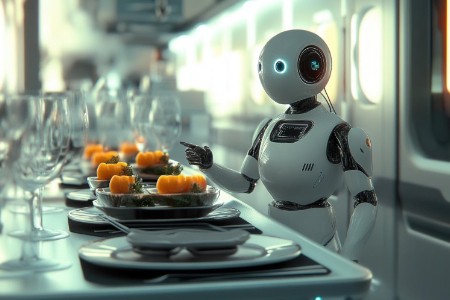
旗舰机器人Eno未在演示中亮相。公司方面称,Eno的设计体现一种“感觉”,不是终结者式的金属骨架,更像带轮子的iMac。公司已制造30至40台Eno,量产版设计已经定型,并选定一家代工厂于明年在美国启动量产。目前公司正与少数未披露客户进行试点,已与LG CNS达成合作,其他财富500强企业也在接洽中,同时评估捆绑机器人与软件的租赁模式。

周贤认为,真正的瓶颈在硬件能力,包括机械设计和工业级机器的供应链。公司的灵巧机械手在常规使用数周后就需要更换。对于模型架构,他淡化视觉-语言-动作模型与世界动作模型之间的差异,认为软件本质上是Transformer和注意力机制,“真正重要的是整套基础设施,训练基础设施、数据基础设施和数据质量”。他估计模型架构对最终结果的贡献约占10%。

谈及通用机器人智能的前景,周贤称不认为还需要另一次基础科学突破,“我们已经掌握所有配方,剩下的只是执行”。

本文首发于 亿邦动力 官方网站

文章来源:亿邦动力

广告
微信
朋友圈

FAQ回顾

Genesis AI是什么公司?

Genesis AI是一家人形机器人公司,2024年底由周贤和Théophile Gervet创立,总部位于巴黎,在加州San Carlos设有办公室,员工约100人。公司走垂直整合路线,自建AI模型GENE、灵巧机械手、触觉数据手套、仿真平台Genesis World和人形机器人Eno,目标市场先覆盖制造、物流和实验室,后续进入酒店、护理和家庭场景。

Genesis AI的Eno人形机器人有什么特点?

Eno是Genesis AI的旗舰人形机器人,设计上更像带轮子的iMac,而非终结者式金属骨架。公司已制造30至40台Eno,量产版设计已经定型,并选定代工厂于明年在美国启动量产。Eno不单独售卖,而是与GENE模型、灵巧机械手、数据手套和Genesis World仿真平台打包出售,先用于制造、物流和实验室场景。

Genesis AI的融资情况和估值是多少?

Genesis AI于2026年11月17日宣布完成5亿美元A轮融资,由Khosla Ventures、Premji Invest和Eclipse联合领投,投后估值达35亿美元。叠加2025年7月公布的1.05亿美元种子轮,公司累计披露融资额升至6.05亿美元;英伟达、AMD Ventures、三星Next、爱立信等也参与本轮投资。

人形机器人企业如何解决硬件瓶颈?

Genesis AI选择垂直整合,自建AI模型GENE、灵巧机械手、触觉数据手套、仿真平台Genesis World和人形机器人Eno,并以模型、机械手、数据手套、仿真平台和机器人整机打包出售。CEO周贤认为真正瓶颈在硬件能力,包括机械设计和工业级机器供应链;其灵巧机械手在常规使用数周后就需要更换。

人形机器人如何采集力觉数据训练模型?

Genesis AI让全球超过100名工人佩戴带传感器的数据手套和头戴摄像头,采集手部动作与力数据并汇入训练数据集。公司的机器人佩戴同款手套,机械手按人手比例设计,官方称这种一致性支撑了机器人在分拣和线缆操作上的表现。演示中的失误被称为“打嗝数据”,可用于改进模型。

这么好看,分享一下?

朋友圈 分享

APP内打开

赞 +1
+1
微信好友 朋友圈 新浪微博 QQ空间
关闭
收藏成功
发送
/140 0