广告
加载中

红熊AI亮相2026全球工业互联网大会:为工业智能补齐“记忆科学”能力

龚作仁 2026-09-09 11:23
龚作仁 2026/09/09 11:23

邦小白快读

EN
全文速览

本文介绍了2026全球工业互联网大会上红熊AI发布的工业智能“记忆科学”新方案,核心干货如下:

1. 当前AI+制造业的发展现状:两者融合已经进入深水区,现有大模型普遍存在长时记忆缺失、事实性幻觉频发、多轮对话一致性差、个性化能力不足、训练推理成本高五类缺陷;国内柔性制造已经配齐工业机器人、自动化产线等硬件设施,瓶颈卡在老师傅的隐性经验难以沉淀传承。

2. 红熊AI给出了可落地的完整解决方案:自主研发MemoryBear类人脑记忆引擎,把隐性经验转化为企业可迭代的数字资产,具备长记忆、自梳理、可溯源、可纠正四项核心能力;配套推出软硬一体化的BearBox落地盒子,支持端侧本地部署保障数据安全,覆盖四大工厂核心场景,开箱即可投入使用。

本文梳理了当前制造行业智能化转型的新趋势和落地方案,对制造类品牌商的转型有较高参考价值,干货如下:

1. 行业发展新趋势:过去十年中国制造已经完成柔性制造的硬件底座搭建,接下来十年柔性制造将从“设备驱动”转向“记忆驱动”,经验沉淀能力将成为品牌生产效率和竞争力的核心决定因素,智改数转已经进入经验资产化的新阶段。

2. 当前品牌生产端的核心痛点:现有大模型无法满足工业场景需求,工艺经验、调试技巧都依赖老师傅个体,人员流动容易造成经验断层,引发生产效率波动,良率不稳定。

3. 可落地的解决方案参考:红熊AI的记忆引擎加落地盒子方案,可以帮助品牌把经验转化为自有数字资产,满足合规审计和数据安全要求,还能缩短换产时间、减少停机损失。

本文披露了工业AI领域的最新市场动向,给做工业智能化相关业务的卖家带来了明确的机会和可参考的经验,干货如下:

1. 当前市场存在明确的空白机会:AI+制造业融合进入深水区,制造企业已经完成了设备层的智能化改造,普遍面临经验难以沉淀的痛点,现有通用大模型存在五类记忆缺陷,无法满足工业场景需求,市场需求尚未被满足。

2. 可参考的最新商业模式和落地经验:红熊AI采用“核心记忆引擎技术研发+软硬一体化落地盒子交付+工程师上门部署”的模式,兼顾技术先进性和落地便捷性,同时满足工业场景对数据安全、合规溯源的严苛要求,这个模式值得参考。

3. 未来机会提示:AI记忆科学会成为工业智能的关键基础设施,未来工业智能的竞争核心就是经验提炼沉淀能力,提前布局该赛道能获得先发优势。

本文给制造工厂推进智能化转型提供了清晰的方向和可落地的方案,干货如下:

1. 当前工厂柔性制造的核心瓶颈:国内大部分工厂已经配齐工业机器人、自动化产线、MES系统等“设备柔性”基础设施,具备多品种小批量的物理切换能力,但是真正决定生产效率和良率的“经验柔性”存在严重短板,老师傅的工艺直觉、调试技巧都依赖个体,难以沉淀传承,人员流动就会带来经验断层,影响生产稳定。

2. 可直接落地的解决方案:红熊AI推出的BearBox软硬一体AI盒子,专为中大型制造企业设计,支持端侧本地部署,生产数据全程不出厂区,还有硬件加密保障数据安全,搭配工程师上门部署,开箱即可使用,覆盖快速换产辅助、生产异常根因定位等四大核心场景,直接解决工厂痛点。

3. 数字化转型启示:工厂完成设备联网和数据采集后,下一步要重点布局经验资产化,从设备驱动转向经验驱动,才能真正实现柔性智造。

本文梳理了工业智能服务领域的行业趋势、客户核心痛点和成熟的解决方案路径,对工业AI服务商有较高参考价值,干货如下:

1. 行业发展新趋势:当前AI+制造业融合已经进入深水区,工业互联网从互联时代向智能时代跃升,在设备联网和数据采集逐步普及后,经验提炼沉淀和AI记忆能力会成为下一阶段工业智能服务的核心竞争点,市场需求非常明确。

2. 客户的核心痛点:目前客户痛点集中在两个层面,一是现有通用大模型普遍存在五类记忆缺陷,无法适配工业场景的严苛要求;二是制造企业的隐性工艺经验长期依赖技术工人个体,难以沉淀传承,人员流动会直接影响生产稳定,企业有非常迫切的转型需求。

3. 可参考的解决方案方向:可以参考红熊AI的“分层记忆架构引擎+软硬一体落地盒”模式,针对工业场景优化长记忆、可溯源、可纠正等核心能力,满足合规和数据安全要求,通过上门部署实现开箱即用,提升落地成功率。

本文披露了工业智能领域的最新需求和动向,给工业互联网平台商的运营布局提供了参考,干货如下:

1. 当前市场对工业互联网平台的新需求:随着制造企业智改数转进入经验沉淀阶段,平台现有能力多集中在设备联网和数据采集层,普遍缺失能够帮助企业沉淀经验的AI能力,需要补充相关模块满足客户新需求。

2. 平台可布局的最新做法:平台可以加大对具备记忆科学核心能力的工业AI服务商的招商引入力度,把成熟的经验沉淀解决方案接入平台生态,丰富平台的应用模块,覆盖制造企业快速换产、异常定位、经验资产化等场景需求,提升平台的核心竞争力。

3. 需要规避的风险:工业制造场景对数据安全、合规溯源的要求非常严苛,平台在引入相关服务商和产品时,需要重点核查产品的数据安全能力、合规溯源能力,规避数据泄露和合规风险。

本文记录了工业智能领域的最新产业动向,提出了新的技术方向和商业模式,对相关领域研究者有较高的参考价值,干货如下:

1. 产业新动向:当前AI+制造业融合进入深水区,行业发展逻辑发生变化,柔性制造从过去的设备驱动转向未来的经验驱动,AI记忆科学被提出成为工业智能新的关键基础设施,红熊AI已经推出了完整的技术和落地方案,还获得了行业权威认可,是值得关注的新产业方向。

2. 产业新发现的问题:研究证实通用大模型在工业场景存在五类结构性记忆缺陷,同时柔性制造的核心瓶颈长期存在于经验层,而非设备层,这个问题之前没有得到充分解决,是重要的研究方向。

3. 新的商业模式总结:行业已经探索出“核心记忆引擎技术研发+软硬一体化落地盒子交付+上门部署服务”的商业化路径,很好解决了工业AI落地难、数据安全难保障的问题,值得深入研究其可复制性。

返回默认

声明:快读内容全程由AI生成,请注意甄别信息。如您发现问题,请发送邮件至 run@ebrun.com 。

我是 品牌商 卖家 工厂 服务商 平台商 研究者 帮我再读一遍。

Quick Summary

This article introduces the new industrial intelligence "Memory Science" solution launched by Hongxiong AI at the 2026 Global Industrial Internet Conference. Key takeaways are as follows:

1. Current status of AI+manufacturing integration: The integration has entered a deep-water zone. Existing large language models generally suffer from five core flaws: lack of long-term memory, frequent factual hallucinations, poor consistency in multi-turn conversations, insufficient personalization capabilities, and high training and inference costs. Domestic flexible manufacturing has already been equipped with hardware such as industrial robots and automated production lines, and the core bottleneck lies in the difficulty of capturing and passing on the tacit experience of veteran technicians.

2. Hongxiong AI’s fully deployable solution: The company independently developed the MemoryBear human brain-like memory engine, which converts tacit experience into iterable digital assets for enterprises, with four core capabilities: long-term memory, automatic organization, traceability, and error correction. It also launched the all-in-one BearBox hardware-software appliance that supports on-premises edge deployment to ensure data security. The solution covers four core factory scenarios and can be put into use right out of the box.

This article sorts out new trends and deployable solutions for intelligent transformation in the manufacturing industry, offering high reference value for manufacturing brand owners. Key takeaways are as follows:

1. New industry trends: Over the past decade, China’s manufacturing sector has completed the hardware infrastructure buildout for flexible manufacturing. In the coming decade, flexible manufacturing will shift from "equipment-driven" to "memory-driven", and experience capture capability will become the core determinant of production efficiency and brand competitiveness. Digital and intelligent transformation has now entered a new phase of experience assetification.

2. Core pain points for brand production: Existing large models cannot meet the requirements of industrial scenarios. Process know-how and debugging skills all rely on individual veteran technicians, and personnel turnover easily leads to experience gaps, causing fluctuations in production efficiency and unstable product yield.

3. Reference for a deployable solution: Hongxiong AI’s combined memory engine and appliance solution helps brands convert experience into proprietary digital assets, meets compliance audit and data security requirements, and also shortens changeover time and reduces downtime losses.

This article discloses the latest market trends in the industrial AI sector, outlining clear opportunities and reference experience for sellers engaged in industrial intelligence-related business. Key takeaways are as follows:

1. Clear unmet market opportunities: AI+manufacturing integration has entered the deep-water zone. Manufacturing enterprises have already completed equipment-level intelligent transformation, and generally face the pain point of difficult experience capture. Existing general-purpose large models have five types of memory defects that cannot meet industrial scenario demands, leaving market demand unmet.

2. Reference for the latest business model and deployment experience: Hongxiong AI adopts a model of "core memory engine R&D + integrated hardware-software appliance delivery + on-site engineer deployment", which balances technological advancement with deployment convenience, and meets the strict requirements of industrial scenarios for data security and compliance traceability. This model is well worth referencing.

3. Future opportunity outlook: AI memory science will become core infrastructure for industrial intelligence, and the core of future industrial intelligence competition will be experience extraction and capture capability. Early layout in this track will bring first-mover advantages.

This article provides clear direction and a deployable solution for manufacturing factories advancing intelligent transformation. Key takeaways are as follows:

1. Core bottlenecks of current factory flexible manufacturing: Most domestic factories have already deployed "physical flexibility" infrastructure such as industrial robots, automated production lines, and MES systems, enabling physical changeover for high-mix low-volume production. However, "experience flexibility", which actually determines production efficiency and yield, has severe shortcomings. Veteran technicians’ process intuition and debugging skills rely on individual expertise and are difficult to capture and pass on. Personnel turnover leads to experience gaps that disrupt stable production.

2. Ready-to-deploy solution: Hongxiong AI’s BearBox, an integrated hardware-software AI appliance designed for large and medium-sized manufacturing enterprises, supports on-premises edge deployment that keeps all production data within the factory. It also features hardware-level encryption for data security, paired with on-site engineer deployment, so it can be used right out of the box. It covers four core scenarios including rapid changeover assistance and root cause localization for production abnormalities, directly addressing factories’ pain points.

3. Enlightenment for digital transformation: After factories complete equipment connectivity and data collection, the next priority should be experience assetification, shifting from equipment-driven to experience-driven operations to truly achieve flexible intelligent manufacturing.

This article sorts out industry trends, core customer pain points and mature solution paths for the industrial intelligent service sector, offering high reference value for industrial AI service providers. Key takeaways are as follows:

1. New industry development trends: AI+manufacturing integration has now entered the deep-water zone, and the industrial internet is evolving from the connectivity era to the intelligence era. As equipment connectivity and data collection become increasingly widespread, experience extraction and capture and AI memory capability will become the core competitive focus of the next stage of industrial intelligent services, with very clear market demand.

2. Core customer pain points: Current customer pain points are concentrated on two levels: first, existing general-purpose large models generally have five types of memory defects that cannot adapt to the strict requirements of industrial scenarios; second, manufacturing enterprises’ tacit process experience has long relied on individual technicians, making it difficult to capture and pass on, and personnel turnover directly disrupts production stability. Enterprises have very urgent transformation demand.

3. Reference solution direction: Providers can reference Hongxiong AI’s "layered memory architecture engine + integrated hardware-software deployment appliance" model, which optimizes core capabilities such as long-term memory, traceability and error correction for industrial scenarios, meets compliance and data security requirements, and delivers out-of-the-box usability via on-site deployment to improve deployment success rates.

This article discloses the latest demand and trends in the industrial intelligence field, providing reference for the operation and layout of industrial internet platform operators. Key takeaways are as follows:

1. New market demand for industrial internet platforms: As manufacturing enterprises’ digital and intelligent transformation enters the experience capture phase, most existing platform capabilities are concentrated on the equipment connectivity and data collection layer, and generally lack AI capabilities to help enterprises capture experience. Platforms need to add related modules to meet new customer demands.

2. Latest layout practices for platforms: Platforms can step up recruitment of industrial AI service providers with core memory science capabilities, integrate mature experience capture solutions into the platform ecosystem, enrich platform application modules to cover manufacturing enterprises’ demand for scenarios such as rapid changeover, abnormality localization, and experience assetification, and enhance the platform’s core competitiveness.

3. Risks to avoid: Industrial manufacturing scenarios have very strict requirements for data security and compliance traceability. When introducing related service providers and products, platforms must prioritize verification of products’ data security and compliance traceability capabilities to avoid data leakage and compliance risks.

This article documents the latest industrial trends in the industrial intelligence field, proposes a new technical direction and business model, and offers high reference value for researchers in related fields. Key takeaways are as follows:

1. New industrial trends: AI+manufacturing integration has entered the deep-water zone, and industry development logic has shifted. Flexible manufacturing is transitioning from past equipment-driven to future experience-driven, and AI memory science has been proposed as a new critical infrastructure for industrial intelligence. Hongxiong AI has launched a complete technology and deployment solution that has already won authoritative industry recognition, making it a new industrial direction worthy of attention.

2. Newly identified industrial problems: Research confirms that general-purpose large models have five structural memory defects in industrial scenarios. Meanwhile, the core bottleneck of flexible manufacturing has long lain at the experience layer rather than the equipment layer, a problem that has not been sufficiently resolved before, making it an important research direction.

3. Summary of the new business model: The industry has explored a commercialization path of "core memory engine R&D + integrated hardware-software appliance delivery + on-site deployment service", which effectively solves the problems of difficult industrial AI deployment and poor data security guarantee. The replicability of this model is worthy of in-depth research.

Disclaimer: The "Quick Summary" content is entirely generated by AI. Please exercise discretion when interpreting the information. For issues or corrections, please email run@ebrun.com .

I am a Brand Seller Factory Service Provider Marketplace Seller Researcher Read it again.

图片

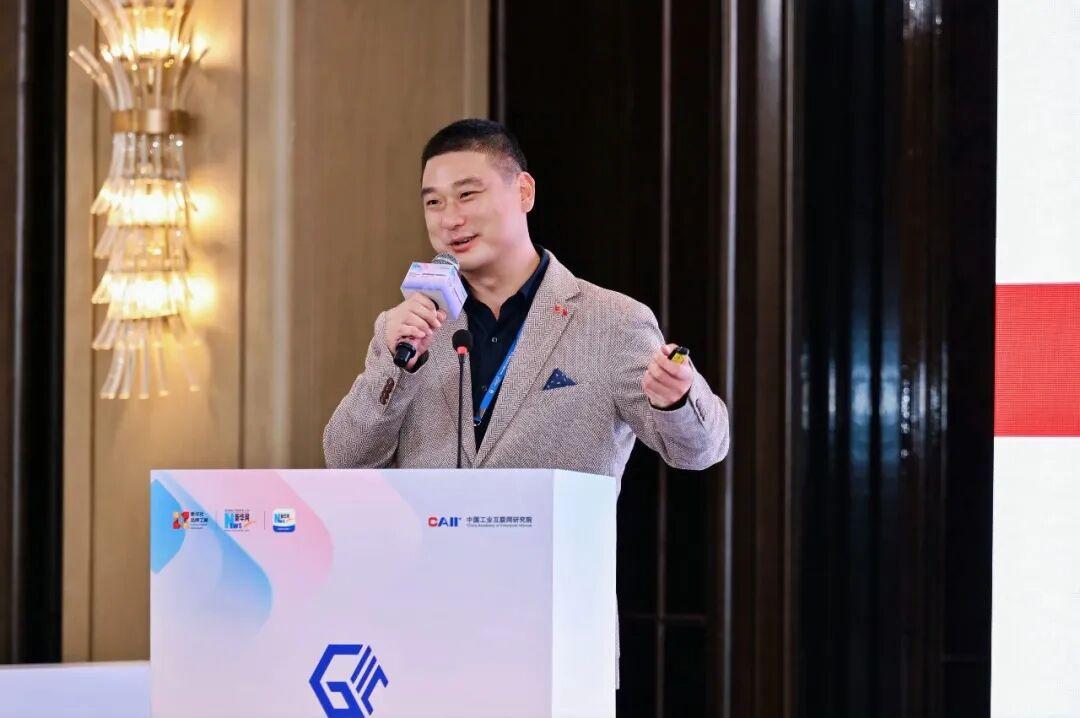
9月8日,2026全球工业互联网大会在沈阳举行。红熊AI副总裁蔡松晏受邀出席,并在大会分论坛以《柔性智造实现经验资产沉淀与敏捷换产的新路径》为题发表演讲,围绕"柔性制造的经验沉淀"命题,系统阐释了红熊AI的“记忆科学”在工业智能领域的实践路径。

图片

红熊AI副总裁蔡松晏演讲现场

随着“AI+制造业”的融合进入深水区,AI“记忆缺陷”的结构性短板逐渐暴露。蔡松晏指出,无论工业、消费还是办公场景,大模型普遍存在五类记忆缺陷:长时记忆缺失、事实性幻觉频发、多轮对话一致性差、个性化能力不足,以及企业级推理与训练成本高企。

因此,想要激发AI技术在工业制造场景的落地价值,就要给AI构建一套高效、精准、可扩展的记忆系统。

01 柔性制造的瓶颈在“经验”层

蔡松晏指出,过去十年,中国制造的硬件底座已经基本成型。工业机器人、自动化产线、MES系统、智能仓储等"设备柔性"基础设施大致配齐,多品种小批量的物理切换能力已经具备。

但柔性制造真正决定效率与良率的,是"经验柔性":老师傅的工艺直觉、产线调试的隐性技巧、异常处理的判断逻辑。这些经验高度依赖个体,难以沉淀、难以传承、难以复用。

一旦关键人员流动,经验断层随之而来,生产效率与异常响应能力随之波动。工业现场不缺设备,缺的是把经验"留下来"的能力。

02 MemoryBear:把经验沉淀成数字资产

围绕"经验柔性"这一命题,红熊AI给出的答案是MemoryBear记忆引擎。蔡松晏介绍,MemoryBear是红熊AI自主研发的“类人脑”记忆引擎,通过分层的记忆架构与类人脑的记忆管理机制,能够把工业场景中隐性的工艺经验、分散的生产知识进行系统性梳理,转化为企业可沉淀、可传承、可迭代的数字资产。

其中,记忆模块负责企业知识的长期存储、检索与动态更新;工作流模块负责业务流程的智能编排、自动化执行与动态优化。两者协同,打通生产环节的信息壁垒。

围绕工业场景,MemoryBear沉淀出四项核心能力:

◎ 长记忆:突破上下文限制,将工艺数据、流程经验、历史决策进行长期永久存储,防止知识随时间流失,把碎片化的经验转化为企业独有的、持续增值的工业数字资产。

◎ 自梳理:AI自动完成非结构化知识的结构化治理,把生产日志、聊天记录、调试文档转化为可复用的标准化知识单元,无需人工干预即可完成知识的清洗与建库。

◎ 可溯源:所有AI输出都可追溯到原始数据、原始对话、原始输入输出,完整记录交互全流程,满足工业现场审计与合规检查的严苛要求。

◎ 可纠正:支持人工强干预与策略动态调控,当AI输出偏离规范时,管理者可一键修正、锁定标准答案,让AI始终贴合企业管理红线。

03 BearBox:让有记忆的AI落地工业产线

为了把上述能力送进工厂车间,红熊AI同步推出BearBox,一套专为中大型制造业企业打造的软硬一体化的AI落地盒子。

配合FDE工程师上门部署、可视化编辑器与自然语言配置,BearBox把"开箱即用"落到工业领域,沉淀四个典型应用场景:

快速换产辅助

智能召回历史同类产品的换产工艺参数与调试经验,大幅缩短产线切换的调试周期;

生产异常根因定位

实时匹配历史同类异常事件库,辅助工程师精准定位根因,减少停机损失;

工艺经验资产化

将老师傅的隐性经验转化为标准化数字资产,打破对个人经验的依赖;

赋能工业Agent闭环迭代

每一次人工修正与处置反馈都会反哺模型记忆库,让工业Agent持续学习进化。

同时,BearBox采用端侧本地部署模式,生产数据全程不出厂区,搭载物理防拆与硬件级加密技术,从根源上杜绝数据泄露风险,兼顾前沿AI能力与工业数据安全。

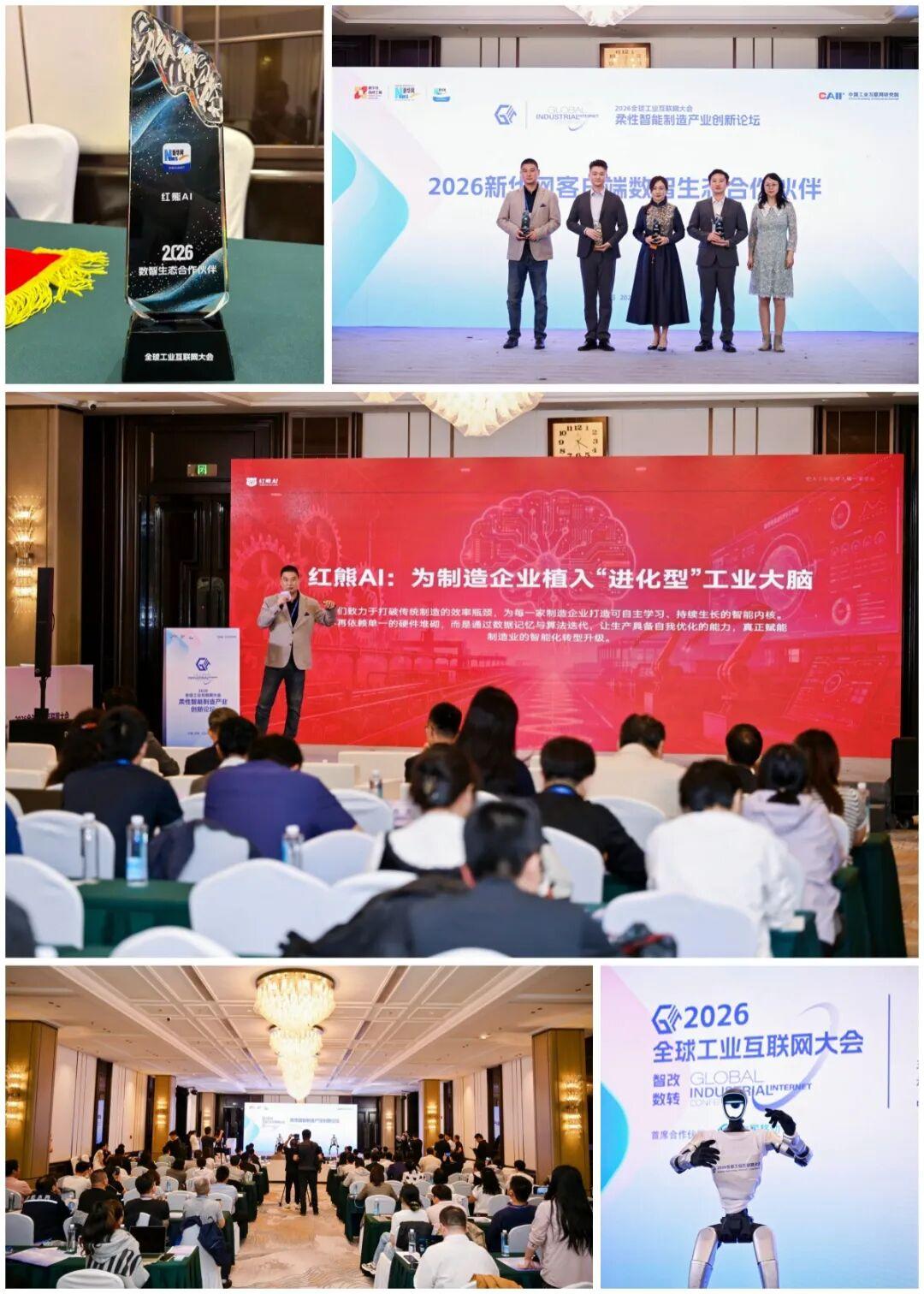
得益于红熊AI成熟的“AI+工业”解决方案,作为全球工业互联网大会主办方之一的“新华网”授予红熊AI“2026数智生态合作伙伴”荣誉称号。

图片

大会现场盛况

04 从“设备驱动”迈向“经验驱动”

"过去十年,柔性制造的逻辑是靠设备换效率;下一个十年,逻辑会变成靠记忆换产能。"蔡松晏表示,AI记忆科学正成为工业智能的关键基础设施,红熊AI要做的,是为每一家制造企业植入可自主学习、持续生长的"工业大脑"。

智改数转,AI兴工。工业互联网正从互联时代向智能时代跃升,设备联网与数据采集逐步完成之后,工业智能的下一程,比拼的正是从海量数据中提炼宝贵经验的能力。

红熊AI的解决方案提供了一条新的技术路径:让经验不再依附于个体,而是沉淀为可检索、可复用、可进化的企业数字资产。通过数据记忆与算法迭代,让生产具备自我优化的能力,真正赋能制造业的智能化转型升级。

当记忆成为新的生产要素,柔性制造才算真正从“设备驱动”迈向“经验驱动”,为中国制造构建起可持续生长的智力底座。

注:文/龚作仁,文章来源:Laborer,本文为作者独立观点,不代表亿邦动力立场。

文章来源:Laborer

广告
微信
朋友圈

FAQ回顾

红熊AI的MemoryBear记忆引擎是什么?

MemoryBear是红熊AI自主研发的类人脑记忆引擎,通过分层记忆架构与类人脑记忆管理机制,可将工业场景中隐性工艺经验、分散生产知识梳理为可沉淀、可传承、可迭代的数字资产,具备长记忆、自梳理、可溯源、可纠正四项核心能力。

工业制造场景应用大模型普遍存在哪些短板?

当前大模型在工业、消费、办公等场景普遍存在五类记忆缺陷,分别是长时记忆缺失、事实性幻觉频发、多轮对话一致性差、个性化能力不足,以及企业级推理与训练成本高企,制约了AI技术在工业制造场景的落地价值。

红熊AI的BearBox有什么作用?

BearBox是红熊AI专为中大型制造业企业打造的软硬一体化AI落地盒子,可应用于快速换产辅助、生产异常根因定位、工艺经验资产化、赋能工业Agent闭环迭代四大场景,采用端侧本地部署模式,兼顾前沿AI能力与工业数据安全。

柔性制造的核心瓶颈是什么?

当前中国制造硬件底座已基本成型,工业机器人、自动化产线等设备柔性基础设施大致配齐,柔性制造真正决定效率与良率的核心瓶颈是经验柔性,老师傅的工艺直觉、产线调试技巧等经验难以沉淀传承复用,关键人员流动易造成经验断层。

这么好看,分享一下?

朋友圈 分享

APP内打开

+1
+1
微信好友 朋友圈 新浪微博 QQ空间
关闭
收藏成功
发送
/140 0