广告
加载中

得物每月服务亿级用户 新10年仍要帮用户做最优决策

廖紫琳 2026-09-17 10:57
廖紫琳 2026/09/17 10:57

邦小白快读

EN
全文速览

这篇文章梳理了得物当前的服务规模、新增实用功能与长期业务方向,能帮普通用户更好了解平台可用服务,获得更顺畅的消费体验。

1. 平台当前服务覆盖范围较广,每月服务亿级用户,30岁以下用户占比达70%,已开通覆盖9个国家和地区的海外直邮服务,沿用消费者熟悉的先鉴别后发货模式,海外直邮订单较上线初期增长超4倍;同时新拓展租赁服务,覆盖数码产品、奢品箱包等超100个品类,可满足旅行拍摄、内容创作、兴趣体验等场景的临时使用需求。

2. 平台近期上线了多个实用的消费决策辅助功能:商品评价模块首屏集中展示商品缺点标签,AI会主动列清商品成分、尺码、过敏相关提示,商品详情页配有价格走势图,可帮大家更全面了解商品真实情况、判断合适的购买时机。

3. 平台新10年的核心目标是帮用户做出消费最优决策,会通过对用户诚实的产品设计建立长期信任。

这篇文章披露了得物的用户结构、核心增长板块、平台运营导向,能为品牌商布局线上渠道、匹配消费需求、调整运营策略提供清晰参考。

1. 平台核心用户盘价值明确,每月服务亿级用户,其中30岁以下年轻用户占比70%,是触达Z世代等年轻消费群体的核心渠道,适配年轻定位品牌的用户渗透需求。

2. 平台新增长赛道方向清晰,跨境业务已成为新增长引擎,海外直邮覆盖9个国家和地区,上线以来订单整体增长超4倍,其中玩具乐器品类增长超7倍、饰品品类增长近6倍,相关品类品牌可重点布局跨境渠道;新拓展的租赁业务覆盖超100个品类,匹配多元场景使用需求,品牌可借此触达体验型用户,降低新用户的尝试门槛。

3. 平台运营导向长期明确,以帮用户做最优决策为核心,会主动展示商品缺点、公示商品核心信息、提供价格走势参考,品牌需重视产品硬实力、信息透明度与定价合理性,配合平台做好商品核心信息梳理,才能建立长期用户信任。

文章披露了得物最新的业务布局、平台规则导向与高增长板块,释放了明确的经营机会与合规经营要求,可供卖家调整经营策略参考。

1. 高增长赛道机会清晰:跨境海外直邮是当前核心增长引擎,上线以来整体订单增长超4倍,玩具乐器、饰品品类增速分别达7倍、近6倍,是优先布局的增量赛道;新上线的租赁业务覆盖数码、游戏设备、奢品箱包等超100个品类,匹配旅行拍摄、内容创作、兴趣体验等场景需求,相关品类卖家可探索租赁业务合作,拓展新的营收来源。

2. 平台经营要求明确:长期坚持帮用户做最优决策的导向,商品评价首屏会集中展示用户反馈的商品缺点,AI会主动公示成分、尺码、过敏相关提示,还设置价格走势图辅助用户决策,卖家需坚持诚信经营,做好品控、信息透明披露与合理定价,避免因信息不实、价格大幅异常波动影响用户转化。

3. 平台成熟的鉴别体系可做经营信任背书,目前在线鉴别服务用户量同比增长184%,累计鉴别经验近16亿次,能帮助坚持正品经营的卖家有效降低用户信任成本。

文章披露了得物的高增长品类、产品评价导向、效率提升思路,能为工厂对接平台需求、优化产品设计、推进数字化电商对接提供明确参考。

1. 可重点对接高增长品类的供货需求:跨境板块中玩具乐器、饰品类海外直邮订单增速分别超7倍、近6倍,新拓展的租赁业务覆盖数码3C、服饰配件、奢品腕表等超100个品类,重点匹配旅行拍摄、内容创作、兴趣体验等场景需求,工厂可针对性开发适配场景的高性价比产品,对接平台跨境、租赁业务的供货渠道。

2. 产品设计生产可匹配平台用户导向:平台会在商品页首屏集中展示用户反馈的商品缺点,还会通过AI梳理商品成分、尺码、过敏相关提示,工厂在生产设计阶段就要重视收集用户反馈的产品短板,严控成分安全、尺码标准,从源头降低产品负面反馈。

3. 可借鉴平台的效率提升方法:平台正通过AI处理标准化工作,降低分工过细带来的协同成本,工厂在对接电商渠道时,也可借助AI处理商品信息梳理、订单对接等标准化工作,把人力集中在用户需求研判、产品落地等核心环节。

文章传递了得物的技术应用方向、用户服务痛点、新业务布局趋势,能为服务商找准服务切口、匹配客户真实需求提供方向参考。

1. 可围绕AI应用场景开发对应服务:平台正深化AI技术落地,一方面用AI做商品解读,梳理商品核心信息辅助用户决策,另一方面用AI处理标准化业务环节,降低细分分工带来的高协同成本,服务商可围绕AI商品信息标准化梳理、AI内部协同流程优化等方向,开发适配平台与商家需求的效率提升工具。

2. 可围绕用户决策痛点开发配套服务:当前线上消费决策中,用户存在难以全面了解商品真实缺点、无法预判价格走势、对商品安全类信息知晓不足的痛点,平台针对性上线了缺点集中展示、价格走势、风险提示等功能,服务商可开发用户反馈聚合分析、价格动态监测、商品风险筛查等服务,帮平台和商家提升用户信任度。

3. 可布局新业务的配套服务赛道:跨境直邮、租赁业务正快速增长,跨境订单较上线初期增长超4倍,对应跨境物流与鉴别、租赁服务配套等领域存在明显服务缺口,服务商可针对性布局相关配套服务。

文章披露了得物的用户运营方法、业务布局逻辑、内部效率提升路径,为同类平台优化运营机制、拓展增长曲线、规避用户信任风险提供了可参考的实践样本。

1. 可借鉴用户长期信任构建的方法:得物长期以帮助用户做最优决策为核心目标,坚持对用户诚实的运营原则,在商品详情页首屏设置缺点集中展示标签,用AI主动公示商品成分、尺码、过敏相关提示等关键信息,配套价格走势图辅助用户判断购买时机,这种透明化运营机制能有效建立长期用户信任,值得同类平台参考。

2. 可参考新增长曲线的布局思路:得物将成熟的先鉴别后发货模式复制到跨境板块,覆盖9个国家和地区,带动跨境订单增长超4倍,同时拓展覆盖超百个品类的租赁服务,匹配多元场景消费需求,平台在招商时可重点倾斜高增长跨境品类、场景类租赁商家,打造新的业绩增长点。

3. 可借鉴内部效率提升的方向:在AI技术普及的当下,平台可借助AI处理标准化工作,同时优化过细的分工机制,降低内部协同成本,让人力集中在用户需求理解、行业趋势研判、业务落地执行等核心环节。

文章披露了得物的最新运营数据、长期战略方向与内部组织调整思路,为研究电商产业迭代、平台用户关系变化、AI时代的企业组织变革提供了鲜活的实践案例。

1. 电商产业出现新的发展动向:正品鉴别类服务正在向跨境场景延伸,得物将先鉴别后发货模式复制到9个境外国家和地区市场,带动跨境订单较上线初期增长超4倍,在线鉴别服务用户量同比增长184%,累计鉴别经验近16亿次;同时租赁业务成为新拓方向,覆盖超百个品类以匹配多元场景需求,代表了正品电商从单一交易向全链路服务延伸的发展趋势。

2. 平台商业模式出现新迭代:头部潮流电商的核心目标从促进交易成交转向帮助用户做最优消费决策,通过主动展示商品缺点、公示风险提示、提供价格参考等透明化机制建立长期用户信任,是平台与用户关系重构的重要观察信号。

3. AI正在推动产业组织方式变革:头部平台开始借助AI重构内部分工,通过AI承接标准化工作,优化过细分工带来的高协同成本,让人力聚焦高价值的核心环节,为数字经济下的企业组织效率提升提供了可跟踪的实践样本。

返回默认

声明:快读内容全程由AI生成,请注意甄别信息。如您发现问题,请发送邮件至 run@ebrun.com 。

我是 品牌商 卖家 工厂 服务商 平台商 研究者 帮我再读一遍。

Quick Summary

This article outlines Dewu’s current service scale, newly launched practical features, and long-term strategic direction, helping general users better understand available platform services and enjoy a smoother shopping experience.

1. The platform now has broad service coverage, serving hundreds of millions of monthly active users, 70% of whom are under 30. It has launched cross-border direct shipping services covering 9 countries and regions, retaining its well-known "authenticate first, ship later" model; cross-border direct shipping orders have grown more than fourfold since launch. It has also expanded into rental services covering over 100 categories including consumer electronics and luxury bags, meeting temporary usage needs for scenarios such as travel photography, content creation, and hobby experiences.

2. The platform recently rolled out several practical features to support purchase decisions: the product review section prominently displays aggregated tags for common product flaws on the first screen; AI proactively lists key information about product ingredients, sizing, and allergy risks; and product pages include price trend charts to help users fully assess products and time their purchases appropriately.

3. The platform’s core goal for its next decade is to help users make optimal purchase decisions, building long-term trust through user-centric, transparent product design.

This article discloses Dewu’s user structure, core growth segments, and platform operational orientation, providing clear references for brands to plan online channel strategies, align with consumer demand, and adjust operational approaches.

1. The platform’s core user base has clear commercial value: it serves hundreds of millions of monthly active users, 70% of whom are young consumers under 30, making it a core channel to reach Gen Z and other youth demographics, and well-suited for penetration by youth-oriented brands.

2. New growth tracks are clearly defined: cross-border business has become a key growth engine, with direct shipping covering 9 countries and regions and total orders growing more than fourfold since launch. Among cross-border categories, toys and musical instruments saw over sevenfold growth, and jewelry nearly sixfold, making these priority categories for cross-border layout. The newly launched rental service covers over 100 categories to meet diverse scenario-based needs, allowing brands to reach experience-focused users and lower trial barriers for new customers.

3. The platform’s long-term operational orientation is clear: centered on helping users make optimal purchase decisions, it proactively displays product flaws, discloses core product information, and provides price trend references. Brands must prioritize product quality, information transparency, and reasonable pricing, and cooperate with the platform to organize core product information clearly, in order to build long-term user trust.

This article shares Dewu’s latest business layout, platform rule orientation, and high-growth segments, sending clear signals about business opportunities and compliance requirements for sellers to adjust their operational strategies.

1. Clear opportunities in high-growth tracks: cross-border direct shipping is the current core growth engine, with total orders up more than fourfold since launch; toys and musical instruments, as well as jewelry, have recorded 7x and nearly 6x growth respectively, making this a priority incremental track. The newly launched rental service covers over 100 categories including consumer electronics, gaming devices, and luxury bags, matching demand for travel photography, content creation, and hobby experience scenarios; sellers in relevant categories can explore rental partnerships to open new revenue streams.

2. Clear operational requirements: the platform upholds a long-term orientation of helping users make optimal purchase decisions. It prominently displays user-reported product flaws on the first screen of review sections, uses AI to disclose information on ingredients, sizing and allergy risks, and provides price trend charts to support decision-making. Sellers must operate with integrity, maintain strict quality control, disclose information transparently, and set reasonable prices to avoid reduced conversion caused by inaccurate information or abnormal price fluctuations.

3. The platform’s mature authentication system can serve as a trust endorsement for sellers: the user base of its online authentication service grew 184% year over year, with nearly 1.6 billion cumulative authentication checks completed, effectively reducing trust costs for sellers who operate with authentic products.

This article discloses Dewu’s high-growth categories, product evaluation orientation, and efficiency improvement approaches, providing clear references for factories to align with platform demand, optimize product design, and advance digital e-commerce integration.

1. Prioritize supply partnerships for high-growth categories: in the cross-border segment, overseas direct shipping orders for toys and musical instruments, and jewelry grew more than sevenfold and nearly sixfold respectively. The newly expanded rental service covers over 100 categories including 3C electronics, apparel accessories, and luxury watches, primarily meeting demand for scenarios such as travel photography, content creation, and hobby experiences. Factories can develop cost-effective, scenario-adapted products to supply the platform’s cross-border and rental channels.

2. Align product design and production with platform user orientation: the platform prominently displays user-reported product flaws on the first screen of product pages, and uses AI to organize information on product ingredients, sizing, and allergy risks. Factories should prioritize collecting user feedback on product shortcomings during the design and production stages, enforce strict controls on ingredient safety and sizing standards, and reduce negative product feedback at the source.

3. Draw on the platform’s efficiency improvement practices: the platform is using AI to handle standardized workflows and reduce coordination costs caused by over-specialized division of labor. When integrating with e-commerce channels, factories can also use AI to handle standardized tasks such as product information organization and order processing, redirecting human resources to core work including user demand analysis and product development delivery.

This article outlines Dewu’s technology application direction, user service pain points, and new business layout trends, providing directional references for service providers to identify service entry points and match real client needs.

1. Develop services around AI application scenarios: the platform is deepening AI implementation, using AI on one hand to interpret product information and organize core product details to support user decisions, and on the other hand to handle standardized business processes and reduce high coordination costs from fragmented division of labor. Service providers can develop efficiency tools aligned with platform and merchant needs around areas such as AI-powered standardized product information organization and AI-driven internal collaboration process optimization.

2. Develop supporting services around user decision-making pain points: in current online shopping, users face pain points including difficulty fully understanding real product flaws, inability to predict price trends, and insufficient awareness of product safety information. The platform has responded with features including aggregated flaw displays, price trend tracking, and risk alerts. Service providers can build offerings such as user feedback aggregation and analysis, dynamic price monitoring, and product risk screening to help platforms and merchants improve user trust.

3. Lay out supporting services for new business tracks: cross-border direct shipping and rental services are growing rapidly, with cross-border orders up more than fourfold since launch, creating clear service gaps in areas including cross-border logistics, authentication support, and rental service operations. Service providers can target these supporting segments for strategic layout.

This article discloses Dewu’s user operation methods, business layout logic, and internal efficiency improvement paths, providing actionable reference practices for peer platforms to optimize operation mechanisms, expand new growth curves, and mitigate user trust risks.

1. Draw on practices for building long-term user trust: Dewu’s long-term core goal is to help users make optimal purchase decisions, adhering to a user-facing principle of transparency. It places aggregated flaw tags on the first screen of product detail pages, uses AI to proactively disclose key information including product ingredients, sizing, and allergy risks, and provides price trend charts to help users time purchases. This transparent operation mechanism effectively builds long-term user trust and is worth referencing for peer platforms.

2. Reference layout strategies for new growth curves: Dewu replicated its mature "authenticate first, ship later" model to the cross-border segment, covering 9 countries and regions and driving over fourfold growth in cross-border orders. It also expanded rental services covering over 100 categories to meet diverse scenario-based consumer demand. Platforms can tilt merchant recruitment toward high-growth cross-border categories and scenario-focused rental merchants to build new performance growth drivers.

3. Reference directions for internal efficiency improvement: amid widespread AI adoption, platforms can use AI to handle standardized work, while optimizing over-fragmented division of labor mechanisms to reduce internal coordination costs, redirecting human resources to core links including user demand understanding, industry trend research, and business execution.

This article discloses Dewu’s latest operational data, long-term strategic direction, and internal organizational adjustment approaches, providing a vivid practical case for studying e-commerce industry iteration, evolving platform-user relationships, and AI-era enterprise organizational transformation.

1. New development trends are emerging in the e-commerce industry: authentic product authentication services are extending to cross-border scenarios. Dewu replicated its "authenticate first, ship later" model to 9 overseas countries and regions, driving over fourfold growth in cross-border orders since launch; its online authentication service saw 184% year-over-year user growth, with nearly 1.6 billion cumulative authentication checks completed. Meanwhile, rental services have become a new expansion direction, covering over 100 categories to meet diverse scenario needs, representing a trend where authentic-product e-commerce is extending from single transactions to full-link services.

2. New iterations are appearing in platform business models: the core goal of leading trend-focused e-commerce platforms is shifting from driving transaction completion to helping users make optimal purchase decisions. Building long-term user trust through transparent mechanisms — including proactively displaying product flaws, publishing risk alerts, and providing price references — is an important signal of the restructuring of platform-user relationships.

3. AI is driving changes in industrial organization models: leading platforms are starting to use AI to restructure internal division of labor, assigning standardized work to AI to reduce high coordination costs caused by over-specialization, and redirecting human resources to high-value core links. This provides a trackable practical sample for enterprise organizational efficiency improvement in the digital economy.

Disclaimer: The "Quick Summary" content is entirely generated by AI. Please exercise discretion when interpreting the information. For issues or corrections, please email run@ebrun.com .

I am a Brand Seller Factory Service Provider Marketplace Seller Researcher Read it again.

【亿邦原创】日前,在得物成立11周年之际,创始人兼CEO杨冰发布全员信,晒出了得物近期成绩:

在用户规模上,得物每月服务用户规模达亿级,其中30岁以下用户占比70%。

在业务增长上,跨境业务逐渐成为新引擎。得物已开通海外直邮服务,将“先鉴别、后发货”模式应用于中国港澳台及日韩、东南亚、澳大利亚等9个国家和地区的消费市场。截至7月底,海外直邮订单量较上线初期增长超4倍,玩具乐器增长超7倍,饰品增长近6倍。在线鉴别服务用户量同比增长184%,累计查验鉴别经验近16亿次。

租赁服务是平台近期拓展的又一新业务。目前已经涵盖数码产品、游戏设备、手机电脑、服饰配件、奢侈品箱包、腕表等超100个品类,满足用户在旅行拍摄、内容创作、兴趣体验等场景需求。

在得物新10年里,杨冰重申了平台战略方向,长期目标仍是“帮助用户做最优决策”。得物“相信用户有判断力,值得被认真对待”,希望在产品设计中通过保持对用户诚实来建立长期信任。

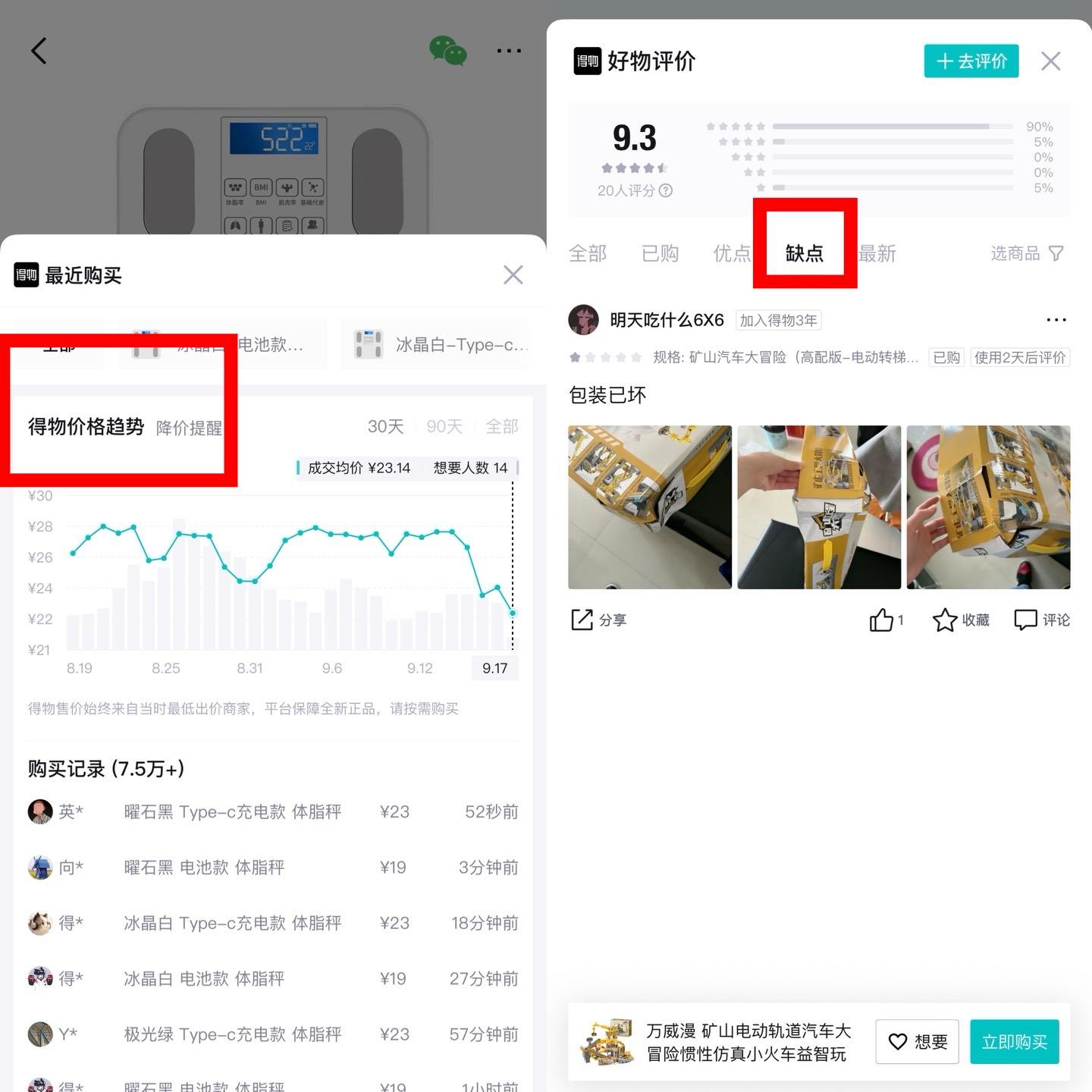
比如,得物近期上线的商品“缺点”Tab(标签),用户在商品详情页评价模块的首屏就能集中看到该商品的缺点;利用AI做商品解读,除了基础的商品介绍外,主动列出成分、尺码、过敏员信息等提示;在商品详情页设立价格走势图,辅助用户判断购买时机。

在新的AI世代下,实现这一长期目标需要方法灵活,服务用户“了解、得到、分享”的完整兴趣周期。

杨冰特别提到了AI驱动下的分工重构,在业务越切越细的当下,鼓励团队看见业务全貌,对自己能直接影响的结果负责,减少因分工过细导致的协同成本高企;以及利用AI处理标准化工作,让人力更专注于理解用户、判断趋势以及将具体事项落地做成。

亿邦持续追踪报道该情报,如想了解更多与本文相关信息,请扫码关注作者微信。

本文首发于 亿邦动力 官方网站

文章来源:亿邦动力

广告
微信
朋友圈

FAQ回顾

得物目前的用户规模及核心用户特征是什么?

得物每月服务用户规模达亿级,其中30岁以下用户占比70%;目前已开通海外直邮服务,将"先鉴别、后发货"模式落地至中国港澳台及日韩、东南亚、澳大利亚等9个国家和地区的消费市场。

得物跨境海外直邮业务的增长情况如何?

截至7月底,得物海外直邮订单量较上线初期增长超4倍,其中玩具乐器类目增长超7倍,饰品类目增长近6倍,跨境业务正成为平台新的增长引擎。

得物为辅助用户做出消费决策上线了哪些功能?

得物为帮助用户做最优消费决策,上线了多项实用功能:包括商品详情页评价首屏的商品"缺点"标签、可展示成分、尺码、过敏原提示的AI商品解读、辅助判断购买时机的商品价格走势图。

得物新推出的租赁服务覆盖哪些品类和使用场景?

得物近期新拓展租赁服务,目前已覆盖数码产品、游戏设备、手机电脑、服饰配件、奢侈品箱包、腕表等超100个品类,可满足用户旅行拍摄、内容创作、兴趣体验等多场景需求。

这么好看,分享一下?

朋友圈 分享

APP内打开

+1
+1
微信好友 朋友圈 新浪微博 QQ空间
关闭
收藏成功
发送
/140 0