广告
加载中

四个月内反复出圈:西昊的椅子凭什么连续吸引APEC目光?

龚作仁 2026-09-10 14:57
龚作仁 2026/09/10 14:57

邦小白快读

EN
全文速览

这篇文章核心介绍了国产人体工学椅品牌西昊四个月内两次获得APEC相关群体认可的出圈事件,能帮大家快速了解靠谱工学椅的判断标准,具备很高的实用参考价值。

1.核心事件信息:今年5月APEC秘书处官员参访深圳前海时,就曾试坐西昊工学椅并给出高度评价;9月在深圳“湾区之眼”的APEC亚太媒体高端论坛“深圳优品”展区,西昊展出H300动态工学椅、灵悦F5女性工学椅、C500I智能工学椅三款产品,获得150位中外媒体人的一致好评,不少外媒记者当场询问海外购买渠道、表示愿意购买,还有媒体人提出要给单位做采购推荐。

2.实用选品干货:挑选工学椅可重点关注几个维度,是否具备全角度后仰均匀支撑、任意悬停的底盘技术,是否有足够多的可调部件适配不同体型,是否针对女性、久坐人群等做了细分设计,是否带有腰部支撑、按摩、健康监测等实用功能,优先选择研发投入足、通过国际品质认证的品牌,更能保障使用体验。

西昊借力APEC舞台连续出圈的实践,为国产品牌打造高端认知、拓展海内外市场提供了可参考的成熟路径。

1.品牌营销与渠道建设:高权威的公共场景(比如APEC配套的地方优品展)是性价比极高的品牌露出阵地,靠现场体验获得官员、媒体等群体的自发性口碑传播,信任度远高于常规硬广,能快速建立国内外市场的高端品牌认知;品牌出海要提前布局重点市场的经销商网络,比如西昊在菲律宾、印尼等东南亚国家提前铺设渠道,就能承接场景曝光带来的即时消费需求。

2.产品研发与消费趋势把握:当前家居消费已经从买产品转向买体验,品牌要保持13%-16%的高研发投入(数倍于行业均值),搭建跨领域研发团队积累270余项核心专利,围绕材料、核心部件、智能化做全链条打磨,还要细分人群需求推出专属产品线,建立直面用户的反馈机制、核心管理层参与产品测试来打磨细节,通过国际认证、参与行业标准制定筑牢信任壁垒。

西昊在APEC活动上的出圈表现,能为家居类卖家尤其是跨境卖家指明市场机会、提供可复制的运营思路。

1.市场机会提示:人体工学椅赛道仍有充足增长空间,东南亚等海外市场消费者对高舒适度、多功能的工学椅接受度极高,现场体验后的购买意愿强烈,同时B端办公采购需求也十分可观,不少媒体从业者体验后当场表示会向所在单位推荐相关产品。

2.可借鉴的运营经验:选品要优先选择有核心专利技术、可调部件充足、覆盖细分人群需求(比如女性用户、久坐办公人群)、搭载按摩、健康监测等功能、通过国际品质认证的产品,这类产品容易获得用户自发种草;可借助高权威国际活动的曝光热点做内容营销,强化产品体验感的展示,更容易获得用户信任。

3.风险提示:要避开低技术含量、支撑性差、可调部件少的低质工学椅产品,这类产品很难获得用户长期认可,容易在体验式消费的趋势下被市场淘汰。

西昊的产品打造逻辑与发展路径,为家居制造类工厂的产品升级、业务拓展提供了清晰的方向参考。

1.产品设计与生产的明确需求:家居产品正在往技术化、细分化、智能化方向升级,核心部件层面要打磨成熟的底盘技术,实现后仰全角度均匀支撑、任意悬停,可联合高校开发兼顾轻量化与高强度的复合材质;结构设计上要配置足够多的可调部件(西昊单款椅子拆解为137个可调部件,远高于行业常见的数十个),针对女性、久坐人群等不同群体和使用场景做细分款式;智能方向可加入自研芯片、配套功能模块,实现健康监测、肩腰按摩等功能。

2.商业机会与升级启示:工厂要建立严格的品质管控体系,拿到欧美等国际市场认证,争取参与行业标准制定,搭建直面用户的反馈收集链路,安排研发人员对接一线需求、核心人员参与新品测试,凭硬核生产研发能力对接优质国货品牌的出海订单,还可以逐步搭建跨领域研发团队,向科技型制造企业转型。

从西昊的发展路径与APEC活动中的用户反馈,可以梳理出家居赛道的发展趋势、客户痛点与服务切入方向。

1.行业发展趋势:家居行业整体正在从卖产品向卖体验升级,国产品牌出海已经从过去的贴牌代工模式,转向技术驱动的品牌化出海,核心技术研发、细分人群覆盖、智能化功能打造会成为未来的核心竞争维度。

2.行业客户普遍痛点:家居品牌打造核心竞争力时,单靠自身搭建结构、机械、嵌入式开发、App运营等跨领域团队成本较高;用户反馈收集链路长,很难快速将需求转化为产品调整;出海过程中对接海外认证、渠道、高信任度营销资源的门槛较高。

3.服务解决方案方向:可针对性推出模块化技术服务(比如智能监测模块、结构优化方案)、一线用户反馈收集运营服务、海外市场合规与渠道对接、高权威场景营销服务,帮助品牌降低研发与运营成本,提升市场竞争力。

西昊获APEC连续认可背后的行业趋势,能为各类电商、内容平台的招商选品、运营管理、风险防控提供明确参考。

1.平台上的商家核心需求:优质国货品牌在发展尤其是出海过程中,十分需要高信任度的背书场景与触达海内外C端、B端用户的曝光渠道,希望打通“场景体验-即时购买”的转化链路,比如不少外媒记者体验西昊产品后第一时间询问购买渠道,就反映出场景流量的转化通道仍有优化空间。

2.平台运营与招商方向:可重点引入研发投入高、专利储备充足、产品线覆盖细分人群需求、通过国际品质认证的家居品牌,这类产品用户体验好、自发推荐率高,容易形成优质内容生态;可推出中国智造优品专属扶持计划,为优质国货提供面向国内及海外市场的流量倾斜。

3.风向规避提示:要逐步减少无技术支撑、靠低价竞争的低质家居产品露出,避免低质产品损害用户消费体验,引导平台商家往重研发、重体验的良性方向竞争。

西昊四个月内两次获得APEC群体认可的案例,是观察中国家居制造业转型升级、国产品牌出海新动向的典型样本。

1.产业发展新动向:中国家居制造业正在发生深层逻辑转变,从过去依赖贴牌代工、低价走量的产品出海模式,转向以技术研发为核心、打造自主品牌的品牌出海阶段,竞争逻辑从价格竞争转向体验与技术竞争;头部家居企业已经开始具备科技企业属性,研发投入占比达年销售额的13%-16%、数倍于行业均值,跨领域搭建研发团队积累270余项核心专利,在材料、核心部件、智能化方向做全链条打磨,同时通过细分产品线、直面用户的反馈机制精准匹配需求。

2.商业模式与政策启示:这类新制造品牌打破了传统家具企业重生产轻研发的模式,将技术作为核心竞争力,通过高权威公共场景的体验式传播获得高信任度口碑,大幅降低品牌传播成本;在国际主场活动中设置地方优品展示区,是帮助中国智造品牌降低国际传播成本、提升全球认知的有效路径,可进一步引导企业加大研发投入、参与行业标准制定,提升国产品牌全球竞争力。

返回默认
声明:快读内容全程由AI生成,请注意甄别信息。如您发现问题,请发送邮件至 run@ebrun.com 。

我是 品牌商 卖家 工厂 服务商 平台商 研究者 帮我再读一遍。

Quick Summary

This article centers on the standout performance of Chinese ergonomic chair brand Sihoo, which earned recognition from APEC-related groups twice in four months. It also provides practical, easy-to-follow guidance on how to choose a reliable ergonomic chair, with strong actionable value for general consumers.

1. Key event details: Back in May this year, when APEC Secretariat officials visited Qianhai, Shenzhen, they test-sat Sihoo’s ergonomic chairs and gave highly positive feedback. In September, at the "Shenzhen Premium Products" exhibition zone of the APEC Asia-Pacific Media High-End Forum held at the "Bay Area Eye" landmark in Shenzhen, Sihoo displayed three products: the H300 dynamic ergonomic chair, Lingyue F5 ergonomic chair designed for women, and C500I smart ergonomic chair. All three won unanimous praise from 150 Chinese and foreign journalists: many foreign reporters asked about overseas purchasing channels on site and expressed intent to buy, while some media professionals noted they would recommend the chairs for their organizations’ procurement.

2. Practical buying guidance: When selecting an ergonomic chair, prioritize the following dimensions: chassis technology that delivers uniform support across all recline angles and allows free-position locking at any angle; sufficient adjustable components to fit different body types; targeted designs for specific user groups such as women and people who sit for long hours; and practical functions including lumbar support, massage, and health monitoring. Prioritize brands with substantial R&D investment and international quality certifications, as these better guarantee long-term user experience.

Sihoo’s repeated high-profile exposure on the APEC stage offers a replicable, proven path for domestic brands to build premium brand perception and expand into domestic and overseas markets.

1. Brand marketing and channel building: High-authority public scenarios (such as APEC’s accompanying local premium product exhibitions) represent highly cost-effective brand exposure channels. On-site experience that drives spontaneous word-of-mouth from officials, media, and other groups delivers far higher credibility than traditional hard advertising, enabling brands to quickly establish premium brand awareness across domestic and international markets. For overseas expansion, brands should pre-establish distributor networks in key markets in advance: for example, Sihoo pre-laid channels in Southeast Asian markets including the Philippines and Indonesia, allowing it to capture immediate consumer demand generated by high-profile event exposure.

2. Product R&D and consumer trend alignment: Today’s home consumption has shifted from purchasing products to purchasing experiences. Brands should maintain high R&D investment of 13%-16% of revenue (several times the industry average), build cross-functional R&D teams to accumulate over 270 core patents, and conduct end-to-end refinement across materials, core components, and smart functionality. They should also launch targeted product lines for segmented user groups, establish direct user feedback mechanisms, and involve core management in product testing to polish details, while building trust barriers through international certifications and participation in industry standard-setting.

Sihoo’s breakout performance at APEC events points to clear market opportunities and replicable operational strategies for home goods sellers, especially cross-border e-commerce sellers.

1. Market opportunity signals: The ergonomic chair segment still has ample room for growth. Consumers in overseas markets such as Southeast Asia show very high acceptance of high-comfort, multi-functional ergonomic chairs, with strong purchase intent after on-site trials. Meanwhile, B2B office procurement demand is also substantial: many media professionals who tested the products stated on site that they would recommend them for their organizations’ purchasing.

2. Replicable operational experience: For product selection, prioritize SKUs with core patented technology, sufficient adjustable components, designs tailored to segmented groups (such as female users and sedentary office workers), built-in functions such as massage and health monitoring, and international quality certifications. These products are more likely to earn organic user recommendations. Sellers can also leverage exposure from high-authority international events for content marketing, with a focus on demonstrating product experience, to more easily build user trust.

3. Risk warning: Avoid low-quality ergonomic chairs with limited technology, poor support, and few adjustable components. These products struggle to win long-term user recognition, and are likely to be phased out as the market shifts toward experience-driven consumption.

Sihoo’s product development logic and growth path offer clear directional guidance for home goods manufacturers pursuing product upgrades and business expansion.

1. Clear priorities for product design and production: Home products are evolving toward greater technical sophistication, user segmentation, and smart functionality. For core components, manufacturers should refine mature chassis technology to enable uniform support across all recline angles and free-position locking at any angle, and can partner with universities to develop composite materials that balance light weight and high strength. For structural design, products should include sufficient adjustable components (Sihoo’s single chair model is disassembled into 137 adjustable parts, far higher than the industry norm of a few dozen), with segmented models tailored to groups including women, sedentary users, and specific use scenarios. For smart functionality, manufacturers can integrate self-developed chips and supporting functional modules to deliver health monitoring, shoulder and lumbar massage, and other features.

2. Business opportunities and upgrade takeaways: Factories should establish strict quality control systems, obtain certifications for European, American, and other international markets, and seek opportunities to participate in industry standard-setting. They should build direct user feedback loops, assign R&D staff to engage with frontline user needs, and involve core personnel in new product testing. With strong production and R&D capabilities, factories can secure export orders from high-quality domestic brands, while gradually building cross-domain R&D teams to transform into technology-driven manufacturing enterprises.

Sihoo’s development path and user feedback from APEC events reveal key development trends, client pain points, and service entry points in the home goods sector.

1. Industry development trends: The home goods industry as a whole is upgrading from selling products to selling experiences. Domestic brands’ overseas expansion has shifted from the traditional OEM contract manufacturing model to technology-driven, own-brand globalization. Core R&D, segmented user coverage, and smart functionality development will become the core competitive dimensions going forward.

2. Common client pain points: When building core competitiveness, home brands face high costs of independently building cross-functional teams covering structural engineering, mechanical design, embedded development, and app operation. Long feedback loops make it difficult to quickly translate user needs into product adjustments. They also face high barriers to accessing overseas certification, channel resources, and high-trust marketing resources during international expansion.

3. Targeted service solution directions: Service providers can launch modular technical services (such as smart health monitoring modules and structural optimization solutions), frontline user feedback collection and operation services, overseas market compliance and channel matching, and high-authority scenario marketing services, to help brands reduce R&D and operational costs and improve market competitiveness.

The industry trends behind Sihoo’s repeated recognition by APEC groups provide clear reference for e-commerce and content platforms across merchant recruitment, product selection, operation management, and risk control.

1. Core merchant needs on platforms: High-quality domestic brands, especially during their global expansion, have strong demand for high-trust endorsement scenarios and exposure channels that reach both C-end consumers and B-end clients at home and abroad. They also seek to smooth the conversion path from "scenario experience to immediate purchase": for example, many foreign journalists who tested Sihoo’s products immediately asked about purchasing channels, reflecting remaining optimization space for conversion of scenario-driven traffic.

2. Platform operation and merchant recruitment direction: Platforms can prioritize onboarding home brands with high R&D investment, strong patent portfolios, product lines covering segmented user needs, and international quality certifications. These products deliver strong user experience and high organic recommendation rates, making it easier to build a high-quality content ecosystem. Platforms can also launch dedicated support programs for premium "Intelligent Manufacturing in China" products, providing traffic support for high-quality domestic brands targeting both domestic and overseas markets.

3. Risk mitigation guidance: Platforms should gradually reduce exposure for low-quality home products with no technical foundation that compete solely on low prices, to avoid poor user experience from low-quality goods, and guide platform merchants toward healthy competition focused on R&D investment and user experience.

Sihoo’s case of earning recognition from APEC groups twice in four months serves as a typical sample for observing the transformation and upgrading of China’s home manufacturing sector, and new trends in domestic brands’ global expansion.

1. New industry development dynamics: China’s home manufacturing sector is undergoing a deep structural shift, moving away from the old export model of reliance on OEM production and low-price, high-volume sales, to a stage of branded globalization centered on technological R&D and independent brand building. The competitive logic has shifted from price competition to competition around user experience and technology. Leading home enterprises are beginning to take on the attributes of technology companies, with R&D investment reaching 13%-16% of annual revenue (several times the industry average), cross-domain R&D teams accumulating over 270 core patents, end-to-end refinement across materials, core components and smart functionality, and precise demand matching through segmented product lines and direct user feedback mechanisms.

2. Business model and policy implications: These new manufacturing brands have broken the traditional furniture enterprise model of prioritizing production over R&D, positioning technology as their core competitiveness. They earn high-trust word-of-mouth through experience-driven communication in high-authority public scenarios, significantly reducing brand communication costs. Setting up local premium product exhibition zones at major international events hosted in China is an effective path to help "Intelligent Manufacturing in China" brands lower international communication costs and raise global awareness. Policies can further guide enterprises to increase R&D investment, participate in industry standard-setting, and enhance the global competitiveness of domestic brands.

Disclaimer: The "Quick Summary" content is entirely generated by AI. Please exercise discretion when interpreting the information. For issues or corrections, please email run@ebrun.com .

I am a Brand Seller Factory Service Provider Marketplace Seller Researcher Read it again.

9月3日下午,全球最大实体书城——深圳宝安“湾区之眼”,迎来2026年APEC亚太媒体高端论坛活动参访团。在代表亚太媒体参访深圳路线关键点的“深圳优品”展区,来自中国、俄罗斯、巴基斯坦、印度尼西亚、新加坡等APEC经济体的150位中外媒体记者及工作人员,不约而同地将目光聚焦在一把来自深圳宝安的人体工学椅上。

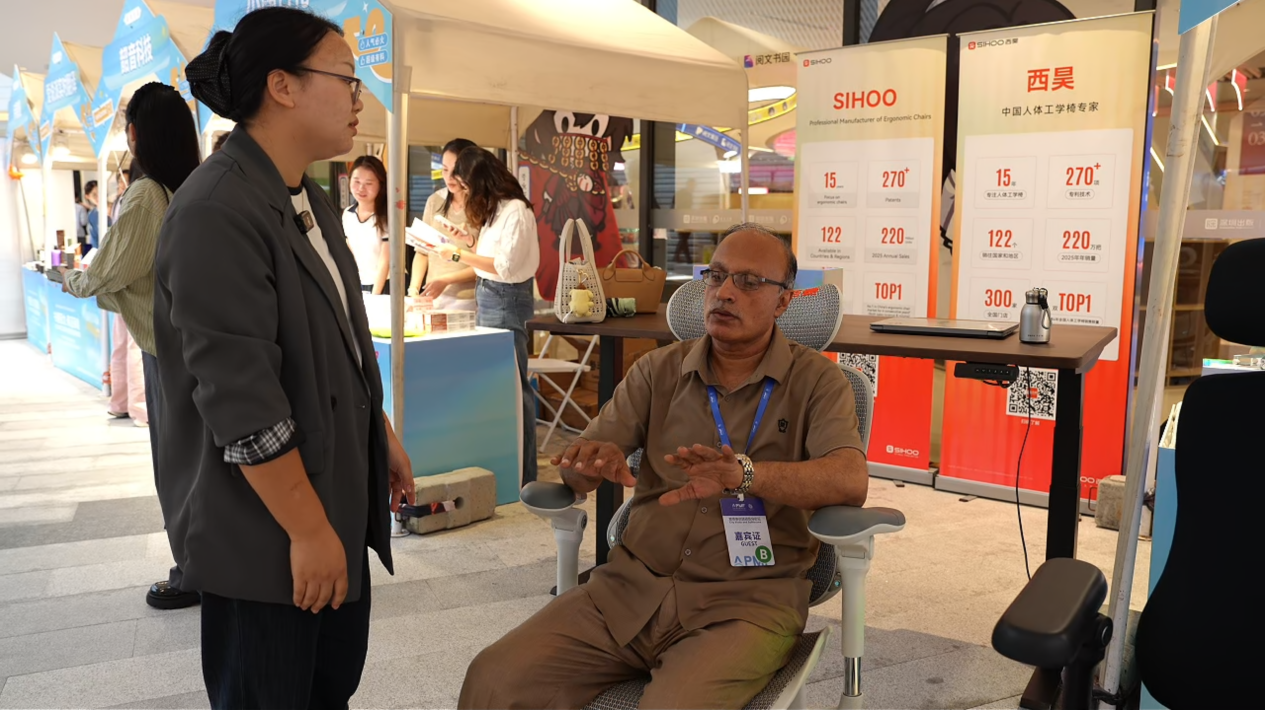
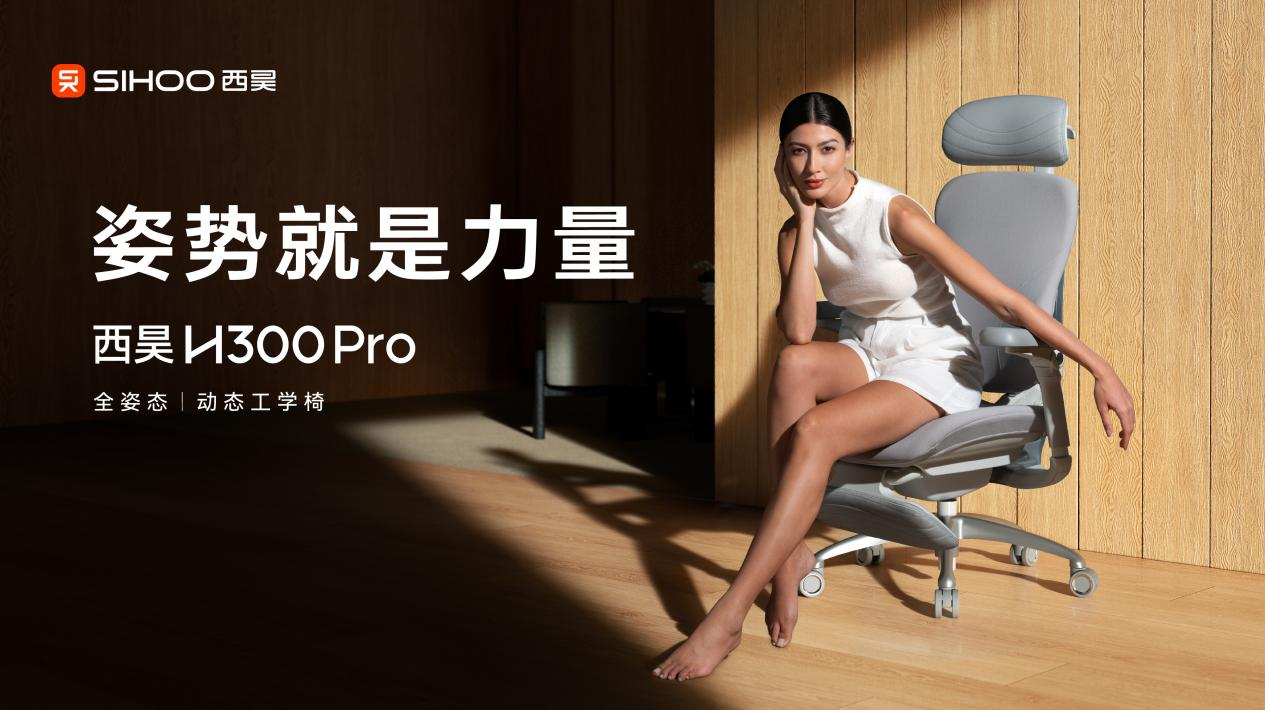
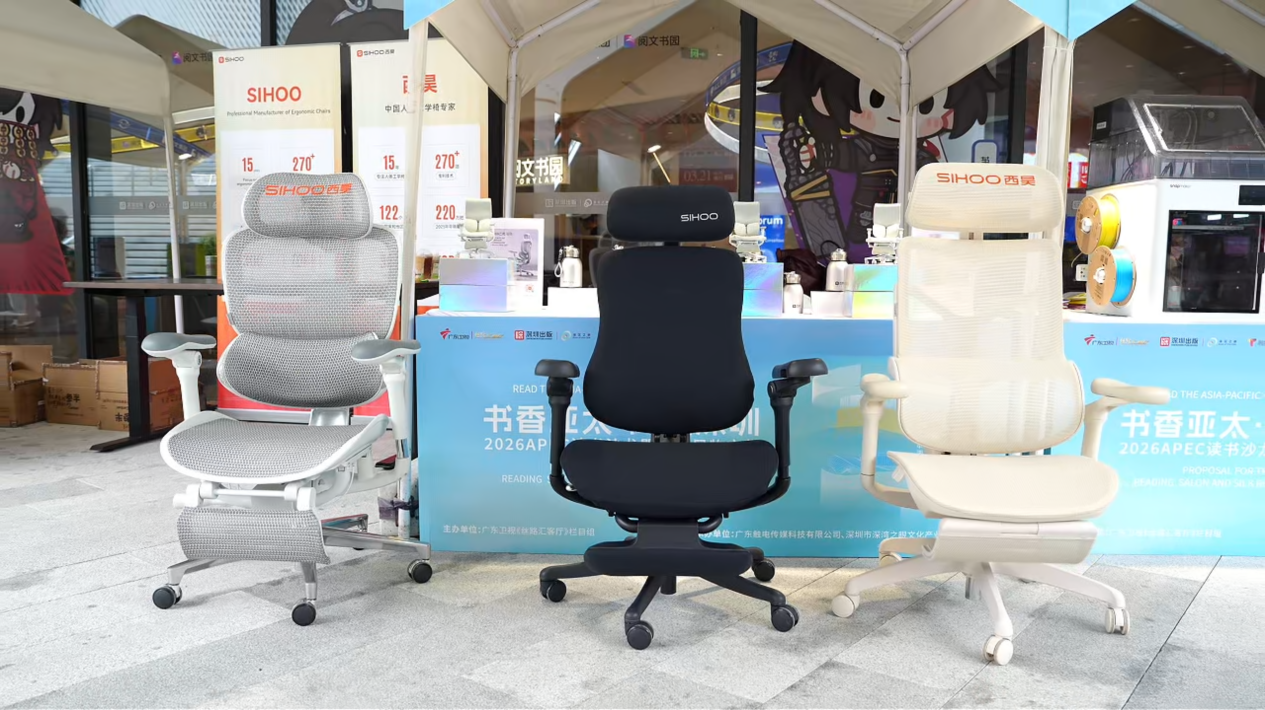
这不是普通的椅子,而是来自深圳西昊智能家居的三款人体工学椅——新品H300动态工学椅、灵悦F5女性工学椅和C500I智能工学椅。记者现场观察发现,体验区前多次出现排队试坐的场景,外媒记者的反馈直接而热烈。

(图注:西昊代表“深圳优品”受邀展览)

湾区之眼成“试椅台”,亚太记者用舒适感投下信任票

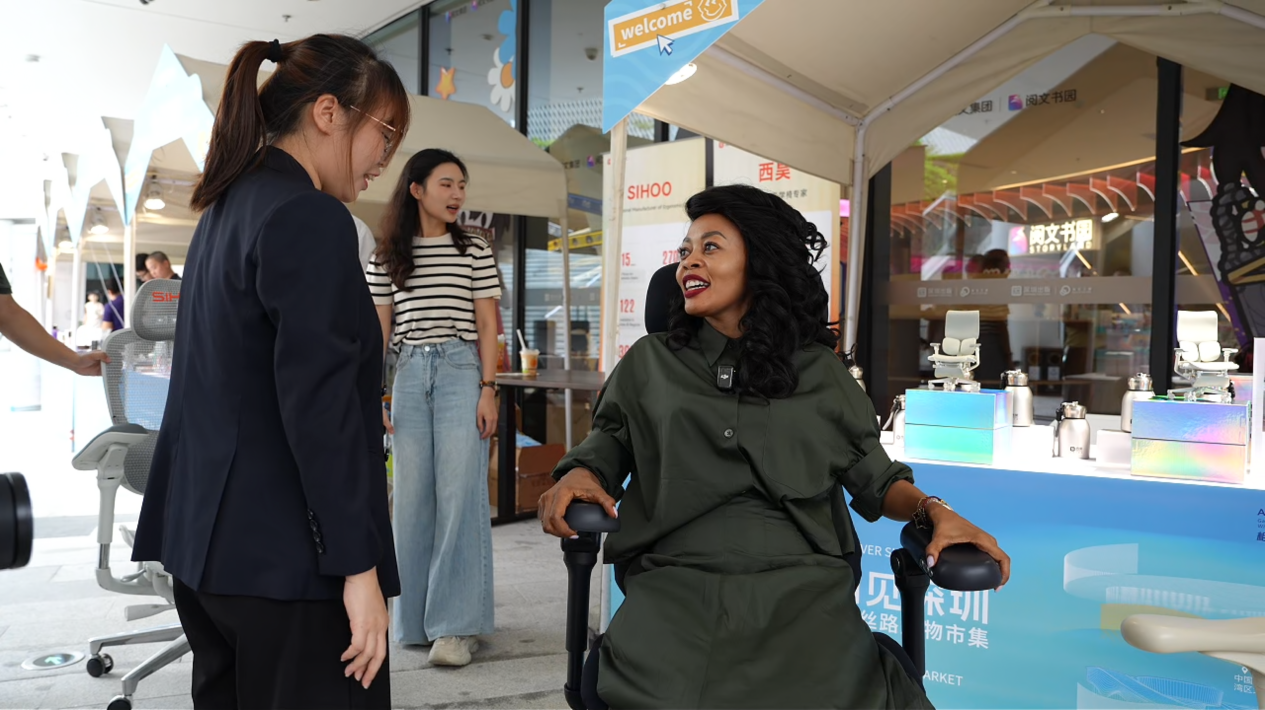
体验区前,多位外媒记者依次落座试乘。一位巴基斯坦记者坐上西昊H300动态工学椅后,身体缓缓后仰,靠在椅背上数次点头,随后脱口而出:“Very relax。”另一位记者体验H300时,启动了按摩功能,在感受到腰部支撑变化后直言:“Very comfortable。”两人随后询问海外购买渠道,得知西昊在菲律宾、印尼等国家均有经销商后,当即表示:“If you sell this,I will buy。”

(图注:外媒记者正在体验西昊人体工学椅)

这种自发性的“种草”并非孤例。印尼媒体记者Sulistyawan反复调整座深并多次后仰测试椅背回弹,起身后对工作人员表示:“我会向我们单位推荐这把椅子。”甚至来自新华社的记者也在体验后,当场表示会向内部推荐。从“Very relax”到“I will buy”,这些简短的评价构成了最真实的市场反馈。

(图注:外媒记者正在体验西昊人体工学椅)

时隔四月、两次“认证”,APEC为何一再将目光投向西昊?

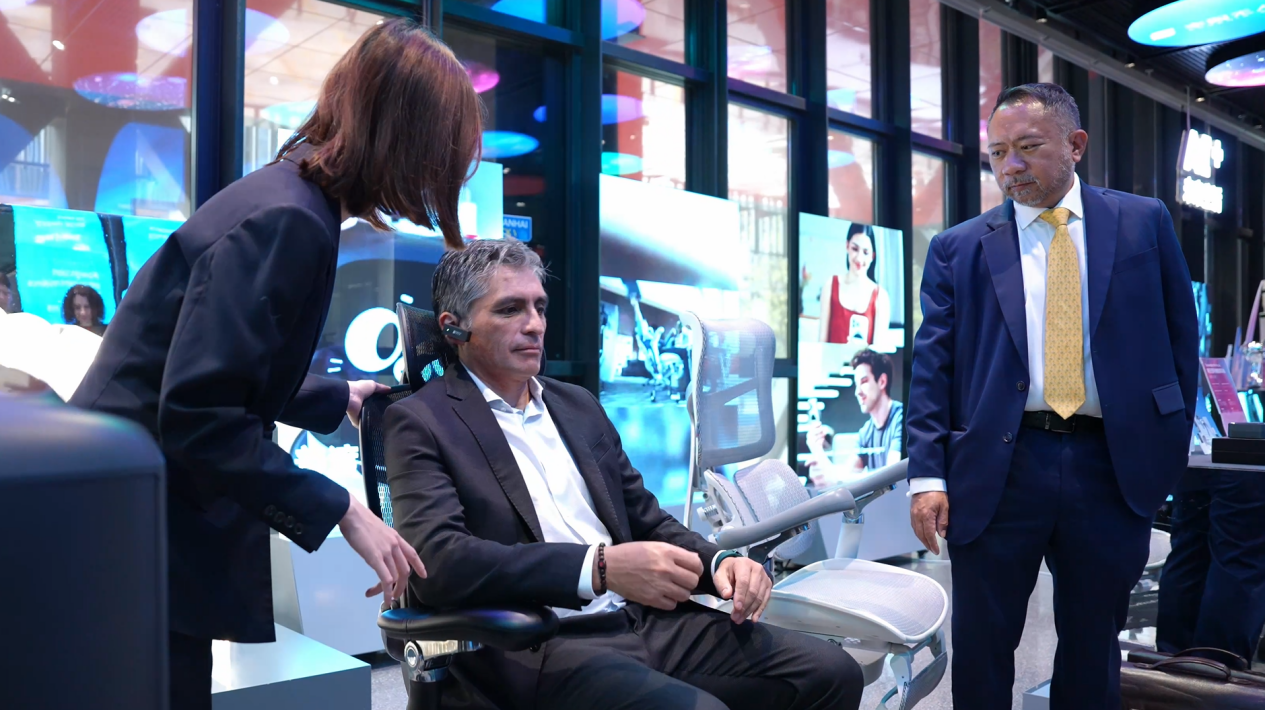
事实上,这并非西昊首次与APEC产生交集。今年5月5日,APEC秘书处执行主任爱德华多·佩德罗萨率代表团参访深圳前海。在西昊展台前,他亲自试坐多角度可调的人体工学椅后笑称:“这比我自己办公室的椅子舒服多了。”APEC秘书处传播与公共事务部主管费尔南多·萨拉斯也打趣道:“躺在上面太舒服了,简直让人无法办公。”

短短四个月,从秘书处官员到亚太媒体记者,西昊连续两次获得国际权威人群的肯定。在国产家居品牌中,这种密集的“高光时刻”并不多见。其背后折射出的,是中国家居制造业正在发生的深层逻辑转变。

据公开资料显示,西昊作为国家高新技术企业、深圳瞪羚企业,其研发投入占年销售额的13%至16%,这一比例数倍于行业均值。十五年技术深耕,其研发团队从数人扩展至百余人,成员涵盖结构、机械、传动、嵌入式及App等多元领域,使传统家具品类具备了科技企业的研发基因。

核心技术层面,西昊累计获得270余项国家专利,独创四大坐感技术。历时近三年研发的“第六代太空底盘”,实现后仰全角度均匀支撑与任意悬停;公司还与高校联合开发PA/PP复合材质,兼顾轻量化与高强度。智能化方向,西昊投入上亿元打造T6智能工学椅,内置自研芯片及专属App,可实时监测13项健康指标,并集成肩腰按摩功能。

西昊将一把座椅拆解为137个可调部件,远多于行业常见的数十个,并针对久坐、思考、女性等不同场景及人群推出细分产品线。品质上,产品通过欧美等国际认证,并参与多项国家及行业标准制定。研发人员定期驻店直面用户反馈,创始人罗慧平亲自试坐每款新品至少一周,确保细节完善。

正是这种从材料、底盘到智能化的全链条极致打磨,让西昊能适配全球不同体型用户的严苛需求,也赢得APEC舞台的两次认可。

(图注:5月初APEC秘书处官员体验西昊人体工学椅)

从“卖产品”到“卖体验”的中国品牌出海跃升

2026“APEC中国年”,深圳作为主场窗口,是继北京、上海之后的第三座APEC举办城市,正集中向亚太21个经济体展示中国式现代化的创新成果。在此过程中,西昊人体工学椅的走红并非偶然,它代表的不只是一家企业的产品实力,更是一个信号:中国制造业正在从贴牌代工向自主品牌的跃升,从单纯的产品出海转向以创新技术参与国际竞争的品牌出海。当企业真正沉下心来做研发、读懂用户需求,一把椅子也能成为讲述中国智造故事的载体。

(图注:西昊新品H300动态工学椅)

注:文/龚作仁,文章来源:Laborer,本文为作者独立观点,不代表亿邦动力立场。

文章来源:Laborer

广告
微信
朋友圈

FAQ回顾

西昊是一家什么类型的企业?

西昊是总部位于深圳的国家高新技术企业、深圳瞪羚企业,专注人体工学椅研发制造,年研发投入占销售额13%-16%,数倍于行业均值,累计获270余项国家专利,参与多项国家及行业标准制定,产品通过欧美国际认证。

西昊人体工学椅有哪些核心技术优势?

西昊独创四大坐感技术,历时近三年研发的第六代太空底盘可实现后仰全角度均匀支撑与任意悬停;与高校联合开发PA/PP复合材质兼顾轻量化与高强度;智能产品线内置自研芯片,可监测13项健康指标并集成肩腰按摩功能。

西昊有哪些代表性的人体工学椅产品?

西昊针对不同人群与使用场景打造细分产品线,代表性产品包括H300动态工学椅、灵悦F5女性工学椅、C500I智能工学椅、T6智能工学椅等,全系列共设137个可调部件,可适配不同体型用户的舒适坐感需求。

中国家居品牌出海当前呈现哪些新趋势?

中国家居制造业正逐步从贴牌代工模式向自主品牌升级,从单纯的产品出口转向以核心创新技术为支撑的品牌出海,通过深耕用户需求、打磨产品技术,在全球市场建立自主品牌竞争力。

这么好看,分享一下?

朋友圈 分享

APP内打开

赞 +1
+1
微信好友 朋友圈 新浪微博 QQ空间
关闭
收藏成功
发送
/140 0