广告
加载中

京东与海尔签署战略合作协议 加快推进家电家居全渠道一体化布局

龚作仁 2026-08-27 16:24
龚作仁 2026/08/27 16:24

邦小白快读

EN
全文速览

本文核心内容是京东集团与海尔集团达成全方位战略合作,定下3年2000亿的合作目标,核心推进家电家居全渠道一体化布局,普通消费者可以从中获得不少实际利好。

1. 合作落地后,消费者可以参加双方推出的全渠道超品日、线下新品发布、创意快闪等各类活动,能在线下门店实地体验海尔最新的家电产品,更直观地挑选符合需求的产品,解决线上选购看不到实物的问题。

2. 未来消费者能买到更多贴合自身需求的家电产品,合作中京东会用AI能力洞察用户需求,还推出真专供模式,提前把消费者需求融入产品开发,针对不同生活场景打造差异化产品,比如满足多场景洗护需求的三筒洗衣机就是这类产品。

3. 目前合作已经有不少成熟成果,多款产品获得不错的市场表现,能给消费者带来更多高品质的家电选择。

本文介绍了京东与海尔的全渠道一体化创新合作模式,为家电品牌的增长提供了可落地参考的经验,契合当前家电行业的发展趋势。

1. 渠道建设方面,可参考全渠道融合模式,依托京东覆盖全国的1.8万家多元线下门店,结合线上流量优势,打通消费者从认知、体验到购买服务的完整链路,提升品牌触达和转化效率,今年海尔618全渠道超品日靠一品八端模式就拿下近28亿元成交额。

2. 产品研发方面,可以借助京东AI能力捕捉消费趋势,精准识别用户需求,提升新品研发效率,同时探索真专供模式,把用户需求前置到产品规划阶段,开发差异化产品挖掘新增量。

3. 营销升级方面,可以联动线上线下资源,开展全渠道超品日、场景化展示等活动,提升用户体验,推进推新卖高,突破高端市场。

京东与海尔的深度合作为家电类卖家展现了新的增长方向,带来了明确的机会提示和可借鉴的经验。

1. 增长机会方面,当前线上线下一体化融合是家电行业的核心增长趋势,京东已经完成全渠道资源整合,建成覆盖全国各级市场的1.8万家线下门店网络,卖家可以对接京东全渠道体系,打破原有渠道边界,挖掘下沉市场和区域市场的新增量。

2. 商业模式方面,可以学习推新卖高+真专供的增长模式,依托平台的用户数据和AI能力精准洞察需求,针对性开发差异化、高端化产品,目前海尔高端云溪洗衣机上市后累计成交突破8500万元,拿下高端价位段TOP1,模式已经得到验证。

3. 营销运营方面,可以参考一品八端的全渠道联动玩法,整合线上流量、线下场景和多方资源,提升活动转化效率,应对消费需求变化找到新增长曲线。

京东与海尔的合作为家电生产工厂带来了新的商业机会,也提供了推进数字化和电商转型的明确启示。

1. 产品生产设计方面,当前消费者对品质、智能、个性化的需求不断提升,工厂可以对接平台的用户消费洞察数据,提前把用户需求融入产品设计环节,针对不同家庭结构、消费场景开发差异化产品,比如海尔针对家庭多衣物洗护需求开发的三筒洗衣机,就获得了市场认可。

2. 商业机会方面,全渠道一体化融合打开了新的增长空间,京东已经建成覆盖各级城市、不同消费场景的线下渠道网络,工厂可以和京东开展合作,依托该网络把产品触达更多原来覆盖不到的消费者,挖掘市场增量。

3. 数字化转型方面,工厂可以借助平台的AI能力和一体化供应链体系,提升产品研发效率,优化供需匹配,降低错配风险,加快自身的电商化转型进程。

本文展现了当前家电家居行业的发展趋势,以及品牌方的核心痛点,给家电领域的服务商指明了新的业务方向。

1. 行业发展趋势方面,当前家电行业已经进入线上线下全渠道一体化融合的发展阶段,产品端也从大规模同质化生产转向基于用户需求的精准开发,高端化、差异化成为主流方向,行业衍生出很多新的服务需求。

2. 品牌方核心痛点方面,目前多数品牌存在两大核心痛点:一是难以实现全渠道资源高效整合,打通线上线下商品供给、流量链路的难度较高;二是产品研发难以精准匹配用户需求,新品推广成功率低,推新打新效率不足。

3. 业务解决方案方向,服务商可以围绕全渠道运营开发配套服务,帮助品牌对接整合线上线下资源,也可以依托大数据、AI技术开发消费洞察服务,帮助品牌提升产品研发和新品推广的效率,契合行业需求开拓自身业务。

京东与海尔的全渠道合作实践,为平台商布局家电家居领域提供了可参考的发展和运营经验,明确了方向。

1. 平台布局方向,当前品牌方对全渠道一体化融合经营的需求十分强烈,平台需要主动整合线上线下资源,搭建覆盖不同城市层级、不同消费场景的线下渠道网络,承担产品展示、体验、服务功能,满足品牌全渠道经营的核心需求。

2. 运营管理方向,需要优化全链路运营能力,一方面要打通线上线下商品供给,通过多种模式实现商品资源高效协同,匹配区域市场的精准需求;另一方面要打通流量链路,实现站内资源和线下场景联动,完成消费者从认知到转化的全链路覆盖。

3. 增量拓展方向,平台可以依托自身的用户数据和技术能力,为品牌提供产品研发、新品推广的增值服务,开拓真专供这类创新合作模式,既提升对品牌的吸引力,也打破单一线上渠道的增长瓶颈,挖掘平台新增量。

本文展现了消费升级背景下我国家电行业的产业新动向,以及创新的协同商业模式,具备较高的研究价值。

1. 产业新动向方面,当前我国家电行业的增长逻辑已经从流量驱动转向需求驱动,原来线上线下割裂的渠道模式已经无法适配消费需求,全渠道一体化融合成为行业主流发展方向,同时高端化、差异化产品取代大众款成为行业增长的核心动力。

2. 创新商业模式方面,本次合作探索出三种可研究的创新模式:一是超级品牌与超级供应链协同的全渠道合作模式,海尔的品牌产品能力结合京东的全渠道供应链能力,定下3年2000亿合作目标,实现协同共赢;二是AI驱动的推新打新模式,用AI洞察需求提升新品精准度;三是需求前置的真专供产品开发模式。

3. 三种模式都已经有成熟的成功案例,为研究家电行业高质量发展提供了全新的实践样本。

返回默认
声明:快读内容全程由AI生成,请注意甄别信息。如您发现问题,请发送邮件至 run@ebrun.com 。

我是 品牌商 卖家 工厂 服务商 平台商 研究者 帮我再读一遍。

Quick Summary

This article summarizes JD.com and Haier’s new comprehensive strategic partnership, which targets 200 billion yuan in transaction volume over three years and focuses on building an omni-channel integrated layout for home appliances and home goods. This partnership will bring multiple tangible benefits to consumers:

1. Consumers will gain access to a range of joint omni-channel activities, including super brand days, offline new product launches and creative pop-ups, allowing them to experience Haier’s latest home appliances in physical stores to make more informed purchasing decisions, solving the pain point of being unable to inspect products in person when shopping online.

2. Consumers will get access to more home appliances tailored to their specific needs. JD leverages its AI capabilities to identify user needs, and the partnership has launched a "true exclusive production" model that integrates consumer preferences into product development early on to create differentiated products for diverse living scenarios — the three-cylinder washing machine designed for multi-scenario laundry needs is one example of this approach.

3. The partnership already has a number of successful, high-performing products on the market, giving consumers more high-quality home appliance options to choose from.

This article outlines JD and Haier’s innovative omni-channel integrated partnership model, which provides actionable growth insights for home appliance brands that align with current industry trends:

1. For channel development: Brands can adopt this omni-channel integration model. Leveraging JD’s 18,000 offline stores across China and its online traffic advantages, brands can unify the full consumer journey from awareness and in-person experience to purchase and after-sales service, improving reach and conversion efficiency. During this year’s 618 shopping festival, Haier’s Omni-channel Super Brand Day generated nearly 2.8 billion yuan in transaction volume via its "one product, eight touchpoints" model.

2. For product R&D: Brands can leverage JD’s AI capabilities to spot consumer trends and accurately identify user needs, boosting new product development efficiency. They can also test the "true exclusive production" model, which brings user input into product planning early to develop differentiated products and unlock new growth.

3. For marketing upgrades: Brands can align online and offline resources to run omni-channel super brand days, scenario-based displays and other activities that improve user experience, drive the launch of premium new products, and help break into the high-end market.

The deep partnership between JD and Haier reveals new growth directions for home appliance sellers, with clear opportunities and actionable takeaways:

1. For growth opportunities: Omni-channel online-offline integration is now the core growth trend in the home appliance industry. JD has completed its omni-channel resource integration and built an offline network of 18,000 stores covering all market tiers in China. Sellers can access JD’s omni-channel system to break down traditional channel barriers and unlock new growth in下沉 and regional markets.

2. For business models: Sellers can adopt the tested growth model of "premium new product launches + true exclusive production". Leveraging the platform’s user data and AI capabilities to accurately identify demand, sellers can develop targeted differentiated and high-end products. To date, Haier’s premium Yunxi washing machine has generated more than 85 million yuan in cumulative sales, claiming the top spot in its high price segment, proving the model works.

3. For marketing operations: Sellers can adopt the "one product, eight touchpoints" omni-channel联动玩法, integrating online traffic, offline scenarios and cross-party resources to improve campaign conversion and find new growth curves amid shifting consumer demand.

The JD-Haier partnership brings new business opportunities for home appliance manufacturing plants, and clear insights for advancing digital and e-commerce transformation:

1. For product design and manufacturing: As consumer demand for high-quality, smart, personalized products continues to rise, factories can access the platform’s user insight data to integrate consumer needs into the design process early, developing differentiated products for different household structures and consumption scenarios. Haier’s three-cylinder washing machine, built for households with diverse laundry needs, has already won strong market acceptance as an example of this approach.

2. For business opportunities: Omni-channel integration opens up new growth space. JD has built an offline channel network covering all city tiers and consumption scenarios; factories can partner with JD to use this network to reach more consumers that were previously unreachable, unlocking new market growth.

3. For digital transformation: Factories can leverage the platform’s AI capabilities and integrated supply chain system to improve R&D efficiency, optimize supply-demand matching, reduce mismatching risks, and speed up their own e-commerce transformation process.

This article outlines current development trends in the home appliance and home goods industry and the core pain points facing brands, pointing to new business directions for home appliance industry service providers:

1. Industry development trends: The home appliance industry has entered a stage of omni-channel online-offline integrated development. On the product side, the industry has shifted from mass homogeneous production to user demand-driven targeted development, with premiumization and differentiation becoming the mainstream direction. This shift has created a wide range of new service demands.

2. Core brand pain points: Most brands currently face two major pain points. First, they struggle to efficiently integrate omni-channel resources, and face high barriers to unifying online-offline product supply and traffic links. Second, product R&D often fails to accurately match user demand, leading to low new product launch success rates and inefficient new product go-to-market.

3. New business directions: Service providers can develop supporting services focused on omni-channel operations to help brands connect and integrate online and offline resources. They can also build consumer insight services leveraging big data and AI to help brands improve R&D and new product launch efficiency, expanding their own business by aligning with industry demand.

JD and Haier’s omni-channel cooperation practice provides actionable development and operational insights for marketplace platforms looking to enter the home appliance and home goods sector, clarifying key strategic directions:

1. Platform layout direction: Brands now have strong demand for omni-channel integrated operations. Platforms need to proactively integrate online and offline resources to build an offline channel network covering all city tiers and consumption scenarios, that provides product display, in-person experience and after-sales services to meet brands’ core omni-channel operation needs.

2. Operations management direction: Platforms need to optimize end-to-end omni-channel operations. On one hand, they need to unify online and offline product supply, achieve efficient coordination of product resources through multiple models to match the targeted needs of regional markets. On the other hand, they need to unify traffic links to enable联动 between in-platform resources and offline scenarios, covering the full consumer journey from awareness to conversion.

3. New growth expansion: Platforms can leverage their own user data and technical capabilities to offer value-added services for brand product R&D and new product launches, and develop innovative cooperation models such as true exclusive production. This not only increases appeal to brands, but also breaks the growth limit of single-channel online operations and unlocks new platform growth.

This article presents new industrial trends in China’s home appliance industry against the backdrop of consumption upgrading, along with an innovative collaborative business model, offering high research value:

1. New industrial trends: The growth logic of China’s home appliance industry has shifted from traffic-driven to demand-driven. Traditional siloed online-offline channel models no longer meet consumer demand, and omni-channel integrated development has become the industry’s mainstream direction. At the same time, differentiated premium products have replaced mass-market offerings as the core driver of industry growth.

2. Innovative business models: This partnership has developed three research-worthy innovative models: First, an omni-channel cooperation model of collaboration between a super brand and a super supply chain, where Haier’s brand and product capabilities complement JD’s omni-channel supply chain strengths, with a three-year target of 200 billion yuan in transaction volume to achieve win-win collaboration. Second, an AI-driven new product go-to-market model that uses AI insight to improve new product alignment with demand. Third, a "true exclusive production" development model that brings user demand into the process early.

3. All three models already have mature successful cases, providing an entirely new practical sample for research on high-quality development of China’s home appliance industry.

Disclaimer: The "Quick Summary" content is entirely generated by AI. Please exercise discretion when interpreting the information. For issues or corrections, please email run@ebrun.com .

I am a Brand Seller Factory Service Provider Marketplace Seller Researcher Read it again.

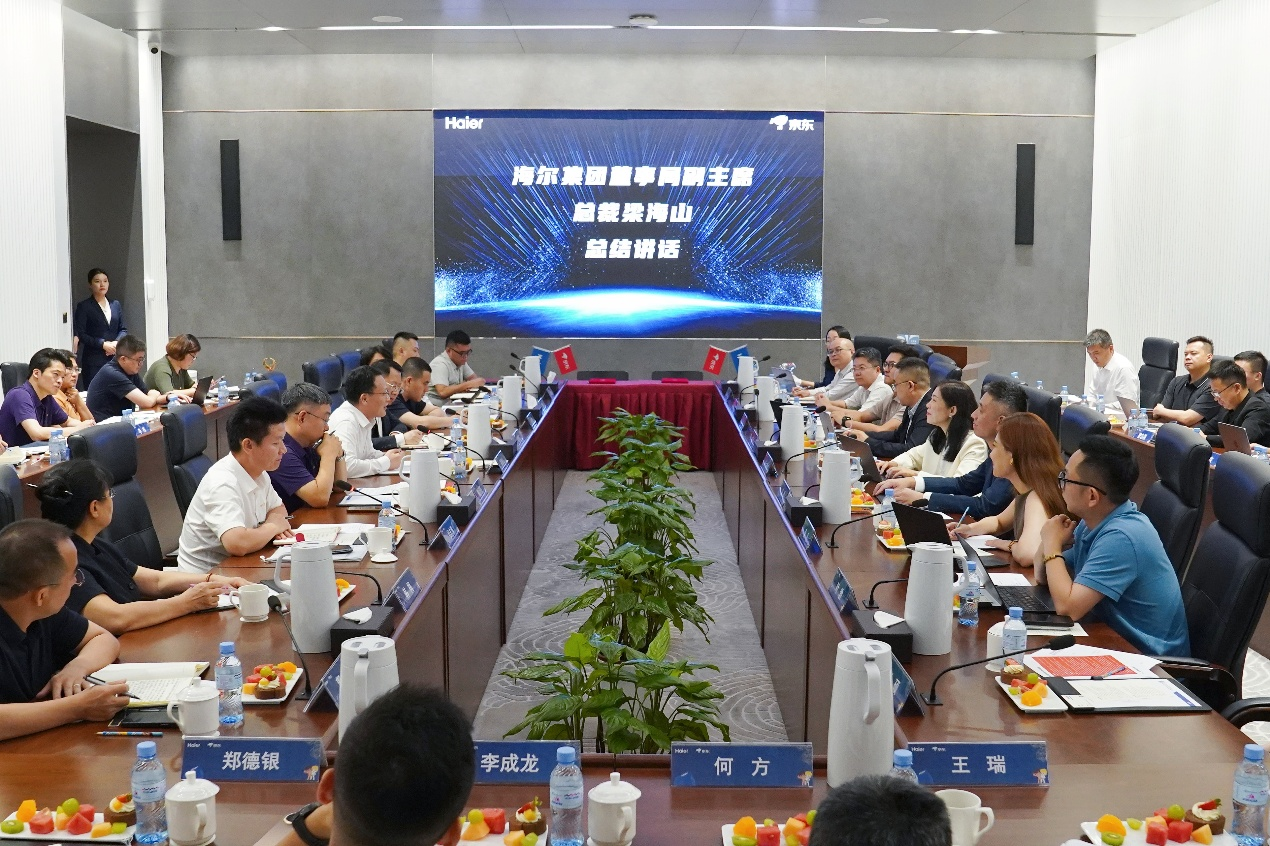
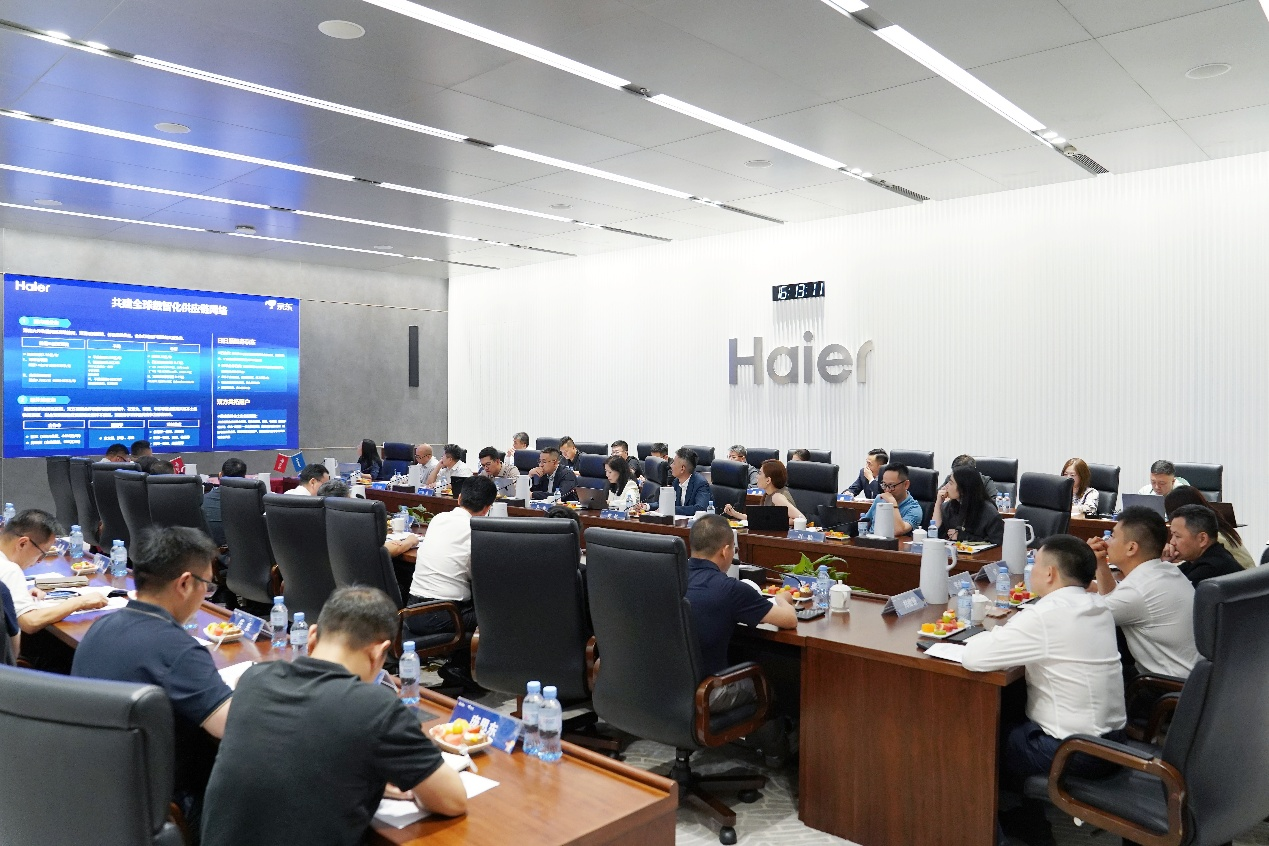
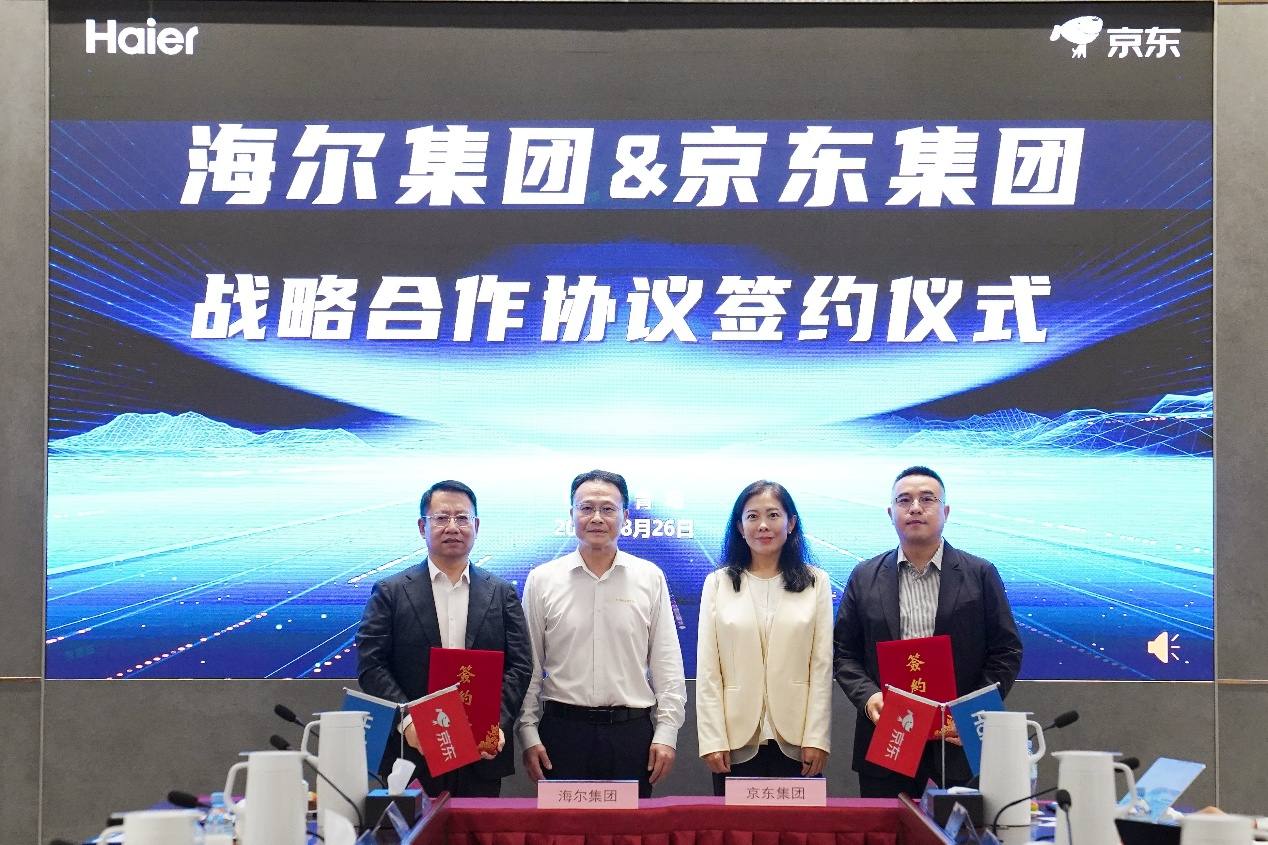
近日,京东集团与海尔集团完成战略合作签约,双方将在全渠道零售、数智化采购、一体化供应链等领域开展全方位战略合作,并以线上线下全渠道融合为核心方向,持续深化产品创新、全渠道协同和创新营销升级,共同推进3年2000亿合作目标,共创家电领域超级供应链与超级品牌协同共赢的新范式。京东集团SEC副主席、京东集团CEO许冉,海尔集团董事局副主席、总裁梁海山,京东集团高级副总裁、京东零售家电家居事业群总裁姚彦中,海尔智家副总裁、中国区总经理刘建军等双方高层共同出席签约仪式。

事实上,这是京东家电家居事业群宣布设立线下事业部,全面整合线下渠道资源、打通全渠道链路后,首个与京东达成战略合作的家电头部品牌。未来,双方将进一步开展全渠道超品日、线下新品发布、创意快闪、明星见面会、场景化展示等各类活动,让消费者从线上看产品变成走进门店看现场,并能够亲自体验最新最全的海尔家电产品,感受尖端科技给生活带来的改变。

京东家电家居全渠道整合 释放品牌增长价值

对于家电品牌而言,渠道的价值早已不只是完成交易,更在于连接用户需求、产品体验和服务能力。随着消费场景持续融合,线上线下一体化经营正在成为品牌释放增长潜力的重要能力。基于这一趋势,京东与海尔持续深化全渠道经营协同,十余年的合作积累也为双方探索更高效的经营模式奠定了坚实基础。

今年京东618期间,海尔首场“全渠道超品日”通过“一品八端”模式,联动平台大促资源、品类资源、城市媒体资源以及线下终端资源,实现全渠道成交额近28亿元。在线上,海尔与京东整合双方顶级资源,实现全域品牌造势与流量激活,高效承接了站外涌入的庞大流量;在线下,通过梯媒和户外大屏覆盖核心城市,迅速引爆活动热度。实践表明,京东家电家居的全渠道资源整合,并非简单增加销售入口,而是通过线上线下资源联动,提升品牌触达、用户体验和交易转化效率。

支撑全渠道经营持续落地的,是京东长期建设的家电家居零售供应链、销售和营销体系。目前,京东已形成覆盖全国的家电家居全渠道网络,拥有超1.8万家多类型门店,包括京东MALL、京东电器城市旗舰店以及京东家电专卖店等多元业态。这些线下触点覆盖不同城市层级和消费场景,既承担产品展示、体验和服务功能,也帮助品牌连接区域市场。依托这一体系,海尔能够进一步拓宽消费者触达范围,通过线上平台流量、线下体验场景以及服务体系协同,让产品覆盖消费者决策过程中的更多环节。

在完善消费触点的同时,京东也在持续提升全渠道经营效率。在线上线下商品供给方面,京东通过线上集采、线下下行主推、地采专供上线以及地采货盘供给京专等方式,推动商品资源高效协同,让区域市场获得更加精准的供给匹配;在流量运营方面,则通过站内资源与线下场景联动,打通消费者从认知、体验到购买服务的完整链路。

京东AI能力为打新提效 助力新品实现高端市场突破

面对消费者对品质、智能体验和个性化需求不断提升,如何基于用户需求打造更具竞争力的产品,成为品牌持续增长的重要课题。围绕这一变化,京东与海尔进一步深化产品创新协同,将消费洞察、产品定义和运营能力融入新品打造过程,探索“推新打新”的增长路径。

在产品创新前端,京东持续发挥AI能力优势,通过AI洞察驱动帮助品牌捕捉消费趋势、识别用户需求变化;同时结合AI精细化运营能力和AI工具矩阵,提升新品策略制定、用户触达和市场反馈效率,让产品创新更加精准地匹配消费需求。围绕新品上市环节,双方也进一步探索全渠道一体化打新模式,将线上平台资源、线下体验场景和品牌营销资源进行联动,让新品能够在上市前获得更充分的市场洞察,并在销售过程中持续沉淀用户反馈,加快产品价值向消费端释放。

海尔云溪5.0 D1系列洗衣机便是其中代表案例。该系列产品自5月12日晚8点开启销售以来,累计成交突破2万台,成交额突破8500万元,成为洗衣机品类高端价位段TOP1。这一市场表现体现了“推新卖高”背后的产品逻辑:新品增长不仅需要精准洞察用户需求,也需要结合产品定位、运营策略和消费场景,让产品价值被更多消费者感知。

除新品打造外,双方也围绕高价值产品运营持续探索。海尔系S+产品销售规模突破3.5亿元,销量超过18万台;燃热一级能效无冷凝水套系销售同比增长135%。这些成果体现了双方围绕高端产品定位、用户价值传递和消费体验升级形成的协同能力,也说明精准洞察和精细运营正在成为高价值产品实现增长的重要驱动力。

京东深层洞察用户需求 “真专供”模式打造新增量

在京东与海尔持续深化合作过程中,“真专供”也成为探索商品创新的重要方向。京东与海尔围绕用户需求、消费场景和市场反馈,共同探索更加精准的商品开发模式,让供给侧更贴近消费变化。

不同于传统商品开发模式,“真专供”并非简单增加商品数量,而是将消费者需求更早融入商品规划过程。京东结合线上线下消费反馈、用户行为数据和市场趋势洞察,与海尔共同推进联合洞察、联合定义和联合经营,让商品研发、运营和市场反馈形成更加紧密的连接。这一模式的价值,在于帮助品牌发现更多未被充分满足的消费需求,并将其转化为新的商品机会。同时,围绕不同家庭结构、消费群体和使用场景,双方进一步拓展产品覆盖边界,让更多潜在需求转化为实际消费。

海尔三筒洗衣机便是其中的代表案例。针对家庭洗护过程中不同衣物、不同成员和不同场景并存的需求,该产品通过创新产品形态,为消费者提供更加灵活的洗护解决方案。三筒洗衣机的推出,也体现了“真专供”模式的价值:商品创新不仅是满足已有需求,更是在新的生活场景中创造新的消费可能。

除单品创新外,双方也围绕专属商品系列持续探索。在线上线下体验、用户反馈和商品运营持续联动的过程中,京东与海尔不断优化商品定位,让专属产品更加贴近消费者实际使用需求,也推动品牌形成更具差异化的商品布局。

“真专供”模式的探索,本质上是对商品开发方式的进一步升级。通过更深入理解消费者需求,并将市场反馈融入商品规划过程,京东与海尔正在推动更多符合消费者期待的产品进入市场,为消费者带来更丰富、更精准的选择。

接下来,双方将围绕全渠道经营持续深耕,加快品牌经营模式升级,让品牌价值在更多消费场景中持续释放。同时,京东与海尔的协同探索,也将为家电行业在消费需求变化背景下探索高质量发展提供新的实践参考。

注:文/龚作仁,文章来源:Laborer,本文为作者独立观点,不代表亿邦动力立场。

文章来源:Laborer

广告
微信
朋友圈

FAQ回顾

京东和海尔的战略合作主要涉及哪些内容?

双方将在全渠道零售、数智化采购、一体化供应链等领域开展全方位合作,以线上线下全渠道融合为核心,深化产品创新、全渠道协同和营销升级,共同推进3年2000亿合作目标,共创家电领域供应链与品牌协同共赢新范式。

家电品牌做全渠道一体化经营有什么价值?

全渠道一体化经营是家电品牌释放增长潜力的重要能力,并非简单增加销售入口,可通过线上线下资源联动提升品牌触达、用户体验和交易转化效率,还能帮助品牌连接不同层级区域市场、实现精准的商品供给匹配。

京东AI能力能为家电品牌新品推广提供哪些支持?

京东可通过AI洞察驱动帮助品牌捕捉消费趋势、识别用户需求变化,结合AI精细化运营能力和AI工具矩阵,提升新品策略制定、用户触达和市场反馈效率,让产品创新更精准匹配消费需求,助力新品实现高端市场突破。

家电行业的真专供商品开发模式是什么?

真专供模式指将消费者需求更早融入商品规划过程,平台与品牌联合开展洞察、定义、经营,紧密连接商品研发、运营和市场反馈,可挖掘未被充分满足的消费需求,打造更贴合用户使用场景的差异化商品,创造新的消费可能性。

这么好看,分享一下?

朋友圈 分享

APP内打开

+1
+1
微信好友 朋友圈 新浪微博 QQ空间
关闭
收藏成功
发送
/140 0