广告
加载中

又有两家淘宝原创品牌 登上中国国际时装周成交破千万

龚作仁 2026-09-16 16:55
龚作仁 2026/09/16 16:55

邦小白快读

EN
全文速览

本文核心介绍了两家淘宝原创新中式品牌登上中国国际时装周、借助平台专场直播合计成交破千万的关键信息,也呈现了普通创业者打造长期品牌的真实参考路径。

1. 两个品牌的成长案例具备很强参考性:一抹微蓝从2009年开淘宝店卖档口货起步,2018年转型自主研发,坚持从白胚采购环节把控香云纱非遗工艺,如今拥有杭州临平的自有工厂、近60人研发团队,年营收达数十亿元;玉西子从其他直播平台转战淘宝,主打日常可穿的现代新中式服饰,登上时装周的专场直播单店成交近300万。

2. 实用消费与认知参考:真正有长期生命力的产品不追短期流量流行,锚定文化内核、适配日常场景的设计更能获得用户认可;目前淘宝已常态化推出超级时装发布直播IP,普通消费者不用等漫长的秀款上市周期,看秀时就能直接购买原创设计的国货服饰。

本文披露了新中式国货服饰赛道的消费趋势、品牌成长路径与品效合一营销方法,对品牌经营有明确借鉴价值。

1. 消费趋势与产品研发方向:锚定东方文化、非遗工艺的服饰产品具备长期收藏价值,能避开短期流行的同质化内卷;设计上要避免传统中式过于老气的问题,用现代廓形承载中式元素,覆盖日常、上班、正式场合等多场景需求,可覆盖从年轻群体到50+成熟女性的多元客群。

2. 品牌营销与渠道选择思路:可借助平台专属IP对接中国国际时装周这类顶级时尚资源,通过秀场同步直播间的即看即买模式,直接把秀场声量转化为实际成交;渠道选择上,淘宝用户购物目的性强,具备退货率低、复购率高、审美多元的特征,更适合原创品牌沉淀长期用户。

3. 供应链搭建参考:可从源头把控核心面料品质,参考一抹微蓝提前储备2-3年周期的非遗面料、每月上新约百款的节奏,构建差异化产品壁垒。

本文释放了淘宝服饰赛道的最新扶持方向、赛道增长机会与经营避坑提示,可供不同阶段的卖家参考。

1. 增长机会提示:新中式国风是当前高潜力增长赛道,尤其是将传统非遗工艺、中式元素与现代日常穿着场景结合的产品,具备高复购属性,能覆盖跨年龄层的广泛客群。

2. 平台扶持信息:淘宝已常态化推出“超级时装发布”专属直播IP,打造电影级大秀直播场景支持即看即买,自2024年8月首场以来已举办数百场,多次创下品牌单场成交破亿的成绩;平台选拔扶持品牌不唯GMV论,重点关注复购率高、赛道增长潜力足、设计理念有特色的原创品牌,入选商家可对接中国国际时装周等顶级时尚资源。

3. 经营风险提示:纯打爆款的平台逻辑容易绑定商家的货品选择,难以支撑长期品牌建设;做原创要尽早搭建自有设计团队,把控核心产品品质,沉淀高复购用户。

本文透露出原创服饰赛道的生产设计需求、潜在商业机会,以及品牌对接电商的成长逻辑,能为工厂经营提供方向参考。

1. 明确的生产设计需求:新中式赛道的成长型品牌存在两类稳定需求,一类是非遗工艺类面料加工需求,比如香云纱需要顺德传统“三蒸九煮十八晒”工艺,面料储备周期长达2-3年,头部品牌会提前储备数千万元级的面料;另一类是日常新中式成衣生产需求,要求用现代廓形融合中式元素,成熟品牌的月产能需求可达万件级别。

2. 商业合作机会:目前大量从档口拿货的卖家正逐步转型原创品牌,每月上新可达百款,存在稳定的设计协作、柔性供应链生产的合作空间,对工厂的品质把控、快速反应能力有较高要求。

3. 发展启示:工厂可主动对接淘宝平台上的成长期原创品牌,依托平台对原创国货的扶持政策,伴随品牌共同成长,获得长期稳定的订单。

本文呈现了服饰电商行业的最新发展趋势、原创品牌的核心经营痛点,以及可落地的解决方案方向,可供服务商挖掘业务机会。

1. 行业发展趋势:服饰赛道的竞争正从白牌爆款流量竞争,转向原创品牌价值竞争,承载东方文化、非遗工艺的国风原创品牌是核心增长极;大秀级直播、即看即买成为品牌实现品效合一的新营销场景。

2. 客户核心痛点:中小原创品牌普遍存在三类痛点,一是缺乏顶级时尚资源背书,难以快速建立品牌认知;二是传统时装周的秀场声量无法直接转化为成交,营销投入的回报难以测算;三是转型原创阶段,存在档口货品不符合设计需求、团队搭建和供应链对接缺乏支撑的问题。

3. 服务切入方向:可围绕品牌需求提供大秀级直播场景制作、时装周资源对接、秀款直播转化运营等配套服务,帮助小而美原创品牌打通从声量到销量的完整链路。

本文披露了淘宝服饰板块的最新运营动作、品牌筛选逻辑,以及原创商家对平台的核心诉求,对平台运营管理有参考价值。

1. 已验证的成熟平台运营玩法:淘宝打造的“超级时装发布”专属直播IP,以电影级制作标准搭建直播场景,打通中国国际时装周等顶级时尚资源,实现秀场与直播间同步、即看即买,该IP常态化运营至今已举办数百场,多次创下品牌单场成交破亿的成绩。

2. 商家选拔与招商逻辑:平台扶持原创品牌不唯GMV论,重点评估三个维度:用户复购率是否达标、所处风格赛道是否具备增长潜力、品牌理念与设计方向是否具备正向价值,优先扶持代表东方设计、国货特色的小而美原创品牌。

3. 商家核心诉求:原创品牌更需要能支撑长期成长的平台土壤,相比纯爆款逻辑的流量场,高购物目的性、多元审美、高复购的用户池,叠加品牌背书资源、可直接转化的营销场景,对原创商家的吸引力更强。

本文呈现了国内服饰电商产业的最新发展动向、创新商业模式与品牌成长新路径,具备较强的产业研究参考价值。

1. 产业新动向:中国国际时装周等顶级时尚IP正持续深化与电商平台的官方合作,时尚产业的传统链路正在重构,从过去“秀场发布-延后上市”的模式,转向“秀场直播同步-即看即买”的品效合一模式;新中式、非遗工艺类东方美学品牌成为服饰赛道核心增长极,未来还将有更多国内外时装周与电商平台展开深度合作。

2. 品牌成长新路径:区别于过去“大牌代工-自创品牌”的传统路径,现在的创业者可通过“淘宝开店卖货-积累用户转型原创-对接平台资源登上顶级时装周”的路径实现品牌跃升,大幅降低了原创品牌的成长门槛。

3. 平台差异化特征:不同电商平台的用户心智差异明显,纯爆款逻辑的内容平台更适合白牌走量,而具备高购物目的性、多元审美、高复购特征的平台,更适配原创品牌的长期成长需求。

返回默认
声明:快读内容全程由AI生成,请注意甄别信息。如您发现问题,请发送邮件至 run@ebrun.com 。

我是 品牌商 卖家 工厂 服务商 平台商 研究者 帮我再读一遍。

Quick Summary

This article covers two original Taobao-based new Chinese-style brands that showcased their collections at China Fashion Week, generating over RMB 10 million in combined sales via dedicated platform livestreams, and outlines a practical path for everyday entrepreneurs to build enduring brands.

1. The growth stories of the two brands offer highly relevant reference points: Yimo Weilan started as a Taobao reseller of wholesale market apparel in 2009, pivoted to in-house R&D in 2018, and has maintained strict quality control over the intangible cultural heritage gambiered Guangdong silk production process starting from raw greige fabric sourcing. Today it operates its own factory in Linping, Hangzhou, employs nearly 60 R&D staff, and posts annual revenue in the billions of RMB. Yuxizi, by contrast, moved its operations to Taobao from other livestream platforms, focusing on wearable, contemporary new Chinese-style apparel; its China Fashion Week dedicated livestream drove nearly RMB 3 million in sales for its single store.

2. Practical takeaways for consumers and brand builders: Products with long-term market viability do not chase short-lived viral trends; designs rooted in cultural core values and adapted for daily wear resonate more strongly with consumers. Taobao has also institutionalized its Super Fashion Launch livestream IP, so ordinary shoppers no longer need to wait through the long lead time for runway pieces to hit shelves—they can purchase original domestic designer apparel directly while watching shows.

This article reveals consumer trends, viable brand growth trajectories, and integrated brand-and-performance marketing approaches in the domestic new Chinese-style apparel segment, offering clear actionable insights for brand operators.

1. Consumer trends and R&D direction: Apparel anchored in Eastern cultural heritage and intangible cultural heritage craftwork holds long-term collectible value, allowing brands to avoid the homogeneous competition plaguing short-lived trend cycles. Designs should avoid the outdated, overly formal connotations of traditional Chinese clothing, instead incorporating Chinese elements into modern silhouettes to cover use cases ranging from daily wear and work to formal occasions, reaching a broad customer base spanning younger demographics to women aged 50 and above.

2. Marketing and channel strategy: Brands can leverage platform-exclusive IPs to access top-tier fashion resources such as China Fashion Week, and convert runway visibility directly into sales via the see-now-buy-now model that syncs runway shows with livestream commerce. As a channel, Taobao has a user base with strong purchase intent, characterized by low return rates, high repurchase rates, and diverse aesthetic preferences, making it better suited for original brands to build long-term user loyalty.

3. Supply chain building guidance: Brands can lock in competitive differentiation by controlling core fabric quality from the source, following the example of Yimo Weilan, which stockpiles 2–3 years’ worth of heritage craft fabrics and launches roughly 100 new SKUs per month to build durable product moats.

This article outlines the latest support priorities, growth opportunities, and operational risk warnings for Taobao’s apparel category, offering reference value for sellers at all stages of development.

1. Growth opportunity signals: The new Chinese-style, guofeng apparel segment is a high-potential growth track. In particular, products that combine traditional intangible cultural heritage crafts and Chinese design elements with modern daily wear scenarios have strong repurchase appeal, and can reach broad cross-demographic customer bases.

2. Platform support details: Taobao has institutionalized its "Super Fashion Launch" exclusive livestream IP, which uses cinema-grade production standards for show livestreams to enable see-now-buy-now purchasing. Since its first event in August 2024, the IP has hosted hundreds of sessions, repeatedly driving single-brand, single-session sales exceeding RMB 100 million. The platform does not select supported brands solely based on GMV; it prioritizes original brands with high repurchase rates, strong growth potential in their niche, and distinctive design philosophies, with selected merchants gaining access to top-tier resources such as China Fashion Week.

3. Operational risk warnings: A pure hit-product, traffic-driven operational model tends to constrain merchants’ product selection and cannot support long-term brand building. Sellers pursuing original design should build in-house design teams as early as possible, control core product quality, and cultivate high-repurchase user bases.

This article outlines production and design demand, potential business opportunities, and the growth logic of brands partnering with e-commerce platforms in the original apparel segment, providing directional guidance for factory operations.

1. Defined production and design demand: Growing brands in the new Chinese-style segment have two stable categories of demand. The first is processing demand for heritage craft fabrics: for example, gambiered Guangdong silk requires the traditional Shunde production process of "three steamings, nine boilings, and eighteen rounds of sun drying," with a fabric reserve cycle of 2–3 years, and leading brands stockpile tens of millions of RMB worth of such fabric in advance. The second is production demand for daily-wear new Chinese-style ready-to-wear, which requires integrating Chinese elements into modern silhouettes, with mature brands placing monthly production orders in the tens of thousands of units.

2. Business partnership opportunities: A large cohort of sellers that previously sourced inventory from wholesale markets are gradually transitioning to original brand operations, launching up to 100 new SKUs per month. This creates steady demand for design collaboration and flexible supply chain production, with high requirements for factories’ quality control and rapid response capabilities.

3. Development insights: Factories can proactively partner with growing original brands on Taobao, leveraging the platform’s support policies for original domestic brands to grow alongside brand partners and secure long-term, stable order volumes.

This article outlines the latest development trends in the e-commerce apparel industry, core operational pain points for original brands, and actionable solution directions, helping service providers identify business opportunities.

1. Industry development trends: Competition in the apparel segment is shifting from white-label hit-product traffic competition to value-based competition among original brands. Guofeng original brands that leverage Eastern cultural heritage and intangible cultural heritage crafts are core growth drivers, while runway-grade livestreams and see-now-buy-now models are emerging as new marketing scenarios that deliver integrated brand visibility and sales performance.

2. Core client pain points: Small and mid-sized original brands commonly face three categories of pain points: first, a lack of top-tier fashion resource endorsements to build brand awareness quickly; second, inability to directly convert traditional fashion week runway visibility into sales, making it hard to measure marketing ROI; third, during the transition to original design, they face gaps including wholesale-sourced inventory that does not match design requirements, and lack of support for team building and supply chain integration.

3. Service entry points: Service providers can develop offerings around runway-grade livestream production, fashion week resource matchmaking, and runway livestream conversion operations, helping niche original brands close the full loop from brand visibility to sales.

This article discloses the latest operational initiatives, brand selection logic, and core merchant demands of Taobao’s apparel division, offering reference value for platform operations and management.

1. Validated mature operational playbooks: Taobao’s "Super Fashion Launch" exclusive livestream IP uses cinema-grade production standards to build livestream sets, integrates top-tier fashion resources including China Fashion Week, and syncs runway shows with livestreams to enable see-now-buy-now purchasing. Since the launch of its regular operations, the IP has hosted hundreds of events, repeatedly driving single-brand, single-session sales exceeding RMB 100 million.

2. Merchant selection and recruitment logic: The platform does not select original brands for support solely based on GMV, instead evaluating three core dimensions: whether user repurchase rates meet benchmarks, whether the brand’s style niche has sufficient growth potential, and whether the brand’s philosophy and design direction deliver positive value. It prioritizes supporting niche original brands that represent Eastern design and domestic brand characteristics.

3. Core merchant demands: Original brands prioritize platform ecosystems that support long-term growth. Compared to traffic-driven platforms focused on hit product sales, a user base with high purchase intent, diverse aesthetic preferences, and high repurchase rates, combined with brand endorsement resources and directly convertible marketing scenarios, holds stronger appeal for original brand operators.

This article documents the latest development trends, innovative business models, and new brand growth pathways in China’s domestic e-commerce apparel industry, offering strong reference value for industry research.

1. New industry trends: Top-tier fashion IPs such as China Fashion Week are deepening official partnerships with e-commerce platforms, restructuring the traditional fashion industry value chain. The legacy model of "runway launch – delayed retail release" is shifting to an integrated brand-performance model of "synced runway livestream – see-now-buy-now". Eastern aesthetic brands focused on new Chinese-style design and intangible cultural heritage crafts have become a core growth pole in the apparel segment, and more domestic and international fashion weeks are expected to launch deep partnerships with e-commerce platforms going forward.

2. New brand growth pathways: Diverging from the traditional path of "contract manufacturing for major brands – launching independent brands", today’s entrepreneurs can achieve brand scaling via the trajectory of "opening a Taobao store to sell products – building a user base to pivot to original design – leveraging platform resources to showcase at top-tier fashion weeks", which significantly lowers barriers to entry for original brands.

3. Platform differentiation: Distinct e-commerce platforms have clearly differentiated user mindsets: content platforms operating on a hit-product logic are better suited for white-label high-volume sales, while platforms with user bases characterized by high purchase intent, diverse aesthetic preferences, and high repurchase rates are better aligned with the long-term growth needs of original brands.

Disclaimer: The "Quick Summary" content is entirely generated by AI. Please exercise discretion when interpreting the information. For issues or corrections, please email run@ebrun.com .

I am a Brand Seller Factory Service Provider Marketplace Seller Researcher Read it again.

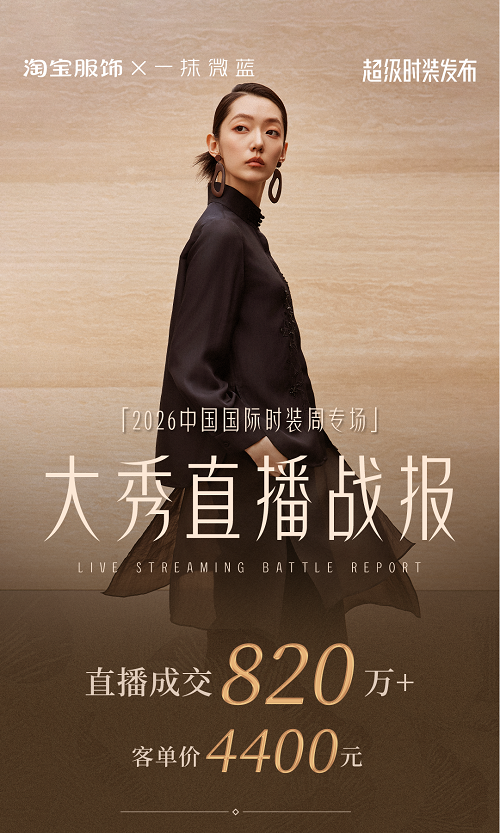
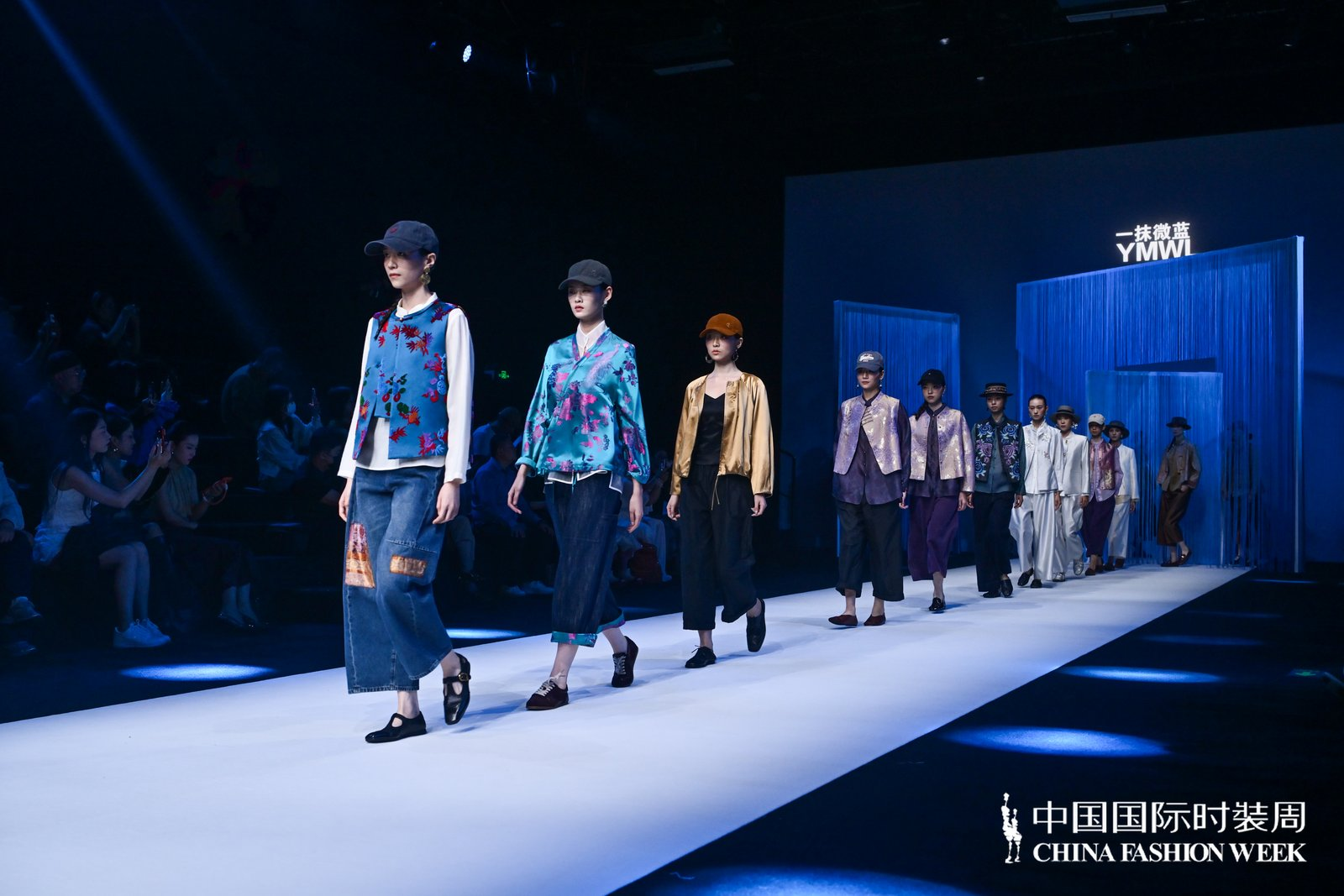
9月12日晚,淘宝「超级时装发布」时装周专场的大秀直播间,后台的数字不断跳动,最终定格在800多万——这是「一抹微蓝」创始人张晓雅第二次经历这样的时刻。就在几天前,她的品牌第二次登上中国国际时装周的T台。

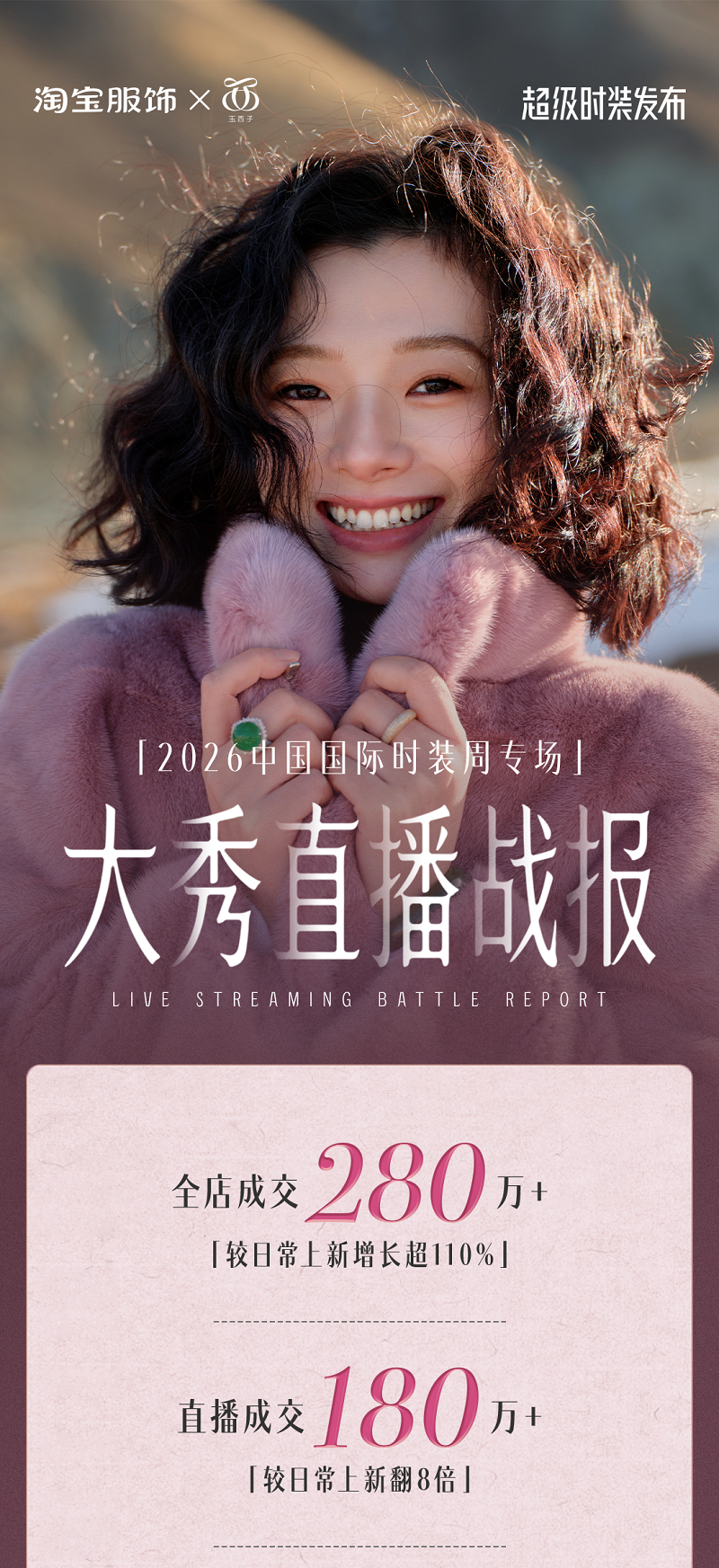
同时,另一个通过淘宝攒局造场,登上时装周的新中式品牌「玉西子」,也在「超级时装发布」直播当天,全店成交近300万。品牌主理人西子说,“创业这么久,登上时装周才觉得(我们)像是一个品牌”,淘宝再次把「时装周搬进直播间」,将两个新中式初创品牌推向了更大的舞台。

从档口拿货到创立品牌

“一开始,其实我还是不想参加的。在(国际时装周)那么大的一个舞台上,要准备一盘非常有文化属性、有卖点的货,我觉得难度挺大的。”张晓雅回忆第一次接到淘宝服饰团队邀请时的心情。当时她犹豫了很久,最终在淘宝小二的劝说下,她决定大胆尝试。

2009年,张晓雅还在做电子商务相关的工作。那时候淘宝正兴起,而一个朋友恰好有女装货源,于是她也跟着开了一家淘宝女装店。彼时的她,只是从朋友那里拿货、拍图、上架、卖货,完全没有想过有一天会做自己的原创品牌。如今,「一抹微蓝」已是第二次在淘宝的带领下登上时装周。从拿货售卖,到2018年转型自主研发设计,张晓雅用十几年时间走通了一条从“外采卖货“到“创建品牌“的路。

更难得的是,为了把控香云纱的品质,直到今天她依旧坚持从采购白胚开始,发往广东顺德进行传统“三蒸九煮十八晒”工艺处理,面料储备周期长达两到三年。“我们仓里面到目前为止还有几千万的面料在等着用。”

她的品牌深耕的不是流行,而是东方文化。“市面上流于流行的东西不会有深厚的内涵,而我们家的每一件产品,从原料到工艺,都是桑蚕丝的、非遗的,它本身就具有收藏的价值。”张晓雅说,“我永远不怕它会被淘汰,因为我相信会有越来越多的人喜欢中国传统文化。”

这种坚持也换来了市场认可。如今,「一抹微蓝」在杭州临平拥有自己的工厂,月产能约万件,研发团队近60人,每月上新约100个款式,年营收达数十亿元。

从直播平台转战淘宝

如果说「一抹微蓝」是“深耕型”选手,「玉西子」则是“跨界型”代表。

「玉西子」的创始人西子,是湖南岳阳人。从中国传媒大学广告专业毕业后,她进入互联网和金融行业,靠投资赚到了第一桶金。

“我觉得,我是因为热爱进入这个行业。”西子说。西子的妈妈是建筑设计专业出身,爱研究穿搭。从小,西子就跟母亲去裁缝店定制衣服。当时西子家里条件不算富裕,妈妈却舍得在西子生日时,花掉一整个月的工资给西子买一条小裙子。

“可能就是因为从小受到这样的影响吧,我对美的东西一直有很强的感知。”——这种对美的执着,潜移默化地融入了西子的气质,再加上大学四年在北京的艺术熏陶,最终成就了「玉西子」现在的品牌设计底色。

她的设计理念是用现代的时髦廓形承载中式元素,让新中式可以日常穿、可以上班穿、也可以出席重要场合。“你穿得太古典的话,会过于老气。但50多岁的姐姐也很怕穿得老气。所以我们一直在开发偏现代的新中式,让她们可以在日常生活中穿着新中式社交”。

2022年,她和丈夫南下深圳创业,直奔南油——中国高端女装的产业链源头。一开始,她只在南油档口拿货,“战场”则选择了直播平台。那个阶段,她只能卖“好卖的衣服”,而不能卖“想卖的衣服”。“因为直播平台是打爆款的逻辑。一个款测出来是爆款,你就一直卖,一直卖。”

一年以后,档口的货已经满足不了她了,“货拿回来以后,我就又想改这儿、又想改那儿,就觉得有点‘看不上’档口货了。“于是她开始招设计师,自建设计团队,走上原创之路。但真正让她沉下心来做品牌的,是来到淘宝之后——淘宝客户是带着购物的目的而来,退货率更低、复购率更高、审美更多元,她确信这才是更适合做品牌的土壤。

把T台秀场搬进直播间

登上国际时装周,是许多原创品牌的梦想。但一个现实问题是:秀场上的高光时刻,如何转化为品牌实实在在的增长?淘宝给出的答案是——让秀场与直播间同步,让美学与生意同频。

「超级时装发布」是淘宝为服饰商家打造的专属直播IP,以电影级制作水准重构直播场景,主打时装周级的大秀也能「即看即买」。自2024年 8月首场开播以来,该IP已常态化,至今已举办过数百场,多次创下单品牌单场直播成交破亿的战绩。

“我们核心就是希望淘宝上面有价值且小而美、能够代表东方设计和国货的原创品牌,被更多消费者看到。“淘宝服饰行业负责人非珚此前曾透露。

什么样的品牌值得被看见?淘宝服饰品牌营销负责人灵飒分享过判断逻辑:不以GMV论英雄,也要看用户复购率够不够高,风格赛道有没有增长潜力,还有就是平台团队对品牌理念和设计方向的审美判断。

「一抹微蓝」和「玉西子」正是这样被选中的——一个深耕非遗面料,让香云纱变得年轻时尚;一个用现代设计重新定义新中式,让高知女性穿出东方韵味。两个品牌风格迥异,却都指向同一个方向:让中国传统文化在当代焕发新生。

这也是中国国际时装周连续邀请淘宝作为官方合作平台的重要原因。未来,还会有更多国内外时装周与淘宝服饰深度合作,这场从秀场到直播间的探索,正在为更多原创品牌走通一条看得见、算得清的成长路径。

注:文/龚作仁,文章来源:Laborer,本文为作者独立观点,不代表亿邦动力立场。

文章来源:Laborer

广告
微信
朋友圈

FAQ回顾

淘宝超级时装发布IP是做什么的?

它是淘宝为服饰商家打造的专属直播IP,以电影级制作水准重构直播场景,主打时装周级大秀即看即买。该IP2024年8月启动至今已举办数百场,多次创下单品牌单场直播成交破亿的成绩,助力优质原创国货服饰品牌获得曝光与销量增长。

原创服饰品牌为什么选择在淘宝发展?

淘宝用户带着明确购物目的到访,平台整体退货率更低、用户复购率更高、消费审美更多元,适合原创品牌沉淀忠实客群。同时平台会为优质原创品牌对接时装周等顶级曝光资源,打通秀场高光到实际销量的转化路径。

当下新中式服饰有哪些主流设计方向?

当前新中式服饰主要有两大设计方向:一是用现代时髦廓形承载中式元素,规避传统款式过于老气的问题,适配日常、通勤、社交等多场景穿着;二是深耕香云纱等非遗面料与传统工艺,融入东方文化内核,打造具备收藏价值的产品。

淘宝选拔登上时装周的原创品牌有哪些标准?

淘宝选拔登上时装周的原创品牌不以GMV为唯一评判标准,会综合考察三个维度:品牌的用户复购率是否足够高、所处风格赛道是否具备增长潜力、品牌理念与设计方向是否符合审美要求,优先扶持代表东方设计的国货原创品牌。

这么好看,分享一下?

朋友圈 分享

APP内打开

赞 +1
+1
微信好友 朋友圈 新浪微博 QQ空间
关闭
收藏成功
发送
/140 0