广告
加载中

京东京喜携手“中国海鲜电商第一镇” 预计年助销海鲜5000万元

龚作仁 2026-09-16 17:14
龚作仁 2026/09/16 17:14

邦小白快读

EN
全文速览

京东京喜与有“中国海鲜电商第一镇”之称的连云港赣榆区海头镇达成深度合作,设立海鲜直供基地,能为普通消费者提供品质靠谱、价格实惠的海鲜产品,降低大家选购海鲜的决策成本。

1. 可选购的核心海产均有品质保障:包括获得上海国际蟹博会“蟹王”“蟹后”双料大奖的国家地理标志产品赣榆梭子蟹,采用低温无菌流水线、生熟分区加工的国产三文鱼,产自一类洁净海域、生态养殖的黄海生蚝,还有高人气的黑虎虾等品类,源头直采不存在中间商以次充好的问题。

2. 价格优势明显,消费体验更稳定:所有合作海鲜均为工厂直发,砍掉多层加价环节,同品质产品售价比其他平台低约15%,能对冲中秋等节日海鲜价格大幅波动的问题,不用怕遇到货不对板、临时涨价的情况,在家就能稳定买到质优价实的源头好海鲜。

当前水产消费市场增长空间广阔,京喜与海头镇的合作路径,能为海鲜及相关食品类品牌商提供消费趋势、品牌建设、渠道定价层面的实用参考。

1. 消费趋势层面,数据显示2020-2024年我国居民人均水产品消费量从13.9千克增长到15.1千克,已成为仅次于猪肉的第二大动物性食品来源,在蓝色粮仓建设的政策导向下,优质水产消费需求还将持续上升。

2. 品牌建设层面,产地背书、品质认证是海产类品牌的核心竞争力,比如赣榆梭子蟹依托天然渔场生态优势、行业展会奖项建立品质标杆认知,黄海生蚝靠洁净海域、生态养殖模式打造差异化记忆点。

3. 渠道定价层面,和优质自营平台深度绑定做源头直供,可砍掉中间加价环节,实现同品质价格低15%的高性价比心智传递,同时借助平台全链路运营能力降低综合成本,更易沉淀长期复购用户。

海鲜电商品类增长势头强劲,京喜推出的产业带合作模式与扶持政策,能为线上卖家明确市场机会、提示经营风险、提供低门槛的合作路径。

1. 市场增长机会明确:海头镇2025年海鲜电商交易额突破100亿元,2026年预估增速达17%-20%;今年开海以来京喜平台上赣榆梭子蟹销售额同比增141%、国产三文鱼增398%、生蚝增122%、黑虎虾增228%,核心海产品类增长十分亮眼。

2. 传统模式风险需警惕:当前达人直播带货模式存在销量波动大、备货难度高、佣金与运营成本挤压利润、时令品反季储备能力不足等问题,容易造成货源成本上涨、流量浪费、价格波动大等经营风险。

3. 平台合作红利可把握:京喜2026年将推出厂货补贴计划深度扶持全国海鲜产业带,采用类自营模式承接运营、客服、物流全流程工作,卖家只需聚焦选品发货,还能获得平台爆款打造、新店冷启动的相关支持,经营稳定性更强。

海产加工厂可从本次京喜与海头镇的合作中,明确生产标准要求、对接稳定商业机会、找到数字化电商转型的务实路径。

1. 生产端需匹配渠道品质要求:对接线上直供渠道的海产,需要配套标准化加工能力,比如三文鱼品类要配备低温无菌净化加工流水线,做到生熟分区保障食品安全与口感;生蚝品类要配套自有清洗、分级、净化流水线,结合生态养殖模式保障产品品质,才更易获得消费者认可。

2. 大额稳定订单机会可对接:京喜计划未来一年助销连云港海鲜5000万元,目标成为海头镇最大的海鲜线上直供平台,2026年还将通过厂货补贴计划扶持全国海鲜产业带,能为符合标准的加工厂带来长期稳定的大额订单。

3. 转型可参考轻运营模式:和平台类自营体系合作,工厂不用承担高佣金、流量波动、客服物流等运营成本,只需聚焦品控与发货,还可根据平台稳定的销量预期提前备货、控制生产成本,解决传统模式下备货难、利润薄的问题。

海鲜电商赛道的快速增长与现存经营痛点,能为电商服务商、供应链服务商指明行业服务方向,提供解决方案的参考思路。

1. 行业服务空间持续扩容:上半年我国海洋生产总值达5.5万亿元,同比增长5.1%,居民水产品消费量连续4年稳步提升,仅海头镇2025年海鲜电商交易额就超百亿元,2026年预估增速17%-20%,对应供应链、运营等服务需求持续增长。

2. 核心客户痛点清晰:流通端长期存在环节多、仓储损耗高、层层加价的问题,推高终端价格且容易引发货不对板、节日价格大幅波动等问题;传统直播商家还面临销量难预判、备货成本高、佣金挤压利润、时令品反季储备能力不足等痛点,经营稳定性差。

3. 解决方案可重点聚焦全链路服务:可对接平台生态,为商家提供源头直采链路打通、一体化供应链配套、客服运营托管、反季仓储、品控分级等服务,帮助商家降本增效,匹配消费者对高性价比海鲜的需求。

京喜在海鲜产业带的落地实践,为各类电商平台开展生鲜品类运营、产业带招商、响应政策导向提供了可复制的参考样本。

1. 需关注供需两端的服务缺口:当前海鲜流通链路长、损耗高、加价多,消费者面临节假日海鲜涨价、货不对板等问题,源头商家则面临传统直播模式下销量不稳定、备货成本高、运营负担重等痛点,供需两端都需要更高效稳定的对接渠道。

2. 可参考成熟的产业带运营打法:平台可和核心海鲜产业带深度绑定,建设直供基地做源头直采、工厂直发,依托一体化供应链能力压缩流通成本,打造高性价比的生鲜用户心智;同时推出类自营模式,由平台承接运营、客服、物流等环节,降低商家经营负担。

3. 招商与发展可借政策东风:响应国家蓝色粮仓建设的政策导向,推出定向厂货补贴计划招引源头工厂、优质商家入驻,帮助商家完成爆款打造、新店冷启动,锚定成为产业带核心线上直供渠道的目标,实现消费者得实惠、产业得发展的双赢。

京喜与海头镇的海鲜产业带合作实践,呈现了海洋经济与蓝色粮仓建设中的最新产业动向、共性发展问题与创新商业模式,具备较强的研究价值。

1. 核心产业数据可供参考:上半年我国海洋生产总值5.5万亿元,同比增长5.1%;2020-2024年居民人均水产品消费量从13.9千克提升至15.1千克,成为仅次于猪肉的第二大动物性食品来源;海头镇作为海鲜电商产业带代表,海洋渔业年产值超90亿元,2025年电商交易额超百亿元,2026年预估增速17%-20%,线上化发展势头强劲。

2. 产业共性问题值得关注:海鲜流通领域长期存在环节多、损耗高、层层加价问题,推高终端消费成本且容易引发价格波动、货不对板等矛盾;传统直播电商模式下,销量的不确定性会加大商家备货成本、摊薄利润,时令海产的反季储备能力不足进一步放大供需矛盾。

3. 创新模式具备研究意义:京喜探索的类自营源头直供模式,通过平台承接全链路运营打通产消直连通道,稳定商家销量预期、降低综合成本,让同品质海鲜终端售价降低15%,搭配厂货补贴计划深度赋能产业带,是数字化兴农、落地蓝色粮仓建设的典型实践样本。

返回默认
声明:快读内容全程由AI生成,请注意甄别信息。如您发现问题,请发送邮件至 run@ebrun.com 。

我是 品牌商 卖家 工厂 服务商 平台商 研究者 帮我再读一遍。

Quick Summary

Jingxi, JD.com’s discount e-commerce platform, has entered a deep partnership with Haitou Town in Ganyu District, Lianyungang—widely known as China’s top seafood e-commerce hub—to launch a dedicated direct-supply seafood base. The collaboration aims to deliver reliable, affordable seafood to everyday consumers and reduce the hassle of choosing quality seafood.

1. Verified quality across core seafood offerings: The selection includes Ganyu swimming crab, a National Geographical Indication product that won both "Crab King" and "Crab Queen" awards at the Shanghai International Crab Expo; domestic salmon processed on low-temperature, aseptic production lines with separate zones for raw and cooked products; Yellow Sea oysters sustainably farmed in Class A clean waters; and popular black tiger shrimp. Direct sourcing from origins eliminates the risk of middlemen passing off inferior goods as premium products.

2. Clear price advantages and a more consistent shopping experience: All partner-sourced seafood is shipped directly from factories, cutting out multiple layers of markup. Prices for equivalent-quality products are roughly 15% lower than on competing platforms, hedging against sharp seafood price swings during holidays such as the Mid-Autumn Festival. Consumers can avoid issues like misrepresented products or last-minute price hikes, and conveniently access high-quality, good-value seafood straight from the source at home.

China’s aquatic products consumer market holds strong growth potential, and the partnership model between Jingxi and Haitou Town offers practical references for seafood and related food brands across three dimensions: consumer trends, brand building, and channel pricing.

1. Consumer trends: Data shows China’s per capita aquatic product consumption rose from 13.9 kg in 2020 to 15.1 kg in 2024, making it the second-largest source of animal protein after pork. Driven by national policy support for the construction of the "Blue Granary" (a strategic initiative to secure sustainable marine food supply), demand for high-quality aquatic products will continue to grow.

2. Brand building: Origin credibility and quality certifications represent core competitive advantages for seafood brands. For example, Ganyu swimming crab has built a premium quality reputation backed by the natural ecological advantages of local fishing grounds and industry exhibition awards, while Yellow Sea oysters have carved out a distinct market position through clean-water, ecologically friendly farming practices.

3. Channel pricing: Deep tie-ups with high-quality self-operated platforms for origin direct supply can eliminate intermediate markup layers, supporting a value-for-money brand positioning marked by 15% lower prices for equivalent quality. Leveraging platforms’ full-chain operational capabilities also reduces overall costs, making it easier to build long-term repeat purchase loyalty.

The seafood e-commerce category is showing robust growth momentum. Jingxi’s industrial belt cooperation model and support policies help online sellers identify clear market opportunities, mitigate operational risks, and access a low-barrier partnership pathway.

1. Defined market growth opportunities: Haitou Town’s seafood e-commerce transaction volume exceeded RMB 10 billion in 2025, with projected growth of 17–20% in 2026. Since the annual fishing season opened this year, Jingxi has seen year-over-year sales growth of 141% for Ganyu swimming crab, 398% for domestic salmon, 122% for oysters, and 228% for black tiger shrimp, highlighting standout performance across core seafood categories.

2. Risks of traditional models to watch out for: The prevailing influencer livestream e-commerce model is plagued by volatile sales volumes, high inventory planning difficulty, compressed margins from commissions and operating costs, and insufficient off-season storage capacity for seasonal products, all of which can lead to higher sourcing costs, wasted traffic, and extreme price volatility.

3. Accessible platform cooperation dividends: In 2026, Jingxi will launch a factory-sourced goods subsidy program to provide deep support for seafood industrial belts nationwide. Under a quasi-self-operated model, the platform will manage end-to-end operations including customer service and logistics, allowing sellers to focus solely on product selection and fulfillment. Sellers will also receive support for hit product building and new store cold starts, leading to more stable business performance.

For seafood processing plants, the Jingxi-Haitou Town partnership clarifies required production standards, unlocks access to stable commercial opportunities, and outlines a practical path to digital e-commerce transformation.

1. Production capabilities must align with channel quality requirements: Seafood supplied to online direct-supply channels requires standardized processing capabilities. For example, salmon production must be supported by low-temperature, aseptic processing lines with separate raw and cooked product zones to ensure food safety and taste; oyster processing requires in-house cleaning, grading, and depuration lines, paired with ecological farming practices, to guarantee product quality and win consumer trust.

2. Access to large, stable order opportunities: Jingxi plans to help sell RMB 50 million worth of Lianyungang seafood in the coming year, with the goal of becoming Haitou Town’s largest online direct-supply seafood platform. In 2026, its factory-sourced goods subsidy program will support seafood industrial belts nationwide, bringing long-term, stable, large-volume orders to qualified processing plants.

3. A low-lift operational model for transformation: Partnering with platforms’ quasi-self-operated systems allows factories to avoid high commission fees, traffic volatility, and operating costs for customer service and logistics, enabling them to focus on quality control and order fulfillment. Factories can also plan inventory in advance and control production costs based on stable sales forecasts from the platform, solving longstanding pain points of poor inventory planning and thin margins under traditional models.

The rapid growth of the seafood e-commerce sector and its persistent operational pain points point to clear industry service directions and solution design priorities for e-commerce and supply chain service providers.

1. Expanding industry service market: China’s marine GDP reached RMB 5.5 trillion in the first half of the year, up 5.1% year over year, while per capita aquatic product consumption has grown steadily for four consecutive years. Haitou Town alone recorded over RMB 10 billion in seafood e-commerce transactions in 2025, with projected 17–20% growth in 2026, driving rising demand for supply chain, operational, and related supporting services.

2. Well-defined core client pain points: Longstanding inefficiencies in the circulation chain include too many intermediate links, high storage and spoilage losses, and layered markups, which drive up end prices and lead to issues like misrepresented products and sharp holiday price fluctuations. Traditional livestream merchants also face unpredictable sales, high inventory costs, margin erosion from commissions, and insufficient off-season storage for seasonal products, resulting in poor business stability.

3. Full-chain service solutions as a core focus: Service providers can integrate with platform ecosystems to offer end-to-end support, including origin direct sourcing link building, integrated supply chain support, managed customer service and operations, off-season warehousing, and quality control grading. These services help merchants reduce costs and improve efficiency, while meeting consumer demand for high-value, affordable seafood.

Jingxi’s on-the-ground practice in seafood industrial belts offers a replicable reference model for e-commerce platforms across fresh produce category operation, industrial belt merchant recruitment, and alignment with national policy priorities.

1. Address service gaps on both supply and demand sides: The seafood supply chain currently suffers from long circulation routes, high spoilage losses, and layered markups, leaving consumers exposed to holiday price hikes and misrepresented products, while origin merchants face unstable sales, high inventory costs, and heavy operational burdens under the traditional livestream model. Both sides require more efficient, stable matching channels.

2. Leverage proven industrial belt operation playbooks: Platforms can form deep partnerships with core seafood industrial belts to build direct-supply bases for origin sourcing and factory-direct shipping. Relying on integrated supply chain capabilities to cut circulation costs helps build user perception of high-value, affordable fresh produce. Platforms can also adopt quasi-self-operated models, handling operations, customer service, and logistics directly to reduce merchant burden.

3. Align recruitment and growth with national policy tailwinds: In support of the national Blue Granary construction policy, platforms can launch targeted factory-sourced goods subsidy programs to attract origin factories and high-quality merchants, supporting them in hit product development and new store cold starts. By positioning themselves as core online direct-supply channels for industrial belts, platforms can deliver a win-win outcome where consumers access affordable products and local industries achieve sustainable growth.

Jingxi’s seafood industrial belt partnership with Haitou Town reflects the latest industry trends, common development challenges, and innovative business models in the growth of the marine economy and Blue Granary initiative, carrying significant research value.

1. Key industry data for reference: China’s marine GDP reached RMB 5.5 trillion in the first half of the year, up 5.1% year over year. From 2020 to 2024, per capita aquatic product consumption rose from 13.9 kg to 15.1 kg, making it the second-largest source of animal protein after pork. As a representative seafood e-commerce industrial belt, Haitou Town records an annual marine fishery output value exceeding RMB 9 billion, with e-commerce transactions surpassing RMB 10 billion in 2025 and projected growth of 17–20% in 2026, demonstrating strong momentum in online adoption.

2. Common industry challenges warranting attention: The seafood circulation chain has long suffered from excessive intermediate links, high spoilage losses, and layered markups, which drive up end consumer costs and lead to pain points such as price volatility and misrepresented products. Under the traditional livestream e-commerce model, unpredictable sales increase merchant inventory costs and erode margins, while insufficient off-season storage capacity for seasonal seafood further amplifies supply-demand mismatches.

3. Research significance of the innovative model: Jingxi’s quasi-self-operated origin direct-supply model uses the platform’s full-chain operational capabilities to build a direct connection between production and consumption, stabilizing merchant sales forecasts and reducing overall costs to cut end prices of equivalent-quality seafood by 15%. Paired with its factory-sourced goods subsidy program to deeply support industrial belt development, the model serves as a typical practical case of digital-enabled rural revitalization and Blue Granary policy implementation.

Disclaimer: The "Quick Summary" content is entirely generated by AI. Please exercise discretion when interpreting the information. For issues or corrections, please email run@ebrun.com .

I am a Brand Seller Factory Service Provider Marketplace Seller Researcher Read it again.

近期,自然资源部公布全国海洋经济发展数据,上半年我国海洋生产总值5.5万亿元,同比增长5.1%,海洋经济展现出强劲的发展韧性。

国家统计局数据显示,2020年我国居民人均水产品消费量为13.9千克,2024年达到15.1千克,已经超过禽类、蛋类、牛羊肉,成为仅次于猪肉的第二大动物性食品来源。

居民水产品消费持续走高的背后,是我国“向海洋要蛋白、要热量”的发展大势。海洋作为重要的食物来源,建设“蓝色粮仓”,充分挖掘海洋渔业资源潜力,能够更好保障国民食物供给,扩充优质蛋白供给来源。

然而在消费端,中秋等节日节点海鲜需求集中释放的同时,行业长期存在流通环节多、仓储损耗高、中间商层层加价的现实困境,不仅造成优质海产价值被中间环节分流,还容易出现节假日海鲜价格大幅波动、消费者到手实物与宣传不符等问题,既制约“蓝色粮仓”产出高效抵达百姓餐桌,也让消费者难以稳定买到质优价实的海鲜产品。

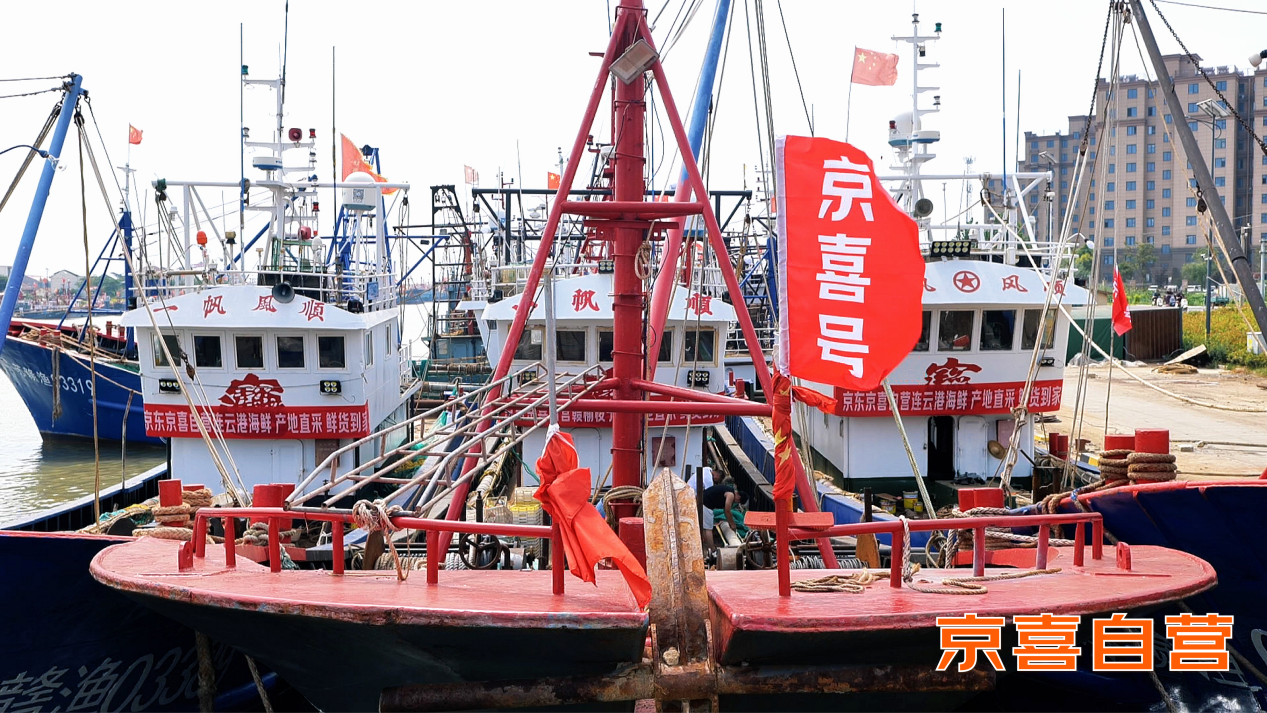
为响应政策号召,满足用户需要,京东京喜自营与“中国海鲜电商第一镇”连云港赣榆区海头镇深度合作,设立京喜农场海鲜基地,通过源头直采、工厂直发减少中间环节,京喜自营将成为当地海鲜最大的线上直供平台。早在8月,今年“开海第一网”赣榆海鲜便已率先登陆京喜自营,如今更是将赣榆梭子蟹、黄海生蚝、国产三文鱼等高品质海鲜高效送达全国消费者餐桌,实现同品质下价格较其他平台低约15%,共同推动连云港海鲜产业带升级、渔民增收。

携手“中国海鲜电商第一镇” 三大高质价比海鲜源头直发

赣榆海头镇,素有“中国海鲜电商第一镇”之称。每年开海季,海头镇万船齐发、渔获满舱的场景,已成为当地的一张名片。近年来,海头镇的海产总产值逐年攀升,现有在册渔船349艘,近海捕捞年产量稳定在3万吨以上,全镇海洋渔业年产值超90亿元。

今年又是一个丰产年,海头镇赣榆梭子蟹、生蚝等主力海鲜品种品质优良、供应充足。当地渔民表示,因为今年开海的季节比较晚,今年梭子蟹及海产品的质量更高,整体价格较去年有所增幅。

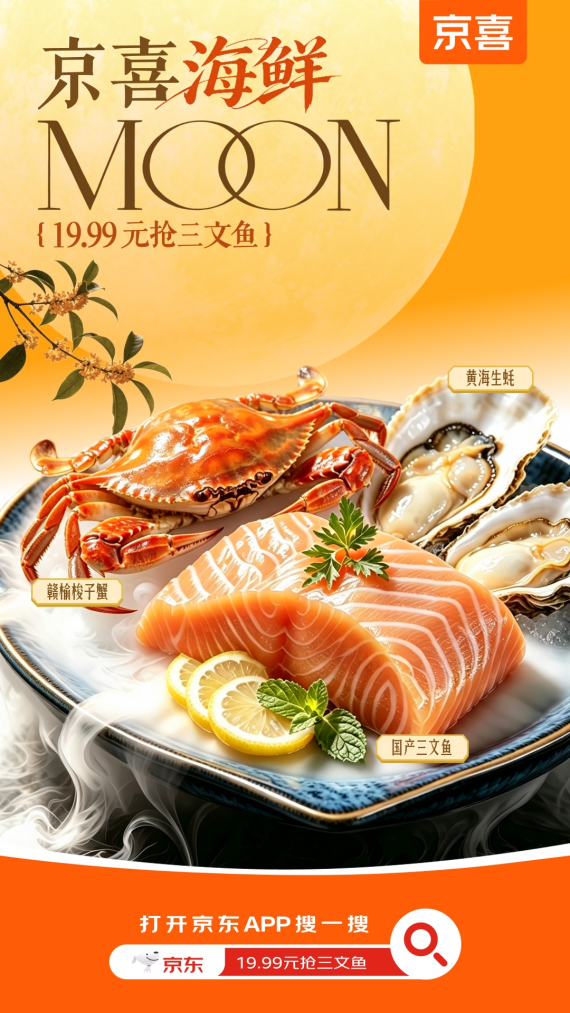
在此基础上,京喜与海头镇深度合作,精选三款核心产品——赣榆梭子蟹、国产三文鱼和黄海生蚝,以产地直采的方式直供消费者餐桌。

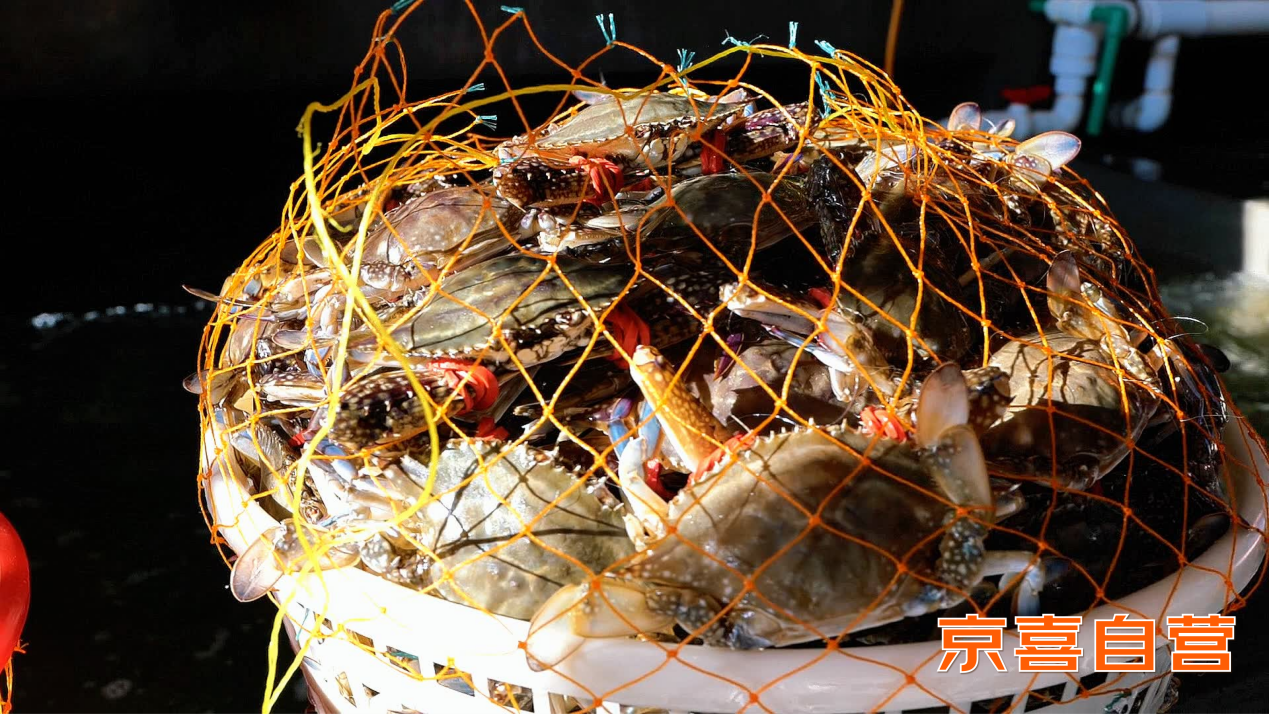
其中,赣榆梭子蟹为国家地理标志产品,产自海州湾渔场。该海域冷暖洋流交汇,海底盛产蓝蛤、小贝类等天然饵料,梭子蟹以天然活饵为食,无人工饲料催肥。据悉,该蟹曾获得上海国际蟹博会梭子蟹“蟹王”“蟹后”双料大奖,堪称海洋蟹类品质标杆。8月10日开海以来,京喜平台赣榆梭子蟹销售额同比去年增长141%。

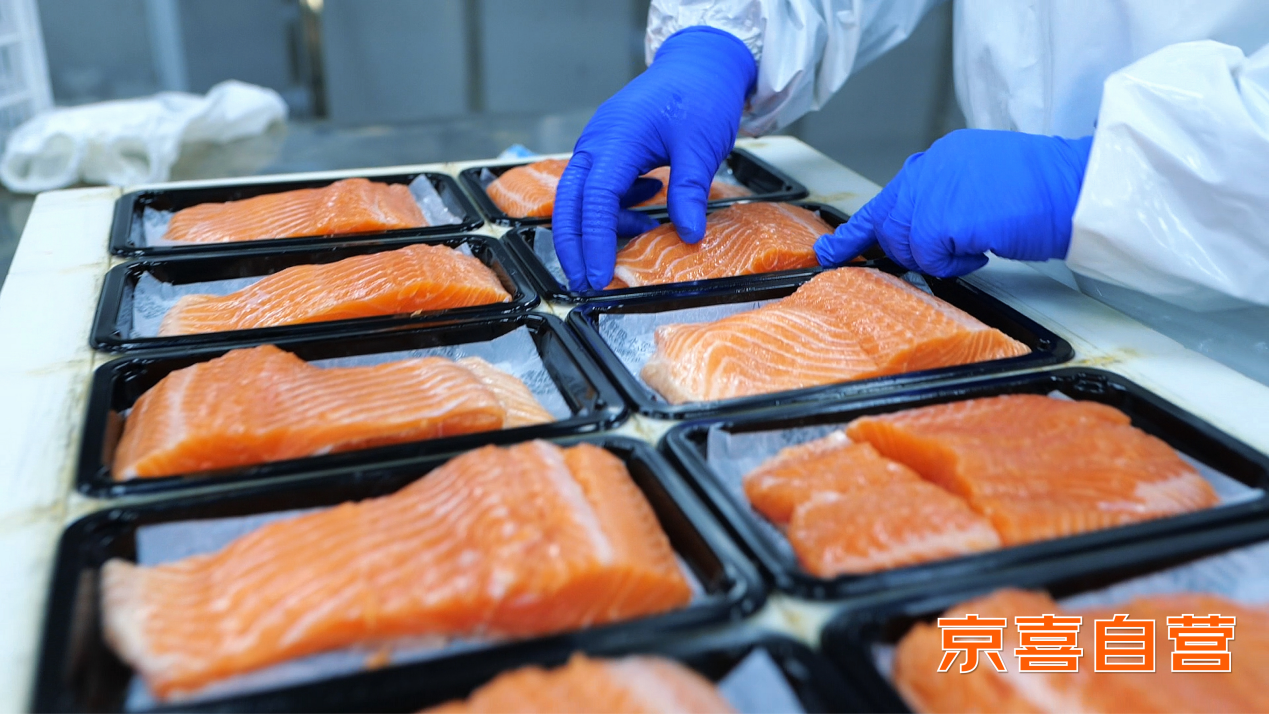
京喜自营国产三文鱼,采用低温无菌净化加工流水线,生熟分区,三文鱼肉质丰腴嫩滑,入口软糯鲜甜,开海以来在京喜销售额超百万,同比去年增长398%,订单量同比增长238%。

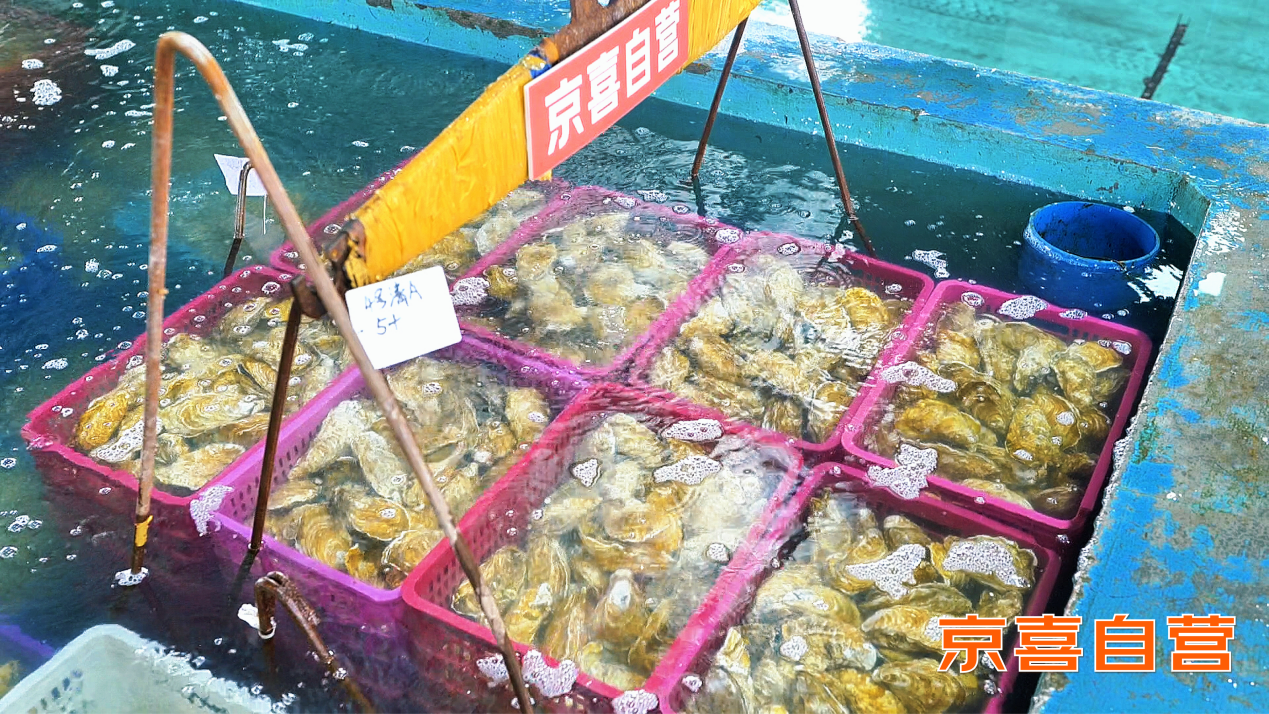
连云港黄海生蚝产自海头镇、柘汪镇60公里海岸沿线,地处苏鲁交界咸淡水交汇处,海水为一类洁净标准。当地采用浮筏吊笼、贝藻混养模式,依靠近海浮游生物育肥,肉质白净紧实、口味鲜甜,工厂自有生蚝清洗分级净化流水线,品质优良。开海后,京喜生蚝销售额同比增长122%。平台上的黑虎虾也取得销售额同比增长228%,订单量同比增长91%的成绩。

依托成熟的工厂直发模式与京东一体化超级供应链体系,本次上架的赣榆海鲜,在守住源头品质的前提下,实现价格亲民普惠。相较于市场同类同质产品,售价降低15%,有效对冲了中秋消费旺季海鲜价格上浮、波动较大的市场问题,以高品质、高性价比的源头海产,为广大消费者的中秋团圆宴席提质降价,进一步丰富节日餐桌选择,让大众能够实惠尝鲜、安心享鲜。

全链路运营破局 助力连云港产业带转型升级

长期以来,海头镇大力发展达人直播带货模式,直播的阵地分布在村庄院落和家家户户,带动当地电商交易额增长。有数据显示,海头镇海鲜电商2025年电商交易额超100亿元,2026预估增速达17%-20%。

热闹背后,却也藏着不少发展痛点:达人直播电商销量的不确定性,很难预估销量导致商家货源储备困难,需要临时补充货源增加成本,或因缺货导致流量被浪费,同时直播佣金和运营成本也大幅挤压商家利润,出货量不稳定也进一步放大海鲜市场的价格波动。对于梭子蟹这类时令性海产,本地商家缺乏规模化反季储备能力,供需矛盾更加突出。而京喜的入局,为海头镇提供了一条新的发展道路。

京喜自营通过“类自营模式”,为商家提供全链路运营支持——由平台承接运营、客服及物流等全流程工作,商家只需聚焦产品严选与发货。一方面打通源头直采链路,实现从渔民到消费者的高效流转,砍掉中间加价环节;一方面京喜模式下销量稳定,商家可以提前备货,成本可控。这种模式的转变,不仅大幅降低了综合运营成本,使运营更加省心,更通过源头直采的模式,将原本被中间环节消耗的利润让渡给终端,使消费者到手价格更低。

与海头镇的合作,让京喜甄选海鲜走进更多家庭,是京喜对国家“蓝色粮仓”建设号召的积极响应。2026年,京喜全面投入“厂货补贴计划”,对全国海鲜产业带进行深度扶持。

据了解,未来一年内,京喜计划助销连云港海鲜达5000万元,并致力于成为海头镇最大的海鲜线上电商直供平台。叠加当地政府对海洋渔业品牌化发展的政策扶持,京喜将扶持更多工厂和商家快速完成海鲜爆款打造、新店冷启动,帮助稳定货源、价格,维护品质口碑,沉淀长期复购,推动当地渔业线上化经营进入良性循环。

从消费端的平价直供,到产业端的全链路赋能,京东京喜自营在连云港赣榆区海头镇的布局,既是对京喜“又好又便宜”生鲜心智的持续打造,也是以数字化能力兴农、推动产地产业升级的生动实践。

下一步,京喜将持续深化与当地渔业部门、龙头企业合作,丰富本土海产品类,持续为全国消费者提供高品质、高性价比的节日海鲜保障。

注:文/龚作仁,文章来源:Laborer,本文为作者独立观点,不代表亿邦动力立场。

文章来源:Laborer

广告
微信
朋友圈

FAQ回顾

京喜平台上的赣榆海鲜为什么性价比更高?

京东京喜与有"中国海鲜电商第一镇"之称的连云港赣榆海头镇深度合作,设立京喜农场海鲜基地,采用源头直采、工厂直发模式砍掉中间加价环节,依托京东一体化供应链体系,同品质海鲜售价较其他平台低约15%,可有效对冲节日海鲜价格波动。

传统海鲜直播带货模式存在哪些发展痛点?

传统达人直播带货的海鲜电商模式销量不确定性强,商家难以精准预估备货量,临时补货会拉高成本,缺货则浪费流量,同时直播佣金、运营成本大幅挤压利润,时令海产缺乏规模化反季储备能力,易放大市场价格波动。

赣榆梭子蟹的品质有什么特点?

赣榆梭子蟹是国家地理标志产品,产自海州湾渔场,该海域冷暖洋流交汇,天然饵料丰富,梭子蟹以天然活饵为食,无人工饲料催肥,曾获得上海国际蟹博会梭子蟹"蟹王""蟹后"双料大奖,是海洋蟹类的品质标杆。

京喜扶持连云港海鲜产业带的目标是什么?

京喜2026年将投入"厂货补贴计划"深度扶持全国海鲜产业带,未来一年内计划助销连云港海鲜达5000万元,致力于成为海头镇最大的海鲜线上直供平台,为当地商家提供全链路运营支持,推动产业良性发展。

这么好看,分享一下?

朋友圈 分享

APP内打开

赞 +1
+1
微信好友 朋友圈 新浪微博 QQ空间
关闭
收藏成功
发送
/140 0