广告
加载中

从环保功能与户外美学趋势 解读思凯乐黄金甲Ultra的三重产品逻辑

龚作仁 2026-09-16 16:17
龚作仁 2026/09/16 16:17

邦小白快读

EN
全文速览

这篇文章结合2026年户外装备市场的转向趋势,拆解了思凯乐黄金甲Ultra三层冲锋衣的核心产品逻辑,为普通消费者选购专业户外装备提供了实用参考标准。

1. 选购户外装备要建立新判断维度:如今环保已不是品牌宣传的加分项,而是优质产品的入场门槛,要警惕只有环保标签、没有实质支撑的概念产品。这款冲锋衣采用100%来自深海废弃渔网的再生尼龙,全程物理回收无二次污染,消费者可通过溯源系统查看原料全链路信息,环保属性真实可验证。

2. 选冲锋衣无需在环保和性能间做妥协,这款产品防水指数达10000mm以上,配合全衣压胶、防水拉链可应对长时间雨雪大风,同时针对亚洲人身形优化立体剪裁,所有细节设计都匹配重装徒步的真实需求,日常户外使用足够可靠。

3. 当下户外审美正向静奢风格转向,选装备不用盲目追求大logo、高饱和色彩,功能优先的简约设计更实用,也能更好融入山野环境。

这篇文章以思凯乐黄金甲Ultra为典型样本,梳理了2026年户外行业价值重构期的发展逻辑,为户外品牌的产品研发、品牌建设提供了可参考的方向。

1. 消费趋势层面,户外市场已脱离单一性能竞赛阶段,形成专业功能、场景美学并行的新评价体系,环保从营销加分项变为行业入场券,Z世代消费者愿意为靠谱的环保属性支付绿色溢价,但核心前提是产品基础性能不打折扣。

2. 产品研发层面,要避免表面化的环保营销,落地可验证的材料闭环价值,比如这款产品搭建了从海洋废弃渔网到成品冲锋衣的全链路可溯源体系,全程采用物理回收工艺避免二次污染,同时坚持性能不妥协,针对亚洲人体型优化版型,不做“环保换性能”的退让。

3. 品牌建设层面,可以挖掘有文化共鸣的长期产品IP,比如思凯乐借古诗词意象为持续迭代的黄金甲系列赋予精神内涵,美学上贴合“静奢户外”趋势,以功能即美学为设计核心,不靠堆砌大logo博眼球,更能传递长期品牌价值主张。

这篇文章透露出2026年户外装备市场的消费需求变化方向,为户外装备卖家明确了选品、经营层面的核心机会点与风险规避方向。

1. 增长机会层面,当前户外行业正从性能竞赛转向价值重构,同时满足“环保可溯源、专业性能不降级、功能化美学设计”三个特征的专业户外装备是新的增长赛道,消费者愿意为这类具备实在价值主张的产品支付绿色溢价;要避开只打环保标签、性能不达标的概念性产品,防范消费信任风险。

2. 销售转化层面,介绍产品时可围绕三个核心价值展开:一是环保端全链路可追溯的材料闭环价值,讲清楚废弃渔网再生、无二次污染的实际环保意义;二是性能端适配重装徒步场景的防水透湿能力、亚洲人版型优化、实用细节设计;三是美学端贴合静奢户外趋势、不张扬的设计特点,匹配消费者融入山野的心理需求。

3. 长期经营层面,可优先选择有持续迭代历史的经典产品系列,借助产品积累的用户认知降低教育成本。

这篇文章通过拆解思凯乐黄金甲Ultra的产品逻辑,为户外装备生产工厂明确了下一代户外产品的生产设计方向与新商业机会。

1. 材料生产端的新机会:环保属性已从营销概念变成户外产品的硬性入场要求,工厂可布局物理工艺的再生面料生产线,比如将深海回收的废弃渔网通过水洗、破碎、熔融造粒等工序加工为再生尼龙纤维,全程避免化学解聚带来的二次污染,同时配套搭建原料全链路可追溯系统,这类可形成闭环的再生材料,比单纯标注再生比例的材料更具市场竞争力。

2. 产品设计与工艺端的明确需求:要打破“环保必降性能”的误区,用再生材料制作的面料必须达到专业户外防护标准,比如10000mm以上的防水指数、合格的透湿透气性,配合全衣拼缝压胶、防水拉链等工艺满足极端环境使用需求;版型上要基于亚洲人体型数据调整参数,针对户外动作做立体剪裁,所有细节围绕真实使用场景设计,不做无实用价值的装饰元素。

3. 风格适配层面,要贴合静奢户外的设计趋势,突出再生面料本身的自然哑光质感,让功能结构本身成为设计亮点。

这篇文章呈现的户外行业转型信号,为户外领域的服务商明确了行业发展趋势、品牌客户核心痛点与可落地的服务方向。

1. 行业发展趋势层面,2026年户外装备市场正从单一性能竞赛进入价值重构阶段,专业功能、场景美学、可验证的环保是三个核心发展方向,环保已从可选加分项成为行业入场券,国产户外品牌正集体从环保规则的跟随者转向绿色方案的输出者。

2. 客户核心痛点层面,当前不少户外品牌做环保存在“重标签、轻实质”的问题,容易陷入“做环保就要牺牲性能”的误区,设计思路还停留在堆砌大logo、用高饱和色彩博眼球的阶段,跟不上消费者向静奢户外审美转向的变化。

3. 可落地的解决方案方向:可为品牌提供全链路环保溯源系统的技术服务,帮助品牌实现从原料回收到生产端的全流程可查,让环保从营销叙事变成可验证的产品事实;可基于亚洲人体型数据库为品牌提供版型优化、场景化功能设计服务;还可为品牌提供贴合静奢户外趋势的设计服务,搭建“功能即美学”的设计体系。

这篇文章透露出的户外行业发展新动向,为户外品类平台的招商选品、运营管理、风向引导提供了清晰的参考方向。

1. 招商选品层面,要重点引入三类具备长期竞争力的户外产品:一是有实质环保价值、非概念炒作的产品,优先选择能实现材料闭环、全链路可溯源的环保户外装备,拒绝只打“回收材料”标签、无实质支撑、性能不达标的伪环保产品,防范消费信任风险;二是专业性能过硬、针对国人体型做适配优化、能满足真实户外场景需求的专业装备;三是设计上贴合“静奢户外”新审美趋势,走功能即美学路线,不堆砌夸张标识的产品,匹配最新消费审美变化。

2. 运营管理层面,可围绕“环保+性能+美学”的新价值主张策划专题活动,为消费者提供产品溯源信息的查询入口,帮助消费者辨别真环保和伪概念;同时向商家传递明确的品类发展风向,引导商家从单纯的参数竞赛转向长期价值输出。

3. 用户心智建设层面,可结合国产户外品牌的成长脉络,打造国产优质户外品牌IP,增强用户对国产专业装备的认知。

这篇文章以思凯乐黄金甲Ultra冲锋衣为分析样本,为户外产业研究提供了2026年行业转型期的新动向、新实践与价值重构逻辑。

1. 产业新动向:户外装备市场正在发生从“性能竞赛”到“价值重构”的深层转向,专业功能与场景美学并行成为主流评价标准,环保已从品牌营销的加分项转变为行业入场券,国产户外品牌正在集体从“环保规则跟随者”转向“绿色方案输出者”,产品演进呈现出从“能做”到“做好”再到“输出价值主张”的清晰升级路径。

2. 产业新实践:不同于过往仅标注“使用回收材料”的表面化环保,样本产品探索出可验证的材料闭环模式——采用100%深海废弃渔网为原料,通过物理回收工艺加工为再生尼龙,全程避免二次污染且全链路可溯源;同时做到环保材料与专业性能无妥协,打破了“环保就要牺牲性能”的认知误区;美学上呼应“静奢户外”趋势,践行“功能即美学”的设计逻辑,替代过去的装饰性设计思路。

3. 行业启示:这种“材料闭环-性能保障-美学共鸣”的三重产品逻辑,为户外产业向循环经济转型提供了可参考的商业范式,证明户外装备可以完成从实用工具到价值载体的升维,实现商业价值与生态保护的统一。

返回默认
声明:快读内容全程由AI生成,请注意甄别信息。如您发现问题,请发送邮件至 run@ebrun.com 。

我是 品牌商 卖家 工厂 服务商 平台商 研究者 帮我再读一遍。

Quick Summary

Against the backdrop of shifting trends in the 2026 outdoor gear market, this article breaks down the core product logic of the Scaler Golden Armor Ultra 3-layer hardshell jacket, offering practical reference standards for everyday consumers shopping for professional outdoor equipment.

1. New evaluation criteria for outdoor gear purchases: Sustainability is no longer a nice-to-have marketing talking point for brands, but a baseline requirement for quality products. Consumers should be wary of concept products that only carry eco-labels without substantive backing. This jacket is made with 100% recycled nylon sourced entirely from discarded deep-sea fishing nets, processed via fully physical recycling methods with no secondary pollution. Consumers can verify its full raw material supply chain via a traceability system, confirming its genuine, verifiable sustainability credentials.

2. Consumers no longer need to compromise between sustainability and performance when choosing a hardshell jacket. This model boasts a waterproof rating of over 10,000mm, paired with fully taped seams and waterproof zippers to withstand prolonged rain, snow, and strong winds. It also features an ergonomic cut optimized for Asian body types, with every detail designed to meet the practical demands of heavy-load hiking, making it reliably suitable for daily outdoor use.

3. As outdoor aesthetics shift toward quiet luxury, shoppers do not need to blindly chase large logos or high-saturation colors. Minimalist, function-first designs are more practical and blend more naturally into wilderness environments.

Using the Scaler Golden Armor Ultra as a representative case, this article maps out the development logic of the outdoor industry during its 2026 value restructuring period, providing actionable direction for outdoor brands in product R&D and brand building.

1. On consumer trends: The outdoor market has moved beyond the era of single-dimensional performance competition, forming a new evaluation system that balances professional functionality and scenario-aligned aesthetics. Sustainability has shifted from a marketing bonus to an industry entry ticket. Gen Z consumers are willing to pay a green premium for credible sustainable attributes, provided that core product performance is not compromised.

2. On product R&D: Brands should avoid superficial sustainability marketing and deliver verifiable closed-loop material value. For example, the profiled jacket has built a full-chain traceability system covering every step from discarded ocean fishing nets to finished product, uses physical recycling processes to avoid secondary pollution, and refuses to trade off performance for sustainability—including fit optimization tailored to Asian body types.

3. On brand building: Brands can cultivate long-term product IPs with cultural resonance. For instance, Scaler draws on classical Chinese poetic imagery to infuse spiritual connotations into its continuously iterated Golden Armor line. Aesthetically, it aligns with the "quiet luxury outdoor" trend, centers the design principle of "function as aesthetics," and avoids relying on oversized logos to grab attention—an approach that better communicates long-term brand value propositions.

This article reveals evolving consumer demand in the 2026 outdoor gear market, identifying core growth opportunities and risk mitigation priorities for outdoor gear sellers in product selection and daily operations.

1. On growth opportunities: As the outdoor industry shifts from performance competition to value restructuring, a new high-growth segment is emerging for professional outdoor gear that meets three criteria: verifiable traceable sustainability, uncompromised professional performance, and function-forward aesthetic design. Consumers are willing to pay a green premium for products with tangible value propositions. Sellers should avoid concept products that only advertise eco-labels but fail to meet performance standards, to mitigate consumer trust risks.

2. On sales conversion: Product pitches can be structured around three core value pillars: first, the closed-loop material value of full-chain traceable sustainability, clearly communicating the tangible environmental benefits of recycling discarded fishing nets with no secondary pollution; second, performance attributes suited to heavy-load hiking scenarios, including waterproof and breathability ratings, fit optimized for Asian body types, and practical detail design; third, understated design aligned with the quiet luxury outdoor trend, matching consumers’ desire to blend naturally into wilderness environments.

3. On long-term operations: Sellers can prioritize classic product lines with a track record of continuous iteration, leveraging existing user awareness of these lines to reduce customer education costs.

By deconstructing the product logic of the Scaler Golden Armor Ultra, this article outlines next-generation production and design directions, as well as new business opportunities, for outdoor gear manufacturers.

1. New opportunities in material production: Sustainability has evolved from a marketing concept to a hard entry requirement for outdoor products. Factories can invest in production lines for physically processed recycled fabrics—for example, processing discarded deep-sea fishing nets into recycled nylon fiber via washing, crushing, and melt granulation, avoiding secondary pollution caused by chemical depolymerization. Pairing these processes with a full raw material traceability system gives closed-loop recycled materials a stronger competitive edge than materials that only state a generic recycled content ratio.

2. Clear requirements for product design and manufacturing: Factories should reject the misconception that sustainability inherently reduces performance. Fabrics made from recycled materials must meet professional outdoor protection standards, such as a waterproof rating above 10,000mm and qualified moisture vapor transmission, paired with processes like fully taped seams and waterproof zippers to meet extreme environment use cases. For fit, factories should adjust parameters based on Asian body type data, apply ergonomic cutting tailored to outdoor movement, and design every detail around real use scenarios, omitting decorative elements with no practical function.

3. On style alignment: Production should align with the quiet luxury outdoor design trend, highlighting the natural matte texture of recycled fabrics and letting functional structures serve as core design highlights.

The outdoor industry transformation signals presented in this article clarify industry development trends, core pain points of brand clients, and actionable service directions for outdoor sector service providers.

1. On industry development trends: The 2026 outdoor gear market is shifting from single-dimensional performance competition to a value restructuring phase, with three core development pillars: professional functionality, scenario-aligned aesthetics, and verifiable sustainability. Sustainability has moved from an optional bonus to an industry entry ticket, as domestic Chinese outdoor brands collectively transition from being followers of global sustainability rules to exporters of original green solutions.

2. On core client pain points: Many outdoor brands currently approach sustainability with a "label-first, substance-light" mindset, fall into the false tradeoff that sustainability requires sacrificing performance, and remain stuck in design strategies that rely on oversized logos and high-saturation colors to attract attention—failing to keep pace with consumers’ shift toward quiet luxury outdoor aesthetics.

3. On actionable solution directions: Providers can offer technical services for full-chain sustainability traceability systems, helping brands achieve end-to-end transparency from raw material recovery to production, turning sustainability from a marketing narrative into a verifiable product fact. They can also provide fit optimization and scenario-based functional design services backed by Asian body type databases, as well as design services aligned with the quiet luxury outdoor trend, to help brands build a "function as aesthetics" design system.

The new outdoor industry development trends outlined in this article provide clear guidance for outdoor category platforms in merchant recruitment, product curation, operations management, and consumer sentiment guidance.

1. On merchant recruitment and product curation: Platforms should prioritize three categories of outdoor products with long-term competitiveness: first, products with substantive sustainable value rather than concept hype, prioritizing eco-friendly outdoor gear with closed-loop materials and full-chain traceability, while rejecting pseudo-sustainable products that only carry "recycled material" labels without substantive backing or sufficient performance, to mitigate consumer trust risks; second, professional gear with strong performance, fit optimized for Chinese consumers’ body types, and the ability to meet real outdoor scenario needs; third, products aligned with the new "quiet luxury outdoor" aesthetic trend, following the function-as-aesthetics approach without overstated logos, to match evolving consumer aesthetic preferences.

2. On operations management: Platforms can launch themed campaigns centered on the new value proposition of "sustainability + performance + aesthetics," provide consumers with access to product traceability information to help them distinguish genuine sustainable products from pseudo-concept offerings, and communicate clear category development directions to merchants, guiding them to shift from pure parameter competition to long-term value delivery.

3. On consumer mindset building: Platforms can develop high-quality domestic outdoor brand IPs aligned with the growth trajectory of Chinese outdoor brands, to strengthen user recognition of domestic professional outdoor gear.

Using the Scaler Golden Armor Ultra hardshell jacket as an analytical case, this article identifies new trends, emerging practices, and value restructuring logic in the outdoor industry during the 2026 transformation period for outdoor industry research.

1. New industry dynamics: The outdoor gear market is undergoing a deep shift from "performance competition" to "value restructuring." The parallel priority of professional functionality and scenario-aligned aesthetics has become the mainstream evaluation standard. Sustainability has evolved from a brand marketing bonus to an industry entry ticket, as domestic Chinese outdoor brands collectively transition from "sustainability rule followers" to "green solution exporters." Product evolution follows a clear upgrade path: from "being able to make functional products" to "making high-quality products" to "delivering distinct value propositions."

2. New industry practices: Differing from past superficial sustainability claims that only noted "use of recycled materials," the case product explores a verifiable closed-loop material model: it uses 100% discarded deep-sea fishing nets as raw material, processed into recycled nylon via physical recycling methods that avoid secondary pollution and support full-chain traceability. It also delivers uncompromised professional performance with sustainable materials, breaking the cognitive misconception that sustainability requires performance tradeoffs. Aesthetically, it echoes the "quiet luxury outdoor" trend, practicing the design logic of "function as aesthetics" to replace previous decorative design approaches.

3. Industry implications: This three-tier product logic of "closed-loop materials – guaranteed performance – aesthetic resonance" provides a replicable commercial paradigm for the outdoor industry’s transition to a circular economy, proving that outdoor gear can evolve from practical tools to value carriers, aligning commercial value with ecological protection.

Disclaimer: The "Quick Summary" content is entirely generated by AI. Please exercise discretion when interpreting the information. For issues or corrections, please email run@ebrun.com .

I am a Brand Seller Factory Service Provider Marketplace Seller Researcher Read it again.

2026年的户外装备市场,正经历一场从“性能竞赛”到“价值重构”的深层转向。ISPO Beijing 2026年初释放的信号清晰可见:专业功能与场景美学并行,环保从加分项变为入场券。思凯乐黄金甲Ultra三层冲锋衣正是在这一行业语境下推出的产品,它的解读需要跳出单一功能视角,放在环保科技与户外美学的交叉地带来看,它的意义更是需要放在一条更长的产品脉络中理解——从黄金甲1代到Pro,从Pro到2.0,再到今天的Ultra版,这条演进线本身就是国产专业户外装备从“能做”到“做好”再到“做出价值主张”的缩影。

黄金甲不是一款横空出世的产品,而是一个持续迭代的家族。“黄沙百战穿金甲,不破楼兰终不还。”唐代诗人王昌龄《从军行》中的这句千古绝唱,写尽了边塞将士历经百战、铠甲虽穿而意志不摧的坚韧。思凯乐将“黄金甲”二字赋予三层甲胄系列,正是取意于此——在严酷户外环境中,装备如甲胄,需经百战而不失其守;户外人如将士,需历风霜而愈坚其志。

01 环保功能的实质突破:从“废弃物回收”到“材料闭环”

黄金甲Ultra最核心的环保价值,不在于“用了回收材料”这个标签,而在于它完成了一次从海洋废弃渔网到高性能冲锋衣的完整材料升级。

面布采用的InResST®海洋回收再生尼龙,原料100%来源于深海渔业活动产生的废弃渔网。这些渔网通过高效水洗、破碎、熔融造粒等物理回收工艺加工为再生尼龙纤维,全程不依赖化学解聚,避免了回收过程本身的二次环境负担。

相较于传统原生尼龙,每吨InResST®再生尼龙可显著减少碳排放与能源消耗。产品原料来源可追溯——从渔港回收至生产线全程可查,消费者可通过溯源系统了解每一件产品的“海洋重生”之旅。本产品以实际行动减少海洋塑料污染,保护海洋生物多样性,推动户外行业向循环经济转型。这也意味着“环保”从品牌叙事变成了可验证的产品事实。在国产户外品牌集体从“环保规则跟随者”转向“绿色方案输出者”的当下,这种可追溯的材料闭环,比单纯的再生比例更具行业示范意义。

02 专业性能的“不妥协”:环保与防护并非取舍关系

环保功能能否成立,前提是性能不打折。黄金甲Ultra在这一维度上给出了明确回答。

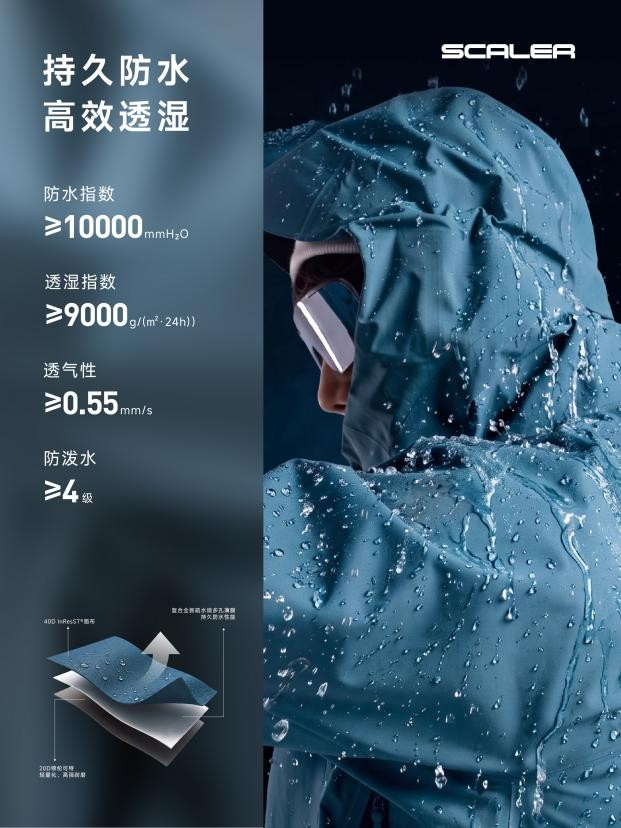
面料复合疏水微多孔薄膜,通过微孔允许水蒸气分子逸出、疏水毛细管结构阻挡液态水渗入的机制,实现“外防水、内透湿”的微气候调节。防水指数10000mm以上,防泼水洗前4-5级,透气性实测0.55mm/s,配合全衣拼缝压胶工艺和YKK防水拉链,足以应对秋冬重装徒步中长时间雨雪与大风环境。

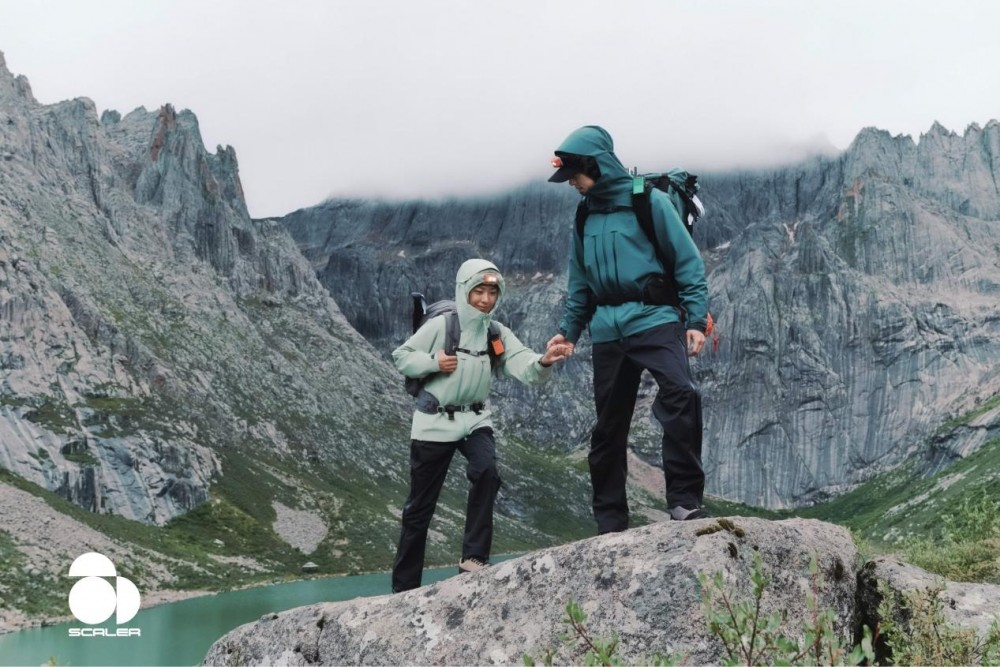
版型层面,专业技术运动版型实现180°抬手量,肩部、肘部立体裁剪针对攀爬挥臂动作优化;基于亚洲人体型数据库对肩宽、袖长、衣长进行专项调整,避免欧美版型常见的袖长过长、肩部过窄问题。大尺寸拿破仑胸袋、腋下超长防水拉链双向开合、3D立体风帽、下摆袖口格纹防护贴边等细节,均围绕重装徒步的真实使用场景展开。

这组性能参数与环保材料之间没有“用环保换性能”的妥协痕迹。恰恰相反,黄金甲Ultra的产品逻辑是:正因为材料来自废弃渔网的再生,才更需要用专业性能证明再生材料可以承受极限环境的考验。这种“环保不降级”的姿态,回应了Z世代消费者“愿为环保材料支付绿色溢价”的前提——溢价的前提是产品本身值得。

03 户外美学的当下解法:功能即美学,而非装饰性附加

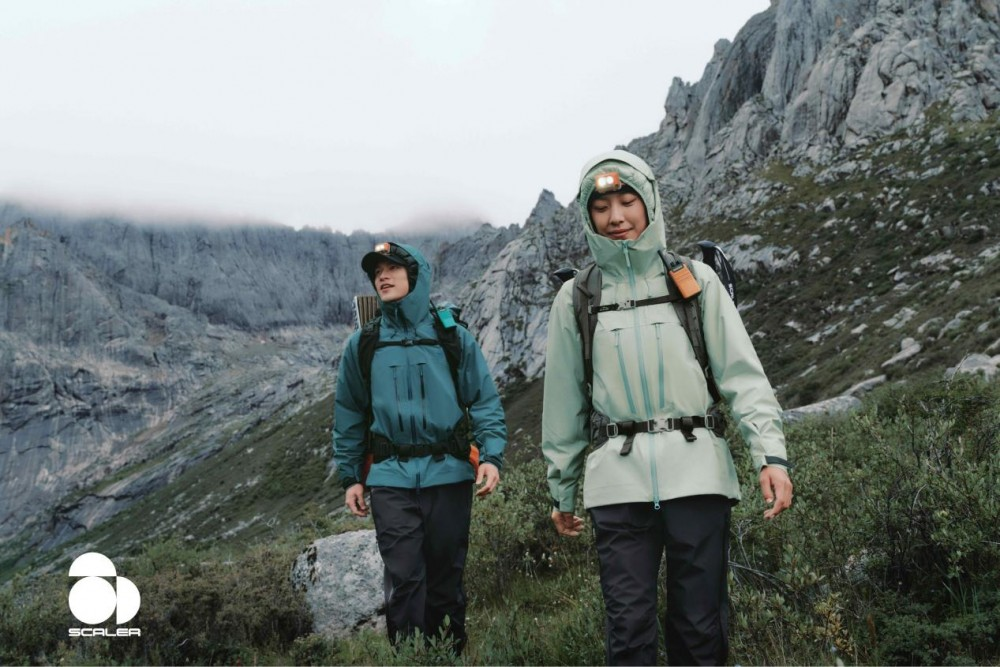
黄金甲Ultra在外观上呈现出一种值得关注的克制感。它没有走高饱和度色彩吸引眼球的路线,也没有堆砌大Logo或装饰性元素。这种设计选择,与当下户外美学从“Gorpcore”的张扬转向“Quiet Outdoor”静奢户外趋势的脉络高度一致。

功能美学正在取代装饰美学成为户外装备的设计准则。 黄金甲Ultra的拿破仑胸袋、腋下拉链、3D风帽、TPU袖袢,每一个视觉元素都同时是一个功能单元。大尺寸胸袋之所以“大”,是因为重装徒步中需要快速取放地图、手套等物品;腋下拉链之所以“超长”,是因为高强度爬升中需要快速散热。当功能被推到极致时,形态本身就构成了美感——这种“功能即形式”的逻辑,正是户外装备区别于时装的根本美学价值。

从色彩与材质语言来看,产品以海洋回收再生尼龙的自然质感为基底,不刻意强调“环保”的视觉标签,而是让面料本身的哑光质感和结构细节说话。这种处理方式,与“静奢户外”所定义的“隐性”与“共生”内核相呼应——不张扬地与环境和自我达成和解,让装备融入山野,而非在自然中制造视觉噪音。

结语

黄金甲Ultra的意义,不止于一款新品的上市。它示范了一种可能:环保功能与专业性能可以深度咬合,功能美学可以替代装饰美学成为户外产品的设计主线。 当海洋废弃渔网以可追溯的方式重生为一件能抵御雨雪大风的冲锋衣,当每一个细节都在功能逻辑下获得存在的理由,户外装备便完成了从“工具”到“价值载体”的升维。这或许正是“海洋新生·专业无畏”八个字背后的产品哲学——敬畏自然,与自然共生,两者本就是同一件事。

注:文/龚作仁,文章来源:Laborer,本文为作者独立观点,不代表亿邦动力立场。

文章来源:Laborer

广告
微信
朋友圈

FAQ回顾

思凯乐黄金甲Ultra是什么产品?

思凯乐黄金甲Ultra是思凯乐黄金甲系列迭代推出的专业三层冲锋衣,采用100%源自海洋废弃渔网的InResST再生尼龙面料,兼具高防水透湿性能与适配亚洲人身型的专业版型,契合静奢户外美学,可应对秋冬重装徒步等户外场景。

采用再生环保材料的冲锋衣防护性能会打折扣吗?

不会。以思凯乐黄金甲Ultra为例,其采用海洋回收再生尼龙面料,搭配疏水微多孔薄膜、全衣拼缝压胶、YKK防水拉链,防水指数达10000mm以上,透气性实测0.55mm/s,足以应对秋冬重装徒步的雨雪大风环境,未因环保材质妥协防护性能。

当前户外装备行业的主流发展趋势是什么?

当前户外装备行业正从“性能竞赛”转向“价值重构”,呈现三大方向:专业功能与场景美学并行,环保从加分项变为入场券;美学上从张扬的Gorpcore风格转向静奢户外趋势,功能美学取代装饰美学,推动产品从工具向价值载体升级。

这么好看,分享一下?

朋友圈 分享

APP内打开

赞 +1
+1
微信好友 朋友圈 新浪微博 QQ空间
关闭
收藏成功
发送
/140 0