广告
加载中

第十场京东品酒会落地青岛,京东物流一体化供应链已服务超30万企业客户

龚作仁 2026-07-09 09:20
龚作仁 2026/07/09 09:20

邦小白快读

EN
全文速览

本文核心围绕第十场京东品酒会落地青岛展开,披露了京东物流供应链布局的最新进展,也给普通消费者带来了可获取的干货信息,具体内容如下:

1. 京东物流依托AI技术打造的一体化供应链,已经累计服务超30万企业客户,升级推出BBCC网络模式,可实现一地入仓全渠道履约,能有效降低物流成本,提升配送时效,普通消费者可以更快拿到完好的商品,购物体验更好。

2. 当前正值世界杯观赛季,京东秒送联合青岛啤酒推出“看球赛,喝1元冰啤酒”活动,消费者登录京东APP“秒送”频道或京东到家APP,搜索“1元冰啤酒”即可直达活动会场,有机会享受1元购买青啤的优惠。

3. 京东物流已经建成成熟的智能物流体系,目前智狼仓已经出库上亿单,未来还将投放大量机器人、无人车、无人机,持续提升配送效率,消费者能享受到更快更稳的配送服务。

本文为各类品牌,尤其是酒水类品牌梳理了行业趋势、渠道建设、营销增长等多方面的干货,具体内容如下:

1. 行业与消费趋势:酒水即时零售市场规模2026年有望突破千亿元,消费端呈现健康化、高端化的趋势,青岛啤酒无醇系列销售额同比增长416%,0糖轻干系列增长235%,超高端系列也保持两位数增速,市场空间广阔。

2. 渠道与供应链升级:可以对接京东物流BBCC模式解决多渠道履约痛点,整合分散库存,案例显示该模式可提升现货率24.8%,次日达订单占比提升至90%,带动销量增长114%;做即时零售可依托京东秒送前置仓方案轻资产拓展,实现30分钟级履约。

3. 品牌营销与增长:可联动京东品酒会IP做线下品牌推广,还可以通过包销、定制、联名和京东联合打造爆款,有出海需求的品牌可借助京东全球供应链布局更好扎根海外市场。

本文给不同品类的卖家梳理了最新的市场机会、可落地的解决方案以及风险提示,具体干货如下:

1. 市场机会:当前酒水即时零售是高速增长的增量市场,2026年规模将突破千亿,健康化、高端化酒水需求增速极快,同时海外市场也是新的增长方向,大量品牌开始布局海外,有拓展需求的卖家可以抓住这一波红利。

2. 可落地的解决方案:针对多渠道订单履约、库存分散的痛点,可接入京东物流升级后的BBCC网络模式,实现一地入仓全渠道履约,整合动态调度的一盘货,有效提升现货率和配送时效,带动销量增长;做即时零售可采用京东秒送品牌共享前置仓方案,轻资产拓展业务,覆盖全国2800个区县。

3. 风险提示:即时零售目前还存在近场供给密度不足、库存管理难、夜间运力不足、温控和破损管控要求高等问题,提前对接成熟的供应链解决方案可规避这类风险,抓住市场机会。

本文给生产类工厂梳理了产品研发方向、商业机会以及数字化转型的启示,具体干货如下:

1. 产品生产设计方向:当前消费端对健康化、高端化产品的需求增长极快,以酒水品类为例,无醇、0糖轻负担产品销售额同比增长分别达到416%、235%,超高端艺术典藏产品也保持两位数增速,工厂可结合这类消费需求调整产品研发和设计方向,匹配市场需求。

2. 商业合作机会:京东物流一体化供应链对外开放,已经服务超30万企业客户,可提供BBCC履约、即时零售前置仓、全球供应链出海等多类服务,工厂可对接京东的供应链能力,拓展全渠道销售,还可以依托京东的全球仓网、航空网、快递网布局海外市场,降低出海的物流成本。

3. 数字化转型启示:AI驱动的一体化供应链可有效降低物流成本,提升周转效率,工厂可加快自身数字化改造,对接京东的AI供应链体系,适配全渠道销售的履约需求,提升自身的市场竞争力。

本文给物流、零售相关服务商梳理了行业发展趋势、客户核心痛点以及可参考的解决方案,具体干货如下:

1. 行业发展趋势:当前一体化供应链已经成为物流服务的核心方向,AI技术驱动供应链升级是行业共识,即时零售保持高速增长,同时供应链出海、机器人售后服务都是新的增长点,京东已经率先在欧洲多国落地机器人售后服务,成为行业领先的服务商,赛道空间广阔。

2. 客户核心痛点:多渠道布局的商家普遍存在订单履约分散、库存难调度的痛点,即时零售领域商家还面临近场供给密度不足、库存管理难、夜间运力保障不足、温控及破损管控要求高等痛点,这些都是服务商的机会点。

3. 可参考的解决方案:可参考京东推出的BBCC网络模式,通过一地入仓实现全渠道履约,整合商家分散库存为可动态调度的一盘货,布局前置仓把商品放在离消费者最近的位置,降低物流成本;针对即时零售可推出品牌共享前置仓的仓配一体方案,帮助商家轻资产拓展业务。

本文给各类平台商梳理了商家需求、可参考的运营做法以及需要规避的行业风向,具体干货如下:

1. 商家对平台的核心需求:一是解决多渠道布局带来的订单履约分散、库存难调度的痛点,二是拓展即时零售渠道时需要轻资产的仓配解决方案,降低拓店成本,三是布局出海业务的商家需要全球范围的稳定供应链支持,帮助品牌扎根海外。

2. 可参考的最新运营做法:京东升级AI驱动的BBCC网络模式,打造端到端的一体化供应链,布局秒送前置仓,目前已经覆盖全国2800多个区县,可满足即时履约需求;创新打造京东品酒会IP,联动酒品牌和线下酒店场景,已经落地10座城市,既可以触达C端消费者,也可以成为产业伙伴交流的平台;科技层面布局超脑大模型和狼族系列机器人,未来持续投入智能设备提升运营效率。

3. 风向规避:即时零售增长快,但需要提前解决近场供给、运力、商品管控等痛点,提前布局对应能力才能抓住市场机会,避免陷入增长陷阱。

本文给产业研究者提供了供应链零售领域的产业新动向、新问题以及创新商业模式参考,具体干货如下:

1. 产业新动向:AI技术已经深度融入实体供应链,京东目前已经将AI应用到零售、物流、工业等领域的3000多个供应链场景,是全球AI应用场景最多、产业厚度最强的企业之一;智能物流设备替代人工成为物流行业的新趋势,京东物流计划未来5年采购300万台机器人、100万台无人车和10万架无人机,目前智狼仓已经出库上亿单,落地应用已经成熟。

2. 创新商业模式:京东物流推出端到端的一体化供应链服务,区别于传统单一服务的物流企业,升级BBCC模式实现一地入仓、全渠道履约,整合全链路资源降本增效;创新打造京东品酒会IP,联动线下酒店和酒品牌,兼具消费者体验和产业交流功能,是产业服务+品牌营销的创新IP模式。

3. 待解决的新问题:即时零售高速增长下,仍存在近场供给不足、运力、管控等多类痛点,供应链出海成为国内品牌的新需求,需要配套的全球供应链服务支撑,这些都是值得研究的新方向。

返回默认
声明:快读内容全程由AI生成,请注意甄别信息。如您发现问题,请发送邮件至 run@ebrun.com 。

我是 品牌商 卖家 工厂 服务商 平台商 研究者 帮我再读一遍。

Quick Summary

This article centers on the 10th JD Wine Tasting event held in Qingdao, and shares the latest updates on JD Logistics' supply chain layout, along with actionable takeaways for general consumers:

1. JD Logistics' AI-powered integrated supply chain has served over 300,000 enterprise clients to date. The company has upgraded its BBCC network model, which enables fulfillment across all channels from a single warehouse, effectively cutting logistics costs and improving delivery speed. This means consumers can receive undamaged products faster and enjoy a better shopping experience.

2. Amid the ongoing FIFA World Cup season, JD Express Delivery has partnered with Tsingtao Brewery to launch a "1 Yuan Iced Beer for Match Watching" promotion. Consumers can access the event page by searching "1 Yuan Iced Beer" in the "Express Delivery" channel on the JD app or the JD Daojia app, and get the chance to purchase Tsingtao beer for just 1 yuan.

3. JD Logistics has built a mature smart logistics system: its Zhilang Smart Warehouse has already processed over 100 million outbound orders. The company will continue to roll out large numbers of robots, autonomous delivery vehicles and drones to further boost delivery efficiency, bringing consumers faster, more reliable delivery services.

This article compiles key insights on industry trends, channel development and marketing growth for brands, especially those in the alcohol and beverage sector:

1. Industry and consumer trends: China's alcohol instant retail market is projected to exceed 100 billion yuan by 2026. Consumer demand is shifting toward healthier and premium products: Tsingtao Brewery reports its non-alcohol series saw a 416% year-on-year sales increase, its 0-sugar light-dry series grew 235%, and its ultra-premium series has maintained double-digit growth, indicating significant untapped market potential.

2. Channel and supply chain upgrade: Brands can leverage JD Logistics' BBCC model to solve multi-channel fulfillment pain points and consolidate fragmented inventory. Case data shows the model increases in-stock rate by 24.8%, lifts the share of next-day delivery orders to 90%, and drives a 114% increase in sales. For instant retail expansion, the JD Express Delivery front warehouse model allows brands to scale with low capital expenditure and achieve 30-minute order fulfillment.

3. Brand marketing and growth: Brands can co-market with JD via the JD Wine Tasting IP for offline brand promotion, and collaborate on exclusive distribution, custom product development and co-branded lines to build hit products. Brands with global expansion goals can leverage JD's global supply chain network to better establish a local presence in overseas markets.

This article outlines the latest market opportunities, actionable solutions and risk warnings for sellers across categories:

1. Market opportunities: Alcohol instant retail is a high-growth incremental market set to exceed 100 billion yuan by 2026, with demand for healthy and premium alcohol growing particularly fast. Overseas markets also represent a new growth avenue, with a large number of brands already expanding globally. Sellers with expansion ambitions can capture this wave of growth.

2. Actionable solutions: To address common pain points of scattered fulfillment across channels and fragmented inventory, sellers can adopt JD Logistics' upgraded BBCC network model, which enables full-channel fulfillment from a single warehouse and consolidates inventory into a dynamically managed "single pool", effectively boosting in-stock rates and delivery speed to drive sales growth. For instant retail, the JD Express Delivery shared-brand front warehouse solution allows sellers to expand with low capital expenditure, covering more than 2,800 districts and counties across China.

3. Risk warnings: Instant retail still faces challenges including insufficient local supply density, difficult inventory management, insufficient last-mile capacity during night hours, and high requirements for temperature control and damage prevention. Partnering with a mature supply chain solution provider early on can help sellers avoid these risks and capitalize on market opportunities.

This article summarizes insights on product R&D direction, business opportunities and digital transformation for manufacturing factories:

1. Product R&D and design direction: Consumer demand for healthy and premium products is growing rapidly. In the alcohol category, for example, non-alcohol products saw a 416% year-on-year sales increase, 0-sugar low-burden products grew 235%, and ultra-premium artisanal and collection products maintained double-digit growth. Factories can align their R&D and design with these consumer trends to match market demand.

2. Business collaboration opportunities: JD Logistics' open integrated supply chain has served more than 300,000 enterprise clients, offering a full range of services including BBCC fulfillment, instant retail front warehouses, and global supply chain support for cross-border expansion. Factories can partner with JD to tap into full-channel sales, and leverage JD's global warehouse network, air cargo network and express delivery network to expand overseas while cutting logistics costs for cross-border business.

3. Insights on digital transformation: AI-powered integrated supply chain can effectively lower logistics costs and improve inventory turnover. Factories can accelerate their own digital transformation, connect to JD's AI-powered supply chain system, adapt to fulfillment requirements for full-channel sales, and boost overall market competitiveness.

This article outlines industry trends, core client pain points and reference solutions for logistics and retail service providers:

1. Industry development trends: Integrated supply chain has become the core direction of the logistics services industry, and AI-driven supply chain upgrading is widely recognized as an industry consensus. Instant retail continues to grow at a high pace, while cross-border supply chain services and after-sales services for robotics are emerging new growth areas. JD has already rolled out robot-powered after-sales services in multiple European markets as an industry leader, leaving significant room for growth in the sector.

2. Core client pain points: Merchants with multi-channel layouts generally struggle with scattered order fulfillment and difficult inventory scheduling. For instant retail merchants, additional pain points include insufficient local supply density, inventory management challenges, insufficient off-peak delivery capacity, and strict requirements for temperature control and damage prevention. All these pain points represent opportunities for service providers.

3. Reference solutions: Service providers can learn from JD's BBCC network model, which enables full-channel fulfillment from a single warehouse, consolidates fragmented merchant inventory into a dynamically managed single pool, and places inventory in front warehouses close to consumers to cut logistics costs. For instant retail, providers can offer a shared-brand front warehouse integrated warehousing and delivery solution to help merchants expand with low capital expenditure.

This article summarizes merchant demands, reference operation practices and industry pitfalls to avoid for all types of platform operators:

1. Core merchant demands from platforms: First, solutions to scattered fulfillment and difficult inventory scheduling brought by multi-channel expansion; second, low-capital warehousing and delivery solutions for instant retail expansion to cut market entry costs; third, stable global supply chain support for merchants expanding overseas to help brands establish a local presence abroad.

2. Latest reference operation practices: JD has upgraded its AI-powered BBCC network model to build an end-to-end integrated supply chain, and deployed express delivery front warehouses covering more than 2,800 districts and counties across China to meet instant fulfillment demands. It has also created the innovative JD Wine Tasting IP, which partners with alcohol brands and offline hospitality venues and has been held in 10 Chinese cities, serving both as a touchpoint for end consumers and a communication platform for industry partners. On the technology front, JD has developed the Chaonao large language model and the Wolf series robots, and will continue to invest in smart devices to improve operational efficiency.

3. Pitfalls to avoid: While instant retail is growing rapidly, operators need to address pain points around local supply, delivery capacity and product control early on. Building relevant capabilities in advance is required to capture market opportunities and avoid falling into a growth trap.

This article shares new industry developments, unaddressed problems and innovative business model references for industry researchers in supply chain and retail:

1. New industry developments: AI technology has become deeply integrated into physical supply chains. JD currently applies AI to more than 3,000 supply chain scenarios across retail, logistics, industrial and other sectors, making it one of the companies with the largest number of AI application scenarios and deepest industrial penetration globally. Replacing manual labor with smart logistics equipment has become a new industry trend: JD Logistics plans to purchase 3 million robots, 1 million autonomous delivery vehicles and 100,000 drones over the next five years. Its Zhilang Smart Warehouse has already processed more than 100 million outbound orders, proving the technology is ready for large-scale commercial deployment.

2. Innovative business models: JD Logistics offers end-to-end integrated supply chain services, which differs from traditional logistics providers that only offer single-point services. Its upgraded BBCC model enables full-channel fulfillment from a single warehouse and integrates end-to-end resources to cut costs and improve efficiency. Its innovative JD Wine Tasting IP, which partners with offline hotels and alcohol brands, delivers both consumer experience and industry communication functions, representing a new innovative IP model that combines industrial services and brand marketing.

3. New unaddressed problems: Despite the rapid growth of instant retail, it still faces multiple pain points including insufficient local supply, delivery capacity constraints and product management challenges. Cross-border supply chain expansion has also become a new demand for Chinese brands, requiring supporting global supply chain services. All these areas represent valuable new directions for future research.

Disclaimer: The "Quick Summary" content is entirely generated by AI. Please exercise discretion when interpreting the information. For issues or corrections, please email run@ebrun.com .

I am a Brand Seller Factory Service Provider Marketplace Seller Researcher Read it again.

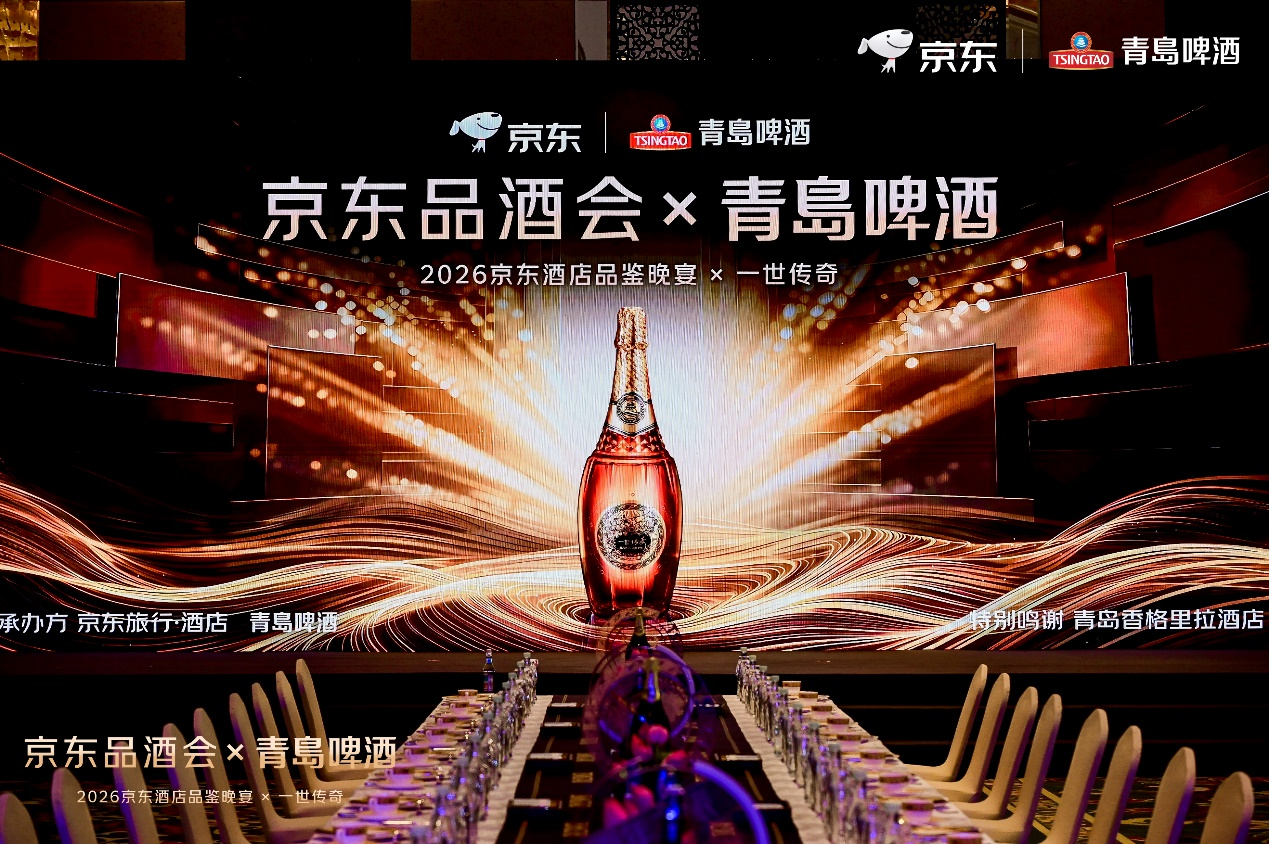
7月8日,第十场京东品酒会在青岛香格里拉大酒店举行,京东物流与众多企业家、合作伙伴、消费者齐聚一堂,品鉴青岛啤酒的鲜醇风味,共享香格里拉定制晚宴。基于AI技术驱动,京东物流一体化供应链已累计服务超30万企业客户,升级BBCC网络模式,实现“一地入仓、全渠道履约”。

作为一家以供应链为基础的技术与服务企业,京东所有的业务布局都围绕供应链展开。一体化供应链服务是京东物流的核心优势,区别于提供单一服务的物流企业,京东物流为商家提供端到端的解决方案,整合仓储、快递快运、冷链、秒送及其他增值服务,全链路一体化,省心高效,以更具确定性的超级供应链能力,让好产品送得更快更稳,让广大商家和消费者拥有更好体验。

本次升级的BBCC网络模式,是京东物流面向有多渠道订单履约痛点的商家,推出的一体化供应链解决方案,其特色是“一地入仓,全渠道履约”,助力商家将分散的库存整合为可动态调度的一盘货。BBCC网络模式变革、服务升级以及秒送前置仓布局,核心都是以AI技术驱动的一体化供应链持续升级,适配千行百业,把商品放在离消费者最近的地方,减少搬运次数和搬运距离,让好产品以最佳状态、最准时效送到用户手里,最终降低社会化物流成本。

以某高端品牌为例,过去存在现货少、配送时效差、备货不准影响销售转化等问题,通过京东物流BBCC解决方案,现货率提升24.8%,次日达订单占比从73%提升至90%,带动销量增长114%。

近年来大量企业布局海外,京东也正加速供应链出海的步伐,在全球布局拓展仓网、航空网、快递网,用确定性的超级供应链能力,助力中国品牌出海“走出去”更“扎下来”。伴随机器人产业的爆发式增长,京东服务率先推出机器人维修服务,并在欧洲多国落地JoyRobocare服务,目前已成为行业领先的机器人售后服务商。

从一杯好酒的酿造,到一份美好生活的准时送达,背后都离不开高效稳定的即时配送保障。以酒水品类为例,即时零售市场规模2026年有望突破千亿元。但在高速增长的同时,仍面临近场供给密度不足、库存管理难、夜间运力保障不足、温控及破损管控要求高等挑战。针对这些痛点,京东秒送依托即时配送能力,以及品牌共享前置仓的仓配一体解决方案,帮助酒水品牌以轻资产模式拓展即时零售业务,实现30分钟级高效履约,提升消费体验与渠道效率。目前京东秒送已覆盖全国2800个区县,持续助力品牌把更丰富、更高品质的商品更快送达消费者手中。

本次品酒会上,京东与青岛啤酒联袂呈现一世传奇等6款经典酒品,国家级啤酒评酒委员讲解品鉴。正值世界杯观赛季,京东秒送联合青岛啤酒推出“看球赛,喝1元冰啤酒”活动,消费者登录京东APP“秒送”频道或京东到家APP,搜索“1元冰啤酒”即可直达会场,有机会享1元购青啤优惠。双方正式发起“点亮烟火计划”合作,打造酒水即时零售标杆。

作为青岛啤酒的核心渠道伙伴,京东依托供应链优势和成熟的数字化运营能力,助力青岛啤酒获得稳定持续的日销增长,更通过包销、定制、联名等方式共同打造爆款产品。今年上半年,主打的“0酒精”无醇系列、“0糖轻负担”轻干系列产品销售额同比分别增长416%、235%,“百年系列”超高端艺术典藏啤酒也实现两位数的销售额同比增速。

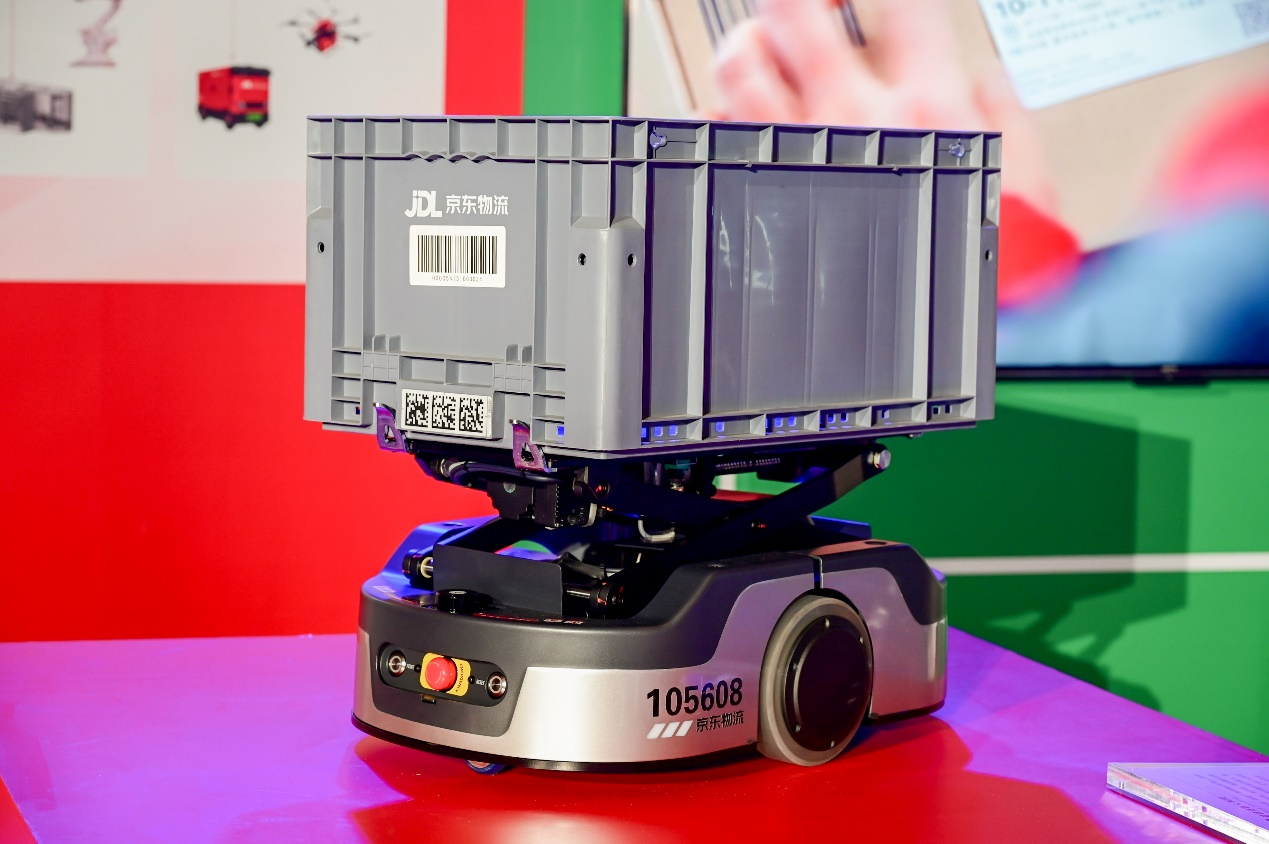
此外,京东物流自主研发的“狼族”系列机器人也亮相品酒会现场。当前AI应用成为全球焦点,京东依托于超级供应链与细分场景的深度嵌入,打造全球最大的物理世界运营中心,构建了从人工智能基础设施、产业厚度、用户体验的全链条布局,覆盖零售、物流、健康、工业等3000多个供应链场景,是全球AI应用场景最多、产业厚度最强的企业之一,推动人工智能从千行百业走进千家万户。依托“超脑大模型”与“狼族机器人”的科技引擎,京东物流此前宣布未来5年将采购300万台机器人、100万台无人车和10万架无人机。目前,京东物流无人机已开通超100条国内航线,智狼仓已出库上亿单,这套系统正持续为全球用户与商家重塑物流体验。

“京东品酒会”IP自2025年9月推出以来,创新联动酒店和酒品牌,已先后落地北京、上海、三亚、深圳、广州、亳州、昆明、苏州、成都、青岛10座城市,为用户带来“品名酒、交朋友”差异化体验的同时,更成为产业伙伴深度交流、共话发展的重要平台。

注:文/龚作仁,文章来源:Laborer,本文为作者独立观点,不代表亿邦动力立场。

文章来源:Laborer

广告
微信
朋友圈

FAQ回顾

京东物流一体化供应链服务有什么优势?

京东物流一体化供应链是其核心优势,区别于提供单一服务的物流企业,可为商家提供端到端解决方案,整合仓储、快递快运、冷链、秒送及其他增值服务,全链路一体化省心高效,目前已累计服务超30万企业客户。

京东物流BBCC网络模式是什么?

BBCC网络模式是京东物流面向有多渠道订单履约痛点的商家推出的一体化供应链解决方案,核心特色为“一地入仓、全渠道履约”,可助力商家将分散的库存整合为可动态调度的一盘货,提升现货率与配送时效。

酒水即时零售行业目前面临哪些痛点?

酒水即时零售市场规模2026年有望突破千亿元,在高速增长的同时,行业仍面临近场供给密度不足、库存管理难、夜间运力保障不足、温控及破损管控要求高等诸多挑战。

京东秒送的服务能力怎么样?

京东秒送依托即时配送能力及品牌共享前置仓的仓配一体解决方案,可实现30分钟级高效履约,目前已覆盖全国2800个区县,能帮助酒水品牌以轻资产模式拓展即时零售业务,提升消费体验与渠道效率。

京东品酒会IP有什么作用?

京东品酒会IP自2025年9月推出以来已落地全国10座城市,既能为用户带来“品名酒、交朋友”的差异化体验,同时也成为酒水产业伙伴深度交流、共话发展的重要平台。

这么好看,分享一下?

朋友圈 分享

APP内打开

+1
+1
微信好友 朋友圈 新浪微博 QQ空间
关闭
收藏成功
发送
/140 0