广告
加载中

未成年人 黑名单人员 失德艺人……这些人都不能在拼多多直播了

亿邦动力 2026-07-13 11:26
亿邦动力 2026/07/13 11:26

邦小白快读

EN
全文速览

本文核心是拼多多发布最新直播主体治理公告,明确了禁播主体、违规行为及处置规则,普通读者可从中了解平台直播合规要求,更好地规避不合规直播风险,保护自身权益。

1. 明确六类禁止直播主体,涵盖未成年人、被列入黑名单或警示名单的违规人员、失德艺人、无/限制民事行为能力人,食品药品等特定行业无对应资质的主体也禁止开播。

2. 细化了各类违规直播行为,包括发布违法不良信息、售假侵权、刷流量数据、帮违规主体引流、从事传销诈骗等,覆盖了直播全流程的违规场景。

3. 平台针对违规主体会采取关闭直播间、回收直播权限等处罚,本次规则是对原有要求的细化,平台治理从内容审核延伸到主体准入管理,直播生态会更规范。

本次拼多多发布的直播主体治理公告,给入驻平台开展直播营销的品牌商明确了合规边界,能帮助品牌规范直播运营,规避经营风险,抓住合规发展的机会。

1. 品牌商需要提前梳理直播参与人员,确保所有出镜、开播人员不在禁播名单内,绝对不能组织诱导未成年人参与直播获利,否则会被处罚。

2. 如果品牌经营食品、药品、医疗器械、保健食品等特定品类,必须提前依法取得对应的行政许可和经营资质,没有资质禁止开展直播推广。

3. 规则明确了各类直播违规行为,品牌开展直播营销要主动避开各类违规雷区,本次规则细化后,平台会清理不合规的市场参与者,合规品牌能获得更公平良性的竞争环境,有利于品牌长期发展。

拼多多此次发布的直播主体治理公告,明确了平台直播的最新合规要求,给在平台经营的直播卖家梳理了风险、机会与合规方向。

1. 政策层面,本次治理并非新增监管要求,而是结合现行法律法规对原有规则做进一步细化,平台治理重点已经从原来的直播内容审核,延伸到主播身份、经营资质和全流程经营行为管理,通过前置准入降低行业整体经营风险。

2. 风险提示方面,卖家需要提前自查所有直播相关人员与资质,禁止使用禁播主体开播,特定行业必须取得对应资质,同时要避免各类违规行为,否则会被采取关闭直播、回收权限等处罚。

3. 机会层面,规则收紧会清理大量不合规卖家,留给合规经营卖家更大的市场空间,公平的竞争环境更有利于卖家实现业绩增长。

拼多多此次升级直播主体治理规则,给想要布局拼多多电商直播的工厂,明确了合规要求,也带来了商业机会与数字化转型启示。

1. 如果工厂计划在拼多多开展直播带货,首先要确认所有参与开播、出镜的人员符合准入要求,不得使用禁播名单内的人员,若工厂经营食品、医疗器械等特定品类,必须提前取得对应资质才能开播。

2. 商业机会层面,此次治理反映出拼多多直播生态正在向规范化发展,平台通过前置治理降低了整体经营风险,合规工厂可以借助拼多多直播打通To C销售渠道,直接触达消费者,打造自有销路。

3. 转型启示层面,工厂推进数字化和电商转型布局直播业务时,必须先落实合规管理,明确人员、资质要求,避开违规雷区,才能保障业务长期稳定发展。

拼多多此次发布的直播主体治理公告,反映了当前电商直播行业的治理发展趋势,也给服务直播行业的服务商明确了客户痛点与业务方向。

1. 行业发展趋势来看,国内电商直播的治理已经从过去侧重事后内容审核,转向前置的主体准入资质审核加全流程行为管理,整个行业的监管和平台治理都越来越精细化、规范化,合规要求越来越清晰。

2. 客户痛点方面,当前入驻拼多多开展直播的商家、主播最核心的痛点就是不清楚合规边界,容易因为主体、资质不合规被平台处罚,服务商可以围绕这个需求开发对应的合规服务。

3. 服务商可以推出针对拼多多直播的合规咨询、资质梳理代办等解决方案,提前帮客户排查风险,完成合规整改,帮助客户符合平台要求,降低经营风险,也能拓展自身业务。

拼多多此次加强直播主体治理的动作,给布局直播业务的其他平台商提供了可参考的治理经验,也明确了当前行业的治理风向。

1. 拼多多的具体做法是,结合现行法律法规和原有平台规则,进一步明确细化禁播主体范围,罗列违法违规行为类型,通过前置准入治理,把管理范围从直播内容延伸到主播身份、经营资质和全流程经营行为,以此降低平台整体经营风险,完善直播生态。

2. 当前多数直播平台都存在主体资质不清、违规人员进入行业开播的问题,拼多多这套细化规则、前置治理的方案,可供其他平台参考借鉴,完善自身的规则体系。

3. 治理风向方面,监管要求平台加强直播主体管理,平台商需要及时调整自身运营管理规则,加大前置审核力度,完善违规处置机制,规避政策风险,同时规范化的生态也更有利于平台吸引优质商家,开展招商工作。

拼多多此次发布的直播主体治理公告,反映了国内直播电商产业发展的新动向,为研究直播电商产业治理的研究者提供了最新的典型样本。

1. 产业新动向方面,随着国内直播电商产业规模不断扩大,平台的治理体系正在逐步升级,从早期侧重事后的内容违规审核,转向前置的主体准入管理,覆盖身份、资质、全流程经营行为,治理颗粒度越来越细,规范化程度不断提升。

2. 本次治理的特点是,平台没有新增监管要求,只是结合现有法律法规对原有规则做细化落地,说明行业正在逐步落实国家已有监管要求,解决过去存在的违规主体开播、资质不全等行业痛点问题。

3. 对于产业研究来说,本次调整反映了头部电商平台完善直播生态治理的路径,为研究者研究平台型企业的合规治理、直播电商行业规范化发展趋势提供了最新的研究案例,也为研究产业治理政策落地效果提供了观察样本。

返回默认
声明:快读内容全程由AI生成,请注意甄别信息。如您发现问题,请发送邮件至 run@ebrun.com 。

我是 品牌商 卖家 工厂 服务商 平台商 研究者 帮我再读一遍。

Quick Summary

This article centers on Pinduoduo’s newly released announcement on streamer eligibility governance, which clarifies banned streamer categories, violations and corresponding penalties. General readers can learn the platform’s live-streaming compliance requirements to better avoid non-compliance risks and protect their own rights and interests.

1. Six categories of actors are explicitly banned from live streaming: minors, violators on blacklists or warning lists, morally discredited public figures, persons with no or limited civil capacity, and unqualified operators in regulated sectors including food and pharmaceuticals.

2. It also details various types of violations covering the entire live-streaming workflow, including publishing illegal and inappropriate content, selling counterfeit infringing products, falsifying traffic data, diverting traffic to banned actors, and conducting pyramid schemes or fraud.

3. The platform will penalize violators with measures including closing live rooms and revoking streaming privileges. This rule update refines existing requirements, extending the platform’s governance scope from content moderation to streamer eligibility management, and will further standardize Pinduoduo’s live-streaming ecosystem.

Pinduoduo’s new announcement on streamer eligibility governance clarifies compliance boundaries for brands conducting live-streaming marketing on the platform, helping brands standardize their live operations, avoid operational risks, and capture opportunities for compliant growth.

1. Brands must review all streamers and on-camera personnel in advance to ensure none appear on the banned list, and must never organize or诱导 minors to participate in live streaming for profit, as violations will lead to penalties.

2. For brands operating in regulated categories including food, pharmaceuticals, medical devices, and health supplements, all required administrative licenses and operational qualifications must be obtained legally in advance; unqualified actors are prohibited from launching live promotions.

3. The announcement explicitly outlines all types of prohibited violations to help brands avoid compliance pitfalls. After the rule refinement, the platform will clear non-compliant market participants, creating a fairer and healthier competitive environment that supports long-term growth for compliant brands.

Pinduoduo’s new announcement on streamer eligibility governance clarifies the latest live-streaming compliance requirements for sellers operating on the platform, outlining key risks, opportunities and compliance directions.

1. In terms of policy, this governance update does not introduce new regulatory requirements, but rather refines existing rules in line with current laws and regulations. The platform’s governance focus has expanded from post-stream content moderation to management of streamer identity, operational qualifications, and end-to-end operational behavior, reducing overall industry risk through pre-entry eligibility checks.

2. For risk alerts, sellers must conduct self-inspections of all streaming-related personnel and qualifications in advance: banned actors may not stream, regulated sectors must hold required qualifications, and all prohibited violations must be avoided. Non-compliance will result in penalties including stream closure and revoked streaming privileges.

3. In terms of opportunities, tighter rules will clear out a large number of non-compliant sellers, leaving greater market space for compliant operators. A fairer competitive environment is conducive to driving revenue growth for compliant sellers.

Pinduoduo’s updated streamer eligibility governance rules clarify compliance requirements for factories looking to build out Pinduoduo live-streaming e-commerce operations, while also bringing new business opportunities and insights for digital transformation.

1. For factories planning to conduct live-streaming sales on Pinduoduo, first confirm all streaming and on-camera personnel meet eligibility requirements, and do not use personnel from the banned list. If the factory operates regulated categories such as food or medical devices, required qualifications must be obtained before launching live streams.

2. In terms of business opportunities, this governance update reflects Pinduoduo’s push to standardize its live-streaming ecosystem. The platform reduces overall operational risk through pre-entry governance, allowing compliant factories to leverage Pinduoduo live streaming to build direct-to-consumer sales channels and establish their own independent sales networks.

3. For transformation insights, when factories advance digital and e-commerce transformation through live-streaming business, they must implement compliance management first, confirm personnel and qualification requirements, and avoid compliance pitfalls to ensure long-term stable business development.

Pinduoduo’s new announcement on streamer eligibility governance reflects the current governance development trend of China’s e-commerce live-streaming industry, and clarifies core customer pain points and business directions for service providers serving the live-streaming sector.

1. From the perspective of industry development trends, governance of China’s e-commerce live-streaming industry has shifted from a past focus on post-broadcast content moderation to a combination of pre-entry eligibility checks and end-to-end behavior management. The entire industry’s regulation and platform governance are becoming increasingly refined and standardized, with clearer compliance requirements.

2. In terms of customer pain points, the core issue for merchants and streamers operating on Pinduoduo is unclear compliance boundaries, leading to frequent penalties for ineligible streamers or unqualified qualifications. Service providers can develop targeted compliance services to address this unmet demand.

3. Service providers can launch tailored solutions for Pinduoduo live streaming including compliance consulting and qualification sorting and agency services. These offerings help clients screen risks in advance, complete compliance rectification, meet platform requirements, and reduce operational risks, while also allowing service providers to expand their own business.

Pinduoduo’s move to strengthen streamer eligibility governance provides referenceable governance experience for other platform operators building out live-streaming business, and clarifies current industry governance trends.

1. Pinduoduo’s approach refines and clarifies the scope of banned streamers and enumerates violation categories, based on existing laws and regulations and the platform’s original rules. Through pre-entry governance, it extends management scope from live-streaming content to streamer identity, operational qualifications and end-to-end operational behavior, reducing the platform’s overall operational risk and improving the live-streaming ecosystem.

2. Most live-streaming platforms currently face problems including unclear streamer qualifications and banned actors gaining access to broadcast. Pinduoduo’s framework of rule refinement and pre-entry governance can be referenced by other platforms to improve their own rule systems.

3. In terms of governance trends, regulators require platforms to strengthen streamer management. Platform operators need to adjust their operational rules in a timely manner, increase pre-entry audit efforts, improve violation penalty mechanisms, and avoid policy risks. A standardized ecosystem also helps platforms attract high-quality merchants and support merchant recruitment work.

Pinduoduo’s newly released announcement on streamer eligibility governance reflects new trends in the development of China’s live-streaming e-commerce industry, and provides an up-to-date typical case study for researchers focusing on live-streaming e-commerce industry governance.

1. In terms of new industry trends, as the scale of China’s live-streaming e-commerce industry continues to expand, platforms’ governance systems are gradually upgrading. The focus has shifted from early-stage post-broadcast content violation moderation to pre-entry eligibility management covering identity, qualifications and end-to-end operational behavior, with increasingly granular governance and higher levels of standardization.

2. A key feature of this governance update is that the platform has not introduced new regulatory requirements, only refined and implemented existing rules in line with current laws and regulations. This shows the industry is gradually implementing existing national regulatory requirements to address long-standing pain points such as banned actors streaming and operating without full qualifications.

3. For industrial research, this adjustment reflects the path a leading e-commerce platform has taken to improve live-streaming ecosystem governance. It provides an up-to-date research case for scholars studying compliance governance of platform enterprises and the standardized development trend of the live-streaming e-commerce industry, and also offers an observation sample for researching the implementation effect of industrial governance policies.

Disclaimer: The "Quick Summary" content is entirely generated by AI. Please exercise discretion when interpreting the information. For issues or corrections, please email run@ebrun.com .

I am a Brand Seller Factory Service Provider Marketplace Seller Researcher Read it again.

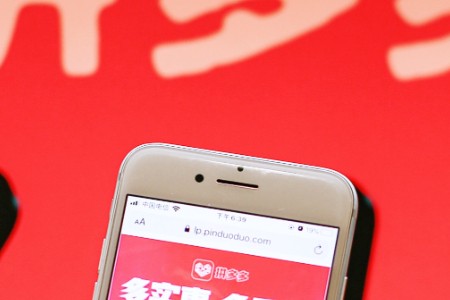
【亿邦原创】日前,拼多多发布《关于加强直播主体治理的公告》,对平台内开展直播行为的主体进行进一步规范,明确不得开展直播的主体范围,并同步公布违规处置措施。

根据公告,此次治理覆盖平台内所有直播行为,包括开播、直播出镜、直播带货等。公告明确,六类主体将被禁止开展直播活动。

其中,平台明确禁止未成年人参与直播,包括直播带货、直播出镜等行为,同时禁止组织、诱导未成年人参与直播营销获取不正当利益。

对于因严重违法违规、失德劣迹或发布违法不良信息,被国家有关部门或行业协会列入“黑名单”或“警示名单”的人员,在禁入期限内不得从事任何形式的直播行为。

此外,无民事行为能力人或限制民事行为能力人,以及依据国家广播电视总局、文化和旅游部相关规定认定的违法失德艺人,也被纳入禁止开展直播的主体范围。

针对重点行业,平台进一步强调,从事食品、药品、医疗器械、保健食品等特定行业直播经营的主体,应依法取得国家规定的行政许可或相关经营资质,未取得相应资质的,不得通过直播推广相关商品。

公告同时细化了禁止直播的违法违规行为类型。包括发布违反《网络信息内容生态治理规定》的违法和不良信息,如危害国家安全、历史虚无主义、党政军意识形态负面内容、夸张标题党、炒作绯闻劣迹、低俗及血腥场景等。

此外,以下行为也属于违法违规行为:发布虚假或引人误解的信息欺骗、误导用户;营销假冒伪劣商品、侵犯知识产权商品或不符合人身财产安全要求的商品;虚构或篡改交易数据、浏览量、点赞量等流量数据;明知或应知他人存在违法违规或高风险行为仍提供推广、引流服务;骚扰、诋毁、谩骂、恐吓他人,侵害他人合法权益;以及传销、诈骗、赌博、贩卖违禁品及管制物品等违法行为,均属于重点治理范围。

拼多多方面称,对于存在上述情形的直播主体,平台将持续加大直播间排查和清理力度,并依据平台协议及规则采取相应处置措施,包括关闭直播、回收直播权限,以及平台认为必要的其他处理措施。

值得注意的是,此次公告并未新增直播监管要求,而是结合现行法律法规及平台规则,对直播主体准入范围进行了进一步明确和细化。随着拼多多直播业务的发展,平台治理重点也正从直播内容审核延伸至主播身份、经营资质和经营行为管理,通过前置准入和主体治理降低直播经营风险,进一步完善直播生态治理体系。

亿邦持续追踪报道该情报,如想了解更多与本文相关信息,请扫码关注作者微信。

文章来源:亿邦动力

广告
微信
朋友圈

FAQ回顾

哪些主体不能在拼多多开展直播活动?

拼多多明确六类主体禁止开展直播,包括未成年人,被国家有关部门或行业协会列入“黑名单”“警示名单”的人员,无民事行为能力或限制民事行为能力人,违法失德艺人,未取得食品、药品等特定行业经营资质的主体,以及存在违法违规直播行为的主体。

拼多多对违规直播主体会采取什么处罚措施?

平台会持续加大直播间排查和清理力度,依据平台协议及规则采取相应处置措施,包括关闭直播、回收直播权限,以及平台认为必要的其他处理措施,以此完善直播生态治理体系。

拼多多直播主体治理覆盖哪些相关行为?

此次治理覆盖平台内所有直播相关行为,包括开播、直播出镜、直播带货等,治理重点从直播内容审核延伸至主播身份、经营资质和经营行为管理,通过前置准入降低直播经营风险。

拼多多禁止的直播违法违规行为有哪些?

禁止的违法违规行为包括发布违反《网络信息内容生态治理规定》的不良信息,发布虚假误导信息欺骗用户,营销假冒伪劣、侵权商品,虚构流量数据,为违规行为提供引流服务,以及传销、诈骗等违法行为。

这么好看,分享一下?

朋友圈 分享

APP内打开

赞 +1
+1
微信好友 朋友圈 新浪微博 QQ空间
关闭
收藏成功
发送
/140 0