广告
加载中

“小山姆”成商场新顶流 有门店一月爆卖600万 巨头疯狂押注

天下网商 2026-06-09 11:53
天下网商 2026/06/09 11:53

邦小白快读

EN
全文速览

当前零食行业诞生了主打新鲜、健康的“小山姆”类新鲜零食新物种,多个品牌已经开始全国扩张,部分门店首月就能做到超600万销售额,是当前零食赛道的新热点。

1. 这类门店核心特点是主打短保、0防腐/低添加的干净配方,首创了配料分级体系,A级就是0防腐剂,A/B级还专门标注适合孩子,公开产品检测报告,支持扫码溯源,打出“无需查看配料表”的口号,建立消费者信任。

2. 这类门店一般开在商场B1层靠近地铁口的位置,主打下班顺路随手买的即时消费场景,不需要山姆的会员费,很多门店推出团购代金券,使用后性价比不错,不少当日限定产品很受欢迎,经常卖断货。

当前量贩零食赛道价格战已经打到极致,形成双寡头格局,新鲜零食成为零食行业新的增长赛道,符合当前消费升级的趋势,品牌可以从中找到新的突围方向。

1. 消费趋势变化:消费者已经从单纯追求低价转向追求质价比,越来越看重零食的健康属性,对干净配方、短保新鲜产品的需求提升,愿意为高品质产品付费,即时高频消费场景需求增长。

2. 产品与运营可参考方向:可以对传统零食做新鲜化改造,通过建立配料分级、公开检测、溯源体系打造信任装置,切入儿童零食、日常伴手礼等场景,选址瞄准商场B1层靠近地铁的点位抢占流量。

3. 竞争与风险:新鲜零食综合毛利可达30%-42%,远高于量贩零食的15%,但门槛很高,重资产模式对供应链能力要求高,同时要面临高损耗、品控难度大的挑战。

量贩零食赛道已经格局固化,很难再有突围机会,新鲜零食是当前零食领域的新增长市场,想入局的卖家需要明确机会、风险和可借鉴的经验。

1. 市场机会:消费者需求升级,从单纯比价转向追求品质健康,新鲜零食赛道符合需求变化,毛利空间远高于传统量贩零食,能达到30%-42%,同时覆盖了日常嘴馋、儿童零食、伴手礼等多个消费场景,市场空间大。

2. 可学习运营经验:要把消费者信任放在第一位,通过配料分级公示、公开检测报告、一品一码溯源建立信任,选址优先选核心商场靠近地铁的位置,搭配团购、会员充值活动拉动客流。

3. 风险提示:赛道门槛高,单店投入是传统量贩的2-3倍,要求全部做定制产品,没有第三方通货,同时短保产品损耗率高达8%-15%,扩张越快品控风险越高,信任破损很难修复。

新鲜零食赛道的快速崛起,给食品生产工厂带来了新的商业机会,也对产品生产和研发提出了新的要求。

1. 产品生产设计新需求:新鲜零食品牌要求产品做新鲜化改造,主打短保、0/低添加的精简配方,所有产品都是品牌专属定制,不接受第三方通货,对生产标准的要求远高于传统零食。

2. 商业机会:给山姆、盒马供货的工厂有先天优势,已经通过了两大平台的前期验厂和产品测试,更容易获得新鲜零食品牌的合作订单,当前头部新鲜品牌都在快速扩张,要么自建工厂,要么寻找符合标准的合作工厂,对符合要求的产能需求很大。

3. 转型启示:工厂需要顺应行业趋势,提升生产标准,匹配短保、清洁配方的生产要求,可以主动对接头部新鲜零食品牌,深度绑定合作,分担定制生产的起订量压力,获得更稳定的高毛利订单。

国内零食行业正从价格内卷转向品质升级,新鲜零食作为新崛起的赛道,正处于快速扩张期,给各类零售服务商带来了新的业务机会。

1. 行业发展趋势:量贩零食价格战已经见顶,头部玩家都纷纷转型新鲜零食赛道,2026年被行业定为新鲜零食元年,头部品牌纷纷跑马圈地,资本也看好赛道前景,纷纷押注,赛道门槛不断抬高,发展空间大。

2. 客户核心痛点:新鲜零食品牌当前最突出的痛点一是损耗控制,短保产品损耗率达到8%-15%,远高于传统零食,需要按天精准管理备货和动销;二是品控管理难度大,规模扩张后品控难度指数级上升,信任是核心资产容不得出错;三是重资产模式下需要稳定的供应链协同支持。

3. 业务机会:服务商可以针对这些痛点开发对应解决方案,比如精准动销备货的数字化管理系统、全链路品控溯源服务、定制化门店装修和仓储设备服务等,匹配品牌扩张的需求。

新鲜零食新物种的崛起,给线下商场、零售平台带来了新的增长机遇,也对平台的招商和运营提出了新的要求。

1. 品牌对平台的核心需求:当前头部新鲜零食品牌都在加速全国扩张,核心需求是拿到核心城市商场的优质点位,尤其是B1层靠近地铁口、社区商圈的流量位置,目前优质点位资源有限,是平台吸引品牌入驻的核心筹码。

2. 对平台运营招商的启示:新鲜零食品牌自带流量属性,定位健康高品质,开业就能吸引消费者排队打卡,可以有效提升平台整体人气,平台可以将这类头部品牌作为重点招商对象,优化点位布局,吸引客流。

3. 风险提示:新鲜零食品牌的核心资产是消费者信任,一旦出现品控问题,不仅影响品牌自身,也会牵连平台口碑,另外部分品牌的热度仅来自开业红利,平台招商时需要优先选择有成熟供应链和运营经验的头部品牌,规避运营风险。

中国零食行业经历多轮迭代后,近年来诞生了新鲜零食这一新物种,出现了很多值得研究的产业新动向和新问题。

1. 产业新动向:量贩零食经过极致价格战后形成双寡头格局,行业整体从价格竞争转向品质竞争,主打新鲜、短保、0添加的新鲜零食赛道崛起,当前头部玩家多为成熟品牌孵化或资深从业者操盘,资本纷纷押注,2026年被行业定为新鲜零食元年,头部品牌都在快速跑马圈地,赛道毛利可达30%-42%,远高于传统量贩的15%,发展潜力大。

2. 创新商业模式:借鉴山姆会员店的信任式零售逻辑,把高品质高信任的零售模式下沉到社区、商场的即时消费场景,不需要办理会员,通过配料分级公示、公开检测报告、溯源体系构建消费者信任,主打小包装高频消费,采用重资产模式把控供应链和产品品质。

3. 待研究的新问题:当前行业普遍面临规模、品控、成本的不可能三角,还有短保产品带来的高损耗、加盟扩张后的品控风险、信任资产维护等新问题,都有待进一步观察和研究。

返回默认

声明:快读内容全程由AI生成,请注意甄别信息。如您发现问题,请发送邮件至 run@ebrun.com 。

我是 品牌商 卖家 工厂 服务商 平台商 研究者 帮我再读一遍。

Quick Summary

A new category of "Little Sam's Club-style" fresh snack stores focusing on freshness and health has emerged in China's snack industry. Multiple brands have already started national expansion, with some locations generating over ¥6 million in revenue in their first month, making it the hottest new trend in the snack space.

1. These stores center their offering on short shelf-life products with clean formulas that feature zero preservatives or low additives. They have pioneered an ingredient grading system: Grade A products are guaranteed preservative-free, and both Grade A and Grade B products are explicitly labeled as child-friendly. The stores also publish product test reports and support traceability via QR code, with the slogan "No need to check the ingredient list" to build consumer trust.

2. Most of these stores are located on the B1 floor of shopping malls near subway exits, targeting impulsive, on-the-go purchases on consumers' commutes home from work. Unlike Sam's Club, they do not require a paid membership. Many stores offer group-buying vouchers that deliver strong value for money, and daily limited-edition products are extremely popular, often selling out quickly.

The price war in the bulk snack segment has reached its extreme, resulting in a duopoly market structure. Fresh snacks have emerged as a new growth track for the industry that aligns with current consumer upgrading trends, offering brands a new path to break out of the competitive logjam.

1. Shifting consumer trends: Consumers have moved beyond simply chasing low prices to prioritizing value for money. They increasingly value the health attributes of snacks, with growing demand for clean formulas and short shelf-life fresh products. Consumers are willing to pay a premium for high-quality offerings, and demand for frequent, immediate consumption scenarios is rising.

2. Product and operational takeaways: Brands can adapt traditional snacks to the fresh snack trend by building trust through ingredient grading, public testing and traceability systems. They can target segments such as children's snacks and daily gifting, and secure high-traffic locations on the B1 floor of shopping malls near subway stations to capture foot traffic.

3. Competition and risks: Fresh snack stores achieve overall gross margins of 30% to 42%, far higher than the 15% margin typical for bulk snacks. However, the segment has very high entry barriers. Its asset-heavy model demands strong supply chain capabilities, and operators also face challenges of high product waste and strict quality control requirements.

The bulk snack market has a consolidated structure with few remaining opportunities for new players to break through. Fresh snacks represent the major new growth market in the snack sector, and sellers looking to enter need to clearly understand its opportunities, risks and proven operating strategies.

1. Market opportunities: Aligning with upgraded consumer demand that has shifted from pure price competition to a focus on quality and health, the fresh snack segment delivers far higher gross margins of 30% to 42% compared to traditional bulk snacks. It also covers multiple high-demand consumption scenarios including everyday snacking, children's snacks and gifting, creating large market potential.

2. Operational best practices: Prioritize building consumer trust through ingredient grading, public test reports and one-product-one-code traceability. Prioritize high-foot-traffic locations in core shopping malls near subway stations, and drive customer flow with group-buying promotions and membership deposit offers.

3. Risk warnings: The segment has high entry barriers: per-store investment is 2 to 3 times that of traditional bulk snack stores, all products must be custom-made with no third-party generic goods available. Short shelf-life products carry a waste rate as high as 8% to 15%, and faster expansion brings exponentially higher quality control risks, where damage to consumer trust is extremely difficult to repair.

The rapid rise of the fresh snack segment has created new business opportunities for food manufacturing factories, while also setting new requirements for product development and production.

1. New product design and production requirements: Fresh snack brands require products to be redesigned for freshness, centered on short shelf life, zero/low additive clean formulas. All products are custom-made exclusively for brands, with no room for third-party generic goods, and production standards are far stricter than for traditional snacks.

2. Business opportunities: Factories that already supply Sam's Club and Freshippo have an inherent advantage: they have already passed the two platforms' strict factory audits and product testing, making it much easier to win cooperation orders from fresh snack brands. Leading fresh snack brands are currently expanding rapidly, with options to either build their own factories or partner with qualified contract manufacturers, creating strong demand for compliant production capacity.

3. Transformation insights: Factories need to adapt to industry trends, upgrade their production standards to meet the requirements of short shelf-life, clean formula production. They can proactively reach out to leading fresh snack brands to build deep, tied partnerships, which reduces minimum order quantity pressure for custom production and delivers more stable, high-margin orders.

China's snack industry is shifting from price-based competition to quality-focused upgrading. As a newly emerging, fast-expanding track, fresh snacks have created new business opportunities for a wide range of retail service providers.

1. Industry development trends: The price war in the bulk snack segment has hit a ceiling, and leading players are all pivoting to the fresh snack track. The industry has labeled 2026 the "Year of Fresh Snacks", with leading brands rapidly expanding to capture market share, venture capital heavily betting on the segment's prospects, and entry barriers continuing to rise alongside large growth potential.

2. Core customer pain points: Leading fresh snack brands currently face three key challenges. First, waste management: short shelf-life products have an 8-15% waste rate, far higher than traditional snacks, requiring daily precision management of inventory stocking and sales velocity. Second, quality control: quality management complexity grows exponentially as scale increases, and trust is a core asset that allows no room for error. Third, the asset-heavy operating model requires stable, end-to-end supply chain collaboration support.

3. Business opportunities: Service providers can develop targeted solutions to address these pain points, including digital management systems for precision inventory and sales tracking, end-to-end quality control and traceability services, and customized store design and warehousing equipment, to align with the expansion needs of growing fresh snack brands.

The rise of the fresh snack new category has created new growth opportunities for offline shopping malls and retail platforms, while also setting new requirements for platform merchant recruitment and operations.

1. Core needs of brands: Leading fresh snack brands are currently accelerating national expansion, with their top priority being securing quality locations in shopping malls across core cities—specifically high-foot-traffic spots on B1 floors near subway exits, and locations in community commercial districts. Limited supply of these premium locations is the core bargaining chip for platforms to attract top brands to open stores.

2. Insights for platform recruitment and operations: Fresh snack brands are inherently traffic-driving, with a positioning around healthy, high-quality products that attracts lines of shoppers and social media buzz as soon as they open, effectively boosting overall foot traffic for the platform. Platforms should prioritize these leading fresh snack brands for recruitment, and optimize their location layout to draw more visitors.

3. Risk warnings: Consumer trust is the core asset of fresh snack brands. If a brand suffers a quality control incident, it will not only damage the brand itself but also drag down the platform's reputation. In addition, some brands' initial popularity only comes from opening hype, so platforms should prioritize recruiting leading brands with mature supply chains and operating experience to avoid operational risks.

After multiple rounds of industry iteration, the fresh snack segment has emerged as a new category in China's snack industry, bringing a range of notable new industry trends and research questions to explore.

1. New industry trends: After an extreme price war, the bulk snack sector has consolidated into a duopoly, and the broader industry has shifted from price competition to quality competition. The fresh snack track, centered on freshness, short shelf life and zero additives, has risen to prominence. Leading players in the space are mostly incubated by established brands or led by veteran industry operators, and venture capital has poured heavily into the segment. The industry labels 2026 as the "Year of Fresh Snacks", with leading brands expanding rapidly. The track delivers gross margins of 30% to 42%, far higher than the 15% margin of traditional bulk snacks, indicating strong development potential.

2. Innovative business model: Fresh snacks adapt the trust-based retail model of Sam's Club, bringing this high-quality, high-trust retail framework down to mass immediate consumption scenarios in communities and shopping malls, without requiring a paid membership. Brands build consumer trust through ingredient grading, public test reports and traceability systems, focus on small-packaging for frequent consumption, and use an asset-heavy model to control supply chain and product quality.

3. Open research questions: The industry currently faces a widespread "impossible triangle" of scale, quality control and cost. New challenges including high product waste from short shelf-life products, quality control risks following franchise expansion, and the maintenance of trust assets all require further observation and research.

Disclaimer: The "Quick Summary" content is entirely generated by AI. Please exercise discretion when interpreting the information. For issues or corrections, please email run@ebrun.com .

I am a Brand Seller Factory Service Provider Marketplace Seller Researcher Read it again.

量贩零食拼价格,新鲜零食拼什么?

|章航英

对吃这件事颇有心得的湖南长沙人民,捧出了中国最大量贩零食企业鸣鸣很忙,孵化出吉尼斯世界纪录认证的全球最大零食店“零食王国”。最近,长沙开始向全国输送新特产——网红店“金粒门”的新鲜零食,线上代购比山姆还疯狂。

而同样从长沙走出、由臭豆腐品牌黑色经典母公司孵化的“几多全”也开始了狂奔,将2026年开店目标设定到600-1000家。

平静了一段时间的零食行业,正在涌起新水花。以金粒门、几多全为代表的新鲜零食新物种,正在全国商场的地下一楼迅速生长。

4月26日,几多全的浙江首店在杭州城北万象城B1层开业。一位住附近的消费者介绍,“感觉每天都是排队买单状态,想等一天空点的都没有。”

天下网商记者去现场探店,发现在产品、理念与店型上,几多全确实在努力提供差异化。而这种新鲜感,也让其在开业这段时间吸引了足够的人气。逛的爽感、对产品品质的信任,叠加价格标签的弱化,让其一度有了“零食界山姆”的称号。

无论从选址还是产品上,几多全都试图通过小包装、强体验、随手就买带来的高频次即时消费场景,抢位山姆之外的零食市场。而与量贩零食品牌相比,它通过更重的模式、更高的标准直接抢用户,并试图证明——在零食行业,价格可以不是最重要的。

2026年的零食赛道,又开始热闹了。

探店几多全浙江首店,一家“不用看配料表”的零食店

几多全门店位于杭州城北万象城靠近4号线地铁的出口处,工作日下午6点,收银台就开始排队。

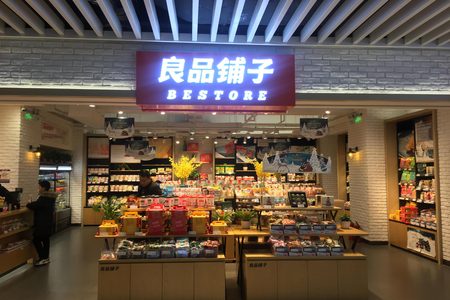
这家店是典型的工业风设计,线条利落,分区清晰。进店后,糕点、卤味、饮料、果干分区清晰,相比零食店而言,品类更宽,但品类内的SKU(最小存货单位)并不多。入口处有一整排罐装奶茶和饮料,“13.8元任选两罐”,提示“只限当天饮用”。这些当日限定的饮料已经成为店内供不应求的爆款。有人评论“去了三次都没买到奶茶”,还有人评论“我买的青芒话梅茉莉饮料超级好喝,买了三瓶不够喝,店员一拿出来就抢购一空”。

让这家店区别于传统零食店的,是一整套“信任装置”。

门口一行大字:“这里,你无需查看配料表”。进门就能看到LED屏滚动展示产品检测报告。墙上贴着“0防腐”“干净配方”的标语。货架上,每件商品都标注了一个字母——从A到E。A代表0防腐剂,E代表含有5-10种添加剂。观察发现,几多全门店里几乎所有商品都在D级以上,A/B级产品旁边,还会贴上“给孩子推荐”的标识。

一位犹豫的家长,看到这个标签后,果断把一盒果干放进了购物篮。收银台前,有人在凑代金券,购物篮堆得满满当当;也有人购物篮里只有一盒榴莲千层蛋糕或卤味鸭脖——下班顺路,买点小确幸。

几多全称这套体系为“JIPG食品配料净化等级表”,据称是行业首创。它还推行“一品一码”溯源——每件产品包装上都有二维码,扫码就能查看全套检测报告。门店收银小票的正面是购物清单,背面则印着品牌选品建议和“0防腐”承诺。

天下网商观察到,很多传统的零食——比如桃酥、沙琪玛、鱼干,在这里都被进行了“新鲜化改造”。它们变成了短保、精简配方的版本。这意味着,几多全不仅覆盖了成年人休闲嘴馋场景,还通过健康标志切入了儿童零食场景,甚至凭着健康、独特且具有一定稀缺性的供给,不失为一个伴手礼的选择。

几多全的创始人卢路成,也是黑色经典臭豆腐的联合创始人。黑色经典把长沙臭豆腐做成了全国近两千家加盟店的生意。而几多全,是这家集团在零食零售领域的二次创业。

据其介绍,“几多全”这个名字拆开来,分别代表“极微添加”“少即是多”和“生活圆满”。卢路成解释:“老百姓对中国食品是有一定情绪的,中国食品刚好到了这样一个转折点,需要有一些力量来把整个行业从质量、材料到体验进行重塑。”

目前,几多全单店SKU控制在300到400个,自有工厂产品贡献了50%以上营收。在长沙,几多全优质门店创下单月400万元的销售纪录。行业内的最高纪录是一家在北京的“一栗”门店,开业首月营收突破600万元。

门店的火爆一部分原因是仍处于开业红利期。天下网商发现,这家新开业的几多全门店运营做得很细。不仅设置了会员卡充值返现的活动,在大众点评上,还推出了超过60个品的团购券。57元代60元的代金券,已经售出超5.1万单——这距离它开业不过1个多月时间。

在零食行业,排队是最好的广告,也是最贵的信任试用期。大多数消费对其评价是“品类丰盛”、“不是很贵”、用了团购券后“比较划算”,开业的热度之后,考验的是持续的复购。

新鲜零食,没有“新手”

几多全不是孤例。金粒门、蒲妈妈、一栗……一批打着“新鲜”“短保”“0防腐”旗号的零食店,正在购物中心B1层、社区商圈里密集出现。一栗还把炒货搬进了店里,近7成收入来自门店现制与手作。零售与餐饮的界限,正在变得模糊。

这一新物种的出现,几乎是行业共同推动的出口。

过去的一年,当量贩零食的价格战打到极致,鸣鸣很忙和万辰集团用超4万家门店筑起双寡头格局,一批被挤出牌桌的玩家,与其说是主动,不如说是被迫走出来了一条新路。

蒲妈妈创始人郑政焕是这场内卷的亲历者。

他做过折扣零食品牌“好幸福”的操盘手,完整经历了零食行业从个体门店到折扣连锁的几轮迭代。他的判断是:量贩零食赛道已经彻底失去突围机会。于是,2024年他带领团队转向新鲜零食,创立蒲妈妈。

“消费者真正想要的,一直是质价比。接下来,单纯比价的风气会越来越弱。当每个品牌都在做自有产品,只要把产品做好、让顾客信任,大家愿意为好东西付费。”郑政焕说。

行业的另一个变量,是山姆带给中国零售业的震撼和启发。

山姆在中国市场的业绩有目共睹——2025年销售额突破1400亿元,付费会员数超过1070万。更让零售从业者艳羡的是那种对品牌的托付感,消费者愿意驱车前往郊区,一车一车地搬走商品,几乎不需要看配料表。

几多全创始人卢路成在多个场合表达过他的野心:“不能让外资企业代表中国食品的高度,应该由中国自己的力量把食品的段位拉高。”这句话指向的参照物也是山姆会员店。几多全想做的是:把山姆的“信任和品质”搬到离消费者更近的地方,而且不用付会员费。

山姆的成功不只教育了消费者“好零食值得溢价”,还催生了一大批具备高标准、短保生产能力的成熟食品工厂。

郑政焕透露:“我们现在筛选供应商,一定会确认对方是不是给盒马、山姆供货。因为山姆、盒马已经把最难的前期验厂和产品测试做完了。”蒲妈妈现有的21家合作工厂里,大部分都是给盒马、山姆供货的。

但能嫁接优质供应链的品牌,本身也具有相当的实力。整体来说,新鲜零食赛道的门槛在不断拔高。

郑政焕算过一笔账:蒲妈妈专卖店装修1200元/平方米,设备1800元/平方米,货品1500元/平方米,合计4500元/平方米,是传统量贩零食的2-3倍。再加上定制包材起订量动辄10万、20万个,工厂生产起订量最少100-200箱,单店根本无法消化。“做新鲜零食,门头挂什么品牌,店里就只能卖什么品牌,全部是定制产品,没有第三方通货。”

卷价格卷到尽头,剩下的唯一出路就是卷品质——但品质的入场券,贵得惊人。

目前赛道上的头部玩家,几乎都不是从零开始的草根团队,而是由成熟品牌孵化或资深从业者操盘。

比如,几多全背靠黑色经典集团,创始人卢路成有全国近两千家加盟店的操盘经验。蒲妈妈母公司惟鑫控股集团旗下拥有南洋大师傅、椰不二、铁酱披萨等多个消费品牌,产品体系和供应链深度融合集团资源。金粒门前身是板栗连锁品牌“金栗门”,2021年转型新鲜零食。一栗是从沈阳传统坚果加工作坊进化而来,2025年完成品牌升级。

此外,鸣鸣很忙以天使投资人身份入股新品牌“有·推荐”,绝味食品、茶颜悦色等跨界品牌纷纷入局。

这些玩家的共同特征是:拥有成熟的供应链管理能力、产品研发体系和渠道拓展经验。

新鲜零食的重资产、长周期、高门槛,恰好把大多数“轻模式”的创业者挡在了门外,但同时也保住了利润。据行业数据,量贩零食的综合毛利通常在15%左右,而新鲜零食品牌能做到30%-42%。

巨头入场、资本押注,赛道狂奔的元年

据市场人士向《商业观察家》透露,金粒门、几多全、一栗等头部新鲜零食品牌已经在和资本接触,估值区间在20亿到30亿元左右。

2026年被行业称为新鲜零食的“元年”。

这个称谓有两层含义:一是市场开始正视这条赛道的长期价值;二是所有人都知道,谁先跑出规模,谁就能拿到接下来几年的主动权。

商场优质点位有限,产品的定制、研发、降成本都需要门店体量和动销的规模。

目前行业内的玩家几乎都以直营为主,几多全是其中较为激进的玩家,放开加盟在今年目标千店。而蒲妈妈,则以商超店中店的模式,快速铺开。蒲妈妈计划2026年新开200家门店,一栗全国直营店达到约100家,金粒门走出湖南完成深圳、广州、南京等核心城市首店签约。

行业普遍认为,要支撑这种扩张,新鲜零食品牌仍需经历不小的考验。

一是损耗控制。新鲜零食的短保产品占比通常在40%左右,整体损耗率在8%-15%,而传统量贩零食的损耗率通常在1%-3%。每一家门店每天的动销、备货、调配,都要精确到以“天”为单位运转。

二是供应链的深度控制。新鲜零食品牌几乎都在走向“更重”的模式。

几多全采用“恒星+卫星”模式,湖南浏阳大型生产基地为核心,全国规划20个微型工厂,已落地重庆、广州、南京工厂。蒲妈妈自建了卤味、烘焙、坚果三大工厂,原因是“创业初期,没有工厂能满足要求,也没有工厂愿意陪跑”。一栗在沈阳建了自有工厂,金粒门在常州落地新工厂。

但即便供应链再强、系统再智能,新鲜零食有一个天然软肋:信任是它最值钱的资产,也是最脆弱的一环。

2026年初,金粒门被曝光代工厂存在生产日期篡改、卫生环境问题,虽然金粒门拿出了1200万元专项赔付金搞“假一赔十”,学“胖东来式救火”。 但1200万元或许可以买来一次原谅,难买回消费者“闭眼买”的习惯。

几多全几乎将品牌的全部注意力都投射到“健康”上,当品牌承诺“不用看配料表”,消费者就会把全部信任交付出去,自然也无法容忍任何一次品控漏洞。

但规模扩张越快,SKU越多,供应链环节越分散,品控的难度会指数级上升,尤其是对于已经大规模放开加盟的几多全而言。

在规模、品控和价格的“不可能三角”间,几家头部玩家们,仍在努力保持平衡。毕竟,规模可以用金钱复制,信任只能从一单单交易中累积。这一赛道的热闹才刚开始,真正的淘汰赛,也刚刚开始。

注:文/天下网商,文章来源:天下网商(公众号ID:txws_txws),本文为作者独立观点,不代表亿邦动力立场。

文章来源:天下网商

广告
微信
朋友圈

这么好看,分享一下?

朋友圈 分享

APP内打开

+1
+1
微信好友 朋友圈 新浪微博 QQ空间
关闭
收藏成功
发送
/140 0