广告
加载中

电商做“减法” 线下做“加法”:零食品牌开启利润保卫战

郑雅 2026-05-21 16:12
郑雅 2026/05/21 16:12

邦小白快读

EN
全文速览

本文核心介绍了当前国内休闲零食行业的新格局与品牌的最新调整策略,干货如下:

1. 行业现状:线下量贩零食连锁品牌爆发式增长,鸣鸣很忙2025年营收超661亿元,同比增长68.2%,净利润超23亿元同比增180.89%,门店超2万家;但上游8家上市休闲零食品牌大多出现营收净利双降或增幅收窄,行业整体利润承压。

2. 品牌最新调整动作:上游品牌普遍对线上电商做减法,砍掉低毛利、非核心产品,将线上定位为品牌传播、新品孵化阵地,拉高线上利润率;同时对线下做加法,加码量贩零食店、高端会员店找增量,不少品牌还开始布局海外市场开辟新增长空间。

3. 对消费者的影响:未来消费者可以在线下量贩店、高端会员店买到更多品牌新品,线上也会出现更多差异化的零食产品,缓解同质化低价竞争的问题。

本文梳理了休闲零食行业的最新趋势与头部品牌的转型经验,对零食品牌运营有较高参考价值,干货如下:

1. 行业与消费趋势:国内休闲零食已经进入存量竞争阶段,低价内卷导致上游品牌利润普遍承压,线下量贩零食、高端仓储会员店成为高增长渠道,消费者对线下即时购买、高性价比零食的需求持续上升,海外市场存在较大增量空间。

2. 渠道建设经验:线上重新定位,缩减贴牌、低毛利非核心产品,将电商转为品牌传播、新品孵化阵地,依靠新品差异化避开比价竞争,目前多个头部品牌线上毛利率已经高于线下且保持正增长;线下重点拓展量贩零食连锁、高端会员店,通过定制产品、联合打造爆品、提升SKU覆盖率获得增量。

3. 新增长布局:将出海作为战略级布局,选择国内已经验证的核心品类切入,搭配本土化产品研发,可缓解国内内卷压力,获得更高溢价空间。

本文梳理了休闲零食赛道的最新变化,指明了新的增长机会与风险,干货如下:

1. 当前可切入的增长市场:线下量贩零食店、高端仓储会员店是当下增速最高的线下渠道,2025年头部渠道商业绩增速均超过50%,仓储会员店零售额保持两位数增长;海外市场整体增速远超国内,东南亚、新兴市场增长尤为明显,是新的增量蓝海。

2. 可借鉴的实操经验:线上调整产品结构,砍掉低毛利非核心产品,聚焦新品孵化与品牌营销,借助电商平台对新品的流量扶持拉高利润率;线下对接头部、腰部量贩渠道,针对渠道特性开发适配产品,提升终端覆盖获得增长;出海优先推出国内已经验证的核心爆品,降低试错成本。

3. 风险提示:国内线上流量成本高企,低价内卷严重,利润空间被持续压缩;出海需要投入大量资金搭建海外供应链,对品牌的本土化运营能力要求较高,需要提前做好规划。

本文梳理了休闲零食行业的最新变化,给休闲零食生产工厂带来了新的机会与启示,干货如下:

1. 产品生产与设计需求变化:当前品牌针对不同渠道做差异化产品开发,比如给量贩渠道开发盒装产品提升客单价,给高端会员店定制专属爆品,给海外市场做本土化产品研发与包装设计,工厂可针对性调整生产方案,承接品牌的定制化生产需求,拓展业务空间。

2. 新的商业机会:线下量贩渠道高速扩张,多个品牌在该渠道的收入增速超过30%,部分品牌甚至达到50%;品牌出海布局加速,盐津铺子已经投资2.2亿元建设泰国海外生产基地,带动海外配套生产需求,工厂可抓住这两轮扩张机会,拓展品牌客户订单。

3. 数字化转型启示:品牌线上转向新品孵化,对新品研发生产的响应速度要求更高,工厂需要提升柔性生产能力,适配小批量多批次的新品生产需求,同时可提前布局海外生产配套资源,对接出海品牌的需求。

本文梳理了休闲零食行业的最新发展趋势,明确了品牌与渠道的痛点,给相关服务商指明了业务方向,干货如下:

1. 行业发展趋势:国内休闲零食行业已经进入转型期,从过去追求规模增长转向追求利润增长,品牌普遍调整渠道结构,线上做减法优化利润,线下做加法拓展增量,战略层面集体发力出海,整个行业的结构调整带来了大量服务需求。

2. 核心客户痛点:品牌端面临国内线上低价内卷、利润不足的问题,同时出海需要搭建海外供应链、完成本土化品牌运营,缺乏相关资源与能力;线下量贩渠道高速扩张,需要稳定的供应链整合、选品、门店运营配套支持。

3. 对应业务机会:可针对品牌推出新品研发、用户洞察相关服务,帮助品牌打造差异化新品,提升线上毛利率;针对品牌出海推出海外渠道对接、供应链搭建、本土化运营服务;针对线下量贩渠道推出供应链整合、选品、门店运营服务,匹配行业增长需求。

本文披露了休闲零食品牌对渠道平台的最新需求,以及现有渠道的发展动向,对平台运营调整有参考价值,干货如下:

1. 品牌对平台的核心需求:线上平台方面,品牌不再只追求流量规模,更需要能支持新品发展、避开低价比价内卷的经营环境,希望平台给新品更多流量扶持;线下渠道方面,品牌需要高复购、高增长的线下流量入口,需要渠道开放合作、支持联合打造爆品,共同做大增量。

2. 现有平台的最新发展动向:线上平台已经开始推出新品扶持政策,给新品提供专门入口、大促专场流量支持,契合品牌当前的结构调整需求;线下量贩零食平台已经进入爆发期,头部品牌鸣鸣很忙GMV超935亿元,门店超2万家,好想来GMV位列行业第一,成为品牌线下增量的核心载体。

3. 运营调整方向:线上平台可继续加大新品扶持力度,优化低价比价的规则,缓解内卷,吸引品牌深耕;线下量贩平台可加大招商力度,开放联合推爆品的合作支持,满足品牌的增量需求,同时管控利润空间,实现品牌与平台的双赢。

本文展现了国内休闲零食产业转型的最新动向,暴露了产业发展中的新问题,对产业研究有较高的样本价值,干货如下:

1. 产业新动向:国内休闲零食产业已经进入存量竞争阶段,下游量贩零食连锁渠道完成整合爆发式增长,挤压上游品牌利润,上游品牌集体开启利润保卫战,战略调整方向清晰:线上重新定位为品牌传播与新品孵化阵地,通过做减法优化产品结构拉高利润率;线下做加法,加码量贩零食、高端会员店等新业态获取增量;战略层面集体出海,开拓海外市场缓解国内内卷压力。

2. 产业新问题:转型过程中也出现了新的待解课题,品牌线上转型对新品研发、用户洞察、营销运营的能力要求大幅提升,多数中小品牌难以达标;出海需要持续投入海外供应链建设与品牌推广,如何在海外市场构建中国零食品牌的影响力与竞争力,还没有成熟的解决方案。

3. 新模式参考:行业探索出的线上做品牌孵化+线下新业态做增量+海外拓新场的转型模式,为国内快消存量竞争时代的产业转型提供了典型研究样本。

返回默认

声明:快读内容全程由AI生成,请注意甄别信息。如您发现问题,请发送邮件至 run@ebrun.com 。

我是 品牌商 卖家 工厂 服务商 平台商 研究者 帮我再读一遍。

Quick Summary

This article outlines the new landscape of China's domestic casual snack industry and the latest brand adjustment strategies, with key takeaways as follows:

1. Industry Status Quo: Offline mass-market snack chains have experienced explosive growth. Mingming Mangmang is projected to exceed 66.1 billion yuan in revenue in 2025, representing a 68.2% year-over-year increase; its net profit will top 2.3 billion yuan, up 180.89% year-over-year, with over 20,000 stores nationwide. However, most of the 8 listed upstream casual snack brands have reported both revenue and net profit declines, or slowing growth, putting overall industry profits under pressure.

2. Latest Brand Adjustments: Upstream brands are generally cutting back on online e-commerce operations, eliminating low-margin, non-core products. They are repositioning online channels as hubs for brand building and new product incubation to boost online profit margins. Meanwhile, they are expanding offline presence, ramping up布局 in mass snack stores and high-end membership stores to drive growth, and many have also started exploring overseas markets to open up new growth space.

3. Impact on Consumers: In the future, consumers will be able to find more new brand products at offline mass stores and high-end membership stores, and see more differentiated snack offerings online, which will ease the problem of homogeneous low-price competition.

This article summarizes the latest trends in the casual snack industry and transformation experiences of leading brands, offering high reference value for snack brand operations. Key takeaways are as follows:

1. Industry and Consumer Trends: China's casual snack market has entered a stage of stock competition. Low-price cutthroat competition has put widespread profit pressure on upstream brands, while offline mass snack retail and high-end warehouse membership stores have emerged as fast-growing channels. Consumer demand for offline instant purchases and cost-effective snacks continues to rise, and overseas markets hold considerable growth potential.

2. Channel Development Experience: Brands are repositioning online channels, cutting out private-label and low-margin non-core products, and transforming e-commerce into a hub for brand communication and new product incubation. By leveraging differentiated new products, they avoid price comparison competition, and multiple leading brands now already have higher online gross margins than offline, with online margins continuing to grow. Offline, brands focus on expanding into mass snack chains and high-end membership stores, capturing growth through customized products, co-developed hit products, and expanded SKU coverage.

3. New Growth布局: Brands are positioning overseas expansion as a strategic priority. Entering overseas markets with proven core categories that have succeeded domestically, paired with localized product R&D, can ease domestic competitive pressure and deliver higher profit margins.

This article sorts out the latest changes in the casual snack track and identifies new growth opportunities as well as risks. Key takeaways are as follows:

1. Accessible Growth Markets: Offline mass snack stores and high-end warehouse membership stores are currently the fastest-growing offline channels. Leading channel operators all posted revenue growth exceeding 50% in 2025, and warehouse membership stores maintain double-digit retail sales growth. Overall growth in overseas markets far outpaces that of the domestic market, with particularly strong growth in Southeast Asia and other emerging markets, making these regions a blue ocean for new growth.

2. Actionable Takeaways: Adjust online product portfolios by cutting low-margin non-core products, focusing on new product incubation and brand marketing, and leveraging e-commerce platforms' traffic support for new products to boost profit margins. Offline, partner with leading and mid-tier mass snack channels, develop channel-adapted products, and capture growth through expanded terminal coverage. For overseas expansion, prioritize launching proven core hit products from the domestic market to lower trial-and-error costs.

3. Risk Warnings: Domestic online traffic costs remain elevated, and cutthroat low-price competition continues to compress profit margins. Overseas expansion requires large capital investment to build overseas supply chains, and places high demands on a brand's localized operation capabilities, requiring advance planning.

This article summarizes the latest changes in the casual snack industry, outlining new opportunities and implications for casual snack manufacturers. Key takeaways are as follows:

1. Shifts in Product Manufacturing and Design Demand: Brands are now developing differentiated products for different channels — for example, creating boxed products for mass channels to lift average order value, developing exclusive hit products for high-end membership stores, and adapting R&D and packaging for overseas markets. Factories can adjust their production plans accordingly to take on brands' customized production needs and expand their business scope.

2. New Business Opportunities: Offline mass channels are expanding rapidly, with multiple brands recording revenue growth exceeding 30% in this channel, and some even hitting 50%. As brands accelerate overseas expansion — for example, Yanjin Puzi has invested 2.2 billion yuan to build an overseas production base in Thailand, driving demand for supporting overseas manufacturing — factories can capitalize on these two waves of expansion to secure more orders from brand clients.

3. Implications for Digital Transformation: As brands shift online operations toward new product incubation, they demand faster response times for new product R&D and manufacturing. Factories need to improve flexible production capabilities to accommodate small-batch, multi-batch new product production, and can proactively布局 overseas production supporting resources to meet the needs of brands expanding abroad.

This article sorts out the latest development trends of the casual snack industry, identifies pain points for brands and channels, and points out clear business directions for relevant service providers. Key takeaways are as follows:

1. Industry Development Trends: China's casual snack industry has entered a transformation period, shifting from pursuing scale growth to profit growth. Brands are generally adjusting their channel structure: cutting back online to optimize profits, expanding offline to capture growth, and collectively prioritizing overseas expansion at the strategic level. This industry-wide restructuring has generated substantial new demand for services.

2. Core Client Pain Points: For brands, domestic online cutthroat low-price competition has eroded profits, while overseas expansion requires building overseas supply chains and completing localized brand operations, for which most brands lack relevant resources and capabilities. For fast-expanding offline mass channels, they need stable supporting services for supply chain integration, product selection, and in-store operations.

3. Corresponding Business Opportunities: Service providers can offer new product R&D and consumer insight services to brands, helping them develop differentiated new products and lift online gross margins. For brands expanding overseas, providers can offer services for overseas channel connection, supply chain building, and localized operation. For offline mass channels, providers can offer supply chain integration, product selection and in-store operation services to match the industry's growth demand.

This article discloses casual snack brands' latest demands for channel platforms and current development trends of existing channels, offering reference value for platform operation adjustments. Key takeaways are as follows:

1. Brands' Core Demands for Platforms: For online platforms, brands no longer only pursue traffic scale — they now need an operating environment that supports new product development and helps avoid low-price cutthroat competition, and expect platforms to provide more traffic support for new products. For offline channels, brands need high-retention, high-growth offline traffic entry points, and expect channels to open up cooperation, support co-developed hit products, and jointly expand growth.

2. Latest Development Trends of Existing Platforms: Online platforms have already begun rolling out new product support policies, offering dedicated entry points and promotional event traffic for new products, which aligns with brands' current restructuring needs. Offline mass snack platforms have entered an explosive growth phase: leading player Mingming Mangmang has exceeded 93.5 billion yuan in GMV with over 20,000 stores, while Haoxianglai ranks first in the industry in GMV. Both have become core carriers of offline growth for brands.

3. Recommended Operational Adjustments: Online platforms can further increase support for new products, optimize rules that encourage low-price price wars to ease cutthroat competition, and attract brands to deepen their operations on the platform. Offline mass platforms can step up investment attraction, open up cooperation support for co-developing hit products to meet brands' growth demand, while managing profit margins to achieve a win-win outcome for both brands and platforms.

This article presents the latest developments in the transformation of China's domestic casual snack industry and reveals new emerging issues in industrial development, offering high sample value for industrial research. Key takeaways are as follows:

1. New Industrial Developments: China's casual snack industry has entered a stage of stock competition. Downstream mass snack chain channels have completed consolidation and entered explosive growth, squeezing profits from upstream brands. In response, upstream brands have collectively launched a profit defense campaign with clear strategic adjustment directions: repositioning online as a hub for brand communication and new product incubation, optimizing product portfolios through consolidation to lift profit margins; expanding offline presence by ramping up布局 in new formats such as mass snack stores and high-end membership stores to capture growth; and collectively pursuing overseas expansion at the strategic level to open up new markets and ease domestic competitive pressure.

2. New Unresolved Industrial Issues: The transformation has also brought new unresolved challenges. Online transformation has greatly raised requirements for new product R&D, consumer insight, and marketing operation capabilities, which most small and medium-sized brands cannot meet. Overseas expansion requires sustained investment in overseas supply chain construction and brand promotion, and no mature solution yet exists for building influence and competitiveness for Chinese snack brands in overseas markets.

3. Reference for New Transformation Models: The industry's explored transformation model — "online brand and new product incubation + offline new format growth + overseas market expansion" — provides a typical research sample for industrial transformation in the era of stock competition in China's fast-moving consumer goods sector.

Disclaimer: The "Quick Summary" content is entirely generated by AI. Please exercise discretion when interpreting the information. For issues or corrections, please email run@ebrun.com .

I am a Brand Seller Factory Service Provider Marketplace Seller Researcher Read it again.

藏在财报里的零食兴衰密码。

文丨郑雅

编辑丨董金鹏 石航千

【亿邦原创】今年五一,长沙芙蓉广场,“零食王国”爆了。“零食王国”是鸣鸣很忙旗下全球最大零食店,假期接待人数超过26.5万人次,其中单日最高超6万人次、日均客流达5.3万。

和门店客流一样“火爆”的,还有鸣鸣很忙2025年的业绩。去年全年,鸣鸣很忙收入超661亿元,同比增长68.2%,净利润超23亿元,同比增长180.89%。

然而,与此形成强烈对比的是,鸣鸣很忙的上游休闲零食品牌,各家的业绩却出现放缓或者下滑。

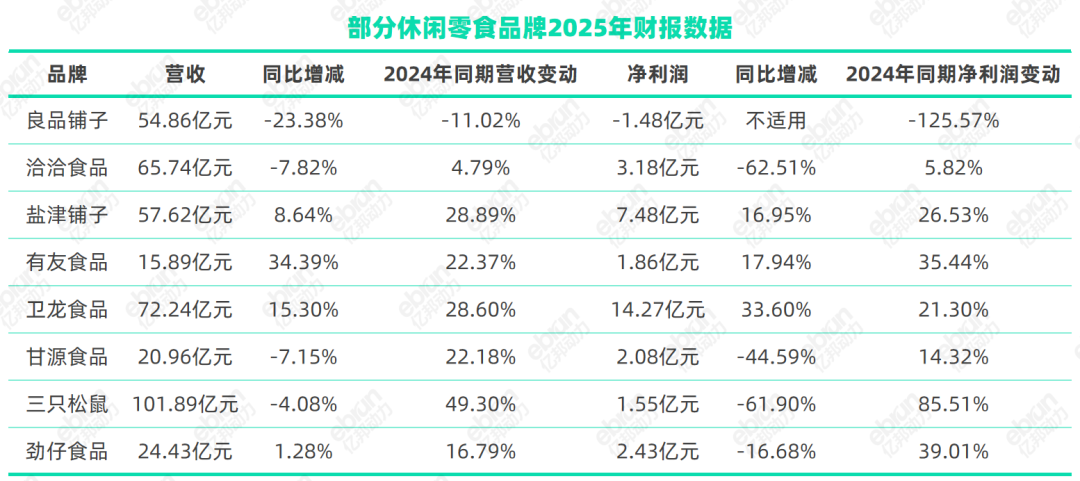
亿邦动力整理了8家上市公司的2025年财报,发现良品铺子、洽洽食品、甘源食品和三只松鼠均为营收净利“双降”,盐津铺子营收、净利润增幅较2024年收窄,有友食品净利润增幅收窄,卫龙营收增幅收窄。

图片

渠道和品牌是唇齿相依的关系。在营收利润双承压下,零食品牌们也在调整渠道之间所承担的角色,即从线上渠道找利润点、从线下量贩零食店与高端会员店渠道找增量。国内市场放缓,部分品牌开始从战略层面发力海外市场。

从“增长”到“传播”,电商渠道的定位变了

尽管行业整体承压,但电商渠道仍有许多亮点。比如从年报来看,洽洽食品、良品铺子、盐津铺子等品牌的电商业务毛利率就表现突出。

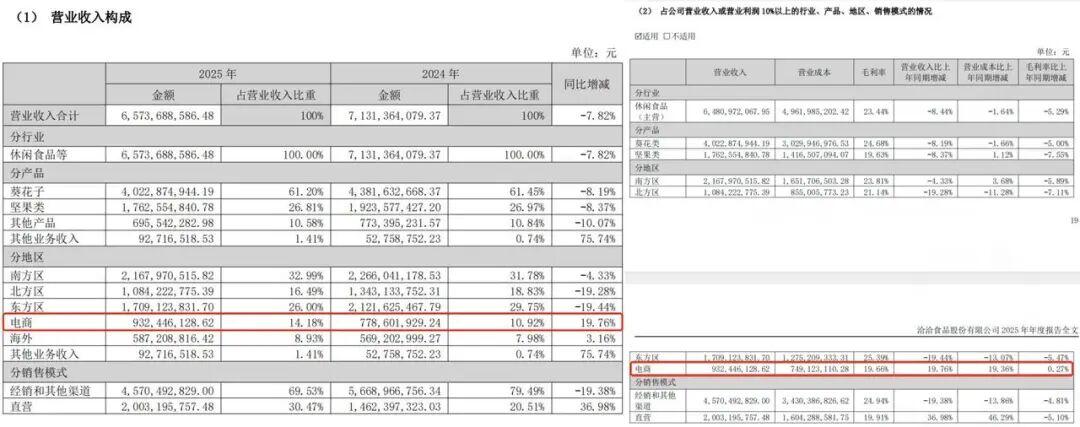
2025年,洽洽食品南方区、北方区和东方区的收入同比下滑,电商业务保持住增长,收入9.32亿元同比增长19.76%。按营业收入划分方式,电商收入增幅仅次于其他业务。另外,按照洽洽食品“分地区”的划分方式,电商是唯一保持毛利率正增长的板块。

图片

图源:品牌财报

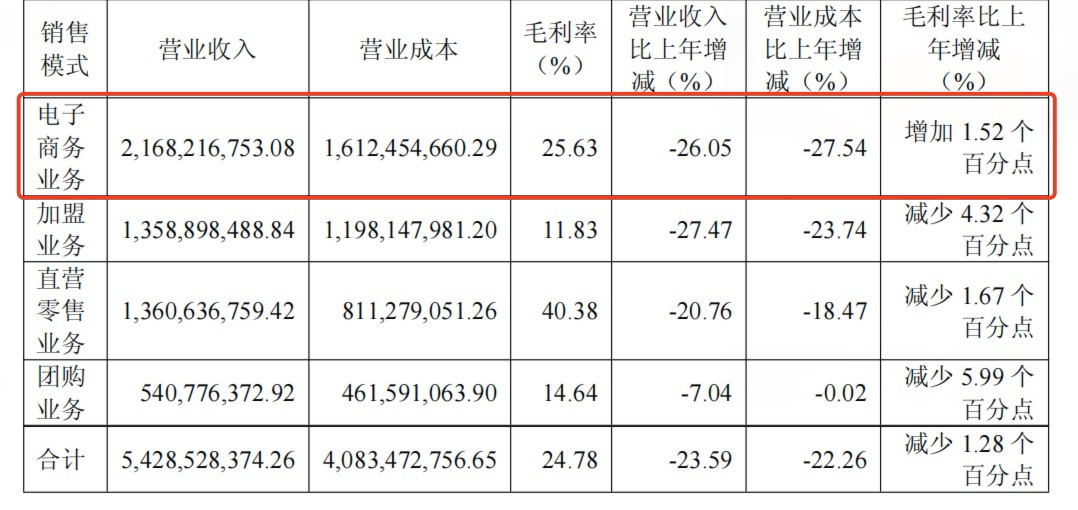
同样的,良品铺子的电商、加盟、直营零售与团购等业务,只有电商毛利率是同比增长的状态。

图片

图源:品牌财报

盐津铺子,也在调整自身对线上渠道的经营策略。2025年,盐津铺子线上渠道营收同比下降20.50%,达9.22亿元;营业成本同比减少21.62%。从毛利表现看,线上渠道的毛利率为34.21%,高于线下渠道30.15%的毛利率。毛利率的同比变化,线上渠道的毛利率增幅也略高于线下渠道。

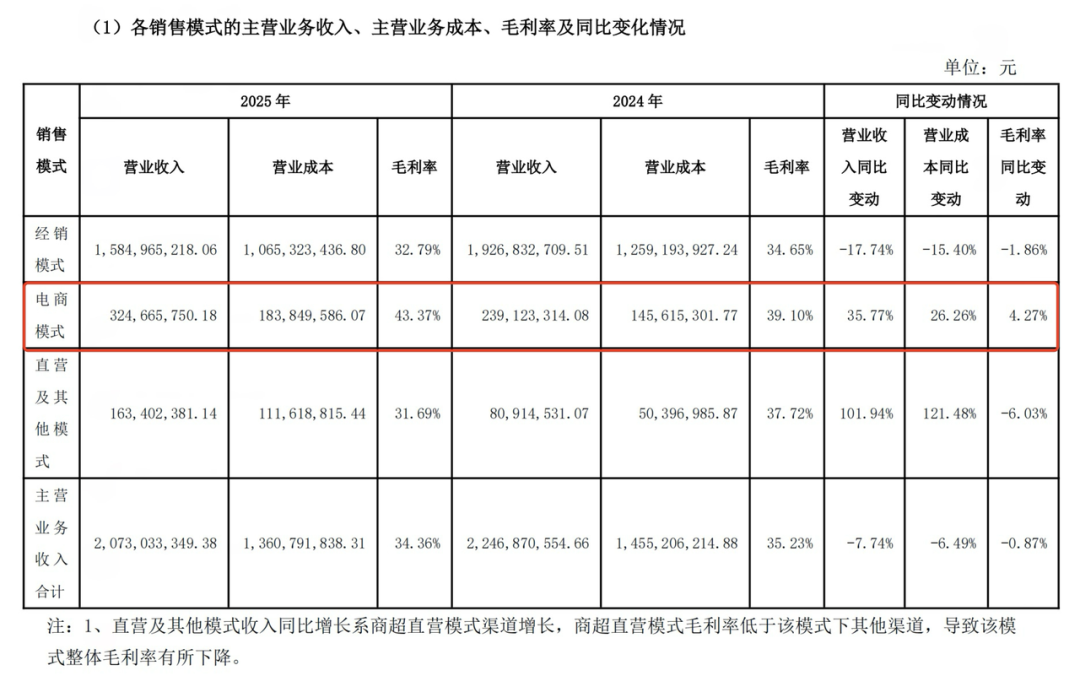
甘源食品,电商毛利率在其销售体系中更加突出。在经销、电商和直营及其他模式中,电商毛利率最高,达43.37%。和其他两种模式相比,电商的毛利率优势还在拉大。此外,三种主要的销售模式,仅电商的毛利率为同比增长的状态,增幅为4.27%。

图片

图源:品牌财报

品牌营收利润放缓或者下滑,为什么电商业务的毛利率却有不俗表现?究其原因,这些品牌在2025年都对电商业务的定位做了调整。

2025年5月开始,盐津铺子主动调整电商业务,缩减了该渠道中的贴牌产品、非重点产品以及低毛利产品。在电商业务的职能定位上,盐津铺子更强调“品牌传播”“新品孵化”等。

这种调整也延续到了今年一季度。在投资者关系活动记录表中,盐津铺子表示,虽然调整短期会拖累收入增速,但有利于利润模型优化和品牌化发展。一季度内,盐津铺子的毛利率有接近3个百分点的增幅,其中渠道结构优化就是主要原因之一。

甘源食品同样把电商作为“新品首发和品牌营销的主阵地”,希望用品牌的战略新品使线上产品生态更健康。

近几年,流量成本不断上涨,平台强调低价和比价,让电商逐渐变成一个低毛利的渠道。某头部零食品牌负责人曾告诉亿邦动力,为了建立高性价比优势,线上定价是“一分一分抠下来的”。“如果能在加工环节少几分钱、在某个成本端少几分钱,就可能改变整体的价格结构。有时候甚至物流端一毛钱的差异,就能决定产品盈不盈利。”

过去一年,零食品牌们开始调整产品结构,利用新品提升电商渠道的毛利率。一方面,新品能让消费者更关注产品价值,而非价格;新品差异化卖点,也能帮品牌避开直接比价,获得更高定价空间。另一方面,电商平台也在重点扶持新品,不仅设有专门的频道入口,大促期间还设置专场活动,给予更多的流量扶持。

只是,当新品成为撬动市场的杠杆,零食品牌的新品研发、用户洞察和营销等能力也将迎来更大考验。

量贩店+会员店,线下也能打爆新品

尽管电商有许多亮点,但线下渠道在销售体系中依然占主导地位。华经产业研究院的数据显示,线下渠道是中国休闲零食销售的主要渠道,占比超80%,而电商渠道占比不到20%。

量贩零食店、高端会员店等,也是2025年财报里的关键词。从鸣鸣很忙、万辰集团等渠道企业的财报,可以明显地感受到,量贩零食是当前线下业态的高增长渠道。

2025年,鸣鸣很忙收入超661亿元同比增长68.2%,净利润超23亿元同比增长180.89%。截至2025年12月31日,该企业拥有21948家门店,过去一年完成935.69亿元GMV,同比增长68.50%。据透露,其门店客流量,单店单日为400-500人,客单价维持到30元。

再来看万辰集团,2025年量贩零食业务营收508.57亿元,同比增长59.98%。万辰集团旗下两大渠道品牌,即好想来和老婆大人,其中好想来的GMV,在中国零食饮料零售行业排第一。

这种精准触达目标受众、高复购、高粘性的线下渠道,自然受到零食品牌们的重视。

图片

劲仔食品已经与零食很忙、赵一鸣、好想来等超100家零食渠道系统达成合作,覆盖45000多家终端。2025年上半年,劲仔食品在量贩零食渠道的收入同比增长50%。劲仔食品在原有小包装产品的基础上,开发了盒装产品,并在重点的销售终端货架上陈列,以达到提升品牌曝光量、增加消费者触达概率和提升客单价。

洽洽食品,2025年加大对量贩零食连锁系统、会员店、即时零售等新兴渠道的资源投入和拓展力度,提升终端覆盖率并增加新品,因此在这些渠道销售收入均有较快增长。今年,他们还将即时零售、零食连锁部门升级为一级组织。

盐津铺子,2025年在零食量贩渠道的收入同比增长超30%。零食量贩渠道在其线下增速较快的渠道中位列第四。按照今年的规划,盐津铺子会重点拓展腰部零食量贩系统。在渠道策略上,他们希望通过增加SKU覆盖率、联合推出爆品等方式获得销售增量。

另一主力渠道是会员店。国家统计局数据显示,2025年,仓储会员店零售额保持两位数增长。特别是以山姆、盒马等为代表的高势能会员店,也是品牌线下布局中增速最快的渠道。

图片

比如盐津铺子,就在财报中提到,线下增长速度较快的渠道中,高势能会员店位列第二。盐津铺子利用定制产品、新品、核心单品,完成对会员店渠道的覆盖,还通过“宽SPU窄SKU”的策略来孵化爆品。2025年10月,盐津铺子的主力新品“溏心鹌鹑蛋”在山姆会员商店正式上架,“上市后持续供不应求,成为继鸡汤风味鹌鹑蛋之后的第二大单品”。

集体投向出海,要的不止销售增长

除了调整电商和重仓线下新业态,多个零食品牌的财报中,均提到要发力海外市场和推进品牌国际化。相较于前者,品牌出海则是战略层面的布局。

洽洽食品,在海外市场同样采用线上线下全渠道布局的策略。在线下渠道,洽洽食品以东南亚、中东、欧洲及北美等为重点区域,拓展咖啡茶饮、商超卖场、连锁便利和本土零售等场景,提高主流渠道终端网点数量与覆盖密度。而在线上,洽洽食品入驻了Joybuy、Lazada、Shopee等跨境电商平台。

除了葵花籽品类,洽洽食品在海外市场还增加坚果产品、魔芋产品、豆果产品等品类,同时进行本土化产品研发与包装设计。洽洽食品曾表示,其薯条、冰淇淋等产品已经在海外获得良好的市场反馈。

数据显示,2025年,洽洽食品海外地区的收入达5.87亿元,同比增长3.16%,营业占比为8.93%。

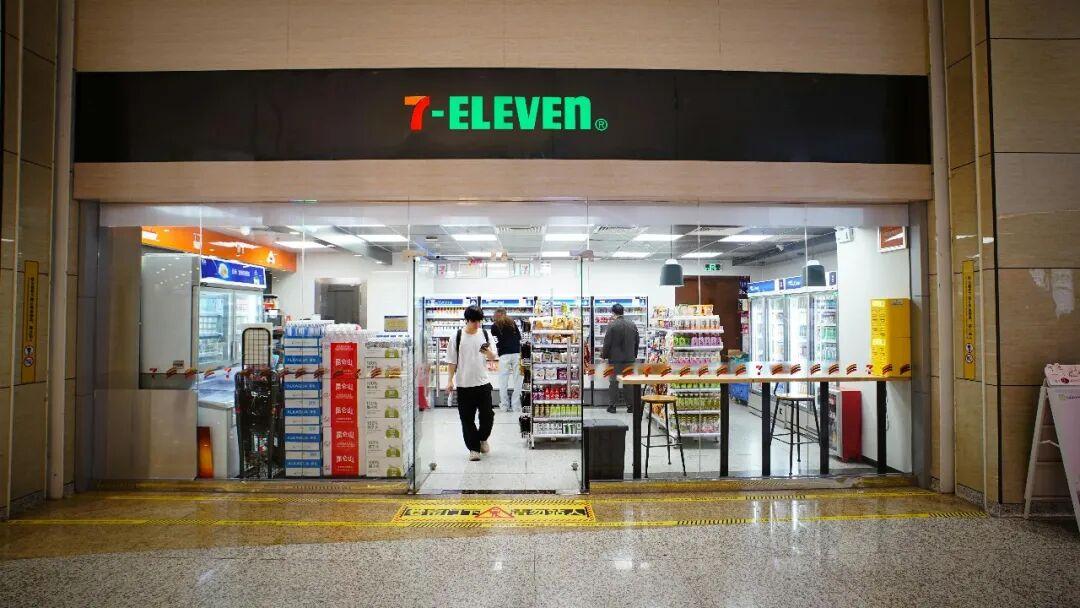
盐津铺子,则在海外市场重点推进自有品牌“Mowon”,已进入泰国7-11、美国99RanchMarket、新加坡思必客等主流零售终端,覆盖了近30个国家和地区。产品布局上,盐津铺子同样选择品牌的核心品类来拓展海外市场,如魔芋、鹌鹑蛋、芒果干等。

图片

2025年,盐津铺子海外销售收入1.71亿元,同比增长172.47%。盐津铺子增速较快的线下渠道,海外渠道位列第一。2025年2月,盐津铺子发布公告称,拟投资2.2亿元建设泰国生产基地,重点打造魔芋、薯片等为核心产品的智能化生产基地。据悉,这也是盐津铺子首次在海外布局生产基地。

劲仔食品,也发布针对海外市场的“Jin's劲仔”,产品出口到美国、日本、韩国等约40个国家和地区。2025年,劲仔食品境外收入2564.67万元,同比增长13.70%,占营收的1.05%。据悉,Jin's劲仔在东南亚、日韩、欧美等市场增长较快,海外市场的增速已经领跑国内市场。

2025年,甘源食品来自境外地区的收入达1.15亿元,同比增长38.54%,营收占比为5.50%,较此前逐渐升高。今年一季度,甘源食品进入印尼、马来西亚等新兴市场。在海外市场,甘源食品会重点布局豆类产品。

整体来看,零食品牌对海外市场的铺设较为广泛,涉及东南亚、日韩、欧美等多个区域;在产品的选择上,也以在国内市场被验证过的核心品类为主。

不久前,2026亿邦新竞争力品牌大会期间,分众传媒创始人、董事长江南春指出,品牌全球化是当下中国品牌十年红利的其中之一。

对零食品牌来说,拓展海外可以缓解国内市场中低价内卷、存量竞争的压力。他们以特色品类和特色产品,进入全球市场,也给品牌带来定价权和更高的溢价空间,带动营收和利润增长。

不过出海进程的加深,也倒逼品牌增加海外供应链建设的投入。随着中国零食大量涌向海外,如何在海外市场构建中国品牌的影响力和竞争力,将成为下一个急需解决的课题。

亿邦持续追踪报道该情报,如想了解更多与本文相关信息,请扫码关注作者微信。

文章来源:亿邦动力

广告
微信
朋友圈

这么好看,分享一下?

朋友圈 分享

APP内打开

+1
+1
微信好友 朋友圈 新浪微博 QQ空间
关闭
收藏成功
发送
/140 0