广告
加载中

解码3.6万亿工业用品市场价值跃迁

张睿 2026-06-16 21:01
张睿 2026/06/16 21:01

邦小白快读

EN
全文速览

本文核心介绍了当前中国3.6万亿工业用品MRO市场的整体发展情况和最新行业动态,核心干货如下:

1.核心市场与政策信息:据《2026年中国工业用品制造与流通报告》测算,中国工业用品MRO采购市场从2020年的2.79万亿元增长到2025年的3.60万亿元,年均复合增速约5.2%,预计2030年将达到4.42万亿元;国家“十五五”规划推动先进制造业与现代服务业深度融合,为行业发展带来了历史性机遇。

2.行业痛点与最新变化:工业用品行业长期存在供应商分散、商品参数不统一、选型比价难、履约稳定性不足等老问题,目前正在AI驱动下加速向产业协同平台转型,首届工业用品大会已在上海召开,龙头企业震坤行正式推出专门的工业AI大模型和行业大数据引擎,突破了AI落地的多个痛点。

本文为工业用品品牌商梳理了政策趋势、市场机会和发展方向,核心干货如下:

1.行业发展趋势:当前“十五五”规划推动先进制造业与现代服务业深度融合,工业用品行业正从传统商品流通领域,加速向产业协同平台和制造业服务基础设施演进,智能化、绿色化、高质量是行业发展的核心方向,市场规模持续增长,未来空间广阔。

2.产品研发方向:品牌商需要紧跟技术趋势,推动产品智能化升级,降低产品全生命周期碳足迹,主动参与产业协同,可依托头部平台的创新研发中心,和下游制造业合作伙伴共同开发升级产品,匹配市场需求。

3.渠道建设机会:品牌商可接入头部工业用品平台,解决传统模式下供应商分散、选型困难等痛点,依托平台的大数据和AI能力提升运营效率,通过产业协同强化自身品牌竞争力,抓住行业升级的红利。

本文为工业用品领域卖家梳理了政策方向、市场机会和发展建议,核心干货如下:

1.政策与市场空间:“十五五”规划明确将发展生产性服务业作为制造业高质量发展的核心支撑,政策红利持续释放;工业用品MRO市场2025年规模已经达到3.6万亿元,预计2030年将增至4.42万亿元,年均复合增速5.2%,属于持续增长的潜力市场。

2.行业机会与转型方向:传统工业用品流通存在诸多痛点,卖家可抓住产业互联网和AI发展的机遇,接入头部工业用品平台,借助平台的智能能力解决选型难、库存管理粗放等问题,提升运营效率。

3.风险提示与发展建议:AI时代信息透明度提升,平庸的产品会被淘汰,卖家要主动推进和客户、供应商、行业伙伴的产业协同,聚焦产品质量和产品创新,提升直接触达客户的能力,增强自身竞争力。

本文为制造工厂梳理了工业用品领域的变化,以及生产转型、数字化升级的相关启示,核心干货如下:

1.采购端的需求变化:当前传统以效率为导向的供应链已经不适应新的发展环境,制造业需要建设更具韧性的供应链,工厂可依托平台化、智能化的工业用品采购体系,解决传统采购中供应商分散、履约不稳定等痛点,降低采购综合成本。

2.商业合作机会:当前工业用品行业推动全产业链协同,头部平台震坤行已经在太仓、深圳建成创新研发中心,面向制造业合作伙伴开放,共同研发升级产品,工厂可借助平台的技术和资源,实现自身产品升级,拓展市场渠道。

3.数字化转型启示:工厂可对接行业成熟的AI和大数据能力,借助工业用品大模型和大数据引擎,优化自身的需求预测、库存管理等环节,提升生产端的整体运营效率,推进数字化转型落地。

本文为工业用品领域服务商梳理了行业趋势、客户痛点和技术落地方向,核心干货如下:

1.行业发展趋势:随着“十五五”规划推动先进制造业与现代服务业深度融合,工业用品行业从传统商品流通向制造业服务基础设施升级,生产性服务需求持续增长,AI和数字化技术给服务商带来了大量的市场机会,行业空间广阔。

2.核心客户痛点:工业用品领域长期存在供应商分散、商品参数不统一、选型比价困难、履约稳定性不足、库存管理粗放等痛点;AI落地工业场景还存在数据质量不足、模型幻觉、组织流程不匹配等新的堵点,等待服务商解决。

3.技术落地方向:可借鉴震坤行的落地路径,打造垂直领域的工业用品专用大模型,遵循使用即标注、一切可追溯可解释的设计原则,搭建PB级别的行业大数据引擎,积累高质量行业数据,解决行业痛点,助力全产业链降本增效。

本文为工业用品领域平台商梳理了市场需求、头部实践和发展方向,核心干货如下:

1.市场需求与政策方向:当前制造业对韧性供应链、智能化采购服务的需求强烈,传统采购模式的痛点突出,政策明确支持工业用品供应链向平台化、网络化、智能化升级,平台发展迎来历史性机遇。

2.平台定位方向:产业互联网平台不能只做商品买卖,属于大材小用,需要整合制造业上下游以及十大生产性服务业环节,打造开放的产业协同生态,依托AI能力深入商品数据治理、智能选型、需求预测、库存优化等核心环节。

3.运营落地与风险规避:AI落地要突破数据积累、流程组织重构、模型幻觉等六个关键环节,可成立专门的AI公司推进布局,同时要推动和客户、供应商、行业伙伴的开放协同,聚焦产品质量和创新,规避产品平庸化被淘汰的风险。

本文梳理了中国工业用品行业的最新发展动向,为产业研究提供了丰富的新信息和新观点,核心干货如下:

1.产业新动向与新商业模式:当前中国工业用品MRO市场2025年规模已经达到3.6万亿元,行业正从传统商品流通向产业协同平台、制造业服务基础设施演进,AI成为行业升级的核心驱动力,头部企业已经推出垂直领域的工业专用大模型,探索出开放协同的产业互联网新商业模式。

2.行业待解决的新老问题:行业长期存在供应商分散、商品标准不统一、供应链韧性不足等老问题,AI落地工业场景还存在数据质量不足、模型幻觉、组织流程不匹配等新问题,传统效率导向的供应链战略已经不适应新发展要求。

3.研究方向与政策启示:“十五五”规划将生产性服务业作为制造业高质量发展的核心,研究可聚焦生产性服务业与数字技术融合路径、产业互联网承载生产性服务业的模式、AI落地工业场景的解决方案等方向,为行业发展提供理论支撑。

返回默认

声明:快读内容全程由AI生成,请注意甄别信息。如您发现问题,请发送邮件至 run@ebrun.com 。

我是 品牌商 卖家 工厂 服务商 平台商 研究者 帮我再读一遍。

Quick Summary

This article outlines the overall development and latest industry dynamics of China's 3.6 trillion yuan MRO industrial supplies market, with key takeaways as follows:

1. Core market and policy insights: According to projections in the *2026 China Industrial Manufacturing and Distribution Report*, China's MRO procurement market will grow from 2.79 trillion yuan in 2020 to 3.60 trillion yuan in 2025, with a compound annual growth rate (CAGR) of approximately 5.2%, and is expected to reach 4.42 trillion yuan by 2030. China's 15th Five-Year Plan promotes the deep integration of advanced manufacturing and modern services, bringing unprecedented historical opportunities for industry development.

2. Industry pain points and latest developments: The industrial supplies sector has long struggled with fragmented suppliers, inconsistent product specifications, difficulties in product selection and price comparison, and unreliable fulfillment. Currently, the industry is accelerating its transformation toward industrial collaboration platforms driven by AI. The first China Industrial Supplies Conference was held in Shanghai, where leading player Zhenkunxing launched a dedicated industrial AI large model and an industry big data engine, addressing multiple key pain points hindering AI adoption in the sector.

This article summarizes policy trends, market opportunities and development directions for industrial supplies brands, with key takeaways as follows:

1. Industry development trends: Driven by the 15th Five-Year Plan's push for deep integration of advanced manufacturing and modern services, the industrial supplies industry is evolving from traditional product distribution toward industrial collaboration platforms and service infrastructure for manufacturing. Intelligence, green transition and high-quality development are the core directions of industry growth. The market scale is expanding continuously, offering vast room for future growth.

2. Product R&D directions: Brands should keep pace with technology trends, advance intelligent product upgrades, reduce the carbon footprint across product lifecycles, and actively participate in industrial collaboration. Brands can leverage the innovation R&D centers of leading industry platforms to co-develop and upgrade products with downstream manufacturing partners, to better match market demand.

3. Channel development opportunities: Brands can access leading industrial supplies platforms to solve long-standing pain points of the traditional model including fragmented suppliers and difficult product selection. By leveraging the platforms' big data and AI capabilities to improve operational efficiency, brands can strengthen their competitiveness through industrial collaboration and capture the dividends of industry upgrading.

This article outlines policy directions, market opportunities and development recommendations for sellers in the industrial supplies sector, with key takeaways as follows:

1. Policy and market size: The 15th Five-Year Plan explicitly positions the development of producer services as a core support for high-quality manufacturing growth, with continuous policy dividends being released. China's MRO industrial supplies market will reach 3.6 trillion yuan in 2025, and is projected to grow to 4.42 trillion yuan by 2030 at a 5.2% CAGR, making it a steadily growing market with strong potential.

2. Industry opportunities and transformation directions: Traditional industrial supplies distribution suffers from multiple pain points. Sellers can capitalize on the opportunities brought by industrial internet and AI development by accessing leading industrial platforms, leveraging the platforms' intelligent capabilities to solve pain points such as difficult product selection and rough inventory management, and improve operational efficiency.

3. Risk alerts and development recommendations: AI has increased information transparency in the industry, and mediocre products will be phased out. Sellers should proactively advance industrial collaboration with customers, suppliers and industry partners, focus on product quality and innovation, improve their capabilities for direct customer engagement, and strengthen their core competitiveness.

This article summarizes changes in the industrial supplies sector and related insights for production transformation and digital upgrading for manufacturing factories, with key takeaways as follows:

1. Changes in procurement demand: Traditional efficiency-oriented supply chains no longer fit the new development environment, and manufacturers need to build more resilient supply chains. Factories can leverage platform-based, intelligent industrial procurement systems to solve pain points of traditional procurement including fragmented suppliers and unstable fulfillment, and reduce overall procurement costs.

2. Business collaboration opportunities: The industrial supplies industry is currently promoting full-industry-chain collaboration. Leading platform Zhenkunxing has built innovation R&D centers in Taicang and Shenzhen, which are open to manufacturing partners for joint product R&D and upgrading. Factories can leverage the platforms' technology and resources to upgrade their own products and expand market channels.

3. Insights for digital transformation: Factories can connect to the industry's mature AI and big data capabilities, leveraging industrial-specific large models and big data engines to optimize core processes including demand forecasting and inventory management. This improves overall operational efficiency on the production side and supports the implementation of digital transformation.

This article sorts out industry trends, customer pain points and technology implementation directions for service providers in the industrial supplies sector, with key takeaways as follows:

1. Industry development trends: As the 15th Five-Year Plan pushes for deep integration of advanced manufacturing and modern services, the industrial supplies industry is upgrading from traditional product distribution to service infrastructure for manufacturing. Demand for producer services is growing continuously, and AI and digital technologies have created massive market opportunities for service providers, with broad industry space ahead.

2. Core customer pain points: The industrial supplies sector has long struggled with fragmented suppliers, inconsistent product specifications, difficulties in product selection and price comparison, unstable fulfillment, and rough inventory management. For AI implementation in industrial scenarios, new bottlenecks including insufficient data quality, model hallucination and mismatched organizational processes remain to be solved by service providers.

3. Technology implementation directions: Service providers can learn from Zhenkunxing's implementation path: build vertical-specific large models for industrial supplies that follow the design principles of "usage equals annotation" and full traceability and interpretability, build a petabyte-scale industry big data engine, and accumulate high-quality industry data to solve industry pain points and help the entire industry chain reduce costs and improve efficiency.

This article sorts out market demand, leading practices and development directions for industrial supplies platform operators, with key takeaways as follows:

1. Market demand and policy direction: Manufacturers now have strong demand for resilient supply chains and intelligent procurement services, while traditional procurement models suffer from prominent pain points. Policy explicitly supports the upgrading of industrial supply chains toward platform-based, networked and intelligent operation, bringing historic opportunities for platform development.

2. Platform positioning: Industrial internet platforms that only facilitate product transactions are underutilizing their potential. Instead, platforms need to integrate upstream and downstream manufacturing and links across ten categories of producer services, build an open industrial collaboration ecosystem, and leverage AI capabilities to deepen core processes including product data governance, intelligent selection, demand forecasting and inventory optimization.

3. Operation implementation and risk mitigation: AI implementation requires overcoming six key challenges including data accumulation, organizational process restructuring and model hallucination. Platforms can set up dedicated AI subsidiaries to advance this布局, while promoting open collaboration with customers, suppliers and industry partners, focusing on product quality and innovation to avoid the risk of being eliminated for commoditized mediocre offerings.

This article sorts out the latest development trends of China's industrial supplies industry and provides rich new information and insights for industrial research, with key takeaways as follows:

1. New industry trends and business models: China's MRO industrial supplies market will reach 3.6 trillion yuan in 2025. The industry is evolving from traditional product distribution toward industrial collaboration platforms and service infrastructure for manufacturing, with AI serving as the core driver of industry upgrading. Leading firms have already launched vertical-specific industrial large models and explored a new open-collaboration industrial internet business model.

2. Unresolved old and new industry problems: The sector has long grappled with long-standing issues including fragmented suppliers, inconsistent product standards and insufficient supply chain resilience. For AI implementation in industrial scenarios, new problems have emerged including insufficient data quality, model hallucination and mismatched organizational processes. Traditional efficiency-oriented supply chain strategies no longer meet the requirements of new development stages.

3. Research directions and policy insights: The 15th Five-Year Plan positions producer services as the core of high-quality manufacturing development. Future research can focus on topics including the integration path of producer services and digital technology, the model of industrial internet platforms hosting producer services, and solutions for AI implementation in industrial scenarios, to provide theoretical support for industry development.

Disclaimer: The "Quick Summary" content is entirely generated by AI. Please exercise discretion when interpreting the information. For issues or corrections, please email run@ebrun.com .

I am a Brand Seller Factory Service Provider Marketplace Seller Researcher Read it again.

如果说制造业是国民经济的“压舱石”,那么工业用品就是制造业的“毛细血管”。

《2026年中国工业用品制造与流通报告》测算,中国工业用品MRO采购市场规模已从2020年的2.79万亿元增长至2025年的3.60万亿元,年均复合增速约5.2%,预计到2030年有望达到4.42万亿元。

国家“十五五”规划纲要指示,推动先进制造业与现代服务业深度融合,加快发展生产服务业,巩固壮大实体经济。两业融合既关系到现代化产业体系建设,也关系到国际竞争中产业链供应链的韧性和安全水平。

在此背景下,工业用品行业正在从传统的商品流通领域,加速向产业协同平台和制造业的服务基础设施演进。尤其是在AI的驱动下,工业用品平台开始深入商品数据治理、智能选型、需求预测和库存优化等环节,承担了创新和产业协同的关键角色。

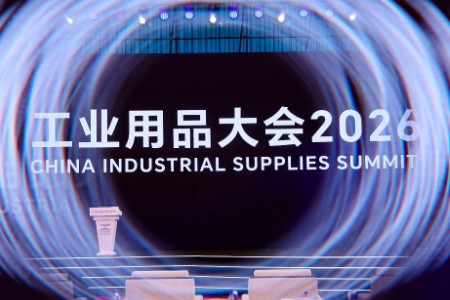
日前,在上海国家会展中心召开的第一届工业用品大会(CISS 2026),以“创新驱动・产业协同・价值跃迁”为主题,汇集了来自政府、学界、产业界的众多专家,共同探讨了新形势下工业用品行业的发展方向,以及先进制造业与现代服务业深度融合的新路径。

01

生产性服务业,工业用品平台发展的历史机遇

工业用品,特别是MRO(维护、维修、运营)物料,长期存在供应商分散、商品参数不统一、选型比价困难、履约稳定性不足、库存管理粗放等“老大难”问题。这正是生产性服务业供给不足的典型表现。

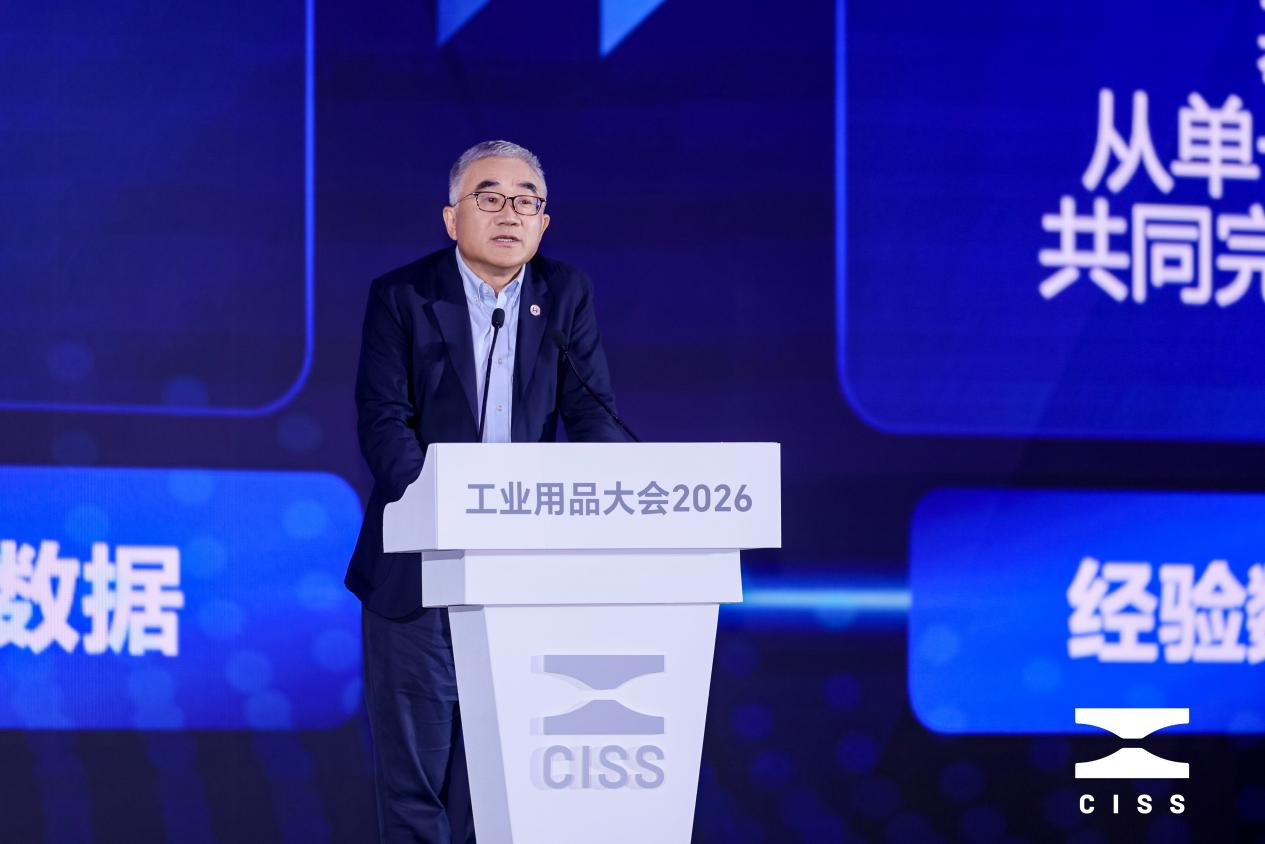
中国国家创新与发展战略研究会学术委员会常务副主席、重庆市原市长黄奇帆在演讲中指出,生产性服务业具有知识密集、科技创新密集、资源附加值密集的特征,是制造业高质量发展、技术进步与创新的温床和土壤。在“十五五”期间抓好生产性服务业是保证国民经济制造业高质量发展的关键所在。

可以说,站在“十五五”规划的开局之年,工业用品行业的宏观坐标被重新审视。

图片

从“十五五”规划纲要看,现代产业体系包括三部分的内容:一是优化提升传统产业,二是培育壮大新兴产业,三是前瞻布局未来产业。工业用品行业的高质量发展,不仅关系到传统产业的转型升级,而且与之结合的数字化、智能化技术也关系到的新兴产业的发展壮大。

正如中国社会科学院大学教授、中国工业经济学会名誉会长、国务院原副秘书长江小涓指出的,生产性服务业和数字技术是高度匹配的,第一,网络化可以提升规模效率,解决服务对象个性化带来的低效率;第二,数字化提高交易效率;第三,智能化带来的是新能力的涌现。

实际上,在过去十年间,生产性服务业的最佳载体产业互联网已经取得了长足的发展,而工业用品是其中最成熟的垂直行业,诞生了多家服务能力和技术能力领先的龙头企业。

“产业互联网里面,八九个环节都是生产性服务业的环节。”黄奇帆指出,“我们的产业互联网如果只用来做B2B、B2C的商品买卖是大材小用。产业互联网要把“1+10”的企业都放在网上——1是制造业企业,10是十大生产性服务业。制造和销售环节中的各种物流、金融、服务,还有各种各样的研究开发设计,都放在这个平台上。”

可见,从宏观政策背景下,制造业和生产性服务的发展要求,为工业用品平台的发展带来了一个历史性的机遇。

02

工业用品供应链,制造业的服务基础设施

当下,制造业还面临供应链安全的巨大挑战。

清华大学经济管理学院长聘教授肖勇波对供应链与运营管理有长期的学术研究,他表示:“在新时期,很多行业供应链面临巨大挑战,顾客需求多变,发展中国家的劳动力成本日渐提高,物流成本越来越高,地缘政治甚至时代的发展要求企业讲究社会责任等等,因此传统以效率为导向的供应链管理的战略已经不再适应新时期发展需要。”

建设具有韧性的供应链,已经是制造业企业必须直面的任务。对此肖勇波建议,应该着眼于四个方面:运营战略、运营结构、运营策略、数字化赋能。

工业和信息化部原部长李毅中也指出,供应链建设需要从传统采购模式向平台化、网络化、智能化升级,“未来供应链竞争不仅体现在流通和服务环节,更要向工业用品的质量、品种和品牌延伸,通过智能工业用品、产品碳标识体系建设以及新技术应用场景推广,推动工业用品向智能化、绿色化、高质量方向发展,以供应链能力提升支撑新型工业化和现代化产业体系建设。”

震坤行工业超市(上海)有限公司董事长兼CEO陈龙直言:“工业用品供应链能否成为各类制造业采购的基础设施,需要大量制造业企业、各类服务型企业以及研发等供应链环节共同参与建设。”

震坤行董事长兼CEO陈龙发表主题演讲

也就是说,供应链建设要求工业用品采购向平台化、智能化转型,而供应链能力的提升离不开产业协同。对此,陈龙指出,要与与客户协同、与供应商协同、与行业伙伴协同。震坤行在太仓和深圳建设的创新研发中心,正是为了与制造业合作伙伴共同研发和升级产品,推动整个产业链效率提升。

03

工业用品AI,打通产业化落地的“最后一公里”

在工业用品大会现场,多位嘉宾不约而同提到了智能化或者AI。AI行业的竞争,上半场比拼模型智能程度,下半场则比拼行业部署与交付能力。如何与产业结合,解决各行各业的实际问题,仍然是难点。

李毅中建议,提升工业用品智能化和绿色化水平,可以从三方面入手:第一,要推动工业用品智能化,使其成为多模态工业智能体;第二,要降低工业用品全生命周期碳足迹,建立工业用品碳标识;第三,要承上启下,协同组织开发开放高科技工业用品应用场景。

震坤行工业超市在大会上正式宣布成立工业用品大数据和大模型公司——玲珑智能,这也是该AI公司的首次公开亮相,震坤行首席技术官刘阳同时出任玲珑智能CEO。此举是震坤行深化工业用品领域AI布局、推进供应链智能化转型的重要举措,旨在依托技术能力服务产业链上下游,助力行业降本增效与整体效率升级。

刘阳从产业实践角度,分析了AI落地产业“最后一公里”要突破的几个关键环节:一是数据的积累;二是人的改变;三是流程的重构;四是系统的改变;五是模型本身的幻觉;六是组织的重构。

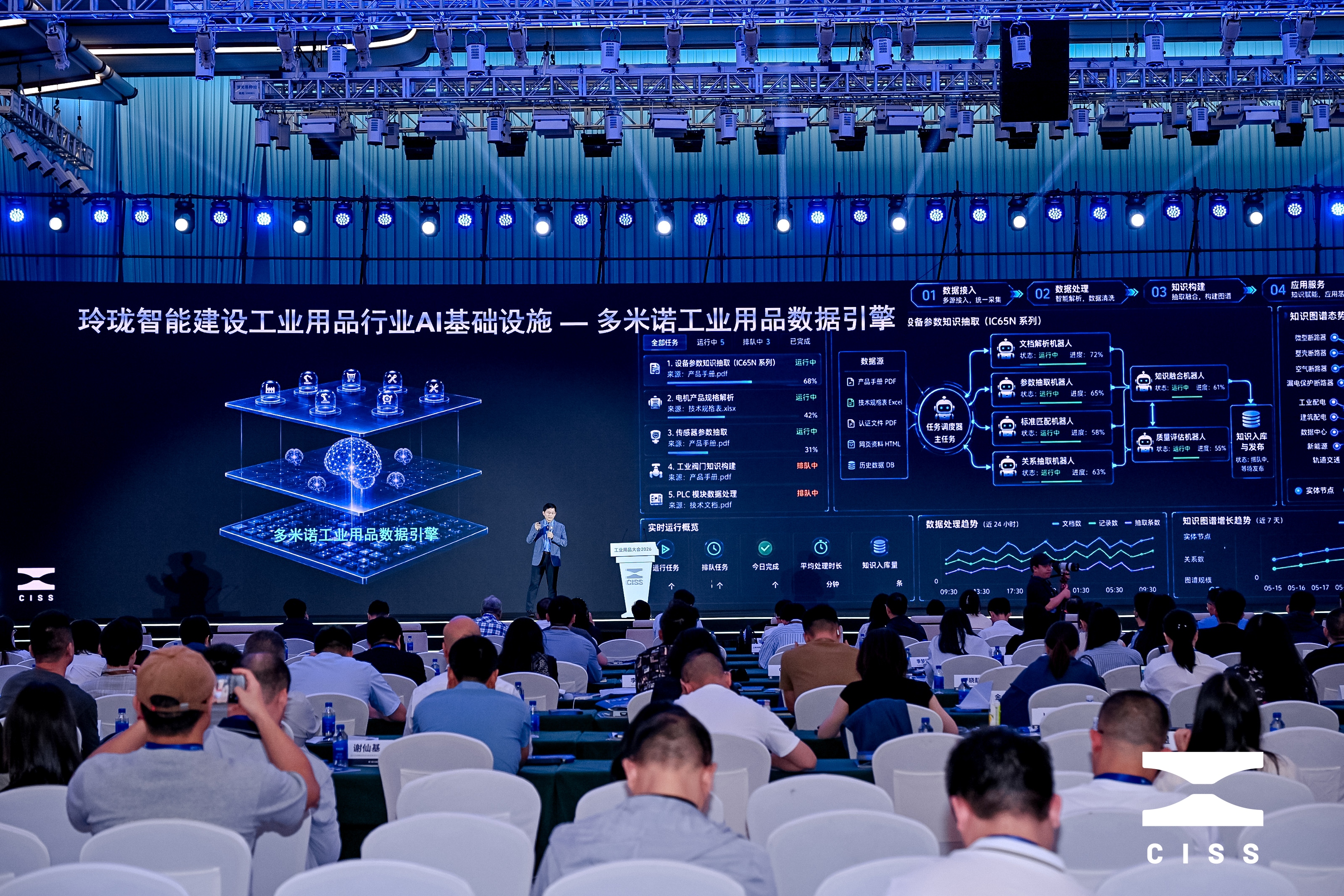
震坤行首席技术官、玲珑智能CEO刘阳发表演讲

工业用品场景价值高、容错率低,对模型精度与数据质量提出了更高的要求。针对其中模型幻觉问题,震坤行已经着重进行了技术革新,取得了实质性突破:全国唯一一个专注在工业用品领域的AI大模型“玲珑工业用品AI大模型”,做到几个设计原则:一是使用即标注,二是标注即训练,三是一切可追溯,四是一切可解释。

震坤行最新发布的“多米诺工业用品大数据引擎”,则解决了数据问题。该引擎作为工业用品行业首个PB级别、覆盖十亿级商品参数的行业大数据字典,技术上实现多智能体、自动标注、自动学习、全链路溯源等核心突破,用来产出行业高质量数据,支撑后续模型训练,放大模型效能。

技术的进展最终仍然要回归价值创造,正如大会主题所倡导的,创新驱动和产业协同,目标是实现价值跃迁。“在信息越来越透明的AI时代,被淘汰的往往不是‘小’,而是‘平庸’。在供过于求的时代,产品质量和产品创新变得越来越重要,能够直接触达客户的能力也变得越来越重要。”陈龙说。

文章来源:亿邦动力

广告
微信
朋友圈

这么好看,分享一下?

朋友圈 分享

APP内打开

赞 +1
+1
微信好友 朋友圈 新浪微博 QQ空间
关闭
收藏成功
发送
/140 0