广告
加载中

从核电站到亚冬会 从国内到中东 这只“机器狗”如何跑赢具身智能赛道?

何欣欣 2025-04-02 16:33
何欣欣 2025/04/02 16:33

邦小白快读

EN
全文速览

灵锶智能的机器狗在具身智能领域展现出强大应用实力和技术优势,助力多场景无人化作业。

1.重点应用场景:机器狗已服务于马拉松赛事作为配速员,核电站用于辐射监测,石化厂检测有毒气体泄漏,亚冬会配合公安巡检,未来还将拓展至井下作业和设备检修。这些场景解决了高危环境人力操作风险。

2.技术亮点:采用“大网络+小网络”架构,前端使用3D激光雷达精准感知环境,后端通过LXHB算法自主学习最优路径,训练时间从100小时缩短至3小时以内;关节电机设计在同等重量下扭矩提升30%,散热效率提高40%,且模块化结构支持快速替换,提升了实用性和可靠性。

3.市场表现:2025年1-2月爆单卖出几十台,覆盖国内及中东市场;2025年具身智能市场规模达9731亿元,年增速12.7%,四足机器人全球市场规模28亿美元(2024年),中国部分6.2亿美元,年增长率超35%。

灵锶智能通过技术创新和精准市场定位建立了品牌差异化优势,为品牌商提供启示。

1.产品研发与品牌定位:品牌以“替代人类从事危险工作”为使命,核心产品四足机器人结合算法和硬件创新,如LXHB算法和高效关节电机,提升了产品性能;面向工业巡检、公共安全等B端场景,未来探索To C高端应用如富豪庄园机器人,为品牌差异化提供模型。

2.品牌渠道建设:在中东市场,与本地集成商合作,利用其行业资源和售后网络,快速触达客户;策略包括优先布局油田业务合作伙伴,降低运营成本并借力“一带一路”政策。

3.消费趋势与用户行为:中东客户高购买力且价格敏感度低,适合高端产品定位;市场趋势显示中东工业机器人预计2030年规模破百亿元,中国产品在物流、安防等领域已验证适配性。品牌通过场景深耕和出海策略响应了用户对自动化的旺盛需求。

中东市场增长机会显著,需把握政策红利和技术壁垒,规避竞争风险。

1.政策解读与增长市场:中东政策如沙特“2030愿景”斥资23万亿元支持AI和高端制造,吸引华为等企业入驻;中国机器人企业可借“一带一路”对接,享受资源红利,中东市场增速超全球平均水平,潜力巨大。

2.消费需求变化与机会提示:中东油田巡检、边境巡逻等刚性需求攀升,劳动力短缺加速自动化替代;机会包括复制国内油田方案至海外,To C高端产品探索;可学习灵锶的“技术+场景”绑定策略,从细分赛道切入。

3.风险提示与事件应对:竞争激烈,头部企业如宇树科技抢占份额;正面影响是技术变革缩短开发周期50%,负面影响为家庭场景成本高;应对措施包括聚焦B端市场,推进零部件标准化量产,避免盲目跟风。

产品生产和设计需求聚焦优化成本与效率,工业机会推动数字化升级。

1.生产设计需求:灵锶关节电机采用模块化设计,降低了维护成本和替换难度;推进核心零部件标准化,以支持大规模量产计划,提升效率;耐高温电芯和散热优化应对极端环境,启示工厂需注重材料创新和环境适配。

2.商业机会:工业巡检需求如核电、油田等场景未被完全满足,高危环境无人化趋势提供了广阔市场;中东能源转型释放设备采购潜力,工厂可参与供应链合作。

3.推进数字化启示:AI数据驱动制造流程,缩短产品开发周期;启示工厂通过自研算法优化生产线,如LXHB算法减少训练时间,数字化工具链提升寻真能力,推动电商化合作与本地化服务。

行业高速发展,新技术和解决方案有效解决客户痛点。

1.行业发展趋势:具身智能市场规模突破9731亿元(2025年),年增速12.7%;四足机器人全球规模28亿美元,中国增速超35%,中东市场扩张快,为服务商提供成长空间。

2.新技术与客户痛点:灵锶创新“大网络+小网络”架构和LXHB算法,解决传统机器人环境感知弱、地形适应差的痛点;客户痛点包括高危环境作业风险(如辐射、有毒气体)、劳动力短缺,服务商可借鉴AI模型优化经验。

3.解决方案:提供适应复杂地形的巡检机器人,如优化电池散热应对中东高温;模块化设计支持快速维护;集成火焰识别、可疑物体检测等功能,解决安全监测需求;服务商需结合本地合作网络,提供端到端服务。

企业对平台需求聚焦合作和资源对接,平台需优化招商和风险管理。

1.商业需求与平台做法:企业对本地化服务网络和资源对接有强烈需求;平台如灵锶通过集成商合作快速触达中东客户,模式包括优先布局油田伙伴,整合售后能力;未来拓展To C高端产品,平台可助招商推广。

2.平台运营管理与风向规避:需规避竞争风险,建议专注细分场景(如工业巡检)而非广撒网;运营上借力政策如“2030愿景”,对接资金资源;管理策略包括技术支持本地合作,降低运营成本。

3.平台最新做法:以技术适配为根基,如针对中东环境定制产品;风向规避需平衡创新与务实,避免盲目扩张家庭场景;平台可学灵锶的理性“跟风”,在变革期锚定利基市场。

产业加速变革,初创企业商业模式创新带来政策启示。

1.产业新动向与新问题:具身智能赛道竞争激烈,AI技术成熟使初创企业如灵锶弯道超车,开发周期缩短50%;新问题包括家庭场景地形复杂、成本高障碍,影响C端扩展;产业动向显示中东蓝海市场崛起。

2.政策法规建议和启示:中东政策如沙特“2030愿景”提供红利,启示政府应支持创新企业入驻;建议完善合规框架,同时留出创新空间;国际政策对接如“一带一路”助力企业出海。

3.商业模式与代表案例:灵锶以细分场景(工业巡检)切入,构建技术壁垒;商业模式包括B端为主,探索To C;案例如核电站应用验证了“算法+硬件”双轮驱动;研究者可分析初创企业如何从头部品牌突围。

返回默认
声明:快读内容全程由AI生成,请注意甄别信息。如您发现问题,请发送邮件至 run@ebrun.com 。

我是 品牌商 卖家 工厂 服务商 平台商 研究者 帮我再读一遍。

Quick Summary

Lingsi Intelligence's robotic dogs demonstrate strong application capabilities and technical advantages in the embodied intelligence field, enabling unmanned operations across multiple scenarios.

1. Key Application Scenarios: The robotic dogs have served as pacers in marathons, conducted radiation monitoring in nuclear power plants, detected toxic gas leaks in petrochemical plants, and assisted public security patrols during the Asian Winter Games. Future applications will expand to underground mine operations and equipment maintenance, addressing the risks of human labor in high-hazard environments.

2. Technical Highlights: The architecture employs a "large network + small network" design. Front-end 3D LiDAR ensures precise environmental perception, while the back-end LXHB algorithm enables autonomous learning of optimal paths, reducing training time from 100 hours to under 3 hours. The joint motor design increases torque by 30% and improves heat dissipation efficiency by 40% at equivalent weight. A modular structure supports rapid replacement, enhancing practicality and reliability.

3. Market Performance: Dozens of units were sold in a surge during January-February 2025, covering domestic and Middle Eastern markets. The global embodied intelligence market is projected to reach ¥973.1 billion in 2025 with 12.7% annual growth, while the quadruped robot segment hit $2.8 billion globally in 2024 ($620 million in China) with over 35% growth rate.

Lingsi Intelligence has established brand differentiation through technological innovation and precise market positioning, offering insights for brand owners.

1. Product R&D and Brand Positioning: The brand's mission centers on "replacing humans in hazardous work." Core quadruped robots integrate algorithmic and hardware innovations like the LXHB algorithm and high-efficiency joint motors to enhance performance. Targeting B2B scenarios like industrial inspection and public safety, with future exploration of To C applications such as luxury estate robots, provides a model for brand differentiation.

2. Brand Channel Development: In the Middle East, partnerships with local integrators leverage their industry resources and after-sales networks for rapid customer reach. Strategies include prioritizing oil field business partners to reduce operational costs while capitalizing on Belt and Road Initiative policies.

3. Consumer Trends and User Behavior: Middle Eastern customers exhibit high purchasing power and low price sensitivity, aligning with premium product positioning. Market trends indicate the Middle East industrial robot market will exceed ¥10 billion by 2030, with Chinese products having proven adaptability in logistics and security. The brand responds to strong automation demand through scenario specialization and overseas expansion strategies.

The Middle East market offers significant growth opportunities requiring strategic navigation of policy benefits and technical barriers while mitigating competition risks.

1. Policy Interpretation and Growth Markets: Middle Eastern policies like Saudi Arabia's "Vision 2030" allocate ¥23 trillion to support AI and advanced manufacturing, attracting companies like Huawei. Chinese robotics enterprises can leverage Belt and Road Initiative connections to access resource advantages, with the Middle East market growing faster than global averages.

2. Evolving Demand and Opportunity Indicators: Rigid demand for oil field inspection and border patrols is rising in the Middle East, accelerated by labor shortages. Opportunities include replicating domestic oil field solutions overseas and exploring premium To C products. Learning from Lingsi's "technology + scenario" binding strategy allows entry through niche segments.

3. Risk Alerts and Response Measures: Intense competition sees leaders like Unitree capturing market share. Positive impacts include technology advancements shortening development cycles by 50%, while negative factors involve high costs for home applications. Countermeasures include focusing on B2B markets, promoting standardized component mass production, and avoiding blind trend-following.

Product manufacturing and design requirements prioritize cost and efficiency optimization, with industrial opportunities driving digital upgrades.

1. Production Design Needs: Lingsi's modular joint motor design reduces maintenance costs and replacement difficulty. Promoting core component standardization supports mass production plans to enhance efficiency. High-temperature resistant battery cells and optimized heat dissipation for extreme environments highlight the need for material innovation and environmental adaptation.

2. Business Opportunities: Unmet demand in industrial inspection scenarios (nuclear power, oil fields) and the trend toward unmanned high-risk environments create vast markets. Middle Eastern energy transitions unlock equipment procurement potential, enabling factory participation in supply chain cooperation.

3. Digital Transformation Insights: AI-driven data optimizes manufacturing processes, shortening product development cycles. Factories can learn from self-developed algorithms like LXHB reducing training time, while digital toolchains enhance problem-solving capabilities, promoting e-commerce collaboration and localized services.

Rapid industry development sees new technologies and solutions effectively addressing client pain points.

1. Industry Trends: The embodied intelligence market exceeds ¥973.1 billion (2025) with 12.7% annual growth. The global quadruped robot market reaches $2.8 billion, with China growing over 35% and the Middle East expanding rapidly, creating growth space for service providers.

2. New Technologies and Client Pain Points: Lingsi's innovative "large network + small network" architecture and LXHB algorithm address weaknesses in traditional robots' environmental perception and terrain adaptation. Client challenges include operational risks in hazardous environments (radiation, toxic gases) and labor shortages, offering lessons in AI model optimization.

3. Solutions: Providing inspection robots adapted to complex terrains, such as optimized battery cooling for Middle Eastern heat. Modular designs enable quick maintenance, while integrated functions like flame detection and suspicious object identification meet security monitoring needs. Service providers should combine local partnership networks to deliver end-to-end services.

Enterprise platform demands focus on collaboration and resource connectivity, requiring optimized merchant recruitment and risk management.

1. Commercial Needs and Platform Practices: Strong demand exists for localized service networks and resource matching. Platforms like Lingsi rapidly reach Middle Eastern customers through integrator partnerships, prioritizing oil field partners and integrating after-sales capabilities. Future expansion into premium To C products creates opportunities for platform-led merchant promotion.

2. Platform Operations and Risk Mitigation: Competition risks necessitate focus on niche scenarios (e.g., industrial inspection) rather than broad coverage. Operations should leverage policies like "Vision 2030" for funding and resources. Management strategies include technical support for local partnerships to reduce operational costs.

3. Latest Platform Practices: Building on technical adaptability, such as products customized for Middle Eastern environments. Risk avoidance requires balancing innovation with pragmatism, avoiding reckless expansion into home scenarios. Platforms can learn from Lingsi's rational trend-following by anchoring niche markets during transformation periods.

Accelerating industry transformation sees startup business model innovations offering policy insights.

1. Industry Dynamics and Emerging Issues: Fierce competition in embodied intelligence enables startups like Lingsi to overtake incumbents with AI maturity cutting development cycles by 50%. Challenges include complex home environments and high costs hindering C-end expansion, while Middle Eastern blue ocean markets emerge.

2. Policy Recommendations and Implications: Middle Eastern policies like "Vision 2030" provide dividends, suggesting governments should support innovative enterprises. Recommendations include完善合规框架 while preserving innovation space, with international policy alignment like Belt and Road aiding overseas expansion.

3. Business Models and Case Studies: Lingsi's entry through niche scenarios (industrial inspection) builds technical barriers. The B2B-focused model explores To C potential, with nuclear power plant applications validating dual-drive "algorithm + hardware" strategies. Researchers can analyze how startups break through dominant brand barriers.

Disclaimer: The "Quick Summary" content is entirely generated by AI. Please exercise discretion when interpreting the information. For issues or corrections, please email run@ebrun.com .

I am a Brand Seller Factory Service Provider Marketplace Seller Researcher Read it again.

【栏目介绍】“EBRUN全球好物”是亿邦动力为发掘中国出海好产品而策划的系列内容,面向各行各业征集那些受到用户认可的产品及品牌,通过讲述他们的产品如何诞生、如何响应用户需求、如何挖掘差异化价值等,让更多人看到成为全球化新品牌的可能性。与此同时,亿邦动力还发起每年一次的“EBRUN全球好物”评选活动,联合专家评委从众多参选企业中选出最终获奖者。


文丨何欣欣

编辑丨何洋

设计丨杜杜

品牌名称:

灵锶智能LINXAI

创立时间:2023年5月

核心产品:四足机器人

主要市场:国内、中东

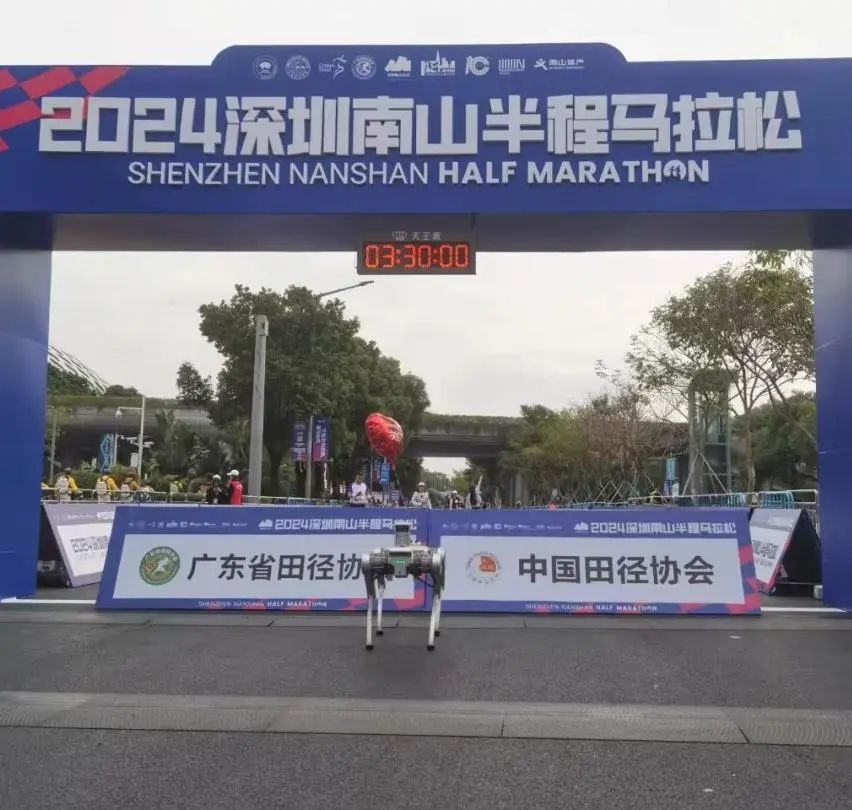
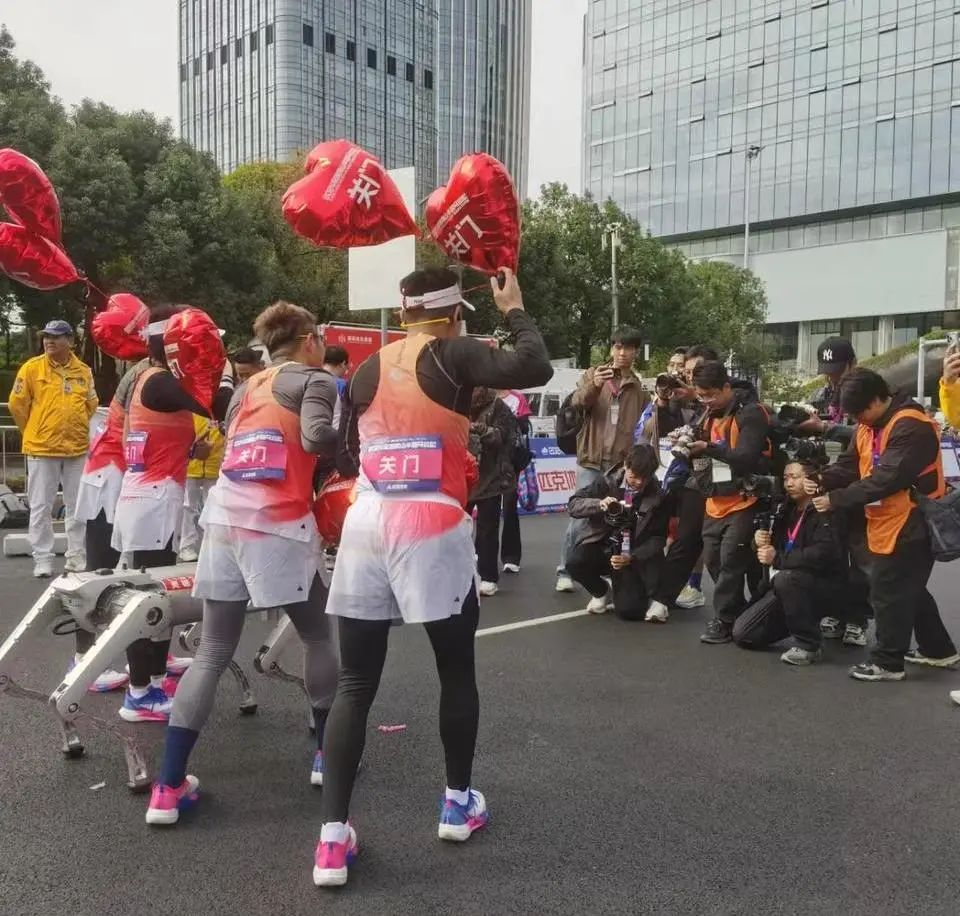
深圳冬日的清晨,微风中传来阵阵寒意,南山区半程马拉松却如火如荼地进行着。在跑道附近,一只通体银白、挂着红色气球的机器狗,吸引了不少选手和观众的目光。此次赛事中,机器狗在马拉松中担任“配速员”的角色,陪伴着选手在赛道旁奔跑,为选手们提供稳定的速度参考。

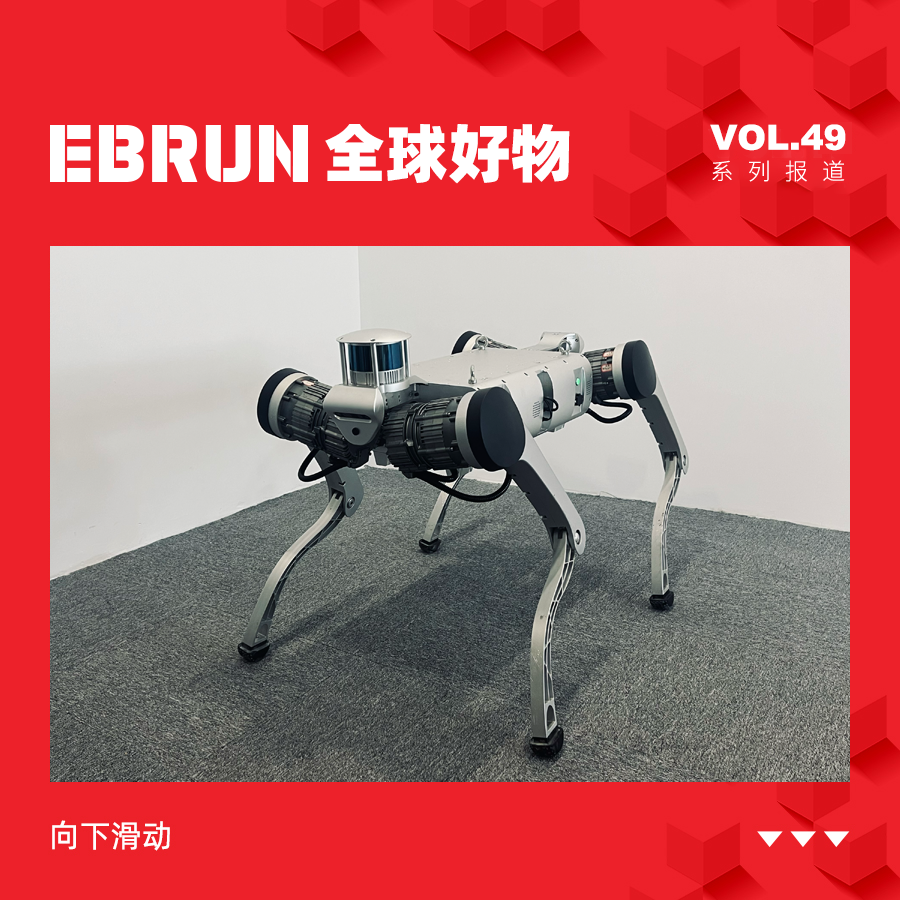
这些动作灵巧的机器狗,来自一家位于深圳的具身智能创业企业——灵锶智能。其名称融合 "锶" 的金属特性与 "思" 的智慧内核,寓意着 "有灵魂的金属"。

依靠自研的算法和针对特定场景的技术优势,其产品已覆盖核电、石化、公安等领域。2025年以来,灵锶智能机器狗更是持续爆单,仅在1月-2月就卖出几十台。这对于一个小型机器人创业公司来说,是颇为亮眼的成绩。

2025年,具身智能市场进一步发酵,中国具身智能市场规模突破9731亿元,同比增速达12.7%。宇树科技、蔚蓝科技等头部企业凭借资本优势与量产能力抢占市场份额。在具身智能行业持续火爆的当下,初创企业应如何从诸多头部品牌中突围,找到合适的道路?灵锶的经验,或许值得参考。

01

技术破局+场景深耕,锚定细分赛道

在具身智能浪潮席卷全球的当下,人形机器人成为舆论焦点,但四足机器人始终是产业界深耕的核心赛道。据行业数据显示,截至2024年,全球四足机器人市场规模突破28亿美元,我国市场规模达6.2亿美元,年增长率超35%。

近几年,四足机器人在国内主要被应用于B端场景,但B端仍有很多未被完全满足的需求——核电、油田、边防等高危环境,人工作业难以保障安全;然而,传统机器人因环境感知能力弱、地形适应差等缺陷,难以替代人力作业。

灵锶智能创始人肖恺的创业初心,便源于对“危险场景无人化”的执念。他回忆起多年前看到天津大爆炸、福岛核泄漏等事件中消防员、救援人员的新闻,深感痛心,“这些场景本应是机器人的主战场。”基于此,灵锶以“替代人类从事最危险、最繁琐工作”为使命,将目光投向工业巡检、公共安全等领域,解决人力难以覆盖的痛点。

灵锶的技术壁垒源于其核心团队的自动驾驶基因。团队成员曾参与小鹏、蔚来等企业的自动驾驶汽车研发,积累了海量数据处理与AI模型优化经验。他们创新性地提出“大网络+小网络”架构:前端“大网络”应用3D激光雷达+AI收集数据,实现对地理环境的精准感知;后端“小网络”使四足机器人能够识别环境障碍并自主学习最优路径,从而在复杂地形中保持动态平衡。

这套“大网络+小网络”的建立,一方面离不开从数据采集、数据训练到数据部署的完整工具链,一切通过AI完成,使灵锶的四足机器人拥有良好的寻真能力;另一方面,团队创新性地提出了LXHB算法,突破了以往“先设计教师模型,再让机器人学习教师模型的行为方式”的传统训练方法,让机器人直接在获取环境信息的过程中学习,使机器人的训练时间从过去的近100小时大幅缩短到3小时以内。

同时,灵锶自主设计的关节电机在同等重量下扭矩提升30%,散热效率提高40%,负载能力达全球电驱四足机器人领先水平。此外,模块化关节设计降低了维护成本,支持快速替换,进一步提升了产品实用性。

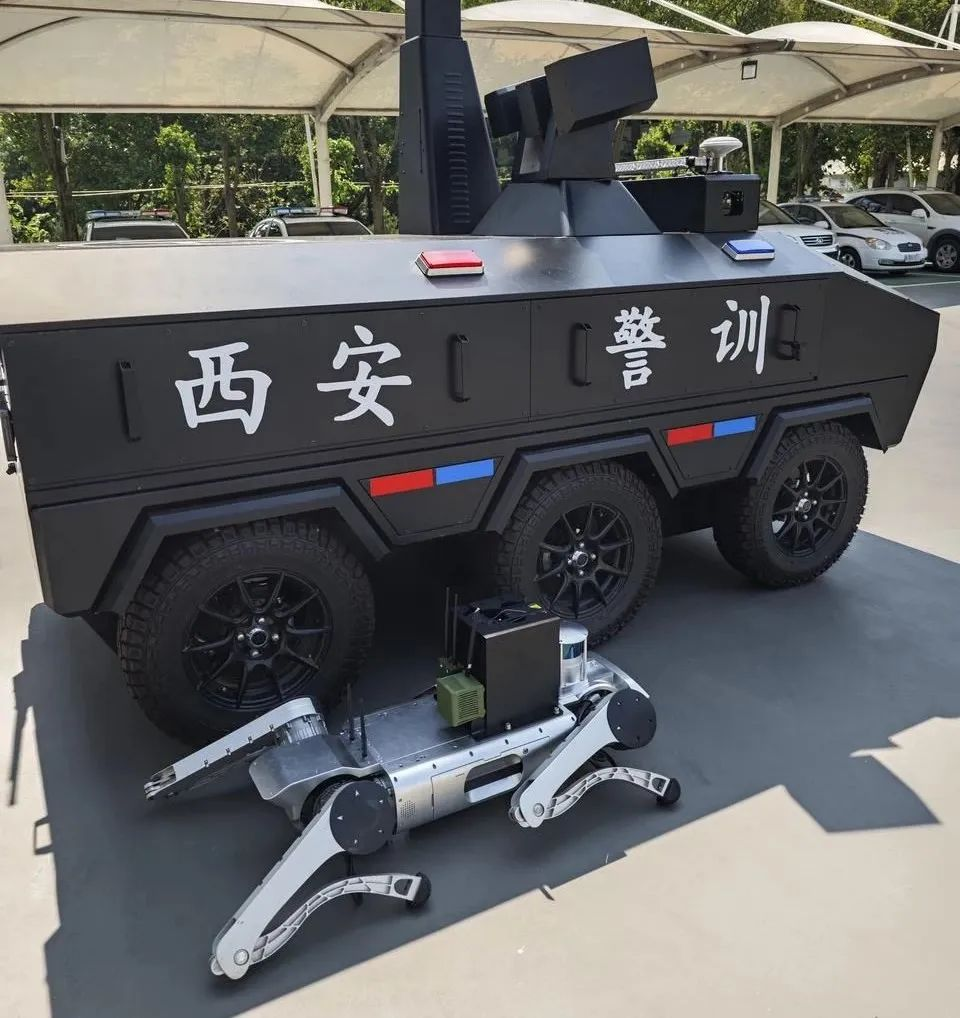
灵锶的技术优势在多个场景中得到验证。在核电站,其机器人已替代人工进入辐射区域,监测温度、辐射值的变化情况,保证工作安全。在一些石化工厂,灵锶机器人也能够应用于检测有毒气体泄漏,避免潜在事故。公共安全领域,灵锶机器人已经在2025年亚冬会上亮相,与公安巡逻队一起负责场地巡检工作。亚冬会上出场的机器狗搭载双光云台实现实时视频回传,未来还将集成火焰识别、可疑物体检测等功能。

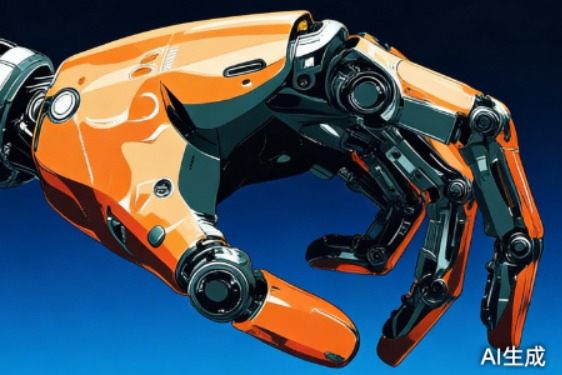
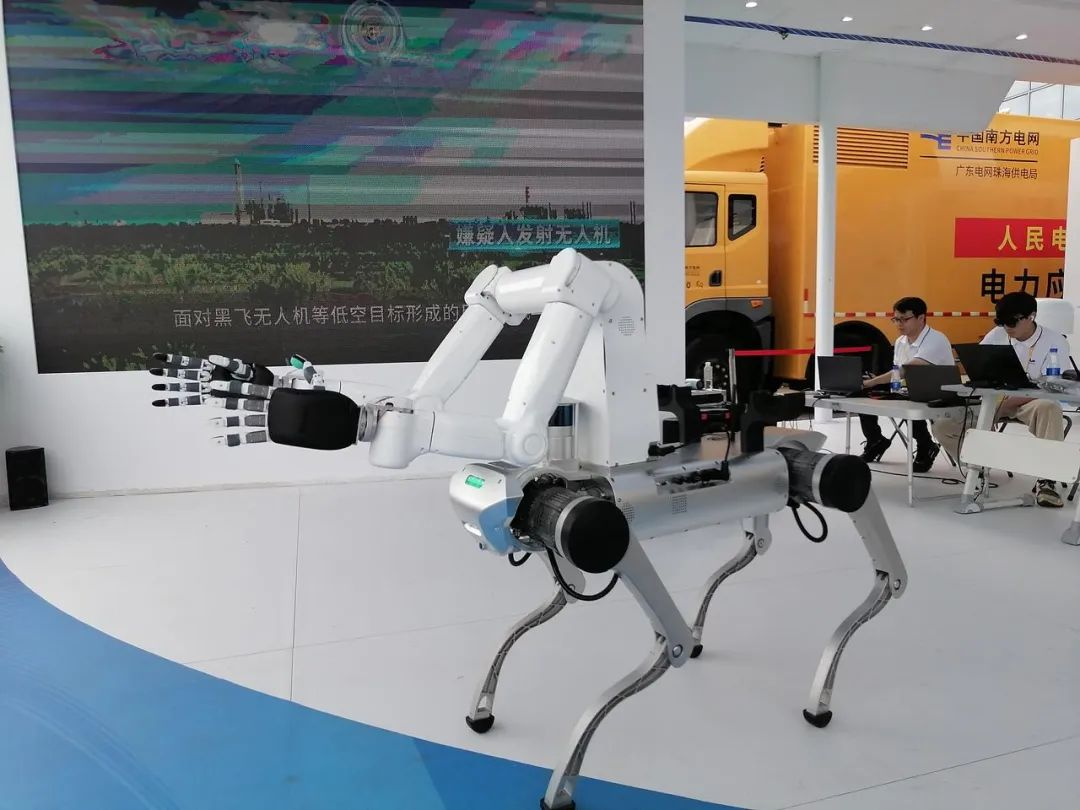
灵锶智能以“算法+硬件”双轮驱动,正逐步拓展至油气管道检修、数据中心基础设施巡检、排爆、井下作业等场景。其参与开发的灵巧手,具备15个主动自由度与26个被动自由度,可通过数据手套实现远程精细操作。灵巧手与四足机器人的结合,未来将应用于设备检修、炸弹拆解等领域。

目前,灵锶四足机器人凭借高可靠性与场景适配性,在客户中赢得了良好的口碑。在具身智能的万亿赛道中,灵锶科技以技术深耕与场景聚焦为利刃,正从细分市场迈向更广阔的天地。

02

出海中东:蓝海市场,精准定位

在国内工业巡检机器人领域有了一定的积累后,灵锶智能将目光投向了中东——一个政策开放、需求旺盛的新兴市场。其中东首单落地沙特,与当地一家石油企业达成合作,为其提供适应复杂地形的巡检机器人。

作为全球能源重镇,中东地区的油田、油气管道巡检需求持续攀升,叠加边境巡逻、安保等刚性场景,为智能装备提供了广阔空间。此外,中东劳动力短缺问题日益凸显,外劳成本上升与签证政策收紧倒逼企业寻求自动化替代方案,进一步释放了机器人市场潜力。

更值得关注的是,中东客户的高购买力与低价格敏感度为中国科技企业创造了差异化优势。据行业分析,中东及非洲工业机器人市场正以高于全球平均水平的增速扩张,预计2030年规模将突破百亿元。目前,中国机器人已在物流分拣、安防巡逻、光伏清洁等领域实现突破,验证了“中国智造”在中东的适配性。

技术适配是本土化的关键——针对中东极端高温、沙漠流沙等环境挑战,灵锶智能优化了电池散热结构,采用耐高温电芯,并通过算法训练提升机器人在松软地面的移动稳定性。渠道策略上,灵锶选择与具备成熟行业资源和售后能力的本地集成商合作,优先布局已有油田业务的合作伙伴,既能快速触达客户,又能借助其本地化服务网络降低运营成本。

近年来,沙特、阿联酋等中东经济领头羊发布了一系列支持国际高新企业入驻中东的政策。其中,沙特发布的“2030愿景”为科技企业提供了政策红利。该计划斥资23万亿元推动经济多元化,重点扶持人工智能、高端制造等领域,吸引了华为、阿里巴巴等企业设立区域中心。灵锶智能虽尚未直接享受补贴,但通过合作伙伴对接了一系列可用资源,探索机器人产品的多样可能性。文化层面,中东客户对新技术接受度高,且尚未形成严苛的合规框架,为中国企业留出了创新空间。

据肖恺介绍,灵锶智能的中东战略分为两步:一方面深耕To B行业,将正在国内实施的油田、轨道巡检方案复制至海外,凭借独特的技术与应用优势占据市场份额;另一方面,将探索To C高端场景,如应用于富豪庄园的机器人。公司计划年底推出针对高端客户的产品,同时深化与能源企业的合作,借力“一带一路”与“2030愿景”的对接机遇,成为中东能源转型的智能装备服务商。

随着中东数字化浪潮加速,灵锶的出海路径折射出中国机器人企业的崭新选择:以技术适配为根基,以本土化合作为纽带,在政策与市场的双重驱动下,开拓这片“蓝海”新战场。

03

深耕长尾,理性“跟风”

“我们的核心优势在于技术门槛与差异化场景的深度绑定。”肖恺表示,灵锶智能的工业巡检机器人在复杂地形适应能力上已形成独特竞争力,未来将通过算法优化与硬件升级巩固市场地位。

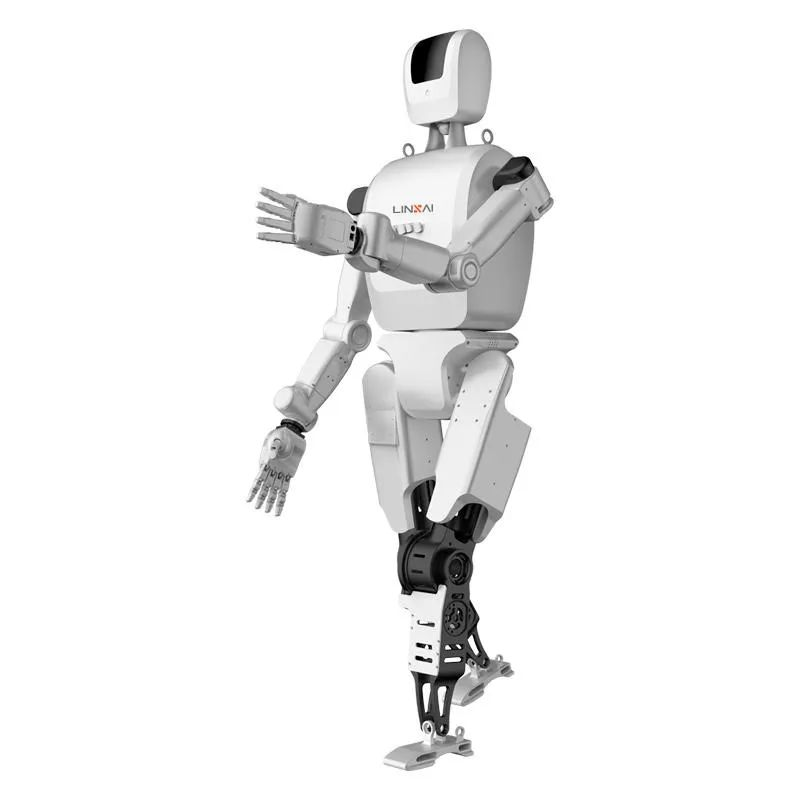
另外,灵锶智能首款人形机器人D60原型机已亮相,聚焦B端狭窄空间作业与重载需求。该机型采用轻量化机身设计,最大负载能力达80公斤,可适应油田管道、隧道等特殊场景。

不过,短期内,灵锶智能仍决定将重心放在B端市场。家庭场景的复杂性与高成本,成为进入C端的主要障碍。“家庭环境地形更加复杂,障碍物也比较多样,对安全性与灵活性要求是要超过工业场景的。”肖铠谈道。为降低成本,灵锶智能正推进核心零部件的标准化设计,向大规模量产的计划迈进。

灵锶智能的发展路径,折射出初创企业在机器人赛道的突围逻辑:以细分场景为切口,构建技术壁垒与商业闭环。与波士顿动力等老牌企业相比,灵锶智能通过AI数据驱动实现产品快速迭代,避免了传统控制理论的局限性。

“技术栈的变革让初创企业有机会实现弯道超车。”业内人士指出,AI技术的成熟使产品开发周期缩短50%以上,为初创企业创造了窗口期。

随着机器人商业化进程加速,具身智能市场竞争愈发激烈,灵锶智能的战略选择,也体现了具身智能赛道创新企业的独特智慧:在变革期,企业需平衡创新与务实,以技术深度锚定细分赛道,方能在市场中打出自己的特色。

文章来源:亿邦动力

广告
微信
朋友圈

FAQ回顾

灵锶智能四足机器人主要应用于哪些工业场景?

灵锶智能四足机器人已应用于核电站辐射监测、石化工厂气体泄漏检测、公安巡逻及亚冬会场馆巡检等场景,通过替代人工完成高危环境作业。

灵锶智能如何优化技术以适配中东市场环境?

针对中东高温沙漠环境,灵锶智能优化电池散热结构,采用耐高温电芯,并通过算法提升机器人在松软地面的移动稳定性。

灵锶智能的核心技术优势有哪些?

其核心技术包括‘大网络+小网络’架构实现环境感知与路径学习,LXHB算法将训练时间缩短至3小时内,自研关节电机扭矩提升30%且负载能力领先。

这么好看,分享一下?

朋友圈 分享

APP内打开

赞 +1
+1
微信好友 朋友圈 新浪微博 QQ空间
关闭
收藏成功
发送
/140 0