广告
加载中

Shopify:AI入口重塑流量版图 独立品牌、小众商品迎来突围机遇|黑五微访谈

王昱 2026-11-19 20:08
王昱 2026/11/19 20:08

邦小白快读

EN
全文速览

总:今年黑五的竞争逻辑从流量漫灌转向精准承接,消费者决策更审慎。

1.消费端变化:消费者综合衡量品质、价格和使用价值,并把配送费用、到货时间、退货条件纳入判断;65%的消费者计划在假日购物季用AI完成至少一项购物任务。

2.三个衡量增长质量的指标:是否拓展有价值的新客、是否实现不靠低价内卷的高质量成交、是否把首次购买延续为持续客户关系。

3.可上手的操作:用Canvas在同一视图编辑整家店铺并配合Sidekick完成定制设计;统一排期主题、折扣和商品目录,活动结束后自动恢复;消费者在Google搜索AI Mode或Gemini发现商品后通过Shopify结账,订单进入后台统一管理;Shop与品牌店铺购物车同步,Shop应用内支持多品牌统一结账。

总:品牌要让商品在AI入口被准确理解、发现和推荐,并把产品价值讲清楚。

1.消费趋势与用户行为:决策趋于审慎,35%的消费者会选择最符合自身需求的商品,即使它并非最便宜;71%的高频AI用户比去年更倾向于选择独立品牌,对特色品牌开放度较高。

2.品牌营销与渠道:让商品在新的AI购物入口中被准确理解、发现和推荐;消费者可直接描述使用场景、预算和偏好,品牌有机会在其尚未确定品牌时进入选择范围;渠道碎片化下,需保证不同渠道的价格、库存、促销与服务信息一致。

3.产品与定价:靠充分呈现产品价值、说明特点与适用场景赢得有溢价的成交,而非低价内卷;深耕细分需求、拥有差异化产品的独立品牌和小众商品更易获得考虑。

4.客户留存:用老客优惠、会员奖励、改善配送与退货体验、后续新品或促销优先购买机会,把首次购买固化为长期关系。

总:新购物入口带来新增量,也对后台协同与承接能力提出考验。

1.机会提示:AI购物入口成为拓展客户的重要机会;更具体的需求可转化为品牌发现,如寻找适合小户型、方便收纳的健身器材;71%高频AI用户更倾向独立品牌,小众与差异化商品获更多考虑。

2.需求变化与应对:消费者仔细比较价格、配送和退货条件,商家需提供清晰可信信息,并让消费者在不同入口间继续购物、顺利完成支付。

3.风险与效率:渠道碎片化,跨渠道价格、库存、促销与服务信息不一致会影响体验;旺季任务集中,需减少重复操作、提前安排,统一排期并在活动后自动恢复。

4.可学习点与合作方式:通过Google AI Mode或Gemini销售商品,订单进入Shopify后台统一管理;Shop购物车同步与多品牌统一结账;Shopify Payments加强高风险交易拦截与风险提示,香港商家有更多提现币种选择。

总:产品特色与信息准确性成为被AI识别、推荐的关键资产。

1.产品生产和设计需求:能回应具体使用场景、预算与偏好的差异化产品更有机会,如适合小户型、方便收纳的健身器材;具有鲜明功能优势、设计特色、价值主张的小众商品更受青睐。

2.商业机会:65%的消费者计划在假日购物季用AI完成至少一项购物任务;71%的高频AI用户比去年更倾向选择独立品牌;35%的消费者选择最符合自身需求的商品而非最便宜,说明产品价值比单纯低价更能赢得成交。

3.推进数字化和电商的启示:商品信息的准确性与完整性更加重要,否则难以被AI理解、发现和推荐;渠道增加时需前端体验与后台订单协同,避免经营复杂度随业务扩张累积;可借助同一视图编辑整店、统一排期与活动后自动恢复,减少旺季人工操作。

总:客户痛点集中在AI入口适配、跨渠道协同与转化承接三处。

1.行业发展趋势:AI深度介入商品发现与比较环节,重塑独立站流量结构和转化入口;渠道版图日益碎片化;消费者决策更谨慎细致,兼顾品质、价格、使用价值、配送与退货条件。

2.客户痛点:商品能否被AI准确理解与推荐;多入口下价格、库存、促销、服务信息能否一致;旺季任务集中、重复操作多、团队协调难;高风险交易与履约风险判断。

3.解决方案:拓展AI购物入口,消费者在Google AI Mode或Gemini发现商品后经Shopify结账,订单进后台统一管理;Canvas同一视图编辑整店并配合Sidekick定制设计,统一排期、活动后自动恢复;Shop购物车同步与多品牌统一结账;Shopify Payments加强高风险交易拦截与提示;用老客优惠、会员奖励、配送退货体验提升留存。

总:平台需把新入口、交易流程与后台管理打通,降低商家经营复杂度。

1.商家对平台的需求:商品在新的AI入口被准确理解、发现和推荐;消费者能在不同入口间继续购物并顺利完成支付;多渠道订单集中处理;旺季任务集中时高效协调上线与收尾。

2.平台的最新做法:支持符合条件的商家通过Google AI销售商品,消费者在AI Mode或Gemini发现商品后用Shopify结账,订单进入后台;Canvas同一视图编辑整店并配合Sidekick完成定制设计;统一排期主题、折扣与商品目录,活动结束自动恢复;Shop与品牌店铺购物车同步,Shop应用内多品牌统一结账;Shopify Payments加强高风险交易拦截与风险提示,为香港商家提供更多提现币种。

3.运营管理与风向规避:渠道增加时保持跨渠道信息一致,避免经营复杂度累积;以有价值新客、高质量成交、客户关系延续衡量增长质量,而非只看短期销量波峰。

总:AI成为新的购物入口,正在改变流量分配与品牌发现机制。

1.产业新动向:65%的消费者计划在假日季用AI完成至少一项购物任务;AI更深参与商品发现与比较;渠道版图碎片化;消费决策审慎,综合品质、价格、使用价值、配送费用、到货时间与退货条件。

2.新问题:独立站流量结构与转化入口被重塑;跨渠道信息一致性与后台订单处理能力成为购买体验变量;如何以复利型运营资产而非短期销量波峰衡量旺季成果。

3.商业模式与启示:从粗放流量漫灌转向把品牌独特优势转化为消费者可理解的语言,并在更适合曝光的精准场景出现;71%高频AI用户更倾向独立品牌、35%消费者选最符合需求而非最便宜,为差异化品牌和细分需求创造空间;可沉淀的资产包括高价值新客、有溢价的成交与持续客户关系。

返回默认

声明:快读内容全程由AI生成,请注意甄别信息。如您发现问题,请发送邮件至 run@ebrun.com 。

我是 品牌商 卖家 工厂 服务商 平台商 研究者 帮我再读一遍。

Quick Summary

Overall: This year’s Black Friday competition is shifting from indiscriminate traffic spending to precise conversion, as consumers make more cautious decisions.

1. Consumer shifts: Shoppers weigh quality, price, and utility together, and factor shipping costs, delivery times, and return terms into their decisions; 65% of consumers plan to use AI for at least one shopping task during the holiday season.

2. Three indicators of growth quality: whether a business acquires valuable new customers, whether it achieves high-quality transactions without competing solely on low prices, and whether it turns first purchases into ongoing customer relationships.

3. Practical actions: Use Canvas to edit the entire store in one view and work with Sidekick on customized design; align themes, discounts, and product catalogs on a unified schedule and automatically restore settings after the campaign; when consumers discover products through Google Search AI Mode or Gemini, they can check out via Shopify and orders are centrally managed in the back end; Shop and brand store carts are synchronized, and the Shop app supports unified checkout across multiple brands.

Overall: Brands need to ensure their products are accurately understood, discovered, and recommended at AI entry points, and to communicate product value clearly.

1. Consumer trends and behavior: Decisions are becoming more cautious; 35% of consumers will choose the product that best meets their needs even if it is not the cheapest; 71% of frequent AI users are more inclined than last year to choose independent brands and are relatively open to distinctive brands.

2. Brand marketing and channels: Ensure products are accurately understood, discovered, and recommended in new AI shopping entry points; consumers can directly describe use cases, budgets, and preferences, giving brands an opportunity to enter consideration before a brand choice is fixed; amid channel fragmentation, price, inventory, promotion, and service information must remain consistent across channels.

3. Product and pricing: Win premium transactions by fully presenting product value and explaining features and suitable use cases, rather than competing solely on low prices; independent brands and niche products with deep segmentation and differentiated offerings are more likely to be considered.

4. Customer retention: Use repeat-customer offers, membership rewards, improved delivery and returns experiences, and priority access to future products or promotions to turn first purchases into long-term relationships.

Overall: New shopping entry points bring incremental growth, but also test back-end coordination and conversion capabilities.

1. Opportunity signals: AI shopping entry points are becoming an important channel for customer acquisition; more specific needs can translate into brand discovery, such as finding fitness equipment suitable for small apartments and easy storage; 71% of frequent AI users prefer independent brands, giving niche and differentiated products more consideration.

2. Shifting demand and response: Consumers carefully compare prices, delivery, and return terms; merchants need to provide clear, credible information and let consumers continue shopping across different entry points and complete payment smoothly.

3. Risks and efficiency: Channel fragmentation means inconsistent cross-channel information on price, inventory, promotions, and service can hurt the experience; peak-season tasks are concentrated, requiring fewer repetitive operations, advance planning, unified scheduling, and automatic restoration after campaigns.

4. Learnings and partnership approaches: Sell products through Google AI Mode or Gemini, with orders centrally managed in Shopify; synchronize Shop carts and support unified checkout across multiple brands; Shopify Payments strengthens high-risk transaction blocking and risk alerts, and Hong Kong merchants have more withdrawal currency options.

Overall: Product distinctiveness and information accuracy are becoming key assets for AI recognition and recommendation.

1. Product manufacturing and design needs: Differentiated products that respond to specific use cases, budgets, and preferences are more likely to succeed, such as fitness equipment suitable for small apartments and easy storage; niche products with clear functional advantages, design features, and value propositions are more favored.

2. Business opportunities: 65% of consumers plan to use AI for at least one shopping task during the holiday season; 71% of frequent AI users are more inclined than last year to choose independent brands; 35% of consumers choose products that best meet their needs rather than the cheapest, indicating that product value wins transactions more effectively than low prices alone.

3. Implications for digitalization and e-commerce: Product information accuracy and completeness are more important, otherwise products will be hard for AI to understand, discover, and recommend; as channels increase, front-end experience and back-end order coordination are needed to prevent operational complexity from accumulating as the business expands; businesses can use one-view store editing, unified scheduling, and automatic restoration after campaigns to reduce manual work during peak season.

Overall: Client pain points are concentrated in three areas: AI entry-point adaptation, cross-channel coordination, and conversion capture.

1. Industry trends: AI is deeply involved in product discovery and comparison, reshaping traffic structures and conversion entry points for independent sites; the channel landscape is increasingly fragmented; consumer decisions are more careful and detailed, weighing quality, price, utility, delivery, and return terms.

2. Client pain points: Whether products can be accurately understood and recommended by AI; whether price, inventory, promotion, and service information can remain consistent across multiple entry points; concentrated peak-season tasks, many repetitive operations, and difficult team coordination; assessment of high-risk transactions and fulfillment risks.

3. Solutions: Expand AI shopping entry points so consumers who discover products through Google AI Mode or Gemini can check out via Shopify, with orders centrally managed in the back end; use Canvas to edit the entire store in one view and work with Sidekick on customized design, with unified scheduling and automatic restoration after campaigns; synchronize Shop carts and support unified checkout across multiple brands; Shopify Payments strengthens high-risk transaction blocking and alerts; improve retention through repeat-customer offers, membership rewards, and delivery and returns experiences.

Overall: Platforms need to connect new entry points, transaction flows, and back-end management to reduce operational complexity for merchants.

1. Merchant needs from platforms: Products should be accurately understood, discovered, and recommended at new AI entry points; consumers should be able to continue shopping across different entry points and complete payment smoothly; multi-channel orders should be processed centrally; during peak-season task concentration, launches and wrap-up should be coordinated efficiently.

2. Latest platform approaches: Support eligible merchants in selling products through Google AI, so consumers who discover products in AI Mode or Gemini can check out with Shopify and orders enter the back end; Canvas enables one-view editing of the entire store and works with Sidekick for customized design; unify scheduling of themes, discounts, and product catalogs, with automatic restoration after campaigns; synchronize Shop and brand store carts, and enable unified checkout across multiple brands in the Shop app; Shopify Payments strengthens high-risk transaction blocking and risk alerts and offers Hong Kong merchants more withdrawal currencies.

3. Operational management and risk avoidance: Keep cross-channel information consistent as channels increase to avoid accumulating operational complexity; measure growth quality by valuable new customers, high-quality transactions, and sustained customer relationships, rather than only short-term sales peaks.

Overall: AI has become a new shopping entry point and is changing traffic allocation and brand discovery mechanisms.

1. New industry developments: 65% of consumers plan to use AI for at least one shopping task during the holiday season; AI is more deeply involved in product discovery and comparison; the channel landscape is fragmenting; consumer decisions are cautious, weighing quality, price, utility, shipping costs, delivery times, and return terms.

2. New questions: Traffic structures and conversion entry points for independent sites are being reshaped; cross-channel information consistency and back-end order-processing capability are becoming variables in the purchase experience; how to measure peak-season results by compounding operating assets rather than short-term sales peaks.

3. Business models and implications: Shift from indiscriminate traffic flooding to translating a brand’s unique advantages into language consumers can understand and appearing in precise scenarios better suited to exposure; 71% of frequent AI users prefer independent brands and 35% of consumers choose the product that best fits their needs rather than the cheapest, creating room for differentiated brands and niche demand; assets that can be accumulated include high-value new customers, premium transactions, and sustained customer relationships.

Disclaimer: The "Quick Summary" content is entirely generated by AI. Please exercise discretion when interpreting the information. For issues or corrections, please email run@ebrun.com .

I am a Brand Seller Factory Service Provider Marketplace Seller Researcher Read it again.

【亿邦原创】今年黑五大促,消费者依旧愿意用钱包给自己心仪的品牌“投票”,但是说服他们、打动他们的过程却更加曲折多变。

过去,品牌习惯于通过粗放的流量漫灌来换取转化。如今,购物决策链条正在经历重塑,传统营销打法也由此面临新的变量。Shopify认为,今年黑五的竞争不再只是预算层面的较量,能否把品牌的独特优势转化为消费者能够充分理解的语言、能否让品牌出现在更适合曝光的精准场景下、交易基座能否在转化时刻“不掉链子”,成为决定旺季战果的关键因素。

Shopify观察到,今年消费者的消费决策趋于审慎,对商品的品质、价格和实际使用价值有了更具体的衡量标准。AI也开始介入商品发现与比较环节,深度改变了独立站的流量结构和转化入口。而日益碎片化的渠道版图,也对卖家的后台建设提出了新的考验:惟有打造高度协同统一的业务架构,才能承接多元触点增长、而非被多元触点拖累。

不过,变化也催生新的机遇。当消费者对传统搜索入口的路径依赖不断弱化,深耕细分需求、拥有差异化产品的独立品牌和小众商品,也有机会获得更多关注;更多曾经“灵光一闪”式的消费需求,都有可能被AI推送精准兑现。

对于本次黑五,Shopify认为驾驭新业态的关键指标,不只短期内的销量波峰,更在于能否沉淀具备复利效应的运营资产:拓展更多用户画像契合品牌调性的高价值新客、不靠“低价内卷”也能赢取有溢价的高质量成交、将首次购买固化为持续的客户关系。

“我们最期待看到的是,中国出海品牌能够借这一轮购物方式的变化,让产品优势获得更多关注、赢得更多客户,并把旺季增长延续为长期经营的成果。”其表示。

正值年末大促季,亿邦动力特别策划“拼重力·2026跨境电商黑五旺季”专题,邀请出海品牌和服务商展开系列访谈,探讨企业如何应对市场竞争变化、布局黑五旺季,并将大促流量转化为长期品牌价值。以下为亿邦动力与Shopify官方的对话内容,经编辑整理。

亿邦动力:每年黑五大促季(年末旺季)都是整个跨境电商行业冲刺全年业绩的关键一战。今年你们的备战策略聚焦于哪些方面?

Shopify:对于旺季经营,我们今年主要围绕拓展AI购物入口、完善购买与支付体验、提升旺季筹备与运营效率三个方向,帮助中国出海品牌把握新的增长机会。

可以分享三个基本判断。

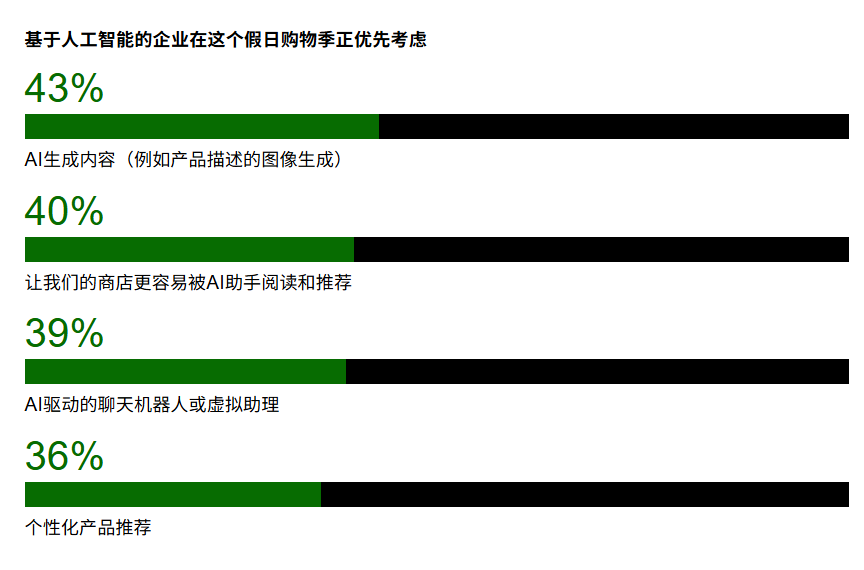
其一,新的购物入口,需要相应的商业能力支持。据我们统计,65%的消费者计划在假日购物季使用AI完成至少一项购物任务。对商家而言,让商品在新的AI购物入口中被准确理解、发现和推荐,正成为拓展客户的重要机会。

其二,获客之后,需要更好地承接购买需求。消费者如今更加重视商品是否符合自身需求,也会仔细比较价格、配送和退货条件。商家需要提供清晰、可信的信息,并让消费者在不同入口之间继续购物、顺利完成支付,将购买意愿转化为实际订单。

引用源:《Shopify发布2026假日零售报告》 图1

其三,旺季任务集中,需要提高团队的执行效率。商品展示、店铺设计、促销上线与活动收尾等任务集中推进,需要团队更高效地协调。减少重复操作、提前做好安排,才能让商家将更多精力投入商品与客户经营。

亿邦动力:今年黑五大促季你们设定了什么目标?最期待实现哪方面的突破?

Shopify:我们希望出海品牌能够通过AI购物入口获得更多关注、赢得更多客户,并把旺季增长延续为长期经营的成果。

具体而言,我们建议卖家关注三个衡量增长质量的维度。

其一,是否拓展了有价值的新客? 71%的高频AI用户比去年更倾向于选择独立品牌,这类消费者对特色品牌持有较高的开放态度。我们期待中国出海品牌把握这一机会,让产品特色和专业性成为吸引新客的理由,触达更多与自身产品相匹配的消费者。

其二,实现更有质量的成交。35%的消费者会选择最符合自身需求的商品,即使它并非最便宜的选项。这意味着,品牌可以通过更充分地呈现产品价值、说明商品的特点与适用场景来赢得购买。

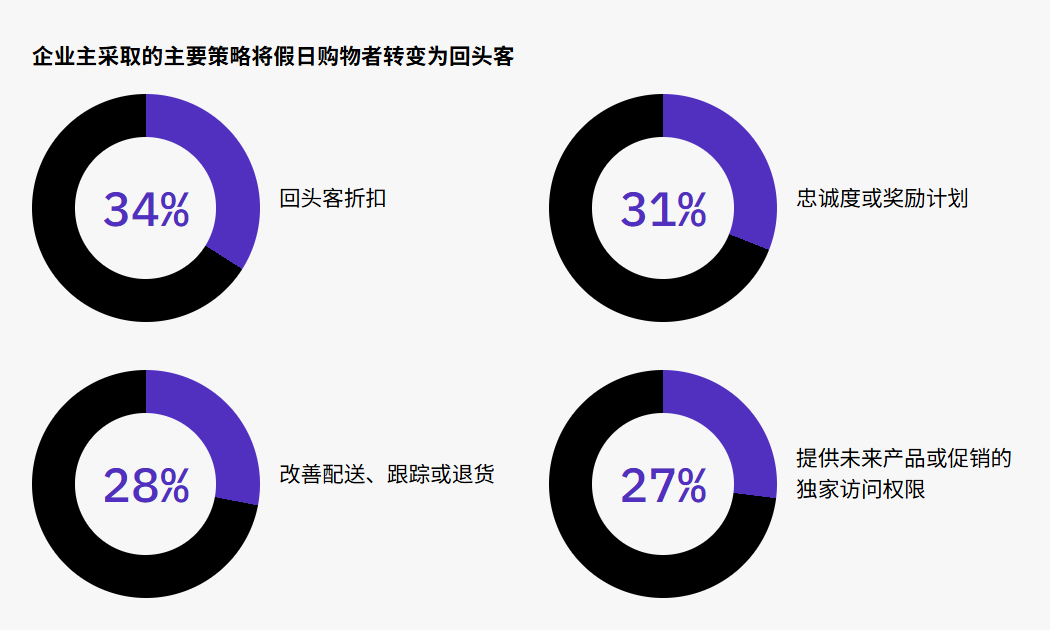
其三,将首次购买延续为持续的客户关系。黑五是消费者首次认识和体验品牌的重要时刻,也是将新客转为长期客户的重要窗口。商家可以通过老客优惠、会员奖励、改善配送与退货体验,以及提供后续新品或促销的优先购买机会等举措来实现客户留存。

引用源:《Shopify发布2026假日零售报告》 图2

亿邦动力:你们为迎接今年黑五大促季的到来做了哪些重要的布局或者调整?

Shopify:为迎接黑五旺季,Shopify进一步完善了从促销筹备、渠道拓展到交易管理的支持,让中国出海品牌能够提前安排关键任务,并在旺季更高效地协调不同渠道与经营环节。

例如,促销上线前,让店铺设计与活动安排更好地协同。商家可以通过Canvas在同一视图中编辑整家店铺,并结合Sidekick完成定制设计;同时,统一排期主题、折扣和商品目录调整,并在活动结束后自动恢复。这让团队能够提前准备、协调上线,减少活动切换时的人工操作。

拓展销售渠道时,Shopify支持卖家将新入口接入已有的订单管理体系。符合条件的商家可以通过Google AI销售商品。消费者在Google搜索的AI Mode或Gemini中发现商品后,可通过Shopify提供的结账功能完成购买,相关订单进入Shopify后台统一管理,方便团队集中处理不同渠道的订单。

承接旺季交易时,兼顾购买便利与风险管理。Shop与品牌店铺之间的购物车同步,方便消费者继续此前的选购;Shop应用内的多品牌统一结账,支持消费者一并支付不同品牌的商品。与此同时,Shopify Payments加强高风险交易拦截与风险提示,帮助商家更清晰地判断履约风险,并为香港商家提供更多提现币种选择。

这些调整着眼于旺季经营中的具体衔接,让商家能够提前做好准备,在需求集中到来时,更有序地完成从促销上线到订单处理的各项工作。

亿邦动力:今年你们有感受到了哪些明显的市场变化?

Shopify:我们感受到的明显变化是,消费者仍有购买需求,但选择商品的过程更加谨慎、细致,对“值得买”的判断更加具体。

消费者会结合实际需求,综合考虑品质、价格和使用价值,也会把配送费用、到货时间及退货条件纳入判断。对品牌而言,需要清楚说明商品适合谁、能解决什么问题,以及消费者可以获得怎样的服务。

与此同时,购物路径也更加多元。AI开始更深地参与购物决策,商品信息的准确性与完整性更加重要。

消费者可以直接描述使用场景、预算和偏好,再借助AI寻找和比较商品。这意味着,能够回应具体需求、具有鲜明特点的产品,有机会在消费者尚未确定品牌时进入选择范围。

最后,是购物路径更加分散,跨渠道体验的一致性面临考验。不同渠道中的价格、库存、促销条件与服务信息能否保持一致,后台订单能否高效处理,都会影响购买体验。随着渠道增加,商家需要更好地协调前端体验与后台运营,避免经营复杂度随业务扩张不断累积。

这些变化为具有产品特色的中国出海品牌创造了机会,也要求品牌把产品价值表达、购买体验与日常运营连接起来,让消费者既能找到自己,也有充分理由选择自己。

亿邦动力:你们认为今年黑五大促季最大的看点、新增量来自哪里?

Shopify:我们认为,今年黑五最值得期待的新增量,来自品牌通过新的购物入口,将有特色的商品与更具体的消费需求连接起来。

具体来看,有三个机会值得卖家跟进。

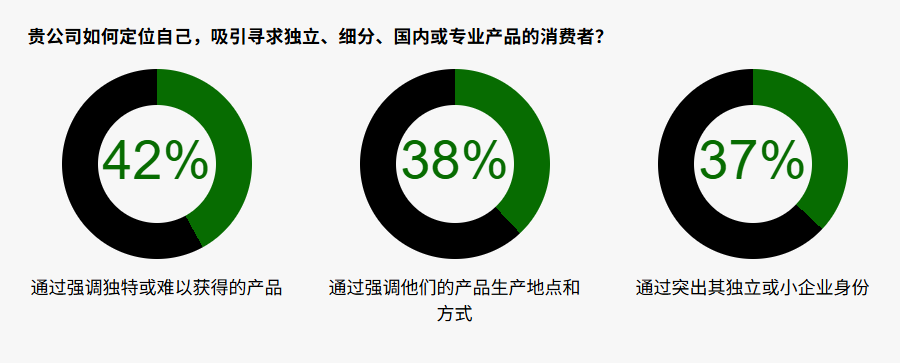
其一,更具体的购物需求,有机会转化为新的品牌发现。消费者可以向AI描述使用场景、预算和偏好,例如寻找“适合小户型、方便收纳的健身器材”,再获得相应的商品建议。品牌因此有机会在消费者尚未确定品牌、仍在寻找解决方案时进入选择范围。对于深耕细分需求的中国出海品牌,这是凭借产品特色触达新客的机会。

引用源:《Shopify发布2026假日零售报告》 图3

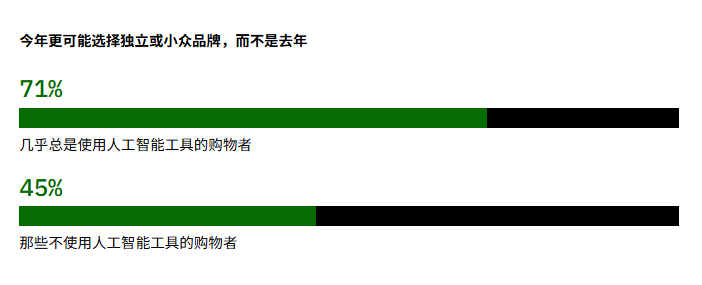
其二,独立品牌与小众商品,有机会获得更多考虑。71%的高频AI用户比去年更倾向于选择独立品牌。这为具有鲜明功能优势、设计特色、价值主张的品牌提供了积极信号。

引用源:《Shopify发布2026假日零售报告》 图4

其三,AI入口与购买流程的连接,有望让购物兴趣进一步转化为订单。我们也在观察,这些新入口能否带来新增客户与实际成交,以及哪些品类、哪些需求更适合通过对话式购物获得增长。


亿邦持续追踪报道该情报,如想了解更多与本文相关信息,请扫码关注作者微信。

本文首发于 亿邦动力 官方网站

文章来源:亿邦动力

广告
微信
朋友圈

FAQ回顾

AI购物入口对独立站流量和转化有什么影响?

AI开始介入商品发现与比较环节,深度改变独立站的流量结构和转化入口。65%的消费者计划在假日购物季使用AI完成至少一项购物任务。商家需要让商品在AI购物入口中被准确理解、发现和推荐,并提供清晰可信的商品、配送和退货信息,承接购买需求。

2026年黑五,独立品牌和小众商品为什么有机会获得更多关注?

71%的高频AI用户比去年更倾向于选择独立品牌。消费者可以向AI描述使用场景、预算和偏好,在尚未确定品牌时获得商品建议。深耕细分需求、拥有差异化产品的独立品牌和小众商品,因此有机会进入消费者的选择范围。

跨境电商卖家如何承接AI购物入口带来的订单?

符合条件的商家可以通过Google AI销售商品。消费者在Google搜索的AI Mode或Gemini中发现商品后,可通过Shopify提供的结账功能完成购买,订单进入Shopify后台统一管理。Shop与品牌店铺之间的购物车同步、Shop应用内多品牌统一结账,也可承接跨渠道购买需求。

黑五旺季,出海品牌应该关注哪些增长质量指标?

Shopify建议关注三个维度:是否拓展了有价值的新客;是否实现更有质量的成交,35%的消费者会选择最符合自身需求的商品,即使它并非最便宜;是否将首次购买延续为持续客户关系,可通过老客优惠、会员奖励、改善配送与退货体验、后续新品优先购买等举措提升留存。

消费者购物决策变谨慎后,品牌应如何提升转化?

消费者会综合考量品质、价格、使用价值,以及配送费用、到货时间和退货条件。品牌需要清楚说明商品适合谁、能解决什么问题、消费者可获得怎样的服务,更充分地呈现产品价值与适用场景,并提供清晰可信的信息,让消费者在不同入口间继续购物并顺利完成支付。

这么好看,分享一下?

朋友圈 分享

APP内打开

赞 +1
+1
微信好友 朋友圈 新浪微博 QQ空间
关闭
收藏成功
发送
/140 0