





广告
加载中

云汉芯城李鲲鹏:让Agent读懂元器件,电子产业AI落地要过“三道关”

亿邦动力 2026-11-21 11:27
亿邦动力 2026/11/21 11:27

邦小白快读

EN
全文速览

总:文章核心是电子产业AI落地要从给答案转向帮办事,关键不在模型能力,而在数据、证据链和交付闭环。

1.三道关:产业数据结构化统一口径;模型答案有分级可验证证据链;打通上下游供应链完成交付。

2.云汉芯城数据基础:2026前三季度营收45.25亿元同比翻倍,服务超19万家企业,对接200多家授权原厂,日常可交易SKU超2600万,沉淀近5800万型号、替代数据库和品检报关数据。

3.落地看点:硬件工程师可通过MCP把标注数据接入智能体和EDA;某客户整板降本与自主可控替代,依托215多万条国产替代数据、超1000万可售国产替代SKU完成多品类交付。

4.内部提效:9月AI推荐占新增选品96%,11月决策全面交AI并保留人工兜底;15万份原厂黄金样品训练品检小模型,单商品质量问题识别压缩至1秒内;采购智能体承接中小订单询价跟单对账异常。

总:对品牌商而言,文章重点在电子元器件原厂如何借数据和智能体提升选型触达、设计导入、渠道协同和产品反馈。

1.用户行为与趋势:上游原厂已上线智能体服务,工程师和采购开始用智能体获取信息;硬件工程师方案设计关注降本、品牌偏好、供应链稳定性,品牌需把产品信息匹配到具体选型场景。

2.渠道与营销:云汉芯城以近5800万型号规范化治理搭建连接超19万企业客户与上游原厂的双向触达通道,并在设计阶段结合选型替代智能体、FAE专家与原厂团队渗透服务,覆盖全链路交付并回流数据。

3.产品与定价启示:推荐数据标注参数差异、证据链等级、可采购性和质量保障,有利于品牌建立可信推荐;平台结合产业指数与行业Know-How研究智能定价。

4.合作机会:公司规划开放ickeydata.com数据生态平台,面向上下游与合作伙伴开放可开放产业数据,品牌可借此共建产业服务。

总:卖家可重点关注电子产业AI带来的增长市场、需求变化、合作入口和风险边界。

1.市场机会:云汉芯城服务超19万家企业客户,日常可交易SKU超2600万;国产替代数据215多万条、可售国产替代SKU超1000万,某客户整板降本与自主可控替代覆盖存储、连接器、信号处理器等多品类并完成交付。

2.需求变化:工程师方案设计存在降本、品牌偏好、供应链稳定性等差异化需求;推荐数据需标注参数差异、证据链等级、可采购性与质量保障,卖家可据此组织货源和推荐。

3.可学习点:9月AI推荐占新增选品96%,11月决策全面交AI但保留人工兜底;品检小模型基于15万份原厂黄金样品,单商品质量问题识别1秒内;采购智能体承接中小订单询价、跟单、对账、异常处理。

4.合作与风险:可通过MCP接入工程师智能体和EDA场景,关注ickeydata.com开放数据生态;落地需过数据口径、证据链、供应链交付三道关,并设置人工兜底与风险管控节点。

总:工厂应关注电子产业AI对产品设计、生产决策、品检和数字化经营的具体启示。

1.生产与设计需求:上游原厂关注产品使用客户、方案落地阶段、生产决策数据反馈;云汉芯城以近5800万型号规范化治理连接超19万企业客户与上游原厂,覆盖设计选型、替代推荐、全链路交付和数据回流,为原厂生产安排提供参考。

2.商业机会:平台沉淀215多万条国产替代数据、超1000万可售国产替代SKU,整板替代可覆盖存储、连接器、信号处理器等品类;工厂可围绕国产替代、选型替代和供应链稳定性寻找机会。

3.数字化启示:内部推进智能经营,9月AI推荐占新增选品96%,11月决策全面交AI并保留人工兜底;基于15万份原厂黄金样品训练品检小模型,单商品质量问题识别压缩至1秒内;采购智能体承接中小订单服务。

4.协同路径:年初发布L1至L5智能化能力标准,明确AI与人员权责边界和人工兜底节点,按单点打磨再延伸上下游协同重构推进,并通过全员培训和AI大赛鼓励创新。

总:服务商可关注产业AI从信息问答走向任务交付的趋势、客户痛点与可复用的解决方案。

1.趋势与技术:电子产业上下游已出现智能体应用,上游原厂上线智能体服务,工程师和采购用智能体获取信息;落地需过数据结构化统一口径、分级可验证证据链、供应链交付闭环三道关。

2.客户痛点:硬件工程师在方案设计中有降本、品牌偏好、供应链稳定性需求;客户还面临模型读不懂元器件、答案不可信、推荐无法采购交付等问题。

3.解决方案:云汉芯城沉淀近5800万型号、替代数据库、2600多万可交易SKU及品检报关数据;用标注参数差异、证据链等级、可采购性、质量保障的数据,通过MCP接入智能体和EDA;结合选型替代智能体、FAE专家、原厂团队完成交付。

4.内部工具:品检小模型基于15万份原厂黄金样品,单商品质量问题识别1秒内;采购智能体承接询价跟单对账异常;智能定价结合产业指数与行业Know-How;ickeydata.com规划开放数据生态。

总:平台商可关注产业AI平台的需求、数据开放、招商运营和风险控制做法。

1.平台需求与机会:产业AI落地缺能让模型读懂、信得过、可办事的数据资源与服务能力;云汉芯城从供应链服务成长,定位AI应用型企业,2026前三季度营收45.25亿元同比翻倍,服务超19万家企业,对接200多家授权原厂,日常可交易SKU超2600万。

2.最新做法:沉淀近5800万型号、替代数据库、2600多万可交易SKU及品检报关数据;搭建连接客户与原厂的双向触达通道;规划开放ickeydata.com数据生态平台,面向上下游和合作伙伴开放可开放产业数据。

3.招商与运营:以选型替代智能体、FAE专家和原厂团队渗透设计阶段,以MCP接入工程师智能体和EDA;内部发布L1至L5智能化能力标准,明确AI与人员权责边界、人工兜底和风险管控节点,按单点打磨再延伸上下游协同重构。

4.风向规避:平台需处理数据口径统一、证据链分级可验证、可采购性与质量保障、供应链交付闭环;AI决策保留人工兜底,并用全员培训、AI大赛推进流程再造。

总:研究者可关注电子产业AI的新动向、新问题、商业模式和治理启示。

1.产业新动向:电子产业上下游出现智能体应用,上游原厂上线智能体服务,工程师和采购通过智能体获取信息;产业AI核心从模型给信息答案转向帮用户完成实际工作,缺的是可读、可信、可落地的数据资源与服务能力。

2.新问题:落地需过三道关,即产业数据结构化与统一口径、模型答案有分级可验证证据链、打通上下游供应链完成交付闭环;这涉及数据治理、信任机制和交付能力。

3.商业模式:云汉芯城定位AI应用型企业,2026前三季度营收45.25亿元同比翻倍,服务超19万家企业,对接200多家授权原厂,日常可交易SKU超2600万;以近5800万型号、替代数据库、2600多万SKU和品检报关数据支撑,通过选型替代智能体、MCP接入、品检小模型、采购智能体和智能定价落地。

4.治理与启示:内部发布L1至L5智能化能力标准,明确AI与人员权责边界、人工兜底和风险管控节点;规划开放ickeydata.com数据生态平台,提示数据开放、标准口径、证据链和产业协同是重要议题。

返回默认
声明:快读内容全程由AI生成,请注意甄别信息。如您发现问题,请发送邮件至 run@ebrun.com 。

我是 品牌商 卖家 工厂 服务商 平台商 研究者 帮我再读一遍。

Quick Summary

Overall: The article's core point is that AI adoption in the electronics industry must shift from providing answers to helping complete tasks. The key is not model capability but data, evidence chains, and a closed delivery loop.

1. Three hurdles: structuring industry data under a unified standard; grading model answers with verifiable evidence chains; and connecting upstream and downstream supply chains to complete delivery.

2. Yunhan Xincheng's data foundation: in the first three quarters of 2026, revenue reached RMB 4.525 billion, doubling year on year; it serves more than 190,000 enterprise customers, connects with more than 200 authorized original manufacturers, has more than 26 million regularly tradable SKUs, and has accumulated nearly 58 million part numbers, a substitution database, and quality-inspection and customs-clearance data.

3. Implementation highlights: hardware engineers can connect annotated data to agents and EDA via MCP; for one customer's whole-board cost reduction and self-controllable substitution, the platform leveraged more than 2.15 million domestic-substitution data entries and more than 10 million sellable domestic-substitution SKUs to complete multi-category delivery.

4. Internal efficiency: in September, AI recommendations accounted for 96% of newly added product selections; in November, decision-making was fully handed to AI while retaining human fallback; a quality-inspection small model trained on 150,000 original-manufacturer golden samples reduced single-product quality-issue identification to within one second; procurement agents handle inquiries, follow-ups, reconciliation, and exceptions for small and medium-sized orders.

Overall: For brands, the article focuses on how original electronic component manufacturers can use data and agents to improve selection reach, design-in, channel collaboration, and product feedback.

1. User behavior and trends: upstream original manufacturers have launched agent services, and engineers and procurement teams have begun using agents to obtain information; hardware engineers' solution design focuses on cost reduction, brand preference, and supply-chain stability, so brands need to match product information to specific selection scenarios.

2. Channels and marketing: Yunhan Xincheng uses standardized governance of nearly 58 million part numbers to build a two-way reach channel connecting more than 190,000 enterprise customers with upstream original manufacturers, and penetrates service during the design stage by combining selection-substitution agents, FAE experts, and original-manufacturer teams, covering end-to-end delivery and returning data.

3. Product and pricing implications: recommendation data should be annotated with parameter differences, evidence-chain levels, purchasability, and quality assurance, which helps brands build credible recommendations; the platform combines industry indices and industry know-how to research intelligent pricing.

4. Cooperation opportunities: the company plans to open the ickeydata.com data ecosystem platform, opening available industry data to upstream and downstream players and partners, through which brands can co-build industry services.

Overall: Sellers should focus on the growth markets, demand changes, cooperation entry points, and risk boundaries brought by AI in the electronics industry.

1. Market opportunities: Yunhan Xincheng serves more than 190,000 enterprise customers and has more than 26 million regularly tradable SKUs; it has over 2.15 million domestic-substitution data entries and more than 10 million sellable domestic-substitution SKUs. For one customer, whole-board cost reduction and self-controllable substitution covered multiple categories such as memory, connectors, and signal processors and completed delivery.

2. Demand changes: in engineers' solution design, there are differentiated needs such as cost reduction, brand preference, and supply-chain stability; recommendation data needs to annotate parameter differences, evidence-chain levels, purchasability, and quality assurance, based on which sellers can organize supply and recommendations.

3. Lessons to learn: in September, AI recommendations accounted for 96% of newly added product selections; in November, decision-making was fully handed to AI but with human fallback retained; the quality-inspection small model is based on 150,000 original-manufacturer golden samples and identifies a single product's quality issue within one second; procurement agents handle inquiries, follow-ups, reconciliation, and exception handling for small and medium-sized orders.

4. Cooperation and risks: sellers can access engineers' agents and EDA scenarios through MCP and pay attention to the open data ecosystem at ickeydata.com; implementation must pass three hurdles—data standards, evidence chains, and supply-chain delivery—and set human fallback and risk-control checkpoints.

Overall: Factories should focus on the specific implications of AI in the electronics industry for product design, production decisions, quality inspection, and digital operations.

1. Production and design needs: upstream original manufacturers care about which customers use the product, at what stage the solution is implemented, and production-decision data feedback; Yunhan Xincheng uses standardized governance of nearly 58 million part numbers to connect more than 190,000 enterprise customers with upstream original manufacturers, covering design selection, substitution recommendations, end-to-end delivery, and data feedback, providing reference for original manufacturers' production planning.

2. Business opportunities: the platform has accumulated over 2.15 million domestic-substitution data entries and more than 10 million sellable domestic-substitution SKUs; whole-board substitution can cover categories such as memory, connectors, and signal processors; factories can look for opportunities around domestic substitution, selection substitution, and supply-chain stability.

3. Digitalization implications: it advances intelligent operations internally; in September, AI recommendations accounted for 96% of newly added product selections; in November, decision-making was fully handed to AI with human fallback retained; a quality-inspection small model trained on 150,000 original-manufacturer golden samples compresses single-product quality-issue identification to within one second; procurement agents handle small and medium-sized order services.

4. Collaboration path: at the beginning of the year, it released L1–L5 intelligence capability standards, clarifying AI-human responsibility boundaries and human-fallback checkpoints; it advances by refining single points first and then extending to upstream and downstream collaborative reconstruction, and encourages innovation through all-staff training and AI competitions.

Overall: Service providers should focus on the trend of industrial AI moving from information Q&A to task delivery, customer pain points, and reusable solutions.

1. Trends and technology: agent applications have emerged across the electronics upstream and downstream; upstream original manufacturers have launched agent services, and engineers and procurement teams use agents to obtain information; implementation must pass three hurdles: structured data under a unified standard, graded and verifiable evidence chains, and a closed supply-chain delivery loop.

2. Customer pain points: hardware engineers have needs in solution design such as cost reduction, brand preference, and supply-chain stability; customers also face problems such as models not understanding electronic components, untrustworthy answers, and recommendations that cannot be purchased or delivered.

3. Solutions: Yunhan Xincheng has accumulated nearly 58 million part numbers, a substitution database, more than 26 million tradable SKUs, and quality-inspection and customs-clearance data; it uses data annotated with parameter differences, evidence-chain levels, purchasability, and quality assurance, connects to agents and EDA via MCP, and completes delivery by combining selection-substitution agents, FAE experts, and original-manufacturer teams.

4. Internal tools: the quality-inspection small model is based on 150,000 original-manufacturer golden samples and identifies a single product's quality issue within one second; procurement agents handle inquiries, follow-ups, reconciliation, and exceptions; intelligent pricing combines industry indices and industry know-how; ickeydata.com is planned as an open data ecosystem.

Overall: Platform operators should focus on the demand for industrial AI platforms, data openness, merchant recruitment and operations, and risk-control practices.

1. Platform demand and opportunities: industrial AI implementation lacks data resources and service capabilities that can make models understand, trust, and act; Yunhan Xincheng grew from supply-chain services and positions itself as an AI-application enterprise. In the first three quarters of 2026, revenue reached RMB 4.525 billion, doubling year on year; it serves more than 190,000 enterprises, connects with more than 200 authorized original manufacturers, and has more than 26 million regularly tradable SKUs.

2. Latest practices: it has accumulated nearly 58 million part numbers, a substitution database, more than 26 million tradable SKUs, and quality-inspection and customs-clearance data; it has built a two-way reach channel connecting customers and original manufacturers; and it plans to open the ickeydata.com data ecosystem platform, opening available industry data to upstream and downstream players and partners.

3. Merchant recruitment and operations: it penetrates the design stage with selection-substitution agents, FAE experts, and original-manufacturer teams, and connects to engineers' agents and EDA via MCP; internally, it released L1–L5 intelligence capability standards, clarifying AI-human responsibility boundaries, human fallback, and risk-control checkpoints, and advances by refining single points first before extending to upstream and downstream collaborative reconstruction.

4. Risk avoidance: platforms need to address unified data standards, graded and verifiable evidence chains, purchasability and quality assurance, and a closed supply-chain delivery loop; AI decisions retain human fallback, and all-staff training and AI competitions are used to advance process reengineering.

Overall: Researchers should focus on new developments, new problems, business models, and governance implications of AI in the electronics industry.

1. New industry developments: agent applications have emerged across the electronics upstream and downstream; upstream original manufacturers have launched agent services, and engineers and procurement teams obtain information through agents; the core of industrial AI is shifting from models providing information answers to helping users complete actual work, and what is lacking is readable, trustworthy, and implementable data resources and service capabilities.

2. New problems: implementation must pass three hurdles: structuring industry data and unifying standards; model answers having graded and verifiable evidence chains; and connecting upstream and downstream supply chains to complete a closed delivery loop. This involves data governance, trust mechanisms, and delivery capability.

3. Business model: Yunhan Xincheng positions itself as an AI-application enterprise; in the first three quarters of 2026, revenue reached RMB 4.525 billion, doubling year on year; it serves more than 190,000 enterprises, connects with more than 200 authorized original manufacturers, and has more than 26 million regularly tradable SKUs. Supported by nearly 58 million part numbers, a substitution database, more than 26 million SKUs, and quality-inspection and customs-clearance data, it implements AI through selection-substitution agents, MCP access, quality-inspection small models, procurement agents, and intelligent pricing.

4. Governance and implications: internally, it released L1–L5 intelligence capability standards, clarifying AI-human responsibility boundaries, human fallback, and risk-control checkpoints; it plans to open the ickeydata.com data ecosystem platform, highlighting that data openness, standard definitions, evidence chains, and industry collaboration are important issues.

Disclaimer: The "Quick Summary" content is entirely generated by AI. Please exercise discretion when interpreting the information. For issues or corrections, please email run@ebrun.com .

I am a Brand Seller Factory Service Provider Marketplace Seller Researcher Read it again.

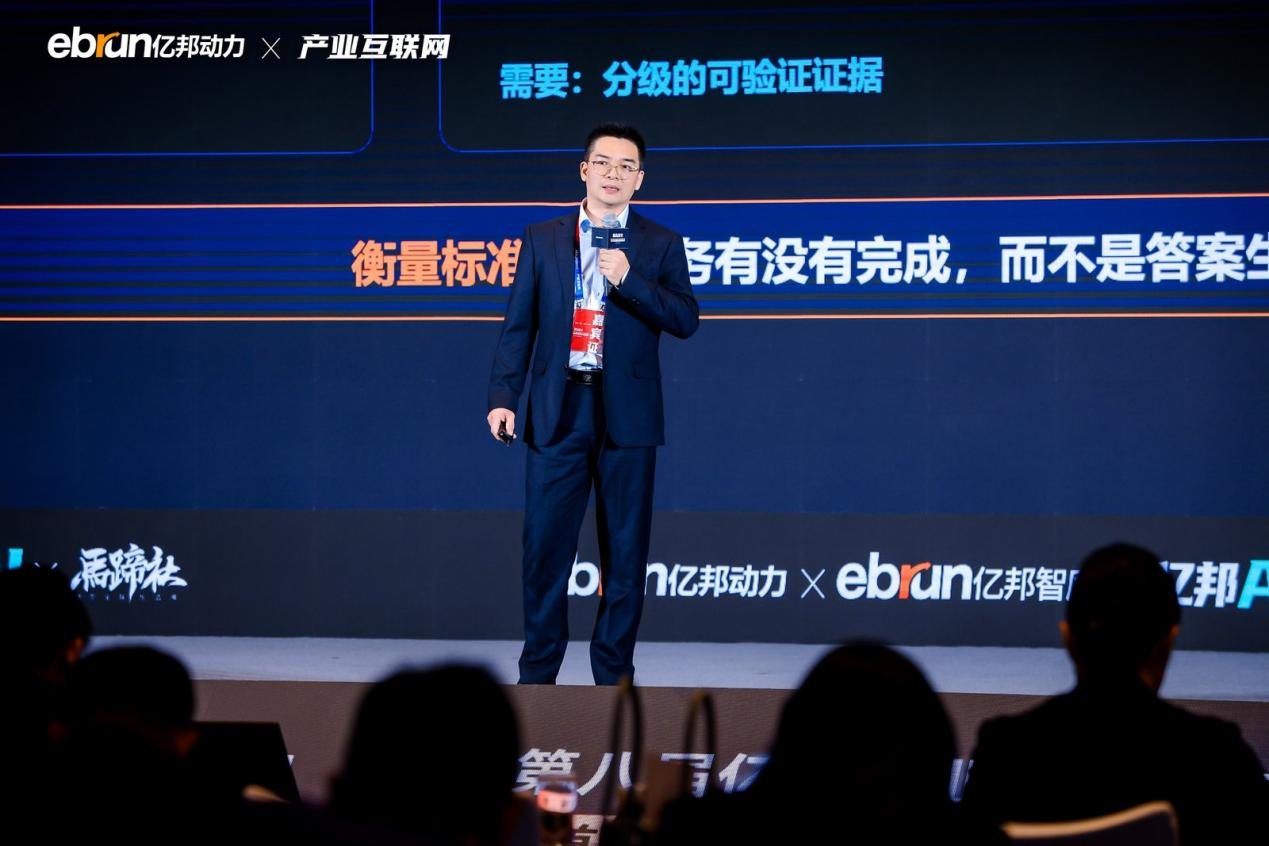
【亿邦原创】11月20日消息,在2026第八届亿邦产业互联网年会暨首届产业智能体大会上,云汉芯城技术副总裁李鲲鹏发表了题为《让Agent读懂元器件:电子产业AI+数据基础设施》的演讲。他指出,产业AI时代的核心需求并非让模型给出信息答案,而是帮助用户完成实际工作,当下行业并不缺AI能力,缺的是能让模型读得懂、信得过、可落地办事的数据资源与服务能力。

李鲲鹏分析,当前电子产业上下游已经出现AI应用的明确趋势,不少上游原厂已上线智能体服务,工程师和采购人员也开始通过智能体获取信息,但产业AI落地仍需突破三道核心关卡:首先需要解决产业领域数据的结构化、统一口径问题,让大模型能够读懂产业产品;在此基础上,模型输出的答案需要分级可验证的证据链支撑,才能解决用户的信任问题;最终,模型还需要打通产业上下游的供应链服务体系,才能实现从给出答案到完成交付的闭环。

他介绍,云汉芯城作为从供应链服务体系成长起来的数据服务商,当前定位为AI应用型企业,已具备支撑产业AI落地的业务与数据基础。2026年前三季度,公司营业收入达45.25亿元,较去年同期实现翻倍增长,累计服务超19万家企业客户,对接200多家上游授权原厂,日常可交易SKU超过2600万。通过长期数据治理与上下游合作,公司沉淀了覆盖全行业品类的近5800万电子元器件型号数、支撑选型需求的替代数据库、2600多万可交易SKU以及品检、报关领域的专业数据,为智能体读懂元器件、输出可信推荐结果、完成最终交付搭建了底层支撑。

基于这些数据资产,云汉芯城主要从四个维度推进AI领域的落地探索。面向上游原厂,公司围绕原厂关注的产品使用客户、方案落地阶段、生产决策数据反馈等核心诉求,一方面通过近5800多万电子元器件型号数的规范化治理与统一结构化,搭建连接超19万企业客户与上游原厂的双向触达通道,让产品信息精准匹配客户选型场景;另一方面在用户设计阶段,结合选型替代智能体、FAE专家与原厂团队渗透服务,最终覆盖全链路交付环节并完成数据回流,为原厂生产安排提供参考。

面向下游客户,他提到,硬件工程师在方案设计阶段存在降本、品牌偏好、供应链稳定性等差异化需求,云汉芯城对所有推荐数据进行多维度标注,明确候选型号的参数差异、证据链等级、可采购性与后续质量保障,这些标注后的高质量数据可通过MCP协议接入工程师的智能体、EDA软件等日常工作场景。他分享了一个落地案例,针对某客户提出的整板元器件降本与自主可控替代需求,依托平台沉淀的215多万条国产替代数据、超1000万可售国产替代SKU,公司最终覆盖存储、连接器、信号处理器等多品类需求,完成了整板替代交付。他强调,在AI选型服务场景中,高质量领域数据、专业的智能体能力、可靠的供应链交付能力三者缺一不可,共同支撑用户在场景中完成实际任务。

在企业内部,云汉芯城正在推进全链路的智能化重构,落地“智能经营”重点项目,对从选品、定价、交易到履约的全供应链环节进行AI赋能。在备货选品环节,今年9月AI推荐占新增选品的96%,11月相关决策能力已全面交由AI运行,同时保留人工兜底机制。在品检履约环节,公司基于15万份来自原厂的黄金样品库,包含真实物料外观拍照、丝印、晶圆图等资料,微调训练了专属品检小模型,替代传统人工外观检验,将单商品质量问题识别时间压缩至1秒以内。在客户服务环节,公司打造了面向采购场景的智能体,承接中小订单的询价、跟单、对账、异常处理等服务。此外,团队也在结合产业指数与行业Know-How研究智能定价方案。

在组织与人才建设层面,李鲲鹏介绍,云汉芯城在今年年初发布了内部L1至L5的智能化能力水平标准,明确各环节中AI与人员的权责边界,划定人工兜底与风险管控的节点,引导各部门开展业务流程识别与再造。流程改造采取单点打磨、逐步延伸至上下游协同重构的推进路径,公司内部一方面面向全员开展AI认知与能力培训,技术团队也调整服务模式,深入业务团队协助拆解流程、搭建智能化应用模块;另一方面通过举办内部AI大赛等正向激励方式鼓励创新。

在分享的最后,李鲲鹏提到,若数据仅在单一企业内部流转,其产业价值无法得到充分释放,只有推动数据开放才能实现产业更高效的协同。据他透露,云汉芯城今年已规划开放数据生态合作平台ickeydata.com,计划将可开放的产业数据面向上下游与合作伙伴开放,共建产业服务。云汉芯城未来将持续推动数据、AI与产业应用的深度融合,打造电子产业开放的“AI+数据”基础平台,以数字智能赋能电子制造业的创新发展。

关于本次大会

2026第八届亿邦产业互联网年会暨首届产业智能体大会,主题是“AI与出海带来的模态进化”,聚焦产业智能体落地、AI供应链价值重构、数据要素与TOKEN经济、产业出海新生态等前沿议题深度思辨。大会集结学界权威、央国企标杆、产业龙头、投资机构、服务生态,汇聚产业核心力量、拆解产业数智化转型路径、分享前沿实战经验。

产业互联网是数智技术、全球化、产业链、供应链变革引发的产业新模态,亿邦动力产业互联网年会已成为我国产业互联网领域的标志性行业交流活动。

本文首发于 亿邦动力 官方网站

文章来源:亿邦动力

广告
微信
朋友圈

FAQ回顾

电子产业AI落地需要突破哪些关键关卡?

电子产业AI落地需过三道关:一是解决领域数据结构化、统一口径,让大模型读懂产业产品;二是用分级可验证的证据链支撑模型输出,解决用户信任问题;三是打通上下游供应链服务体系,实现从给出答案到完成交付的闭环。

云汉芯城是什么公司,在电子产业AI中扮演什么角色?

云汉芯城是从供应链服务体系成长起来的数据服务商,定位为AI应用型企业。2026年前三季度营收45.25亿元,累计服务超19万家企业客户,对接200多家上游授权原厂,日常可交易SKU超2600万,沉淀近5800万电子元器件型号数,支撑智能体读懂元器件、可信推荐与交付。

元器件选型智能体落地需要哪些能力?

在AI选型服务场景中,高质量领域数据、专业智能体能力、可靠供应链交付能力三者缺一不可。云汉芯城对推荐数据做多维度标注,明确候选型号参数差异、证据链等级、可采购性与质量保障,并通过MCP协议接入工程师智能体、EDA软件等工作场景。

电子产业如何用AI满足元器件降本和国产替代需求?

硬件工程师在方案设计阶段有降本、品牌偏好和供应链稳定性需求。云汉芯城依托215多万条国产替代数据、超1000万可售国产替代SKU,结合选型替代智能体、FAE专家与原厂团队,对候选型号标注参数差异、证据链等级和可采购性,已完成覆盖存储、连接器、信号处理器等多品类的整板替代交付。

云汉芯城如何推进企业内部智能化重构?

云汉芯城推进全链路智能化重构,落地“智能经营”,对选品、定价、交易、履约进行AI赋能。今年9月AI推荐占新增选品96%,11月相关决策能力全面交由AI运行并保留人工兜底;基于15万份原厂黄金样品库训练品检小模型,单商品质量问题识别时间压缩至1秒以内;客服智能体承接中小订单询价、跟单、对账和异常处理。

这么好看,分享一下?

朋友圈 分享

APP内打开

赞 +1
+1
微信好友 朋友圈 新浪微博 QQ空间
关闭
收藏成功
发送
/140 0

