广告
加载中

打造“绝对差异化”战略大单品,用设计驱动品牌!

马蹄社 2025-01-02 17:15
马蹄社 2025/01/02 17:15

邦小白快读

EN
全文速览

本文核心分享了设计驱动品牌、打造绝对差异化战略大单品的实战经验,干货内容整理如下:

1. 核心观点:应对当前品类内卷的市场竞争,企业需要靠设计打造产品的绝对差异化,获得形态、市场、定位层面的柔性竞争优势,好设计需要兼顾审美性与务实性,最终目标是实现商业价值。

2. 打造差异化的实操方法:首先要回归用户第一性原理,不盲目追求技术创新,从优化产品内部构成实现创新;其次要精准捕捉并匹配新场景下购买者和使用者的双重需求;最后要靠文化驱动创造新品类,为产品赋予情绪价值。

3. 实施注意事项:差异化必须围绕产品、场景、用户三要素闭环打造,三者要齐头并进,产品变化催生场景变化,场景变化源于用户需求变化,缺一则会阻碍产品发展。

本文带来了头部设计机构打造差异化品牌的实战经验,对品牌商的产品研发和品牌建设有诸多参考,核心干货如下:

1. 当前消费趋势:国内消费品市场已经进入品类内卷阶段,年轻用户不再满足产品的基础工具属性,对产品的设计感、美观性、情绪价值、适配碎片化新场景的能力提出了更高要求,也愿意为差异化设计支付中高端价格。

2. 产品研发方向:品牌要想突出重围,需要走绝对差异化路线,回归用户第一性做产品设计,不盲目堆砌技术,将产品从单纯的工具转化为文化载体与装饰品,形成独有的差异化标识。

3. 实战案例参考:Ulike靠打破常规的差异化设计,连续九年稳居国内脱毛仪销量榜首;yoose有色靠全金属便携差异化设计,切入剃须刀红海市场,靠设计支撑300元以上的中高端定价,成功打开市场,验证了该路线的可行性。

本文分享了红海赛道突围的新打法,为卖家寻找增长机会提供了明确参考,核心干货如下:

1. 机会提示:即便已经成熟的红海赛道,依然存在可观的增长机会,当前年轻用户对产品的设计感、情绪价值、新场景适配性有大量未被满足的需求,主打差异化设计的中高端产品有很大的增长空间。

2. 可学习的实战打法:打造差异化突围大单品,要紧扣产品、场景、用户三要素闭环,先从挖掘用户真实需求出发,调整产品设计适配新场景,再通过文化赋能赋予产品情绪价值,最终形成独家差异化认知。

3. 风险提示:做差异化不能只喊口号,也不能盲目脱离用户需求做创新,必须保证产品、场景、用户三者同步,不能只做表面的形态差异化,忽略了用户真实需求和场景适配,否则无法获得市场认可。

本文分享了当前市场对产品设计的新要求,给工厂的生产研发和业务拓展带来诸多启示,核心干货整理如下:

1. 产品生产与设计需求变化:当前市场端的需求已经发生改变,用户不再只关注产品的功能质量,对产品的外观设计、文化属性、场景适配性要求越来越高,传统只重功能不重设计的产品已经很难打动年轻用户,也无法获得更高溢价。

2. 商业机会:工厂可以抓住设计升级的风口,和专业设计机构合作,针对现有红海品类做设计升级,开发适配新场景的差异化产品,切入利润空间更大的中高端市场,改变过去赚加工费的低利润模式。

3. 业务拓展启示:工厂可以开放自身供应链能力,对接设计机构的原创品牌孵化需求,参与差异化新品的开发,共享品牌增长红利。头部设计机构佳简几何已经成功孵化多个原创品牌,有成熟的设计孵化体系,合作空间较大。

本文分享了头部设计服务机构佳简几何的商业设计经验,对同类型服务商的业务发展有较高参考价值,核心干货如下:

1. 行业发展趋势:设计行业已经从单纯的美学创作转向为商业增长赋能,品牌方需要的设计服务不再是单纯做出好看的外观,而是能帮品牌打造差异化、实现持续增长的系统性解决方案,设计已经成为品牌竞争的核心要素。

2. 客户核心痛点:大量品牌身处红海品类的同质化内卷中,找不到明确的突围方向,很多品牌误区认为创新只能靠技术堆料,忽略了设计端的巨大差异化空间,不知道如何从设计端切入打造竞争优势。

3. 可参考的成熟解决方案:给品牌提供设计服务时,要围绕用户、产品、场景三要素展开,引导品牌回归用户第一性原理,从设计端打造绝对差异化,帮助品牌把产品从单纯的工具转化为兼具文化属性和装饰属性的产品,实现品类突围,该模式已经被多个现象级品牌验证有效。

本文分享了设计驱动品牌增长的新路径,对平台商的招商、运营管理有一定参考价值,核心干货整理如下:

1. 商家对平台的核心需求:越来越多品牌开始走差异化设计突围路线,品牌方需要对接优质的设计资源、深度的行业研学资源来提升自身竞争力,类似马蹄社这种闭门私密共创的研学形式,受到品牌方的认可,能满足品牌深度交流的需求。

2. 平台招商方向:平台可以重点引入具备设计创新能力的品牌和设计服务机构,这类市场主体更擅长打造差异化大单品,更容易跑出增长成绩,佳简几何服务的Ulike、孵化的yoose有色都是已经验证成功的标杆。

3. 运营管理提示:平台可以引导商家关注用户需求变化,鼓励商家做差异化产品创新,帮助商家避开同质化内卷,提升商家的存活率和增长速度,同时也能丰富平台的产品供给,更好满足不同层级用户的需求,优化平台的整体产品生态。

本文记录了当前消费品行业设计驱动增长的新观点与新实践,对产业研究有较高的资料价值,核心内容整理如下:

1. 产业新动向:当前国内消费品行业已经进入同质化内卷的发展阶段,设计正从后台的支撑环节转变为前台的核心竞争要素,“绝对差异化战略大单品”的提法,为红海品类突围提供了新的创新路径。

2. 新商业模式观察:行业已经出现设计机构从服务到孵化自有原创品牌的新商业模式,设计机构依托自身的设计能力和用户洞察优势,孵化自有品牌,能充分发挥自身能力优势,获得比单纯设计服务更高的收益,目前已经跑出yoose有色等成功案例,模式可行性得到验证。

3. 产业创新新逻辑:当前产品创新已经转变为“用户第一性”逻辑,不再是技术先导,而是从用户需求出发做创新,差异化要围绕产品、场景、用户三要素闭环打造,通过设计赋予产品文化和情绪价值,推动产品从工具向文化载体转型,这是当下消费品创新的核心新逻辑。

返回默认
声明:快读内容全程由AI生成,请注意甄别信息。如您发现问题,请发送邮件至 run@ebrun.com 。

我是 品牌商 卖家 工厂 服务商 平台商 研究者 帮我再读一遍。

Quick Summary

This article shares practical experience on building design-driven brands and creating strategically differentiated core products. Key takeaways are as follows:

1. Core thesis: To stand out in today’s oversaturated product categories, companies must leverage design to build absolute product differentiation, gaining flexible competitive advantages in product form, market positioning, and brand positioning. Good design balances aesthetics and practicality, with the ultimate goal of driving commercial value.

2. Practical framework for building differentiation: First, anchor innovation to the user-first principle rather than chasing blind technological breakthroughs, pursuing innovation through optimizing the product’s internal structure. Second, accurately capture and address the dual needs of both purchasers and end users in emerging use scenarios. Third, use cultural positioning to create entirely new product categories and endow products with emotional value.

3. Implementation notes: Differentiation must be built around the closed loop of three core elements — product, scenario and user — all three must advance in tandem. Product changes drive scenario shifts, which in turn stem from changing user needs; missing any one element will hinder product growth.

This article shares hands-on experience from a leading design agency in building differentiated brands, offering valuable insights for brands’ product R&D and brand building. Key takeaways are as follows:

1. Current consumer trends: China’s consumer market has entered an era of cutthroat category competition. Young consumers are no longer satisfied with basic functional attributes, and demand stronger design aesthetics, emotional value, and adaptability to fragmented new scenarios. They are also willing to pay mid-to-high price premiums for well-designed differentiated products.

2. Product R&D direction: To break through the competition, brands must pursue an absolute differentiation strategy, and anchor product design to the user-first principle rather than blindly stacking new technologies. Brands should reposition products from mere tools to cultural carriers and decorative items to build unique differentiated identities.

3. Case validation: Ulike has maintained its position as China’s top-selling IPL hair removal device brand for nine consecutive years through unconventional, differentiated design. yoose carved out share in the red ocean razor market with its differentiated all-metal portable design, supporting a mid-to-high price point above 300 RMB and successfully breaking into the market. These cases prove the viability of this strategy.

This article shares a new playbook for breaking out of red ocean markets, offering clear guidance for sellers seeking new growth opportunities. Key takeaways are as follows:

1. Growth opportunity: Even mature red ocean categories still hold considerable untapped growth. Young consumers have large unmet demand for product design, emotional value and adaptability to new scenarios, leaving significant room for growth for mid-to-high end products focused on differentiated design.

2. Actionable playbook: To build a differentiated breakout core product, sellers must anchor the closed loop of product, scenario and user. Start by uncovering real user needs, adjust product design to fit new scenarios, then endow the product with emotional value via cultural empowerment to build a unique differentiated market position.

3. Risk warning: Differentiation cannot be just empty slogans, or innovation disconnected from real user needs. Product, scenario and user must be fully aligned. Superficial design differentiation that ignores real user needs and scenario adaptability will never gain market acceptance.

This article outlines new market requirements for product design, offering actionable insights for factories’ R&D and business expansion. Key takeaways are as follows:

1. Shifting design and production demand: Market demand has changed. Consumers no longer prioritize only function and quality; they increasingly demand strong exterior design, cultural attributes and scenario adaptability. Traditional products that focus solely on function while ignoring design struggle to resonate with young consumers and cannot command price premiums.

2. New business opportunity: Factories can capitalize on the design upgrade trend by partnering with professional design agencies to refresh existing red ocean categories with design upgrades, develop differentiated products adapted to new scenarios, and enter the higher-margin mid-to-high end market to move beyond the low-margin original equipment manufacturing model.

3. Business expansion insight: Factories can open up their supply chain capabilities to partner with design agencies on original brand incubation projects, participate in the development of differentiated new products, and share in the growth dividends of emerging brands. Leading Chinese design agency Jiajian Geometry has already incubated multiple successful original brands with a mature incubation system, offering significant collaboration potential.

This article shares commercial design experience from leading design agency Jiajian Geometry, offering valuable reference for business development for peer design service providers. Key takeaways are as follows:

1. Industry trend: The design industry has evolved from purely aesthetic creation to enabling commercial growth. Brands no longer seek design services just to create attractive exteriors; they demand systematic solutions that help build differentiation and drive sustained growth. Design has become a core competitive element for brands.

2. Core client pain point: Many brands trapped in homogeneous competition in red ocean categories struggle to find a clear breakout path. Most mistakenly believe innovation requires only heavy technological investment, and overlook the huge room for differentiation that design offers. They do not know how to build competitive advantage through a design-focused approach.

3. Proven solution framework: When delivering design services for brands, providers should center the work on the three core elements of user, product and scenario. Guide brands to return to the user-first principle, build absolute differentiation through design, and help brands transform products from mere tools into offerings with cultural and decorative value to achieve category breakout. This model has been validated by multiple blockbuster consumer brands.

This article outlines the new path of design-driven brand growth, offering reference for platforms’ merchant recruitment and operations management. Key takeaways are as follows:

1. Core merchant demand: More and more brands are pursuing the design-driven differentiation breakout strategy, and need access to high-quality design resources and in-depth industry learning opportunities to improve competitiveness. Closed-door private collaborative learning formats like the Horse Hooves Community have gained strong traction among brands by meeting their demand for in-depth industry exchange.

2. Recruitment priority: Platforms can prioritize onboarding design-capable brands and professional design service providers. These market players are better positioned to build differentiated core products and achieve outsize growth; Ulike (a Jiajian Geometry client) and yoose (a Jiajian Geometry incubated brand) are both proven examples of this model.

3. Operations guidance: Platforms can guide merchants to pay closer attention to shifting user demand, encourage differentiated product innovation, help merchants avoid homogeneous competition, improve merchant survival and growth rates, enrich platform product selection, better meet demand across consumer segments, and optimize the platform’s overall product ecosystem.

This article documents new perspectives and practices of design-driven growth in China’s consumer goods industry, offering high value for industry research. Key content is as follows:

1. New industry trend: China’s consumer goods industry has entered a stage of homogeneous cutthroat competition. Design has shifted from a back-office support function to a core frontline competitive element. The concept of "absolutely differentiated strategic core product" provides a new innovation path for brands looking to break out of red ocean categories.

2. Observation on new business models: A new business model has emerged in the industry: design institutions are moving beyond client services to incubate their own original brands. Leveraging their strengths in design and user insight, design firms can generate higher returns from incubated brands than from traditional service-only models. The model has already proven viable with successful cases such as yoose.

3. New logic for consumer innovation: Product innovation has shifted to a "user-first" logic, replacing the traditional technology-first model. Innovation now starts from user demand, with differentiation built around the closed loop of product, scenario and user. Design is used to endow products with cultural and emotional value, driving the transformation of products from mere tools to cultural carriers. This is the core new logic for consumer product innovation today.

Disclaimer: The "Quick Summary" content is entirely generated by AI. Please exercise discretion when interpreting the information. For issues or corrections, please email run@ebrun.com .

I am a Brand Seller Factory Service Provider Marketplace Seller Researcher Read it again.

好的产品设计不仅要有审美性,还需要具备务实性。将品牌和产品串联成一个完整的表达,从而实现其商业价值,是品牌设计的最终使命。


如何让设计更加符合商业、更加符合供应链、更加符合当下的市场?这不是技术和工程,不是成本和供应链,而是用设计去取得一个柔性优势,也就是让产品在形态上、市场上、定位上取得差异化,这就是绝对差异化。


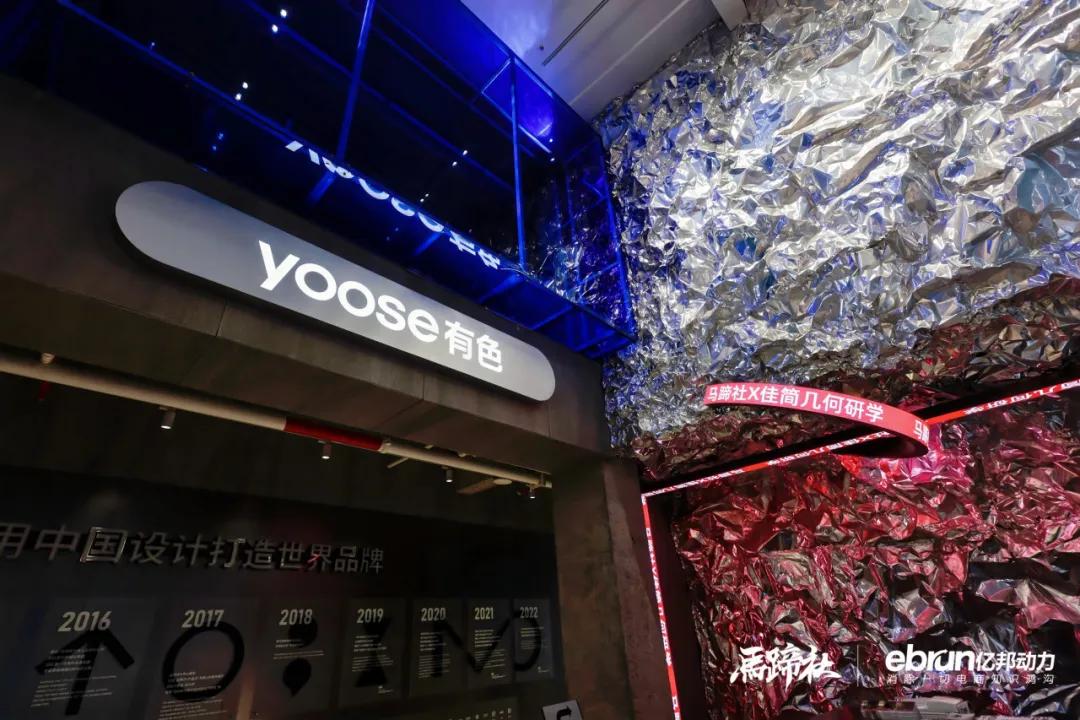
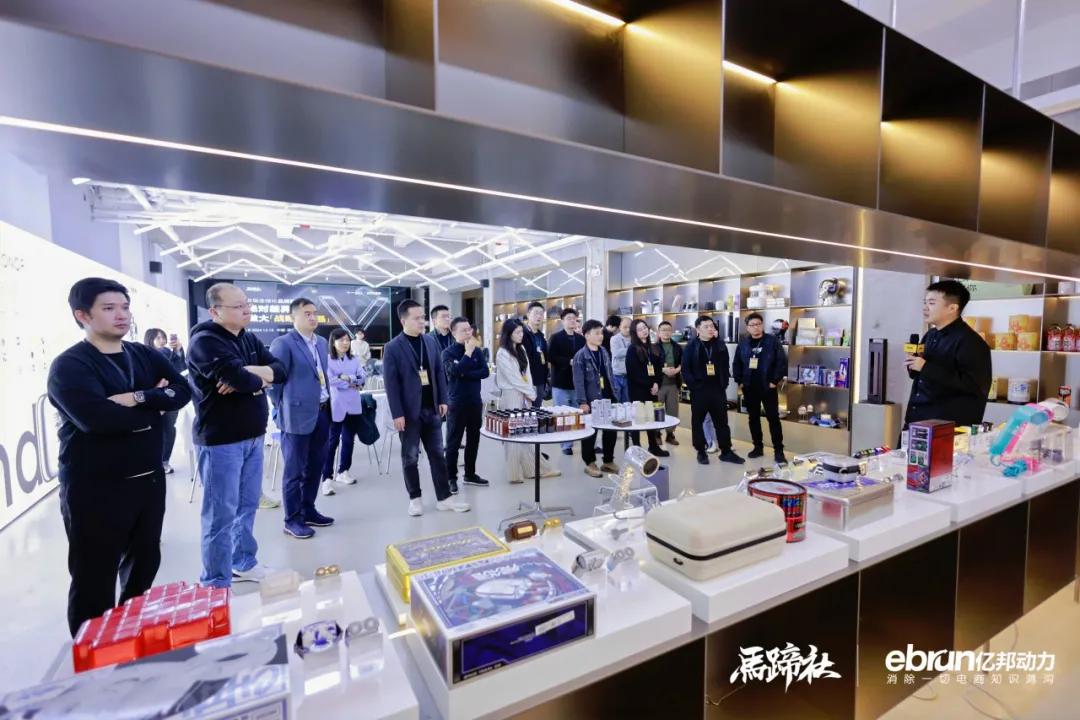
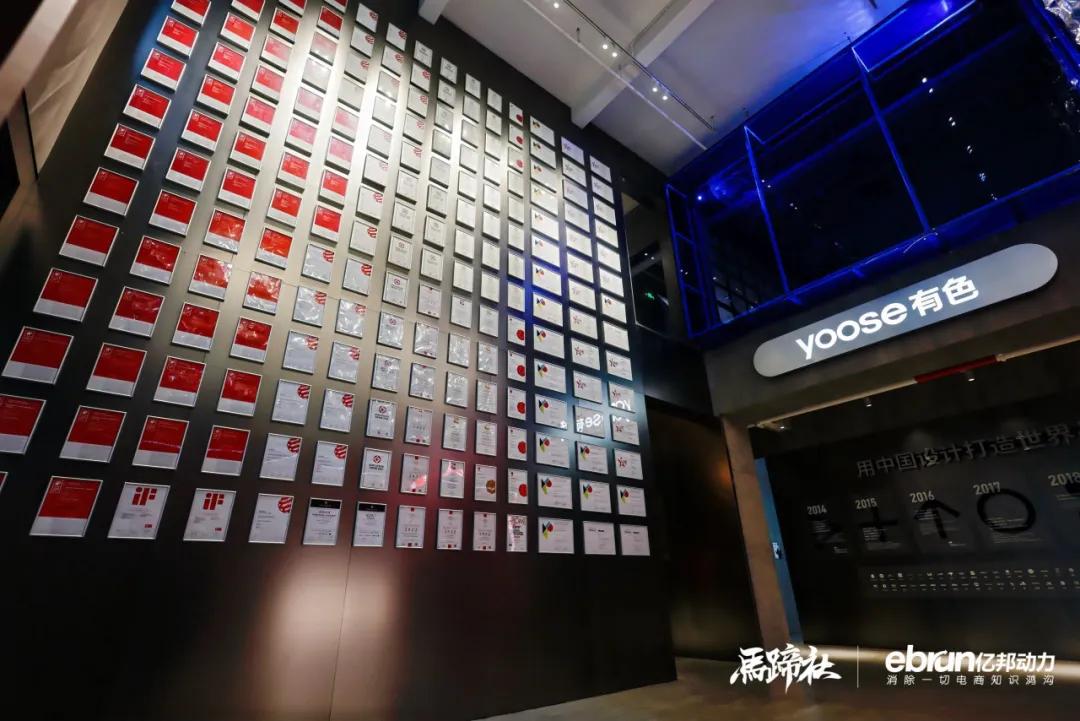
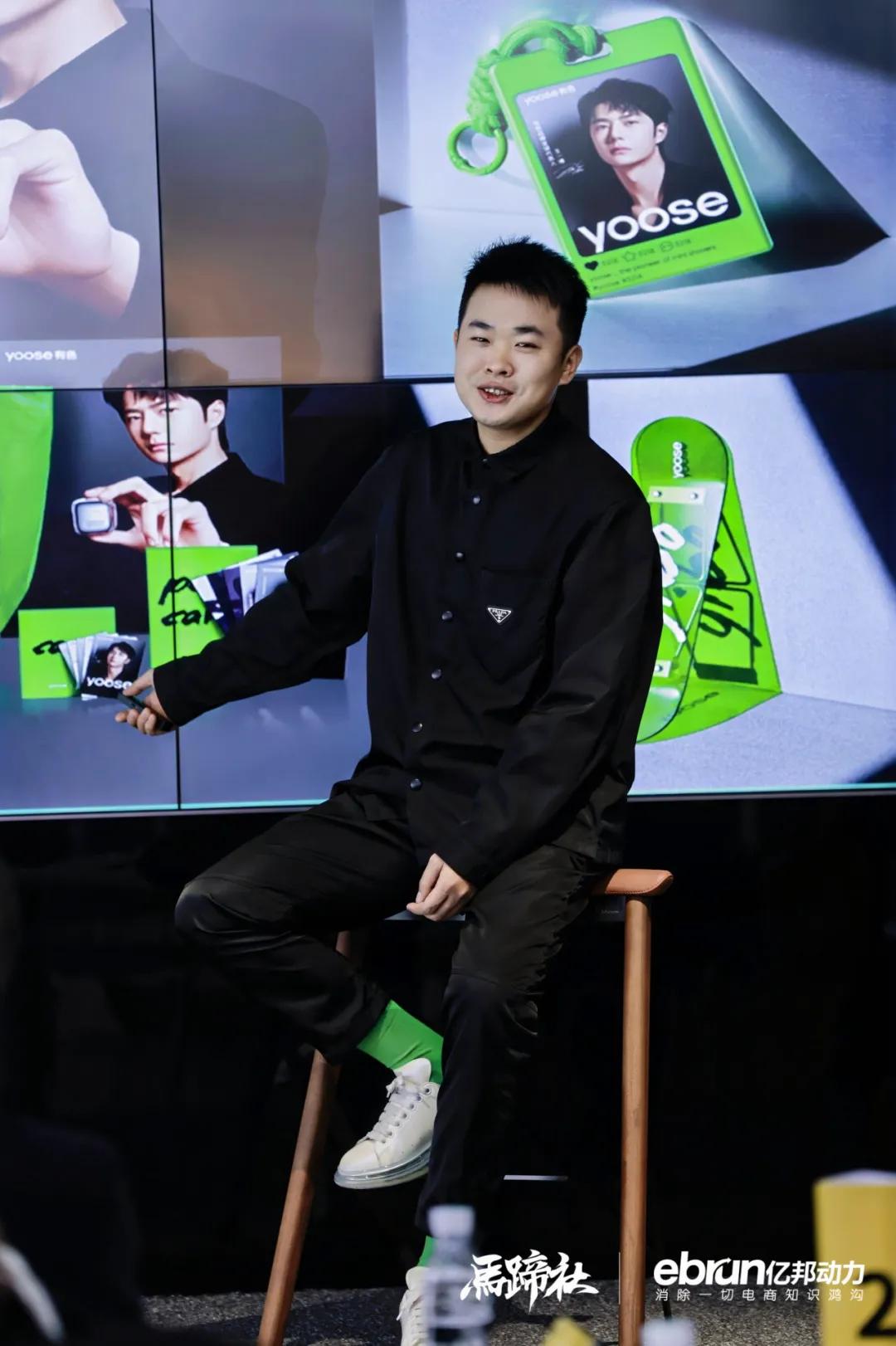
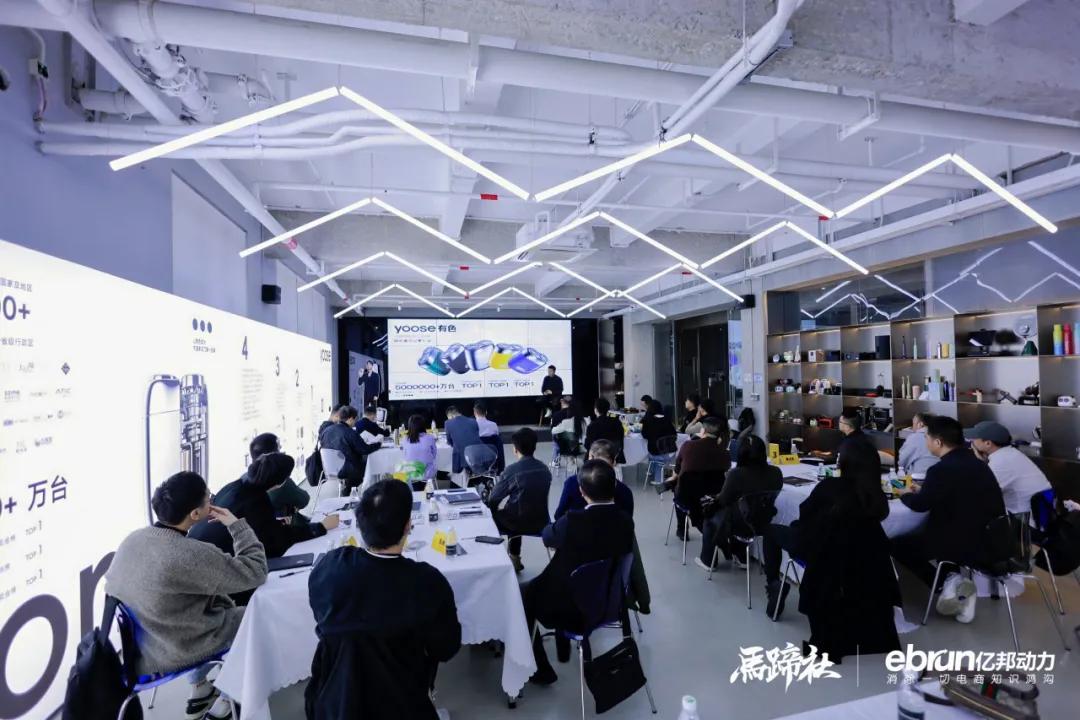
日前,马蹄社走进佳简几何&yoose有色,学习如何挖掘用户真实需求并与之共情,以及如何打造绝对差异化的战略大单品。


图片

图片


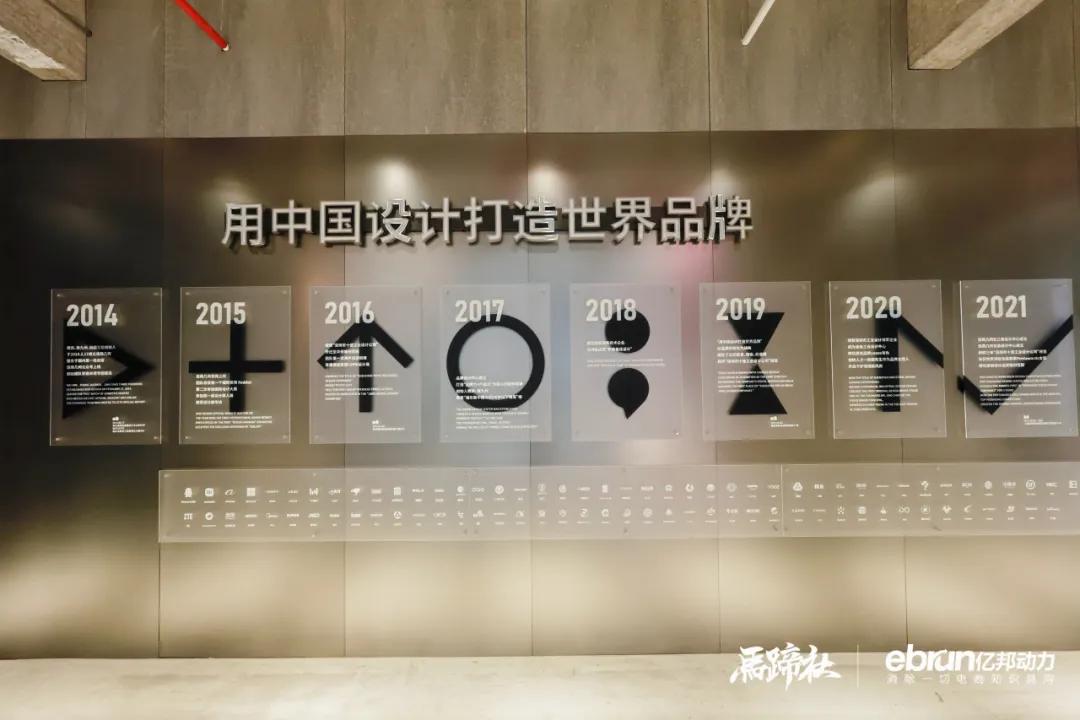
佳简几何创立于2014年,总部位于深圳,以品牌定位与全案设计为核心,提供涵盖品牌创新设计、产品创新设计、包装创新设计、视觉创意设计四大服务模块。


佳简几何致力于提供创新设计解决方案,帮助品牌完成从0到1的塑造和1到100的持续增长,目前已成功打造诸多现象级品牌和产品,包括大人糖、AMIRO觅光、Ulike、Usmile、猿辅导、今麦郎等;并成功孵化了潮流颜值科技品牌有色(yoose)、全新户外装备品牌OUTASK两个原创设计品牌。


图片

图片


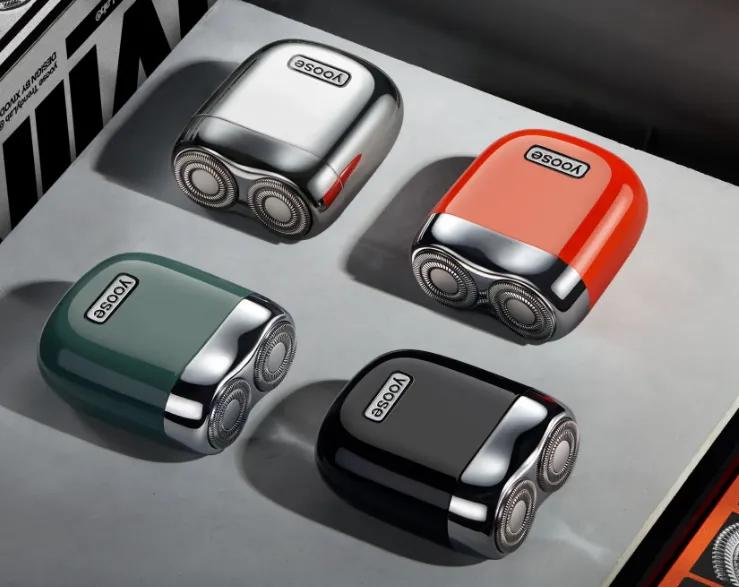
yoose有色产品展示


马蹄社课程为闭门私密共创研学,每节课程全体同学均会签署课程内容《保密协议》,因此以下内容仅呈现已公开观点,不涉及马蹄社课程现场具有保密属性的核心内容。


01

塑造“绝对差异化” 

让产品创新回归“用户第一性”


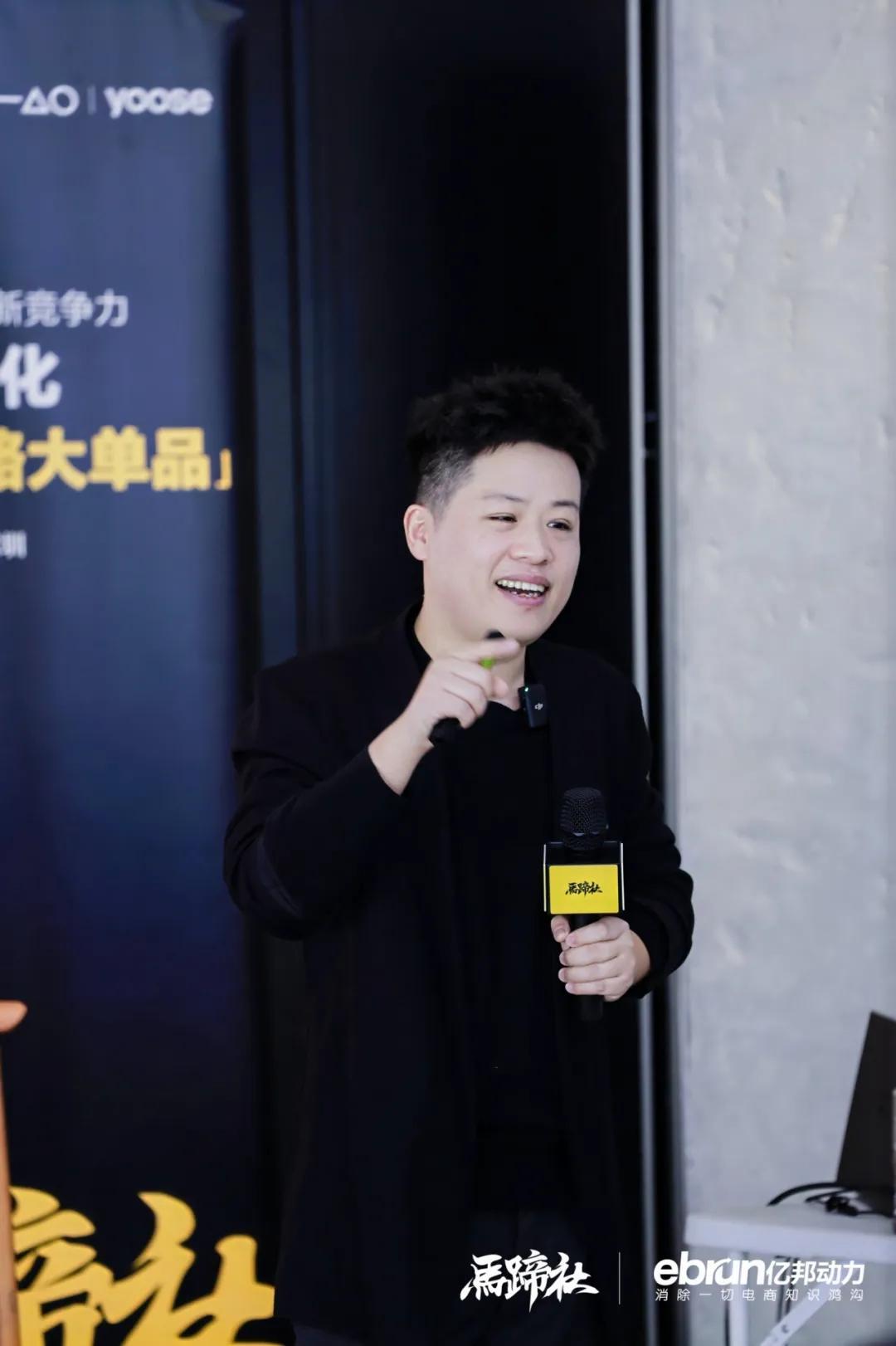
面对日益激烈的市场竞争和品类内卷现象,佳简几何创始人兼CEO、yoose有色联合创始人魏民指出,企业夯实品牌基础应该更加注重塑造产品的「绝对差异化」,以出奇制胜赢得市场。


而实现这目标需要产品人采取多元的设计策略:首先回归“用户第一性”原理,不盲目追求技术创新,优化产品内部构成实现创新变革;其次,精准捕捉并匹配新场景下购买者和使用者的双重需求;最后,通过文化驱动,创造新品类,以独特的文化视角为产品赋予更深层次的情绪价值、激发市场需求。


图片

魏民

佳简几何创始人兼CEO

yoose有色联合创始人


什么才是“绝对差异化”?


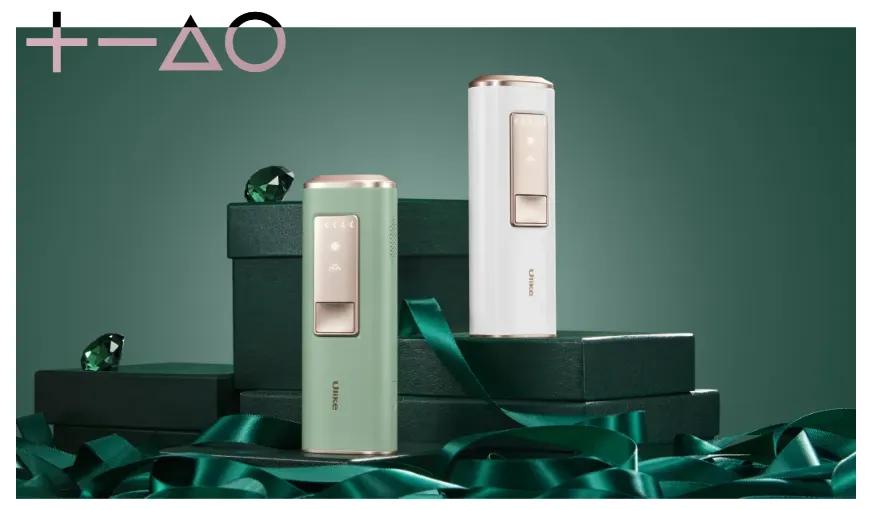
魏民举例到:“佳简几何在竞争激烈的红海市场中,巧妙地运用了去工具化的设计语言,并结合用户第一性的原理,成功助力Ulike打破了传统‘白色外壳+T字形结构’脱毛仪的设计常规。不仅使Ulike产品与传统的工具形态明确区分开来,还通过融入科技语言,显著提升了产品的专业度,从而实现了真正的差异化。”


图片


事实结果证明,自2018年上市以来,Ulike产品凭借其独特的设计,赢得了市场的广泛认可,连续九年稳居中国销量榜首,而近年来Ulike推出的新款产品,也都延续了这一标志性的直筒型设计语言,进一步巩固了其市场地位。


图片


魏民进一步阐述道,在理想状态下,产品的终极形态将是物理形态的消亡,我们应致力于减少物理介质的干扰,避免其阻碍人类活动。然而,在当前技术水平的限制下,这一愿景尚无法实现。因此,企业需要采取转化与融合的策略,将产品从单纯的工具角色转变为文化载体和装饰品,以适应市场需求的变化。他强调,这一转变并非一蹴而就的过程,而是要求企业具备敏锐的市场洞察力、前瞻性的设计思维以及深厚的文化自信。


差异化究竟应该怎样才能做对?


魏民指出,差异化战略的制定需要紧密围绕产品、场景和用户这三大要素展开。他强调,任何一个差异化特色的诞生,都源于产品技术、供应链的变化,用户生活方式、文化偏好的新需求,或者场景洞察的精准与拓展。这三者之间形成了一个闭环的逻辑关系,即产品层面的变化必然带来场景的变化,而场景的变化则是由用户需求的变化或增加所催生的。因此,在实施差异化战略时,必须确保产品、场景和用户三方面的齐头并进,否则将阻碍产品的发展。


图片


02

红海赛道中

如何打造绝对差异化的战略大单品?


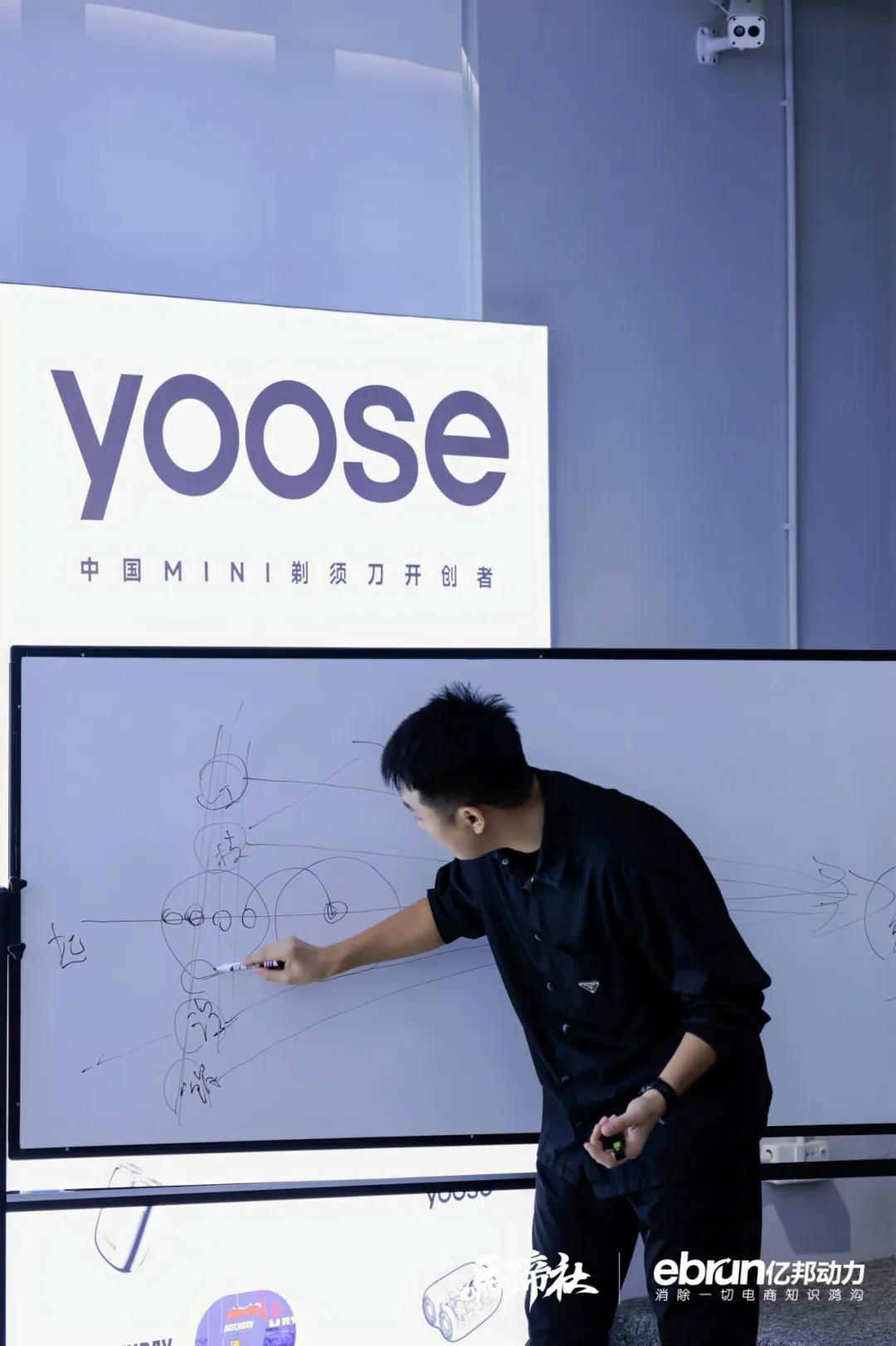
yoose有色的创始人经超是佳简几何合伙人之一,从事工业设计十余年。


图片

经超

yoose有色创始人兼COO


yoose有色剃须刀的设计为“绝对差异化”提供了一个鲜明的例证,展示了在新场景下如何使产品设计精准匹配购买者与使用者的双重需求。


经超在分享中提到,传统剃须刀通常被视为私密用品,但随着现代生活场景的日益碎片化,年轻人对剃须刀的需求已悄然改变。无论是外出时的快速剃须需求,还是在车内备用的应急需求,都促使剃须刀不仅要具备便捷实用的功能,还需兼顾美观性与便携性。


为了满足这一新兴需求,yoose有色剃须刀大胆创新,在电动剃须刀品类中首次采用了全金属外壳设计,这一前所未有的选择不仅赋予了剃须刀更加精致美观的外观,同时也完美契合了用户的使用需求。


yoose有色第一款mini剃须刀主打的时便携性,产品面市后即带领剃须刀行业迈入便携时代。


图片


与均价不过百的国产电动剃须刀相比,yoose有色在诞生之初就把剃须刀的价格定在超过300元的中高端档。


经超表示,此前行业中的大部分剃须刀在设计上都有些“老气横秋”的感觉,而这种只具有工具属性而无设计感的产品是无法满足年轻用户需求的。也正因为此,除了产品本身性能,yoose有色的个性设计也成为了其中高端定价的重要支撑点。


他分享到:“有色会思考年轻人喜欢什么样的产品、喜欢什么样的风格,以及他们的生活状态是什么样的,我们会根据年轻人的这些特点来开发产品去匹配他们的需求。”


经超用他的创业成长历程,诠释了好设计从无到有、从小到大的落地实践,让大家看到好产品背后是无数次的选择取舍和笃定坚持。


03

结语


好的产品设计从不需要解释,以终局思维指引设计方向,从品类分化找突破、以聚焦精进求增长,最终是认知决定了开发路径。


花絮瞬间


亿邦动力联合创始人、马蹄社CEO刘宸为魏民和经超两位老师颁发马蹄社导师证书。


同学提问交流


小组讨论、workshop小组共创讨论、成果输出


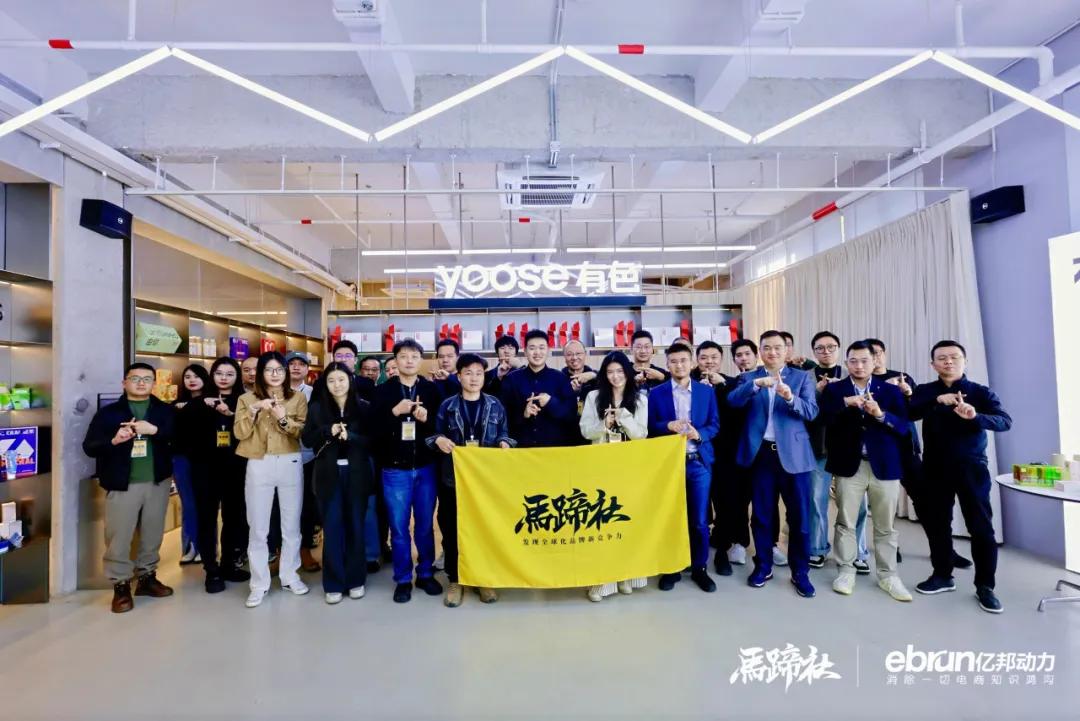
马蹄社本期参会同学


图片


文章来源:马蹄社

广告
微信
朋友圈

FAQ回顾

什么是产品设计的绝对差异化战略?

绝对差异化是指通过设计让产品在形态、市场和定位上取得独特优势,包括回归用户第一性原理、精准匹配新场景需求以及通过文化驱动创造新品类,而非单纯依赖技术创新或成本优化。

yoose有色剃须刀如何实现绝对差异化?

yoose有色在电动剃须刀品类中首次采用全金属外壳设计,主打便携性和美观性,定价超过300元,通过匹配年轻人碎片化生活场景需求,打破了传统剃须刀的工具属性局限。

佳简几何设计公司服务过哪些知名品牌?

佳简几何已成功服务大人糖、AMIRO觅光、Ulike、Usmile、猿辅导、今麦郎等品牌,并孵化了yoose有色和OUTASK两个原创设计品牌,提供品牌创新设计等四大服务模块。

这么好看,分享一下?

朋友圈 分享

APP内打开

赞 +1
+1
微信好友 朋友圈 新浪微博 QQ空间
关闭
收藏成功
发送
/140 0