广告
加载中

三年跑成“隐形冠军”,背后有着怎样的增长策略?

马蹄社 2024-12-25 09:42
马蹄社 2024/12/25 09:42

邦小白快读

EN
全文速览

本文核心分享了中国E-bike品牌大鱼智行车三年成长为隐形冠军的核心干货,整理了可参考的品牌增长实操经验。

1. 大鱼智行车基本成长成绩:品牌2016年成立,是最早抓住海外E-bike机会的中国企业,2021年海外出货量突破50万台,全球用户超100万,常年稳居行业TOP位置,75%营收来自线下渠道。

2. 核心增长方法论:创始人总结为“聚焦细分+增量市场+微创新”,即避开巨头扎堆的主赛道红海,做好长尾细分市场也能成头部;瞄准欧美高增长增量市场,享受赛道红利;初创企业不做同质化,也不用强求颠覆式创新,走迭代微创新路线即可。

3. 出海运营策略:联合创始人提出“快慢结合”思路,渠道拓展、用户反馈响应要快,产品打磨、品质把控要慢,出海不能直接复制国内经验,要做本土化适配。

本文分享了出海E-bike头部品牌大鱼智行车的增长经验,对出海布局的品牌商有很高的参考价值。

1. 消费趋势层面:欧美E-bike是高增长增量赛道,行业整体复合增速为25%-30%,疫情后复合增速超过100%;此前被巨头忽视的折叠E-bike细分赛道,市场规模未来可支撑年流水10亿美元、百亿市值的企业,市场空间充足。

2. 产品研发层面:不需要强求颠覆式创新,差异化可以从技术、工艺设计、材料创新切入,走微创新迭代路线;要把产品质量放在核心位置,不能一味靠低价抢占市场,长期来看高质量反而能带来更低的综合成本。

3. 品牌出海运营层面:不能直接复制国内成功经验,要深入本土化,了解当地文化差异和市场需求,调整产品结构;供应链不能只考量成本,还要兼顾质量提升和效率突破。

本文给出海E-bike赛道的卖家梳理了头部玩家的成功经验,明确了市场机会、可学习方法和需要规避的风险。

1. 市场机会层面:欧美E-bike属于高速增长的增量市场,折叠细分赛道原本是巨头关注度较低的蓝海,目前已经被验证市场空间足够大,哪怕是中小卖家切入也有机会成长为细分头部,赛道每年翻倍增长的红利还在持续。

2. 可学习的经验:一是避开头部品牌扎堆的主赛道红海,聚焦细分长尾市场,做差异化定位;二是走微创新迭代路线,既避开同质化竞争,也符合初创卖家的资源能力,不用强求做颠覆式创新;三是出海必须做本土化调整,不能直接照搬国内运营和产品思路。

3. 风险提示:不能一味靠低价抢占市场,短期起量后期一定会付出代价;供应链不能只压成本,要兼顾质量和效率;运营要做到渠道响应快,产品打磨慢,稳扎稳打才能长期增长。

本文分享了大鱼智行车的成功路径,对想要转型出海的制造工厂有很多启示,明确了市场机会和发展方向。

1. 商业机会层面:欧美E-bike市场处于高速增长期,目前中国供应链在全球有明显的竞争优势,“德国设计+中国供应链”的模式已经被大鱼验证成功,工厂可以依托自身的生产制造优势切入这个高增长赛道,挖掘新的增长空间。

2. 产品生产设计需求:当前E-bike市场的差异化不需要做颠覆式创新,可以从设计、工艺、材料、性能层面做微创新;消费者对产品品质要求很高,工厂不能一味降成本做低价产品,高质量才是长期生存的核心竞争力。

3. 出海转型启示:工厂可以发挥自身供应链优势,和海外设计团队合作,结合双方优势打造产品;出海不能直接把国内畅销产品照搬去海外,一定要深入调研本土市场需求,调整产品结构适配当地需求,才能打开市场。

本文梳理了中国E-bike出海的行业现状和头部玩家经验,对出海相关服务商把握行业趋势、服务客户有很高参考价值。

1. 行业发展趋势:当前中国E-bike出海正处于高速增长风口,欧美市场整体复合增速超过25%,疫情后更是突破100%,折叠细分赛道已经跑出头部品牌,越来越多中国品牌会布局出海,赛道整体市场需求旺盛,相关服务需求会持续增长。

2. 客户核心痛点:大部分出海初创品牌普遍存在定位不准的问题,要么扎堆主赛道红海和巨头竞争,要么一味打价格战忽略质量,要么直接复制国内经验不适应本土市场,资源有限也没能力做颠覆式创新。

3. 可向客户输出的解决方案:可以参考头部玩家的成熟经验,建议客户聚焦细分长尾赛道切入增量市场,走微创新迭代路线适配自身能力,推动客户坚持本土化运营,做到渠道响应快、产品打磨慢,重视质量控制,帮助客户避开低价竞争的坑。

本文分享了E-bike出海头部品牌的发展经验,对出海平台把握品牌需求、优化招商运营、规避风险有参考意义。

1. 品牌对平台的核心需求:中国出海E-bike品牌很大一部分营收来自线下渠道,大鱼智行车75%营收来自线下,还成功进驻美国Costco,说明出海品牌对对接海外本土线下渠道、获取本土市场洞察的需求很强,平台可以针对性完善服务。

2. 平台招商方向:E-bike出海是目前少有的高增长赛道,细分折叠赛道增长空间充足,头部品牌已经验证了模式可行性,还有大量中小品牌等待入局,平台可以将E-bike出海品牌作为重点招商方向,挖掘新的增长极。

3. 运营优化和风险规避:平台可以向入驻品牌输出头部玩家的成熟经验,提醒品牌不要一味打价格战,避免后期出现大规模质量问题影响平台声誉;引导品牌走本土化运营路线,帮助品牌对接本土资源,避开直接复制国内经验的坑,推动品牌长期健康增长。

本文记录了中国E-bike出海隐形冠军大鱼智行车的成长路径和方法论,为研究中国品牌出海提供了鲜活的一手案例,有很多研究价值。

1. 产业新动向:当前中国E-bike出海已经进入品牌化增长阶段,最早布局赛道的中国品牌已经跑出头部,行业梯队初步形成,大鱼是中国首个年出货突破50万台的E-bike出海品牌,第二梯队销量仅在10万台级别,头部效应已经显现;欧美E-bike赛道高速增长,中国品牌依托供应链优势已经占据出口领先位置。

2. 新商业模式总结:大鱼打造了“德国设计师团队+中国供应链”双驱动的模式,结合双方优势,总结出“聚焦细分赛道+增量市场+微创新”的增长方法论,出海运营采用“快渠道响应+慢产品打磨”的本土化策略,不拼低价重质量,这套模式非常适合资源有限的初创出海品牌,已经被验证成功。

3. 研究启示:中国品牌出海不一定非要切入巨头扎堆的主赛道,做好细分长尾赛道也能成长为隐形冠军;初创企业不一定需要追求颠覆式创新,迭代式微创新更适配创业企业的资源条件,出海本土化需要落到产品调整层面,不能只停留在口号。

返回默认

声明:快读内容全程由AI生成,请注意甄别信息。如您发现问题,请发送邮件至 run@ebrun.com 。

我是 品牌商 卖家 工厂 服务商 平台商 研究者 帮我再读一遍。

Quick Summary

This article shares core insights into how Chinese e-bike brand DYU grew into a hidden champion over three years, and compiles actionable, referenceable brand growth经验.

1. DYU’s core growth track record: Founded in 2016, it was one of the first Chinese companies to capitalize on the overseas e-bike opportunity. In 2021, its overseas shipments exceeded 500,000 units, it boasts over 1 million global users, has consistently ranked among the top players in the industry, and generates 75% of its revenue from offline channels.

2. Core growth methodology: Summarized by its founder as "focus on niche segments + incremental markets + incremental innovation". This means avoiding the crowded red ocean of mainstream segments dominated by giants, and building a leading position in long-tail niche markets; targeting high-growth incremental markets in Europe and North America to capture sector dividends; and for startups, instead of pursuing homogeneous competition or disruptive innovation, a path of iterative incremental innovation is sufficient.

3. Cross-border operation strategy: DYU’s co-founder proposed a "balance of speed and patience" approach: channel expansion and response to user feedback need to be fast, while product refinement and quality control need to be slow. Directly replicating domestic experience does not work for going global—local adaptation is required.

This article shares the growth experience of DYU, a leading Chinese cross-border e-bike brand, offering high reference value for brands planning global expansion.

1. Consumer trend perspective: The European and North American e-bike market is a high-growth incremental sector, with an overall industry CAGR of 25%-30%, and a post-pandemic CAGR exceeding 100%. The folding e-bike niche, long overlooked by industry giants, has sufficient market space to support a company with $1 billion in annual revenue and a $10 billion market capitalization.

2. Product R&D perspective: There is no need to force disruptive innovation. Differentiation can be achieved through incremental innovation in technology, process design, and materials; product quality must be prioritized over competing purely on low prices, as high quality actually delivers lower overall long-term costs.

3. Cross-border brand operation perspective: Do not directly replicate domestic success. Deep localization is required to understand local cultural differences and market demand, and adjust product portfolios accordingly. For supply chains, cost should not be the only consideration—quality improvement and efficiency gains must also be prioritized.

This article sorts out the success experience of a leading player in the cross-border e-bike track for sellers, clarifying market opportunities, actionable lessons, and risks to avoid.

1. Market opportunity perspective: The European and North American e-bike market is a high-growth incremental sector. The folding e-bike niche was originally a blue ocean with little attention from giants, and its large market size has now been proven. Even small and medium-sized sellers have the opportunity to grow into niche leaders, and the annual doubling dividend of the track continues.

2. Actionable lessons: First, avoid the red ocean of mainstream segments crowded with leading brands, focus on long-tail niche markets and build differentiated positioning; second, pursue a path of iterative incremental innovation to avoid homogeneous competition, which fits the resource constraints of early-stage sellers and removes the pressure to pursue disruptive innovation; third, localization adjustments are mandatory for going global—do not directly copy domestic operation and product strategies.

3. Risk warnings: Competing purely on low prices to gain market share will lead to long-term costs even if it delivers short-term volume growth; do not only push for lower supply chain costs—balance quality and efficiency; prioritize fast channel response and slow product refinement for stable, sustained long-term growth.

This article shares DYU’s success path, offering multiple insights for manufacturing factories looking to transform through going global, and clarifying market opportunities and development directions.

1. Business opportunity perspective: The European and North American e-bike market is in a period of rapid growth, and Chinese supply chains already hold clear global competitive advantages. DYU has successfully validated the "German design + Chinese supply chain" model. Factories can leverage their own manufacturing strengths to enter this high-growth track and unlock new growth potential.

2. Product design and manufacturing requirements: Current market differentiation in the e-bike industry does not require disruptive innovation. Incremental innovation in design, craftsmanship, materials and performance is sufficient. Consumers place high demands on product quality—factories should not cut costs to deliver low-priced products; high quality is the core competitiveness for long-term survival.

3. Insights for cross-border transformation: Factories can leverage their supply chain advantages and partner with overseas design teams to build products that combine the strengths of both sides. Do not directly take domestically best-selling products to overseas markets; in-depth research into local market demand and product portfolio adjustments to fit local needs are required to successfully enter the market.

This article sorts out the current industry status and leading player experience of Chinese e-bike brands going global, offering high reference value for cross-border service providers to understand industry trends and better serve clients.

1. Industry development trends: Chinese e-bike cross-border expansion is currently in a rapid growth boom. The overall European and North American market has a CAGR exceeding 25%, which surged past 100% after the pandemic. Leading brands have already emerged in the folding e-bike niche, and a growing number of Chinese brands are planning global expansion. Overall market demand for the track remains strong, and related service demand will continue growing.

2. Core client pain points: Most early-stage cross-border brands generally face positioning problems: many crowd into the red ocean of mainstream segments to compete with giants, some compete purely on price while ignoring quality, others directly replicate domestic experience that does not fit local markets, and most have limited resources and lack the capacity to pursue disruptive innovation.

3. Actionable solutions to offer clients: Drawing on mature experience from leading players, service providers can advise clients to enter incremental markets by focusing on long-tail niche segments, pursue a path of incremental innovation that matches their own capacity, push clients to stick to localized operations, prioritize fast channel response and slow product refinement, emphasize quality control, and help clients avoid the pitfall of price-based competition.

This article shares the development experience of a leading cross-border e-bike brand, offering reference value for cross-border platforms to understand brand demand, optimize merchant recruitment and operations, and mitigate risks.

1. Core brand demands on platforms: A large share of revenue for Chinese cross-border e-bike brands comes from offline channels—75% of DYU’s revenue comes from offline, and it has successfully entered U.S. warehouse club Costco. This indicates that cross-border brands have strong demand for connections to local overseas offline channels and local market insights, which platforms can tailor their services to meet.

2. Platform merchant recruitment direction: Cross-border e-bike is one of the few current high-growth tracks, and the folding niche has sufficient growth space. Leading brands have already validated the feasibility of the model, and a large number of small and medium-sized brands are waiting to enter the market. Platforms can prioritize cross-border e-bike brands as a key recruitment target to unlock new growth drivers.

3. Operation optimization and risk mitigation: Platforms can share mature experience from leading players with入驻 brands, remind brands not to rely purely on price competition to avoid large-scale quality issues that damage platform reputation; guide brands to adopt localized operation strategies, help brands connect to local resources, avoid the pitfall of directly replicating domestic experience, and drive long-term healthy growth for brands.

This article documents the growth path and methodology of DYU, a hidden champion of Chinese e-bike cross-border expansion, providing a vivid firsthand case for research on Chinese brand globalization with significant research value.

1. New industry trends: Chinese e-bike cross-border expansion has now entered a phase of branded growth. The earliest Chinese brands to enter the track have already emerged as leaders, and an initial industry梯队 has formed. DYU is the first Chinese cross-border e-bike brand to hit annual shipments of over 500,000 units, while second-tier players only ship around 100,000 units annually, indicating a clear leading effect. Driven by the rapid growth of the European and North American e-bike track, Chinese brands have taken a leading position in exports relying on their supply chain advantages.

2. Summary of a new business model: DYU has built a dual-driven model of "German design team + Chinese supply chain" that combines the advantages of both partners. It has developed a growth methodology of "focus on niche segments + incremental markets + incremental innovation", and adopts a localized operation strategy of "fast channel response + slow product refinement", prioritizing quality over low prices. This model is particularly suitable for resource-constrained early-stage cross-border brands, and has been validated as successful.

3. Research implications: Chinese brands going global do not have to enter mainstream segments crowded with giants. Building a presence in long-tail niche segments is sufficient to grow into a hidden champion. Early-stage startups do not have to pursue disruptive innovation; iterative incremental innovation is a better fit for the resource conditions of new ventures. Localization for going global must be implemented through product adjustments, and cannot remain just a slogan.

Disclaimer: The "Quick Summary" content is entirely generated by AI. Please exercise discretion when interpreting the information. For issues or corrections, please email run@ebrun.com .

I am a Brand Seller Factory Service Provider Marketplace Seller Researcher Read it again.

大鱼智行车品牌成立于2016年,是最早一批捕捉到E-bike机会的中国企业,2017年以差异化设计策略打入海外市场,当年的出货量便达到了1.6万台。2018年成为首家进驻美国最大连锁会员制仓储量贩店Costco的中国E-bike企业,随后几年间营收保持着翻倍的增长速度。


凭借德国设计师团队+中国供应链双驱动的模式,大鱼智行在海外风生水起,出货量不断攀新高,牢稳守着行业TOP位置:2020年销售量超15万台,成为全球首家出口突破10万台的E-bike企业;2021年海外出货量率先突破50万台,全球用户超过100万;75%的营收来自于线下。


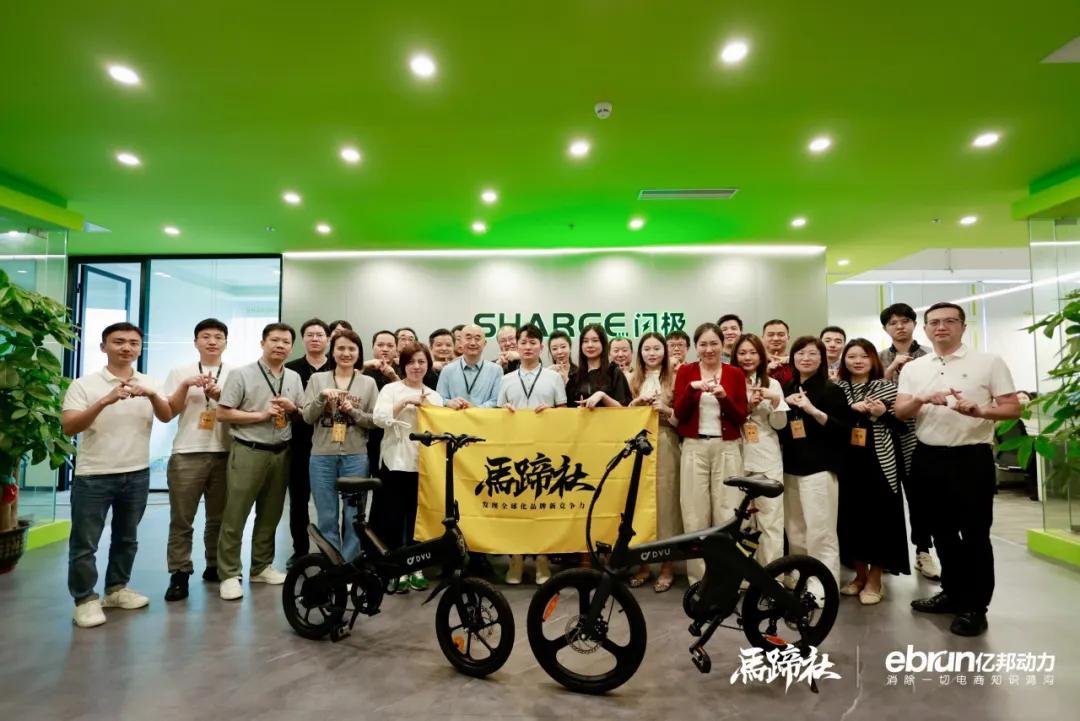
日前,马蹄社×大鱼智行车研学在深圳举办,深度学习如何挖掘用户隐性需求推动产品有效创新以及全球化品牌如何构建海外本土化运营能力。


马蹄社课程为闭门私密共创研学,每节课程全体同学均会签署课程内容《保密协议》,因此以下内容仅呈现已公开观点,不涉及马蹄社课程现场具有保密属性的核心内容。


01

发现价洞察海外细分市场

做细分王者值


从最早期巨头根本看不上的E-bike细分折叠赛道,到规模在未来完全可以支撑年流水超过10亿美元级别、市值在100亿左右的一家企业。大鱼智行车找到了自己的“王者增长方法论”。


伴随着E-bike赛道越来越受到海外消费者喜爱,成立于2016年的大鱼智行车,填补了欧美市场上的空白,占有率快速上涨,全球用户突破100万,每年增长速度超过100%。2022年,大鱼智行车便已成为中国E-bike出海首家达到50万台量级的企业,而国内的第二梯队销量基本上都在10万台的级别。


图片

李威

大鱼智行车创始人兼CEO


在大鱼智行车创始人兼CEO李威看来,大鱼智行车能够实现细分赛道生长出绝对的头部品牌,靠的主要是以下三个关键点:


第一,聚焦细分赛道。主市场竞争白热化,巨头林立,而事实证明,长尾市场如果做得好,也能成为行业的头部玩家。


第二,瞄准增量市场。在欧美,E-bike作为新兴品类,复合增速在25%-30%。并且在疫情之后,复合增速已经超过100%,在这样的市场环境下,大鱼智行曾经创造出了出货量翻倍的成绩。


第三,品牌微创新。同质化不可取,而平台级大型公司所做的颠覆式创新又达不到,因此迭代式创新才是符合初创企业的发展思路。


这也是李威总结的一个方法论模型,即:聚焦细分+增量市场+微创新。他表示:“作为一个企业,完全没有创新的同质化是不可取的,而平台级大型公司所做的颠覆式创新又达不到,因此迭代式创新才是符合初创企业的发展思路。”


图片


02

品牌出海的“快”与“慢”


三年跑成“隐形冠军”,大鱼背后有着怎样的增长策略?


在产品和市场方面,大鱼智行车联合创始人兼COO李孝剑认为有两个关键的“快”与“慢”——在渠道拓展、流量入口以及消费者反馈上,要足够“快”;而在产品打磨和品质要求上,则需要更“慢”。


图片

李孝剑

大鱼智行车联合创始人兼COO


李孝剑表示,对于新的国家、新的开端、新的品牌,不能单纯地认为品牌在中国做的好,就可以直接复制到国外。


在国外要从零开始,一定要深入了解一线市场,产品体系、产品结构等等都需要改变。全球化思维要求品牌不仅是地理的迁徙、地域的扩张,更要注重文化的融合和思想的碰撞,它要求品牌要深入本土,理解并尊重当地的文化差异和市场需求。


在产品方面,李孝剑认为目前的差异化并不要求颠覆式的创新。这个差异化可能来自于技术创新,也可以是工艺设计、材料创新,要在性能和效率上突破,而不一定是颠覆式的创新。


在中国做品牌“特别卷”,其实海外同样如此,如果想要做成一个真正的品牌,质量是重中之重。李孝剑提到:“如果一味地追求低价,你可能在短期内占领一部分市场,但是将来的某一天,你一定会付出代价。这样看来,高质量才能带来低成本。”


对于供应链,李孝剑也分享了他的另外一种思考,即供应链不仅仅是成本的考量,还需要更多地关注质量的提升和效率的突破。


图片


花絮瞬间


亿邦动力联合创始人、马蹄社CEO刘宸为李威和李孝剑两位老师颁发马蹄社导师证书。


图片

亿邦动力CEO王超在课程最后分享了对于用户隐性需求挖掘以及品牌全球化的底层洞察。


图片

课堂干货多多 同学笔记满满


小组讨论、workshop小组共创讨论、成果输出


马蹄社本期参会同学

图片


文章来源:马蹄社

广告
微信
朋友圈

FAQ回顾

大鱼智行车的主要增长策略有哪些?

大鱼智行车采用三核心策略:聚焦E-bike细分折叠赛道、瞄准欧美25%-30%复合增速的增量市场、实施品牌微创新。2017年出货量1.6万台,2021年海外出货量突破50万台,年增长率超100%。

大鱼智行车如何构建海外本土化运营能力?

采用德国设计师团队与中国供应链双驱动模式,深入一线市场调整产品体系。75%营收来自线下,2018年成为首家进驻美国Costco的中国E-bike企业,注重文化融合与当地市场需求。

E-bike出海企业的产品差异化如何实现?

通过技术创新、工艺设计或材料创新实现迭代式微创新,而非颠覆式创新。强调高质量而非低价竞争,供应链管理注重质量提升和效率突破,确保长期品牌价值。

这么好看,分享一下?

朋友圈 分享

APP内打开

赞 +1
+1
微信好友 朋友圈 新浪微博 QQ空间
关闭
收藏成功
发送
/140 0