广告
加载中

国资委和发改委联合发文:鼓励央企预留采购份额支持中小企业

亿邦智库 2024-08-14 15:00
亿邦智库 2024/08/14 15:00

邦小白快读

EN
全文速览

国资委和发改委联合发布指导意见,鼓励央企预留采购份额支持中小企业,提供实操干货。

1. 政策核心要求央企不得违法限定供应商条件排斥中小企业,鼓励通过预留采购份额和优先支付方式给予支持。

2. 预留份额具体比例:采购限额标准以上,200万元以下货物服务项目直接面向中小企业;超200万元货物服务或超400万元工程,预留30%以上预算给中小企业,其中小微企业占比不低于60%。

3. 2023年和2024年政策延续并提高工程预留份额至40%以上,分别执行到2025年底和2026年底,确保中小企业长期受益。

4. 中小企业通过参与央企采购获得更多发展机会,可提升产品质量、技术水平和可持续发展能力,克服当前经营困难。

央企采购政策为品牌商等中小企业提供品牌发展和产品研发机遇。

1. 政策预留采购份额支持中小企业参与,品牌商可借此拓展营销渠道,应对消费趋势和用户行为变化。

2. 通过参与央企产业链供应链,品牌商能提升产品质量和技术,优化自身品牌定位和研发能力。

3. 数字化采购报告展示央企网上商城实践,品牌商可借鉴供应链优化经验,以应对市场竞争和价格挑战。

政策解读揭示卖家增长市场和商业机会。

1. 央企必须预留采购份额支持中小企业,提供正面机会:超400万元工程预留40%以上份额延续至2026年底,确保长期订单来源。

2. 风险提示:需适应政策要求,避免因不合理条件被排斥;机会提示:中小企业可借此克服经营压力,提升需求层面竞争力。

3. 可学习点:参与央企采购能提升可持续发展能力,最新商业模式如数字化供应链协同,提供合作和扶持政策启示。

采购政策为工厂提供产品生产和商业机会。

1. 预留份额规定支持工厂获得更多生产订单,如工程采购预留40%以上份额,满足产品设计和生产需求。

2. 商业机会:工厂通过参与央企供应链,可提升产品质量和技术水平,推进数字化和电商化转型。

3. 启示:数字化采购报告展示央企实践,工厂可借鉴优化生产流程,抓住政策延续到2026年的机遇。

行业发展趋势聚焦数字化采购和新技术应用。

1. 亿邦智库报告以“技术变革与价值创造”为主题,优选14家央企网上商城作为最佳实践,展示供应链优化和数字化转型趋势。

2. 客户痛点:中小企业面临经营困难,服务商可提供解决方案如网上商城建设,提升采购效率。

3. 新技术启示:报告提供可借鉴模式,服务商能参考央企经验,解决行业痛点和推动创新。

央企网上商城实践为平台商提供运营管理和招商启示。

1. 商业需求:政策要求支持中小企业参与采购,平台需调整招商策略,避免设定不合理条件排斥供应商。

2. 平台最新做法:报告展示14家央企网上商城在数字化转型、供应链优化和商城建设方面的先进经验,提供运营管理参考。

3. 风向规避:确保合规,优先安排价款支付;机会提示:平台可借鉴最佳实践,优化合作方式和扶持政策。

政策法规演变揭示产业新动向和研究启示。

1. 产业新动向:从2020年至今,政策逐步提高预留份额(如工程采购从30%到40%),延续至2026年底,显示支持中小企业力度加强。

2. 新问题:中小企业发展压力大,政策帮助克服困难;智库观点强调其经济重要性,参与供应链提升可持续发展能力。

3. 商业模式启示:数字化采购报告提供法规建议,研究者可分析央企实践对产业法规和供应链协同的影响。

返回默认

声明:快读内容全程由AI生成,请注意甄别信息。如您发现问题,请发送邮件至 run@ebrun.com 。

我是 品牌商 卖家 工厂 服务商 平台商 研究者 帮我再读一遍。

Quick Summary

China's State-owned Assets Supervision and Administration Commission (SASAC) and the National Development and Reform Commission (NDRC) have jointly issued guidelines encouraging central state-owned enterprises (SOEs) to reserve procurement quotas for small and medium-sized enterprises (SMEs), providing practical support measures.

1. The policy prohibits SOEs from setting supplier criteria that unlawfully exclude SMEs, encouraging support through reserved procurement quotas and prioritized payments.

2. Specific quota proportions: For goods and services valued above procurement thresholds but below 2 million RMB, contracts must be directly awarded to SMEs. For contracts exceeding 2 million RMB (goods/services) or 4 million RMB (projects), at least 30% of the budget must be reserved for SMEs, with micro and small enterprises accounting for no less than 60% of this portion.

3. The policy has been extended through 2025 and 2026, with project procurement quotas increased to over 40%, ensuring long-term benefits for SMEs.

4. SME participation in SOE procurement provides development opportunities to enhance product quality, technical capabilities, and sustainable growth, helping overcome current operational challenges.

SOE procurement policies create opportunities for brand owners and SMEs in brand development and product R&D.

1. Reserved procurement quotas enable brand owners to expand marketing channels and adapt to evolving consumer trends and user behaviors.

2. Integration into SOE supply chains helps brands improve product quality and technology while optimizing brand positioning and R&D capabilities.

3. Digital procurement reports showcase SOE e-mall practices, offering brands insights for supply chain optimization to address market competition and pricing pressures.

Policy analysis reveals market growth and commercial opportunities for sellers.

1. SOEs must reserve procurement shares for SMEs, creating stable opportunities: projects over 4 million RMB maintain over 40% quotas until 2026, ensuring long-term order sources.

2. Risk alert: Sellers must comply with policy requirements to avoid exclusion; Opportunity: SMEs can leverage this to overcome operational pressures and enhance demand-side competitiveness.

3. Key takeaways: Participation improves sustainable development capabilities, while new business models like digital supply chain collaboration offer partnership and policy support insights.

Procurement policies create production and commercial opportunities for factories.

1. Reserved quotas help factories secure more production orders, with over 40% of project procurement meeting product design and manufacturing needs.

2. Commercial benefits: Factory participation in SOE supply chains enhances product quality and technical capabilities while advancing digital and e-commerce transformation.

3. Insight: Digital procurement reports demonstrate SOE practices factories can emulate to optimize production processes, leveraging policies extended through 2026.

Industry trends focus on digital procurement and new technology applications.

1. Yibang Think Tank's report highlights "technological transformation and value creation," featuring 14 SOE e-malls as best practices showcasing supply chain optimization and digital transformation trends.

2. Client pain points: SMEs face operational difficulties, creating demand for service providers to offer solutions like e-mall development to improve procurement efficiency.

3. Technology insights: The report provides replicable models for service providers to address industry challenges and drive innovation based on SOE experiences.

SOE e-mall practices offer operational management and merchant recruitment insights for platform operators.

1. Business needs: Policy requirements for SME participation necessitate adjusted recruitment strategies, avoiding unreasonable supplier exclusion criteria.

2. Latest practices: The report showcases 14 SOE e-malls' advanced experiences in digital transformation, supply chain optimization, and platform construction for operational reference.

3. Compliance guidance: Ensure regulatory adherence with prioritized payments; Opportunity: Platforms can adopt best practices to optimize partnerships and support policies.

Policy evolution reveals new industry trends and research implications.

1. Industry动向: Since 2020, policies have progressively increased reserved quotas (e.g., project procurement from 30% to 40%), extended through 2026, demonstrating strengthened SME support.

2. Emerging issues: While SMEs face development pressures, policies help overcome difficulties; think tanks emphasize their economic importance and supply chain participation for sustainable growth.

3. Business model insights: Digital procurement reports provide regulatory suggestions, enabling researchers to analyze SOE practices' impact on industrial regulations and supply chain collaboration.

Disclaimer: The "Quick Summary" content is entirely generated by AI. Please exercise discretion when interpreting the information. For issues or corrections, please email run@ebrun.com .

I am a Brand Seller Factory Service Provider Marketplace Seller Researcher Read it again.

【亿邦原创】2024年7月18日,国资委、发改委联合发布的《关于规范中央企业采购管理工作的指导意见》(以下简称《指导意见》)提出,中央企业应当支持中小企业参与采购活动,不得违法限定供应商所在地、所有制形式、组织形式、注册资本、股权结构、经营年限等,或者设定其他不合理的条件排斥、限制中小企业参与采购活动;鼓励央企通过预留采购份额、优先安排价款支付等方式给予中小企业积极支持。

亿邦智库了解到,关于给中小企业预留采购份额,有关部委发布了系列文件:

2020年12月,《政府采购促进中小企业发展管理办法》(财库〔2020〕46号)第七条规定:采购限额标准以上,200万元以下的货物和服务采购项目、400万元以下的工程采购项目,适宜由中小企业提供的,采购人应当专门面向中小企业采购。

第八条规定:超过200万元的货物和服务采购项目、超过400万元的工程采购项目中适宜由中小企业提供的,预留该部分采购项目预算总额的30%以上专门面向中小企业采购,其中预留给小微企业的比例不低于60%。

2023年8月,财政部发布的《关于加强财税支持政策落实 促进中小企业高质量发展的通知》(财预〔2023〕76号)明确:超过400万元的工程采购项目中适宜由中小企业提供的,预留份额由30%以上阶段性提高至40%以上的政策延续至2025年底。

2024年7月,国务院办公厅发布关于印发《政府采购领域“整顿市场秩序、建设法规体系、促进产业发展”三年行动方案(2024—2026年)》的通知(国办发〔2024〕33号)明确指出,适用招标投标法的政府采购工程项目要全面落实政府采购支持中小企业政策,对超过400万元的工程采购项目中适宜由中小企业提供的,预留份额由30%以上阶段性提高至40%以上的政策延续至2026年底。

亿邦智库认为,中小企业是国内经济循环的重要组成部分,当前中小企业发展存在一定压力,为帮助中小企业克服当前经营困难,央企需要给中小企业提供更多采购机会,这样中小企业不仅可以得到更多发展机会,还可以通过参与央企产业链供应链,进一步提升产品质量、技术水平以及可持续发展能力。

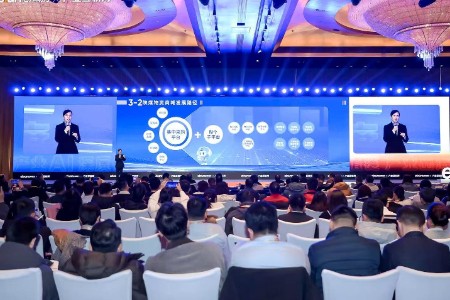
亿邦智库联合中国物流与采购联合会公共采购分会发布的《2024数字化采购发展报告》以“技术变革与价值创造”为主题,优选了14家中央企业网上商城作为供应链协同成就数字化采购的最佳实践代表,旨在展示中央企业在数字化转型、供应链优化以及网上商城建设等方面的先进经验和显著成效,为行业提供可借鉴的模式与策略。

下载完整版报告,请点击【此处】

文章来源:亿邦智库

广告
微信
朋友圈

FAQ回顾

国资委和发改委对央企采购管理提出了哪些支持中小企业的要求?

《指导意见》要求央企不得违法限定供应商条件排斥中小企业,并鼓励通过预留采购份额、优先安排价款支付等方式给予支持。超过200万元的货物服务项目和400万元的工程项目需预留30%以上预算面向中小企业。

政府采购项目为中小企业预留份额的具体标准是什么?

200万元以下货物服务项目和400万元以下工程项目应专门面向中小企业采购。超过此金额的项目需预留30%以上预算给中小企业,其中给小微企业的比例不低于60%。工程项目预留份额已阶段性提高至40%以上至2026年底。

支持中小企业参与央企采购有哪些积极影响?

中小企业可获得更多发展机会,通过参与央企产业链提升产品质量、技术水平和可持续发展能力。《2024数字化采购发展报告》展示了14家央企网上商城的供应链协同实践成效。

这么好看,分享一下?

朋友圈 分享

APP内打开

+1
+1
微信好友 朋友圈 新浪微博 QQ空间
关闭
收藏成功
发送
/140 0