广告
加载中

山西建投:布局电商采购平台,降本合规双维度提质增效

亿邦智库 2026-10-26 10:47
亿邦智库 2026/10/26 10:47

邦小白快读

EN
全文速览

总:文章核心是山西建投自研电商采购平台,以数字化采购降本增效并强化合规。

1.平台2023年上线,面向建筑上下游提供安装材料、装饰材料、家具家电、福利产品、办公生活用品等一站式交易。

2.关键数据:累计交易超15亿元,业务处理效率提升80%,采购成本降低15%,服务项目超1000个,入驻优质厂家及品牌供应商300余家。

3.实操干货:采购全流程上云,覆盖查询、比价、审批、电子签约、支付结算、物流跟踪、开票;RPA用于结算单据自动生成、订单一键拆分、智能付款申请。

4.一线服务采用智仓+驻点和体验店,集采专区将内部采购周期从3至4天缩短至0.5天。

总:平台为建材及关联品牌提供了集采、零采、线上商城和线下体验店结合的渠道入口。

1.品牌可入驻平台,文章称已吸引300余家优质厂家及品牌供应商,集采专区整合26大品类538家供应商。

2.营销上平台策划家电补贴、618爆款月等促销,并与海尔、格力等品牌开展政企双补,兼顾采购方实惠与职工福利。

3.价格竞争方面,平台通过在线比价、公开透明采购和规模化集采,平均降低采购成本15%,品牌需适应透明比价和集采竞价环境。

4.线下有520平方米建投电商1号体验店,集产品展示、仓储和商务洽谈于一体,已招募优质供应商50余家,促成交易额1492万元。

5.产品露出覆盖安装材料、装饰材料、家具家电、办公生活用品等,品牌可借助B端和C端商城触达项目与个人用户。

总:卖家可从平台扩张中获得入驻、集采订单和场景化销售机会,同时需适应透明合规交易。

1.市场机会:平台累计交易超15亿元,服务项目超1000个,入驻优质厂家及品牌供应商300余家,集采专区整合26大品类538家供应商。

2.需求变化:建筑项目小额零星采购多,平台设集采和零采专区,并设建工集团、三建集团、集团自产452项产品等特色专区。

3.合作方式:供应商可进入采购方与供应商双端工作台,参与组合下单询比价,文章称该功能已让160个项目受益。

4.运营支持:平台提供全线上流程、供应链金融、无账期交易等一体化服务,并有智仓+驻点、体验店等线下触点。

5.风险提示:采购全流程线上留痕、公开透明和严格监管,意味着价格、履约、票据与合规要求更高;平台模式可复制,卖家应学习其数字化闭环。

总:工厂可关注平台带来的品类需求、集采入口和数字化生产协同启示。

1.产品需求覆盖安装材料、装饰材料、家具家电、福利产品、办公生活用品等,平台实现百万级建材SKU和上线产品160余万件的一站式交易。

2.商业机会在于入驻平台成为优质厂家或品牌供应商,文章称已吸引300余家入驻;集采专区整合26大品类538家供应商,零采专区还设集团自产452项产品专区。

3.现场供应要求更敏捷:智仓+驻点模式按项目进度和物料消耗实时备货、精准配货、及时补货,汾酒2030技改项目相关物料成交1400余万元。

4.数字化启示:平台打通订单、合同、验收、结算、发票,RPA实现结算单据自动生成、订单一键拆分、智能付款申请,工厂需提升产品数据、库存与履约协同能力。

总:文章呈现建筑供应链数字化趋势,也给出针对采购痛点的平台化解决方案。

1.客户痛点:建筑行业体量大、工序繁,小额零星采购多,传统人工管理和分散采购存在比价难、耗时长、价格不透明、流程繁琐、供应商分散、资金周转难、合规风险高、管理粗放等问题。

2.解决方案:山西建投自研电商平台,以可扩展架构打造采购、供应商、数据、商城四大中心,设计电商门户、业务工作台、运营工作台三层体系。

3.技术能力:融合AI、大数据与RPA,搭载智能风控与自动处理模型,对接电子签章、税务开票和网银支付,实现信息流、票据流、资金流协同。

4.服务创新:智仓+驻点、520平方米体验店、集采零采专区、组合下单询比价,形成线上线下一体化服务。

5.成效数据:交易超15亿元,效率提升80%,采购成本降低15%,采购人员工作量减少60%,年省超4万次纸质单据快递、约40万元。

总:平台商可借鉴其自研平台、双端运营、专区招商和合规风控做法。

1.平台建设:由山西建投物资贸易有限公司自主研发,2023年上线,布局企业商城和个人商城,兼顾B端与C端,打造采购、供应商、数据、商城四大中心。

2.运营管理:电商门户负责标准化购物,业务工作台覆盖采购方与供应商双端订单、合同、验收、结算、发票全流程,运营工作台聚焦订单、财务、数据,并用驾驶舱可视化监控。

3.招商与促活:集采专区整合26大品类538家供应商,零采专区设特色产品专区;体验店招募优质供应商50余家,促成交易额1492万元;组合下单询比价让160个项目受益。

4.营销活动:策划家电补贴、618爆款月及与海尔、格力政企双补,提升交易活跃度。

5.风向规避:全流程线上留痕、公开透明和严格监管,保障合规,并为战略决策提供数据支撑。

总:文章提供央国企以自研电商平台推动建筑供应链数字化的产业样本。

1.新动向:山西建投从传统施工企业延伸物资集采平台,构建一体化数智采购体系,形成点线网联动、线上线下深度融合的服务体系。

2.新问题:建筑行业采购分散、流程低效、价格不透明、供应商分散、资金周转难、合规风险高,传统人工管理难以支撑大型项目。

3.商业模式:平台提供全线上流程、数智化管理、供应链金融、无账期交易、市场化运营,并设企业商城与个人商城、集采与零采专区、智仓+驻点和体验店。

4.政策与合规启示:全流程线上留痕、电子签章、税务开票、网银支付和严格监管,营造公平公正公开采购环境,可作为可复制范本。

5.数据支撑:交易超15亿元,效率提升80%,采购成本降低15%,服务项目超1000个,入驻供应商300余家,说明数字化采购具备规模化提效空间。

返回默认

声明:快读内容全程由AI生成,请注意甄别信息。如您发现问题,请发送邮件至 run@ebrun.com 。

我是 品牌商 卖家 工厂 服务商 平台商 研究者 帮我再读一遍。

Quick Summary

Overall: The article centers on Shanxi Construction Investment's self-developed e-commerce procurement platform, which uses digital procurement to reduce costs, improve efficiency, and strengthen compliance.

1. Launched in 2023, the platform provides one-stop transactions for construction upstream and downstream participants, covering installation materials, decoration materials, furniture and home appliances, employee welfare products, and office and daily supplies.

2. Key figures: cumulative transaction value exceeds RMB 1.5 billion; business processing efficiency is up 80%; procurement costs are down 15%; it serves more than 1,000 projects; and more than 300 quality manufacturers and brand suppliers have joined.

3. Operational specifics: the entire procurement process is moved online, covering search, price comparison, approval, e-signature, payment and settlement, logistics tracking, and invoicing; RPA is used for automatic generation of settlement documents, one-click order splitting, and intelligent payment applications.

4. Frontline services use smart warehouses plus on-site stations and experience stores; the centralized procurement zone has shortened the internal procurement cycle from 3–4 days to 0.5 days.

Overall: The platform offers building-materials and related brands a channel entry combining centralized procurement, spot procurement, an online mall, and offline experience stores.

1. Brands can join the platform; the article says it has attracted more than 300 quality manufacturers and brand suppliers, while the centralized procurement zone integrates 538 suppliers across 26 major categories.

2. On marketing, the platform organizes promotions such as home-appliance subsidies and a 618 best-selling-product month, and runs government-enterprise dual subsidies with brands such as Haier and Gree, balancing buyer savings with employee welfare.

3. On price competition, the platform uses online price comparison, transparent procurement, and large-scale centralized procurement to cut average procurement costs by 15%; brands need to adapt to transparent price comparison and competitive centralized procurement bidding.

4. Offline, there is a 520-square-meter Shanxi Construction Investment E-commerce No. 1 Experience Store integrating product display, warehousing, and business negotiations; it has recruited more than 50 quality suppliers and facilitated RMB 14.92 million in transactions.

5. Product exposure covers installation materials, decoration materials, furniture and home appliances, and office and daily supplies; brands can reach projects and individual users through both B2B and B2C malls.

Overall: Sellers can gain onboarding, centralized procurement orders, and scenario-based sales opportunities from the platform's expansion, while needing to adapt to transparent and compliant transactions.

1. Market opportunity: cumulative transactions exceed RMB 1.5 billion, more than 1,000 projects are served, over 300 quality manufacturers and brand suppliers have joined, and the centralized procurement zone integrates 538 suppliers across 26 major categories.

2. Demand changes: construction projects involve many small and sporadic purchases; the platform has centralized and spot procurement zones, as well as special zones for Shanxi Construction Engineering Group, the Third Construction Group, and 452 self-produced products of the group.

3. Cooperation methods: suppliers can enter a dual-sided workbench for buyers and suppliers and participate in combined ordering and inquiry-based price comparison; the article says this function has benefited 160 projects.

4. Operational support: the platform provides integrated services including a fully online process, supply-chain finance, and transactions without payment periods, plus offline touchpoints such as smart warehouses with on-site stations and experience stores.

5. Risk note: full online traceability, transparency, and strict oversight mean higher requirements for pricing, fulfillment, invoicing, and compliance; the platform model is replicable, and sellers should learn from its digital closed loop.

Overall: Factories can focus on category demand, centralized procurement entry points, and lessons for digital production collaboration brought by the platform.

1. Product demand covers installation materials, decoration materials, furniture and home appliances, welfare products, and office and daily supplies; the platform enables one-stop transactions with million-level building-materials SKUs and more than 1.6 million listed products.

2. The business opportunity lies in joining the platform as a quality manufacturer or brand supplier; the article says more than 300 have joined; the centralized procurement zone integrates 538 suppliers across 26 major categories, and the spot procurement zone also includes a special zone for 452 self-produced group products.

3. On-site supply requirements are more agile: the smart warehouse plus on-site station model stocks, allocates, and replenishes materials in real time based on project progress and material consumption; materials related to the Fenjiu 2030 technical renovation project recorded more than RMB 14 million in transactions.

4. Digital implications: the platform connects orders, contracts, acceptance, settlement, and invoices; RPA automates settlement document generation, one-click order splitting, and intelligent payment applications; factories need to improve product data, inventory, and fulfillment collaboration capabilities.

Overall: The article presents the digitalization trend in construction supply chains and offers a platform-based solution to procurement pain points.

1. Customer pain points: construction is large-scale and process-intensive, with many small and sporadic purchases; traditional manual management and decentralized procurement suffer from difficult price comparison, long cycle times, opaque pricing, cumbersome processes, scattered suppliers, working-capital constraints, high compliance risks, and extensive management.

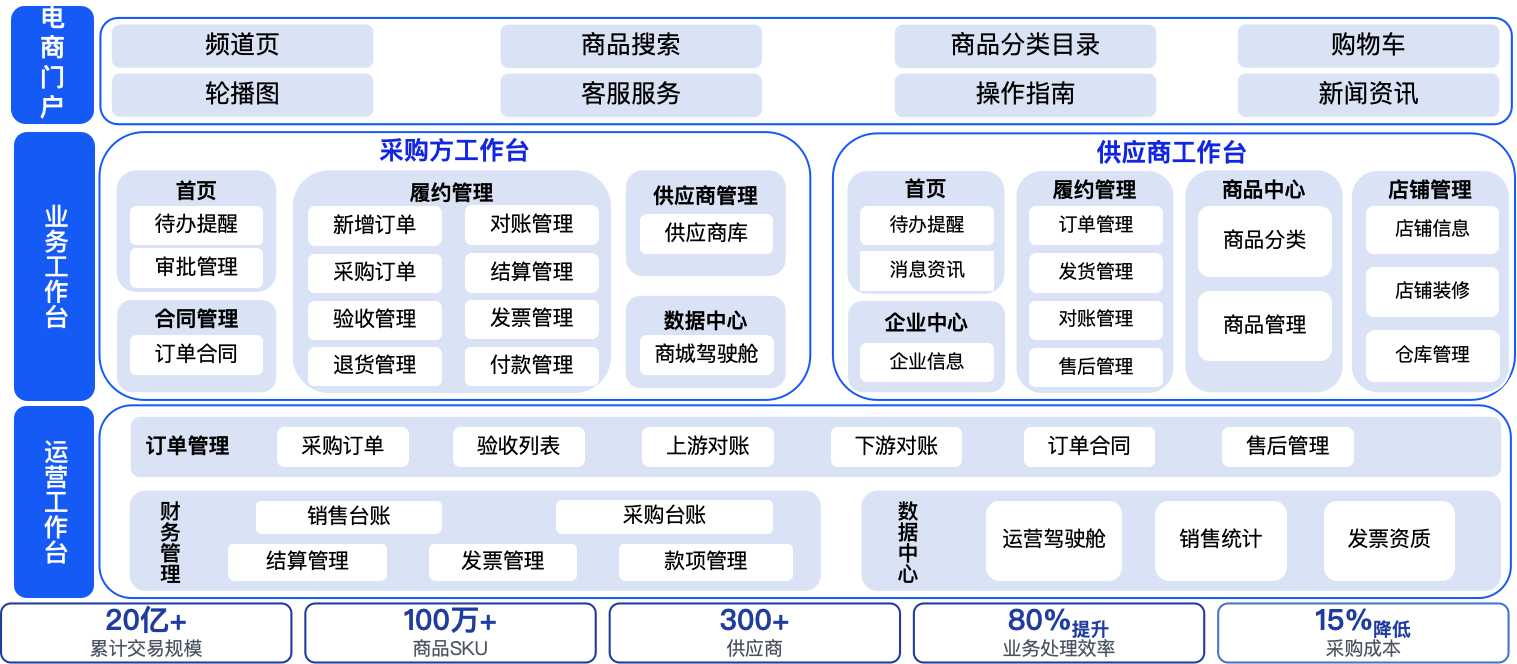
2. Solution: Shanxi Construction Investment's self-developed e-commerce platform uses a scalable architecture to build four centers—procurement, suppliers, data, and mall—and designs a three-tier system of an e-commerce portal, business workbench, and operations workbench.

3. Technical capabilities: it integrates AI, big data, and RPA, with intelligent risk control and automated processing models, and connects to e-signatures, tax invoicing, and online banking payments, coordinating information flow, invoice flow, and capital flow.

4. Service innovation: smart warehouses plus on-site stations, a 520-square-meter experience store, centralized and spot procurement zones, and combined ordering with inquiry-based price comparison form an integrated online-offline service.

5. Performance figures: transactions exceed RMB 1.5 billion, efficiency is up 80%, procurement costs are down 15%, procurement staff workload is reduced by 60%, and more than 40,000 paper-document courier deliveries are avoided annually, saving about RMB 400,000.

Overall: Platform operators can learn from its self-developed platform, dual-sided operations, zone-based supplier recruitment, and compliance and risk-control practices.

1. Platform development: independently developed by Shanxi Construction Investment Materials Trading Co., Ltd. and launched in 2023, it operates an enterprise mall and an individual mall, serving both B2B and B2C, and builds four centers—procurement, suppliers, data, and mall.

2. Operations management: the e-commerce portal handles standardized shopping; the business workbench covers the full process of orders, contracts, acceptance, settlement, and invoices for both buyers and suppliers; the operations workbench focuses on orders, finance, and data, with visual monitoring through a cockpit.

3. Supplier recruitment and activation: the centralized procurement zone integrates 538 suppliers across 26 major categories, while the spot procurement zone includes special product zones; the experience store has recruited more than 50 quality suppliers and facilitated RMB 14.92 million in transactions; combined ordering with inquiry-based price comparison has benefited 160 projects.

4. Marketing activities: it plans home-appliance subsidies, a 618 best-selling-product month, and government-enterprise dual subsidies with Haier and Gree to increase transaction activity.

5. Risk avoidance: full online traceability, transparency, and strict oversight ensure compliance and provide data support for strategic decisions.

Overall: The article provides an industry sample of how a central state-owned enterprise uses a self-developed e-commerce platform to drive digitalization of the construction supply chain.

1. New development: Shanxi Construction Investment has extended from a traditional construction contractor to a materials centralized procurement platform, building an integrated digital and intelligent procurement system and forming a service system that links points, lines, and networks and deeply integrates online and offline.

2. New problems: construction procurement is dispersed, processes are inefficient, prices are opaque, suppliers are scattered, working-capital turnover is difficult, and compliance risks are high; traditional manual management struggles to support large projects.

3. Business model: the platform offers a fully online process, digital and intelligent management, supply-chain finance, transactions without payment periods, and market-oriented operations, and includes an enterprise mall and individual mall, centralized and spot procurement zones, smart warehouses plus on-site stations, and experience stores.

4. Policy and compliance implications: full online traceability, e-signatures, tax invoicing, online banking payments, and strict oversight create a fair, just, and open procurement environment and can serve as a replicable model.

5. Data support: transactions exceed RMB 1.5 billion, efficiency is up 80%, procurement costs are down 15%, more than 1,000 projects are served, and more than 300 suppliers have joined, indicating that digital procurement has room for large-scale efficiency gains.

Disclaimer: The "Quick Summary" content is entirely generated by AI. Please exercise discretion when interpreting the information. For issues or corrections, please email run@ebrun.com .

I am a Brand Seller Factory Service Provider Marketplace Seller Researcher Read it again.

【亿邦原创】山西建设投资集团有限公司(以下简称“山西建投”)是山西省规模最大的综合性国有投资建设集团、山西省管重要骨干企业,系中国企业500强、中国承包商80强企业,连续九年荣登美国《工程新闻记录》(ENR)“全球承包商250强”及“国际承包商250强”榜单。集团前身可追溯至1953年组建的国家建工部太原工程局,历经七十余年发展,现辖39个全资、控股和参股子分公司,职工总数3.9万余人,拥有15项工程施工总承包特级资质、60余项甲级设计资质及200余项总承包与专业承包一级资质,具备投资、建设、运营的综合实力,并依托与建筑业的高度关联性,大力发展房地产业、培育金融板块、建设“物资集采”平台,为集团转型提供了强有力的支撑。近年来,面对建筑行业长期存在的采购分散、流程低效等痛点,山西建投通过构建一体化数智采购体系,自研电商采购平台,将数字技术与传统采购深度融合,在降本增效与合规管理两个维度同步发力,走出了一条建筑行业供应链数字化变革的新路。

山西建投电商平台(www.sxcigmall.com/)由山西建投物资贸易有限公司自主研发建设,2023年正式上线运营[1][2],主要为建筑行业上下游客户提供安装材料、装饰材料、家具家电、福利产品、办公生活用品等商品的一站式线上、线下交易服务。平台以可扩展架构为支撑,打造了采购、供应商、数据、商城四大核心中心,实现百万级建材SKU的一站式交易。截至目前,平台累计交易规模超15亿元,业务处理效率提升80%,采购成本降低15%,为集团降本增效提供了有力支撑。

锚定行业痛点,构建一体化数智采购平台

建筑行业体量大、工序繁,小额与零星采购需求多,传统的人工管理、分散采购已难以满足大型项目建设需求。在传统模式下,“材料员满市场跑,比价难、耗时长、风险多”,采购价格不透明、流程繁琐、供应商分散、资金周转难、合规风险高、管理粗放等行业普遍性难题,长期制约着项目进度与成本控制[1]。

为快速响应工程增量带来的变化,山西建投精准切入行业痛点,发挥规模化采购优势。2022年5月,山西建投物资贸易有限公司开始规划建设电商平台,并于2023年正式上线。平台针对B端和C端客户,布局企业商城和个人商城,通过集成小额采购和零星采购优质资源,汇集优质产品,为上下游产业链提供全线上流程、数智化管理、供应链金融、无账期交易、市场化运营等一体化服务,聚力打造全产业链电商品牌。与此同时,山西建投已形成集“科研、咨询、勘察、设计、投资、建设、制造、运营”为一体的全产业链优势,构建起“建筑施工、房地产、节能环保”三大主业和“传统施工、投资转型、勘察设计咨询、产业金融”四大板块的产业布局,经营业绩遍布国内及海外60多个国家和地区,为平台持续深耕建筑供应链提供了坚实的产业基础和广阔的应用场景。

三层体系架构,构建全程可视采购生态

在功能架构上,平台设计了电商门户、业务工作台与运营工作台三层体系。电商门户提供频道页、商品搜索、购物车等标准化购物功能,兼顾用户体验与操作便捷性;业务工作台分为采购方与供应商双端,覆盖从订单、合同、验收到结算、发票的全流程管理,并配备数据中心实现“商城驾驶舱”式可视化监控;运营工作台则聚焦订单、财务与数据三大模块,支持销售台账、采购台账、款项管理及运营驾驶舱等功能,确保平台高效运转与数据可追溯。在山西建投电商平台的数据驾驶舱大屏上,各项数字实时跳动:交易订单量破万、交易额超15亿元、页面访问量超千万次、上线产品160余万件……这些不断攀升的数据,展现了平台的良好运营态势[1]。

数字化重塑采购流程,全链路上云降本增效

山西建投电商平台的核心在于将采购各个环节搬到了线上并实现自动化运行。从查找商品、在线比价、智能审批,到在线支付、签订电子合同、跟踪物流、电子结算、发票开具,整个链条都能在平台完成,构建了全程可视、可溯的数字化采购通路[1]。从安全帽到管材、饰材,从机电设备到家具家电、办公用品,平台已累计为省内外逾1000个项目提供物资供应服务[2]。平台无缝对接了电子签章、税务开票系统及网银支付,确保了信息流、票据流、资金流的高效协同与安全流转[1],全面打通商品查询、在线比价、智能审批、电子签约、支付结算、物流跟踪等环节,实现采购全流程“上云”[2]。

技术创新是平台的核心驱动力。通过融合AI、大数据与RPA技术,平台搭载智能风控与自动处理模型,实现采购流程标准化,大幅压缩采购周期。其中,平台创新引入RPA(机器人流程自动化)技术,实现了结算单据自动生成、复杂订单一键拆分和智能化付款申请等功能[1],并支持电子发票一键开具、账单自动拆分,让采购过程更便捷、“无纸化”交易成为常态。

数字化升级带来的降本增效成果十分显著。数据显示,平台的投入使用使得采购人员的工作量减少了60%,每年省去超4万次寄送纸质单据的快递,直接节约成本约40万元,整体业务处理效率提升了80%。截至目前,平台已吸引300余家优质厂家及品牌供应商入驻,累计服务项目超1000个,平均降低采购成本15%[1],在商品管理、订单采购、在线支付、RPA机器人数字对账结算、电子发票开具等采购流程中实现了全线上闭环管理。凭借良好的降本合规成效,山西建投物资贸易有限公司秉持“八个一”的经营理念,充分发挥平台化、集约化、专业化优势,推动建筑行业采购模式由传统走向数字化、智能化、高效化,形成了“点-线-网”联动协同、线上线下深度融合的服务体系[3]。

创新服务直达一线,打通服务“最后一公里”

山西建投电商平台始终秉持“扎根现场、服务一线”的理念,将解决项目实际难题作为平台存在的核心价值。针对工地应急采购响应慢、个性化需求多的实际问题,平台创新推出“智仓+驻点”服务模式。以汾酒2030技改原酒产储能扩建项目一期为例,平台在项目现场部署了智能仓储系统,并派驻专职材料员,紧密结合项目进度和物料消耗情况,通过电商平台实时进行备货、精准配货和及时补货,动态调整物料供应,真正将服务送到工地最前沿。该项目采购的加气块、防尘网、劳保用品、小青砖、防水卷材等物料已成交1400余万元[1]。

为进一步打通服务“最后一公里”,平台积极打造线下触点,开设了520平方米的“建投电商1号体验店”。体验店集产品展示、仓储和商务洽谈于一体,为材料供应商和项目采购方搭建了面对面的交流平台。目前,已招募优质供应商50余家,累计促成交易额达1492万元,供应链整合初见成效[1][2]。

平台还重点打造了集采和零采两大特色专区。在集采专区,平台整合了山西建投26大品类538家供应商,通过系统优化将集团内部采购周期从3~4天大幅缩短至0.5天[3];针对零散采购需求,则专门设置了建工集团、三建集团、集团自产452项产品等特色专区,全方位满足不同场景的采购需求。同时,平台开发的“组合下单”询比价功能已让160个项目受益,精心策划的“家电补贴”“618爆款月”等促销活动,以及与海尔、格力等品牌合作开展的“政企双补”促销,不仅让采购方真正得到实惠,也让企业发展成果惠及全体职工。通过线上线下的深度融合,平台构建了从云端到现场的完整服务体系,实现了数字化采购与实体经济的协同发展[1]。

在合规与决策支持方面,平台实现全流程线上留痕,筑牢合规防线,既保障了物资供应的稳定性,也为集团战略决策提供了数据支撑。公开透明的采购流程与严格的监管机制,营造了公平、公正、公开的采购环境,成为促进实体经济和数字经济深度融合的生动实践。其成功实践不仅推动了山西建投自身的数字化转型,更为建筑行业提供了可复制的数智化采购范本,彰显了央国企在供应链现代化进程中的引领作用。

下一步,平台将持续优化运营模式,深化服务创新,通过技术迭代和服务升级双轮驱动,打造建筑业供应链数字化转型标杆[1]。山西建投也将结合用户需求对平台持续优化升级,加强交易模式、支付方式、营销模式创新,不断提升为建投内外各市场主体服务的能力,引领建筑行业迈向更加智慧、绿色、可持续的未来。

信息来源

[1] 山西建设投资集团有限公司官网《山西建投电商平台:数字驱动 重塑建筑采购新生态》:https://www.sxcig.com/info/1111/102791.htm

[2] 山西国资网(山西省国资委官网)《采购“上云”,服务下沉,山西建投电商平台打造高效协同供应链》:https://gzw.shanxi.gov.cn/xwfb/qyfz/202506/t20250617_9875213.shtml

[3] 山西建投物资贸易有限公司官网《业务概览|电商贸易业务,数字驱动重塑建筑采购新生态》:https://trade.sxcig.com/info/1211/3351.htm

亿邦智库持续关注央国企数字化采购领域的最新进展,如想了解更多与本文相关信息,请扫码关注作者微信或发送邮箱。联系邮箱:zhangjing@ebrun.com

作为TO B领域年度风向标,“2026第八届亿邦产业互联网年会暨首届产业智能体大会”将于11月20日在北京召开。主题定为“AI与出海带来的模态进化”,聚焦产业智能体落地、AI供应链价值重构、数据要素与TOKEN经济、产业出海新生态等前沿议题深度思辨。大会将集结学界权威、央国企标杆、产业龙头、投资机构、服务生态伙伴,汇聚产业核心力量、拆解产业数智化转型路径、分享前沿实战经验。同期还将发布年度产业互联网报告及标杆案例,举办决策人闭门会、“千峰奖”颁奖盛典。

本文首发于 亿邦动力 官方网站

文章来源:亿邦动力

广告
微信
朋友圈

FAQ回顾

山西建投电商平台是什么?主要提供哪些服务?

山西建投电商平台由山西建投物资贸易有限公司自主研发建设,2023年正式上线运营,主要为建筑行业上下游客户提供安装材料、装饰材料、家具家电、福利产品、办公生活用品等一站式线上、线下交易服务。平台打造采购、供应商、数据、商城四大核心中心,支持百万级建材SKU交易,累计交易规模已超15亿元。

建筑行业采购分散、流程低效的问题如何通过电商采购平台解决?

建筑企业可通过构建一体化数智采购体系,将商品查询、在线比价、智能审批、在线支付、电子合同、物流跟踪、电子结算和发票开具等环节搬到线上。山西建投电商平台投入后,业务处理效率提升80%,采购成本降低15%,采购人员工作量减少60%,并将集团内部采购周期从3至4天缩短至0.5天。

山西建投电商平台有哪些核心功能和技术能力?

平台在功能架构上分为电商门户、业务工作台与运营工作台三层体系,覆盖商品搜索、购物车、订单、合同、验收、结算、发票及运营驾驶舱等功能。平台无缝对接电子签章、税务开票系统及网银支付,并融合AI、大数据与RPA技术,支持智能风控、结算单据自动生成、复杂订单一键拆分、智能化付款申请和电子发票一键开具。

山西建投电商平台适合哪些企业和采购场景使用?

平台主要面向建筑行业上下游B端和C端客户,布局企业商城和个人商城,适合小额采购、零星采购、项目物资供应、集采和零采等场景。平台已累计服务省内外逾1000个项目,吸引300余家优质厂家及品牌供应商入驻,并通过“智仓+驻点”服务模式和线下体验店满足工地应急采购与个性化需求。

央国企采购数字化平台如何实现合规管理?

央国企采购数字化平台可通过全流程线上留痕、公开透明采购流程和严格监管机制筑牢合规防线。山西建投电商平台将采购、签约、支付、结算、发票等环节线上化,确保信息流、票据流、资金流高效协同与安全流转,并通过数据中心和驾驶舱为物资供应稳定及集团战略决策提供数据支撑。

这么好看,分享一下?

朋友圈 分享

APP内打开

赞 +1
+1
微信好友 朋友圈 新浪微博 QQ空间
关闭
收藏成功
发送
/140 0