广告
加载中

锁定99%招商率 上海泗泾招商花园城招来了什么?

联商网编辑部 2026-11-19 10:20
联商网编辑部 2026/11/19 10:20

邦小白快读

EN
全文速览

总:项目开业前达成99%招商率、近300个品牌、松江首店占比超55%,核心看点是按客群需求做品牌有机组合。

1. 数据与客群:松江区2025年社零总额同比增长11.8%,增幅全市第一;周边10公里覆盖80万至100万常住及工作人口;9号线泗泾站早高峰客流集中;客群含超20万白领、15万大学城师生、小太阳家庭和佘山高净值人群。

2. 实操看点:零售做品类密度,盒马鲜生落地松江首个超3000平方米纯线下门店;餐饮110余家,区域首店及特色门店超60家;亲子有少儿运动馆、MISSDEER上海首店、斯坦星球、爱婴室、英氏;体验有星轶影城STARX巨幕、星聚会旗舰店、加伍磅健身、HGA网球俱乐部、宠物友好及专属宠物卫生间。

3. 场景与内容:项目为MALL加开放式街区加滨水公园,约1万平方米泗水PARK、六层约6000平方米屋顶运动花园、二层潮巷24小时街区、超500平方米3D裸眼LED大屏、10米直径球形LED;开业同步意大利艺术家Lucas Zanotto中国首展。

总:项目用首店分层和业态配比回应区域消费缺口,品牌可据此判断渠道进入与产品组合。

1. 客群与行为:周边10公里80万至100万人口,含20万白领、15万大学城师生、小太阳家庭和佘山高净值;他们从泗泾去徐家汇上班、漕河泾开会、七宝吃饭、松江新城逛街,本地品质消费长期外流。

2. 品牌组合:盒马承接高频生鲜,丝芙兰拉高美妆品质基准,UNIQLO、UR、GAP做日常衣橱,Calvin Klein、LACOSTE、Aape面向潮流客群,mont-bell、Columbia、Champion、HEAD覆盖轻户外到日常运动,BELLE、TATA做鞋包,DAZZLE、MO&Co.、JNBY、BLUE ERDOS、Re-BLUE、MSLAN、LILY做设计师女装,PSO brand、BOLON、宋朝香氛满足调性付费。

3. 营销与店型:餐饮按本帮江浙、川湘赣、粤式茶点匹配家庭和年轻社交;品牌以松江首店、黑金店、旗舰店、概念店和非标日咖夜酒进入,公共艺术首展、大屏装置和宠物友好强化传播与停留。

总:松江北部存在客群厚度足够、供给长期缺位的结构性机会,卖家可关注区域消费回流和招商分层带来的进入窗口。

1. 机会提示:松江区2025年社零总额同比增长11.8%,增幅全市第一;周边10公里覆盖80万至100万人口;项目开业前99%招商率、近300个品牌、松江首店占比超55%,说明品牌对区域客群厚度和供给缺口有共识。

2. 需求变化:周边居民日常品质消费发生在别处,项目要用零售、餐饮、亲子、体验的平衡让居民频繁来、年轻客群愿意留、家庭客群待得住;餐饮110余家、区域首店及特色门店超60家,夜间有日咖夜酒和现场演出场景。

3. 可学习与风险:不能只做社区配套或高话题目的性消费,也不能让餐饮单边做大、零售被挤压;避免沦为大型美食城;只有零售和餐饮,开业热闹但家庭难从下午待到晚上。可学习首店按稀缺度和店型分层、零售做品类密度、亲子体验形成消费闭环、宠物友好配专属卫生间。

总:文章未直接谈工厂生产与数字化电商,但品牌店型、产品线和定制化需求透露出供应链与产品设计机会。

1. 产品与设计需求:零售品牌按客群细分,快时尚做上班能穿、周末也能穿的基础款,设计师女装分都市造型、自然艺术宽松廓形等风格;户外矩阵中mont-bell偏大众户外与日常机能,Columbia覆盖徒步涉水冬季运动,HEAD强调运动装备专业度。

2. 店型与商业机会:餐饮品牌在泗泾落地黑金店、旗舰店或全新概念店,而非标准店复制;非标餐饮做日咖夜酒、现场演出和主理人内容;亲子覆盖运动、教育、零售、成长服务;体验覆盖网球、匹克球、舞蹈、真人CS、普拉提和宠物友好场景。

3. 场景启示:项目用约1万平方米泗水PARK、六层约6000平方米屋顶运动花园、24小时潮巷、3D裸眼LED和球形LED装置做内容运营,说明产品与空间、店型定制需要匹配区域客群和停留时长。数字化和电商文章未展开,工厂可重点关注定制化店型、细分产品组合和体验型空间配套。

总:近郊区域型商业的痛点从填铺转向品牌有机组合,项目提供了一套可拆解的招商与运营解决方案。

1. 行业趋势:品牌收缩周期下仍出现99%招商率、近300个品牌、松江首店占比超55%;区域型商业向MALL加开放式街区加滨水公园的复合形态演进,招商蛇口在上海已布局海上世界、招商花园城、招商花园里三条产品线。

2. 客户痛点:近郊零售招商难,很多项目提高餐饮比例、压缩零售,沦为大型美食城;首店数量内卷;餐饮单边做大挤压零售;家庭客群停留时间不足,夜间场景缺失;本地品质消费长期外流。

3. 解决方案:零售做品类密度和客群精准匹配;餐饮按菜系和店型分三层,首店矩阵、定制化店型、非标餐饮;亲子系统覆盖运动教育零售成长服务,与餐饮零售交叉;体验补夜间聚会和运动社交;宠物友好配专属宠物卫生间;用泗水PARK、屋顶运动花园、潮巷24小时街区、3D裸眼LED、球形LED和Lucas Zanotto首展做内容运营。

总:招商蛇口在上海用多条产品线积累区域型商业操盘能力,泗泾项目是盒子、街区、公园复合形态的进阶样本。

1. 平台做法:上海已落地海上世界、招商花园城、招商花园里;宝山招商花园城约4.7万平方米从小体量社区盒子起步,森兰依托绿地做盒子加户外街区,曹路锚定浦东潮玩新地标并验证大体量操盘,上海海上世界依托邮轮母港积累滨水文旅经验。

2. 招商与运营:泗泾项目开业前99%招商率、近300个品牌、松江首店占比超55%;首店按上海首店、区域首店、定制化店分层;零售做品类密度,餐饮110余家且区域首店及特色门店超60家,亲子体验系统布局;运营上用约1万平方米泗水PARK、六层约6000平方米屋顶运动花园、二层潮巷24小时街区、超500平方米3D裸眼LED、10米球形LED和公共艺术首展做内容起点。

3. 风向规避:近郊零售招商难,要避免餐饮单边做大和大型美食城化;避免只做社区配套或只做目的性消费;只有零售餐饮难以让家庭长时间停留。平台需以客群厚度和供给缺口为招商依据,用品牌分层和业态平衡形成可逛、可停留、可传播的商业。

总:文章呈现区域型商业在品牌收缩周期中的结构性机会,核心命题是招商从填铺转向品牌与真实需求匹配。

1. 产业新动向:松江区2025年社零总额同比增长11.8%,增幅全市第一;泗泾站是9号线早高峰进站客流最集中站点之一;周边10公里覆盖80万至100万人口,客群叠加20万白领、15万大学城师生、小太阳家庭和佘山高净值;项目开业前99%招商率、近300个品牌、松江首店占比超55%。

2. 商业模式:MALL加开放式街区加滨水公园;首店按稀缺度和店型分层,上海首店、区域首店、定制化店分别承担稀缺性、标杆价值和定制功能;零售做品类密度,餐饮按菜系和店型三层配置,亲子体验形成停留时间交叉,内容运营用公共艺术、大屏装置和24小时街区。

3. 新问题与启示:近郊零售招商难、首店数量内卷、餐饮单边做大、消费外流、从通勤节点走向生活节点;招商难点不是填满铺位,而是每个品牌对应真实需求、品牌彼此成就。文章未涉及政策法规建议,但提供了区域消费回流和商业产品线进阶的研究样本。

返回默认

声明:快读内容全程由AI生成,请注意甄别信息。如您发现问题,请发送邮件至 run@ebrun.com 。

我是 品牌商 卖家 工厂 服务商 平台商 研究者 帮我再读一遍。

Quick Summary

Summary: Before opening, the project reached a 99% leasing rate with nearly 300 brands, and brands making their Songjiang debut accounted for over 55%; the key highlight is an organic brand mix built around target customer needs.

1. Data and customer base: In 2025, Songjiang's total retail sales of consumer goods grew 11.8% year on year, the highest growth rate in Shanghai; the surrounding 10 km radius covers 800,000 to 1 million residents and workers; Sijing Station on Line 9 sees concentrated morning peak passenger flow; the customer base includes more than 200,000 white-collar workers, 150,000 university town students and faculty, families with children, and high-net-worth individuals in Sheshan.

2. Execution highlights: Retail focuses on category density, and Freshippo opened Songjiang's first pure offline store of over 3,000 sqm; there are more than 110 F&B merchants, including over 60 regional first stores and specialty stores; family offerings include a children's sports hall, MISSDEER's first Shanghai store, Stan Planet, Aiying Shi, and YeeHoO; experience offerings include Stellar Cinema's STARX giant screen, the Xingjuhui flagship store, Jiawubang Fitness, HGA Tennis Club, pet-friendly amenities, and dedicated pet restrooms.

3. Scenarios and content: The project combines a mall, an open-air block, and a waterfront park, with the approximately 10,000 sqm Sishui PARK, an approximately 6,000 sqm rooftop sports garden on the sixth floor, the 24-hour Trend Alley on the second floor, a 3D naked-eye LED screen of over 500 sqm, and a 10-meter-diameter spherical LED; at opening, it also launched the China debut exhibition of Italian artist Lucas Zanotto.

Summary: The project responds to regional consumption gaps through a tiered first-store strategy and category allocation, giving brands a basis for judging channel entry and product mix.

1. Customer base and behavior: The surrounding 10 km radius has 800,000 to 1 million people, including 200,000 white-collar workers, 150,000 university town students and faculty, families with children, and high-net-worth individuals in Sheshan; they commute from Sijing to Xujiahui for work, meet in Caohejing, eat in Qibao, and shop in Songjiang New City, while local quality consumption has long flowed elsewhere.

2. Brand mix: Freshippo captures high-frequency fresh grocery demand, Sephora raises the quality benchmark for beauty, UNIQLO, UR, and GAP serve everyday wardrobes, Calvin Klein, LACOSTE, and Aape target trend-oriented customers, mont-bell, Columbia, Champion, and HEAD cover light outdoor to everyday sports, BELLE and TATA serve shoes and bags, DAZZLE, MO&Co., JNBY, BLUE ERDOS, Re-BLUE, MSLAN, and LILY serve designer womenswear, and PSO brand, BOLON, and Song Dynasty Fragrance meet demand from consumers paying for tone and positioning.

3. Marketing and store formats: F&B matches families and young socializing through Shanghai/Jiangnan, Sichuan-Hunan-Jiangxi, and Cantonese tea and dim sum cuisines; brands enter via Songjiang first stores, black-gold stores, flagship stores, concept stores, and non-standard day café/night bar formats, while the public art debut, large-screen installations, and pet-friendly features strengthen communication and dwell time.

Summary: Northern Songjiang presents a structural opportunity with sufficient customer density and a long-standing supply gap; sellers can watch the window created by regional consumption recapture and tiered leasing.

1. Opportunity signals: In 2025, Songjiang's total retail sales of consumer goods grew 11.8% year on year, the highest growth rate in Shanghai; the surrounding 10 km radius covers 800,000 to 1 million people; before opening, the project reached a 99% leasing rate with nearly 300 brands and over 55% Songjiang first stores, showing that brands agree on the area's customer density and supply gap.

2. Demand changes: Nearby residents currently spend on daily quality consumption elsewhere, so the project must balance retail, F&B, family/kids, and experience to make residents come frequently, keep young customers willing to stay, and give families reasons to linger; there are more than 110 F&B merchants and over 60 regional first stores and specialty stores, with day café/night bar formats and live performances at night.

3. Lessons and risks: The project should not be only community amenities or only high-buzz destination consumption, nor should it let F&B grow unilaterally and squeeze retail; it should avoid becoming a large food court; with only retail and F&B, opening may be lively but families will struggle to stay from afternoon to evening. Lessons include tiering first stores by scarcity and store format, building retail category density, forming a consumption loop through family experience, and pairing pet-friendly features with dedicated pet restrooms.

Summary: The article does not directly discuss factory production or digital e-commerce, but brand store formats, product lines, and customization demand reveal opportunities in supply chains and product design.

1. Product and design demand: Retail brands are segmented by customer base; fast fashion offers basics suitable for work and weekends, while designer womenswear spans urban styling and natural, artistic loose silhouettes; within the outdoor matrix, mont-bell leans toward mass outdoor and everyday functional wear, Columbia covers hiking, water, and winter sports, and HEAD emphasizes professional sports equipment.

2. Store formats and business opportunities: F&B brands are landing black-gold stores, flagship stores, or entirely new concept stores in Sijing rather than replicating standard stores; non-standard F&B formats include day café/night bar, live performances, and owner-operator content; family/kids offerings cover sports, education, retail, and growth services; experience offerings cover tennis, pickleball, dance, live-action CS, Pilates, and pet-friendly scenarios.

3. Scenario implications: The project uses the approximately 10,000 sqm Sishui PARK, an approximately 6,000 sqm rooftop sports garden on the sixth floor, the 24-hour Trend Alley, 3D naked-eye LED screens, and spherical LED installations for content operations, indicating that products, space, and customized store formats need to match regional customers and dwell time. Digital and e-commerce topics are not expanded in the article; factories can focus on customized store formats, segmented product mixes, and experience-oriented space amenities.

Summary: The pain point for regional commercial projects in near-suburb areas has shifted from filling shops to creating an organic brand mix, and the project offers a leasing and operations solution that can be broken down.

1. Industry trends: Despite a brand contraction cycle, the project still achieved a 99% leasing rate, nearly 300 brands, and over 55% Songjiang first stores; regional commercial projects are evolving toward a composite form of mall plus open-air block plus waterfront park, and China Merchants Shekou has already deployed three product lines in Shanghai: Sea World, Garden City, and Garden Lane.

2. Customer pain points: Leasing retail in near-suburb areas is difficult, and many projects raise the F&B ratio and compress retail, becoming large food courts; first-store counts are subject to involution; F&B grows unilaterally and squeezes retail; family dwell time is insufficient and nighttime scenarios are missing; local quality consumption has long flowed elsewhere.

3. Solutions: Retail builds category density and precise customer matching; F&B is organized into three tiers by cuisine and store format, including a first-store matrix, customized store formats, and non-standard F&B; the family/kids system covers sports, education, retail, and growth services and intersects with F&B and retail; experience fills nighttime gathering and sports social needs; pet-friendly features include dedicated pet restrooms; content operations use Sishui PARK, the rooftop sports garden, the 24-hour Trend Alley, 3D naked-eye LED, spherical LED, and the Lucas Zanotto debut exhibition.

Summary: China Merchants Shekou has accumulated regional commercial operating capability in Shanghai through multiple product lines, and the Sijing project is an advanced sample of the box, block, and park composite format.

1. Platform approach: Shanghai has already launched Sea World, Garden City, and Garden Lane; Baoshan Garden City, at approximately 47,000 sqm, started from a small community box; Senlan relies on green space to create a box plus outdoor block; Caolu anchors a new trendy landmark in Pudong and validates large-scale operation; Shanghai Sea World relies on the cruise home port to accumulate waterfront cultural tourism experience.

2. Leasing and operations: Before opening, the Sijing project reached a 99% leasing rate with nearly 300 brands, and Songjiang first stores accounted for over 55%; first stores are tiered into Shanghai first stores, regional first stores, and customized stores; retail focuses on category density; F&B has more than 110 merchants, including over 60 regional first stores and specialty stores; family and experience offerings are laid out systematically; operations use the approximately 10,000 sqm Sishui PARK, an approximately 6,000 sqm rooftop sports garden on the sixth floor, the 24-hour Trend Alley on the second floor, a 3D naked-eye LED screen of over 500 sqm, a 10-meter spherical LED, and the public art debut as content starting points.

3. Avoiding pitfalls: Leasing retail in near-suburb areas is difficult, so the project must avoid unilateral F&B expansion and becoming a large food court; avoid being only community amenities or only destination consumption; with only retail and F&B, it is hard to keep families for long. Platforms should base leasing on customer density and supply gaps, and use brand tiering and category balance to create commercial spaces that are worth visiting, staying in, and sharing.

Summary: The article presents structural opportunities for regional commercial projects during a brand contraction cycle; the core proposition is that leasing must shift from filling shops to matching brands with real demand.

1. New industry trends: In 2025, Songjiang's total retail sales of consumer goods grew 11.8% year on year, the highest growth rate in Shanghai; Sijing Station is one of the stations with the most concentrated morning peak passenger flow on Line 9; the surrounding 10 km radius covers 800,000 to 1 million people, with the customer base combining 200,000 white-collar workers, 150,000 university town students and faculty, families with children, and high-net-worth individuals in Sheshan; before opening, the project reached a 99% leasing rate with nearly 300 brands, and Songjiang first stores accounted for over 55%.

2. Business model: Mall plus open-air block plus waterfront park; first stores are tiered by scarcity and store format, with Shanghai first stores, regional first stores, and customized stores respectively carrying scarcity, benchmark value, and customization functions; retail focuses on category density; F&B is configured in three tiers by cuisine and store format; family and experience offerings create crossover in dwell time; content operations use public art, large-screen installations, and the 24-hour block.

3. New questions and implications: Leasing retail in near-suburb areas is difficult, first-store counts are subject to involution, F&B grows unilaterally, consumption flows elsewhere, and the area must move from a commute node to a life node; the leasing challenge is not to fill spaces but to ensure each brand corresponds to real demand and that brands reinforce one another. The article does not address policy or regulatory recommendations, but it provides a research sample for recapturing regional consumption and advancing commercial product lines.

Disclaimer: The "Quick Summary" content is entirely generated by AI. Please exercise discretion when interpreting the information. For issues or corrections, please email run@ebrun.com .

I am a Brand Seller Factory Service Provider Marketplace Seller Researcher Read it again.

招商蛇口在上海的商业布局多了一个值得期待的作品。

上海泗泾招商花园城将于11月20日正式开业。

在品牌普遍收缩的周期里,项目开业前达成99%招商率、近300个品牌、松江首店占比超55%。

项目团队用足以让市场惊艳的成绩,把握住了这个“客群厚度足够、供给长期缺位”的结构性机会。

在亮眼的数据背后,联商网更关心的是,近300个品牌如何通过招商品牌的有机组合,放大项目的吸引力和可逛性。

01 谁在等待这座花园城

项目所在的松江区,2025年社零总额同比增长11.8%,增幅全市第一。

项目周边10公里覆盖80万到100万常住及工作人口,其紧邻的泗泾站是9号线早高峰进站客流最集中的站点之一,连续多年位居上海各站点前列。

在超20万白领和15万大学城师生之外,客层还叠加了小太阳家庭与佘山高净值人群。

人口厚度只是数据表现,更值得关注的是这批人每天的去向:他们从泗泾站出发,去徐家汇上班,去漕河泾开会,去七宝吃饭,去松江新城逛街。

泗泾长期没有一个能够承接日常品质消费的商业体,导致这批人的消费发生在别处。

泗泾招商花园城恰好站在了这个缺口上,但要满足不同客层的需求,招商就不能只做社区配套,也不能只做高话题度的目的性消费,而是要在零售、餐饮、亲子、体验等各业态之间找到平衡,让周边居民频繁来、年轻客群愿意留、家庭客群待得住。

02 3条招商路径回应3种需求

新开购物中心的招商,往往陷入首店数量的内卷,而泗泾招商花园城更值得看的是首店结构和业态配比。

项目团队在品牌配置上做了两件事:一是把首店按稀缺度和店型分层,上海首店、区域首店和定制化店分别承担稀缺性、标杆价值和定制功能。

二是在零售、餐饮、体验等各业态之间保持平衡结构,避免餐饮单边做大、零售被挤压。在这个结构之下,首店创造吸引力,配比则延长停留时间。

▋零售:日常之上,做足细分与适配

近郊购物中心的零售招商难度大,这是行业共识。很多项目选择提高餐饮比例,先把铺位填满,零售面积一压再压,沦为“大型美食城”。

泗泾招商花园城的选择是把零售的品类密度做起来,这不只是品牌数量的堆叠,而是让细分业态和客群需求之间实现精准匹配。

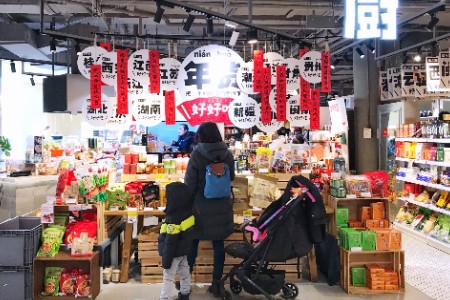
先看日常高频这一层。生鲜采购是周边家庭消费里频率最高的一项,盒马鲜生在这里落地了松江首个超3000㎡纯线下门店,把这部分高频需求留了下来。

再看零售分层。高化美妆以丝芙兰为代表,把美妆消费的品质基准拉到了成熟商圈同等水平。

快时尚中UNIQLO、UR、GAP构成的是年轻家庭和通勤白领的日常衣橱,泗泾的客群主体是25至44岁的年轻家庭,其中不乏每天进市区上班的白领,他们对“上班能穿、周末也能穿”的基础款有着稳定的需求。

潮流休闲有Calvin Klein、LACOSTE、Aape,它们面对的是对品牌调性和款式更新更敏感的年轻客群。

大学城15万师生和9号线沿线年轻白领,是这类品牌在松江北部最直接的承接对象。

户外运动矩阵更有看点。mont-bell、Columbia、Champion和HEAD的组合,覆盖了从轻户外到日常运动休闲的连续区间。

mont-bell的定位偏向大众户外与日常机能,Columbia覆盖徒步、涉水、冬季运动等更广的产品线,HEAD则在运动装备的专业度上有积累。

松江片区佘山骑行与徒步的需求一直在,年轻家庭周末短途出游的需求也在增长,这部分户外运动品牌对应的恰好是正在乘风而起的生活方式。

鞋包有BELLE、TATA,设计师女装矩阵包括DAZZLE、MO&Co.、JNBY、BLUE ERDOS、Re-BLUE、MSLAN、LILY等。

它们的风格各成一派:DAZZLE偏都市造型感,MO&Co.面向不满足于基础款的都市女性,JNBY则以自然、艺术、宽松廓形见长。

这批品牌大多以松江首店或定制店型进入泗泾,说明品牌的判断是,这里的年轻女性客群已经有了为设计感和品牌调性付费的消费偏好。

此外,还有一批不止于卖日常刚需的品牌:PSO brand、BOLON、宋朝香氛,这些品牌锚定的顾客愿意为款式、氛围和品牌调性买单。

从快时尚到设计师女装、从户外到鞋包、从美妆到潮流生活方式,每一条细分线都有对应的优质品牌。

这样高可逛性的零售矩阵最直接的效果是,一个家庭吃完饭还能逛,一个年轻人逛完愿意坐下来,停留时间变长了,项目才有可能从“吃饭的地方”变成“待得住的地方”。

▋餐饮:让人来,也让人留下

餐饮是泗泾招商花园城首店浓度最高的板块,110余家餐饮品牌中,区域首店及特色门店超过60家。但数量之外,更值得看的是菜系分类与店型分层。

泗泾的客群主体是年轻家庭和通勤白领,家庭聚餐需要“老少适口、菜量实在、人均友好”,日常社交需要“有特色、有锅气、能拍照”。

本帮和江浙菜对应的是家庭餐桌,川湘赣的鲜辣贴合年轻客群的味觉偏好,粤式茶点补的是周末早午市的家庭场景。

菜系覆盖的宽度,回应的是泗泾客群结构的多层性。

店型层面分了三层,第一层是松江首店矩阵。

青年星厨、上扬府·淮扬小品、醉庐·新上海菜、湘辣辣、老墙根涮肉、龟兹·新疆菜、芸山季、鸟醺、东盛炭烤自助料理等品牌在市区已经有排队效应,集体落位泗泾,解决了周边居民跨区欢聚的不便。

第二层是定制化店型。炊江南·上海菜、小岩隐铁板烧、左庭右院Bistro、牛NEW寿喜烧等,在泗泾落地为黑金店、旗舰店或全新概念店,而非标准店直接复制。

品牌愿意在泗泾给出定制版本,也印证了它们对区域消费深度的判断。

第三层是非标餐饮。漾应的火塘松江首店,是餐饮板块里比较特别的一个。它做的是日咖夜酒,带现场演出和主理人内容,营业时段覆盖下午到深夜。

这类品牌过去很少进入外环区域型购物中心,它的落位让泗泾的餐饮不再只有午餐和晚餐两个高峰,夜间也有了可以坐下来听歌、喝酒的地方。

三层餐饮结构叠加起来,与周边社区底商和快餐连锁形成了明显区隔。

这也是近郊商业餐饮招商应该走的方向:不是在数量上内卷,而是拉开品牌梯度,做出差异,给出让人专门来一趟的理由。

▋体验与亲子:对时间的争夺

泗泾招商花园城在亲子板块的落位有系统性:成长空间站·少儿运动馆、MISSDEER上海首店、斯坦星球、爱婴室、英氏等,覆盖运动、教育、零售、成长服务多个维度,与餐饮、零售形成停留时间的交叉。

一个家庭带孩子上完课,顺便吃个饭、逛个街,这是区域商业最稳定的消费闭环。

体验业态则回应了年轻家庭和大学城客群的社交需求:星轶影城把STARX巨幕厅第一次带进松江,星聚会以旗舰店落位,补上夜间聚会场景;加伍磅健身以松江首店落位,补足区域运动社交的空白。

此外,HGA网球俱乐部(松江首店,松江首个室内学练馆+室外网球/匹克球场)、BOUNCE Dance Studio(松江首店·Pro黑金店)、伍柒酷真人CS、YS普拉提、星河部落、爪爪喵星球(松江首店)、离心空间等,覆盖运动、社交、娱乐、宠物友好场景。

更值得一提的是,项目的宠物友好不是一句口号,街区里还匹配了专属宠物卫生间。

体验和亲子在业态结构中可能不承担最大的租金贡献,也不制造最多的首店话题,但它们决定了家庭客群能不能待得住、年轻客群会不会反复来。

一个只有零售和餐饮的场子,开业也许可以很热闹,但很难让一个家庭从下午待到晚上。

03 招商蛇口在上海的进阶

泗泾招商花园城“MALL+开放式街区+滨水公园”的形态,在招商蛇口上海的商业版图里,是一种厚积薄发式的呈现。

目前,招商蛇口在上海已经落地海上世界、招商花园城、招商花园里三条产品线,完成了从小体量到区域型商业,再到复合形态商业的探索。

宝山招商花园城约4.7万㎡,从小体量社区盒子起步;森兰招商花园城依托森兰绿地,做的是盒子加户外街区的公园式商业;

曹路招商花园城锚定“浦东潮玩新地标”项目定位,2026年销售同比提升12%,客流同比提升10%,会员复购率高达70%,验证的是外环区域型商业中心的大体量操盘能力。

上海海上世界依托邮轮母港,积累的是滨水商业与文旅场景结合的经验。

泗泾招商花园城把盒子、街区、公园放进同一个20万㎡的项目,面对的客群扩展为9号线通勤白领、大学城师生、周边家庭和佘山高净值人群的叠加。

项目以约1万㎡泗水PARK、六层约6000㎡屋顶运动花园、二层“潮巷”24小时街区、超500㎡3D裸眼LED大屏和10米直径球形LED装置,把商业从室内延伸到室外,为消费者带来盒子空间给不了的场景。

随着项目开业,意大利艺术家Lucas Zanotto全新系列作品中国首展也将同步呈现,展览以“LOOP TOGETHER由心欢聚”为主题,将推出以招商商管品牌大使YOYO与爱心为主题的多个巨型公共艺术装置。

它和泗水PARK、潮巷、屋顶露台一起,构成项目的内容运营起点:用公共艺术把空间变得可停留、可传播,完成内容运营层面的进阶。

把产品、场景、内容三层进阶聚焦在同一个项目里,招商蛇口在上海的商业布局也因此多了一个值得期待的作品。

写在最后

招商真正难的从来不是把铺位填满,而是让每一个品牌的引入都对应一类真实的需求,让品牌之间彼此成就而不是相互分流。

泗泾招商花园城的思路,是把品牌按稀缺度和店型分层配置:一部分负责把区域的品质基准抬起来,一部分承接日常与高频,还有一部分为本地客群量身定制。

99%的招商率真正代表的,是品牌对泗泾客群厚度和供给缺口有共识,这个共识也将转化为松江北部区域消费回流的开始。

开业后,当招商成果转化为长期经营下品牌与客流形成的良性互动,泗泾也将从一个“通勤节点”走向真正的“生活节点”。

注:文/联商网编辑部,文章来源:联商网(公众号ID:linkshop2012),本文为作者独立观点,不代表亿邦动力立场。

文章来源:联商网

广告
微信
朋友圈

FAQ回顾

上海泗泾招商花园城是什么类型的商业项目?

上海泗泾招商花园城位于松江泗泾,将于11月20日开业,总体量约20万㎡,形态为“MALL+开放式街区+滨水公园”。项目开业前达成99%招商率,引入近300个品牌,松江首店占比超55%,主要服务9号线通勤白领、大学城师生、周边家庭及佘山高净值客群。

近郊区域型购物中心如何提升招商率和可逛性?

关键是按客群厚度和供给缺口配置品牌,而非只拼首店数量。上海泗泾招商花园城把首店按稀缺度和店型分层,用上海首店、区域首店和定制店分别承担稀缺性、标杆与定制功能;同时在零售、餐饮、亲子、体验间保持配比,以首店创造吸引力、以业态平衡延长停留时间。

上海泗泾招商花园城的品牌组合有哪些特点?

项目以近300个品牌分层组合:零售强调品类密度,引入盒马鲜生松江首个超3000㎡纯线下门店、丝芙兰、UNIQLO、UR、GAP及mont-bell、Columbia等户外品牌;餐饮110余家,区域首店及特色店超60家;亲子与体验覆盖运动、教育、影城、健身、网球等,延长停留时间。

泗泾招商花园城主要覆盖哪些客群?

项目周边10公里覆盖80万至100万常住及工作人口,紧邻9号线泗泾站;客群包括超20万白领、15万大学城师生、小太阳家庭及佘山高净值人群,主体为25至44岁年轻家庭。此前泗泾缺少承接日常品质消费的商业体,项目意在让区域消费回流。

招商蛇口在上海布局了哪些商业产品线?

招商蛇口在上海已落地海上世界、招商花园城、招商花园里三条产品线,覆盖小体量社区、区域型和复合形态商业。宝山招商花园城约4.7万㎡,森兰为盒子加户外街区,曹路定位浦东潮玩新地标,海上世界依托邮轮母港;泗泾项目以20万㎡盒子、街区、公园复合呈现。

这么好看,分享一下?

朋友圈 分享

APP内打开

赞 +1
+1
微信好友 朋友圈 新浪微博 QQ空间
关闭
收藏成功
发送
/140 0