广告
加载中

从义乌指数看情绪消费浪潮下的市场新动向

义乌指数 2026-10-12 07:08
义乌指数 2026/10/12 07:08

邦小白快读

EN
全文速览

情绪消费不再是抽象概念,而是正在发生的趋势:2025年我国情绪经济市场规模达2.72万亿元,同比增长17.8%,预计2026年突破3万亿元。消费决策从好不好用转向有没有情绪价值,解压玩具、谷子、包挂、DIY手作都是典型代表。

1. 值得关注的消费现象:超四成解压玩具订单发生在深夜22点至凌晨4点;12至22岁群体中75%倾向全系列收集谷子,84%愿为限定款支付溢价;约40%年轻消费者愿为情绪价值购买饰品。

2. 可操作的消费参考:包挂正从边缘配件变为独立品类,天然材质如羊毛毡、钩针编织、天然果壳溢价更高;带有玄学寓意的玉石水晶饰品成为情绪寄托;手作DIY可从配件半成品入手,门槛低且个性化强。

3. 理性提示:情绪产品工艺并不复杂但价格敏感度低,二手市场溢价的搪胶毛绒挂件属于极端案例,普通消费者按需购买即可,不必追逐炒作款。

情绪消费为品牌营销提供了清晰的新路径,核心是从卖产品转向卖情绪、卖IP、卖体验。消费分层明显,高端靠品牌与稀缺性,大众靠性价比与设计表达。

1. 品牌营销:情绪价值成为下单理由,品牌需强化情感共鸣、治愈感与个性表达。饰品行业约40%年轻消费者愿为情绪买单,玉石水晶融入招财安神寓意后成为情绪寄托;文旅、茶饮咖啡跨界联名包挂可快速制造话题。

2. 渠道建设:线上平台闭环形成种草-转化-分享路径,短视频和直播是关键。义乌饰品已形成批发+电商+内容营销多元模式,品牌可借助直播电商、跨境电商扩大触达。

3. 定价与产品研发:正版授权产品价格可达非授权产品的3至5倍,IP运营能力决定溢价。谷子产品分层明显:卡牌低单价高频,盲盒靠隐藏款强化复购,手办走高端收藏。包挂中天然材质溢价远高于普通毛绒款,值得研发投入。

4. 消费趋势与用户行为:Z世代成为主力,注重个性表达与情绪共鸣;消费者更重视即时满足,低单价高频次轻消费兴起。品牌应关注12至22岁谷子消费群体的高粘性与强情绪导向,用轻量化、快更新产品承接情绪需求。

情绪消费带来明确增长市场,尤其在谷子、饰品、包挂、解压玩具等赛道。出海增量、IP赋能、情绪溢价、场景流量四大方向是卖家可抓住的机会。

1. 增长市场与机会:谷子经济2025年超2000亿元,淘宝相关商品销量同比增长近400%;包挂品类2025年规模约85亿元,预计2029年达149亿元,淘宝天猫销量同比增长210%;解压足球、足球尖叫鸡等情绪产品出口量翻倍,最大订单达80万个。

2. 消费需求变化:海外市场同步升温,TikTok指尖解压玩具话题浏览量超350亿次,Instagram包挂话题帖子超90万条。义乌玩具用品出口256.3亿元,同比增长20.1%,中东风香氛畅销中东、南美、非洲,合金配饰盲盒单罐售价折合人民币400余元,累计GMV超96.93万美元。

3. 事件应对与合作方式:IP授权难、授权贵是中小商户痛点,2026年5月义乌商城集团在全球数贸中心设立IP服务中心,整合超2000个IP授权,以先使用后分成机制向中小商户开放,已有10余家商户拿到20多个IP授权。卖家可借此摆脱低价代工,转向原创溢价。

4. 风险与提示:低价拼功能增长乏力,应转向情绪设计高毛利产品;包挂类目分散、单款批量小,可抱团集合经营摊薄IP授权成本。注意正版授权与非授权的价格差距,合规经营是长期之道。

情绪消费为工厂带来产品设计和生产方向的转变:轻量化、快更新、高情绪附加值的小商品成为新利润点。单纯拼低价走量的模式动能减弱,创意设计可撬动高毛利。

1. 产品生产与设计需求:谷子产品将IP元素延伸到文具、服饰、日用品,工厂可承接多品类融合生产;包挂涉及毛绒玩具、饰品配件、织带五金、箱包配件、布艺辅料等多个优势行业,需强化全链条协同供给能力。天然材质如羊毛毡、钩针编织、天然果壳的手作包挂溢价空间大,值得开发。

2. 商业机会:解压玩具订单深夜集中,情绪型小商品出口量普遍翻倍,世界杯期间解压足球上线几日订单超30万份。饰品行业从成品销售向成品+配件协同发展转变,DIY半成品体系需求快速增长,工厂可扩大配件半成品产能。

3. 数字化与电商启示:依托前店后厂模式可快速完成图稿、打样到量产,如非遗宋锦生肖祈福包挂成为春节热销款。工厂应加强与电商平台、跨境通路配合,把国内爆款升级为全球爆款。同时可关注全球数贸中心推动商户抱团上楼、多品类集合经营以摊薄IP授权成本的模式,提升产业协同和降本增效。

情绪经济是当前增长最快的消费赛道之一,2025年市场规模2.72万亿元,年复合增长率约18%。服务商可围绕客户的情绪消费需求提供趋势分析、内容营销、IP运营和出海服务。

1. 行业发展趋势:情绪消费向潮玩、饰品、DIY手作、宠物用品等细分领域渗透,具有决策门槛低、情感附加值高、传播属性强特征。谷子经济、包挂经济、悦己经济是典型增长赛道,具有产品轻量化、更新节奏快、社交传播性高的共同特点。

2. 客户痛点:IP授权难、授权贵是中小商户普遍痛点;包挂类目分散、单款批量小导致成本高;商户从低价代工转向原创溢价能力不足。情绪型产品虽工艺不复杂,但需要快速捕捉流行趋势并完成设计到铺货的转化。

3. 解决方案:可提供集约采购、全球共享的IP授权方案,如已有的IP服务中心采用先使用后分成机制;帮助商户建立多品类集合经营模式以摊薄IP授权成本;提供从原材料、半成品到成品组货的一站式供应链服务。内容营销方面,可借助短视频、电商平台建设种草-转化-分享闭环,强化视觉化场景化内容。

4. 数据与案例参考:淘宝谷子商品销量同比增长近400%,包挂相关商品销量同比增长210%,美团闪购包挂商家数量同比增长212%;义乌饰品产业已形成批发+电商+内容营销多元模式。

情绪消费为平台带来新增量,线上渠道表现突出:淘宝谷子商品销量同比增长近400%,包挂销量同比增长210%,美团闪购包挂商家数量同比增长212%。平台应抓住情绪商品的爆款传播逻辑,完善招商和运营管理。

1. 商业对平台的需求:情绪型产品依赖短视频和社交媒体种草,平台需构建种草-转化-分享闭环,支持视觉化、场景化内容传播。年轻消费群体12至22岁高粘性强情绪导向,平台可设计全系列收集、限定款溢价等运营机制强化复购。

2. 平台最新做法参考:义乌国际商贸城作为线下批发市场也在推进场景化改造,打造包挂超市、食物造型货架、网红打卡点,并与义乌好好逛IP联动形成打卡线路。平台商可在线上复制这类场景体验玩法,融合衍生品销售、主题餐饮、沉浸式体验、cosplay社交等多元业态。

3. 招商与运营管理:全球数贸中心推动商户抱团上楼,以多品类集合经营摊薄IP授权成本,平台可借鉴这一模式为中小商户提供集合经营工具或专区。IP服务中心整合超2000个IP授权,以先使用后分成机制开放给商户,平台可联合或引入类似服务降低商户IP门槛。注意正版授权与非授权的价格差异,加强IP合规审核,规避侵权风险。

4. 风向规避:情绪消费海外热度高,TikTok话题浏览量超350亿次,平台可支持跨境通道,把国内爆款推向全球。但需注意各地文化差异,如中东风香氛的成功说明区域化选品的重要性。

情绪消费成为2026年消费市场关键词,多地两会政府工作报告提及情绪经济,标志其从商业现象上升为政策关注议题。产业呈现从功能满足向精神满足演进的系统性变化。

1. 产业新动向:情绪消费市场规模2025年达2.72万亿元,同比增长17.8%,增速约为社会消费品零售总额增速近5倍,预计2029年达4.6万亿元。消费主力迭代、消费心理转向即时满足、线上平台闭环传播三方合力推动。谷子经济、悦己经济、手作经济成为典型赛道,均呈现轻量化、快更新、强情绪、高传播特征。

2. 新问题:IP授权难、授权贵制约中小商户升级;传统小商品贸易拼低价模式增长乏力;情绪产品存在二手市场过度炒作、溢价非理性现象。义乌案例显示产业带突破需要解决从代工到原创的品牌化转型问题。

3. 政策法规建议与启示:义乌商城集团设立IP服务中心,整合全球超2000个IP授权,采用先使用后分成机制,是降低中小企业IP使用门槛的公共平台型探索,值得政策研究。全球数贸中心推动商户抱团上楼、多品类集合经营以摊薄成本,体现产业集群政策新思路。

4. 商业模式:从卖产品转向卖IP,从国内爆款升级为全球爆款,从货架陈列转向场景体验。义乌提出出海增量、IP赋能、情绪溢价、场景流量四大方向,展示产业带转型升级的系统性路径。结语强调情绪经济本质是人心经济,企业需把情绪需求沉淀为品牌资产、把流量转化为复购能力,可作为长期研究命题。

返回默认

声明:快读内容全程由AI生成,请注意甄别信息。如您发现问题,请发送邮件至 run@ebrun.com 。

我是 品牌商 卖家 工厂 服务商 平台商 研究者 帮我再读一遍。

Quick Summary

Emotional consumption is no longer an abstract concept but an ongoing trend: In 2025, China's emotional economy market reached 2.72 trillion yuan, up 17.8% year on year, and is expected to exceed 3 trillion yuan in 2026. Purchase decisions are shifting from functionality to emotional value, with stress-relief toys, guzi (ACGN merchandise), bag charms, and DIY crafts as typical examples.

1. Consumer trends worth noting: Over 40% of stress-relief toy orders are placed between 10 p.m. and 4 a.m.; 75% of consumers aged 12–22 tend to collect full series of guzi, and 84% are willing to pay a premium for limited editions; about 40% of young consumers are willing to buy accessories for emotional value.

2. Practical shopping references: Bag charms are evolving from peripheral accessories into a standalone category, with natural materials such as wool felt, crochet, and natural shells commanding higher premiums; jade and crystal accessories with symbolic meanings have become emotional anchors; DIY crafts can start with semi-finished components, offering low barriers and high personalization.

3. Rational reminder: Emotional products are not technically complex but have low price sensitivity. The resale premium on soft vinyl plush charms is an extreme case; ordinary consumers should buy according to need and avoid chasing hyped items.

Emotional consumption offers brands a clear new path: shift from selling products to selling emotion, IP, and experience. Consumption is clearly stratified—high-end relies on brand and scarcity, while the mass market relies on cost-effectiveness and design expression.

1. Brand marketing: Emotional value has become a reason to purchase, so brands need to strengthen emotional resonance, healing appeal, and self-expression. In the accessories industry, about 40% of young consumers are willing to pay for emotion; jade and crystal with meanings like wealth attraction and calming have become emotional anchors; crossover collaborations with cultural tourism, tea drinks, and coffee brands can quickly generate buzz with bag charms.

2. Channel building: Online platforms have formed a closed loop of seeding, conversion, and sharing, with short video and livestream as key drivers. Yiwu accessories have developed a diversified model combining wholesale, e-commerce, and content marketing; brands can expand reach through livestream e-commerce and cross-border e-commerce.

3. Pricing and product development: Licensed products can be priced 3–5 times higher than unlicensed ones, and IP operation capability determines premium. Guzi products are clearly layered: cards are low-priced and high-frequency, blind boxes use hidden styles to drive repurchase, and figures target high-end collecting. For bag charms, natural materials command much higher premiums than ordinary plush versions and deserve R&D investment.

4. Consumer trends and user behavior: Generation Z is the main force, focusing on self-expression and emotional resonance; consumers increasingly value instant gratification, and light consumption with low price and high frequency is emerging. Brands should pay attention to the high engagement and strong emotional orientation of the 12–22 guzi consumer group, and use lightweight, fast-updating products to meet emotional needs.

Emotional consumption offers clear growth markets, especially in guzi, accessories, bag charms, and stress-relief toys. Export growth, IP empowerment, emotional premium, and scenario traffic are four opportunities sellers can seize.

1. Growth markets and opportunities: The guzi economy exceeded 200 billion yuan in 2025, with Taobao-related product sales up nearly 400% year on year; bag charms reached about 8.5 billion yuan in 2025 and are expected to hit 14.9 billion yuan by 2029, with Taobao/Tmall sales up 210%; emotional products such as stress-relief footballs and screaming chicken toys doubled in export volume, with the largest order reaching 800,000 units.

2. Changes in consumer demand: Overseas markets are heating up in parallel—TikTok fingertip stress-relief toys have over 35 billion views, and Instagram bag charm posts exceed 900,000. Yiwu toy exports reached 25.63 billion yuan, up 20.1% year on year; Middle East-style fragrance products sell well in the Middle East, South America, and Africa; alloy accessory blind boxes sell at about RMB 400 per can and have cumulative GMV of over USD 969,300.

3. Response and cooperation: Hard-to-obtain, expensive IP licensing is a pain point for small and medium merchants. In May 2026, Yiwu Market Group will establish an IP service center at the Global Digital Trade Center, integrating more than 2,000 IP licenses and opening them to small and medium merchants through a use-first, pay-later revenue-sharing mechanism. More than 10 merchants have already secured over 20 IP licenses. Sellers can use this to move away from low-price OEM and toward original premium products.

4. Risks and tips: Competing on low price and functionality is losing steam; sellers should shift to emotion-driven design and high-margin products. Bag charm is a fragmented category with small batch sizes; merchants can jointly operate collections to dilute IP licensing costs. Note the price gap between licensed and unlicensed products; compliance is key to long-term business.

Emotional consumption is reshaping factory product design and production priorities: lightweight, fast-updating small goods with high emotional added value have become new profit points. The old model of competing on price and volume is weakening, and creative design can unlock high margins.

1. Production and design needs: Guzi products are extending IP elements to stationery, apparel, and daily goods, so factories can take on multi-category integrated production; bag charms involve multiple advantageous industries including plush toys, accessory components, webbing and hardware, bag components, and fabric accessories, requiring stronger full-chain coordination. Handmade bag charms made from natural materials such as wool felt, crochet, and natural shells have large premium space and are worth developing.

2. Business opportunities: Stress-relief toy orders are concentrated in late-night hours, and export volumes of emotional small goods have generally doubled—during the World Cup, stress-relief footballs received over 300,000 orders within days of launch. The accessories industry is shifting from finished-product sales to a coordinated finished-product-plus-components model, and demand for DIY semi-finished systems is growing fast; factories can expand semi-finished component capacity.

3. Digitalization and e-commerce insights: Relying on the front-store-back-factory model can quickly move from drawing and sampling to mass production—for example, the intangible-heritage Song brocade zodiac blessing bag charm became a bestseller during Spring Festival. Factories should strengthen coordination with e-commerce platforms and cross-border channels to upgrade domestic bestsellers into global bestsellers. They should also watch the Global Digital Trade Center's model of encouraging merchants to cluster by floor and operate multi-category collections to dilute IP licensing costs, improving industrial synergy and cost efficiency.

The emotional economy is one of the fastest-growing consumer sectors today, with a market size of 2.72 trillion yuan in 2025 and a compound annual growth rate of about 18%. Service providers can serve clients' emotional consumption needs through trend analysis, content marketing, IP operation, and cross-border services.

1. Industry trends: Emotional consumption is penetrating niche segments such as designer toys, accessories, DIY crafts, and pet products, characterized by low purchase decision barriers, high emotional added value, and strong shareability. The guzi economy, bag charm economy, and self-pleasing economy are typical growth tracks, all sharing lightweight products, rapid renewal, and high social transmission.

2. Client pain points: Hard-to-obtain, expensive IP licensing is a common pain point for small and medium merchants; bag charm is a fragmented category with small batch sizes, leading to high costs; merchants lack the ability to shift from low-price OEM to original premium. Emotional products are not complex in craft, but they require quickly capturing trends and moving from design to distribution.

3. Solutions: Provide pooled procurement and globally shared IP licensing options, such as the existing IP service center with a use-first, pay-later mechanism; help merchants build multi-category collection operations to dilute IP licensing costs; offer one-stop supply chain services from raw materials and semi-finished goods to finished products. For content marketing, build a seeding-conversion-sharing loop via short video and e-commerce platforms, with stronger visual and scenario-based content.

4. Data and reference cases: Taobao guzi sales grew nearly 400% year on year; bag charm sales grew 210%; Meituan Flash Sales saw bag charm merchant numbers grow 212%; Yiwu's accessories industry has formed a diversified wholesale + e-commerce + content marketing model.

Emotional consumption is creating new growth for platforms, and online channels are performing strongly: Taobao guzi sales grew nearly 400% year on year, bag charm sales grew 210%, and Meituan Flash Sales bag charm merchants grew 212%. Platforms should seize the viral communication logic of emotional products and improve merchant recruitment and operations management.

1. What the market needs from platforms: Emotional products rely heavily on short-video and social media seeding; platforms need to build a seeding-conversion-sharing loop and support visual, scenario-based content. Young consumers aged 12–22 are highly engaged and strongly emotion-driven; platforms can design mechanisms such as full-series collection and limited-edition premiums to boost repeat purchases.

2. Recent platform/exchange practices: Yiwu International Trade City, as an offline wholesale market, is also advancing scenario-based renovation—creating bag charm supermarkets, food-shaped shelves, and influencer photo spots, and linking with the Yiwu Haohaogou IP to form check-in routes. Online platforms can replicate such scenario-experience play, integrating derivative sales, themed dining, immersive experiences, and cosplay social activities.

3. Merchant recruitment and operations management: The Global Digital Trade Center is encouraging merchants to cluster by floor and operate multi-category collections to dilute IP licensing costs; platforms can learn from this by providing collection-operation tools or dedicated zones for small and medium merchants. The IP service center integrates more than 2,000 IP licenses and opens them to merchants through a use-first, pay-later model; platforms can partner with or introduce similar services to lower IP barriers. Note the price gap between licensed and unlicensed products, strengthen IP compliance review, and avoid infringement risks.

4. Risk and trend perspective: Emotional consumption is highly popular overseas—TikTok topic views exceed 35 billion—so platforms can support cross-border channels to push domestic bestsellers globally. But cultural differences must be considered; the success of Middle East-style fragrance products demonstrates the importance of regional product selection.

Emotional consumption has become a keyword in the 2026 consumer market, with multiple local government work reports from the Two Sessions mentioning the emotional economy—marking its rise from a commercial phenomenon to a policy concern. The industry is undergoing a systemic shift from functional satisfaction to psychological satisfaction.

1. New industry developments: The emotional consumption market reached 2.72 trillion yuan in 2025, up 17.8% year on year—a growth rate nearly five times that of total retail sales—and is expected to reach 4.6 trillion yuan by 2029. This is driven by a generational shift in core consumers, a psychological turn toward instant gratification, and the closed-loop communication of online platforms. The guzi economy, self-pleasing economy, and handcraft economy are typical tracks, all featuring lightweight, fast-updating, emotionally strong, and highly shareable products.

2. New problems: Difficult and expensive IP licensing constrains the upgrade of small and medium merchants; the traditional low-price, high-volume model for small commodities is losing momentum; emotional products suffer from excessive resale-market speculation and irrational premiums. The Yiwu case shows that industrial clusters need to solve the branding transformation from OEM to original design.

3. Policy and regulatory implications: Yiwu Market Group's IP service center, integrating more than 2,000 IP licenses globally and using a use-first, pay-later mechanism, is a public-platform-style exploration for lowering IP thresholds for small and medium enterprises and deserves policy research. The Global Digital Trade Center's push for merchants to cluster by floor and operate multi-category collections to dilute costs reflects a new approach to industrial cluster policy.

4. Business model: The direction is shifting from selling products to selling IP, from domestic bestsellers to global bestsellers, and from shelf displays to scenario experiences. Yiwu's four directions—export growth, IP empowerment, emotional premium, and scenario traffic—show a systematic path for industrial belt transformation. In conclusion, the emotional economy is essentially an economy of people's hearts; enterprises need to turn emotional needs into brand assets and convert traffic into repurchase capability, which can serve as a long-term research agenda.

Disclaimer: The "Quick Summary" content is entirely generated by AI. Please exercise discretion when interpreting the information. For issues or corrections, please email run@ebrun.com .

I am a Brand Seller Factory Service Provider Marketplace Seller Researcher Read it again.

2026年的消费市场,“情绪价值”一定是绕不开的关键词之一。

一只官方定价不过百元的搪胶毛绒挂件,在二手市场被炒至数千元仍“一只难求”;超过四成的解压玩具订单,产生在深夜22点至凌晨4点之间。

大众的消费观念正在悄悄改变:消费不再只盯着“好不好用”,“精神上的慰藉、情感上的共鸣”同样成为下单的重要理由。消费模式随之从功能满足导向,向兼具功能与情绪价值演进。

“情绪消费”也因此成为推动消费市场增长的重要动力之一。

01 情绪为核,消费新生

2026年,“情绪经济”频频被纳入多地两会的政府工作报告,成为备受关注的热词。从拆封盲盒手办的未知惊喜,到绿茵场上释放的全民激情;从一件玩偶的贴心陪伴,再到旅拍打卡的自我表达,“情绪经济”正深度融入时下民众的生活。

热度有数据为证:2025年我国“情绪经济”市场规模已达2.72万亿元,同比增长17.8%,约为同期社会消费品零售总额增速(3.7%)的近5倍;2022-2025年年均复合增长率约18%。据艾媒咨询预测,2026年市场规模将突破3万亿元,2029年有望达到4.6万亿元。

所谓情绪消费,是指消费者在满足基本使用需求之外,更加注重通过商品或服务获取情绪体验、心理慰藉及自我表达,其本质是消费从“物质满足”向“精神满足”的延伸。

这类消费具有决策门槛低、情感附加值高、传播属性强等特征,已成为当前消费升级的重要表现形式。

情绪消费的火热并非偶然,而是需求群体、消费心态、媒介传播多方合力催生的结果:

一是消费主力迭代,带动需求转型。Z世代年轻消费群体逐步成为市场主力,其消费行为更加注重个性表达与情绪共鸣,更倾向于为“兴趣”“审美”“治愈感”等非功能性价值买单。

二是消费心理转向,更重情绪补偿。在收入预期趋稳及生活节奏加快的背景下,消费者更加重视即时满足与情绪调节,低单价、高频次的“轻消费”成为释放压力、获取愉悦的重要方式。

三是线上平台闭环,放大传播效应。短视频、电商平台及社交媒体构建了“种草—转化—分享”的闭环,具备情绪属性的商品更易通过视觉化、场景化内容实现快速扩散,形成爆款效应。

02 “情绪经济”增长下的义乌赛道

情绪消费正加速向多个细分领域渗透,形成以潮玩、饰品、DIY手作及宠物用品等为代表的一批典型赛道。这些行业普遍具备产品轻量化、更新节奏快、情绪属性强、社交传播性高等特点,成为当前消费市场的重要增长极。

(一)“谷子经济”:IP驱动的核心赛道

在情绪消费驱动下,围绕动漫、游戏等IP开发的徽章、卡牌、盲盒、手办等“谷子”产品,正成为增长最快的消费细分领域。“谷子”的核心在于通过具象化载体承载情感认同与社交属性,其消费市场呈现出以下特征:

一是市场规模增长快,线上渠道突出。2025年“谷子经济”市场规模超2000亿元,预计2029年将突破3000亿元,淘宝平台相关商品销量同比增长近400%;

二是消费结构年轻化、情绪驱动明显。消费群体集中在12—22岁,消费行为呈现高粘性与强情绪导向,75%倾向全系列收集,84%愿为限定款支付溢价;

三是产品体系分层,IP成为核心溢价来源。卡牌、盲盒、手办等多层级产品共同构成市场结构:卡牌以低单价实现高频消费,盲盒通过“隐藏款”机制强化复购,手办则向高端收藏延伸。正版授权产品价格可达非授权产品的3—5倍,IP运营能力成为行业竞争关键。

义乌“谷子经济”同步驶入快车道,从义乌指数数据来看,玩具类指数从年初的1407.67点上涨至8月的1511.73点,涨幅为7.39%。

具体来看,义乌市场的“谷子”产业优势主要体现在以下三个层面:

渠道上,依托成熟的批发网络与B2B体系,义乌“谷子”产品可快速覆盖全国,尤其在三、四线城市实现规模化分销,是二次元消费扩散的重要通道。

品类上,市场突破传统徽章、手办等单一形态,将IP元素延伸至文具、服饰、日用品等多个领域,推动“谷子”生活化。

产业力上,国际商贸城已集聚百余家相关经营主体,部分企业正通过原创IP开发及正版授权合作提升附加值,向产业链上游延伸。

(二)“悦己经济”:饰品引领的热门赛道

饰品行业正由传统装饰属性向“情绪表达与个性化消费”加速转型,成为承载“悦己经济”的重要载体。具体来看,行业发展呈现出以下特征:

一是消费逻辑转向情绪悦己。婚嫁刚需之外,“奖励自己”成为重要消费场景,约40%的年轻消费者愿为情绪价值买单。玉石、水晶等融入“招财”“安神”玄学寓意,饰品转变为情绪寄托载体。

二是产品形态个性化、半成品化。DIY手作持续升温,饰品配件半成品体系快速发展,广泛应用于手作饰品及装饰场景,推动行业由单一成品销售向“成品+配件”协同发展转变。

三是市场分层扩容,情绪溢价显现。2025年中国珠宝玉石首饰整体市场规模达9780亿元,珠宝电商零售额约为3312.35亿元,同比增长12.4%。高端珠宝依托品牌与稀缺性持续增长,大众市场则注重性价比与设计表达,分层格局清晰。

饰品作为义乌市场最具代表性的优势行业之一,从义乌指数数据来看,2026年1-8月饰品行业总体呈上行态势,由1月的1575.76点上涨至8月的1651.47点,涨幅为4.8%。

依托义乌饰品产业长期积累的产业基础与转型势能,义乌饰品产业已形成较为突出的综合竞争优势:

一是产业链完整集群。义乌集聚了从原材料供应、配件生产、成品加工到批发销售的完整产业链条,产业分工细致、配套完善,是全球饰品产业的重要供给中心。

二是全品类供给能力强。义乌饰品市场既包括时尚饰品、轻珠宝等成品,也涵盖各类饰品配件及半成品,能够同时满足标准化批量采购与个性化定制需求。

三是市场响应速度快。依托成熟的产业基础与灵活的生产组织模式,义乌商户能够快速捕捉流行趋势,实现从设计开发到市场铺货的快速转化。

四是线上线下渠道体系完善。线下小商品批发市场构建全球分销网络,线上直播电商、跨境电商同步发力,形成“批发+电商+内容营销”多元模式,市场触达能力显著提升。

(三)“手作经济”:包挂领跑的“轻手作”新赛道

近两年,手作DIY的热度持续走高。从串珠、拼豆,到手作拼布、造景贴纸,手作风潮几乎每隔一段时间就会捧红一个新玩法,而在众多手作品类中,包挂是消费规模最大、最具代表性的品类之一。它从箱包、文具的边缘配件起步,在Z世代个性化表达需求和社交平台的推动下,快速成长为一个相对独立的消费品类。据义乌指数估算,2025年中国包挂品类市场规模约为85亿元,预计到2029年市场规模将增长至149亿元。

具体来看,“包挂经济”呈现出以下发展特征:

一是从边缘配件走向独立品类,市场快速增长。2025年淘宝天猫包挂商品销量同比增长210%,美团闪购平台商家数量同比增长212%;

二是文旅融合与跨界联名实现“万物皆可挂”。包挂正成为文旅景区、文博文创、影视周边等消费场景的“流量担当”,如云冈石窟“佛小伴”,湖北省博物馆“蒜鸟”毛绒包挂等。茶饮与咖啡品牌也跨界推出限定包挂作为赠品,品类边界持续拓宽。

三是天然材质成热门品类,抢占高溢价市场。羊毛毡、钩针编织、天然果壳三大材质,凭借原生态质感与手工温度,快速抢占新潮细分市场,产品溢价空间远高于普通毛绒款。

义乌依托长期积累的供应链优势,正成为包挂的重要货源地。据义乌指数数据监测,毛(布)绒玩具类指数由1月的1471.35点上涨至8月的1523.06点,涨幅为3.5%,整体呈稳定上行态势。

目前场内相关经营主体近百家,主要集中在国际商贸城一区、一区东扩市场及全球数贸中心。需求的持续走高,正在放大义乌在供给端的几方面优势:

一是全链条协同供给能力强。包挂涉及毛绒玩具、饰品配件、织带五金、箱包配件、布艺辅料等多个义乌优势行业,可为包挂及DIY手作提供从原材料、半成品到成品组货的一站式供给。

二是原创设计造“情绪爆款”。依托“前店后厂”,义乌商户能够快速完成图稿、打样到量产。如2026年春节期间,义乌商户推出的非遗宋锦生肖祈福包挂,将唐马、祥云等纹样与平安吉语结合,成为春节配饰类目的热销款。

三是集群发展优势加速形成。针对包挂类目分散、单款批量小的特点,全球数贸中心推动商户“抱团上楼”,以多品类集合经营摊薄IP授权成本,进一步强化产业协同并降本增效。

03 未来机遇:情绪消费将为义乌市场打开哪些新空间

在消费从“实用刚需”转向“情绪治愈”的大趋势下,单纯拼低价、拼功能的传统小商品贸易增长动能相对乏力。而情绪消费主打体验、治愈、氛围感与情感共鸣,恰好契合当下全球消费新偏好,为义乌市场开辟出一条差异化、高价值的全新升级赛道。

一是从“国内热点”到“全球共振”,海外市场打开情绪消费新的增量空间。情绪消费并非国内独有的现象,海外年轻人同样在为情绪买单:Instagram平台“Bagcharm”(包挂)话题相关帖子已超过90万条;TikTok上“Fidgettoys”(指尖解压玩具)话题浏览量突破350亿次。海外需求升温的同时,义乌的供给优势也在出口端同步显现。据义乌海关统计,2025年义乌市玩具用品出口256.3亿元,同比增长20.1%;义乌市场自主研发的“中东风”香氛畅销中东、南美、非洲等地。近期,一款出自义乌的合金配饰在TikTok爆卖,将各类饰品装入罐中以“神秘珠宝”的形式销售,单罐售价折合人民币可达400余元,累计GMV超96.93万美元。依托成熟的跨境通道,把“国内爆款”升级为“全球爆款”,义乌已有可复制的路径。

二是从“卖产品”到“卖IP”,原创能力成为新的价值高地。“IP授权难、授权贵”是中小商户的普遍痛点。为释放IP经济活力,2026年5月,义乌商城集团在全球数贸中心主导设立IP服务中心,以“集约采购、全球共享”模式整合迪士尼、宝可梦等全球超2000个IP的生产、销售授权,并通过“先使用、后分成”机制向中小商户开放。截至目前,已有10余家商户拿到20多个IP的授权。对义乌而言,这意味着中小商户有机会摆脱低价代工,借IP授权走向原创溢价,产品出海也由此升级为文化出海。

三是从“功能供给”到“情绪供给”,高毛利、低价格敏感度的产品成为破局点。大多数情绪型产品的工艺并不复杂,但价格敏感度低、溢价空间高,这恰恰是义乌突破低价内卷的切入口。如2026年世界杯期间,义乌“解压足球”上线几日便收到30多万份订单,“足球尖叫鸡”最大订单达80万个,各类轻量化、氛围感、情绪型产品出口量普遍翻倍,证明轻量创意同样可以做出大体量外贸。对义乌而言,这意味着可以不再只靠低价走量,而是用情绪设计撬动高毛利,把“小商品”做成“高附加值产品”。

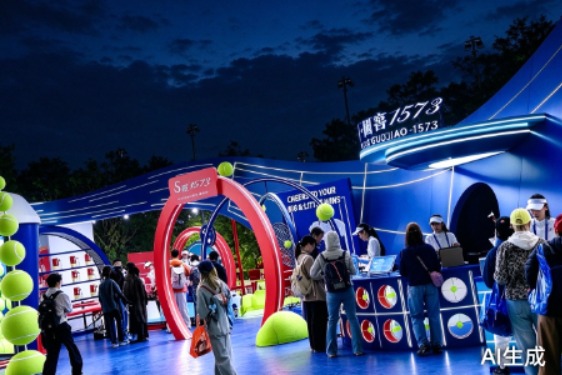
四是从“货架陈列”到“场景体验”,商文旅融合提供新的流量入口。义乌国际商贸城既是全球最大的小商品批发市场,也是一座天然的“实景种草场”。一区东扩市场的“包挂超市”、食物造型货架与网红打卡点位,都是场景化改造的雏形。目前,义乌正推动国际商贸城等点位打造集衍生品销售、主题餐饮、沉浸式体验、cosplay社交于一体的二次元体验场景,丰富“谷子店”、模玩手办、国潮文创等多元业态,并与“义乌好好逛”IP联动形成特色打卡线路。对义乌而言,这意味着市场有望从“交易场”到“体验场”的升级,把过路客流沉淀为长效消费。

“出海增量、IP赋能、情绪溢价、场景流量”四大方向,为义乌市场摆脱传统低价竞争、拓展增量赛道打开了路径,也让情绪消费从零散的市场需求,逐步转化为产业带转型升级的系统性动能。

结语

归根结底,情绪经济本质是一门“人心经济”。它不是短期风口,而是新消费时代的长期趋势。真正能够穿越周期的,是那些把情绪需求沉淀为品牌资产、把流量转化为复购能力的市场主体。

注:文/义乌指数,文章来源:义乌指数,本文为作者独立观点,不代表亿邦动力立场。

文章来源:义乌指数

广告
微信
朋友圈

FAQ回顾

什么是情绪消费?

情绪消费是指消费者在满足基本使用需求之外,更注重通过商品或服务获得情绪体验、心理慰藉和自我表达的消费方式,本质是消费从“物质满足”向“精神满足”延伸。这类消费具有决策门槛低、情感附加值高、传播属性强等特征,是当前消费升级的重要表现形式。

情绪消费市场规模有多大?

2025年我国情绪经济市场规模达2.72万亿元,同比增长17.8%,约为同期社会消费品零售总额增速(3.7%)的近5倍;2022-2025年年均复合增长率约18%。艾媒咨询预测,2026年市场规模将突破3万亿元,2029年有望达到4.6万亿元。

义乌小商品市场如何抓住情绪消费机遇?

义乌通过谷子经济、饰品、包挂等赛道承接情绪消费需求,2026年玩具类指数从年初1407.67点涨至8月1511.73点,饰品指数从1575.76点涨至1651.47点。义乌商城集团还在全球数贸中心设立IP服务中心,整合超2000个IP授权,并推动国际商贸城向二次元体验场景升级。

谷子经济是什么?为什么火热?

谷子经济指围绕动漫、游戏等IP开发的徽章、卡牌、盲盒、手办等产品形成的消费赛道,核心是通过具象化载体承载情感认同与社交属性。2025年市场规模超2000亿元,预计2029年突破3000亿元,淘宝相关商品销量同比增长近400%,消费群体集中在12—22岁。

包挂为什么成为热门消费品类?

包挂从箱包、文具的边缘配件成长为独立消费品类,2025年淘宝天猫包挂销量同比增长210%,美团闪购平台商家数量同比增长212%。文旅联名和天然材质推高了溢价,例如云冈石窟“佛小伴”、湖北省博物馆“蒜鸟”毛绒包挂成为热门。义乌是重要货源地,毛绒玩具类指数稳步上行。

这么好看,分享一下?

朋友圈 分享

APP内打开

赞 +1
+1
微信好友 朋友圈 新浪微博 QQ空间
关闭
收藏成功
发送
/140 0