广告
加载中

诺奖得主萨金特:AI经济的风险与应对

亿邦动力 2026-09-10 11:01
亿邦动力 2026/09/10 11:01

邦小白快读

EN
全文速览

本文整理了2011年诺奖经济学奖得主萨金特在外滩大会上,针对AI经济的风险与应对分享的核心观点,核心干货如下:

1. 当前AI发展处于初级阶段,现在AI类似天文学发展中的开普勒阶段,能从海量数据中识别规律、完成预测,但还不理解事物运行的底层原理,距离能理解逻辑、泛化应用的“牛顿阶段”,目前还无法确定发展时间。

2. AI经济的核心特征是不确定性,当前AI带来的很多变化都属于无法预估结果概率的不确定性,和可估算概率的风险不同,所有AI算法都带有隐含假设,环境变化超出训练数据范围后,模型很容易失灵,投入巨额资本也不代表未来回报确定。

3. 面对AI热的实操决策思路:不需要追求绝对正确的模型,要优先选择即使模型错了也能承受后果的选项,面对变化要保持谦逊,为未知留足调整空间。

诺奖得主萨金特对AI经济的判断,对布局AI的品牌商有很多重要启发,核心干货如下:

1. AI布局的风险提示:当前全球AI投资热潮建立在不确定的基础上,品牌商不要盲目跟风投入巨额资金做全链路AI转型,要意识到所有AI算法都带有隐含假设,在熟悉的消费者调研、营销投放环境中表现出色,一旦市场环境变化,模型就可能失灵。

2. 产品研发与营销的方向参考:AI正在重构各个行业,新价值的落点和分配目前都没有确定答案,品牌商做产品研发、营销方向布局时,不要完全押注AI预测出的单一方向,要预留足够的试错和调整空间。

3. 决策方法参考:做AI相关决策要采用稳健思路,不要只追求模型正确时的最优收益,要提前验证模型出错时品牌能否承受损失,建立可应对多种可能性的决策机制。

本文分享的诺奖得主萨金特对AI经济的判断,给AI时代布局的卖家带来了明确的风险提示和决策参考,核心干货如下:

1. AI布局的风险提示:当前AI投资热潮存在泡沫,很多AI项目建立在不成熟的模型基础上,AI模型在熟悉的运营环境中表现好,一旦市场环境变化超出训练数据范围,模型就会失灵,卖家不要盲目跟风押上全部身家投入AI项目,避免踩坑。

2. 市场机会提示:AI正在重构企业经营、消费服务等多个领域,未来会产生大量新的价值和机会,但新价值的具体落点还不明确,卖家可以用小成本多方向试错,寻找适合自己的机会。

3. 决策方法参考:卖家做AI相关决策时,不要追求模型正确时的最优解,要优先选择即使判断出错,也不会给自身带来灭顶损失的选项,为未知留足调整空间,建立能应对多种可能性的运营机制。

诺奖得主萨金特对AI经济的判断,给工厂推进数字化AI转型带来了很多重要启示,核心干货如下:

1. AI转型的认知提醒:当前AI发展还处于初级的开普勒阶段,只能从过往数据中识别规律,还不能理解生产、设计环节变化背后的底层逻辑,工厂不要对AI转型抱过高的不切实际期待,不要盲目砸巨资投入全流程AI改造,避免资源浪费。

2. 商业机会参考:AI正在重构生产研发环节,未来会催生很多新的生产模式和产品设计需求,但具体方向还不明确,工厂可以小范围试点不同AI应用方向,预留调整空间,探索适合自身的机会。

3. 转型决策启示:工厂做AI转型决策,要采用稳健控制的思路,不要押注单一AI技术路线,要提前做好预案,确保即使AI应用效果不达预期,也不会影响工厂的正常生产运营,保留应对变化的调整余地。

本文中诺奖得主萨金特对AI经济的判断,给AI相关服务商指明了行业发展方向和市场机会,核心干货如下:

1. 行业技术发展趋势:当前AI还处于只识别规律不理解原理的开普勒阶段,AI真正的前沿发展方向是走向牛顿阶段,也就是不仅能发现数据相关性,还能理解事物背后的结构逻辑,在训练数据外实现更好的泛化,还能识别自身的知识边界,这是服务商未来技术研发的核心方向。

2. 市场客户痛点:当前所有布局AI的企业、投资者都面临AI不确定性带来的决策难题,不知道该怎么应对模型出错、环境变化带来的风险,这是服务商的核心机会点。

3. 解决方案方向:服务商可以基于萨金特的稳健控制理论,开发针对性的决策辅助解决方案,帮助客户打造模型出错后依然能稳健运行的决策机制,满足客户在不确定环境下的决策需求。

萨金特对AI经济不确定性的判断,给AI相关平台的战略布局、运营管理和风险规避带来了很多启示,核心干货如下:

1. 市场需求方向:当前大量入驻平台的商家、企业布局AI时,都面临不确定性带来的决策风险,试错成本很高,平台可以针对性推出相关服务,比如AI项目试错扶持、决策辅助工具等,帮助商家降低AI布局的风险,提升平台吸引力。

2. 招商风险规避:当前AI投资热潮下,很多AI项目模型并不成熟,只靠资本炒作热度,平台在做AI相关招商的时候,不能只看项目的投资规模和热度,要做好项目筛选,警惕不成熟项目带来的风险。

3. 自身战略布局提示:平台做自身AI战略布局时,要采用稳健决策思路,不要盲目押注单一AI技术路线,要承认AI模型的局限性,给未知留足调整空间,建立应对多种可能性的运营机制,规避技术路线走错带来的巨大损失。

本文呈现了诺奖得主萨金特对AI经济的最新研究观点,提出了AI经济领域的新问题和研究方向,核心干货如下:

1. 产业新动向:当前全球AI投资热潮兴起,大量资本涌入AI赛道,但AI发展整体还处于开普勒阶段,核心特征是能从海量数据中识别规律做预测,但不理解事物运行的底层原理,未来产业演进的核心方向是走向能理解底层逻辑的牛顿阶段,具体发展时间还不确定。

2. 领域新问题:AI带来的很多变化属于无法预估结果概率的不确定性,这和传统经济学中可估算概率的风险有本质区别,现有的决策框架无法适配这种新情况,AI经济带来了新的研究课题。

3. 研究方向启示:研究者可以将萨金特长期研究的稳健控制理论引入AI经济决策研究,探索如何在不确定性环境下构建稳健的决策机制,研究不同市场主体怎么在承认AI局限性的前提下,推动AI产业健康发展。

返回默认

声明:快读内容全程由AI生成,请注意甄别信息。如您发现问题,请发送邮件至 run@ebrun.com 。

我是 品牌商 卖家 工厂 服务商 平台商 研究者 帮我再读一遍。

Quick Summary

This article summarizes key insights on the risks of the AI economy and corresponding responses shared by Thomas Sargent, the 2011 Nobel laureate in Economics, at the Bund Conference. The core takeaways are:

1. AI development is still in its early stage, comparable to the Kepler era in the history of astronomy. It can identify patterns and make predictions from massive datasets, but does not yet understand the underlying principles that drive how things work. It remains unclear when AI will advance to the "Newton stage" where it can grasp underlying logic and generalize to new applications.

2. The core defining feature of the AI economy is uncertainty. Many changes brought by AI today involve uncertainty where outcome probabilities cannot be estimated, which is fundamentally different from risk, where probabilities can be calculated. All AI algorithms are built on implicit assumptions; when the environment changes beyond the scope of training data, models easily fail, and massive capital investment does not guarantee certain future returns.

3. A practical decision-making framework for the AI boom: do not pursue a definitively correct model. Instead, prioritize options where you can absorb the consequences even if the model is wrong. Remain humble in the face of change, and leave enough room for adjustment for the unknown.

Nobel laureate Thomas Sargent’s analysis of the AI economy offers critical insights for brands investing in AI transformation. Key takeaways are as follows:

1. A critical risk reminder for AI deployment: the current global AI investment boom is built on a foundation of deep uncertainty. Brands should not blindly follow the trend and pour massive capital into end-to-end AI transformation. It is important to recognize that all AI algorithms rely on implicit assumptions: while they may perform well in familiar use cases such as consumer research and marketing delivery, models can easily fail when market conditions shift.

2. Guidance for R&D and marketing strategy: AI is reshaping every industry, but where new value will be created and how it will be distributed remains unclear. When planning R&D roadmaps and marketing direction, brands should not bet entirely on a single path predicted by AI, and should reserve enough space for trial and error and adjustment.

3. A framework for AI-related decision-making: Adopt a robust approach to decision-making. Instead of only chasing maximum returns when the model performs correctly, verify in advance whether the brand can absorb losses if the model fails, and build a decision-making mechanism that can accommodate multiple possible outcomes.

Nobel laureate Thomas Sargent’s analysis of the AI economy offers clear risk warnings and decision guidance for sellers operating in the AI era. Core takeaways are as follows:

1. Risk warning for AI investment: There is a bubble in the current AI investment boom. Many AI projects are built on immature models. While AI models perform well in familiar operating environments, they fail when market changes extend beyond the scope of their training data. Sellers should not blindly bet their entire capital on AI projects to avoid costly pitfalls.

2. Market opportunity guidance: AI is reshaping multiple fields from business operations to consumer services, and will generate massive new value and opportunities in the future, but the specific location of this new value remains unclear. Sellers can test multiple directions with low capital outlay to find opportunities that fit their business.

3. Decision-making framework: When making AI-related decisions, do not pursue an optimal outcome that only exists if the model is correct. Prioritize options that will not cause catastrophic losses even if your judgment is wrong, leave room for adjustment for the unknown, and build operational mechanisms that can adapt to multiple possible outcomes.

Nobel laureate Thomas Sargent’s analysis of the AI economy offers important insights for factories pursuing digital AI transformation. Core takeaways are as follows:

1. A reality check for AI transformation: AI development is still in the early "Kepler stage": it can only identify patterns from historical data, and cannot yet grasp the underlying logic behind changes in production and design processes. Factories should not hold unrealistic high expectations for AI transformation, nor blindly pour massive capital into full-process AI overhauls to avoid wasting resources.

2. Guidance for commercial opportunities: AI is reshaping production and R&D, and will spawn many new production models and product design demands in the future, but specific directions remain uncertain. Factories can run small pilot tests across different AI application directions, reserve room for adjustment, and explore opportunities that fit their own operations.

3. Insights for transformation decision-making: Factories should adopt a risk-controlled approach to AI transformation decisions. Do not bet on a single AI technology route, and prepare contingency plans in advance. Ensure that even if AI underperforms expectations, normal production and operations will not be disrupted, and retain flexibility to adjust to changing conditions.

Nobel laureate Thomas Sargent’s analysis of the AI economy clarifies industry development directions and market opportunities for AI-related service providers. Core takeaways are as follows:

1. Technology development trend: AI today remains in the Kepler stage, where it only identifies patterns without understanding underlying principles. The real cutting-edge direction for AI development is advancing to the Newton stage: that is, AI will not only discover correlations in data, but also understand the structural logic behind phenomena, generalize better beyond training data, and recognize the boundaries of its own knowledge. This is the core direction for future technology R&D for service providers.

2. Unmet client needs: All companies and investors currently deploying AI face decision-making challenges brought by AI-related uncertainty, and do not know how to handle risks from model failure and environmental changes. This is the core opportunity for service providers.

3. Solution direction: Based on Sargent’s robust control theory, service providers can develop tailored decision-support solutions that help clients build decision-making mechanisms that operate steadily even when AI models fail, to meet clients’ demand for reliable decision-making in uncertain environments.

Sargent’s analysis of uncertainty in the AI economy offers many insights for strategic planning, operations management and risk mitigation for AI-related platforms. Core takeaways are as follows:

1. Market demand direction: Many merchants and enterprises that operate on platforms face decision-making risks from uncertainty when deploying AI, and bear very high trial and error costs. Platforms can launch targeted services, such as AI project trial support and decision-support tools, to help merchants reduce the risk of AI deployment and boost platform attractiveness.

2. Risk mitigation for merchant recruitment: Amid the current AI investment boom, many AI projects are built on immature models and are only hyped up by capital. When recruiting AI-focused projects, platforms should not evaluate projects solely based on investment scale and hype. They must conduct thorough project screening and stay alert to risks from immature projects.

3. Guidance for internal strategic planning: When building their own AI strategies, platforms should adopt a robust decision-making approach. Do not blindly bet on a single AI technology route, acknowledge the inherent limitations of AI models, leave enough room for adjustment for the unknown, and build operational mechanisms that accommodate multiple possible outcomes to avoid massive losses from betting on the wrong technology path.

This article presents Nobel laureate Thomas Sargent’s latest views on the AI economy, which outline new questions and research directions for the field. Core takeaways are as follows:

1. New industry trends: A global AI investment boom is underway, with massive capital flooding into the AI sector, but overall AI development remains in the Kepler stage. Its defining feature is that it can identify patterns and make predictions from massive datasets, but does not understand the underlying principles that drive how things work. The core direction for future industrial evolution is advancing to the Newton stage, where AI can grasp underlying logic, and the timeline for this shift remains uncertain.

2. New unaddressed questions in the field: Many changes brought by AI involve uncertainty where outcome probabilities cannot be estimated, which is fundamentally different from the concept of risk in traditional economics, where probabilities can be calculated. Existing decision-making frameworks are not suited for this new situation, and the AI economy has created entirely new research agendas.

3. Guidance for future research: Researchers can introduce Sargent’s long-studied robust control theory into research on AI economic decision-making, explore how to build robust decision-making frameworks under conditions of uncertainty, and study how different market participants can advance healthy development of the AI industry while acknowledging the inherent limitations of AI.

Disclaimer: The "Quick Summary" content is entirely generated by AI. Please exercise discretion when interpreting the information. For issues or corrections, please email run@ebrun.com .

I am a Brand Seller Factory Service Provider Marketplace Seller Researcher Read it again.

“美国正涌入AI的巨额投资,建立在可疑的模型之上。没人真正知道这些模型最终会产出什么。”

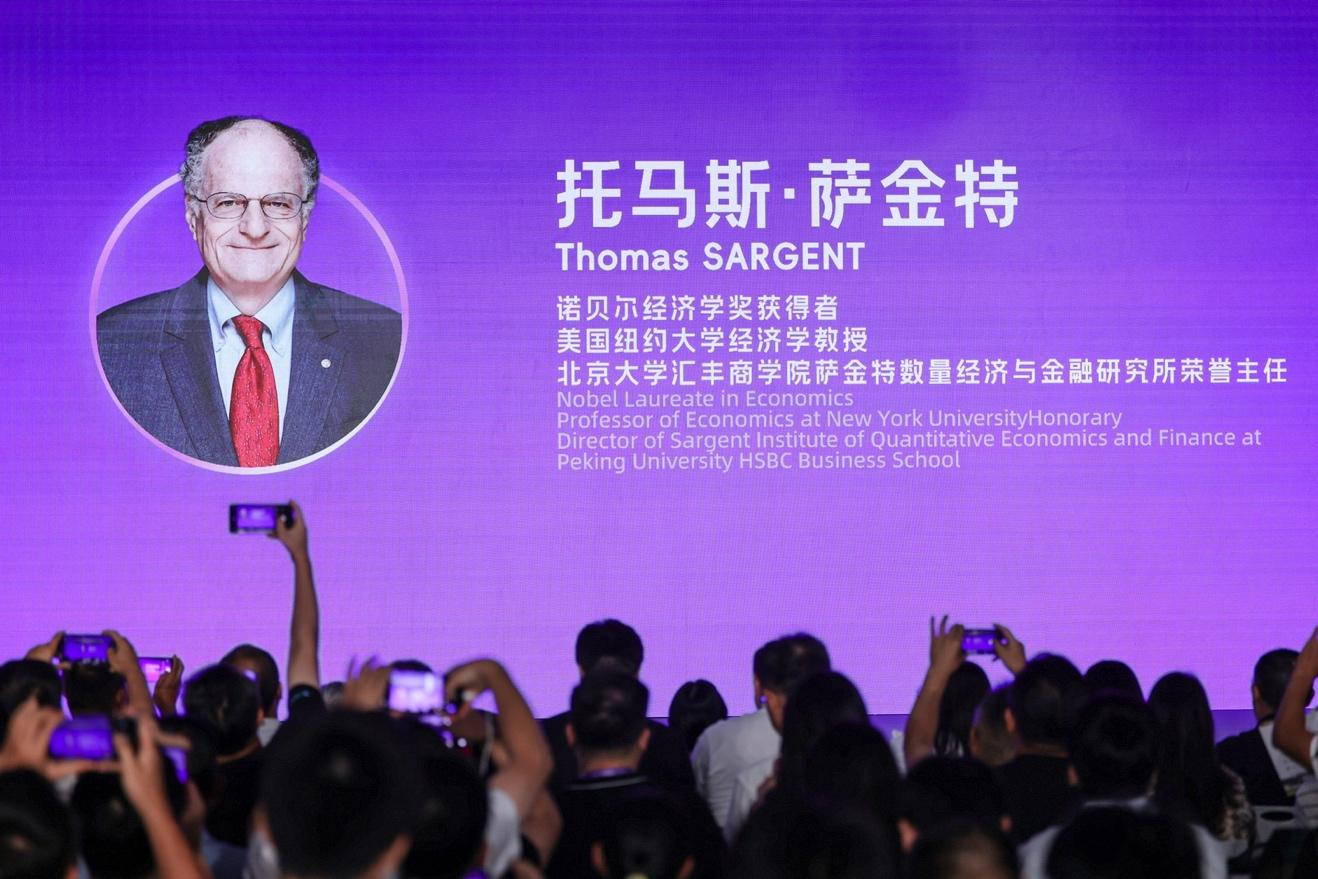
9月9日,2011年诺贝尔经济学奖得主、纽约大学教授托马斯·萨金特(Thomas Sargent)在2026 Inclusion·外滩大会见解论坛上表示,AI正在成为推动经济增长的重要力量,但围绕AI的投资、决策与政策制定,也正面临巨大的不确定性。资本投入的规模不断扩大,并不意味着未来回报就更加确定。

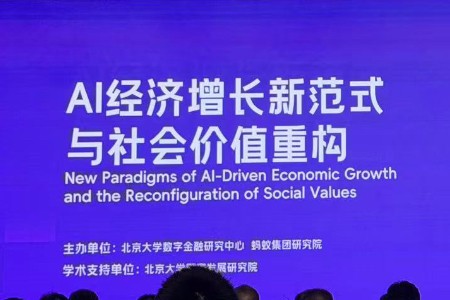
这是2026 Inclusion·外滩大会正式开幕前的一场重磅思想讨论。来自国内外的经济学家、产业界和投资界人士围绕AI与经济增长、生产率、投资决策以及未来经济形态展开讨论。

在萨金特看来,理解AI正在带来的经济变化,首先需要承认一个事实:我们正在进入一个“知道AI很重要,却还不知道它究竟会把经济带向哪里”的阶段。

他用17世纪的开普勒和牛顿作比。开普勒通过大量天文观测数据,总结出了行星运行的规律,但当时并不知道这些规律背后的物理原因;牛顿则进一步解释了这些规律背后的基本原理。“今天的AI有点像开普勒。”萨金特表示。

当前的AI已经非常擅长从海量数据中识别模式、拟合规律和进行预测,但这并不意味着它已经真正理解了世界为什么如此运行。AI之所以能够取得今天的进展,很大程度上来自前所未有的数据规模、计算能力以及更加复杂的模型。

但在萨金特看来,AI真正的前沿,是能否从“开普勒阶段”走向“牛顿阶段”——不仅能够发现相关性,还能够进一步理解和推断事物背后的结构,在训练数据之外实现更好的泛化,并能够识别自身知识的边界。“我们还不知道AI什么时候会进入‘牛顿阶段’。”萨金特说。

随着AI越来越深地进入金融投资、企业经营、科研创新和公共政策等领域,如何面对“不确定性”,可能成为AI时代越来越重要的经济问题。萨金特提醒,很多人会把神经网络理解成一种“无模型”的学习方式,但实际上,每一种AI算法都包含特定的参数化模型,也包含大量关于世界的隐含假设。在熟悉的数据和环境中,一个模型可能表现得非常出色,但当环境发生变化、出现训练数据之外的新情况时,模型也可能失灵。

这也是经济学意义上的风险和不确定性之间的区别。风险意味着结果虽然未知,但概率大致可以估计;而不确定性意味着,人们甚至无法准确知道未来可能出现什么,以及各种结果发生的概率。AI带来的很多变化,恰恰属于后者。

萨金特长期研究的稳健控制理论,正是试图解决这样的决策问题。在这种思路下,决策的目标并不是找到一个“绝对正确”的模型,而是让决策在模型出现偏差甚至错误时,依然能够保持相对可靠。换句话说,不能只问“如果模型是对的,最优选择是什么”,还要问“如果模型错了,这个选择还能不能承受”。

这对正在形成的AI新经济尤其重要。AI正在改变生产率,也正在改变企业研发、金融投资、教育科研和消费服务。但生产率究竟会提高到什么程度,新的价值会在哪里产生,哪些行业会被重构,以及这些新增价值最终如何分配,目前都没有确定答案。

“我们正身处‘未知’的核心。”萨金特说。因此,他反复强调“谦逊”。在他看来,面对AI带来的巨大变化,无论是企业、投资者还是监管者,都不能仅仅依据一个理想化的模型预测未来,而需要承认模型存在局限,为未知和错误留下空间,并建立能够应对不同可能性的决策机制。

这或许也是理解AI新经济的另一面:AI带来的不仅是更强大的预测能力,也带来了对未知边界的重新认识。

对今天的AI而言,真正稀缺的或许不是更多预测,而是在预测之外,承认未知、保留余地,并在不确定中做出更稳健的选择。AI可以越来越聪明,但面对AI新经济,人类或许首先需要学会承认:我们还不知道。

本文首发于 亿邦动力 官方网站

文章来源:亿邦动力

广告
微信
朋友圈

FAQ回顾

AI经济发展目前面临的主要不确定性是什么?

当前AI尚处于仅能识别数据规律、发现相关性的“开普勒阶段”,AI算法包含大量隐含假设,环境变化或出现训练数据外的新场景时易失灵。且AI对生产率的提升幅度、价值创造领域、行业重构范围及价值分配方式目前均无明确结论。

面对AI经济的不确定性有什么可行的应对思路?

可参考稳健控制理论思路,决策不以寻找绝对正确的模型为目标,企业、投资者、监管者都需承认AI模型存在局限,为未知和错误预留空间,建立能够应对不同可能性的决策机制,保障模型出错时决策依然相对可靠。

当前AI技术发展的前沿方向是什么?

2011年诺贝尔经济学奖得主萨金特认为,AI真正的前沿是从仅能发现相关性的“开普勒阶段”,向可理解推断事物背后结构、在训练数据外实现更好泛化、能识别自身知识边界的“牛顿阶段”演进,目前暂无法确定进入该阶段的时间。

AI相关的风险和不确定性有什么区别?

从经济学角度来看,风险意味着结果虽然未知,但发生概率大致可以估计;而不确定性意味着,人们甚至无法准确知道未来可能出现什么情况,以及各种结果发生的概率,当前AI带来的很多变化都属于不确定性范畴。

这么好看,分享一下?

朋友圈 分享

APP内打开

赞 +1
+1
微信好友 朋友圈 新浪微博 QQ空间
关闭
收藏成功
发送
/140 0