广告
加载中

Sea Legend开通北极航道中欧定期货运 航程较苏伊士航线减半

亿邦动力 2026-08-18 12:16
亿邦动力 2026/08/18 12:16

邦小白快读

EN
全文速览

本文核心信息是中国航运企业Sea Legend开通北极东北航道中欧定期集装箱货运,这是该航道首次常态化商业货运服务,相关重点干货整理如下:

1.核心基础信息:航线从宁波舟山港出发直达英国费利克斯托港,最短航程仅18天,比传统苏伊士运河航线缩短一半以上,适合运输对时效和温度敏感的电动汽车、锂电池、光伏产品等中国出口优势品类。早在2017年中俄就提出共同开发北极航道、建设冰上丝绸之路的规划,目前俄罗斯开放合作,提供破冰船支持。

2.现存风险情况:虽然航程缩短能减少一半碳排放,但该航道环境风险远高于减排收益,目前还存在通航季偏短、救援配套不足、制裁风险、运营成本高等问题,短期内无法替代传统航线。

本次北极东北航道常态化货运开通,对出海品牌商来说带来了新的物流机会和需要留意的风险,干货整理如下:

1.市场与渠道机会:新航线时效提升一倍,更适配电动汽车、锂电池、光伏等中国优势出口品类的运输需求,能帮助品牌提升对欧交付效率,同时航程缩短减少一半碳排放,品牌可借此打造低碳产品标签,契合海外市场的绿色消费趋势。另外传统航线受地缘动荡影响稳定性不足,新航道可作为替代选项分散物流风险。

2.需要注意的风险:目前该航道存在环境风险高、救援配套不足、国际制裁风险等问题,运输不确定性较高,且通航窗口仍然有限,短期内无法大规模替代传统航线,品牌布局渠道时需要平衡时效与风险。

北极航道开通常态化中欧货运,给做中欧贸易的卖家带来了新的物流选择,相关机会与风险干货整理如下:

1.可把握的市场机会:当前苏伊士运河、霍尔木兹海峡等传统航线受地缘局势动荡影响,稳定性不足,新航线航程缩短一半,时效大幅提升,非常适合对时效、温度敏感的货物运输,能帮助卖家提升交付体验,还能满足绿色贸易的相关要求,符合当前市场需求,同时中俄有共同开发北极航道的规划支持,政策层面有基础。

2.风险提示:该航道目前存在俄罗斯排他性控制风险、国际制裁影响,配套救援不足,运营成本高,通航时间有限,还有大量无保险、不合规的影子船队,一旦发生事故货物损失风险高,目前无法完全替代传统航线,卖家可将其作为备用渠道布局,不要过度依赖。

北极东北航道开通常态化货运,给中国出口生产工厂带来了新的商业机会和启示,干货整理如下:

1.可对接的商业机会:该航线更适配电动汽车、锂电池、光伏产品等中国出口优势品类的运输需求,航程缩短一半能大幅降低出口物流的时间成本,帮助工厂提升对欧客户的交付效率,增强产品的竞争力,有助于工厂扩大欧洲市场份额。同时传统航线受地缘影响稳定性差,新航道可帮助工厂分散物流风险。

2.相关发展启示:工厂可借助新航线的低碳优势,打造绿色出口产品标签,提升产品在欧洲市场的吸引力。不过也要注意,当前航道存在环境风险、制裁风险、配套不足等问题,短期内普及度有限,工厂在规划出口物流时,要合理搭配新老航线,不要过度依赖新航道。

北极航道开启常态化商业运营,给航运相关服务商带来了新的发展机会,也暴露了行业痛点,干货整理如下:

1.行业发展趋势:受气候变化影响,北极航道每年的通航时长会逐步增加,叠加传统航线受地缘局势影响稳定性下降,中欧贸易对北极航道的运输需求会逐步提升,北极航运服务会成为行业新的增长点。当前这是首次常态化运营,未来市场空间会逐步释放。

2.现存客户痛点与发展方向:目前北极航道存在后勤救援配套不足、环境风险高、制裁带来合规风险、保险体系缺失等痛点,大量影子船队缺乏合规监管,航运企业和货主都面临很高的安全与损失风险。相关服务商可针对性开发北极航运专属保险、专业救援服务、合规咨询服务等,填补当前市场空白。

北极航道开通常态化货运,对航运、跨境贸易平台来说带来了新的业务方向,相关干货整理如下:

1.市场需求与业务机会:随着北极航道开发推进,货主、航运企业对北极航道相关的通航信息服务、合规对接、救援服务、保险对接等配套服务的需求会逐步增长,跨境物流平台还可开发新的中欧时效型物流产品,吸引对交付速度有要求的出口客户,拓展平台的业务边界。

2.需要规避的风向:当前该航道存在俄罗斯排他性控制风险、国际制裁风险,还有大量受制裁的影子船队带来的合规问题,同时生态环境风险高,一旦发生事故会带来连带风险。平台布局相关业务时,需要做好资质筛查和风险管控,同时要注意当前通航季较短,合理控制运力投放规模,避免资源浪费。

本次中国企业开通北极东北航道常态化定期货运,是北极航运开发的标志性新动向,相关值得研究的干货整理如下:

1.产业新动向:本次开通是北极东北航道历史上首次常态化商业货运服务,标志着中俄共同建设冰上丝绸之路进入实际运营阶段,受气候变化导致海冰缩减、传统航线受地缘局势影响脆弱性提升两大因素推动,北极航道的开发进度明显加快,未来通航时长会持续增加,有望成为中欧贸易航线的重要补充。

2.值得研究的新问题与方向:当前北极航道开发面临多重待解决的问题,包括北极脆弱生态的环境风险、配套救援能力不足、国际制裁带来的合规风险、俄罗斯排他性控制风险、影子船队带来的监管空白等,这些问题会影响航道的长期发展,同时新航道开发也会对全球航运贸易格局带来深远影响,值得持续跟踪研究产业变化与商业模式创新。

返回默认
声明:快读内容全程由AI生成,请注意甄别信息。如您发现问题,请发送邮件至 run@ebrun.com 。

我是 品牌商 卖家 工厂 服务商 平台商 研究者 帮我再读一遍。

Quick Summary

This article covers the core update that Chinese shipping firm Sea Legend has launched regular container freight services between China and Europe via the Arctic Northeast Passage, marking the first regular commercial shipping service on this route. Key takeaways are as follows:

1. Core basics: The route runs directly from Ningbo Zhoushan Port to Felixstowe in the UK, with a shortest voyage of just 18 days—cutting travel time by more than half compared to the traditional Suez Canal route. It is well-suited for carrying time- and temperature-sensitive high-value Chinese export goods such as electric vehicles, lithium batteries and photovoltaic products. Back in 2017, China and Russia jointly proposed a plan to develop the Arctic Passage and build the "Polar Silk Road"; Russia is now open to cooperation and provides icebreaker support.

2. Existing risks: While the shorter voyage cuts carbon emissions by half, environmental risks on the route far outweigh the benefits of emission reductions. The passage still faces challenges including a short shipping season, insufficient search and rescue infrastructure, sanctions risks and high operating costs, meaning it cannot replace traditional routes in the short term.

The launch of regular commercial shipping on the Arctic Northeast Passage opens new logistics opportunities for cross-border Chinese brands, but also brings risks to note. Key takeaways are as follows:

1. Market and channel opportunities: The new route cuts transit time in half, making it ideal for shipping China’s competitive export goods including electric vehicles, lithium batteries and photovoltaic products. It can help brands improve delivery efficiency to Europe, and the 50% carbon cut from shorter voyages allows brands to market products as low-carbon, aligning with the green consumer trend in overseas markets. Additionally, the new route can serve as an alternative to reduce logistics risk amid the instability of traditional routes caused by geopolitical turmoil.

2. Key risks to note: Currently, the passage faces high environmental risks, insufficient search and rescue infrastructure, and international sanctions exposure, leading to high shipping uncertainty. Its navigation window also remains limited, so it cannot replace traditional routes on a large scale in the short term. Brands need to balance speed and risk when expanding logistics channels.

The launch of regular China-Europe freight services on the Arctic Passage brings a new logistics option for sellers engaged in China-Europe trade. Below is a breakdown of opportunities and risks:

1. Usable market opportunities: Traditional routes such as the Suez Canal and Strait of Hormuz face growing instability from geopolitical turmoil. The new Arctic route cuts voyage length in half and drastically improves transit time, making it ideal for time- and temperature-sensitive cargo. It helps sellers improve the delivery experience and meets requirements for green trade, aligning with current market demand. It also benefits from policy support under the China-Russia joint development plan for the Arctic Passage.

2. Risk warnings: The passage currently faces risks including Russia’s de facto exclusive control, exposure to international sanctions, insufficient rescue infrastructure, high operating costs and a limited navigation window. There is also a large fleet of uninsured, non-compliant "shadow ships", leading to high risk of cargo loss in case of an incident. The route cannot fully replace traditional routes for now, so sellers should only use it as a backup channel and avoid over-reliance.

The launch of regular freight services on the Arctic Northeast Passage brings new business opportunities and insights for Chinese export-oriented manufacturing factories. Key takeaways are as follows:

1. Accessible business opportunities: The route is particularly well-suited for China’s competitive export categories including electric vehicles, lithium batteries and photovoltaic products. Cutting voyage length in half drastically reduces the time cost of export logistics, helping factories improve delivery efficiency for European customers, strengthen product competitiveness and expand market share in Europe. It also helps factories diversify logistics risk amid instability on traditional routes driven by geopolitical factors.

2. Key development insights: Factories can leverage the new route’s low-carbon advantage to market their exports as green products, boosting appeal in the European market. That said, the route currently faces challenges including environmental risk, sanctions exposure, and insufficient supporting infrastructure, so its adoption will remain limited in the short term. Factories should mix use of new and traditional routes when planning export logistics and avoid over-reliance on the Arctic route.

The launch of regular commercial operations on the Arctic Passage opens new growth opportunities for shipping-related service providers, while also exposing key industry pain points. Key insights are as follows:

1. Industry development trends: Climate change is gradually extending the annual navigation window of the Arctic Passage, and traditional routes have become less stable amid geopolitical tensions. Demand for Arctic Passage shipping services for China-Europe trade will grow steadily, making Arctic shipping services a new industry growth point. This is the first regular commercial operation on the route, and market space will open up gradually going forward.

2. Current customer pain points and development directions: The Arctic Passage currently lacks sufficient logistics and rescue infrastructure, carries high environmental risk and compliance risks from international sanctions, and has no established dedicated insurance system. A large number of unregulated shadow ships operate in the region, exposing both shipping companies and cargo owners to high safety and financial loss risks. Service providers can fill current market gaps by developing tailored offerings including Arctic-specific shipping insurance, professional rescue services, and compliance consulting.

The launch of regular freight services on the Arctic Passage brings new business opportunities for shipping and cross-border trade platforms. Key takeaways are as follows:

1. Market demand and business opportunities: As development of the Arctic Passage progresses, demand for supporting services including navigation information, compliance matching, rescue services and insurance brokerage will grow steadily among cargo owners and shipping companies. Cross-border logistics platforms can also launch new time-definite China-Europe logistics products to attract export clients that prioritize fast delivery, expanding the platform’s business scope.

2. Risks to avoid: The route currently faces risks including Russia’s exclusive control, international sanctions exposure, and compliance issues linked to large numbers of sanctioned shadow ships, as well as high ecological environmental risk that could bring contingent liabilities if an incident occurs. Platforms developing related business need to implement strict qualification screening and risk management. They should also note the current short navigation window and control capacity deployment appropriately to avoid wasting resources.

The launch of regular scheduled freight services on the Arctic Northeast Passage by a Chinese firm marks a milestone in the development of Arctic shipping. Key insights for research are as follows:

1. New industry developments: This launch represents the first regular commercial freight service in the history of the Arctic Northeast Passage, marking the entry of the China-Russia joint Polar Silk Road initiative into the actual operation phase. Driven by two major factors—sea ice reduction from climate change, and growing vulnerability of traditional routes due to geopolitical tensions—the development of the Arctic Passage has accelerated notably. Its annual navigation window will continue to expand, and it is expected to become an important supplement to existing China-Europe trade routes.

2. New research questions and directions: The development of the Arctic Passage currently faces multiple unresolved issues, including environmental risks to the fragile Arctic ecosystem, insufficient search and rescue capacity, compliance risks from international sanctions, risks from Russia’s exclusive control, and regulatory gaps created by shadow fleets. These issues will affect the long-term development of the route, and the opening of the passage will also have far-reaching impacts on the global shipping and trade landscape. This makes sustained tracking of industry changes and business model innovation a valuable research direction.

Disclaimer: The "Quick Summary" content is entirely generated by AI. Please exercise discretion when interpreting the information. For issues or corrections, please email run@ebrun.com .

I am a Brand Seller Factory Service Provider Marketplace Seller Researcher Read it again.

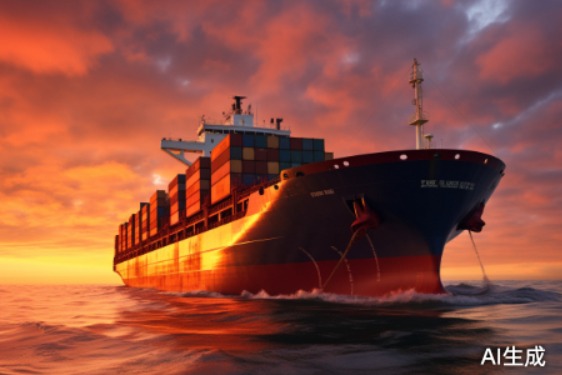
据外媒报道,近期,中国航运企业Sea Legend启动北极东北航道定期集装箱运输服务。航线从宁波舟山港出发直达英国费利克斯托港,全程最短仅需18天,2025年该企业已完成这条线路的首次试航。

北极东北航道全长5500公里,沿俄罗斯北部海岸穿越北极圈,此前仅暖季可通航,受夏季海冰缩减影响,每年通航窗口已逐步拓宽。相较于传统苏伊士运河航线超过40天的航程,这条线路航行时长缩减超一半,适合运输对时效和温度敏感的货物,涵盖电动汽车、锂电池、光伏产品等中国出口优势品类。这也是北极东北航道首次出现常态化商业货运服务。

2017年中方就提出与俄罗斯共同开发北极航道、建设冰上丝绸之路的相关规划。俄乌冲突后俄罗斯对北极区域合作的态度转向开放,目前俄罗斯国家原子能公司负责航道通行许可发放、航运管理,同时提供航行所需的核动力破冰船支持。

Sea Legend方面提及,较短航程可减少约一半航运碳排放,不过多方研究内容显示航道的环境风险远大于减排收益。2024年起北极区域已禁用重质燃料油,2025年Bellona环境基金会报告内容显示,重质燃料油黏度高,低温下分解缓慢,一旦泄漏几乎无法从冰层中清理,俄罗斯目前完全不具备应对此类泄漏事故的能力。航道偏远缺乏后勤支持,专业救援团队抵达泄漏点最长需要数周时间。

安联亚洲海事风险首席顾问Nitin Chopra提及,偏远位置和后勤不足会大幅提升船舶故障搁浅概率,威胁北极脆弱生态系统。重质燃料油燃烧产生的黑碳会降低北极区域反光率,加速全球变暖。

Sea Legend首席运营官李晓斌本月表示,中东局势暴露苏伊士运河、霍尔木兹海峡等传统航线受区域动荡影响的脆弱性,开发替代中欧贸易航线的必要性提升。俄罗斯方面也有意推动航道应用,不过目前多数运营商仍认为俄罗斯对航道的排他性控制风险过高。

安联商保2026年航运安全报告内容提及,俄乌冲突后对俄的国际制裁可能导致船舶遇险时救援流程受阻。目前航道现有运力大部分来自俄罗斯影子船队,这类油轮多无保险、缺乏合规监管,主要用于规避俄罗斯石油出口制裁。2025年北极航道上约三分之一的货船属于受国际制裁的影子船队,2026年受夏季冰情较轻利好,影子船队通航量进一步提升,近期有观测显示总运载量约800万桶石油的俄罗斯油轮船队创下最北通行记录,航线距北极点仅500英里。

RMIT大学物流与供应链管理教授Vinh Thai提及,受气候变化影响,北极航道每年可通航时长还会进一步增加。不过现阶段安全顾虑、运营成本高企、通航季短、制裁风险等因素仍会限制北极航运的普及,当前还无法替代霍尔木兹海峡、苏伊士运河等传统航线,一旦发生漏油事故将同时引发环境与经济灾难。

文章来源:亿邦动力

广告
微信
朋友圈

FAQ回顾

北极东北航道中欧货运航线相比苏伊士航线有什么优势?

该航线从宁波舟山港直达英国费利克斯托港,全程最短仅需18天,较苏伊士运河航线超40天的航程缩减超一半,可减少约一半航运碳排放,适合运输电动汽车、锂电池、光伏等对时效和温度敏感的货物。

北极航道常态化商业运营面临哪些风险?

北极航道面临多重风险:一是环境风险高,重质燃料油泄漏后几乎无法清理,俄罗斯缺乏事故应对能力,黑碳排放会加速全球变暖;二是运营风险高,俄罗斯排他性控制、国际制裁可能导致救援受阻,影子船队多无合规监管。

北极航道目前可以替代传统中欧贸易航线吗?

现阶段北极航道受安全顾虑、运营成本高企、通航季短、制裁风险等多因素限制,还无法替代霍尔木兹海峡、苏伊士运河等传统航线,一旦发生漏油事故将同时引发环境与经济灾难。

为什么要开发北极航道作为中欧贸易替代航线?

中东局势暴露了苏伊士运河、霍尔木兹海峡等传统航线受区域动荡影响的脆弱性,开发替代中欧贸易航线的必要性提升,同时北极航道航程短的优势可满足时效敏感类货物的运输需求。

这么好看,分享一下?

朋友圈 分享

APP内打开

+1
+1
微信好友 朋友圈 新浪微博 QQ空间
关闭
收藏成功
发送
/140 0