广告
加载中

跨境电商精英人才培育工程第二十期开班仪式在知识服务中心举行

亿邦动力 2026-11-17 17:44
亿邦动力 2026/11/17 17:44

邦小白快读

EN
全文速览

开班核心信息

1.杭州跨境电商精英人才培育工程第二十期于9月4日在全球跨境电商知识服务中心开班,由杭州市商务局、中国(杭州)跨境电子商务综合试验区建设领导小组办公室、杭州市经信局、杭州市工商联、杭州市贸促会联合主办。

2.学员为杭州各地企业负责人,开启为期三个月跨境成长之旅;武长虹、劳志龙、汤怡文出席开班仪式。

出海实操要点

1.19期学员代表宋颖杰给出海路径:合规是底线,选品是根基,平台是战场,AI是翅膀,品牌是远方。

2.新学员代表关洪炎提到企业出海转型的现实困惑,希望补齐跨境能力、交流互助,推动国货走向全球。

学习与政策干货

1.武长虹讲授开班第一课,解读杭州跨境电商发展历程及人才引进、税收优惠、政府扶持等政策;建议空杯心态学习、打开格局、互学分享、跨界交流、资源互通。

2.浙江大学柳宏志博士解析宏观经济与产业发展态势,从后疫情全球格局切入,用多组大数据对比剖析关税贸易战影响,研判新技术新产业演进方向,帮助看清传统外贸与跨境电商机遇及关键转折。

品牌出海核心路径

1.文章明确出海路径为合规是底线、选品是根基、平台是战场、AI是翅膀、品牌是远方,品牌商可从中把握品牌长期目标与渠道、产品、技术、合规之间的关系。

2.新学员提出推动国货走向全球,结语强调让中国品牌与跨境理想熠熠生辉,说明品牌出海是培训与学员共同关注的方向。

政策与平台资源

1.杭州多部门联合主办精英人才培育工程,武长虹解读人才引进、税收优惠、政府扶持等政策,品牌商可关注政策资源对品牌出海的支撑。

2.精英班强调同学彼此成就、互相搭桥、平台托举、资源互通聚合,品牌商可借跨界交流寻找渠道、资源与合作。

宏观环境与竞争影响

1.柳宏志从后疫情全球格局切入,用大数据对比剖析关税贸易战深远影响,研判新技术新产业演进方向,提示品牌商关注外部环境对传统外贸与跨境电商赛道的影响。

2.文章未直接展开定价、价格竞争、消费趋势和用户行为,但品牌相关干货集中在合规、选品、平台、AI、品牌五要素及政策、宏观研判。

政策与扶持干货

1.第二十期精英人才培育工程由杭州市商务局、杭州综试区领导小组办公室、市经信局、市工商联、市贸促会联合主办,体现多部门对跨境电商人才培育的扶持。

2.武长虹开班第一课解读杭州跨境电商发展历程及人才引进、税收优惠、政府扶持等政策,卖家可重点捕捉扶持政策信号。

出海机会与风险提示

1.宋颖杰总结出海路径:合规是底线、选品是根基、平台是战场、AI是翅膀、品牌是远方,卖家可将其作为经营与风险控制的参考。

2.柳宏志解析后疫情全球格局、关税贸易战影响、新技术新产业演进,研判传统外贸与跨境电商机遇及行业关键转折,提示卖家关注外部事件带来的正面或负面影响。

可学习点与合作机会

1.新学员关洪炎希望补齐跨境能力、与同学交流互助、推动国货全球,说明培训可补能力短板并链接同学资源。

2.班级强调彼此成就、互相搭桥、跨界交流、资源互通聚合、协同共进,卖家可关注同学合作、资源对接与平台托举。文章未直接给最新商业模式和消费需求变化,干货集中在政策、趋势、合规、选品、平台、AI、品牌。

产品端干货

1.文章提出选品是根基,合规是底线,品牌是远方,工厂可据此理解产品出海要先关注选品、合规和品牌化方向。

2.文章没有具体展开产品生产和设计需求,但出海路径中的选品根基、平台战场、AI翅膀,提示工厂产品端要适配跨境平台与技术工具。

商业机会与转型启示

1.新学员来自浙江万泰福生物科技,提到企业出海转型的现实困惑,希望补齐跨境能力、交流互助、推动国货走向全球,反映传统企业向跨境出海转型的需求。

2.柳宏志研判后疫情全球格局、关税贸易战影响、新技术新产业演进方向,并分析传统外贸与跨境电商赛道机遇和关键转折,工厂可从中寻找商业机会与转型窗口。

数字化与资源合作

1.AI是翅膀这一表述可作为工厂推进数字化的启示;平台是战场提示重视平台渠道;同学互助、平台托举、资源互通聚合提供合作线索。

2.政府人才引进、税收优惠、政府扶持等政策解读,可为工厂转型跨境电商提供外部支持信息。

行业趋势判断

1.柳宏志从后疫情全球格局切入,用大数据对比剖析关税贸易战影响,研判新技术、新产业演进方向,并分析传统外贸与跨境电商机遇及关键转折,服务商可据此把握趋势与需求变化。

2.精英人才培育工程已办到第二十期,由杭州多部门联合主办,体现跨境电商人才培育和行业服务的持续需求。

客户痛点识别

1.新学员关洪炎点出企业出海转型的现实困惑,希望补齐跨境能力、交流互助,说明能力补齐与资源对接是客户痛点。

2.宋颖杰提出合规是底线、选品是根基、平台是战场、AI是翅膀、品牌是远方,可对应合规、选品、平台运营、AI应用、品牌建设等服务方向。

解决方案与机会

1.培训设置开班第一课、政策解读、宏观经济与产业解析、学员分享和班级互助,服务商可借鉴其课程与服务组织方式。

2.平台托举、彼此成就、互相搭桥、跨界交流、资源互通聚合,为服务商提供链接企业、嵌入生态、协同服务的入口。

平台运营做法

1.精英人才培育工程第二十期在全球跨境电商知识服务中心开班,由杭州市商务局、杭州综试区领导小组办公室、市经信局、市工商联、市贸促会联合主办,呈现多部门协同与知识服务中心承载的平台化做法。

2.学员为杭州各地企业负责人,开展为期三个月培训,设置开班仪式、学员代表分享、开班第一课和专家解析,平台商可关注其招生、课程运营与生态服务设计。

平台需求与招商

1.新学员希望补齐跨境能力、交流互助、推动国货全球,说明企业对能力提升和资源链接有需求。

2.班级强调同学彼此成就、互相搭桥、平台托举、跨界交流、资源互通聚合、协同共进,平台商可从中看到招商与运营应强化资源对接和社群协作。

风向规避与风险提示

1.宋颖杰强调合规是底线,平台商应关注合规经营这一基础要求。

2.柳宏志研判关税贸易战影响、全球格局变化、新技术新产业演进及行业关键转折,提示平台商在运营中关注宏观风向与风险规避。

产业新动向

1.杭州跨境电商精英人才培育工程第二十期开班,反映跨境电商人才培育持续深化,并呈现政府多部门联合主办、知识服务中心承载、企业负责人集中学习的组织形态。

2.宋颖杰提出合规、选品、平台、AI、品牌五要素,关洪炎提出企业出海转型困惑和国货全球诉求,柳宏志研判新技术新产业演进与行业关键转折,构成产业研究可关注的议题。

政策与机制启示

1.武长虹解读杭州跨境电商发展历程及人才引进、税收优惠、政府扶持等政策,体现政策工具与人才培育机制的结合。

2.班级强调空杯心态、互学分享、跨界交流、深化链接、资源互通聚合、协同共进,可作为平台型人才培育与协同网络的观察样本。

问题与商业模式

1.企业出海转型现实困惑、跨境能力补齐需求、关税贸易战影响、复杂政经环境下的机遇识别,是文章呈现的新问题。

2.文章可提炼的商业模式线索是人才培育工程平台托举、同学互助搭桥、资源互通聚合;合规底线、AI翅膀、品牌远方则为研究提供风险、技术与品牌维度。

返回默认
声明:快读内容全程由AI生成,请注意甄别信息。如您发现问题,请发送邮件至 run@ebrun.com 。

我是 品牌商 卖家 工厂 服务商 平台商 研究者 帮我再读一遍。

Quick Summary

Program Launch: Key Information

1. The 20th cohort of the Hangzhou Cross-Border E-Commerce Elite Talent Development Program opened on September 4 at the Global Cross-Border E-Commerce Knowledge Service Center. It is jointly hosted by the Hangzhou Municipal Bureau of Commerce, the Office of the Leading Group for the Construction of the China (Hangzhou) Cross-Border E-Commerce Comprehensive Pilot Zone, the Hangzhou Municipal Bureau of Economy and Information Technology, the Hangzhou Federation of Industry and Commerce, and the Hangzhou Council for the Promotion of International Trade.

2. Participants are business leaders from across Hangzhou, embarking on a three-month cross-border growth journey. Wu Changhong, Lao Zhilong, and Tang Yiwen attended the opening ceremony.

Practical Takeaways for Going Global

1. Song Yingjie, a representative from the 19th cohort, outlined the path to going global: compliance is the baseline, product selection is the foundation, platforms are the battlefield, AI is the wings, and brand is the long-term destination.

2. Guan Hongyan, a representative of the new cohort, noted the practical challenges companies face in their cross-border transformation and expressed the hope to strengthen cross-border capabilities, exchange and support one another, and help Chinese goods reach global markets.

Learning and Policy Highlights

1. Wu Changhong taught the first session of the program, explaining Hangzhou's cross-border e-commerce development history and policies on talent recruitment, tax incentives, and government support. Wu recommended learning with an open mind, broadening perspectives, mutual sharing, cross-sector exchange, and resource connectivity.

2. Dr. Liu Hongzhi of Zhejiang University analyzed macroeconomic and industrial development trends. Starting from the post-pandemic global landscape, he used multiple sets of big-data comparisons to examine the impact of the tariff trade war and assess the evolution of new technologies and industries, helping participants identify opportunities and key turning points in traditional foreign trade and cross-border e-commerce.

Core Pathways for Brand Globalization

1. The article defines the path to going global as follows: compliance is the baseline, product selection is the foundation, platforms are the battlefield, AI is the wings, and brand is the long-term destination. Brand owners can use this framework to understand the relationship between long-term brand goals and channels, products, technology, and compliance.

2. New participants called for promoting Chinese goods globally, and the closing remarks emphasized making Chinese brands and cross-border aspirations shine. This indicates that brand globalization is a shared focus of both the program and its participants.

Policy and Platform Resources

1. Multiple Hangzhou government departments jointly host the elite talent development program. Wu Changhong explained policies on talent recruitment, tax incentives, and government support. Brand owners can pay attention to how policy resources support brand globalization.

2. The elite program emphasizes mutual achievement among classmates, building bridges for one another, platform support, and resource connectivity and aggregation. Brand owners can use cross-sector exchange to identify channels, resources, and partnerships.

Macro Environment and Competitive Impact

1. Liu Hongzhi started from the post-pandemic global landscape and used big-data comparisons to analyze the far-reaching impact of the tariff trade war and assess the evolution of new technologies and industries. He reminded brand owners to watch how the external environment affects traditional foreign trade and cross-border e-commerce.

2. The article does not directly address pricing, price competition, consumer trends, or user behavior, but its brand-related insights center on the five elements of compliance, product selection, platforms, AI, and brand, as well as policy and macro analysis.

Policy and Support Highlights

1. The 20th cohort of the elite talent development program is jointly hosted by the Hangzhou Municipal Bureau of Commerce, the Office of the Hangzhou Cross-Border E-Commerce Comprehensive Pilot Zone Leading Group, the Municipal Bureau of Economy and Information Technology, the Municipal Federation of Industry and Commerce, and the Municipal Council for the Promotion of International Trade, reflecting multi-department support for cross-border e-commerce talent development.

2. In the opening session, Wu Changhong explained Hangzhou's cross-border e-commerce development history and policies on talent recruitment, tax incentives, and government support. Sellers should pay close attention to signals in support policies.

Going-Global Opportunities and Risk Alerts

1. Song Yingjie summarized the path to going global: compliance is the baseline, product selection is the foundation, platforms are the battlefield, AI is the wings, and brand is the long-term destination. Sellers can use this as a reference for operations and risk control.

2. Liu Hongzhi analyzed the post-pandemic global landscape, the impact of the tariff trade war, and the evolution of new technologies and industries. He assessed opportunities in traditional foreign trade and cross-border e-commerce and key industry turning points, reminding sellers to watch for positive or negative effects of external events.

Learning Points and Partnership Opportunities

1. New participant Guan Hongyan hopes to strengthen cross-border capabilities, exchange and support fellow students, and promote Chinese goods globally. This shows that the program can help close capability gaps and connect participants with peer resources.

2. The cohort emphasizes mutual achievement, building bridges for one another, cross-sector exchange, resource connectivity and aggregation, and collaborative progress. Sellers can look for peer cooperation, resource matching, and platform support. The article does not directly provide the latest business models or changes in consumer demand; its insights focus on policy, trends, compliance, product selection, platforms, AI, and brand.

Product-Side Highlights

1. The article states that product selection is the foundation, compliance is the baseline, and brand is the long-term destination. Factories can use this to understand that product globalization should first focus on product selection, compliance, and branding.

2. The article does not elaborate on specific product manufacturing and design requirements, but the elements of product selection as the foundation, platforms as the battlefield, and AI as the wings suggest that factories need to adapt their product side to cross-border platforms and technology tools.

Business Opportunities and Transformation Implications

1. A new participant from Zhejiang Wantai Fu Biotechnology mentioned the practical challenges of corporate cross-border transformation and expressed the hope to strengthen cross-border capabilities, exchange and support one another, and promote Chinese goods globally. This reflects demand among traditional companies to transform toward cross-border expansion.

2. Liu Hongzhi assessed the post-pandemic global landscape, the impact of the tariff trade war, and the evolution of new technologies and industries, and analyzed opportunities and key turning points in traditional foreign trade and cross-border e-commerce. Factories can use these insights to identify business opportunities and transformation windows.

Digitalization and Resource Collaboration

1. The phrase AI is the wings can serve as an inspiration for factories to advance digitalization; platforms are the battlefield highlights the importance of platform channels; peer support, platform backing, and resource connectivity and aggregation offer leads for collaboration.

2. Policy explanations on government talent recruitment, tax incentives, and government support can provide external support information for factories transforming into cross-border e-commerce.

Industry Trend Assessment

1. Liu Hongzhi started from the post-pandemic global landscape, used big-data comparisons to analyze the impact of the tariff trade war, assessed the evolution of new technologies and industries, and analyzed opportunities and key turning points in traditional foreign trade and cross-border e-commerce. Service providers can use this to understand trends and shifts in demand.

2. The elite talent development program has reached its 20th cohort and is jointly hosted by multiple Hangzhou government departments, reflecting sustained demand for cross-border e-commerce talent development and industry services.

Identifying Customer Pain Points

1. New participant Guan Hongyan highlighted the practical challenges of corporate cross-border transformation and expressed the hope to strengthen cross-border capabilities and exchange and support peers. This indicates that capability building and resource matching are customer pain points.

2. Song Yingjie proposed that compliance is the baseline, product selection is the foundation, platforms are the battlefield, AI is the wings, and brand is the long-term destination. These elements correspond to service directions such as compliance, product selection, platform operations, AI application, and brand building.

Solutions and Opportunities

1. The program includes an opening session, policy interpretation, macroeconomic and industry analysis, participant sharing, and class-based mutual support. Service providers can learn from its course and service organization methods.

2. Platform support, mutual achievement, bridge-building, cross-sector exchange, and resource connectivity and aggregation provide entry points for service providers to connect with companies, embed themselves in the ecosystem, and offer coordinated services.

Platform Operations Approach

1. The 20th cohort of the elite talent development program opened at the Global Cross-Border E-Commerce Knowledge Service Center. It is jointly hosted by the Hangzhou Municipal Bureau of Commerce, the Office of the Hangzhou Cross-Border E-Commerce Comprehensive Pilot Zone Leading Group, the Municipal Bureau of Economy and Information Technology, the Municipal Federation of Industry and Commerce, and the Municipal Council for the Promotion of International Trade, demonstrating a platform-based approach featuring multi-department coordination and support from the Knowledge Service Center.

2. Participants are business leaders from across Hangzhou in a three-month training program that includes an opening ceremony, participant representative sharing, an opening session, and expert analysis. Marketplace operators can pay attention to its recruitment, course operations, and ecosystem service design.

Platform Demand and Merchant Recruitment

1. New participants hope to strengthen cross-border capabilities, exchange and support one another, and promote Chinese goods globally, indicating corporate demand for capability improvement and resource linkage.

2. The cohort emphasizes mutual achievement among classmates, bridge-building, platform support, cross-sector exchange, resource connectivity and aggregation, and collaborative progress. Marketplace operators can see that merchant recruitment and operations should strengthen resource matching and community collaboration.

Trend Monitoring and Risk Alerts

1. Song Yingjie emphasized that compliance is the baseline, and marketplace operators should pay attention to compliance as a fundamental requirement for business operations.

2. Liu Hongzhi assessed the impact of the tariff trade war, changes in the global landscape, the evolution of new technologies and industries, and key industry turning points, reminding marketplace operators to monitor macro trends and avoid risks in their operations.

New Industry Developments

1. The launch of the 20th cohort of the Hangzhou Cross-Border E-Commerce Elite Talent Development Program reflects continued deepening of cross-border e-commerce talent development. It also presents an organizational model featuring joint hosting by multiple government departments, support by the Knowledge Service Center, and concentrated learning by business leaders.

2. Song Yingjie proposed five elements—compliance, product selection, platforms, AI, and brand; Guan Hongyan raised the practical challenges of corporate cross-border transformation and the call for Chinese goods to go global; and Liu Hongzhi assessed the evolution of new technologies and industries and key industry turning points. These constitute issues worthy of attention in industry research.

Policy and Mechanism Implications

1. Wu Changhong explained Hangzhou's cross-border e-commerce development history and policies on talent recruitment, tax incentives, and government support, reflecting the combination of policy tools and talent development mechanisms.

2. The cohort emphasizes an open-minded approach, mutual learning and sharing, cross-sector exchange, deeper connections, resource connectivity and aggregation, and collaborative progress. This can serve as an observation sample of platform-based talent development and collaborative networks.

Issues and Business Models

1. The practical challenges of corporate cross-border transformation, the need to strengthen cross-border capabilities, the impact of the tariff trade war, and the identification of opportunities in a complex political and economic environment are new issues presented in the article.

2. Business model clues that can be extracted include platform support for talent development programs, peer mutual assistance and bridge-building, and resource connectivity and aggregation. The compliance baseline, AI as the wings, and brand as the long-term destination provide risk, technology, and brand dimensions for research.

Disclaimer: The "Quick Summary" content is entirely generated by AI. Please exercise discretion when interpreting the information. For issues or corrections, please email run@ebrun.com .

I am a Brand Seller Factory Service Provider Marketplace Seller Researcher Read it again.

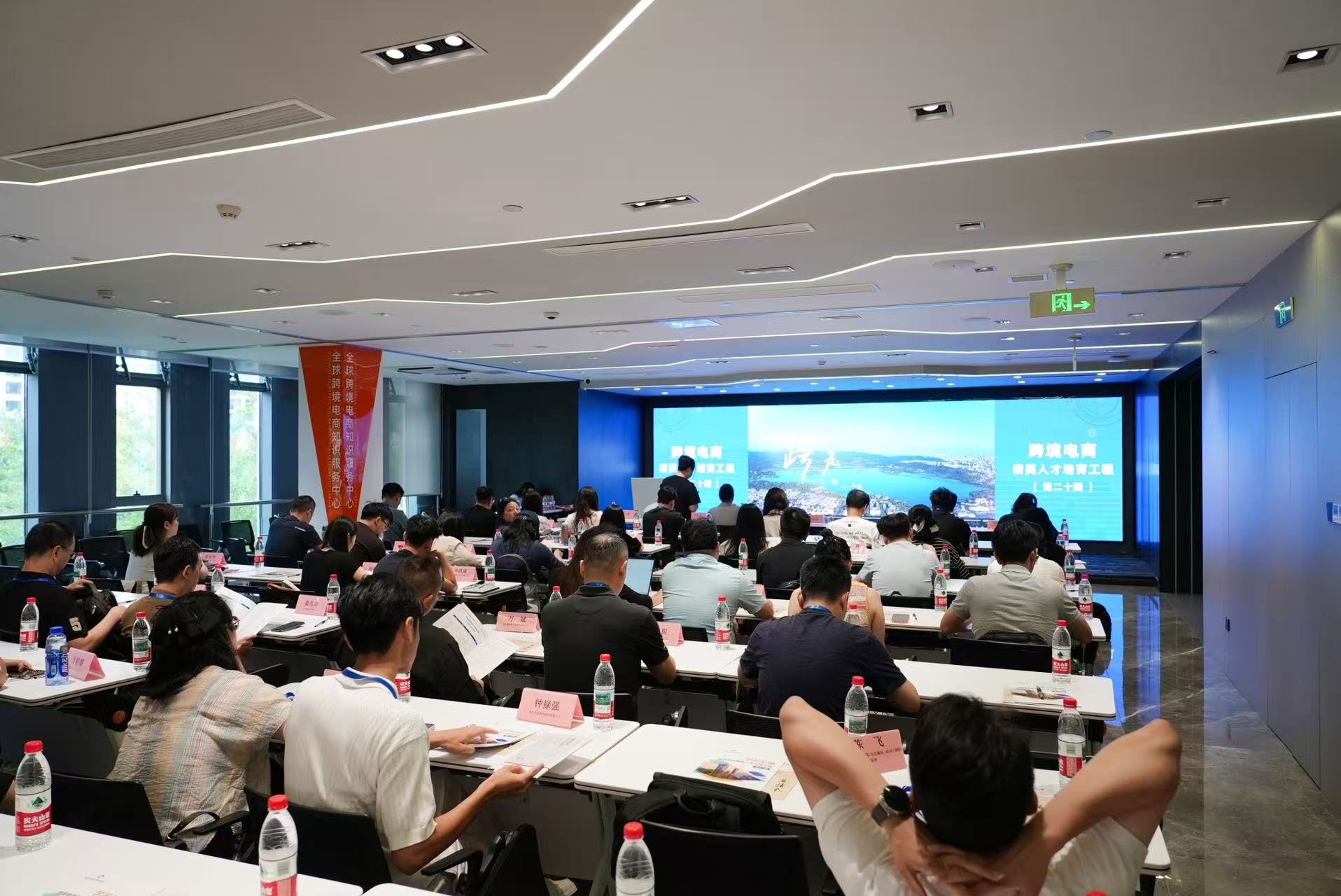
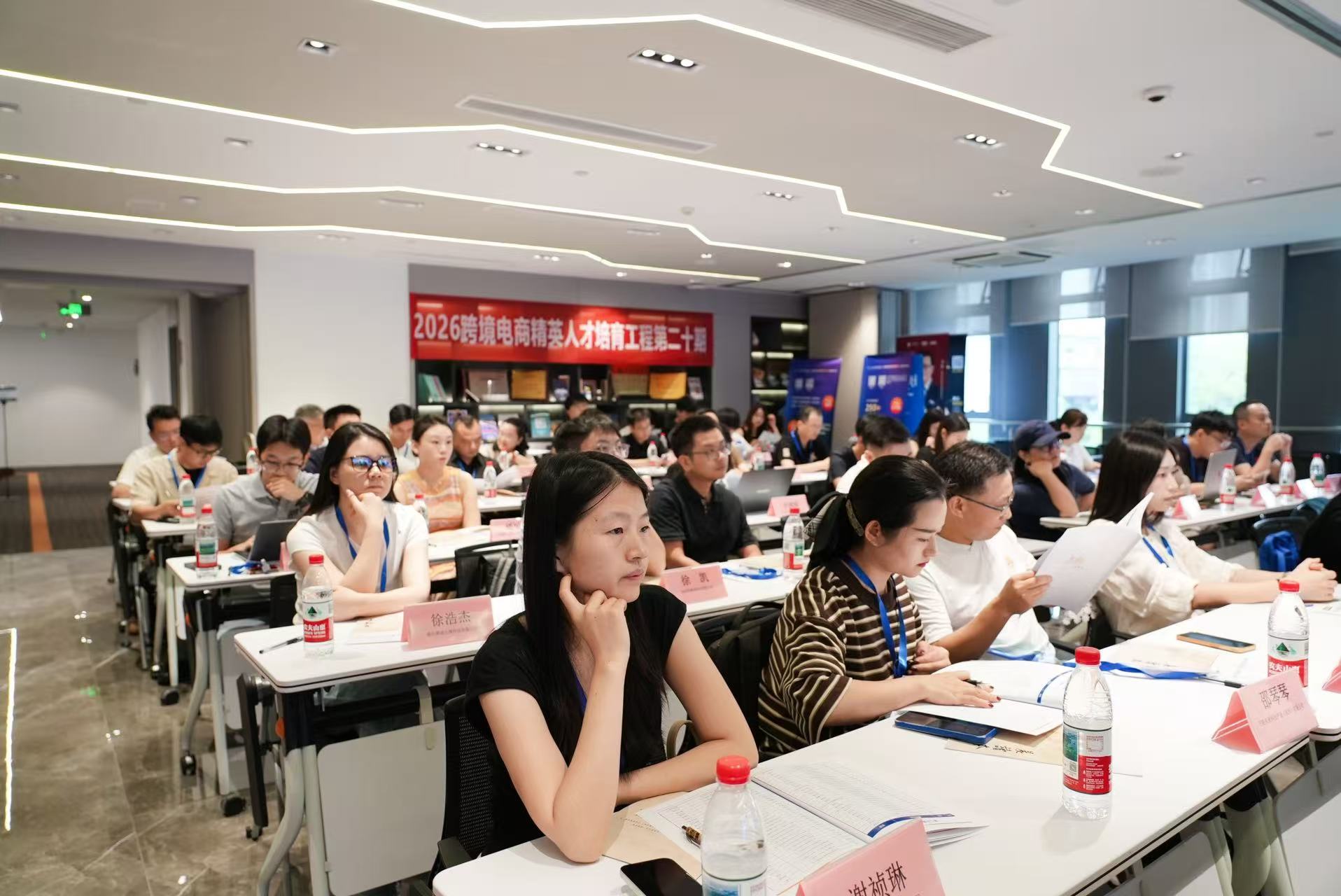
历经多期沉淀,杭州跨境电商精英人才培育工程再启新程。9月4日,杭州跨境电商精英人才培育工程第二十期在全球跨境电商知识服务中心正式开班。此次课程由杭州市商务局、中国(杭州)跨境电子商务综合试验区建设领导小组办公室、杭州市经信局、杭州市工商联、杭州市贸促会联合主办。来自杭州各地的企业负责人汇聚一堂,开启为期三个月的跨境成长之旅!

杭州市商务局党组成员、杭州自贸片区管委会专职副主任武长虹,杭州市经信局大企业服务与合作交流处副处长劳志龙,杭州市贸促会展览交流部副部长汤怡文出席本次开班仪式。

杭州美卡希科技有限公司的宋颖杰作为19期期学员代表向新同学们分享在精英班的所得所悟:精英班同学之间彼此成就、互相搭桥,是这个平台的托举,让一群同路人并肩前行。出海的路径中合规是底线,选品是根基,平台是战场,AI是翅膀,品牌是远方。

新学员代表浙江万泰福生物科技有限公司关洪炎分享了企业出海转型的现实困惑,希望借本次培训补齐跨境能力,与同学交流互助,推动国货走向全球。

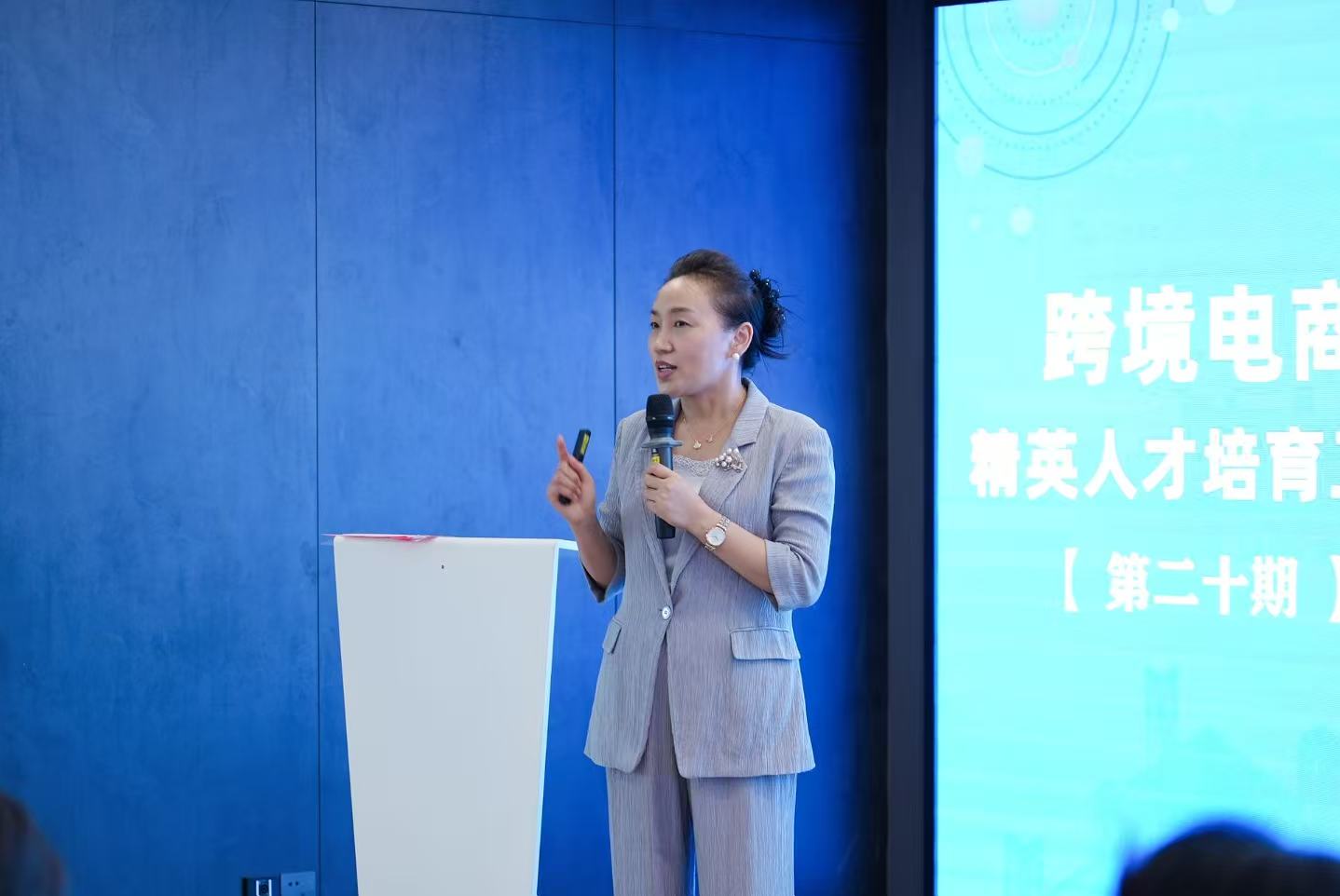
杭州市商务局党组成员、杭州自贸片区管委会专职副主任武长虹为第二十期学员讲授开班第一课,从杭州跨境电商的发展历程,到人才引进、税收优惠、政府扶持等政策的细致解读。鼓励学员怀着空杯心态全身心投入学习,同时打开格局视野、乐于互学分享,充分开展跨界交流碰撞,进一步深化彼此链接,推动资源互通聚合,凝聚起协同共进的发展合力。

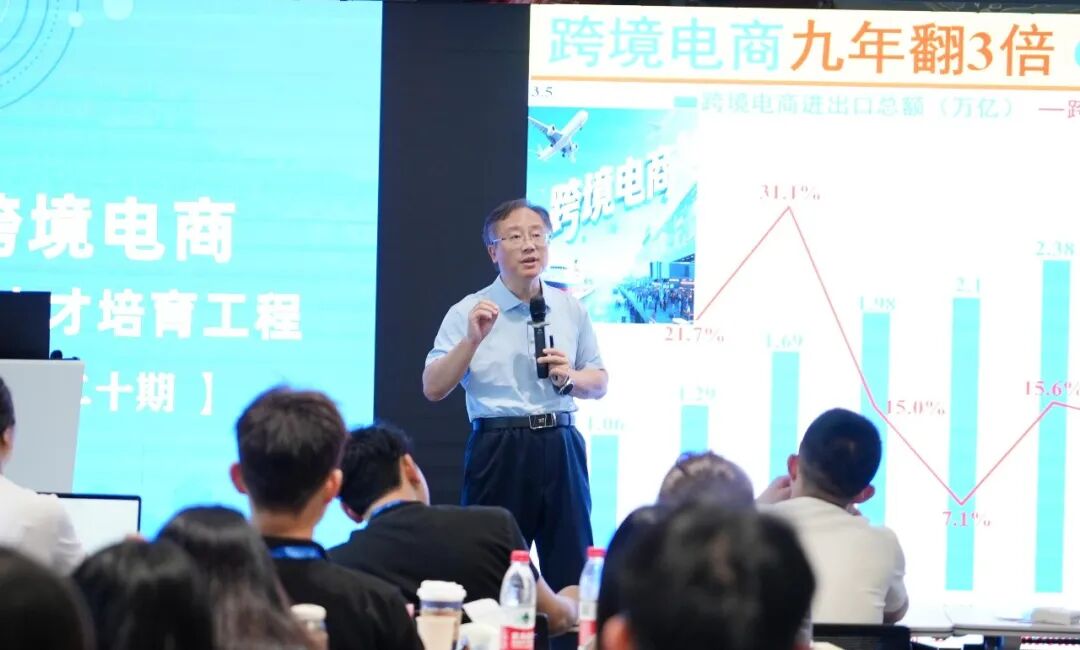
浙江大学的柳宏志博士带来了宏观经济与产业发展态势深度解析。他从后疫情时代全球格局变化切入,依托多组大数据对比,剖析关税贸易战带来的深远影响,研判新技术、新产业的演进方向,帮助学员重新看清复杂世界政经环境之下,传统外贸与跨境电商赛道蕴藏的机遇以及行业关键转折节点。

二十二十,逐梦同驰!从即刻起,20期学员因“跨境”结缘,为“出海”奔赴,将同心在全球市场的浪潮中求索破局、厚积势能,让中国品牌与跨境理想熠熠生辉!

本文首发于 亿邦动力 官方网站

文章来源:亿邦动力

广告
微信
朋友圈

FAQ回顾

杭州跨境电商精英人才培育工程是什么?

杭州跨境电商精英人才培育工程是由杭州市商务局、中国(杭州)跨境电子商务综合试验区建设领导小组办公室、杭州市经信局、杭州市工商联、杭州市贸促会联合主办的跨境电商人才培育项目。第二十期在全球跨境电商知识服务中心开班,面向杭州企业负责人开展为期三个月的培训。

杭州跨境电商精英人才培育工程主要面向哪些学员?

主要面向来自杭州各地的企业负责人,尤其是希望补齐跨境能力、推动国货走向全球的企业管理者。第二十期学员包括浙江万泰福生物科技有限公司等企业代表,新学员希望通过培训提升跨境能力,并与同学交流互助。

跨境电商企业出海应重点关注哪些能力?

跨境电商企业出海需要关注合规、选品、平台运营、AI应用和品牌建设。第十九期学员代表宋颖杰在分享中提出,合规是底线,选品是根基,平台是战场,AI是翅膀,品牌是远方,这些能力共同构成企业出海的关键支撑。

杭州对跨境电商人才和企业有哪些政策支持?

杭州市商务局党组成员、杭州自贸片区管委会专职副主任武长虹在开班第一课中,解读了杭州跨境电商发展历程,以及人才引进、税收优惠、政府扶持等政策,帮助学员了解杭州支持跨境电商人才和企业发展的相关举措。

杭州跨境电商精英人才培育工程第二十期的培训周期和开班地点是什么?

第二十期培训为期三个月,开班地点为全球跨境电商知识服务中心。学员将在三个月内围绕跨境电商能力提升、企业出海转型等内容开展学习与交流。

这么好看,分享一下?

朋友圈 分享

APP内打开

赞 +1
+1
微信好友 朋友圈 新浪微博 QQ空间
关闭
收藏成功
发送
/140 0