广告
加载中

县城本地生活 巨头的新战场

姜琪 2026-07-08 16:10
姜琪 2026/07/08 16:10

邦小白快读

EN
全文速览

当前县城本地生活已经成为互联网巨头布局的新增量战场,普通消费者和有意进入该领域创业的普通读者可以得到以下干货:

1. 消费层面,目前大量一二线城市的热门连锁品牌已经下沉到县城,吃饭前刷抖音找团购优惠已经成为县城年轻人的日常习惯,低客单自助餐因符合性价比需求在县城非常受欢迎。普通消费者可以按需用不同平台:抖音找团购优惠,美团满足日常刚需,小红书查酒店文旅口碑,高德找门店地理位置。

2. 创业层面,县城本地生活获客成本比一线城市低30%以上,同等预算下自然曝光是一线城市的1.5到2倍,竞争小渗透率低,适合入门,但必须做全域精细化运营才能拿到结果,粗放运营很难吃到红利。

县城本地生活已经成为品牌新增量市场,面向品牌商的核心干货如下:

1. 市场与消费趋势:县城本地生活整体增速明显高于一二线城市,获客成本低30%,同等预算自然曝光是一线的1.5-2倍,节假日县城旅游兴起,带动餐饮、民宿消费爆发,五一期间县域精品民宿预订量同比涨92%,高品质酒店增长76%,增量空间大。

2. 品类布局机会:小吃快餐、零食、烘焙、宠物服务、低客单自助餐等品类更适配下沉市场,符合县城人口味与性价比需求,更容易起量。

3. 平台运营建议:抖音适合做曝光冲节假日销量,美团适配日常刚需稳定核销,小红书适合酒店文旅做长期种草,高德适合文旅引流,多平台布局可获得平台的流量扶持与优惠政策,精细化运营才能提升GMV与核销率。

县城本地生活是当前本地生意的新增长蓝海,面向卖家的核心干货如下:

1. 市场机会:县城本地生活渗透率低、竞争小,获客成本比一线低30%,自然曝光量更高,节假日商家GMV普遍能增长两三倍,增速远超一线城市,小吃快餐、低客单自助、宠物服务等类目增长空间大。

2. 平台合作机会:目前各大平台都在争抢下沉市场优质商家,会主动对接县域连锁、网红门店、高端民宿等商家,给出流量扶持和补贴优惠,卖家布局多平台可获得更多流量支持。

3. 风险与方向提示:缺乏专业运营能力的中小卖家很难吃到红利,粗放运营已经被市场淘汰,必须做全域精细化运营才能提升GMV与核销率;未来视频号流量成本更低、转化率更高,对流量成本敏感的卖家可以提前布局尝试。

县城本地生活的爆发给上游工厂带来了新的商业机会,核心干货如下:

1. 产品生产与设计需求:当前下沉市场最受欢迎的品类是小吃快餐、包装零食、低客单自助食材、烘焙产品、宠物相关产品,这些品类普遍追求规模效应、开店拓张速度快,对上游标准化、高性价比的产品需求旺盛,工厂可针对性调整产能与产品设计。

2. 商业机会:大量头部连锁品牌已经带着成熟运营经验有组织下沉县城拓店,对稳定、低成本的供应链需求大幅提升,提前适配下沉市场需求的工厂能获得更多品牌合作订单。

3. 数字化转型启示:县城本地生活已经进入精细化线上运营阶段,AI+GEO这类低成本推广工具已经开始普及,若工厂布局面向县域的直接ToC业务,可以借鉴这套模式,借助县城自然流量降低获客成本,用GEO工具获得稳定的获客效果。

县城本地生活赛道处于快速增长期,面向本地生活服务商的核心干货如下:

1. 行业发展趋势:县城本地生活渗透率低、增量空间大,大量品牌和商家下沉,市场需求旺盛,但行业已经进入能力竞争阶段,只会上团购、粗放投放达人的服务商约四分之一已经退出市场,具备内容、运营、全案服务能力的服务商才能生存。

2. 核心客户痛点:连锁品牌需要多平台精细化运营方案,中小夫妻老婆店缺专业团队、流量资源,不懂平台规则和节点营销,抓不住种草机会,两类客户都有专业服务需求。

3. 新增长机会:AI+GEO推广适配预算有限的下沉商家,一次性投入比传统竞价排名更省心,没有恶性点击扣费问题,315曝光后咨询和合作量大幅上涨,是新的业务增长点;视频号目前流量成本低、转化率高,商业化还未大规模展开,提前布局能抢占先机。

县城本地生活已经成为巨头竞争的新战场,面向平台商的核心干货如下:

1. 市场需求与机会:县城本地生活自然流量充足,获客成本远低于一二线,整体消费增速远超一线城市,目前市场渗透率低,还有大量增量空间,大量下沉的连锁品牌、本地网红门店、文旅民宿都有流量和运营服务需求。

2. 可参考的最新运营做法:当前头部平台已经将竞争细化到网格化运营,分商圈分街道对接客户,KA部门对接品牌总部,地面部门对接具体门店,对商家的问题工单要求三天内上门解决,同时主动给优质商家提供流量扶持和补贴,吸引商家多平台布局。

3. 发展方向提示:平台的核心护城河不是短期补贴,而是同城生态、线下服务网络、服务商体系和用户消费习惯,谁能把本地化精细化运营做深,谁就能守住市场红利;AI+GEO推广、视频号社交私域都是未来的新变量,需要提前布局应对变化。

本文披露了国内本地生活赛道的最新产业动向,面向研究者的核心干货如下:

1. 产业新动向:国内本地生活的核心战场正在从饱和内卷的一二线城市向县城下沉转移,原来由美团把持的县城本地生活市场,已经变成抖音、小红书、高德、视频号多玩家入局竞争的新格局,县城成为巨头争夺的新蓝海。

2. 商业模式新变化:一二线本地生活靠付费投流起量,县城靠自然流量就能起量,当前不同平台已经形成差异化互补的商业模式,抖音做曝光冲量、美团做日常刚需,同时还出现了脱离平台依赖,靠自有私域做周边三公里生意的创新模式。

3. 新问题与新变量:行业当前已经淘汰了一批只做粗放运营的服务商,对商家和服务商的运营能力要求大幅提升,新的技术变量是AI+GEO地理位置推广,相比传统竞价排名成本更低更稳定,已经开始在本地生活领域普及,这些都是值得深入研究的新方向。

返回默认
声明:快读内容全程由AI生成,请注意甄别信息。如您发现问题,请发送邮件至 run@ebrun.com 。

我是 品牌商 卖家 工厂 服务商 平台商 研究者 帮我再读一遍。

Quick Summary

China's county-level local consumer services market has emerged as a new growth battlefield where major internet players are rushing to expand. For general readers and aspiring entrepreneurs, here are key takeaways:

1. On the consumer side: A large number of popular chain brands from first- and second-tier cities have already entered counties. For young county consumers, browsing Douyin for group-buying discounts before dining has become a daily habit, and low-price buffets are particularly popular for their value proposition. Consumers can use different platforms for different needs: Douyin for group-buying deals, Meituan for daily necessities, Xiaohongshu for hotel and cultural travel reviews, and Amap for brick-and-mortar store location services.

2. On the entrepreneurship side: Customer acquisition costs in county-level local services are more than 30% lower than in first-tier cities, and organic reach can reach 1.5 to 2 times that of first-tier cities with the same budget. The market features lower competition and lower penetration, making it a good entry point for new entrants. However, only players that implement full-scope refined operations can capture results, while粗放 operations are unlikely to profit from the market dividend.

County-level local life services have become a new growth market for consumer brands. Key insights for brands are as follows:

1. Market and consumer trends: The overall growth rate of the county-level local life market is significantly higher than that of first- and second-tier cities. Customer acquisition costs are 30% lower, and organic reach hits 1.5 to 2 times that of first-tier cities with the same budget. County tourism has boomed during holidays, driving explosive growth in catering and homestay consumption: during this year's May Day holiday, bookings for high-quality county homestays rose 92% year-on-year, while bookings for high-end hotels increased 76%, indicating large untapped growth space.

2. Category expansion opportunities: Snack fast food, packaged snacks, bakery, pet services, and low-price buffets are better suited to the下沉 market, matching local consumers' taste preferences and demand for value, making it easier to scale up quickly.

3. Platform operation recommendations: Douyin is ideal for building brand exposure and boosting holiday sales, while Meituan works well for stable fulfillment of daily demand. Xiaohongshu is suitable for long-term organic seeding for hotels and travel businesses, and Amap works well for travel customer acquisition. Multi-platform布局 can unlock additional traffic support and preferential policies from platforms, and refined operations are required to improve GMV and核销 rates.

County-level local life services represent a new blue ocean of growth for local merchants. Key takeaways for sellers are as follows:

1. Market opportunities: The market has low penetration, limited competition, 30% lower customer acquisition costs than first-tier cities, and higher organic reach. Merchant GMV typically grows 2 to 3 times during holidays, with far faster growth than in first-tier cities. Categories including snack fast food, low-price buffets, and pet services offer particularly large growth room.

2. Platform partnership opportunities: Major platforms are all competing for high-quality merchants in the下沉 market, and are actively reaching out to county chains, viral local stores, and high-end homestays to offer traffic support and subsidy incentives. Sellers that expand across multiple platforms can access more traffic support.

3. Risk and direction notes: Small and medium-sized sellers without professional operational capabilities are unlikely to capture market dividends, as粗放 operations have been phased out by the market. Only full-scope refined operations can boost GMV and核销 rates. Looking ahead, WeChat Channels offers lower traffic costs and higher conversion rates, so sellers sensitive to traffic costs can test布局 early.

The boom in county-level local life services has opened new business opportunities for upstream manufacturers. Key insights are as follows:

1. Product design and production demand: The most popular categories in the下沉 market are snack fast food, packaged snacks, ingredients for low-price buffets, bakery products, and pet-related products. These categories generally pursue economies of scale, expand store networks quickly, and have strong demand for standardized, cost-effective upstream products. Factories can adjust production capacity and product design to target this demand.

2. Business opportunities: A large number of leading chain brands are systematically expanding into counties with mature operational experience, leading to a sharp increase in demand for stable, low-cost supply chains. Factories that adapt to下沉 market demand early will win more brand cooperation orders.

3. Digital transformation insights: County-level local life has already entered the stage of refined online operations, and low-cost marketing tools such as AI + GEO (geolocation) are gaining popularity. If factories plan to launch direct-to-consumer businesses targeting county markets, they can adopt this model to leverage local organic traffic to lower customer acquisition costs and achieve stable acquisition results via GEO tools.

The county-level local life track is in a period of rapid growth. Key insights for local life service providers are as follows:

1. Industry development trends: The market features low penetration and large growth space, with strong demand driven by the wave of brands and merchants expanding下沉. However, the industry has already entered a phase of capability-based competition: roughly one quarter of service providers that only offer basic group-buying setup and粗放 influencer placements have exited the market. Only providers with capabilities in content creation, operation, and full-package solutions can survive.

2. Core client pain points: Chain brands require multi-platform refined operation solutions, while small family-run stores lack professional teams and traffic resources, and struggle to understand platform rules and holiday marketing to capture seeding opportunities. Both client segments have strong demand for professional services.

3. New growth opportunities: AI + GEO marketing is well suited for下沉 merchants with limited budgets. It requires a one-time investment, is less management-intensive than traditional pay-per-click advertising, and eliminates the problem of malicious click fraud. Following a CCTV 315 investigation that exposed fraudulent clicks in traditional advertising, inquiries and cooperation for this model have surged, making it a new growth driver. Meanwhile, WeChat Channels currently offers low traffic costs, high conversion rates, and has not yet rolled out large-scale commercialization, so early布局 allows players to capture first-mover advantage.

County-level local life has become a new competitive battlefield for internet giants. Key insights for platform players are as follows:

1. Market demand and opportunities: The county-level market has abundant organic traffic, far lower customer acquisition costs than first- and second-tier cities, and far faster overall consumption growth. With still low market penetration, it holds large untapped growth space. A growing number of expanding chains, viral local stores, and travel homestays have demand for traffic and operational services.

2. Latest operational best practices: Leading platforms have already refined competition into grid-based operations, covering clients by business district and street. KA teams serve brand headquarters, while on-ground teams connect with individual stores, requiring merchant issue tickets to be resolved in-person within three days. Platforms also proactively offer traffic support and subsidies to high-quality merchants to incentivize multi-platform布局.

3. Development direction notes: A platform's core moat is not short-term subsidies, but its local on-demand ecosystem, offline service network, service provider system, and established user consumption habits. Players that deepen localized refined operations will be able to hold onto market dividends. AI + GEO marketing and WeChat Channels social private traffic are both emerging variables that require early布局 to adapt to industry changes.

This article outlines the latest industry developments in China's local life services track. Key insights for researchers are as follows:

1. New industry trends: The core competitive battlefield of China's local life industry is shifting from the saturated, overcrowded first- and second-tier market to county-level areas. The county market, once dominated by Meituan, has evolved into a new competitive landscape with multiple players including Douyin, Xiaohongshu, Amap, and WeChat Channels, making counties the new blue ocean for giant internet companies.

2. New business model shifts: While local life players in first- and second-tier cities rely on paid advertising to scale, players in counties can grow via organic traffic. Different platforms have already formed differentiated, complementary business models: Douyin focuses on exposure and volume, while Meituan serves daily demand. A new innovative model has also emerged that breaks platform dependence, operating within the merchant's own private domain to serve customers within a 3-kilometer radius.

3. New issues and variables: The industry has already phased out a large number of service providers that only rely on粗放 operations, raising the bar for operational capabilities for both merchants and service providers. The key new technological variable is AI-powered geolocation (AI+GEO) marketing, which delivers lower and more stable costs compared to traditional pay-per-click advertising and is already gaining adoption in the local life sector. All of these are new directions worthy of in-depth research.

Disclaimer: The "Quick Summary" content is entirely generated by AI. Please exercise discretion when interpreting the information. For issues or corrections, please email run@ebrun.com .

I am a Brand Seller Factory Service Provider Marketplace Seller Researcher Read it again.

文丨姜琪

【亿邦原创】周末的县城,奶茶店排起长队,烧烤摊座无虚席。县城最热闹的商圈,正在涌现一批一二线城市消费者熟悉的连锁品牌,比如瑞幸、沪上阿姨和半天妖烤鱼。

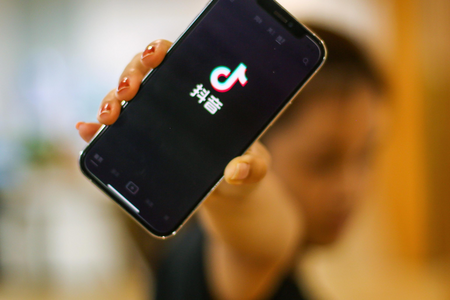
而在线上,你打开抖音,来到同城页面,会发现几万人同时在线抢购49.9元的自助餐券。吃饭前先刷一遍抖音,看有没有团购,已经成了县城年轻人的习惯。

做本地生活,一二线城市流量成本越来越高,而许多小县城的自然流量却在爆发。“县城和三四线城市的增速,明显高于一二线。”榴莲网络创始人严伟诚说,“在同等的预算下,县城商家自然曝光量是一线城市的1.5到2倍,获客成本低30%以上。”

在县城,本地生活正在复刻一二线城市跑通的模式。这个市场曾被美团和大众点评牢牢把持,如今随着抖音、小红书等平台卷入,正在成为巨头们的新战场。

增速高于一线城市?

一线城市,本地生活起量,靠付费投流。但到了县城,靠同城自然流就能起量,而且增长更健康,也更有韧性。

严伟诚服务超1000家商家,覆盖酒店文旅、餐饮、休闲娱乐等,整体服务GMV达到数亿元。每到五一、国庆、春节等,商家GMV增长两三倍,增速远高于一线城市。

同样深耕本地生活的王宇,在2021年创立公司后,专注于为商家提供内容创意、私域运营和增长策略。他敏锐地察觉到,一二线市场一旦成熟,内卷便随之而来,反而是下沉市场更容易打开局面。“头部品牌去下沉市场,流量效率和销量增长都比一二线好得多。”他直言。

孙春阳拍过《舌尖3》《寻味顺德》等美食纪录片,2024年底转型做餐饮垂类服务商,客户多为头部连锁品牌,一年做到抖音服务商全国前五,年流水6亿多。他也有同感,认为一线城市挤压很严重,只有优质内容和差异化,才能获取流量。

在县城做本地生活,渗透率低、竞争小、自然流量充足。再加上节假日短途游及县城旅游兴起,带动县域餐饮、民宿文旅等消费爆发。

正是看到这一结构性机会,南京争分夺秒创始人吴忠述早已提前布局。他服务的连锁客户中,超过60%已将门店下探至三四线城市。这些品牌带着在一二线验证过的运营经验、供应链能力和成熟打法,有组织地涌入下沉市场的蓝海。

吴忠述观察发现,小吃快餐、零食等追求规模效应且开店成本较低的品类,更适合下沉市场;今年,他所服务的烘焙和餐饮品牌,都在往下沉市场走。而王宇则更看好“小吃快餐、漂亮菜、宠物服务”等刚需且能通过内容和玩法快速做大的类目。

图片

在下沉市场,低客单的自助更是老少通杀,因为满足其人性中性价比和丰富度的极大渴望。因此自助餐在下沉市场增量大,增速快,更容易拿到结果。孙春阳服务过的某自助品牌,原价59元,直播卖57块5,能做到千万GMV和50%的核销率。他还称,某品牌在抖音的销售额已占品牌整体的50%以上。

服务商和商家的选择

今年五一,县城旅游成了主流消费趋势,核心逻辑则是高性价比和沉浸式体验,以避开大城市拥堵并追求松弛感。有数据显示,五一期间县域精品民宿预订量同比上涨92%,县域高品质酒店预订热度同比增长76%。

面对新的增量,没有平台愿意掉队。对于优质县域连锁、网红门店、高端酒店民宿和文旅景区,平台都会主动对接,给出优惠政策和流量扶持,引导商家倾斜资源或多平台布局。

“这个平台刚做完专场直播,另一个就通过补贴追价格,让商家报各种活动。平台盯价格、运营动作、客情关系,后台一旦有商品或价格的工单报警,BD必须三天内上门沟通,搞不定则要上级陪同。”王宇说。

平台间的竞争,已精细到网格化的地步,“分商圈、分街道,KA部门对接品牌总部规划,地面部门对接具体街道。”

服务商和商家,也开始做出自己的选择。

吴忠述做了15年餐饮,早期主要做私域,2023年初转型“all in抖音”,喊出“做大公域”的口号。随着消费降级、价格带下探和复购周期拉长,他认为门店要解决生意核心,还是要不断拉新、放大曝光。

吴忠述认为,下沉市场缺好内容和好商品,人口基数小容易触达,这放大了抖音的优势。加之县城居民闲暇时间多,刷短视频时长往往超过一二线城市白领。

因此在下沉市场,抖音适合做曝光和节假日冲销量,而美团更适合满足日常刚需、稳定核销,两者形成互补。小红书的品牌种草价值更高,适合酒店、文旅等做长期口碑。而高德,则更适合文旅城市,借扫街榜和地理位置做到店引流。

但这并不意味着所有商家都能吃到红利。

比如夫妻老婆店,没有专业团队和方法,不懂平台规则差异,抓不住节点营销和内容种草的机会,也缺乏本地达人和同城流量资源。严伟诚认为,做全域精细化运营的商家,GMV可达基础代运营的3-5倍,核销率稳定在40%以上,复购也明显提升。

“现在进入运营能力、策略、内容能力、全案服务能力的竞争。只会上团购、粗放投放达人的服务商不再被市场接受,大约1/4已经退出市场。”王宇说道。

县城本地生活的新变量

“哪个平台能把三四线城市的本地化精细化运营做得更深,谁就能守住市场红利。”严伟诚认为,平台护城河不是短期补贴,而是同城生态、线下服务网络、服务商体系、以及用户消费习惯。

王宇称,抖音和美团会慢慢达到平衡,体量相当。“抖音生活服务今年的全年目标就是GMV与美团持平,1-2年内大概率能做到。”

一些人士预判,视频号在本地生活或将拥有更大潜力。“视频号有私域和社交属性,目前比较克制,没有大规模商业化,但流量成本更低,转化率更高。”王宇说,“那些对平台抽佣和流量成本感到疲惫的商家,可能会涌入视频号。”

他注意到,不少做得好的商家已经脱离了平台依赖。例如湖南的一些餐饮品牌,不上任何团购平台,靠自己的小程序、App、活动和裂变,做周边三五公里的生意。

图片

县城本地生活的另一个变量是AI。越来越多人习惯打开AI直接询问找本地餐饮和文娱项目,这让服务商看到GEO的机会。据了解,GEO的应用,酒店文旅类用得最多,财税公司、律所、家政等上门服务类,以及汽车、制造、生活服务等行业也在跟进。

严伟诚认为,GEO特别适合预算有限、追求稳定的下沉市场商家。传统SEO是竞价排名按点击付费,GEO是一次性投入(分季度版、年度版等),商家不用担心恶性点击扣费。他称,315曝光后,GEO的咨询和合作商户增加了不少。

从一线城市到县城,本地生活的战场正在转移。县城,这个曾经被忽视的市场,正以更低的获客成本、更旺盛的消费意愿、更宽松的竞争环境,成为巨头们的新增量。


文中王宇为化名

亿邦持续追踪报道该情报,如想了解更多与本文相关信息,请扫码关注作者微信。

文章来源:亿邦动力

广告
微信
朋友圈

FAQ回顾

县城本地生活市场有哪些发展优势?

县城本地生活市场渗透率低、竞争小、自然流量充足,同等预算下商家自然曝光量是一线城市的1.5到2倍,获客成本低30%以上,叠加节假日短途游及县域旅游兴起,消费增速明显高于一二线城市。

不同本地生活平台在下沉市场各有什么优势?

下沉市场中,抖音适合做品牌曝光和节假日冲销量;美团更适合满足日常刚需、稳定核销;小红书品牌种草价值更高,适合酒店、文旅类做长期口碑;高德更适合文旅城市,依托地理位置做到店引流。

哪些品类适合布局县城本地生活市场?

小吃快餐、零食等追求规模效应且开店成本较低的品类更适合下沉市场,刚需且可通过内容玩法快速起量的漂亮菜、宠物服务也有较好前景,低客单价的自助餐性价比突出,增量大、增速快。

当前本地生活服务商需要具备什么能力?

当前本地生活行业已进入运营能力、策略、内容能力、全案服务能力的竞争阶段,只会上团购、粗放投放达人的服务商不再被市场接受,约四分之一的粗放型服务商已退出市场。

这么好看,分享一下?

朋友圈 分享

APP内打开

+1
+1
微信好友 朋友圈 新浪微博 QQ空间
关闭
收藏成功
发送
/140 0