





广告
加载中

西瓜越来越贵背后的真相

RBF内容组 2026-07-06 14:37
RBF内容组 2026/07/06 14:37

邦小白快读

EN
全文速览

本文拆解了市面上西瓜价格差异大的真相,纠正了“中间商黑心赚差价”的常见误解,核心干货如下:

1. 价格差距的本质是为标准化品质的确定性和全国流通网络的便利性付费,不是单纯的层层剥削。从地头到终端,每一个流通环节都对应人工、运输、损耗成本,从业者也需要承担行情波动风险,并非稳赚不赔。

2. 不同终端销售方式利润差异极大:整瓜销售毛利率多在8%-24%之间,不少业态把西瓜当作引流品,利润率更低;鲜切瓜、西瓜榨汁等增值加工环节毛利率可达到75%,还能消化次果转化为利润。

3. 现在市面上的主流西瓜都是经过品种迭代的标准化产品,能稳定保证中上品质,不会买到生瓜,但也很难再吃到过去那种甜度超标的“瓜王”。

本文通过西瓜产业的变迁,给生鲜品牌商提供了产业和消费层面的参考干货,具体如下:

1. 消费趋势与产品研发方向:消费者越来越愿意为品质确定性、便利性、场景化体验付费,愿意为标准化的稳定品质支付溢价,适配小家庭的中果型、少籽薄皮品种更受欢迎,产品研发要围绕糖度、果型、耐储性等指标做标准化升级。

2. 定价与价值分层逻辑:价格差异本质是价值分层,确定性、加工服务、场景体验都可以成为溢价点,品牌可以针对整瓜、鲜切、加工饮品做不同价位带布局,卖相不佳的次果也可以通过加工转化为利润,提升整体收益空间。

3. 产业协作机会:当下生产端小农户抗风险能力弱,品牌商可以通过订单农业、产地直采、基地共建的模式,锁定稳定品质货源,同时提升上游收益,降低自身供应链风险,数据显示该模式可让参与的种植户收益提升38%,风险降低62%。

本文对生鲜卖家梳理了西瓜品类的现状、可把握的机会以及需要注意的风险,具体如下:

1. 品类增长机会:消费者对标准化精品西瓜、鲜切瓜、场景化加工产品的需求持续提升,增值加工环节毛利率可达75%,远高于整瓜销售,卖相不佳的次瓜也可以通过加工变废为宝,提升整体盈利空间。

2. 不同业态适配的盈利路径:大型超市可以布局精品整瓜,将其作为引流品带动其他品类销售;硬折扣店可以靠低价西瓜走量引流,提升门店客流;即时零售渠道可以搭配鲜切产品,满足消费者即时消费需求;茶饮等饮品业态也可以开发西瓜相关饮品获取高毛利。

3. 风险提示:西瓜行情波动大,容易受种植面积变化、极端天气影响价格,流通环节也有6%-10%的固定损耗,卖家可以通过订单农业、产地直采提前锁定成本与稳定货源,对冲行情波动风险。

本文梳理了西瓜全产业链的需求变化,给生鲜相关生产加工企业提供了明确参考,具体如下:

1. 产品生产和设计需求:下游消费端对西瓜的标准化要求越来越高,核心需求围绕糖度稳定、果型适中、少籽薄皮,适配小家庭消费和深加工需求,做种苗、农资生产的企业可以围绕标准化种植需求开发对应产品,重点服务设施种植的精品西瓜产区。

2. 商业机会:随着西瓜跨区域流通率提升、加工增值环节快速发展,预冷设备、冷链运输装备、加工包装耗材的需求持续增长,同时次果加工转化的需求也越来越大,布局生鲜加工环节能获得远高于生产端的附加值。

3. 数字化转型启示:当下生鲜产业越来越注重标准化和确定性,推进规模化、标准化生产,对接下游大市场需求,能获得比传统种植更高的收益,数据显示设施精品西瓜亩均净利润可达4000-8000元,远高于传统露地种植,推进数字化管理能进一步提升果实商品率,降低波动风险。

本文分析了西瓜产业的发展现状,给生鲜相关服务商指明了行业趋势、客户痛点和发展方向,具体如下:

1. 行业发展趋势:中国生鲜冷链体系近年来快速发展,西瓜主产区预冷设施覆盖率已经从21%提升至81%,跨区域流通率从34%提升至52%,流通损耗率从24.7%降至9.8%,未来随着全品类生鲜跨区域流通需求进一步提升,预冷设施、冷链运输、供应链配套服务的市场需求还会持续增长。

2. 核心客户痛点:上游分散小农户抗风险能力弱,无法对接下游大市场的标准化需求,也得不到稳定的收益预期;下游零售端需要稳定品质、稳定供给的货源,当前供需存在明显的信息不对称,流通环节的损耗控制仍有提升空间。

3. 可拓展的解决方案:服务商可以依托自身能力对接上下游,提供种苗、技术、信息、流通一体化服务,参与订单农业模式,帮助小农户匹配下游需求,同时为下游零售端提供稳定的标准化货源,还可以针对加工环节提供分装、预加工等服务,挖掘增值空间。

本文梳理了当前生鲜产业对平台的核心需求,给生鲜平台指明了优化方向和需要规避的风险,具体如下:

1. 市场对平台的核心需求:上游种植端希望获得稳定的收购价格和清晰的市场需求预期,降低自然和市场波动带来的风险;下游消费者希望获得品质稳定、随时随地可购买、适配不同场景的生鲜产品。

2. 行业已验证的创新做法:当前头部零售平台已经在探索订单农业、产地直采、基地共建的协作模式,通过长期合作给种植端传递需求、保障最低收益,既能够锁定稳定的标准化货源,也能降低供应链波动风险,数据显示该模式可帮助种植户亩均收益提升38%,风险损失降低62%。

3. 需要规避的风向:当前生产端还是以分散小农户为主体,供给和品质波动大,平台需要提前布局上游基地合作,锁定产能,规避极端天气、行情波动带来的供给不足和价格大幅波动风险,同时可以布局加工业务,消化次果提升整体收益。

本文以西瓜产业为样本,拆解了中国生鲜产业的结构特征和发展动向,给产业研究者提供了清晰的研究样本,核心内容如下:

1. 产业发展新动向:中国生鲜产业经过40年进化,已经完成了多轮品种迭代,建成了覆盖全国的跨区域流通网络,能够给消费者提供稳定标准化的生鲜产品,近年来龙头零售平台已经开始探索订单农业、产地共建的新型产业协作模式,试图优化产业链的风险收益分配。

2. 产业现存核心新问题:当前生鲜产业链价值分配呈微笑曲线形态,上游生产端以分散小农户为主体,承担了自然与市场的双重风险,却获得最低的收益弹性,小农户没有定价权和抗风险能力,现代农业生产体系建设明显滞后于现代商业流通体系的发展。

3. 值得研究的方向:订单农业等新型产业协作模式对平衡产业链风险收益的实际作用,农业生产端规模化升级的可行路径,如何建立匹配现有流通体系的农业风险分担机制,这些都是中国农业现代化进程中值得深入研究的新问题。

返回默认
声明:快读内容全程由AI生成,请注意甄别信息。如您发现问题,请发送邮件至 run@ebrun.com 。

我是 品牌商 卖家 工厂 服务商 平台商 研究者 帮我再读一遍。

Quick Summary

This article unpacks the reasons behind the wide price variations of watermelons in the market and corrects the common misconception that greedy middlemen pocket excessive markups. Key takeaways are as follows:

1. The price gap essentially reflects consumers paying for consistent standardized quality and the convenience of a national distribution network, rather than simply being the result of layer upon layer of exploitation. From the farm field to the retail end, every distribution link incurs labor, transportation and shrinkage costs. Industry participants also bear the risk of market price fluctuations, and do not earn guaranteed profits.

2. Profit margins vary dramatically across different retail methods: whole watermelon sales typically carry gross margins of 8% to 24%, and many retailers use watermelons as a traffic-drawing loss leader, resulting in even lower margins. By contrast, value-added processing such as pre-cut watermelon and watermelon juice delivers gross margins as high as 75%, and also turns lower-grade, unsellable fruit into additional profit.

3. Most mass-market watermelons today are standardized products resulting from generations of cultivar improvements. They consistently deliver above-average quality, and buyers no longer need to worry about getting unripe fruit—but it has also become much rarer to find the ultra-sweet "champion watermelons" common in the past.

Drawing on changes in the watermelon industry, this article offers actionable industry and consumer insights for fresh produce brand owners. Key takeaways are as follows:

1. Consumer trends and product R&D direction: Consumers are increasingly willing to pay a premium for consistent quality, convenience and scenario-specific experiences. Medium-sized fruit adapted for small households, and cultivars with fewer seeds and thinner rinds are growing in popularity. Product development should focus on standardizing improvements to core metrics including sugar content, fruit size and shelf life.

2. Pricing and value tiering logic: Price differences essentially reflect value tiering. Consistency, processing services and scenario-specific experience can all justify price premiums. Brands can develop product lines across different price points for whole watermelons, pre-cut watermelon and processed watermelon beverages. Lower-grade, blemished fruit can also be converted into profit through processing, lifting overall margins.

3. Industrial collaboration opportunities: Small-scale farmers currently have weak risk resilience at the production end. Brands can lock in a steady supply of consistent-quality produce through contract farming, direct farm sourcing and co-developed production bases. This model lifts upstream incomes while reducing the brand’s own supply chain risks. Data shows this model increases participating farmers’ incomes by 38% and reduces their risk exposure by 62%.

This article outlines the current state of the watermelon category for fresh produce sellers, highlighting actionable opportunities and key risks to watch. Key takeaways are as follows:

1. Category growth opportunities: Consumer demand for standardized premium watermelons, pre-cut fruit and scenario-specific processed products continues to grow. Value-added processing delivers gross margins of up to 75%, far higher than whole watermelon sales. Blemished, lower-grade fruit can also be converted into profit through processing, lifting overall profitability.

2. Profit paths tailored to different business formats: Large supermarkets can stock premium whole watermelons as a traffic-driver to boost sales of other products. Hard discount stores can use low-priced watermelons to drive volume and foot traffic. Instant retail channels can add pre-cut watermelon products to meet consumers’ immediate consumption needs. Beverage businesses such as tea shops can also develop watermelon-based drinks to capture high gross margins.

3. Risk warnings: Watermelon prices are highly volatile, and easily impacted by changes in planting area and extreme weather. Distribution also carries a fixed shrinkage rate of 6% to 10%. Sellers can lock in costs and a steady supply in advance through contract farming and direct farm sourcing to hedge against market price volatility.

This article maps shifting demand across the entire watermelon supply chain, offering clear guidance for fresh produce-related manufacturing and processing companies. Key takeaways are as follows:

1. Product development and design requirements: Downstream consumers are demanding increasing standardization for watermelons, with core needs centered on consistent sugar content, medium fruit size, and fewer seeds with thinner rinds—all adapted to small-household consumption and deep processing demand. Seedling and agricultural input manufacturers can develop products tailored to standardized cultivation needs, and focus on serving premium watermelon producing regions with protected cultivation facilities.

2. Business opportunities: As cross-regional watermelon distribution grows and value-added processing expands rapidly, demand for pre-cooling equipment, cold chain transportation infrastructure and processing packaging materials is rising steadily. At the same time, demand for processing lower-grade fruit is also growing. Positioning in fresh produce processing delivers far higher value added than primary production.

3. Insights for digital transformation: The fresh produce industry now places growing emphasis on standardization and consistency. Scaling up standardized production to meet the needs of large downstream markets delivers higher returns than traditional cultivation. Data shows that protected cultivation of premium watermelons generates a net profit of 4,000 to 8,000 yuan per mu (≈$38,000 to $76,000 per hectare), far higher than traditional open-field cultivation. Adopting digital management further improves the percentage of marketable fruit and reduces volatility risk.

This article analyzes the current state of the watermelon industry, outlining industry trends, core customer pain points and growth directions for fresh produce-related service providers. Key takeaways are as follows:

1. Industry growth trends: China’s fresh produce cold chain system has expanded rapidly in recent years. Pre-cooling facility coverage in major watermelon producing regions has risen from 21% to 81%, cross-regional distribution penetration has grown from 34% to 52%, and distribution shrinkage has fallen from 24.7% to 9.8%. As demand for cross-regional distribution of all categories of fresh produce continues to rise, market demand for pre-cooling infrastructure, cold chain transportation and supply chain support services will keep growing.

2. Core customer pain points: Upstream fragmented smallholder farmers have low risk resilience and cannot meet the standardized demand of large downstream markets, nor can they secure stable income expectations. Downstream retailers need a steady supply of consistent-quality produce. Currently there is significant information asymmetry between supply and demand, and there is still room to improve shrinkage control across distribution links.

3. Expandable solution opportunities: Service providers can leverage their capabilities to connect upstream and downstream, offer integrated services covering seedlings, technology, information and distribution, and participate in contract farming models. This helps smallholder farmers match downstream demand, while providing downstream retailers with a steady supply of standardized produce. Providers can also offer sorting and pre-processing services for processing links to unlock additional value.

This article outlines the core demand the fresh produce industry places on platforms, pointing out optimization directions and risks to avoid for fresh produce platforms. Key takeaways are as follows:

1. Core market demand for platforms: Upstream producers want stable acquisition prices and clear demand forecasts to reduce risks from natural and market volatility. Downstream consumers want fresh produce that is consistently high quality, available anytime, and adapted to different usage scenarios.

2. Proven innovative practices: Leading retail platforms are already exploring collaborative models including contract farming, direct farm sourcing and co-developed production bases. Through long-term partnerships, they communicate demand to producers and guarantee minimum returns. This allows platforms to lock in a steady supply of standardized produce while reducing supply chain volatility risk. Data shows this model increases farmers’ per-mu income by 38% and cuts risk-related losses by 62%.

3. Risks to avoid: Production is still dominated by fragmented smallholder farmers, leading to large volatility in supply and quality. Platforms should establish partnerships with upstream production bases in advance to lock in capacity, avoiding supply shortages and extreme price volatility caused by extreme weather and market fluctuations. They can also develop processing operations to convert lower-grade fruit into profit and lift overall returns.

Using the watermelon industry as a case study, this article unpacks the structural characteristics and development trends of China’s fresh produce industry, providing a clear research sample for industry analysts. Key content is as follows:

1. New industry development trends: After 40 years of evolution, China’s fresh produce industry has completed multiple rounds of cultivar improvement and built a national cross-regional distribution network capable of delivering consistent, standardized products to consumers. In recent years, leading retail platforms have begun exploring new industry collaboration models such as contract farming and co-developed production bases, in an effort to optimize risk and return allocation across the supply chain.

2. Core ongoing industry issues: Value allocation across the fresh produce supply chain follows a smile curve. Upstream production is dominated by fragmented smallholder farmers, who bear both natural and market risk but capture the lowest returns. Smallholders have no pricing power and limited risk resilience, and the construction of modern agricultural production systems lags significantly behind the development of modern commercial distribution networks.

3. Directions worthy of further research: The actual impact of new collaboration models such as contract farming on balancing risk and return across the supply chain, feasible paths for scaling up and upgrading agricultural production, and how to build an agricultural risk-sharing mechanism matched to the current distribution system are all new questions that deserve in-depth research during China’s agricultural modernization process.

Disclaimer: The "Quick Summary" content is entirely generated by AI. Please exercise discretion when interpreting the information. For issues or corrections, please email run@ebrun.com .

I am a Brand Seller Factory Service Provider Marketplace Seller Researcher Read it again.

谷贱伤农的当代样本:为什么超市西瓜四十,地头瓜七分一斤。

作者:王拓

@零售商业财经 原创出品

互联网上长期流传着一句话“谷贱伤农”,很多营销号也在鼓吹种植基地的“水果蔬菜”只要几分几毛钱,但我们却要花几块甚至几十块去买。带着疑问和好奇,笔者去了小区楼下和瓜贩聊了聊、也和开水果店以及开超市的采购们展开了深度的对话, 以下是我花两天时间写的一篇关于信息不对称在互联网上制造焦虑的复盘,也是给屏幕前的读者进行一轮抽丝剥茧的拆解。

7月2日,小区楼下河南瓜农的农用车停在小区门口,麒麟西瓜1.9元一斤,和他聊天的半小时,卖出了三个,平均每个瓜售价20元左右,他告诉我的是,第一天毛利最高超过50%,第二天维持在50%,随后毛利递减,整车卖完毛利通常不足30%,人员和车辆都是费用,到收每天收入不足500元,还要给“别人”买烟抽。

公开数据显示,农业农村部同期监测数据显示,当月全国西瓜批发均价为0.98元/斤,主流平台5-6公斤装精品麒麟瓜客单价稳定在35-40元。这不是什么黑心中间商的故事,而是一个关于“确定性”如何被定价,以及谁在为这种确定性买单的商业故事。

西瓜作为国民度最高的夏季水果,承载了几代人关于夏天的集体记忆。从记忆里几毛钱一斤的露天大瓜,到今天分门别类的精品瓜、鲜切瓜、加工制品,西瓜的价格变迁背后,是整条产业链长达40年的进化与重构。我们沿着生产、流通、终端的完整脉络,拆解一颗西瓜的价值构成,观察中国生鲜产业的真实面貌。

育种与种植

可以驯化种子

驯化不了天气

中国西瓜的品种迭代,走过了清晰的三代升级路径。

一位20年的资深生鲜采购向笔者科普道,上世纪八九十年代,市场主流品种为新红宝、京欣等大果型西瓜,育种方向以高产、抗病、耐储运为核心。

1984年,新疆农业科学院吴明珠院士团队完成早佳8424品种的杂交选育,1986年通过上海市品种审定,该品种以稳定的糖度、酥脆的口感迅速占领华东市场,成为第一代国民精品西瓜。2012年,江西省农业科学院完成美都麒麟瓜品种选育,2018年通过国家非主要农作物品种登记,该品种兼具少籽、薄皮、中果型、商品率高等优势,适配当前三口之家的消费需求,成为当下零售渠道销量最高的核心品种。

很多人记忆里的西瓜,是种不确定性极高的农产品。甜不甜靠运气,生熟看手感,买回家像开盲盒。今天当你在超市拿起一个标注“糖度12度以上、皮薄少籽、冰镇即食”的麒麟瓜,你买的已经不是普通农产品,而是农业工业化带来的确定性。

品种迭代的方向,始终围绕消费需求的变化展开,核心指标涵盖糖度、果型、果皮韧性、耐储性等多个维度,目标是实现果实品质的高度均一。很多人说现在的西瓜没有小时候甜,其实是确定性消灭了惊喜。你不会再买到咬开发白的生瓜蛋子,但也很难再碰到那个沙瓤流蜜、甜到发齁的“瓜王”,标准化产品消灭了最坏的体验,也消灭了最好的惊喜,给你的是永远不会出错的中上水平。这就是你为确定性付的第一笔钱。

农业种植技术的进步,为标准化生产提供了支撑。滴灌、水肥一体化、熊蜂授粉、吊蔓栽培等技术在主产区的普及率已超过40%,标准化种植地块的果实商品率较传统种植提升27个百分点。种植端的成本与收益结构,呈现清晰的分层特征。

中国果品流通协会2026年调研数据显示,露地西瓜亩均总投入在3500-5000元区间,单产可达4000-6000公斤,正常年景地头收购价为0.3-0.8元/斤,亩均净利润在1500-4000元区间。设施种植的精品麒麟瓜亩均总投入在6200-7000元区间,涵盖大棚折旧、设备分摊、农资、人工等类目,单产稳定在4500-5000公斤,正常年景地头收购价为1.2-1.5元/斤,亩均净利润在4000-8000元。这笔钱是种出“确定性”的门票,收益看着可观,但“如果”才是农业里最贵的两个字。

2026年的西瓜市场,集中展现了小农户生产与大市场对接的现实处境。2025年西瓜行情向好,带动全国露地西瓜种植面积同比增长11.7%,产能基数抬升。2026年6月上中旬,黄淮海主产区遭遇多轮冰雹、强对流天气,局部地块裂果率达到32%,次果收购价最低下探至0.07元/斤,部分受灾地块亩均亏损超过1500元。上游农资供应商获得稳定的生产资料收益,下游收购商根据行情调整采购价格,自然风险与市场波动的最终承担者,始终是身处生产一线的种植户。他们用半年的辛劳和全部身家,做了整个产业链最底层的风险缓冲垫。

流通与仓储

没有中间商赚差价

只有人赚搬运的钱

全国统一大市场的建设,重构了西瓜的时空属性。过去西瓜作为时鲜果品,销售半径局限在产区周边,上市周期集中在盛夏两个月。随着冷链物流体系的完善,西瓜实现了跨区域、跨季节的全国流通,消费者全年都可以买到来自不同产区的西瓜。

很多人觉得西瓜从地里几毛到超市几块,是中间商层层加价,这是对商业最深的误解。一颗西瓜从离开瓜藤到你手里,价格翻倍,本质是为“搬运时间和空间”支付的硬成本。一颗西瓜从田间到终端,需要经过产地集散分级、干线运输、销地分拨、终端配送四次装卸周转,每一个环节都对应明确的成本与劳动投入。西瓜纳入鲜活农产品运输绿色通道目录,全程免除高速公路通行费。

一位特渠供货的负责人告诉笔者,以江苏东台发往武汉的麒麟瓜为例,地头收购价1.4元/斤,产地代办分级、打包、装卸每斤加0.3元,800公里干线冷链运输,油费、司机工资、车厢折旧每斤加0.5元。损耗是生鲜流通中重要的成本构成,即便全程冷链,磕碰、裂瓜、变质率也在6%-10%,1万斤瓜烂掉1000斤,坏掉的成本要由剩下9000斤好瓜承担,每斤再摊入0.35元。到武汉白沙洲批发市场时,成本已到2.55元/斤,批发商再加18%毛利给超市,供货价就到3元/斤,还没进超市门价格已经翻倍。

表面看这是层层加价的链条,实则每个环节都在承担风险。白沙洲批发市场一位批发商告诉我,他拉了10吨河南中牟的瓜,卖完算账亏了800块。早上收瓜还是0.5元/斤,下午市场价就跌到0.4元,加上路上烂了1000斤,三天白干还倒贴钱。

中间商从来不是稳赚不赔,他们和瓜农一样在赌行情,区别只是他们赌输了还能拉下一车,瓜农赌输了就是半年白干。很多人问为什么不能跳过中间商直接产地直发,因为全国批发市场就是个巨大的“蓄水池”,如果没有批发商提前把瓜运到全国各个城市的仓库,今天海南下暴雨,武汉就可能断供,明天山东受灾,北京瓜价一天就能涨三倍。他们看起来赚了差价,实则是整个市场的风险缓冲器。

过去十年,中国生鲜冷链体系建设厚积薄发。商务部流通业发展司公开数据显示,2020年至2026年,全国西瓜主产区预冷设施覆盖率从21%提升至81%,冷藏保温车保有量从5.1万辆增长至14.7万辆,西瓜跨区域流通率从34%提升至52%,流通损耗率从24.7%降至9.8%。庞大的物流网络,支撑起每年超过2400亿元的西瓜流通市场,带动代办、司机、装卸工、批发商、市场运营等相关岗位就业超过1000万人。你付的运费,不只是给汽油和人工,更是在为这个“想吃就有”的确定性系统买单。这条链上上千万人靠搬运西瓜吃饭,这不是剥削,是商业社会最朴素的价值交换。

终端与增值

一颗瓜的三种命

越加工越值钱

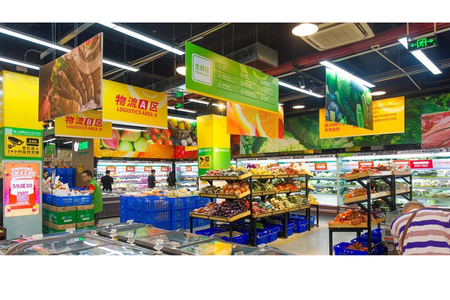
当西瓜进入零售终端,价值逻辑随之发生变化。整瓜销售与增值加工,形成了两条差异显著的价值曲线。同一颗5-6公斤重、进货成本25-28元的麒麟瓜,进入不同场景就有了完全不同的命运。

西安一超市经营者告诉笔者,整瓜销售环节,不同业态的盈利模式各有不同。线下大型超市精品西瓜综合毛利率在18%-24%区间,涵盖门店租金、人工、水电、损耗等成本分摊。在超市整瓜售卖,精挑细选后定价7元/公斤,5公斤能卖35元,扣完2.3元/公斤的运营成本,一公斤赚1块多,毛利率24%。这部分赚的是“精选和便利”的辛苦钱,很多时候甚至被当作引流品,用低价西瓜把顾客吸引进店,靠大家顺手带两盒牛奶、一袋面包赚钱。前置仓即时零售渠道,叠加最后一公里配送成本,扣除履约费用后综合毛利率在8%-16%区间。硬折扣超市多将西瓜作为引流品类,综合毛利率多控制在10%以内。

增值加工环节,西瓜的价值得到充分释放。一旦把瓜切成块,游戏规则就变了。鲜切西瓜经过去皮、去籽、分装等加工步骤,果实出成率在55%-65%区间,按60%算能出3斤净果肉,分成5盒每盒300克卖12.8元,总共能卖64元,扣掉瓜钱和1元包装费,毛利48元,毛利率冲到75%。那些卖相不好、有轻微碰伤的瓜,切掉瑕疵照样能做果切,原本要打折处理的损耗直接变成了高额利润。如果再往上游走,价值还会翻倍。15元的瓜能榨15杯西瓜汁,单杯瓜肉成本仅1元,奶茶店一杯卖12元,扣掉杯子、冰、糖成本不超过3元,毛利9元,毛利率同样超过75%。

增值环节的溢价,来自加工服务、场景体验、品牌价值的多重叠加。消费者购买的不再只是西瓜本身,更是即时可得的便利、稳定可控的品质、适配不同场景的消费体验。

产业观察

种瓜的人还没拿到属于自己的确定性

深挖西瓜的价格构成,可以看到中国生鲜产业的核心结构特征。西瓜的故事从来不是西瓜自己的故事,苹果、柑橘、蔬菜、猪肉,所有生鲜品类都是同一个逻辑。

我们用了20年时间,建起了先进的冷链物流体系、最密集的零售网络、最懂消费者的产品开发团队,给消费者提供了前所未有的确定性,任何城市、任何季节,都能买到标准、甘甜、洗好切好的生鲜产品。

生产端以分散小农户为主体,经营规模有限,抗风险能力较弱,对接大市场标准化需求的能力仍有提升空间。流通端经过多年基础设施建设,已经形成覆盖全国的高效网络,支撑起跨区域的商品流转。终端靠近消费者,能够敏锐捕捉需求变化,通过产品创新获得更高的价值回报。整条产业链的价值分配呈现微笑曲线形态,上游育种与下游零售、加工环节获得更高的附加值,中游流通赚取稳定的服务费用,生产端的种植户承担自然与市场的双重风险,收益弹性最低。

但这个无比精密的商业体系,最上游的根基还是2亿分散的小农户。他们没有定价权,没有抗风险能力,没有办法和下游的大市场议价。所有环节都在把不确定性往上游传导,批发商怕跌价把风险压给代办,超市怕损耗把风险压给供应商,最后所有的天灾、所有的价格波动,全压在了最没有能力承担风险的瓜农身上。我们拥有了全球最现代的商业流通体系,还没有建立起和它匹配的现代农业生产体系。

近年来,盒马、叮咚、钱大妈等企业已经开始探索更均衡的产业协作模式。订单农业、产地直采、基地共建等模式逐步推广,核心是通过长期稳定的合作关系,将消费端的品质需求、价格预期传导至生产端,为种植户提供明确的生产指引与收益保障,降低生产端的风险敞口。2025年行业调研数据显示,参与订单农业的西瓜种植户,亩均收益较分散种植户高出38%,自然灾害与价格波动带来的风险损失降低62%。

作为 全球最大的西瓜生产国与消费国,年产西瓜超过6600万吨,占全球总产量的60%,人均年消费西瓜超过90斤。一颗西瓜从田间到餐桌的旅程,浓缩了中国生鲜流通体系20年的进化历程,也照见了农业现代化进程中可以持续优化的方向。商业进步的终极方向,始终是让消费者获得更稳定的品质,让从业者获得更合理的回报。

注:文/RBF内容组,文章来源:零售商业财经(公众号ID:RetailFinace),本文为作者独立观点,不代表亿邦动力立场。

文章来源:零售商业财经

广告
微信
朋友圈

FAQ回顾

为什么西瓜地头收购价很低,超市售价却很高?

西瓜从地头到终端要经过产地分级打包、干线冷链运输、销地分拨、终端配送四次周转,每个环节都要分摊人工、物流、损耗等成本,进入终端后还要叠加租金、人工、品控等费用,本质是为品质确定性、流通便利性支付的成本。

参与订单农业的西瓜种植户有哪些收益优势?

参与订单农业的西瓜种植户可获得消费端明确的品质需求、价格预期与生产指引,收益更有保障,亩均收益较分散种植户高出38%,自然灾害与市场价格波动带来的风险损失可降低62%。

西瓜加工增值环节的毛利率水平是多少?

西瓜鲜切、榨汁等增值加工环节毛利率可达75%左右,鲜切西瓜可消化有轻微碰伤的次果降低损耗,西瓜汁单杯瓜肉成本仅1元,终端售价多在12元左右,溢价来自加工服务、场景体验等多重叠加。

我国西瓜流通体系近年有哪些发展变化?

2020年至2026年,全国西瓜主产区预冷设施覆盖率从21%提升至81%,冷藏保温车保有量增长至14.7万辆,跨区域流通率从34%提升至52%,流通损耗率从24.7%降至9.8%,支撑起超2400亿元的西瓜流通市场。

这么好看,分享一下?

朋友圈 分享

APP内打开

赞 +1
+1
微信好友 朋友圈 新浪微博 QQ空间
关闭
收藏成功
发送
/140 0

